Before It Became A Winery Town Stop, This Nebraska Depot Sent Grain Trains West Starting In 1887
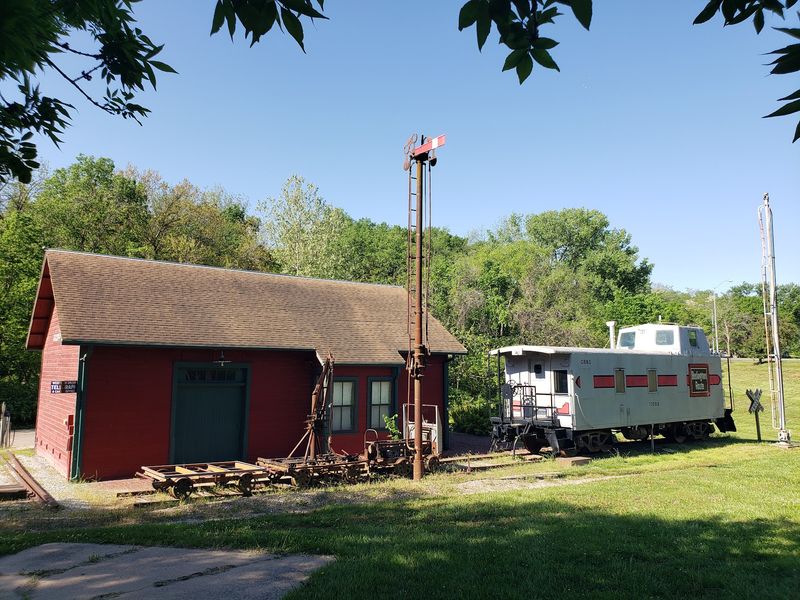
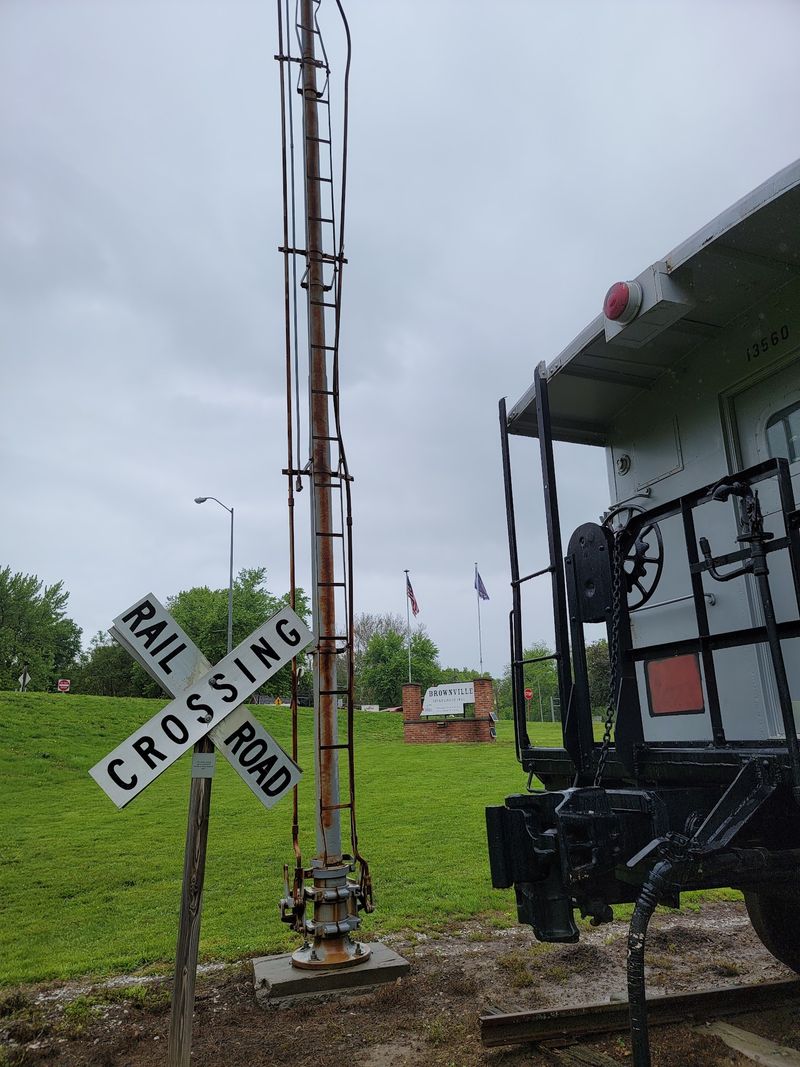
A bright red Rock Island caboose sits outside a tiny railroad museum, and nobody seems to mind that it parked there for good. Railroad fans pose beside it.
Kids point at it. It never leaves.
The neighbors make the trip even stranger. A big paddle boat dredge rests nearby on the edge of the Missouri River.
It worked the water from 1933 to 1965, helping make the river usable for modern ships.
I like how one small stop in Nebraska ties rails and river together in a single afternoon. Trains moved goods across the land.
The dredge cleared a path through the water.
I can’t imagine a better way to understand how a river town kept connected to the rest of the country. So how did one sleepy street end up holding both?
A Railroad Museum That Shares A Street With The Missouri River
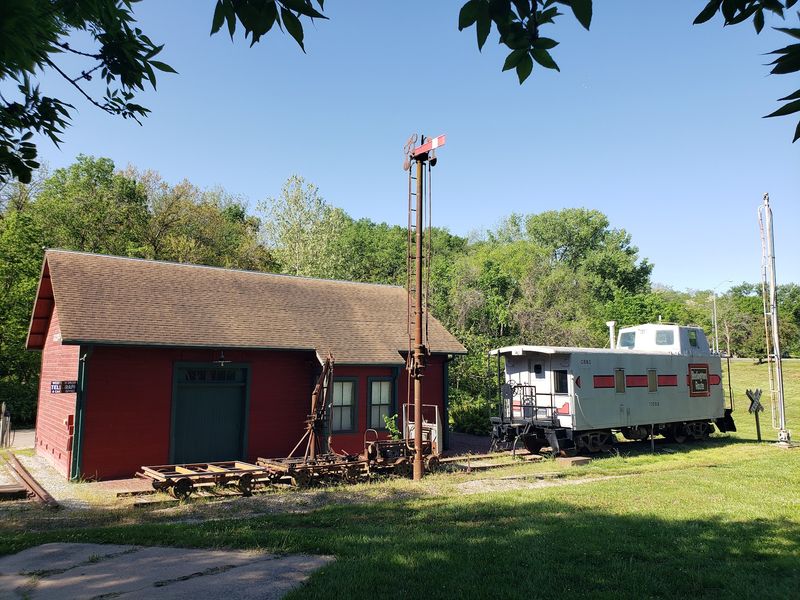
Few railroad museums can claim a river view, but the Brownville Depot and Railroad History Museum comes close. It sits in Brownville, Nebraska, a small town hugging the Missouri River in the state’s southeast corner.
The museum focuses on the rail side of local history. Old depots like this one were the front doors of small towns for generations.
Passengers arrived here, freight left here, and news often traveled by the same tracks. A depot was where a farm town met the wider world.
That’s what makes the setting so fun. Rails tell one half of the transportation story, and the Missouri River tells the other.
Brownville keeps both chapters within easy reach of each other. You can trace how goods and people moved across the region without driving all over the map.
The museum itself stays modest in size. That’s part of the charm, honestly, since you won’t need a full day and a map to enjoy it.
Think of it as a compact history lesson with real objects attached. It’s the kind of stop that rewards a slow, curious walk rather than a speedy checklist.
Why Small Nebraska Towns Lived And Breathed By Their Depots
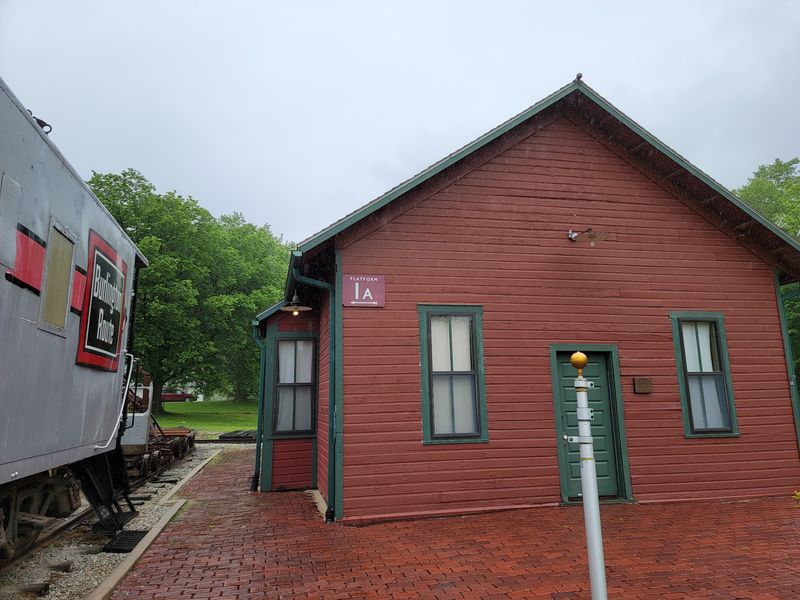
Grain doesn’t travel by wishful thinking. In Nebraska’s farm country, railroads became the lifeline that hauled crops and livestock to faraway markets.
Depots served as the hub for all of that movement. They handled tickets, freight, mail, and the daily rhythm of arrivals and departures.
For a river town, that meant a second route to the outside world. Boats could carry goods on the Missouri, while trains reached places the water never touched.
Brownville’s depot belongs to that bigger story. Standing near it helps you picture farmers, merchants, and travelers sharing the same small platform.
I believe that’s why depot museums hit so hard with Nebraskans. Many of us have grandparents who remember the whistle as the town’s unofficial clock.
The building turns those family stories into something you can actually see. It feels less like reading history and more like standing inside it.
Pay attention to how compact everything is. Small-town depots weren’t grand, but they did enormous work for the communities around them.
That gap between size and importance is the real lesson here. A little building once carried a whole town’s hopes down the line.
Say Hello To The Rock Island Caboose Out Front
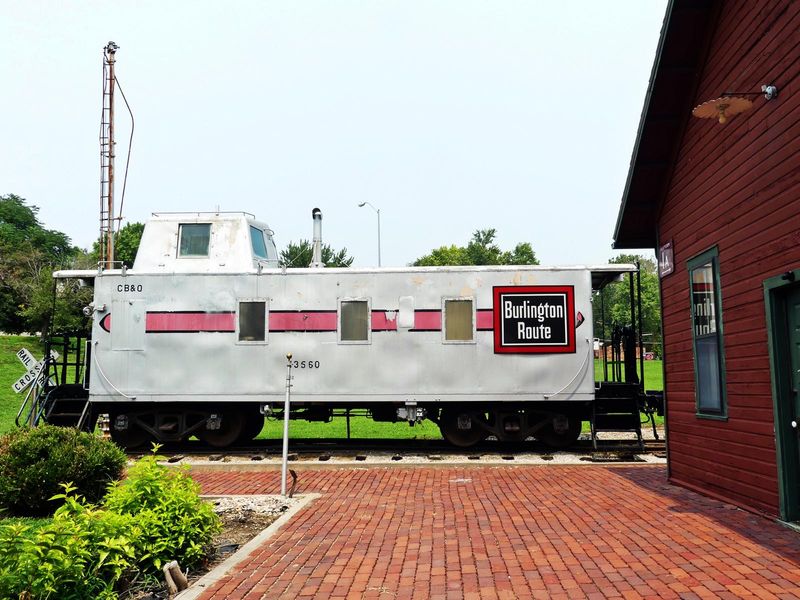
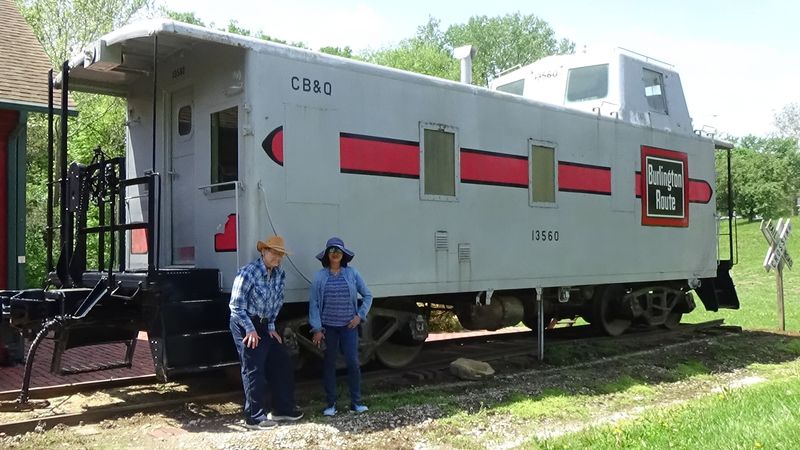
Every railroad fan knows the caboose was the little house at the end of the train. Brownville now has one of its own, a Rock Island caboose added to the museum’s exhibits.
Railroad buffs love photographing it. Honestly, who could resist a caboose that’s stopped moving long enough to pose?
Cabooses once carried crew members who watched the train from behind. They checked for trouble, handled paperwork, and kept an eye on the long line of cars ahead.
The Rock Island name carries extra nostalgia for many Midwestern rail lovers. That railroad once crisscrossed the plains, and its logo still sparks instant recognition.
Seeing one up close helps kids understand trains better than any picture book. They can see the windows, the steps, and the size of the thing.
Grandparents may have stories ready to go. A caboose tends to start conversations about waving at trains from the family car.
Bring a camera and take your time circling it. The caboose makes a great centerpiece for a family photo with a little railroad history built right in.
The Paddle Boat Dredge That Tamed A Mighty River
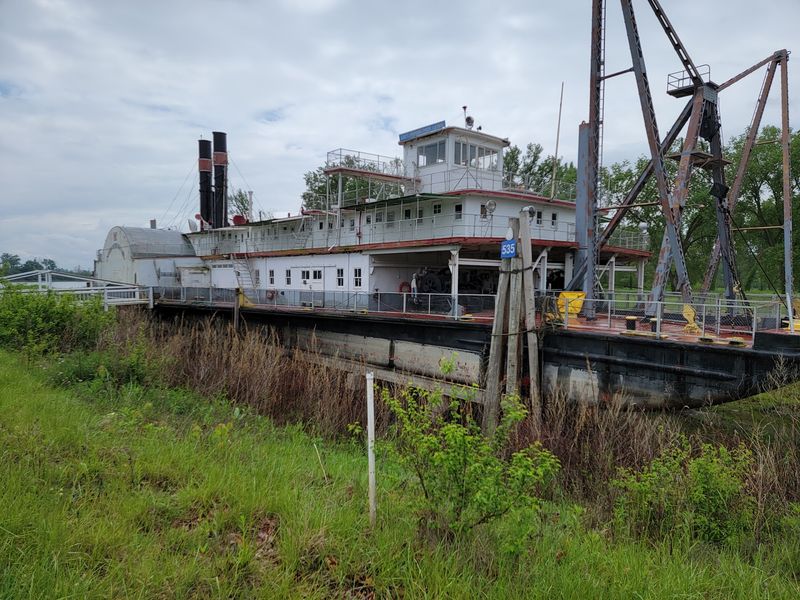
Thirty-two years of hard river work earned the Meriwether Lewis dredge its retirement. The paddle boat operated from 1933 to 1965 on the Missouri River.
Its job sounds simple but wasn’t. The dredge helped shape the river so modern ships could navigate it more safely.
The Missouri was famous for shifting sandbars and wandering channels. Crews worked to keep a reliable path open for river traffic.
Today the dredge sits near the depot, giving Brownville a two-for-one history stop. The rail story and the river story practically shake hands.
The dredge’s history is genuinely interesting, especially the part about making the river workable for bigger vessels. It shows how much effort went into a waterway many people take for granted.
Kids may be surprised that a boat could be a construction machine. Adults may be surprised by the sheer scale of the project.
Pairing it with the depot makes sense. Both machines moved Nebraska’s goods and people, just on very different kinds of roads.
Plan time for both if you can. Seeing one without the other feels like reading only half a good book.
Rails Meet River In One Easy Afternoon
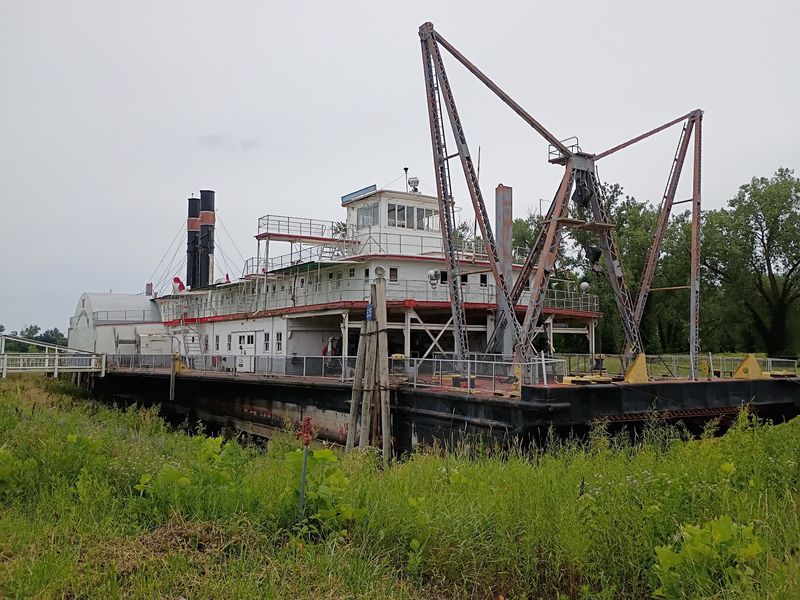
Two transportation stories usually live in two different museums. Brownville skips that hassle by keeping them close together.
The Brownville Depot and Railroad History Museum covers the tracks. The nearby dredge covers the water, and the Missouri River flows right there to finish the scene.
That combination makes the visit feel complete. You leave understanding how a river town stayed connected by both boat and train.
It also makes the stop easy to plan. You can park once, wander a bit, and see a surprising amount without feeling rushed.
Families with younger kids benefit most from that layout. Short attention spans do better with quick switches between a caboose, a depot, and a giant boat.
History lovers get something deeper. The pairing shows how railroads and river work competed and cooperated across the decades.
I like how the setting does half the teaching for you. The river is right there, so the dredge’s purpose suddenly makes perfect sense.
Bring comfortable shoes and a little curiosity. The rest takes care of itself once you start connecting the dots between water and rail.
Bouncing Back After High Water Hit The Riverfront
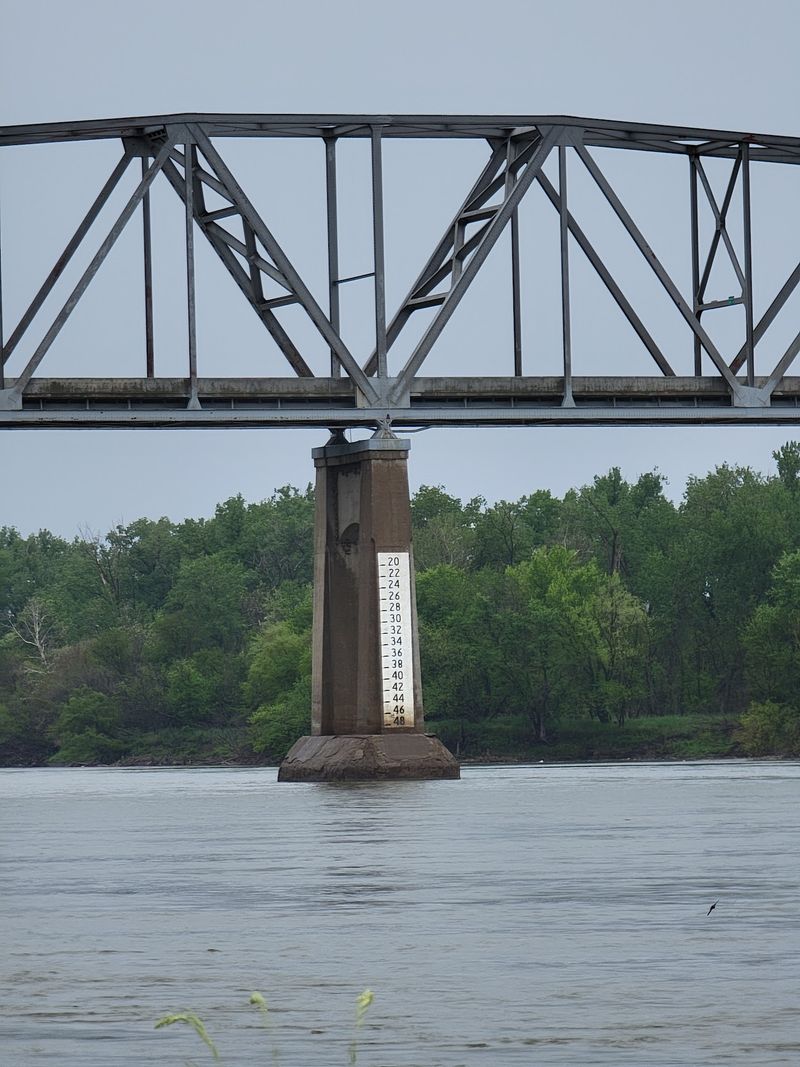
Living beside the Missouri River comes with a catch. Flooding has hit the Brownville riverfront in recent years, and repairs took time.
The good news? Much of that flood damage has been repaired, and the riverside camping area has been rebuilt.
The museum area came through looking untouched. Even better, new exhibits arrived, including that photogenic Rock Island caboose.
That kind of comeback says a lot about a small town. Brownville clearly cares about keeping its history open for the next generation.
Nebraskans know this story well. River towns along the state’s eastern edge have cleaned up and rebuilt more than once.
Seeing a restored riverfront feels encouraging. It proves that small communities can protect their past even when the water rises.
The rebuilt campground also adds options for your visit. You could turn a museum stop into an overnight river trip if the weather cooperates.
Keep in mind that riverside spots can change with the seasons. Checking conditions before you go is always a smart move near the Missouri.
Questions Worth Asking Once You Step Through The Door
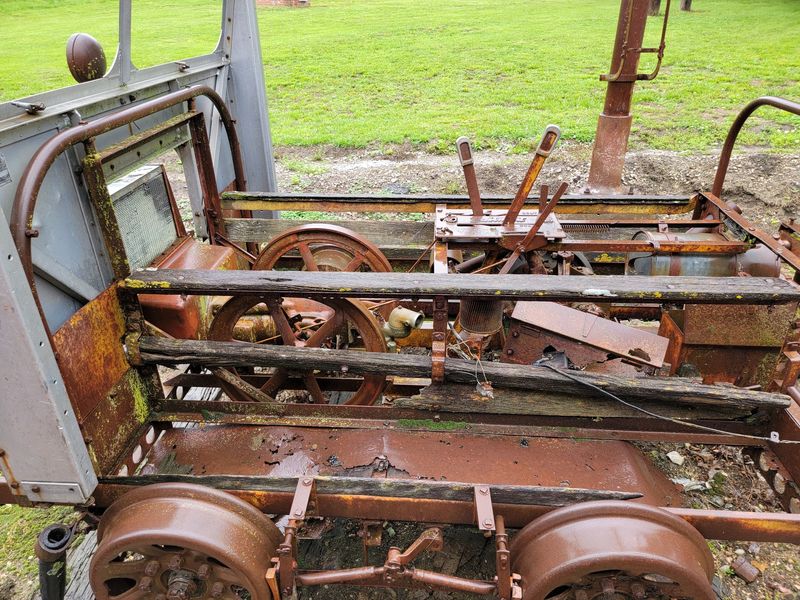
Curious visitors tend to want more details about what’s inside the depot itself. That’s a fair wish, and it’s a great reason to visit in person.
Small museums often tell their best stories through volunteers and local knowledge. Asking questions usually unlocks more than any sign could.
Try asking how the depot connected to river traffic. That question links the building straight to the dredge sitting nearby.
You might also ask about the caboose and how it joined the collection. Every artifact in a small museum usually has a story about how it arrived.
Kids can keep a simple list of things to spot. A caboose, a river, and a paddle boat make a pretty good scavenger hunt.
Older visitors might bring their own memories along. Talking about old trains is half the fun at a place like this.
Go in with curiosity rather than expectations. A small museum shines brightest when you treat it like a conversation, not a theme park.
You’ll likely leave knowing more than you planned. That’s the sneaky magic of a little building packed with big local history.
A Low-Key Outing Built For Rail Fans And Families
Grandkids and grandparents make a perfect team for this stop. One group loves trains, and the other remembers when they ran through every small town.
The pace stays relaxed. Nobody needs to rush, and nobody needs a long lecture to enjoy the caboose or the dredge.
Rail fans will find plenty to photograph. The Rock Island caboose and the depot setting make strong subjects for any camera roll.
History buffs get the river angle as a bonus. The dredge adds an engineering story that many people never learned in school.
Young kids benefit from the hands-on feel of real machines. Seeing actual equipment beats scrolling through pictures on a screen.
Couples looking for a quiet day trip fit right in too. The town’s riverside setting makes a calm backdrop for wandering.
I believe this stop works best for people who enjoy slow discovery. It’s not flashy, and that’s exactly why it feels genuine.
Pack a snack and some patience for little explorers. They’ll probably ask to see the caboose one more time before leaving.
Finding Your Way To Main Street In Brownville
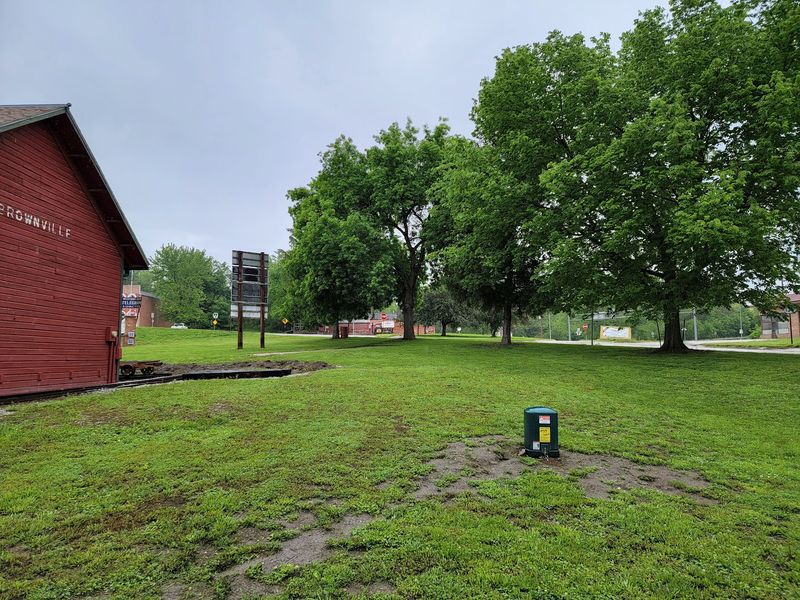
Main Street makes navigation refreshingly simple. The museum sits at 131 Main St, Brownville, NE 68321, close to the Missouri River.
Brownville lies in southeast Nebraska, near the Missouri border. The drive takes you through rolling river country rather than flat prairie.
From Lincoln or Omaha, it makes a comfortable day trip. You can visit, explore the riverfront, and still get home for supper.
The town is small, so don’t expect heavy traffic. Parking and wandering usually feel easy compared to a city museum.
Follow the road down toward the river to find the dredge. The depot and riverfront pair naturally, so plan to see both.
Cell service and maps work well enough to get you there. Still, it never hurts to know your route before you leave town.
Bring cash or a card for any donations or small purchases. Small museums often depend on visitor support to keep exhibits in good shape.
Once you arrive, slow down and enjoy the quiet streets. The setting is part of the reward for making the drive.
Timing Your Trip Around Daytime Hours And Warm Months
Daytime visits are the plan here. The museum lists daytime hours throughout the week, opening in the morning and closing by late afternoon.
Hours can be irregular, though. The museum tends to be open mostly during the summer months, so a quick check ahead saves frustration.
Summer also brings the best weather for exploring outdoors. The caboose and dredge are much more fun to see under sunny skies.
Spring and fall can work beautifully too. The river valley looks lovely when the trees start leafing out or turning color.
Winter visits are trickier. Small seasonal museums sometimes scale back, and riverside walks get chilly fast.
Give yourself at least an hour or two. That’s enough time to see the depot, admire the caboose, and stroll down to the dredge.
Weekends may feel livelier in town. Weekdays usually offer a quieter, more relaxed pace for wandering.
Whatever you choose, confirm before heading out. A few minutes of planning keeps your road trip from ending at a locked door.
Extra Reasons To Linger In This River Town
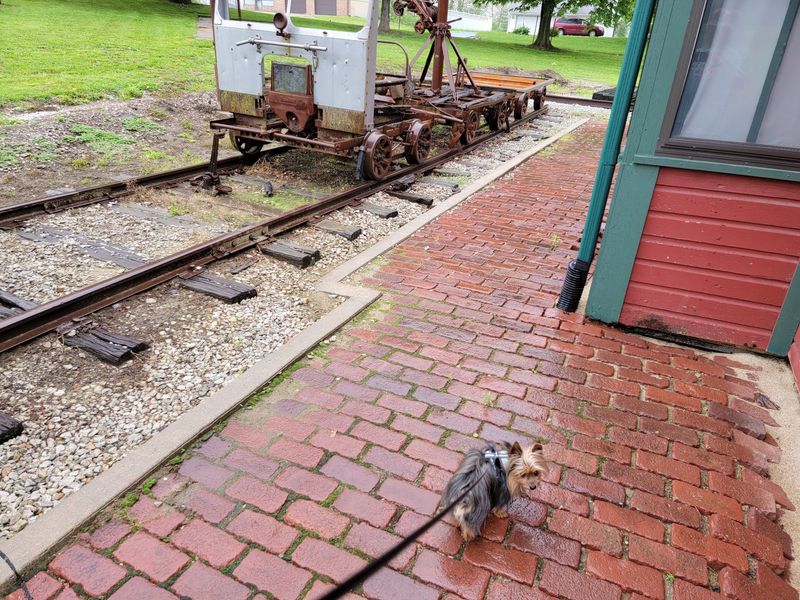
Brownville is often called Nebraska’s oldest town, and it wears that title well. Historic buildings line its streets, giving the whole place a storybook feel.
The town is also known for its arts scene. The Brownville Village Theatre has long brought live performances to this small riverside community.
That mix of history and culture makes it easy to stay longer. A depot visit can turn into a full day of wandering.
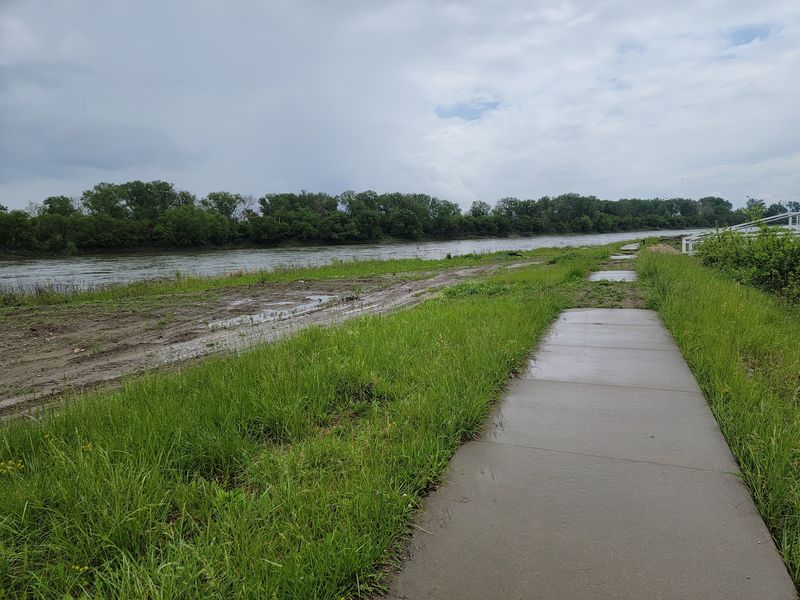
The riverfront offers its own pleasures. Watching the Missouri roll past is a surprisingly relaxing way to spend a few minutes.
The rebuilt camping area gives outdoor lovers a reason to stay overnight. Waking up near the river beats a highway hotel any day.
Small shops and old homes reward slow walkers. Look closely at the architecture to spot details from the town’s early years.
I like how Brownville doesn’t try too hard. It simply offers its history and lets you discover the rest.
Bring a curious mindset and comfortable shoes. You might find yourself planning a return trip before the first one ends.
Small Building, Big Story, And A Caboose That Stays Put
Some museums dazzle with size. The Brownville Depot and Railroad History Museum wins you over with focus and charm instead.
It tells a clear story about how trains and the Missouri River kept a small Nebraska town connected. The caboose and dredge make that story easy to see and remember.
It’s not a place for flashy screens or giant crowds. It suits people who enjoy real objects, quiet streets, and history they can stand beside.
Families get a manageable outing. Rail fans get great photos, and history lovers get the bonus of the river dredge nearby.
Do your homework on hours before you drive. A quick check helps you catch the museum on an open day.
Then let the afternoon unfold naturally. Wander from the depot to the caboose, then down toward the river.
I believe this stop earns a spot on any southeast Nebraska road trip list. It’s modest, sincere, and packed with meaning.
The caboose isn’t going anywhere. That might be the best reason to finally go see it yourself.