Before You Drive Out Know That Nebraska’s Sandhills Hold A Lake Where Bison Wade At Dusk
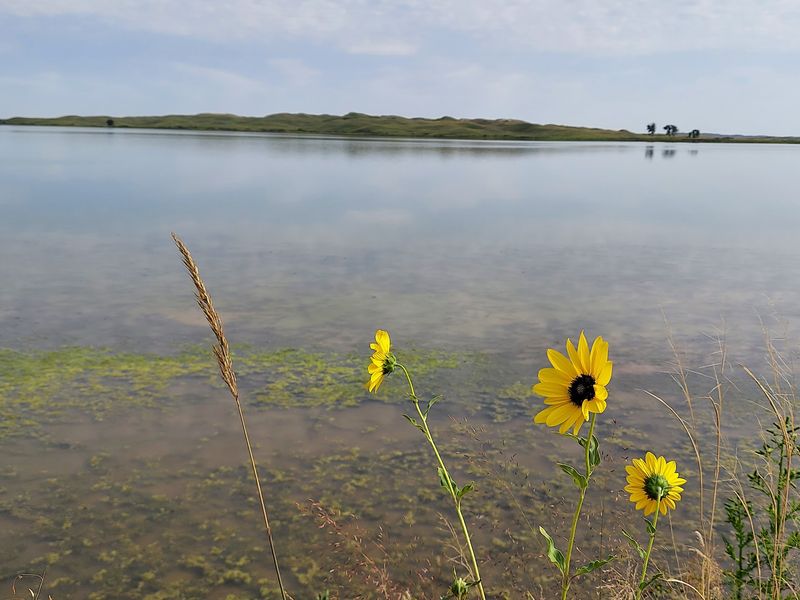
A lookout tower built by the Civilian Conservation Corps still stands on a Nebraska hilltop, watching over lakes where gas motors aren’t allowed. That one rule keeps the water hushed.
Paddles, electric motors, and waterfowl do most of the talking.
The refuge around it rolls across the Sandhills, with gravel wildlife drives looping past marsh and prairie. Prairie chickens and sharp-tailed grouse share the grass.
Snapping turtles cruise the shallows like they hold the deed.
And the bison from the headline? They roam a neighboring refuge just up the road, so one long day can hold both scenes.
I like how this corner of the state rewards anyone willing to drive a little farther than planned.
I can’t imagine a better place to hear almost nothing at all. So what waits at the end of those gravel roads?
A Sandhills Refuge Made For Birds, Not Crowds
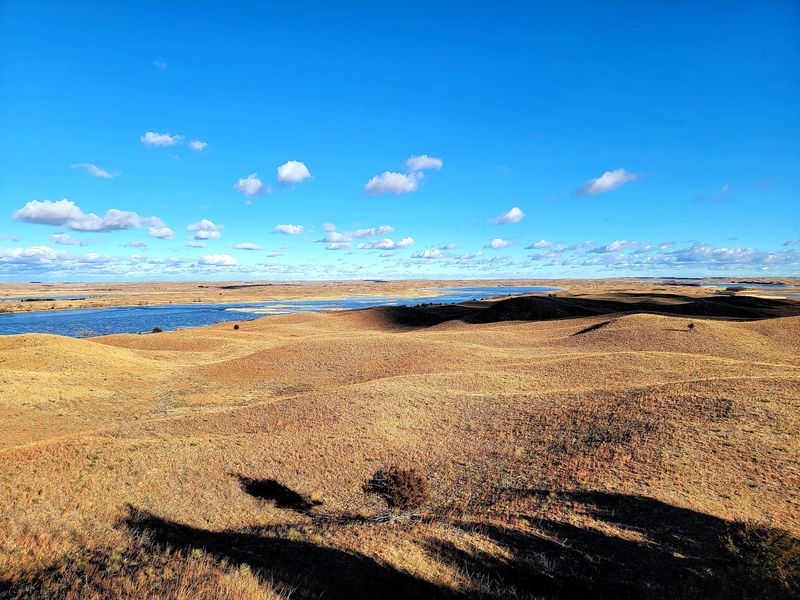
Lakes scattered across grass-covered dunes set the scene at Valentine National Wildlife Refuge in north-central Nebraska. The refuge sits south of the town of Valentine, with U.S.
Highway 83 running right through it.
It covers more than 70,000 acres of Sandhills prairie, marsh, and open water. That’s a lot of elbow room for ducks, grouse, and anyone craving quiet.
The Sandhills form one of the largest grass-stabilized dune regions anywhere. Here, those dunes cradle shallow lakes fed by groundwater, creating a patchwork of wet and dry habitat.
Wildlife responds exactly the way you’d hope. Waterfowl gather on the lakes, upland birds work the hills, and turtles patrol the shallows.
Don’t expect a gift shop or a snack bar. Facilities are kept minimal, and the land does the entertaining.
Gravel roads lead to boat launches, docks, two short hiking trails, and a scenic auto tour. Every stop feels a little more remote than the last.
Think of it as a place built for wildlife first and visitors second. Somehow, that order makes the visit better, not worse.
The Bison Live Next Door, And That Works In Your Favor
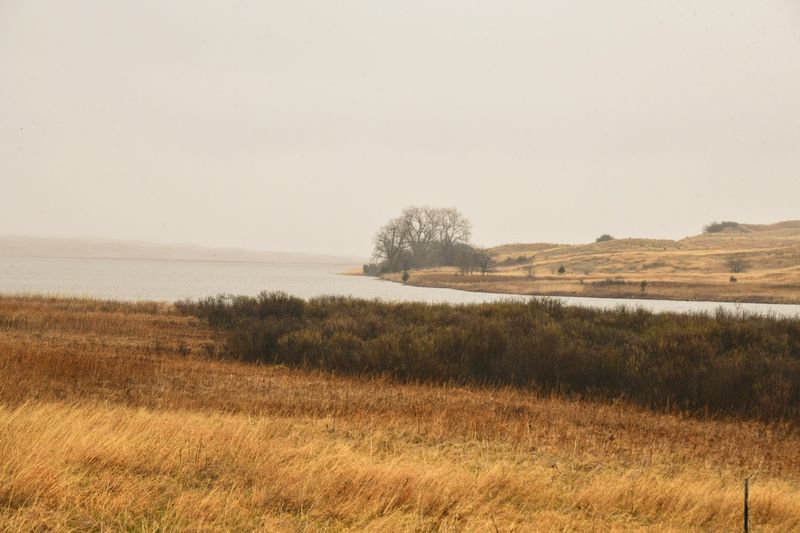
Honesty first, because nobody likes a surprise at the end of a long drive. The bison herd near Valentine lives at Fort Niobrara National Wildlife Refuge, not at the lake-filled refuge south of town.
Fort Niobrara sits east of Valentine along Highway 12. Its herd numbers roughly 300 to 400 animals grazing native prairie above the Niobrara River.
So why does that count as good news? You can pair both refuges in one day without much backtracking.
Spend the morning around the Sandhills lakes watching waterfowl and hiking to the lookout tower. Then swing back toward Valentine for a late-day look at bison country.
Fort Niobrara offers a self-guided drive where bison, elk, and deer may appear. Evening light often brings more wildlife out, though animals keep their own schedules.
Binoculars help, since the herd sometimes grazes far from the road. Patience helps even more.
Together, the two refuges show two very different faces of northern Nebraska. One is all water and grass, the other is river canyon and buffalo prairie.
Nearly A Century Of Room For Migrating Wings
Back in 1935, the federal government set this land aside as a refuge for migratory birds. That makes Valentine National Wildlife Refuge roughly 90 years old.
The timing mattered. Waterfowl numbers were struggling, and the Sandhills lakes offered prime breeding and resting habitat.
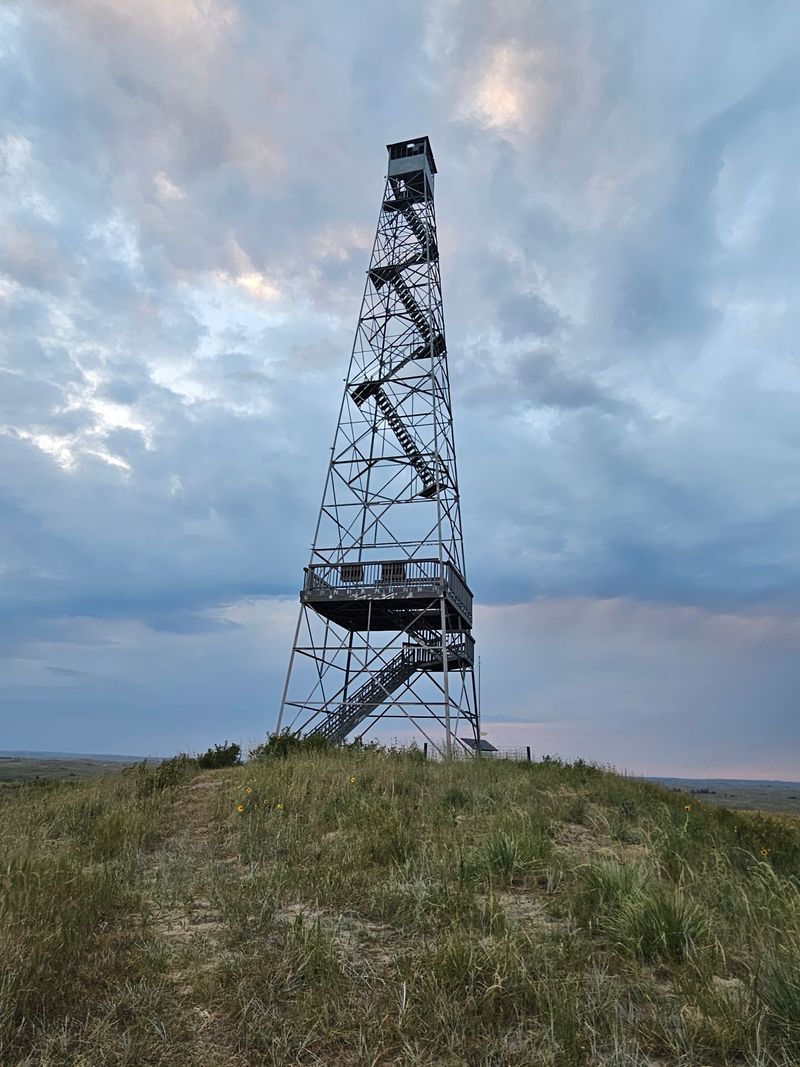
Around the same era, the Civilian Conservation Corps worked across the country on conservation projects. Here, the crews left behind a fire lookout tower that still stands today.
That tower is a real trace you can walk to and stand beside. Interpretive signs along the trail share the CCC story right where it happened.
Management continues in quieter ways now. Cedar removal helps keep the prairie open for native grasses and wildflowers.
Open grassland matters for birds like the greater prairie chicken. Trees creeping into the hills can push those grassland specialists out.
So the refuge you see is not frozen in time. It’s tended, watched, and adjusted so the birds that arrived in 1935 still have a reason to return.
A Mile-Long Walk To A Tower The CCC Left Behind
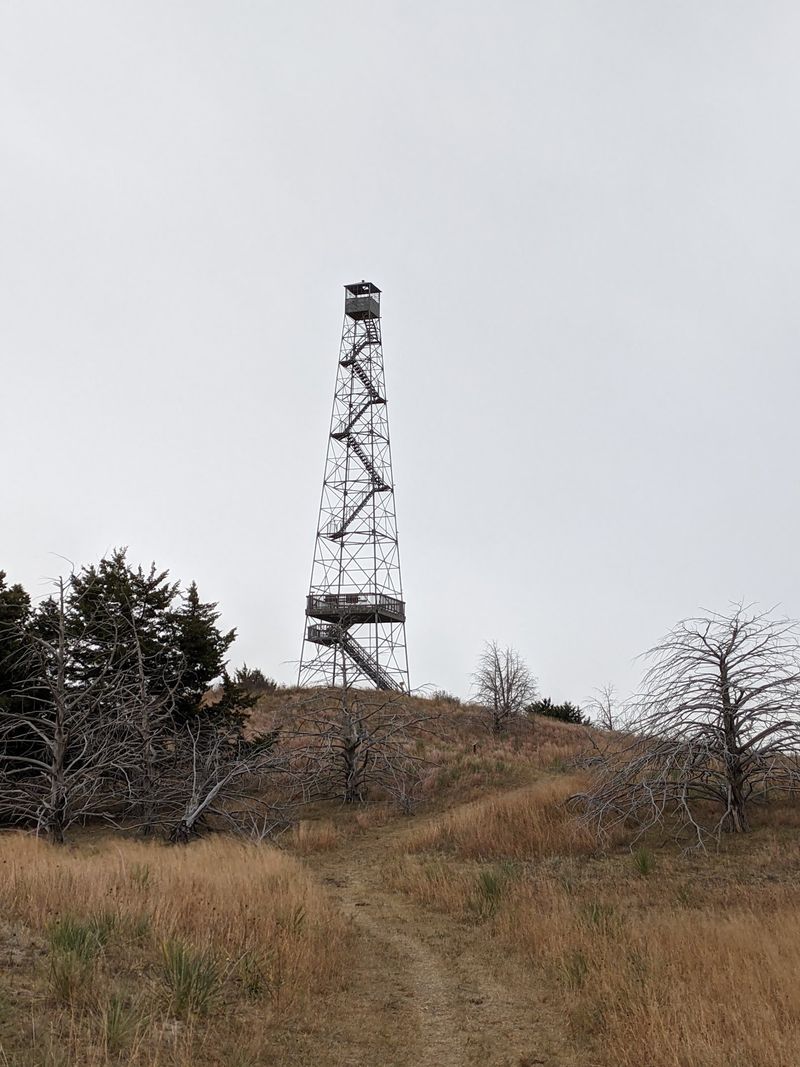
Wow, a fire lookout tower in Nebraska? Yes, and it’s one of the best reasons to stretch your legs here.
The trail to the CCC fire lookout tower runs about a mile. It’s mowed, with rest benches along the way for anyone who likes a pause with a view.
Interpretive signs cover the Ogallala Aquifer, the Civilian Conservation Corps, and the Sandhills themselves. You’ll finish the walk knowing why those lakes exist in the first place.
One heads-up keeps expectations honest. You can’t climb all the way to the top of the tower.
Even so, the hilltop delivers a wide sweep of dunes and wetlands. It’s the kind of view that makes a long road trip feel worth it.
Signs along the route also warn about small poison ivy plants. Stay on the mowed path and watch your ankles.
Morning or evening light flatters the rolling hills nicely. Bring water, wear real shoes, and let the silence do its thing for a while.
Lakes Where Gas Motors Stay On Shore
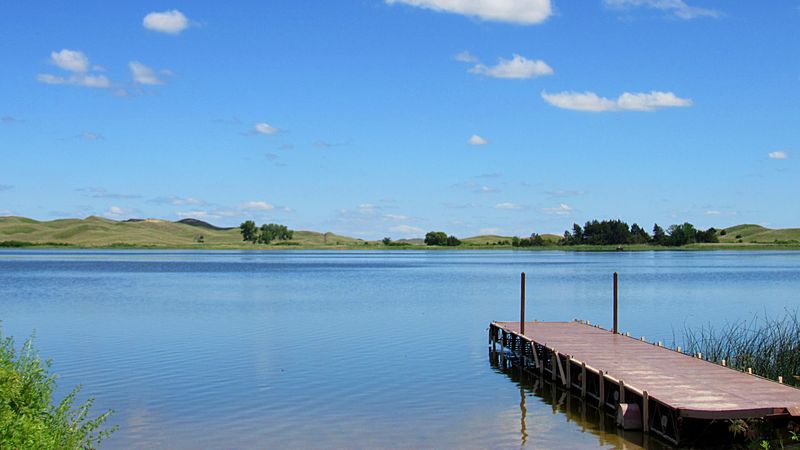
No roaring engines, no wake-jumping, no fumes drifting across the water. Gasoline motors aren’t allowed on the refuge lakes, and the difference is easy to appreciate.
The result is calm, clear water that suits paddlers and anglers alike. Electric motors and plain old oars keep things peaceful.
Docks and boat launches show up around the refuge’s gravel roads. That makes it simple to slide a canoe, kayak, or small boat into the water.
The rule also levels the playing field. A modest boat works just as well here as a pricey one.
Shorelines stay lively with waterfowl, shorebirds, and the occasional huge snapping turtle. Keep your fingers inside the boat, please.
Groundwater from the Ogallala Aquifer feeds these Sandhills lakes. That hidden supply is part of why so much open water sits in such sandy country.
A quiet paddle at sunrise might be the purest way to see the place. The hills glow, the water stays still, and the birds barely notice you.
Fishing Lakes On The Comeback Trail
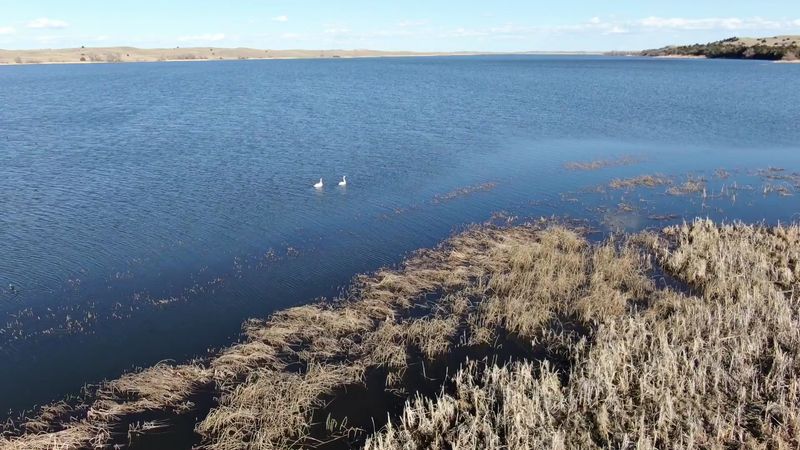
Anglers with long memories talk about this refuge with real affection. The lakes earned a strong reputation for fishing over the years.
Then nature threw a couple of curveballs. Floods in 2019 and a winter kill in 2023 hit the fish populations hard.
Winter kill happens when oxygen drops under ice and fish can’t survive the season. Shallow lakes are especially prone to it.
Recovery takes time, and that’s the honest picture right now. Fishing is still allowed, but expectations should match the moment.
A boat helps reach the better spots. Bank fishing can be slower, though the scenery makes up for a quiet line.
Families still find plenty to enjoy on a fishing and nature outing here. Turtles, birds, and big skies keep young eyes busy between bites.
Check current Nebraska fishing regulations and refuge rules before you go. Lake-specific rules can change as fish populations rebuild.
Think of it as rooting for the home team during a rebuilding year. The comeback story is part of the fun.
Little Hay Valley Rewards Slow Drivers
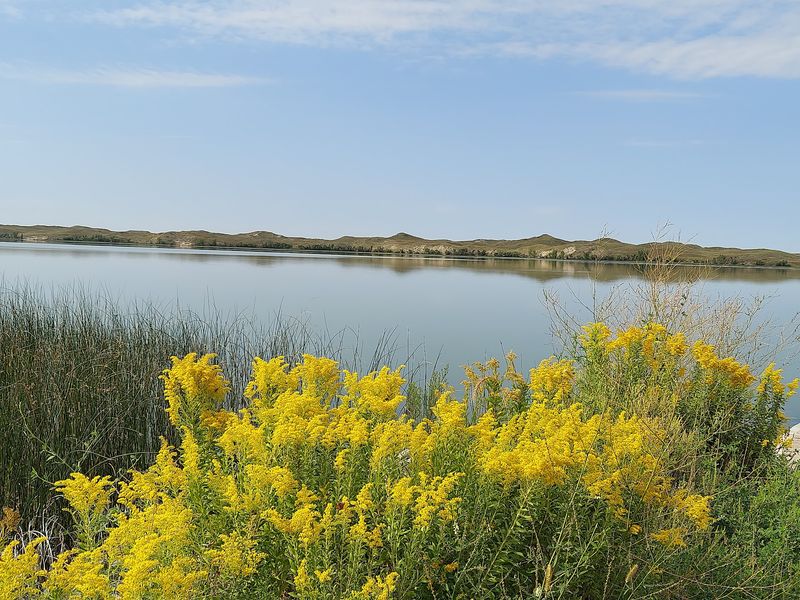
Some drives are about getting somewhere, and this one is about staying put. The auto tour route through Little Hay Valley follows a maintained gravel road.
Wetlands, prairie, and rolling dunes unfold on both sides. It’s the easiest way to see a big slice of the refuge without hiking.
The road runs one lane in places. Passing other cars can be tricky, so a relaxed pace works best.
Slow is the whole point anyway. Waterfowl, deer, and upland birds can pop into view at any bend.
Main roads are graded and generally manageable for everyday vehicles. Some back roads get rougher, so weather and road choice matter.
Cyclists enjoy the refuge roads too, especially early on summer mornings. Cool air and active wildlife make a strong combination.
Pull over only where it’s safe and keep your engine noise low. Animals tend to stick around longer when cars stay calm.
Bring binoculars and a full tank. Little Hay is the kind of valley that turns a quick loop into an hour without asking permission.
Grouse On The Hills And Ducks On The Water
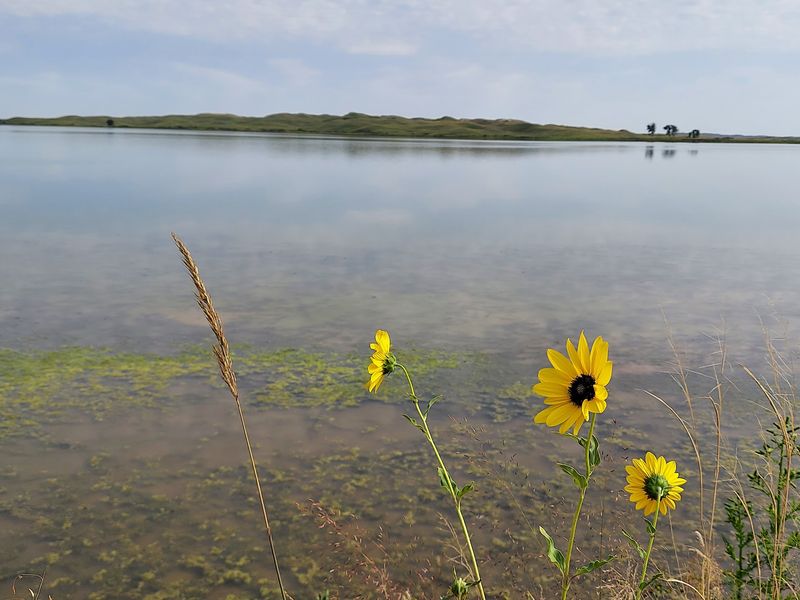
Bring two pairs of eyes if you can, one for the lakes and one for the hills. Bird life here splits neatly between water and grass.
On the water, waterfowl and shorebirds steal the show. Migration seasons bring changing faces, so spring and fall visits can look very different.
Up in the dunes, greater prairie chickens and sharp-tailed grouse roam the grassland. They’re wary birds and tend to spot you first.
Pheasants and wild turkeys also turn up across the refuge. Even a short drive can produce a surprising checklist.
Golden light at sunrise and sunset makes the Sandhills formations glow. That’s prime time for both birds and photos.
The prairie itself deserves attention too. Healthy stands of native wildflowers and forbs help feed insects, which in turn feed young birds.
Don’t overlook the reptiles. Huge snapping turtles lurk in the shallows like grumpy, armored neighbors.
A field guide and patience go a long way here. Nebraska rarely puts this many wild birds in one quiet place.
Who Will Love It Most, From Hunters To Quiet Seekers
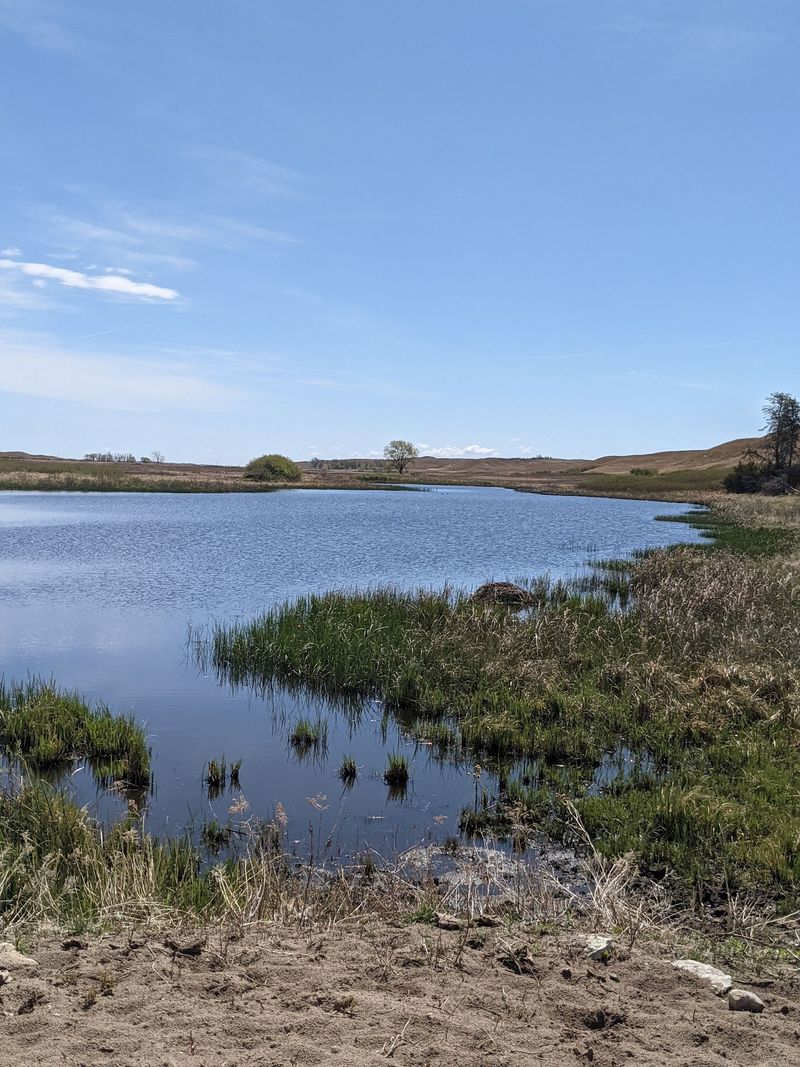
Hunters circle autumn on the calendar for good reason. The refuge offers upland game opportunities, including prairie chickens and sharp-tailed grouse.
Deer season draws plenty of people too. Rifle season can get busy, so hiking farther from the roads pays off.
Dogs are welcome on a leash, unless they’re working during a hunt. Porcupines live here as well, so keep curious noses close.
Birdwatchers will find room to roam in nearly every season. Migrating waterfowl alone justify a spring or fall trip.
Paddlers and anglers fit right in on the motor-free lakes. Quiet water suits small boats and slower afternoons.
Then there’s the person who simply needs silence. The lack of human-made noise here feels almost unusual in modern life.
Families with kids who love animals can make a full day of it. Turtles, birds, and a tower hike keep things moving.
Anyone expecting playgrounds or concessions may feel underwhelmed. Everyone else will likely find exactly what they drove out to Nebraska for.
Pack Bug Spray, Snacks, And A Little Patience
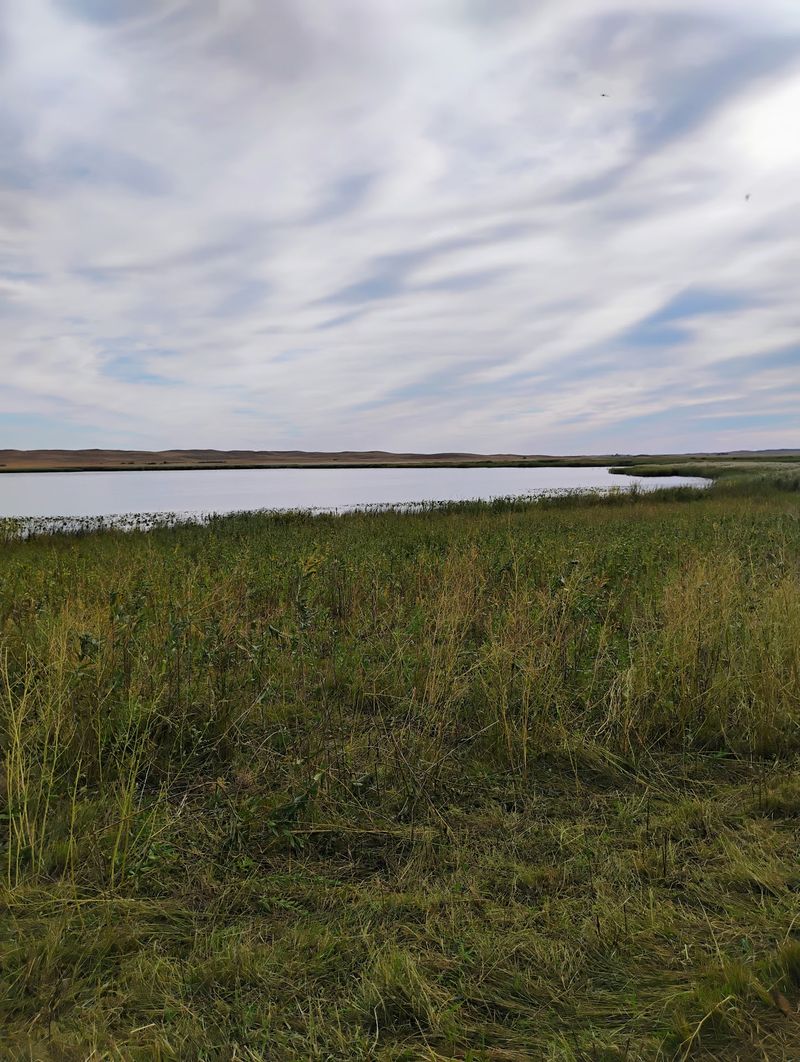
Plan ahead, because services are scarce once you leave town. Valentine National Wildlife Refuge has very few facilities beyond trails, docks, and a restroom.
The refuge is listed as open 24 hours. Its address is 39679 Pony Lake Rd, Valentine, NE 69201.
Highway 83 between Valentine and Thedford crosses the refuge. That makes even a pass-through trip a chance to spot waterfowl.
Bugs can be fierce in warm months, especially near water. Repellent, long sleeves, and a hat earn their spot in the car.
Gravel roads are mostly graded and fine for regular vehicles. Some side routes get rough, so four-wheel drive brings extra peace of mind.
Picnic areas are basically absent. Pack food and water, and plan to carry out every scrap you bring.
Watch for poison ivy along trails and cactus in the hills. Sandhills plants have opinions.
Rangers can help with questions about roads, seasons, and rules. A quick check before heading out saves wasted miles.
Worth The Miles For Anyone Who Likes Big, Quiet Country
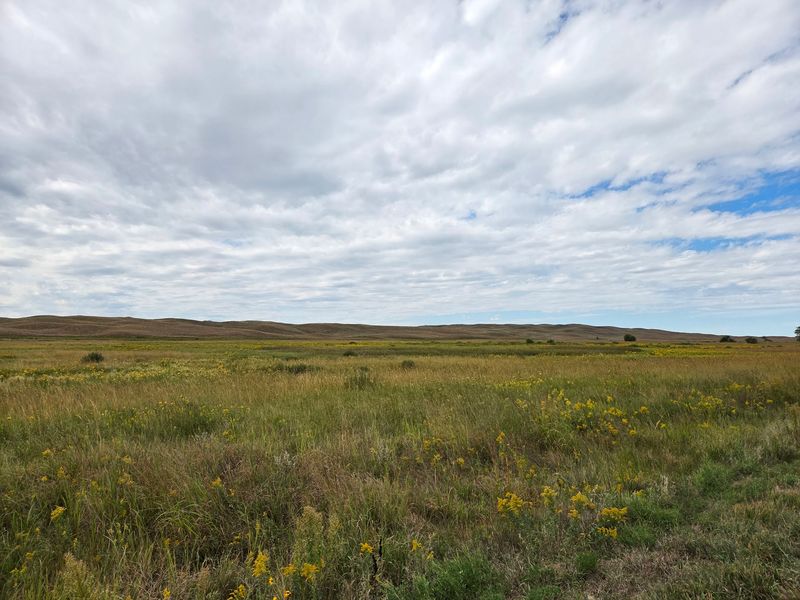
Few places in Nebraska feel this wide open and this calm at the same time. Valentine National Wildlife Refuge delivers both without trying very hard.
You get motor-free lakes, a CCC tower trail, and a valley drive full of birds. It all comes wrapped in some of the prettiest Sandhills scenery around.
Fishing is rebuilding, and facilities stay minimal. Those are honest trade-offs, not deal-breakers.
Add Fort Niobrara and its bison herd, and the day gets even fuller. Lakes in the morning, buffalo prairie later, and plenty of open road between.
Golden hour makes the strongest case for staying late. The dunes warm up, the water goes still, and the wildlife starts moving.
This isn’t a quick stop for selfies and souvenirs. It’s a place for people who enjoy watching and waiting.
Pack well, drive slow, and bring someone who appreciates silence. The Sandhills tend to repay that kind of company.
Odds are good you’ll leave planning a return trip. Next time, maybe in a different season.