This Grand 1920s Theater In Nebraska Is Now Where Kids Fall In Love With The Stage
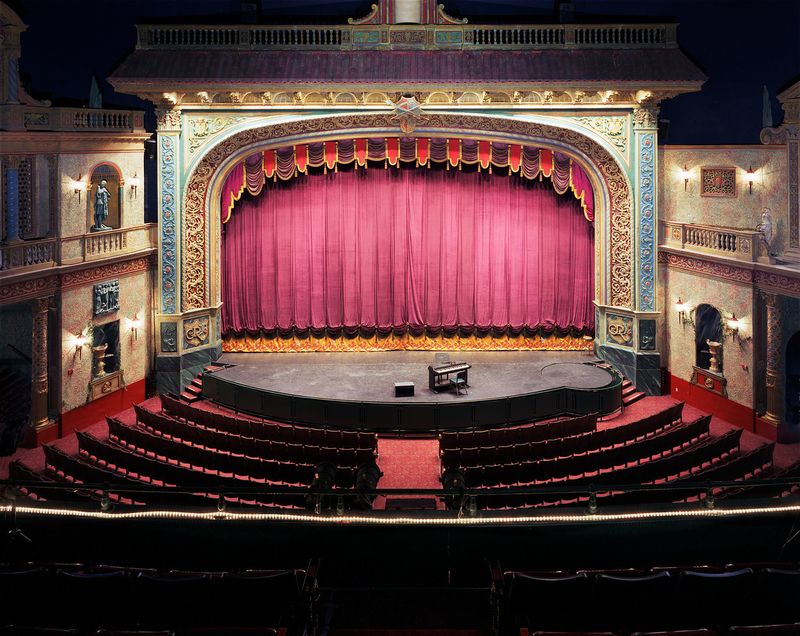
A 1920s movie palace in Nebraska once had a miniature golf course in its lobby. Today, that same building hands its stage to kids, and honestly, I think that’s the better plot twist.
It opened with a ceiling designed to look like a night sky. Moorish towers, a copper dome, and mosaic floors gave it the glamour of a fancy far-off getaway.
Then came a stock market crash, a bowling team, a rescue, and a big renovation. Now professional actors perform full seasons of plays and musicals made for young audiences, and little ones can even wiggle in a special basement space.
I love a building that refuses to stay in one lane for very long. How many old palaces get a second act this good, and how exactly did this one pull it off?
A Downtown Palace Built For Grown-Ups Now Belongs To The Kids
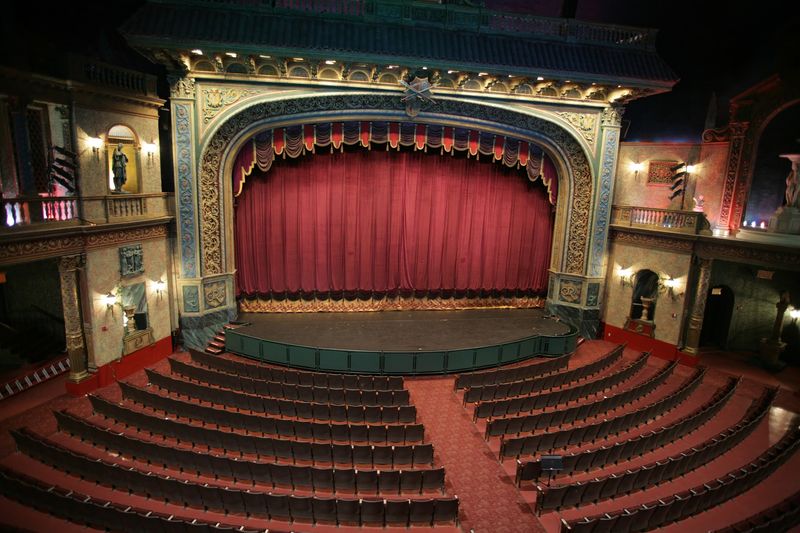
Officially, it goes by The Rose Blumkin Performing Arts Center. Almost everyone just calls it The Rose Theater, and that friendly nickname suits its current crowd perfectly.
The building sits in downtown Omaha, one of the most recognizable landmarks in Nebraska’s largest city. It opened in the 1920s as a lavish entertainment palace, the kind of place built to make grown-ups feel like royalty for an evening.
Today, the audience skews much shorter. The theater focuses on live plays and musicals for young people, with programming aimed mainly at kids under 13 and the families who bring them.
That doesn’t mean the shows are small. Professional actors perform full seasons on a historic stage, and recent productions have included big titles like Disney’s Frozen and Goosebumps The Musical: Phantom of the Auditorium.
Kids also get to do more than watch. The Rose runs classes, camps, and workshops that let young performers step into the spotlight themselves, or slip backstage if that’s more their speed.
So yes, a fancy old palace now belongs to the kids. Considering how much glitter it already had, they seem like the ideal owners.
The Big Dream Of A Showman Named A.H. Blank
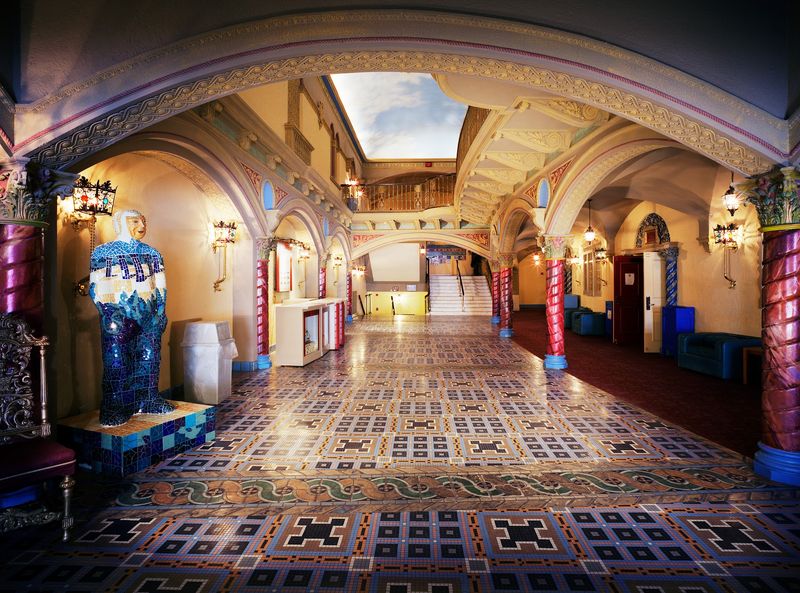
Back in 1927, the building opened under a completely different name. It was called The Riviera, which already tells you the mood its creator was chasing.
That creator was A.H. Blank, a Romanian immigrant with very big ideas.
He didn’t want a plain movie house, so he hired one of the most famous theater architects in the country.
John Eberson got the job. He was known for designing atmospheric theaters, where audiences felt like they were sitting outdoors in some romantic, faraway courtyard.
The Riviera was enormous, too. It originally held 2,776 seats, which is a whole lot of popcorn for one evening in Omaha.
Inside, the details went all in on luxury. Tapestries, oriental rugs, sculptures, fountains, and intricate mosaic tile floors gave patrons plenty to stare at before the show even started.
For a Nebraska city in the 1920s, that was a bold statement. Blank was essentially promising his neighbors a trip abroad without the trouble of leaving town.
I admire that kind of ambition. He built something meant to impress, and nearly a century later, it still manages to do exactly that for a brand-new generation.
Stars And Clouds Were Built Right Into The Ceiling
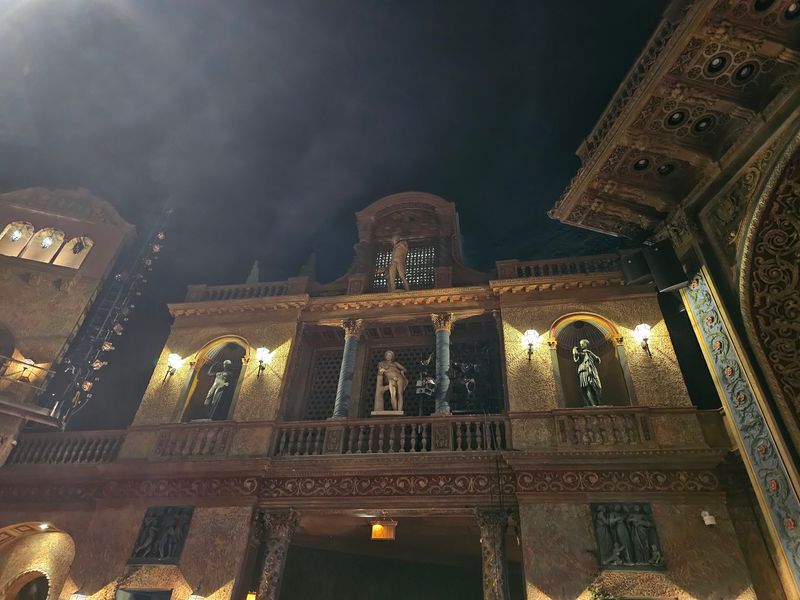
Most theaters ask you to look at the stage. Eberson’s atmospheric designs gave you a reason to look up first.
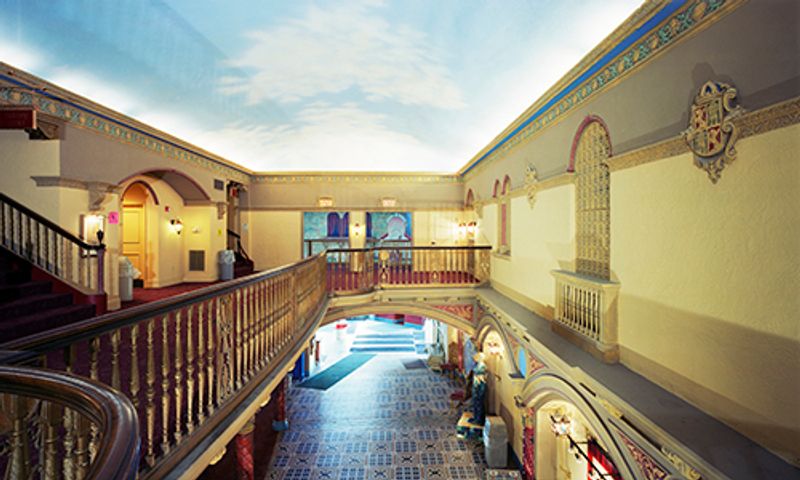
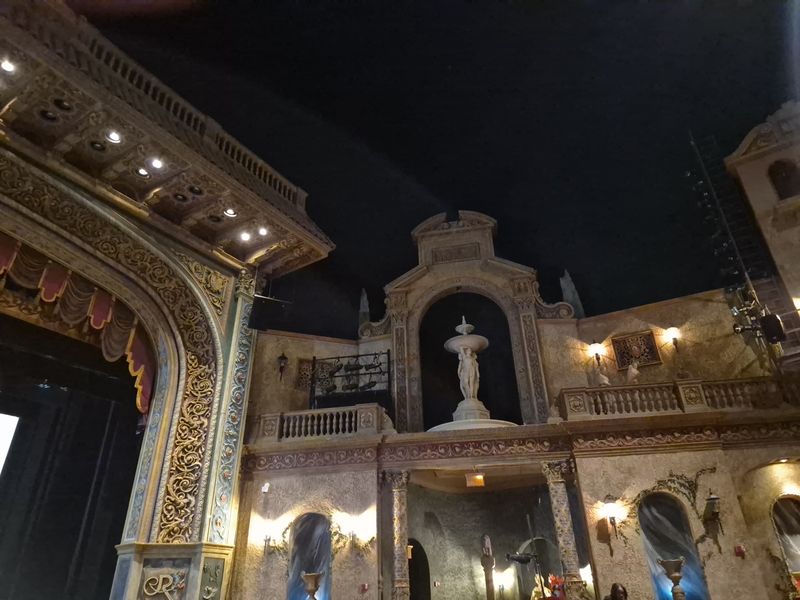
The idea was simple and a little bit magical. Audiences would sit beneath a ceiling designed to look like an open night sky, complete with twinkling stars and drifting clouds.
The goal was to make people forget they were indoors. Instead of a plain roof, you’d feel like you were lounging in a Mediterranean garden after sunset.
That fit right in with the Riviera name. Combined with fountains and sculptures, the whole room was built as an escape from everyday life.
Eberson designed this style for theaters across the country. The Omaha building is part of that famous family, which makes it a fun piece of American entertainment history right here in the state.
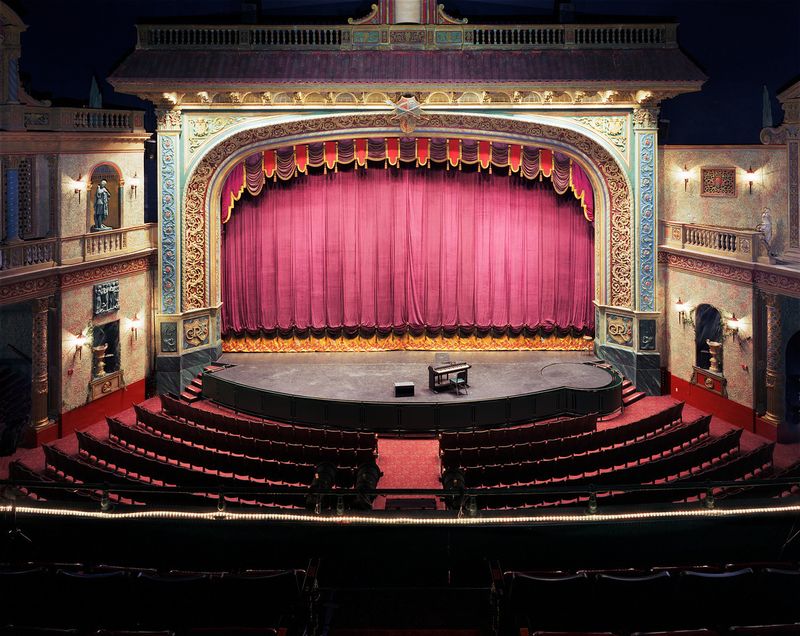
Renovations over the years changed parts of the interior. Still, care went into keeping the spirit of his original design alive inside the auditorium.
Honestly, kids probably understand this concept better than anyone. A room that pretends to be a starry courtyard is basically a giant act of imagination, and imagination is the whole point of the place now.
Mini Golf In The Lobby And Bowlers On The Payroll
The glamour lasted only two years before reality crashed the party. The stock market collapse of 1929 forced A.H.
Blank to sell his grand theater.
New owners renamed it the Paramount Theater. Then they got creative about filling the place, and some of their ideas were wonderfully strange.
During the 1950s, a miniature golf course went into the main lobby. Picture putting a ball across a palace floor built for evening gowns, and you’ll see why this detail makes people grin.
The changes kept coming. In 1962, the building became the Astro Theater, a name that suddenly sounded more space age than Mediterranean.
For a brief stretch, it even housed a professional bowling team. That’s quite a resume for a building that started out with fountains and tapestries.
Plenty of old theaters across Nebraska faded quietly during those decades. This one kept reinventing itself instead, trying on new identities like costumes from a wardrobe rack.
Looking back, those odd chapters feel like practice. A building that survived mini golf and bowling was clearly flexible enough to handle a crowd of excited kids in the years ahead.
The Furniture Legend Who Saved The Show
Every good story needs a hero, and this one stars Rose Blumkin. She was a legendary Omaha businesswoman, and in 1981 she bought the aging building.
Her purchase saved it from being torn down. Without that move, the old Riviera might be nothing but a memory and a few faded photographs.
A major transformation followed. After a renovation reported at around ten million dollars, the building reopened in 1995 with a new name honoring its rescuer.
It became the Rose Blumkin Performing Arts Center. That’s where the friendly nickname, The Rose, comes from, and it’s a fitting tribute to the woman who stepped in.
The reopening also gave the theater its lasting purpose. It became the permanent home of the Omaha Theater Company, a children’s theater group with deep roots in the city.
I find this chapter genuinely moving. One determined person saw value in a building others might have written off, and generations of kids have benefited ever since.
It’s also a very Nebraska story. A local name, a local landmark, and a local commitment to keeping something special around for the families who come next.
Copper Domes And Diamond Brick You Can Spot From Down The Block
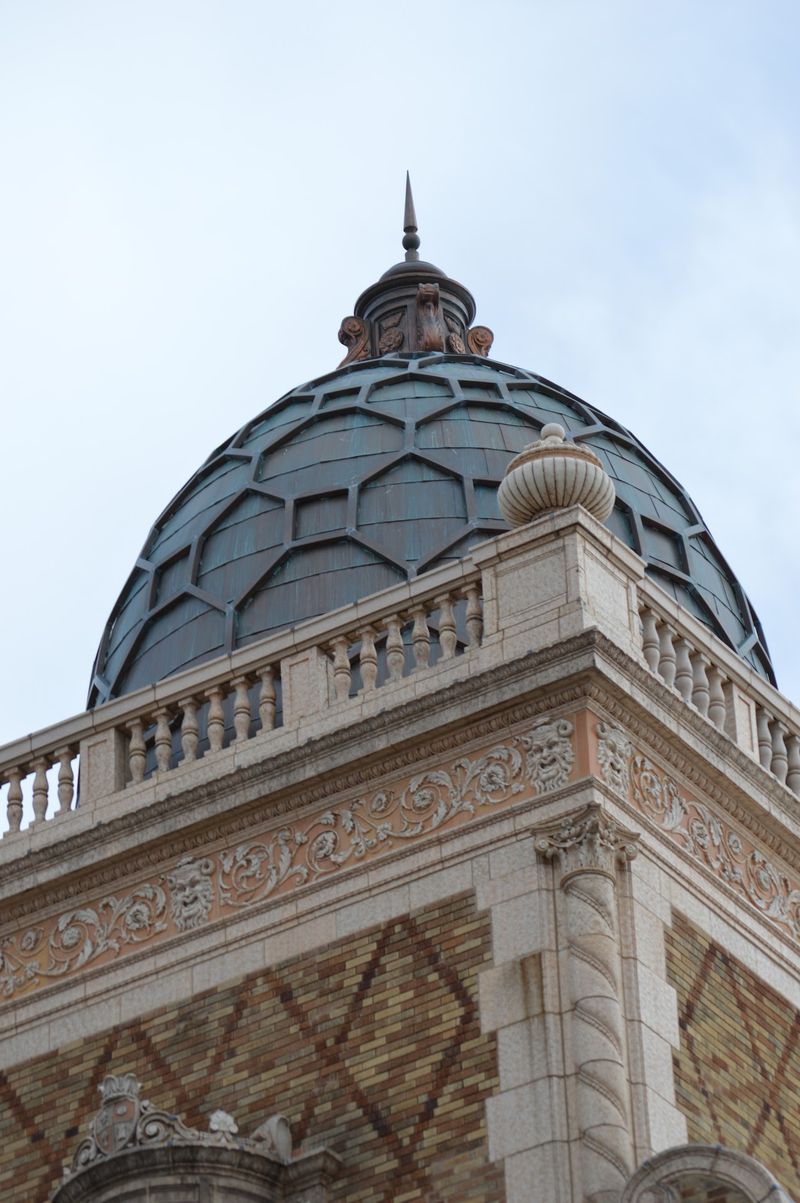
Some buildings blend into a downtown skyline. This one stands out the moment you turn onto the block.
You’ll find The Rose Theater at 2001 Farnam St, Omaha, NE 68102. Look for the large copper-domed tower, flanked by two smaller towers that frame it like loyal sidekicks.
The facade adds even more personality. Diamond-patterned brick and elaborate cornices mix Moorish and Classical styles into something you won’t confuse with an office building.
Officials took notice decades ago. The theater was added to the National Register of Historic Places in 1974 and named an Omaha Landmark in 1980.
Inside, the grandeur continues. Sweeping balconies and intricate mosaic flooring carry that 1920s flair into every visit.
The acoustics also have a strong reputation. That matters a lot when the show includes a full musical score and young ears hanging on every word.
For architecture fans, it’s worth arriving a little early just to look around. Kids might be focused on the stage, but grown-ups can spend those extra minutes admiring the craftsmanship overhead and underfoot before the house lights dim and the real fun begins.
A Children’s Theater That Started Back In 1948
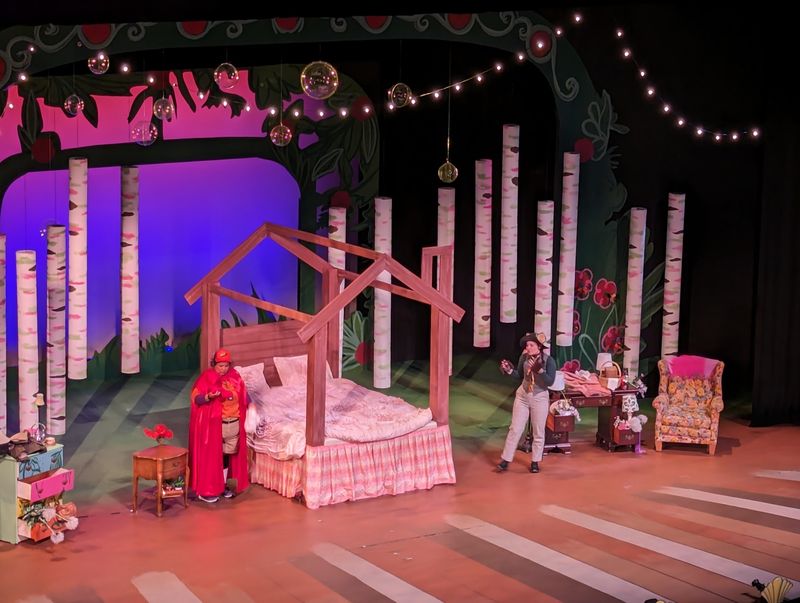
The company inside has a history almost as colorful as the building. It began in 1948 as the Omaha Junior Theater.
That makes it one of the oldest children’s theaters in the United States. Today it operates as the Omaha Theater Company, and The Rose is its permanent home.
Shows here aren’t tossed together. Professional actors perform a full season of plays and musicals, with programming geared mainly toward kids under 13.
Recent seasons have featured some heavy hitters. Disney’s Frozen took the stage, and so did Goosebumps The Musical: Phantom of the Auditorium, which sounds like ideal fall fun.
Productions often go beyond the basics, too. Costumes, lighting, and a pit orchestra can help turn a familiar story into a real event for young viewers.
Many shows run about an hour, which is a smart length for small attention spans. Some stories are classic, while others are reimagined with fresh, contemporary angles.
The theater publishes show guides and audience advisories for productions. Families can check those ahead of time to pick the experience that fits their kids best, which takes a lot of guesswork out of planning.
The Mighty Wurlitzer Still Lives Inside
Here’s a fun fact to spring on someone during intermission. The Rose houses a 3-manual, 21-rank Wurlitzer theatre organ.
If those numbers mean nothing to you, don’t worry. Basically, it’s a big, impressive instrument with three keyboards and a whole lot of sound packed inside.
Organs like this were once the heartbeat of movie palaces. Before talking pictures, they provided music for silent films and stage acts, filling grand rooms with drama and fun.
So the Wurlitzer connects straight back to the building’s early days. It’s a working reminder that this place started as a spot for big-screen entertainment.
The River City Theatre Organ Society maintains the instrument. That kind of dedicated care helps keep a rare piece of history in playable shape.
I can’t imagine a better object to spark a kid’s curiosity. An organ with keyboards stacked like a staircase looks like something straight out of a storybook.
It’s also a nice bridge between generations. Grandparents may remember theater organs from long ago, while younger visitors may be meeting one for the very first time right here in downtown Omaha.
Wiggle Rooms And Meet-And-Greets Make Little Ones Feel Welcome
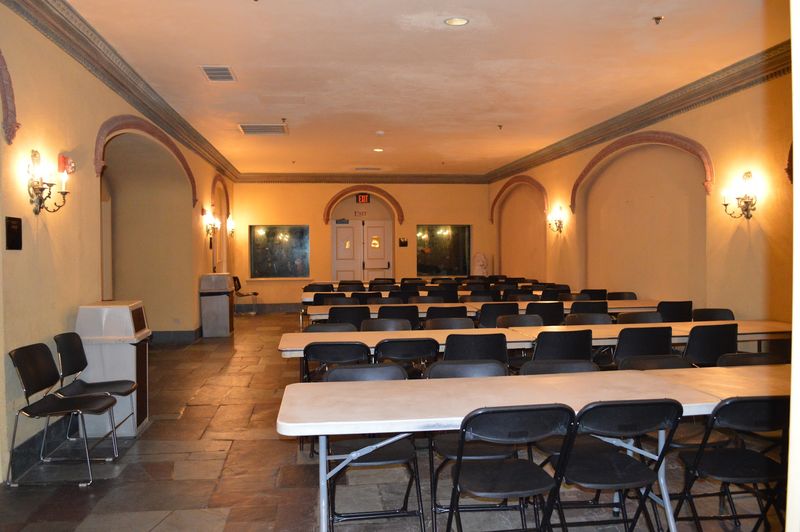
Anyone who has taken a toddler to a show knows the struggle. Sitting still for an hour is a big ask for tiny bodies.
The Rose has a clever answer. A kid wiggle space in the basement gives restless little ones room to move without missing out on the performance.
Sensory accommodations are part of the experience, too. The theater also offers ASL translation for students who are deaf or hard of hearing in its programs.
Inclusion runs deeper than a single feature. Lesson plans can be reworked with sensory and mobility modifications, so more kids can fully join in.
Then there’s the after-show magic. Q and A sessions and meet-and-greets let kids ask questions and see their stage heroes up close.
For a young fan, that moment can feel bigger than the show itself. Meeting the person who just played a favorite character is the kind of thing kids talk about for weeks.
Social narratives and show guides help families prepare before arriving. Knowing what’s coming can make a first theater trip feel a lot less overwhelming, especially for kids who like a little warning before something new.
Your Kid Might End Up On That Stage
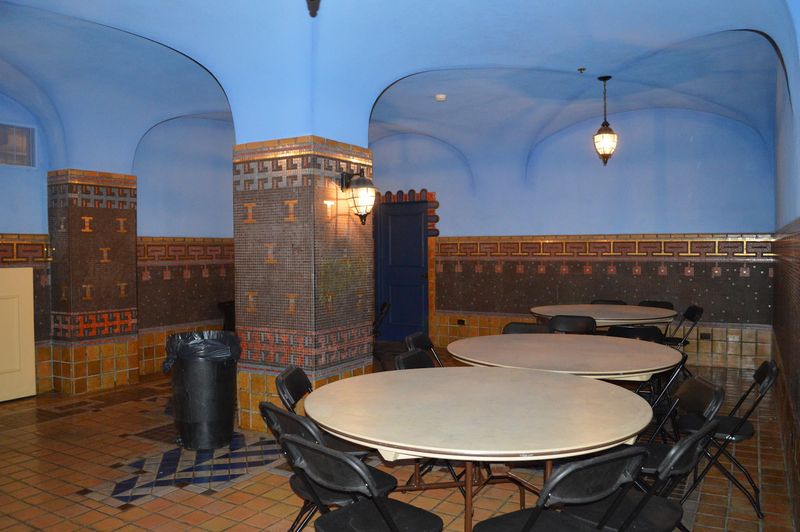
Watching a show is fun, but performing in one is a whole different thrill. The Rose turns plenty of audience members into actors.
Its education programs cover a lot of ground. Kids and teens can take classes, camps, and workshops in acting, musical theater, dance, playwriting, and even filmmaking.
The youngest learners get their own track. Early Education Programming introduces musical theater, dramatic play, and storytelling to children as young as two.
Older students can go further. Teens ‘N’ Theater lets participants act, direct, write, and stage-manage their own productions from start to finish.
The theater also runs Brigade programs for young performers. These opportunities help kids build confidence and teamwork alongside their stage skills.
Dance is a popular part of the mix as well. For some kids, the community they find in these classes becomes as important as the performances themselves.
I like that the spotlight isn’t the only goal. A kid who discovers a love for writing scripts or running a show backstage is learning just as much as the one taking a bow, and that’s a lovely thing for any Nebraska family to find.
Candlelight Concerts Prove Grown-Ups Get A Turn Too
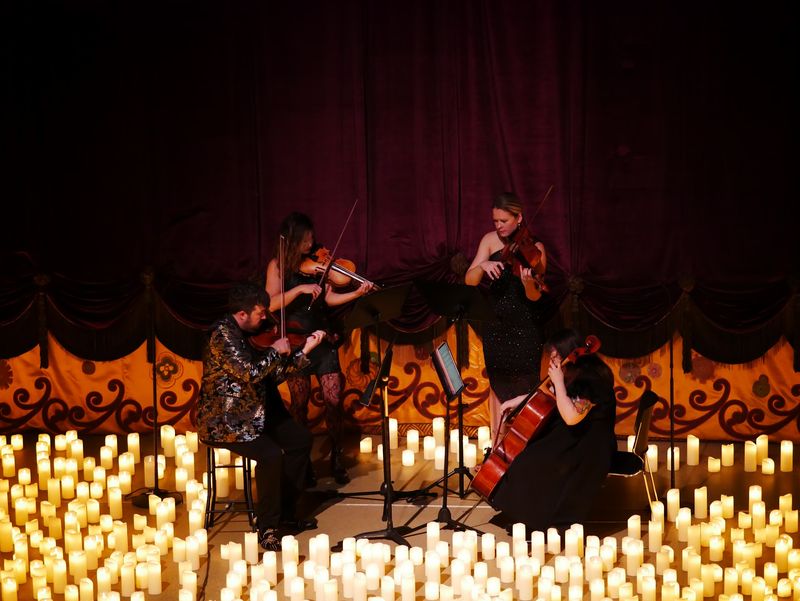
Kids may run the main season, but adults aren’t left out. The Rose has hosted candlelight concerts that bring a very different mood to the building.
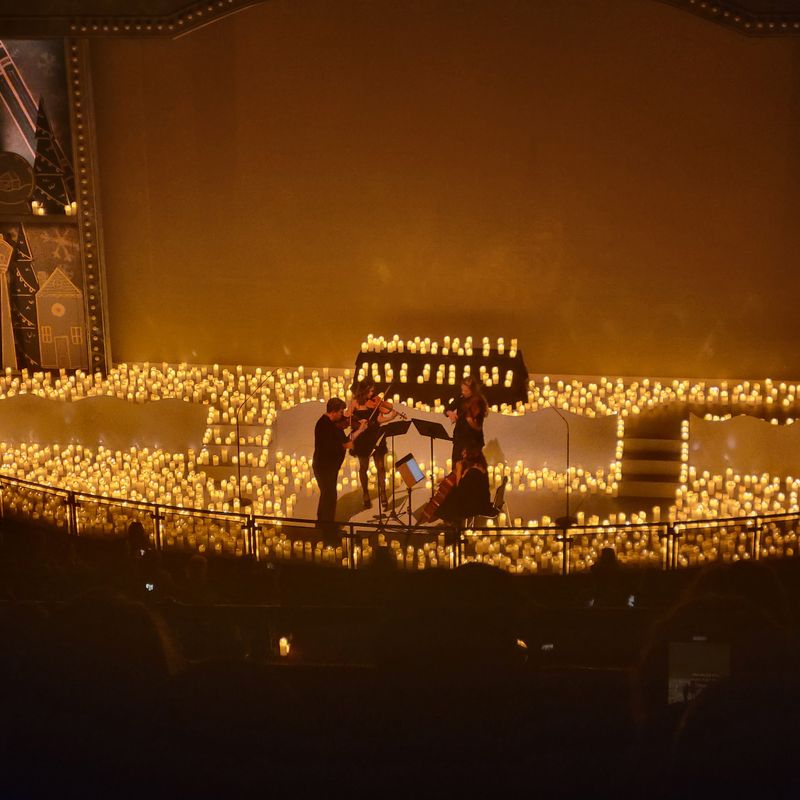
Think string quartets surrounded by flickering candles. The Fountain City Quartet has performed in this setting, giving the historic space an intimate, glowing feel.
Some of these concerts have taken place in a smaller theater space. That more personal setting suits the quiet beauty of a string quartet nicely.
It’s a great option for multigenerational outings. Adult kids, parents, and grandparents can share an evening that feels special without any cartoon characters involved.
Back on the family side, The Rose also works hard to make theater reachable for everyone. Its CommUNITY Connections outreach offers programming at free or reduced rates to Omaha-area children and families.
Many productions include pay-what-you-can evenings, too. The goal is clear: money shouldn’t be the reason a child misses live theater.
The theater also brings events outside its walls, like RoseFest at Heartland Park. So whether you’re seven or seventy, there’s probably a reason to show up at some point during the year.
Plan Ahead, Then Let The Building Work Its Magic
Show times change with each production, so the season calendar is your best friend. Check it before you go, along with any show guide or audience advisory.
Membership is available for families who plan to come often. With a full season of plays and musicals, regular visits can easily become a household tradition.
Getting downtown deserves a little planning, too. Road construction in Omaha has made traffic trickier at times, so building in extra travel time is a smart move.
Strollers and little ones are a normal sight here. Arriving a few minutes early still helps everyone settle before the lights go down.
Downtown has plenty of dining nearby if you want to make an outing of it. A meal before an hour-long show makes for an easy, satisfying afternoon or evening.
So is it worth the trip? I believe it is, especially if your crew loves stories, music, or simply staring up at a ceiling built to imitate the sky.
The Rose Theater blends Nebraska history with pure kid joy. Few places let a family meet a 1920s palace and a favorite character on the same night.