Go Behind The Scenes Of Real CDC Investigations At This Free Museum In Atlanta Georgia
In Atlanta, Georgia, one museum offers a fascinating look at the science and stories behind public health. The David J. Sencer CDC Museum, located on the campus of the Centers for Disease Control and Prevention, invites visitors to explore how researchers and health experts work to protect communities around the world.
Through engaging exhibits, the museum highlights real investigations into outbreaks, historic public health milestones, and the tools scientists use to track and fight disease. Artifacts, interactive displays, and detailed storytelling help bring these complex topics to life in ways that are easy to understand.
Guests often leave with a deeper appreciation for the work that happens behind the scenes to keep people safe and healthy. For students, curious travelers, and anyone interested in science or history, this free Atlanta museum offers an experience that is both educational and surprisingly captivating.
1. Free Admission for Everyone
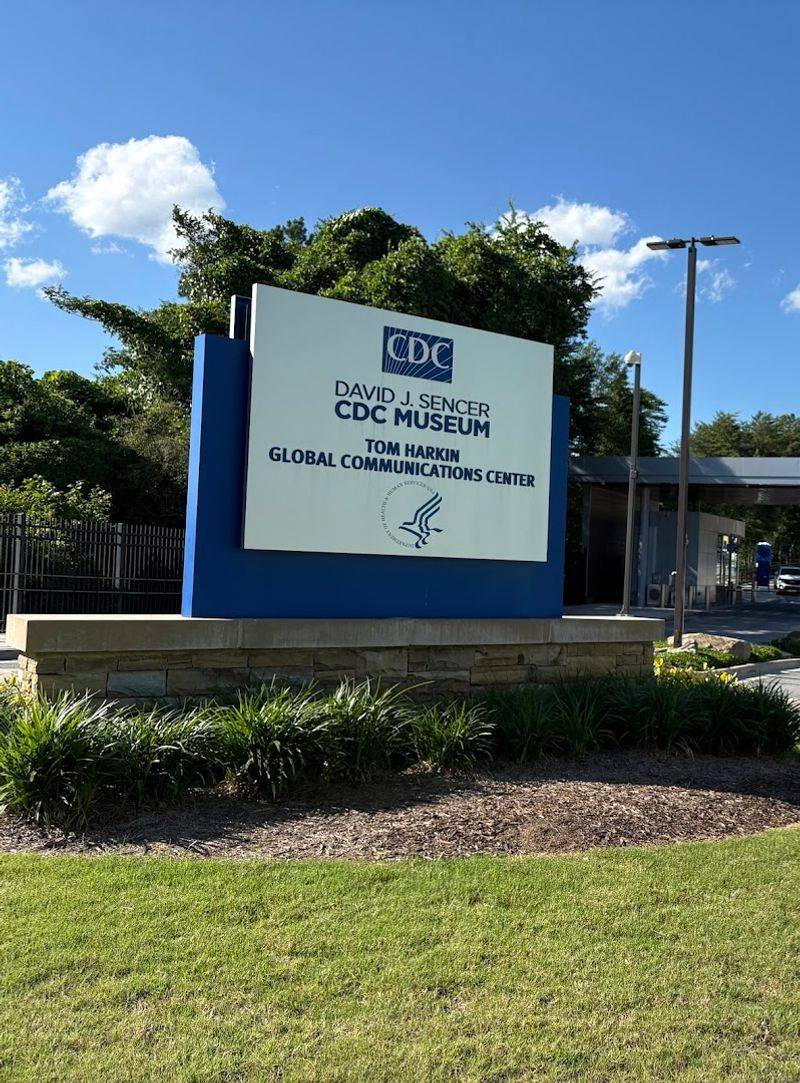
Not every incredible experience comes with a price tag, and the David J. Sencer CDC Museum proves that point beautifully. Located at 1600 Clifton Road NE, Atlanta, Georgia 30329, this museum welcomes all visitors at absolutely no cost.
Families, students, solo travelers, and curious minds of every background can walk through its doors without worrying about ticket prices or entry fees.
That kind of open access makes it one of the most genuinely inclusive attractions in the city. Budget-conscious travelers will appreciate being able to spend a full, enriching afternoon here without spending a single dollar. The museum does require advance reservations for security purposes since it sits on the CDC campus, so planning ahead is recommended.
Checking the official CDC website before visiting ensures you have the most current reservation details and hours. Free admission paired with world-class educational content makes this Atlanta stop truly hard to beat.
2. Interactive Exhibits That Put You in the Action
Imagine standing in the middle of a simulated disease outbreak, making decisions that could affect thousands of lives. The interactive exhibits at the David J. Sencer CDC Museum are designed to make visitors feel like real public health investigators rather than passive observers.
Hands-on displays walk guests through how CDC scientists identify, track, and contain infectious diseases. These are not dusty glass cases with old papers inside. These are engaging, dynamic stations that challenge your thinking and spark genuine curiosity about how science protects communities around the world.
Kids and adults alike tend to gravitate toward these displays, spending far more time than they expected simply because the content is so compelling. For anyone who has ever wondered what epidemiologists actually do on the job, these exhibits offer one of the clearest and most accessible answers available anywhere.
3. Historical Artifacts That Tell a Powerful Story
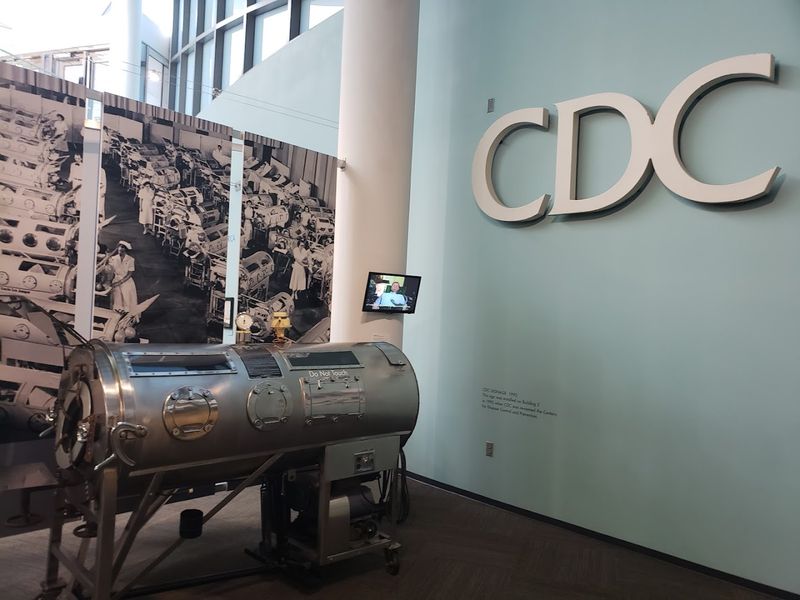
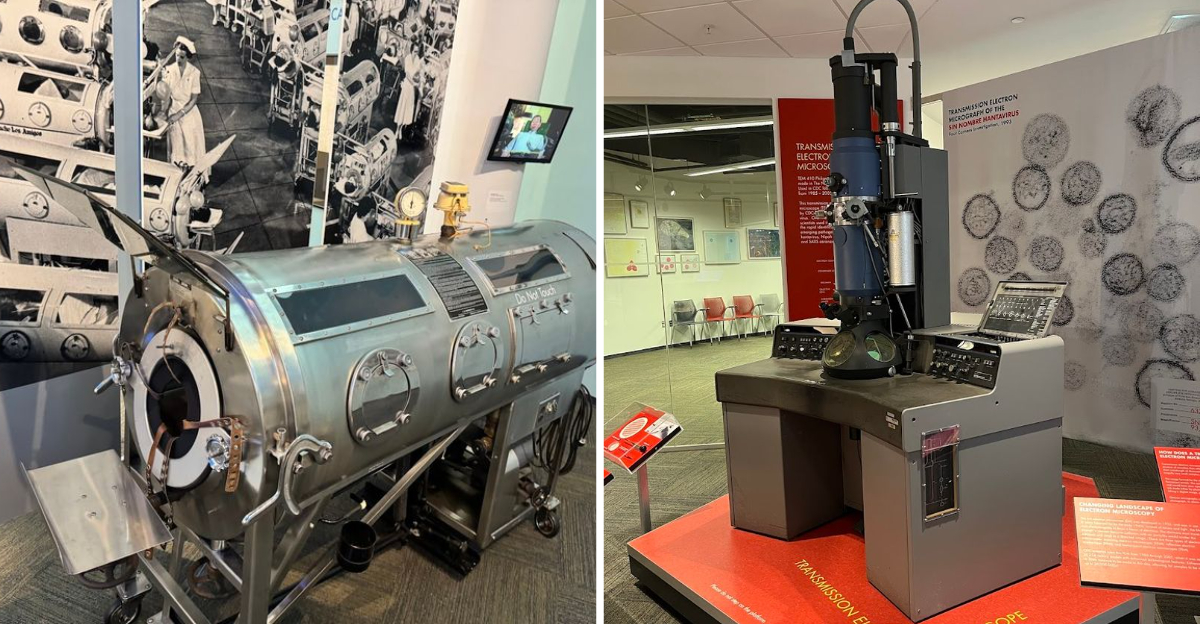
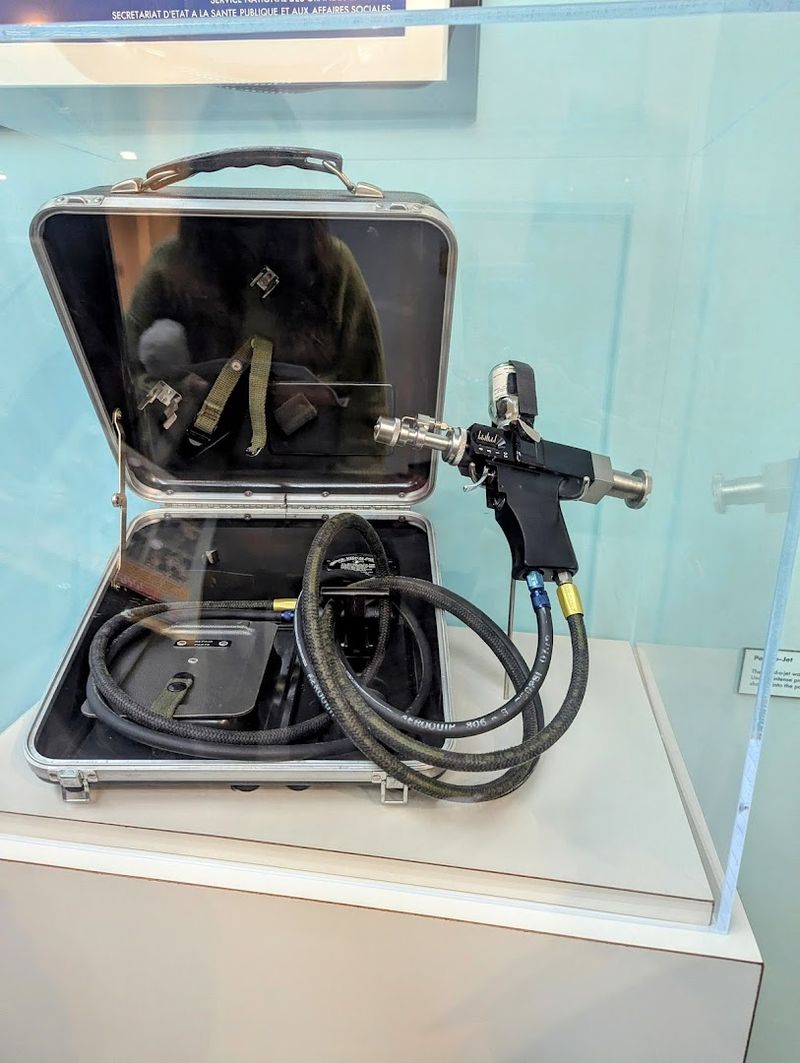
There is something quietly powerful about standing next to the actual tools scientists used during some of history’s most critical health battles. The David J. Sencer CDC Museum houses a remarkable collection of historical artifacts spanning decades of public health history.
Old laboratory equipment, vintage protective gear, and archived documents line the exhibits in ways that feel both educational and deeply human.
Each object carries a story behind it, connecting visitors to real moments when decisions made in labs and field offices changed the course of disease outbreaks. The collection spans everything from early malaria control efforts to more recent responses to global health emergencies.
Seeing these items up close creates a tangible connection to the scientists and public health workers who dedicated their careers to protecting communities. History taught through objects like these tends to stick with visitors long after they leave the building.
4. Rotating Exhibitions Keep Every Visit Fresh
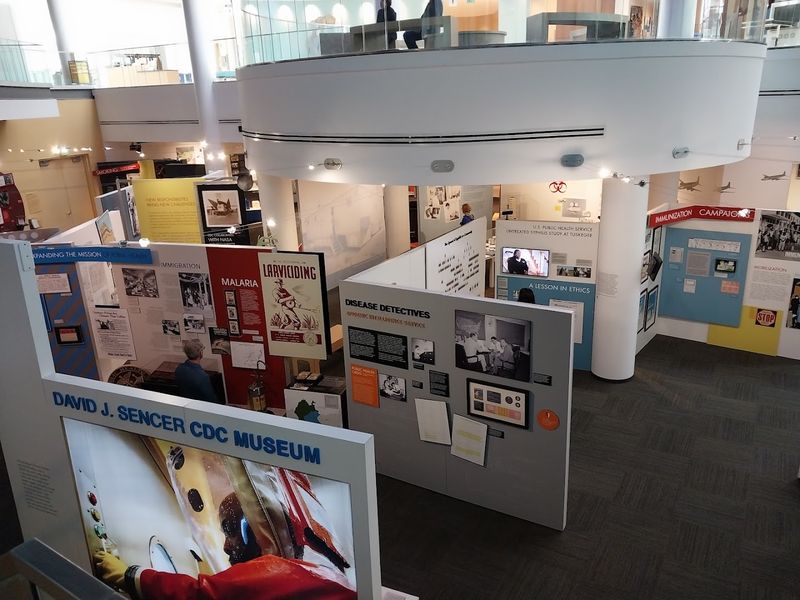
One visit to the David J. Sencer CDC Museum might focus on the history of vaccine development, while a return trip could center entirely on chronic disease prevention or a recent global health emergency. The museum regularly updates its rotating exhibitions to reflect current and historical public health topics.
This rotating format means the museum stays relevant and worth revisiting multiple times throughout the year. Topics have covered everything from the Ebola outbreak response to the ongoing impact of the COVID-19 pandemic, presented in ways that are informative without being overwhelming.
Families who live in or around Atlanta often find that bringing children back for new exhibitions becomes a natural habit. Each rotation introduces fresh perspectives and updated research, keeping the content timely and engaging. Checking the museum website before each visit helps visitors know what current exhibition is on display.
5. Educational Programs Built for Students
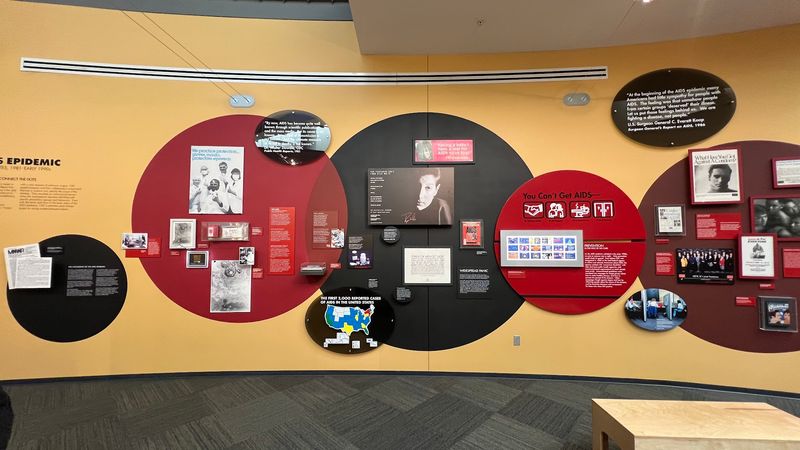
Public health education rarely gets this hands-on for young learners, and that is exactly what makes the programs at this museum stand out. The David J. Sencer CDC Museum, offers structured workshops and camps specifically designed for middle and high school students curious about epidemiology and science careers.
These programs go well beyond textbook learning, placing students in scenario-based activities that mirror real public health challenges. Participants practice analyzing data, tracing disease patterns, and communicating findings, all skills that connect directly to science, math, and critical thinking curricula.
Teachers and parents who have brought groups to these programs often report that students leave with a noticeably different appreciation for how science applies to everyday life. For any student considering a career in medicine, biology, or public policy, spending time in these programs could genuinely be a turning point. Reservations for group programs should be made well in advance.
6. Global Health Odyssey Multimedia Experience
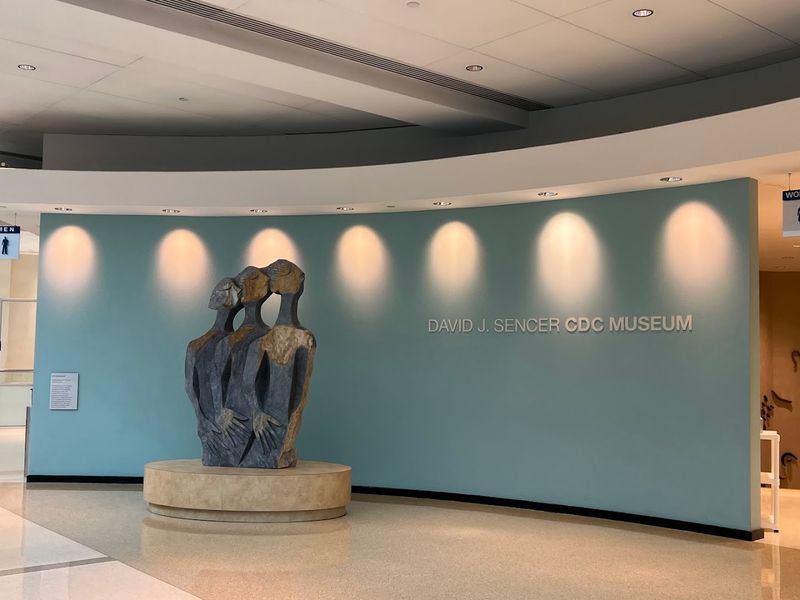
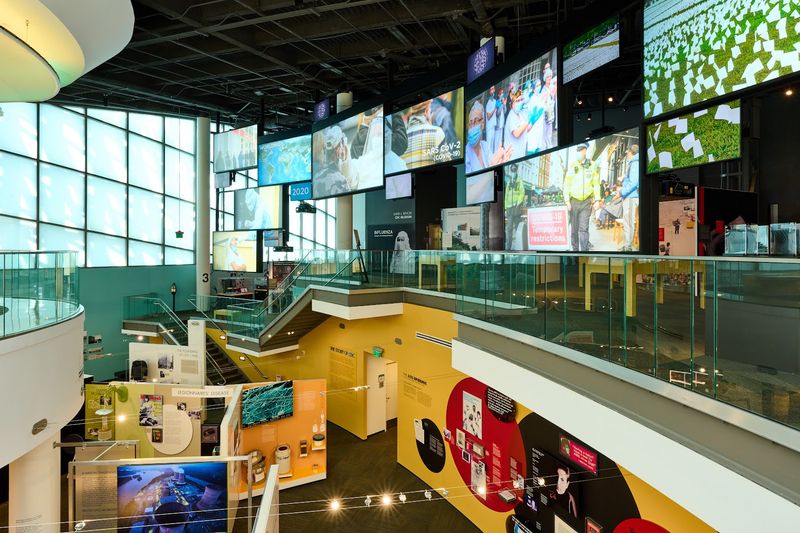
Few museum experiences anywhere in Georgia match the ambition and scope of the Global Health Odyssey exhibit. This multimedia journey takes visitors through the full arc of the CDC’s international public health work across decades. Over 150 media vignettes and four immersive videos create an experience that feels closer to a documentary film than a traditional museum display.
The exhibit covers CDC missions in countries across Africa, Asia, Latin America, and beyond, showing how American public health expertise has shaped global disease response. Visitors often describe the experience as surprisingly emotional, particularly sections that highlight field workers operating in difficult and dangerous conditions.
The combination of personal stories, data visualizations, and archival footage gives the Global Health Odyssey a depth that is difficult to find elsewhere. Plan to spend at least 30 to 45 minutes in this section alone to fully absorb everything it offers.
7. Disease Detective Camp for High Schoolers
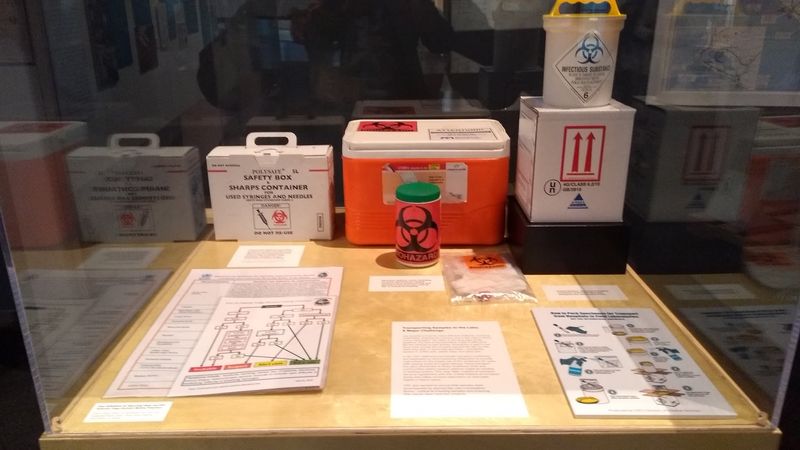
Calling all future scientists, doctors, and public health advocates. The Disease Detective Camp hosted through the David J. Sencer CDC Museum gives high school juniors and seniors an unparalleled look at what real disease investigation actually involves.
This is not a casual tour. It is an immersive, structured day camp experience built around authentic public health scenarios.
Participants work through mock outbreaks, collect and analyze simulated data, and present findings much like actual CDC epidemiologists would in the field. The camp bridges the gap between classroom science and professional practice in a way that few other programs for teenagers manage to achieve.
Alumni of the camp have gone on to pursue careers in public health, medicine, and biological research, often crediting this experience as an early spark. Spots tend to fill quickly, so checking the museum website for registration windows and eligibility details is strongly advised.
8. Teacher Workshops That Strengthen Classroom Science
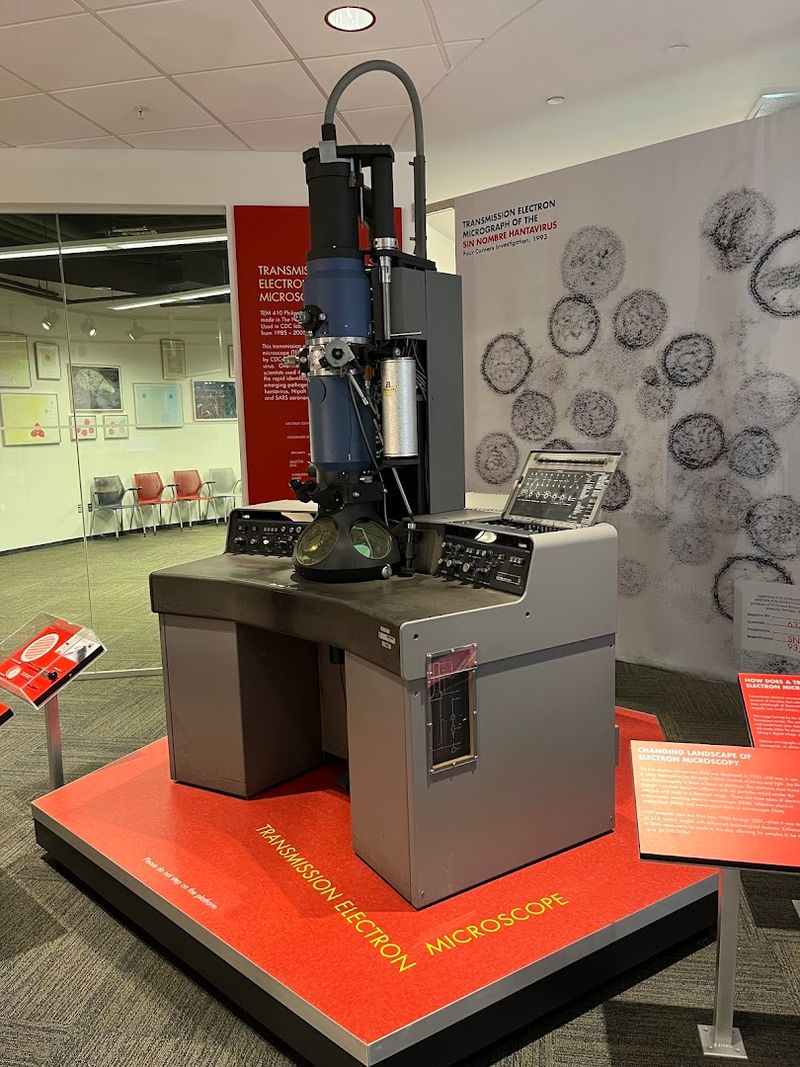
Science teachers looking for fresh, real-world material to bring back to their classrooms will find the teacher workshops at this Atlanta museum genuinely useful. Offered through the David J. Sencer CDC Museum at 1600 Clifton Road NE, Atlanta, Georgia 30329, these professional development sessions are designed to help educators weave public health concepts naturally into existing science curricula.
Workshop content typically covers epidemiology basics, disease investigation methods, and ways to frame current health topics for different age groups. Teachers leave with practical lesson ideas, resource materials, and a clearer understanding of how to make public health relevant and exciting for students.
The sessions are led by professionals with backgrounds in both education and public health, which keeps the content credible and classroom-applicable. Georgia educators in particular may find these workshops align well with state science standards. Registration details and upcoming workshop dates are available through the official CDC Museum website.
9. A CDC History Collection Unlike Anything Else
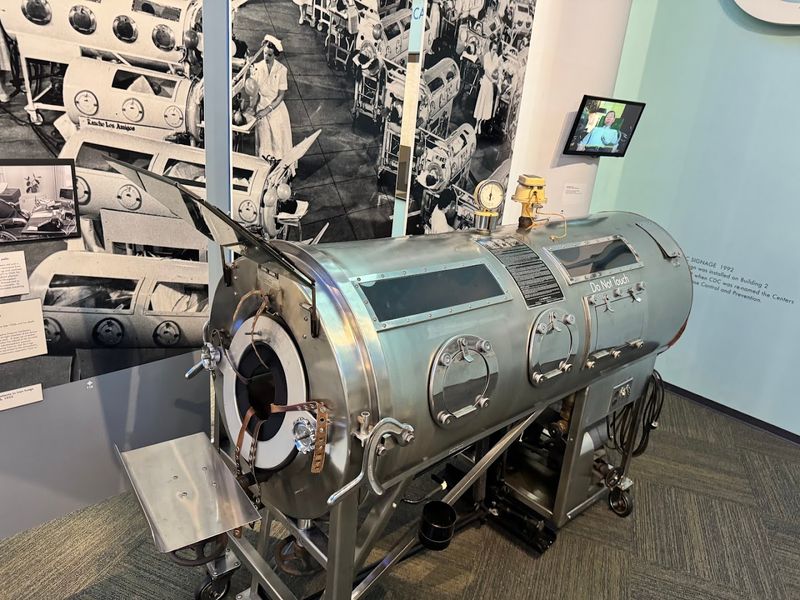
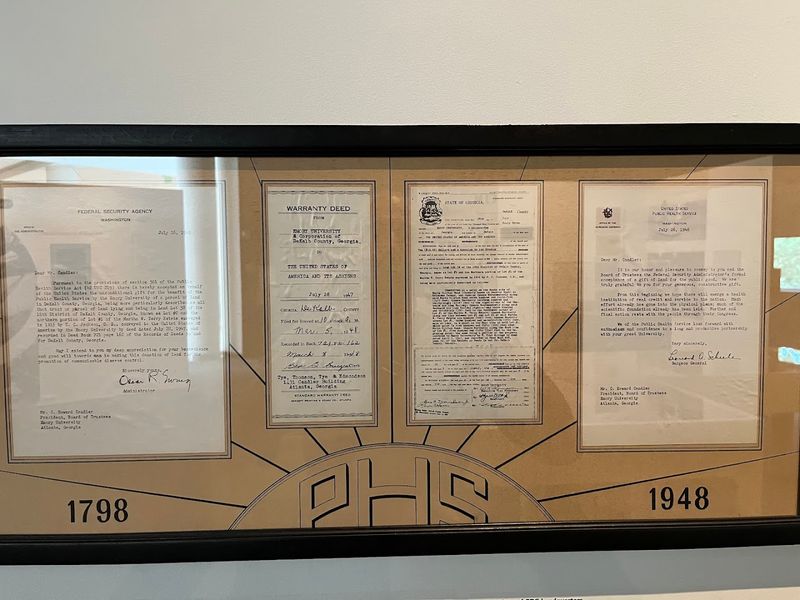
With more than 20,000 items preserved and catalogued, the CDC History Collection at this museum represents one of the most comprehensive archives of American public health history in existence. The collection includes photographs, official documents, field reports, and physical artifacts that trace the CDC’s evolution from a small malaria control agency into a global health authority.
Browsing through this collection feels a bit like walking through a living timeline of the moments that shaped modern medicine and disease control. Highlights include materials from early smallpox eradication campaigns, polio prevention efforts, and the agency’s first responses to emerging infectious diseases.
Researchers, history enthusiasts, and general visitors all tend to find different layers of meaning within the collection depending on what they bring to it. The sheer volume and variety of preserved materials make every visit to this section a slightly different experience worth savoring slowly.
10. Exhibits on Public Health Crises That Changed the World
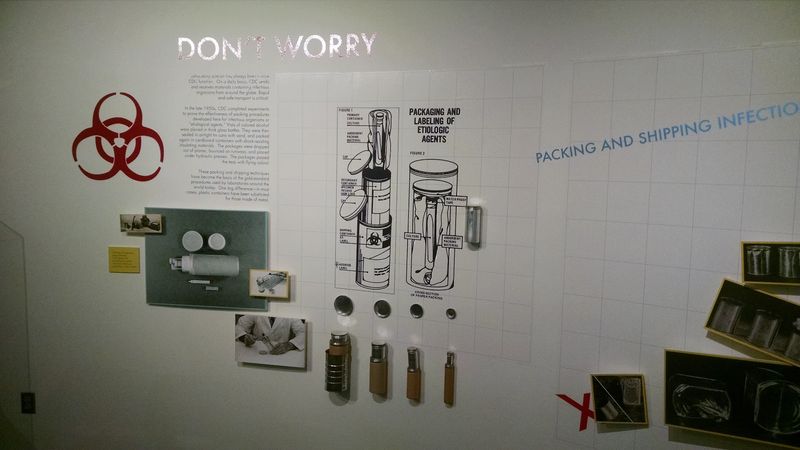
Some of the most gripping stories in modern history are not found in war museums or political archives. They live inside the halls of the David J. Sencer CDC Museum where exhibits dedicated to major public health crises document humanity’s most urgent battles against disease.
The CDC’s responses to outbreaks like Ebola, H1N1, and COVID-19 are presented with clarity, detail, and appropriate weight.
These exhibits do not sensationalize tragedy. Instead, they focus on the science, the logistics, and the human decisions that determined outcomes during some of the most frightening health emergencies in recent memory. Visitors often find themselves reading far longer than planned because the storytelling is so well constructed.
Understanding how these crises unfolded and how they were managed builds a deeper appreciation for public health infrastructure. It also puts into perspective just how much behind-the-scenes work goes into keeping the global population safe from invisible threats.
11. Artistic Collaborations That Connect Health and Culture
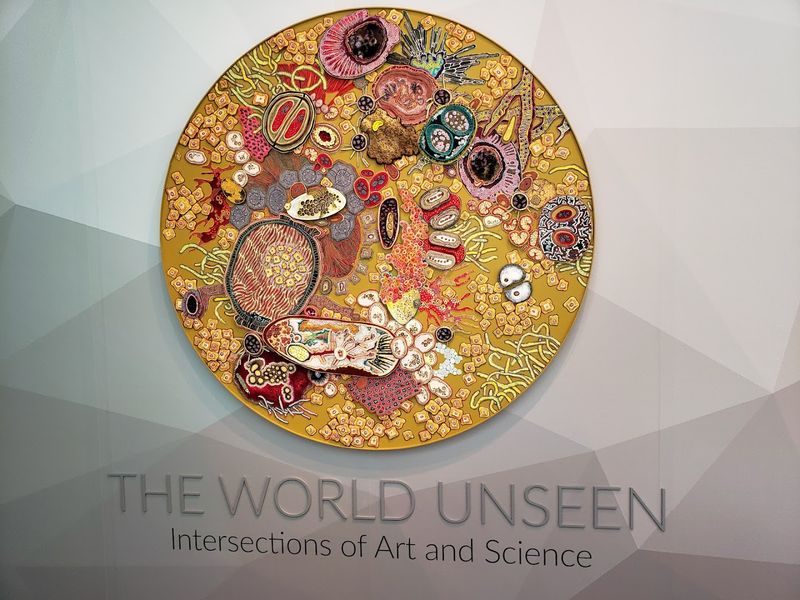
Art and public health might not seem like natural partners, but the David J. Sencer CDC Museum has found genuinely compelling ways to bridge both worlds. Exhibitions like “Trusted Messengers” have showcased artwork created specifically to build community confidence in COVID-19 vaccines.
The pieces come from artists across diverse backgrounds, reflecting the wide range of communities the CDC works to reach.
Seeing public health messaging reframed through visual art creates an entirely different kind of emotional engagement than reading statistics or policy briefs ever could. Visitors who might not consider themselves science-minded often find these artistic exhibitions to be the most personally resonant part of their museum experience.
The blending of creative expression with evidence-based health communication represents a thoughtful and increasingly important approach to public outreach. These exhibitions tend to rotate, so each visit may bring entirely new artistic perspectives on health, trust, and community.
12. Guided Tours Led by Knowledgeable Docents
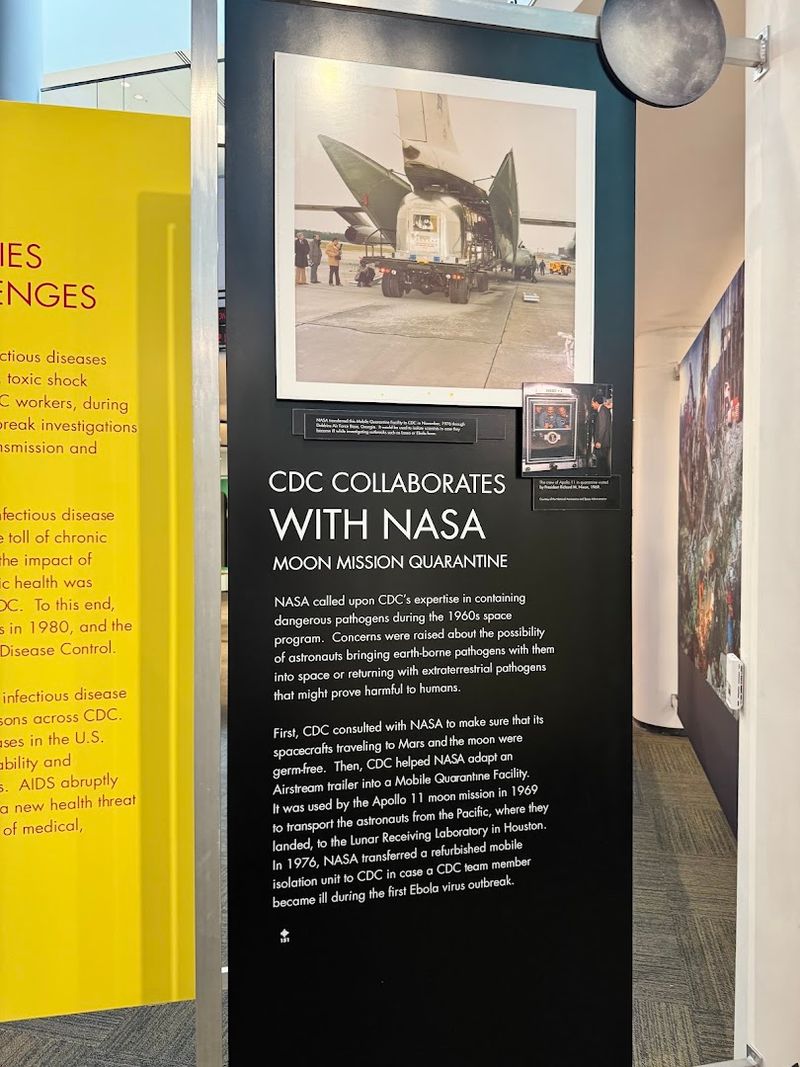
Walking through a museum solo has its charms, but joining a guided tour at this Atlanta institution adds a completely different layer of depth to the experience. The David J. Sencer CDC Museum offers guided tours led by docents who bring the exhibits to life with context, anecdotes, and answers to questions that display panels simply cannot provide.
Tours cover the major permanent exhibitions and can sometimes include insights into behind-the-scenes aspects of the CDC campus that general visitors would not otherwise encounter. Groups of school students, healthcare professionals, and curious travelers all tend to benefit from having a knowledgeable guide shape the visit into a coherent narrative rather than a collection of disconnected stops.
Advance reservations are required for guided tours, and availability may vary by season or event schedule. Booking early through the official CDC Museum website ensures a spot and allows the museum team to tailor the experience appropriately for the group.
13. Rich Educational Resources to Take Home
The learning does not have to stop the moment visitors step back outside. The David J. Sencer CDC Museum provides a solid collection of educational materials and resources that visitors can take home or access online to continue exploring public health topics at their own pace.
These resources include lesson plans, reading guides, and informational pamphlets covering everything from basic epidemiology to specific disease histories. Teachers find these especially useful for extending classroom conversations beyond the visit itself, while curious individuals appreciate having credible reference materials sourced directly from the CDC.
Many of the digital resources are also available through the museum website, making them accessible to people who cannot visit in person. For students working on science projects or anyone researching public health history, these materials carry the authority of one of the world’s most respected health organizations behind every page and fact presented.
14. Community Events That Connect Visitors to Bigger Conversations
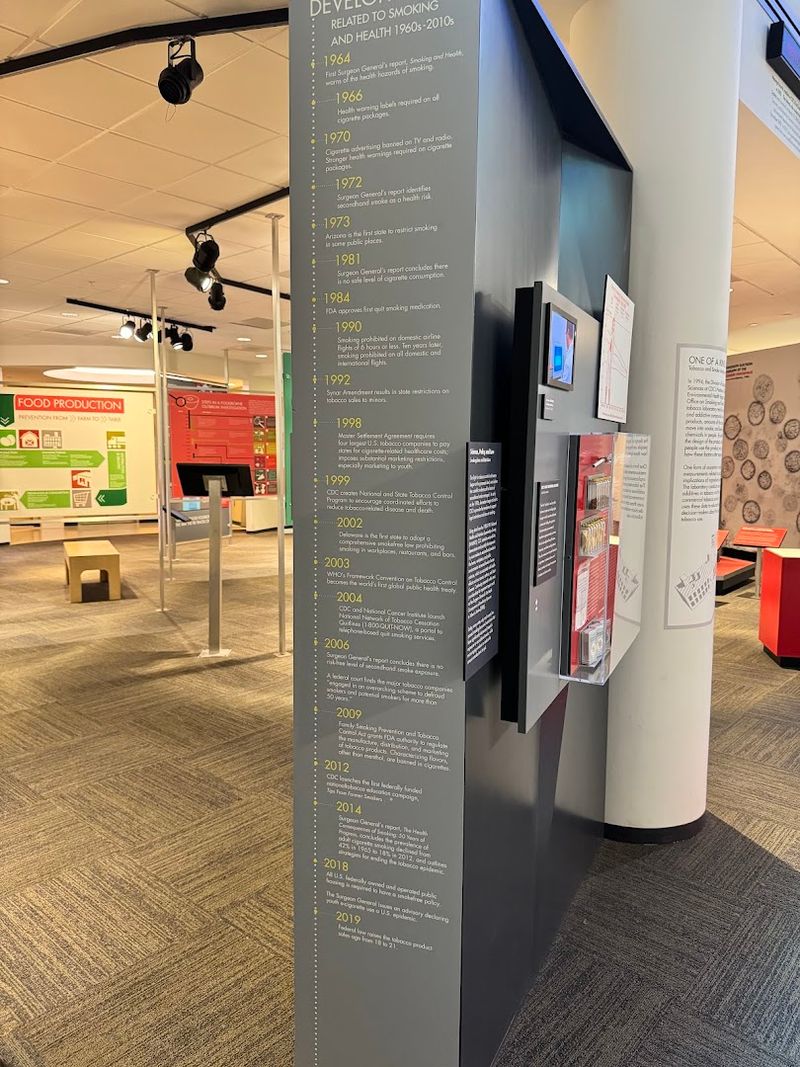
Beyond its permanent galleries and rotating exhibits, the David J. Sencer CDC Museum serves as a genuine community hub for conversations about health, science, and civic responsibility. The museum regularly hosts events, panels, and programs that connect local Atlanta residents with public health professionals and researchers.
These events range from film screenings tied to health themes to panel discussions featuring CDC scientists and community health advocates. Attending one of these events transforms the museum from a place to observe history into a space where that history actively continues unfolding in real time.
Atlanta has a vibrant and engaged public health community, and the museum serves as a natural gathering point for that community to share knowledge and spark new ideas. Checking the museum calendar ahead of any planned visit helps visitors time their trip to coincide with a program that aligns with their specific interests.
15. A Truly Unique Location on the CDC Campus
There are museums about science scattered across Georgia, but none of them sit on the actual grounds of one of the world’s most influential health organizations. The David J. Sencer CDC Museum is embedded within the CDC’s main campus, which lends the entire visit an atmosphere of authenticity that purpose-built tourist attractions simply cannot replicate.
Walking through those gates and knowing that active disease researchers, epidemiologists, and public health leaders are working in the surrounding buildings adds a quiet sense of weight and significance to every exhibit. It is one of the few places in the country where a museum visit genuinely feels like a glimpse behind the curtain of an institution that affects global health policy.
The campus setting also means visitors experience a slice of Atlanta that most tourists never see. Parking is available nearby, and the surrounding Druid Hills neighborhood offers additional dining and green space worth exploring after the visit.