10 Best Stargazing Spots In Georgia Where August Nights Showcase The Full Milky Way
Some nights are just too good to spend indoors. I remember lying on my back in a field, neck craned, watching a hazy band of light stretch clear across the sky like someone spilled sugar on black velvet.
Georgia hides more dark sky than most people realize, and August turns the show up to full volume, when the galactic core climbs high and the heat finally lets go after sunset. I’ve dragged blankets, thermoses, and half asleep friends out to fields just for this.
Nothing humbles you quite like realizing how small you actually are under that much sky. Some spots need a long drive down empty roads, others sit closer than you’d guess.
Georgia keeps its darkest corners quiet on purpose, and once you find one, city lights start to feel like a waste of a perfectly good night sky.
1. Stephen C. Foster State Park
Not every park earns a gold star, but this one literally did. Stephen C.
Foster State Park is the only gold-tier International Dark Sky Park in Georgia. That certification comes from the International Dark Sky Association.
It means the light pollution here is almost nonexistent.
The park sits deep inside the Okefenokee National Wildlife Refuge. That remote location keeps the skies remarkably dark year-round.
In August, the Milky Way core rises nearly overhead at midnight. Naked-eye viewing does not get much better than this.
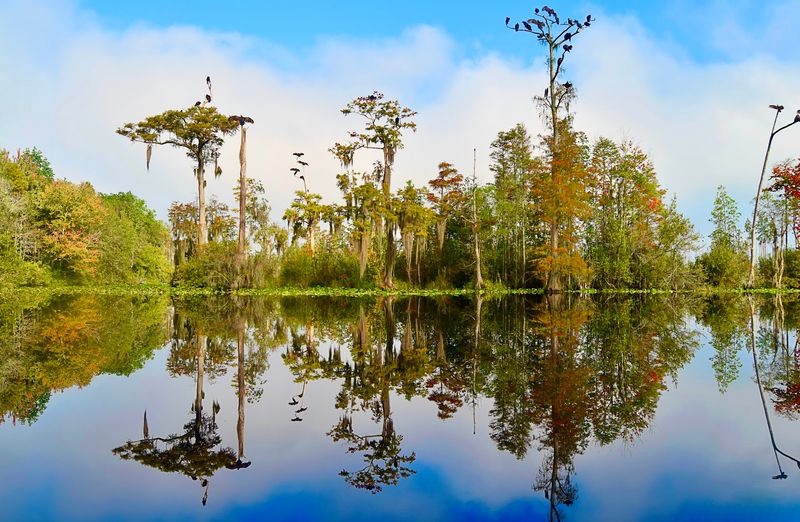
What makes this spot truly special is the water. The dark, tannin-stained swamp reflects the stars below your feet.
You get the Milky Way above and a mirror image below. It is genuinely one of the most surreal sights imaginable.
The park also hosts astronomy programs like the Swampers Guide to the Galaxy. These events often align with the Perseid Meteor Shower in August.
The open water prairies give you a full 180-degree horizon view. Find the park at 17515 GA-177, Fargo, GA 31631.
Plan to arrive before dark to get settled. This is the gold standard of stargazing in the Southeast, and it absolutely earns that title.
2. Providence Canyon State Park
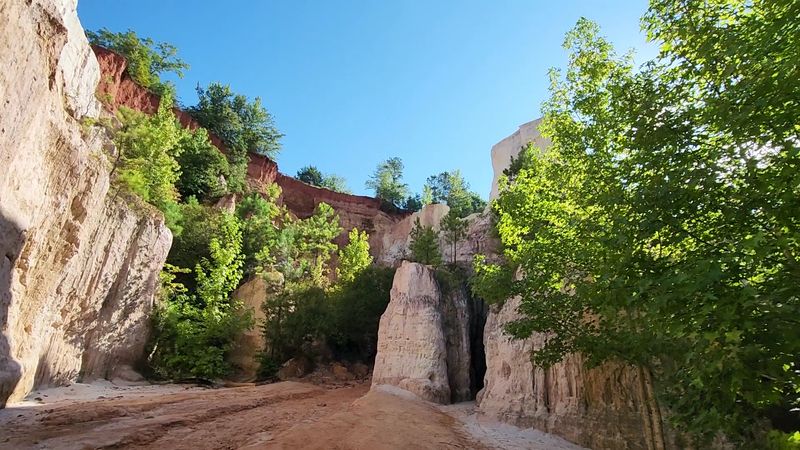
Few places pair geological drama with astronomical wonder quite like this one. Providence Canyon is nicknamed Georgia’s Little Grand Canyon, and the canyon walls glow with unexpected colors even under starlight.
Standing at the rim after dark feels genuinely cinematic. The scale of it sneaks up on you.
The park sits in a quieter part of the state, away from major city glow. Campers here get the full benefit of dark skies overhead.
The park stays open until 9 p.m. from April through mid-September, which covers prime August nights. Backcountry campsites let you stay longer and go deeper.
Backcountry camping here is a serious upgrade from a regular night out. You wake up with canyon walls around you and stars above.
The unusual geological formations create natural framing for wide-angle sky photos. It is the kind of place photographers quietly keep to themselves.
The canyon was actually formed by soil erosion starting in the 1800s, which makes its dramatic appearance even more surprising. Nature created something extraordinary by accident.
Head to 8930 Canyon Rd, Lumpkin, GA 31815 to experience it yourself. Arrive early, explore the canyon floor before sunset, then find a good rim spot.
August nights here have a quiet magic that is hard to replicate anywhere else in the region.
3. Fort Mountain State Park
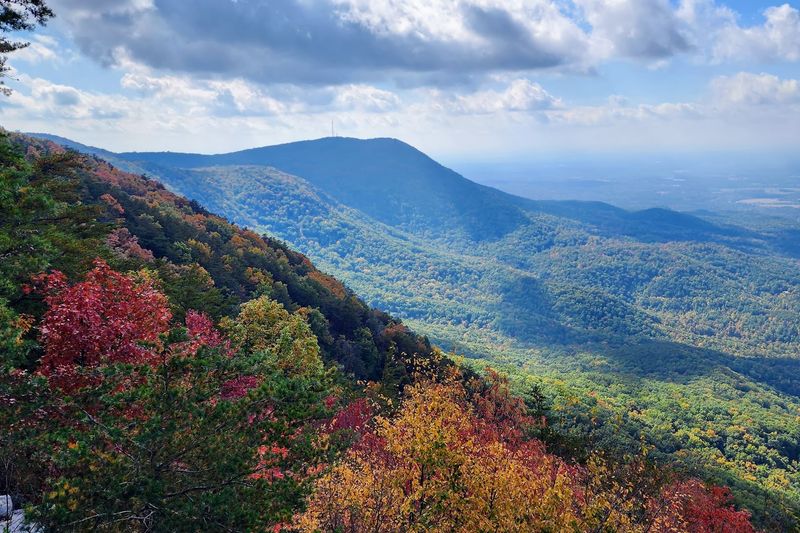
Elevation changes everything when it comes to stargazing. Fort Mountain State Park sits at 2,850 feet above sea level, and that altitude makes a real difference in sky clarity.
The air is thinner, the horizon feels wider, and on a clear August night, the stars practically pop. This is one of the most scenic spots in the Chattahoochee National Forest.
whether On clear, moonless nights, the Milky Way is very visible. August through early November is considered prime time for night sky photography here.
Lower humidity in late summer helps sharpen the view considerably.
There is a fire tower lookout that serves as an excellent elevated viewing platform. Open fields nearby give you room to spread out a blanket and settle in.
Both spots offer wide, unobstructed sightlines that make star-watching genuinely comfortable.
The park also has an ancient stone wall of mysterious origin near its summit, which adds a layer of historical intrigue to any visit. Nobody knows for certain who built it.
You can find the park at 181 Fort Mountain State Park Rd, Chatsworth, GA 30705. Come prepared with layers, because mountain nights cool down quickly.
The combination of history, height, and dark skies makes Fort Mountain a standout destination.
4. Moccasin Creek State Park
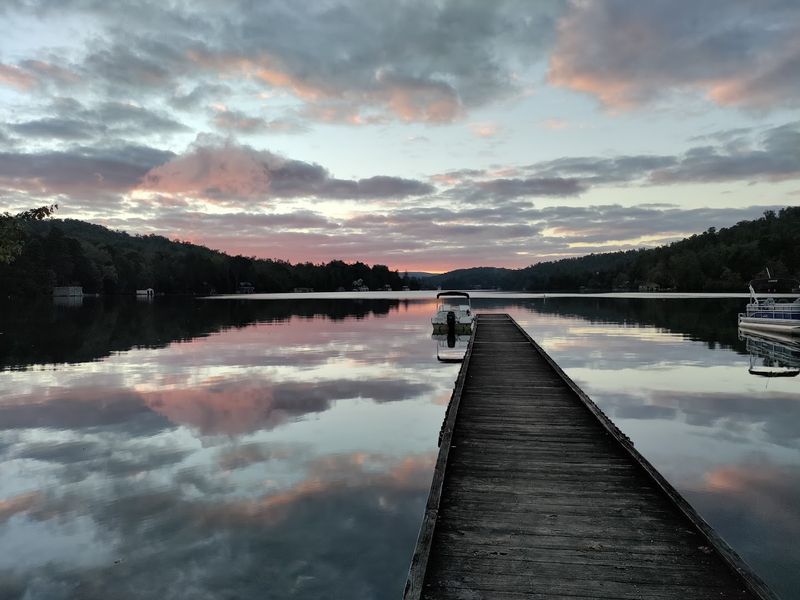
Bortle Class 3 is a number that makes astronomers genuinely excited. Moccasin Creek State Park earns that rating, which places it among the darker sky locations in the eastern United States.
The Blue Ridge Mountains create a natural barrier that blocks light pollution from spreading inward. Lake Burton adds a stunning reflective surface for star photography.
The park itself closes at 10 p.m., but the public boat ramps on Lake Burton remain accessible for stargazers who want to stay later. That open southern horizon over the lake is ideal for watching the Milky Way arc.
Summer months are the best time to look south and catch the galactic core rising. The reflection on still water creates a double-sky effect that feels almost unreal.
It is about a two-hour drive north from Atlanta, which is just far enough to escape the metro glow. Pack a chair and set up near the water for the most dramatic views.
Wide-angle camera setups work beautifully here because of the lake foreground.
The park is nestled in the mountains at 3655 GA-197, Clarkesville, GA 30523. It is a smaller park with a cozy, unhurried atmosphere.
The creek that gives the park its name runs cold and clear, adding pleasant background sound to a quiet night out. Moccasin Creek rewards those willing to make the drive with skies that feel genuinely removed from modern life.
5. Cooper’s Creek Wildlife Management Area
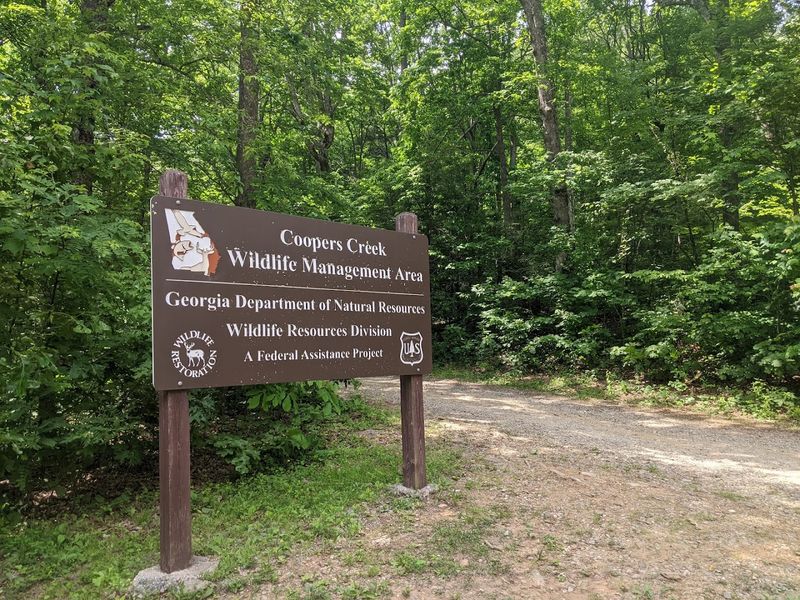
Thirty thousand acres of remote wilderness does wonders for your view of the cosmos. Cooper’s Creek Wildlife Management Area is one of the largest WMAs in the area, and its sheer size keeps light pollution at bay.
The campground within the WMA is considered a prime stargazing spot by those in the know. Getting here requires a bit of effort, and that is exactly the point.
The location sits well away from Blairsville and Blue Ridge, which means minimal competing glow on the horizon. The Chattahoochee National Forest surrounds the area completely.
That deep wilderness buffer creates sky conditions that rival certified dark sky parks. August nights here are quiet, dark, and genuinely breathtaking.
Camping at Cooper’s Creek puts you right under those skies for the full experience. Falling asleep to creek sounds and waking to a fading star field is hard to top.
The area around 8653 Mulkey Gap Rd near Suches, GA 30572 is your target destination. Bring a detailed map or a downloaded GPS route because cell service is limited out here.
Wildlife activity adds another layer of excitement to nighttime visits. You might hear owls, frogs, or rustling in the brush as you watch the stars.
The Blue Ridge Mountains create a dramatic ridgeline silhouette against the sky. Cooper’s Creek is the kind of place where you completely forget that cities exist, and that is a wonderful feeling.
6. Preacher’s Rock
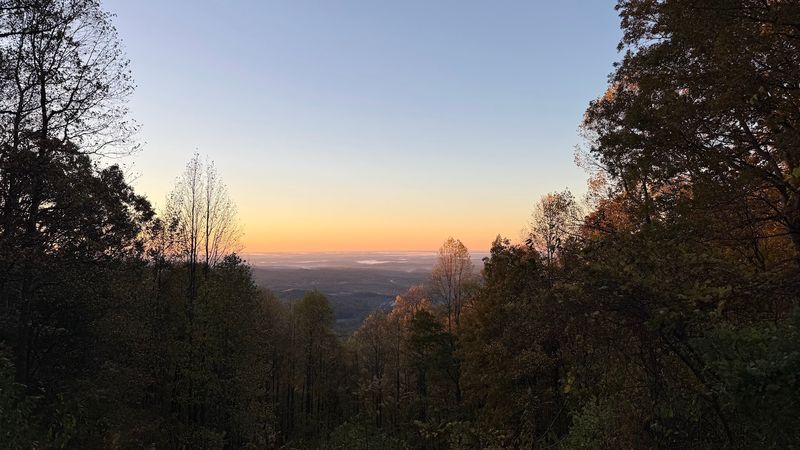
Some views demand a little effort to earn, and Preacher’s Rock delivers a serious reward for a modest investment. The hike from Woody Gap on GA Hwy 60 is roughly two miles round trip on the Appalachian Trail.
That is very manageable, even with a headlamp and a bag full of snacks. The payoff at the top is an expansive eastern view with almost no light interference.
The elevated rock face puts you above the treeline and facing a wide open sky. Very little light pollution creeps in from this direction, making it excellent for Milky Way observation.
The AT trailhead near Cleveland, GA 30528 is easy to find and well-marked. Parking at Woody Gap is straightforward for a weeknight visit.
Sitting on that open rock face at midnight feels like being on a natural observatory platform. The panoramic mountain views are spectacular during the day, but after dark they transform into something else entirely.
The ridgelines create a dark, jagged silhouette that frames the star field beautifully.
Preacher’s Rock is a favorite among hikers who also happen to love astronomy. It combines two great activities into one memorable outing.
Bring a red-light headlamp for the trail so you preserve your night vision. Layers are essential because the exposed rock gets breezy after sunset.
This spot proves that the best views often require just a short walk and a willingness to stay up past your bedtime.
7. Popcorn Overlook
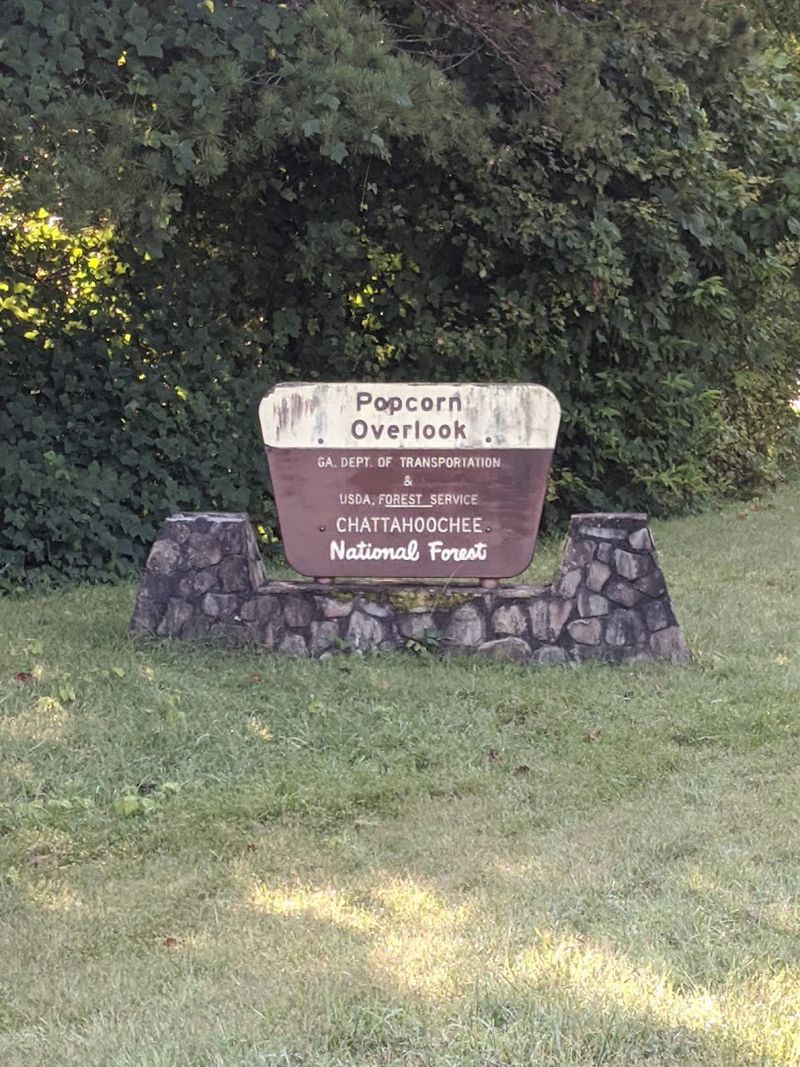
A roadside overlook that often offers Bortle Class 3 sky conditions sounds almost too convenient to be real. Popcorn Overlook sits about 15 miles west of Clayton on Highway 76 and is maintained by the U.S.
Forest Service. No hiking required.
You simply pull over, step out, and look up at one of North Georgia’s most celebrated stargazing spots.
The overlook faces north-northwest, which makes it unique among local stargazing sites. That orientation means it is largely shielded from Atlanta’s southern glow.
The area north of the overlook is true wilderness with virtually no artificial lights for almost 60 miles. That kind of uninterrupted darkness is rare and genuinely precious.
Because of its northward orientation, the Milky Way galactic core may sit lower on the horizon here compared to south-facing spots. However, a faint Milky Way band has been observed in the northern sky, especially during meteor showers.
It is also considered ideal for Polaris star trail photography, which creates stunning circular star patterns in long-exposure shots.
The coordinates 34.875079, -83.574376 will get you right to it near Clayton, GA 30525. Accessibility is this spot’s superpower.
You do not need gear, training, or a trail map. Families, casual visitors, and serious photographers all show up here for the same reason.
The sky above Popcorn Overlook is a genuine reminder that some of the best things in life are completely free and just off the highway.
8. Black Rock Mountain State Park
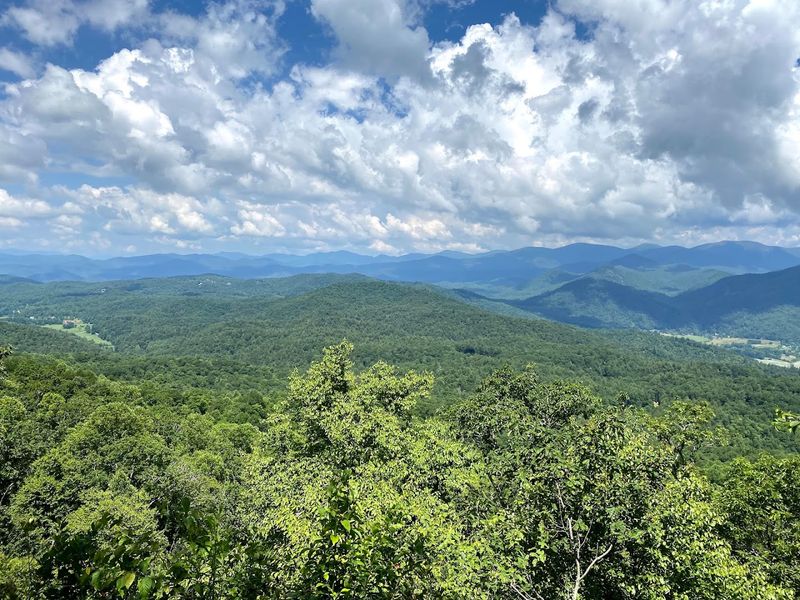
The highest state park in Georgia earns its reputation every clear August night. Black Rock Mountain State Park reaches an altitude of 3,640 feet, and that elevation delivers noticeably cleaner, crisper skies than lower-elevation alternatives.
The air is cooler, the atmosphere is thinner, and the stars feel closer. It is consistently listed among the best stargazing destinations in this part of the country.
The park sits astride the Eastern Continental Divide, which is a genuinely impressive geographic distinction. Multiple scenic overlooks offer 80-mile vistas during the day.
At night, those same overlooks become front-row seats to the full star field. The Milky Way is best seen in summer, and Black Rock Mountain’s elevation makes August viewing especially rewarding.
Overnight options here are varied and comfortable. Cottages, tent sites, and RV hookups are all available.
Staying the night means you can watch the stars emerge at dusk and still be there when they fade at dawn. That full overnight experience is hard to replicate on a day visit.
The park address is 3085 Black Rock Mountain Pkwy, Mountain City, GA 30562. Book accommodations early because summer weekends fill up fast.
The drive up the mountain road at night is dramatic in its own right. Black Rock Mountain is the kind of place that makes you feel genuinely privileged to be standing there, looking up at a sky that most people never take the time to see.
9. Amicalola Falls State Park
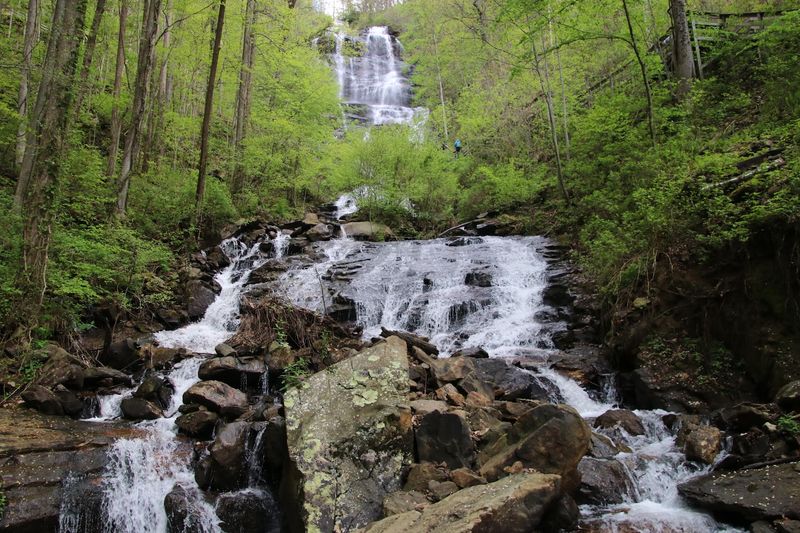
Standing near the tallest cascading waterfall east of the Mississippi River while watching the Milky Way overhead is a combination that is hard to argue with. Amicalola Falls State Park is noted for having minimal light pollution, and the surrounding Appalachian foothills keep city glow well at bay.
The waterfall itself adds a constant, soothing soundtrack to any evening spent outside. It is a genuinely immersive natural experience.
The park serves as the approach trail to Springer Mountain, the southern terminus of the Appalachian Trail. That connection to one of America’s greatest trails gives the park an adventurous energy.
Stargazers who also love hiking will feel right at home here. Summer nights offer the best Milky Way conditions, with the galactic core visible on clear, moonless evenings.
Accommodation options at this park are impressively varied. Campsites, cabins, and even luxury Safari Tents are available for overnight guests.
The Safari Tents in particular make for a memorable stargazing setup, with comfortable beds and open-air access to the night sky. Falling asleep to waterfall sounds under a canopy of stars is not something you forget easily.
The park is located at 418 Amicalola Falls State Park Rd, Dawsonville, GA 30534. It is accessible enough for a weekend trip but remote enough to deliver genuinely dark skies.
Check the moon phase calendar before your visit for the darkest possible conditions. Amicalola Falls is proof that spectacular stargazing does not always require a long, rugged journey.
10. F.D. Roosevelt State Park
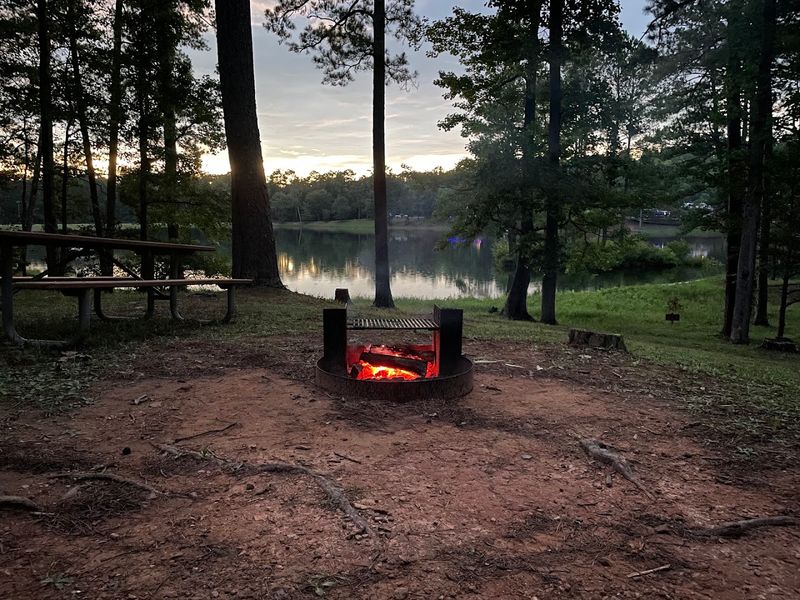
The largest state park in Georgia covers over 9,000 acres of rolling piney forest, and all that open space creates genuinely good conditions for looking up. F.D.
Roosevelt State Park is known for its dark skies and occasionally hosts astronomy programs, making August an excellent time for stargazing on clear nights. That kind of institutional enthusiasm for astronomy is a good sign.
The park takes its night sky seriously.
More than 40 miles of trails wind through the park, offering plenty of spots to escape any residual light from parking areas or facilities. The forest canopy opens up in clearings and along ridgelines, creating natural viewing platforms.
Pine Mountain itself provides modest elevation that helps improve the horizon view. August nights here are warm and pleasant, which makes extended stargazing sessions very comfortable.
The park has a rich historical legacy as a retreat built during the New Deal era in the 1930s. Stone cabins and structures from that period add a quiet, nostalgic atmosphere to the surroundings.
Staying overnight in one of those historic cabins while stargazing is a uniquely layered experience. History and astronomy rarely share the same evening so well.
You will find the park at 2970 GA-190, Pine Mountain, GA 31822. It is one of the more accessible major stargazing destinations in this part of the state.
Plan around new moon dates for the darkest skies. F.D.
Roosevelt State Park is a fantastic choice for families or groups looking for a full overnight adventure under the stars.