10 Best Stargazing Spots In Idaho Where The Milky Way Shines Across August Skies
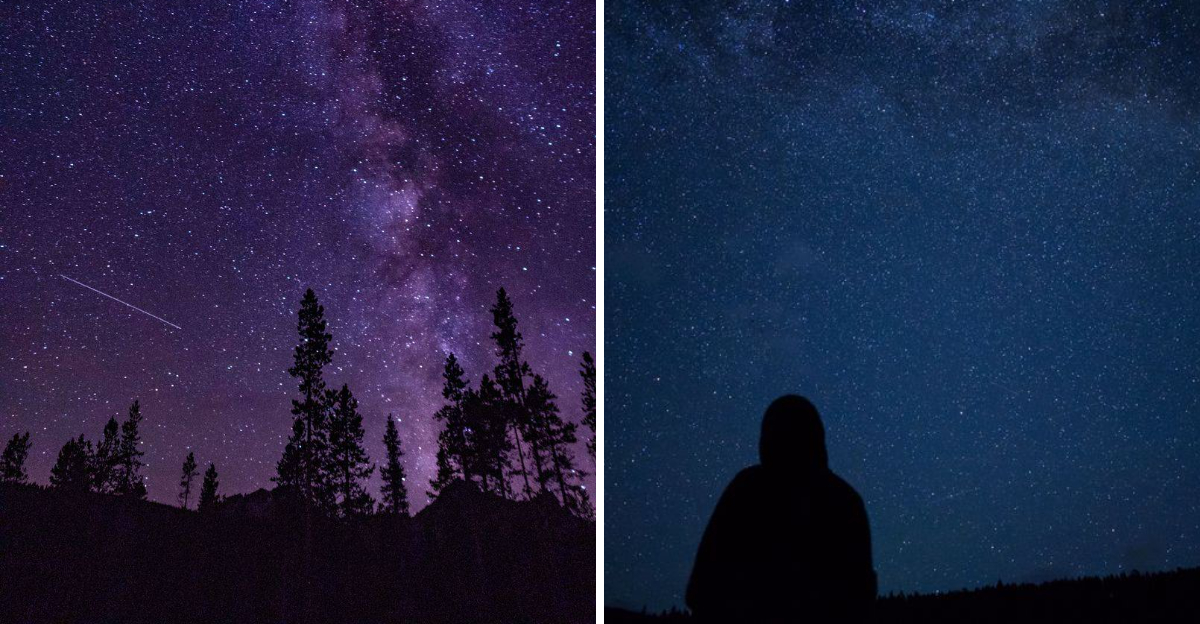
The sky gets a little ridiculous out here.
Once August darkness settles over Idaho, the stars stop behaving like background decoration and start taking over the entire show. Give your eyes a few minutes and suddenly the Milky Way looks almost irresponsibly bright.
At that point, saying “wow” once is not enough. You say it again.
Then probably a third time because apparently the universe enjoys showing off.
Far from city lights, the night feels bigger in a way photographs never quite capture. The longer you stand there, the more stars seem to appear, which starts to feel slightly unfair to every normal night sky you have ever seen.
That is the magic of these stargazing spots. No ticket booth. No special effects. No giant screen required.
Just darkness doing its job extremely well. Pick a clear night near the new moon and let the sky embarrass every planetarium you have ever visited.
10. Redfish Lake
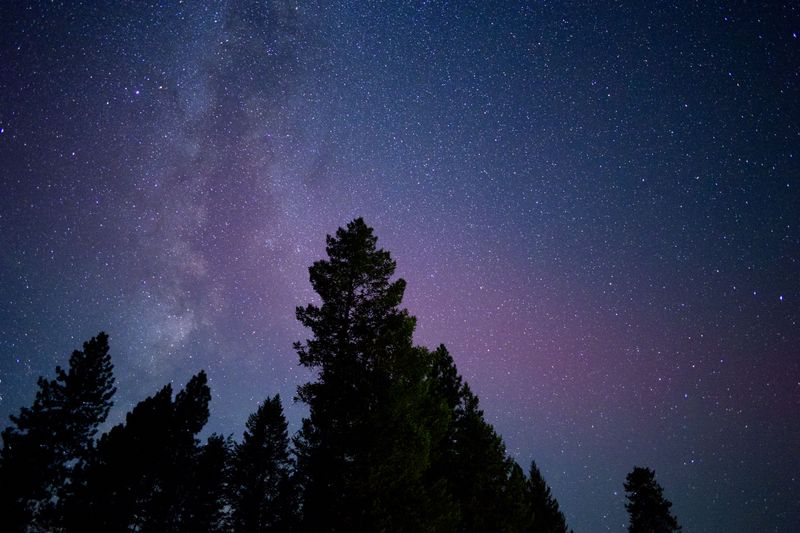
Few places pair mountain drama with darkness quite like the water at the foot of the Sawtooths. After sunset, the jagged peaks turn to black cutouts while the lake holds a mirror to the stars overhead.
Sitting inside the Central Idaho Dark Sky Reserve, this basin stays free of city glow, so the Milky Way arrives thick and grainy on August nights. Campgrounds ring the shoreline, and Redfish Lake Lodge puts guests within steps of the water.
The lodge sometimes runs Star Floats, sending small groups out on pontoon boats with a local astronomer along to point out clusters and planets. Drifting quietly while satellites slide past feels like a private planetarium show with pine-scented air.
Stanley sits about ten minutes north along Highway 75, which makes a warm meal and a soft bed easy to find after a late night outside. Bring a fleece even in midsummer, since temperatures at this elevation drop fast once the sun leaves.
A red flashlight protects your night vision and keeps neighbors happy. Arrive before dusk to scout a flat spot along the beach.
9. Bruneau Dunes State Park
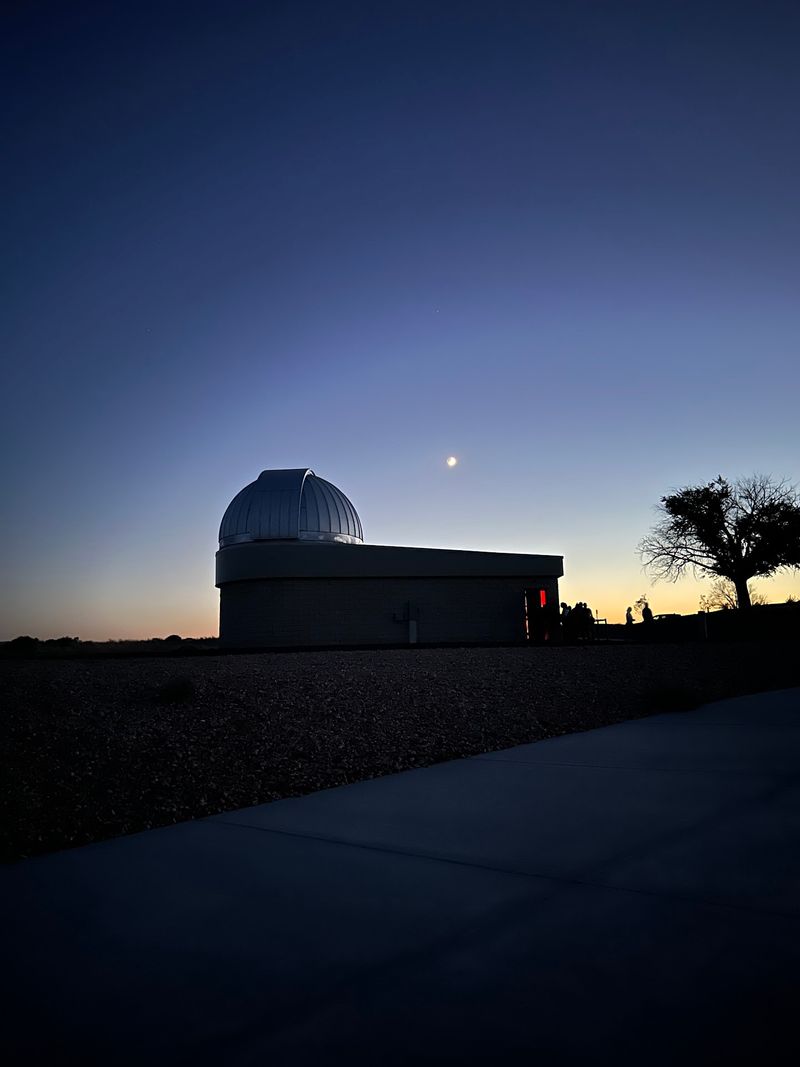
Sand squeaks underfoot on the climb, and the reward at the top is a 470-foot view over desert and water. North America’s tallest single-structured sand dune anchors a park that earned International Dark Sky Park status in June 2024.
The real headliner shows up after dark. A public observatory, finished in 2023, houses a 25-inch Dobsonian telescope, and rangers run nightly programs and guided star tours during the warm months.
You can find the entrance at 27608 Bruneau Sand Dunes Rd, Bruneau, ID 83604, roughly 60 miles southeast of Boise.
Programs often begin with a short indoor presentation, so bring a jacket for the chilly auditorium and again for the desert night. White lights are discouraged near the telescopes; a red flashlight is the polite choice.
Tent and RV sites make an overnight easy, and mosquito repellent is worth packing since bugs rise near the lake at dusk. Sand board rentals during the day, planets after dark: hard to beat for a single trip.
Showers and clean restrooms at the campgrounds soften the desert edges, and the visitor center sells souvenirs.
8. Craters of the Moon National Monument
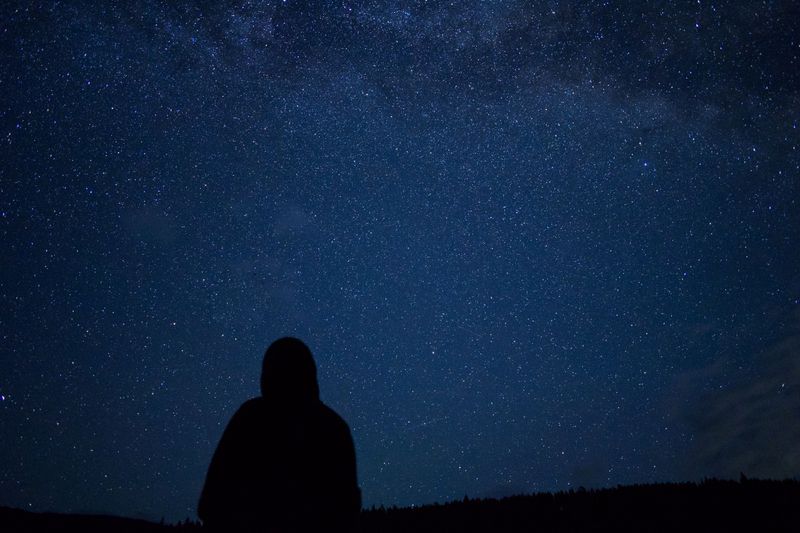
Walking across black lava at twilight feels a little like stepping onto another planet, which is exactly why astronauts once trained here. Cinder cones, ropy lava flows, and caves stretch to the horizon, and once the last light fades the ground goes ink dark.
Recognized as an International Dark Sky Park in 2017, the monument sits far from any glow, so stars look almost startlingly bright.
Summer and fall bring ranger-led Star Parties, where volunteers set up telescopes and share stories tied to the constellations overhead.
Lava Flow Campground keeps you inside the monument all night, a real advantage when the Milky Way climbs highest well after midnight in August. Sites are open and rocky, so a sleeping pad matters more than usual.
Arco lies about 30 minutes away with motels and simple diners for breakfast the next morning. Wear closed shoes, since the lava is sharp, and carry more water than you think you need.
Cool desert air after a hot day makes late-night viewing surprisingly comfortable. Check the park calendar before driving out, since program dates shift each season.
7. City of Rocks National Reserve
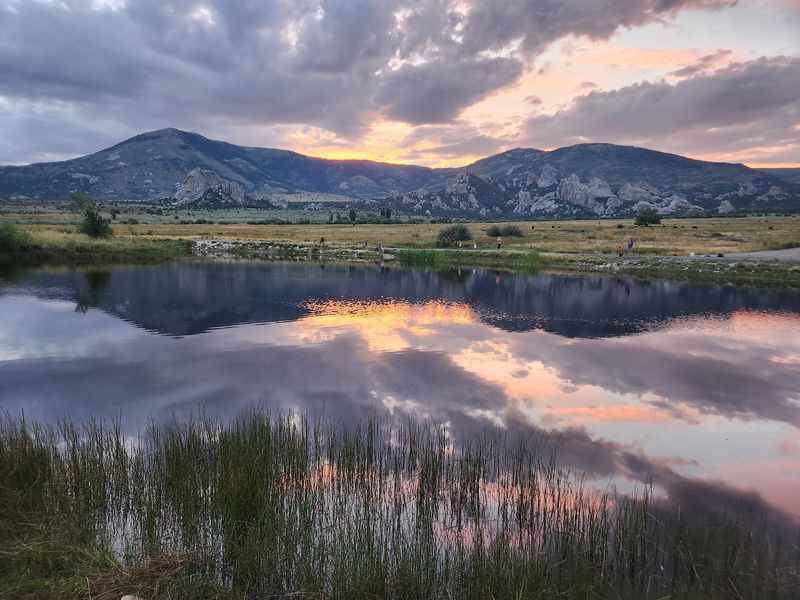
Granite spires rise from sagebrush like a stone city, and after dark they become towering silhouettes under a Bortle Class 2 sky. Full International Dark Sky Park certification arrived in February 2023, and no artificial lighting exists inside the reserve’s boundaries.
That means the view above the rocks looks much as it did to Shoshonean travelers and California Trail emigrants who camped here generations ago.
Wagon-era names still mark some of the granite faces, adding a layer of history to a night of sky watching.
The reserve is managed jointly by the National Park Service and the Idaho Department of Parks and Recreation, and campsites sit right among the formations. Hiking, climbing, and horseback riding fill the daylight hours before the show begins.
Almo, the small village at the entrance, keeps hungry visitors happy. The Outpost Steakhouse serves hearty plates, while Rock City Mercantile turns out wood-fired pizza and quick snacks.
Reserve a campsite early for August weekends, and bring a folding chair so you can lean back comfortably while the Milky Way rolls overhead.
6. Sawtooth National Recreation Area
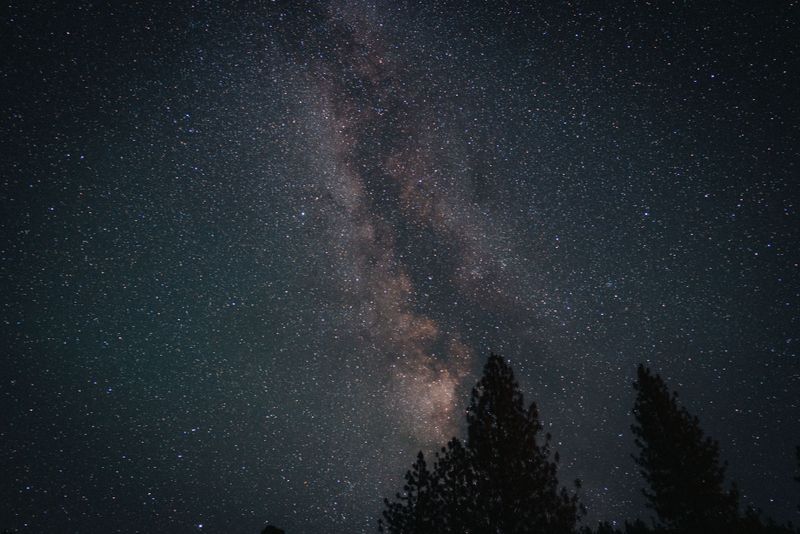
Spread across 1,416 square miles of protected sky, the dark sky reserve created in 2017 covers much of this rugged playground. Jagged granite peaks and alpine lakes give the stars a foreground few places can match.
Pullouts and campgrounds double as observing sites, which keeps planning simple. Adams Gulch Trailhead, the North Fork Visitor Center, Baker Creek Pullout, and Sunny Gulch Campground all offer open sightlines and easy parking, even in the dark.
Try arriving while there is still light so you can note where the horizon dips and where trees might block the southern sky, since that is where the brightest part of the Milky Way sits in August.
Once your eyes adjust over about twenty minutes, faint detail appears that no phone screen will let you see.
Stanley works as a year-round gateway with lodging and cafes, handy when you want hot coffee at sunrise after a long night. Nights here can dip near freezing even in summer, so pack layers, a warm hat, and a blanket for the ground.
Cell service fades quickly, so download maps first.
5. Galena Summit
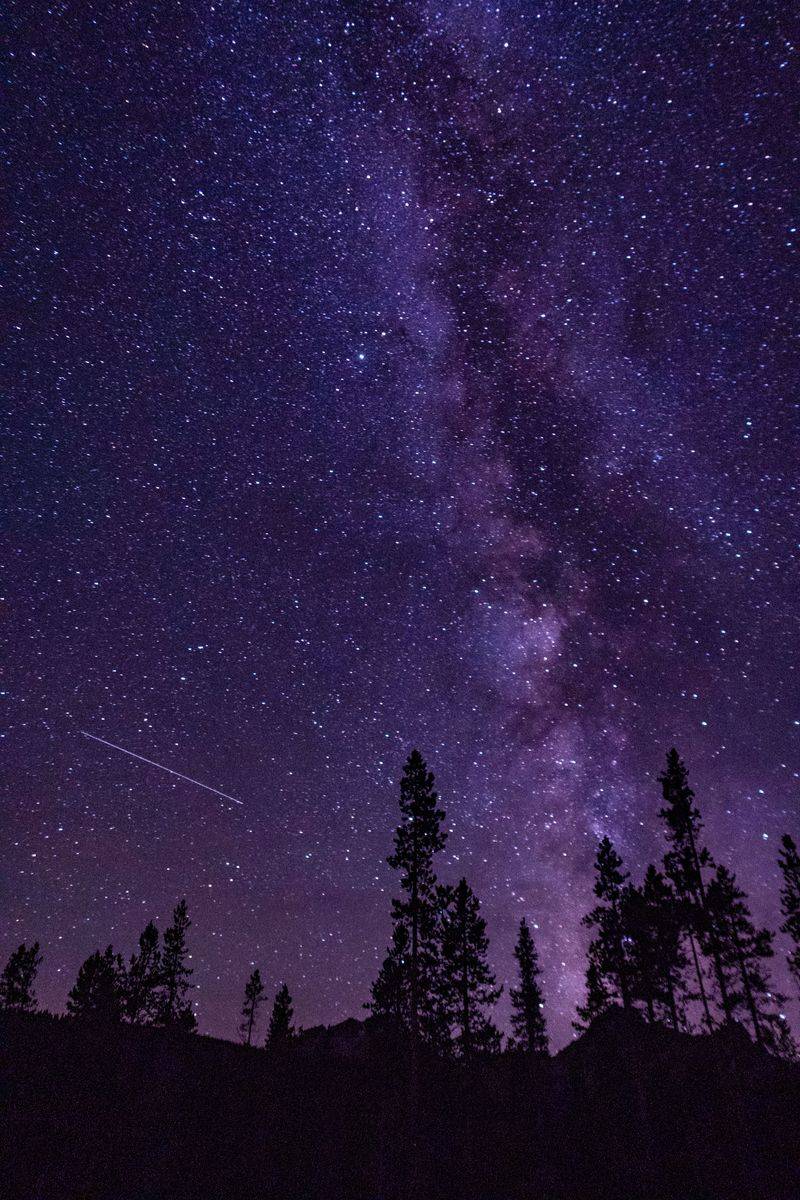
Highway 75 climbs in tight switchbacks to a mountain pass about 30 miles north of Sun Valley, and the overlook at the top delivers one of the widest night views in the region. From here the Sawtooth range spreads out below and the headwaters of the Salmon River valley fall away in soft folds.
Elevation does the heavy lifting for stargazers.
Thin, dry air and almost no stray light let the Milky Way stand out with texture, and on the clearest nights a bright nebula or neighboring galaxy shows up without any optics at all.
Photographers love the spot because the pass frames peaks, valley, and sky in one shot. A sturdy tripod, a wide lens, and patience usually beat fancy gear.
Wood River Valley views open on the south side, useful when you want the darkest horizon at your back.
Use the paved viewpoint parking area rather than the shoulder, keep headlights off once you are parked, and watch for late traffic. Deer and elk move through at night, so drive slowly on the descent when the show finally ends.
4. Little Redfish Lake
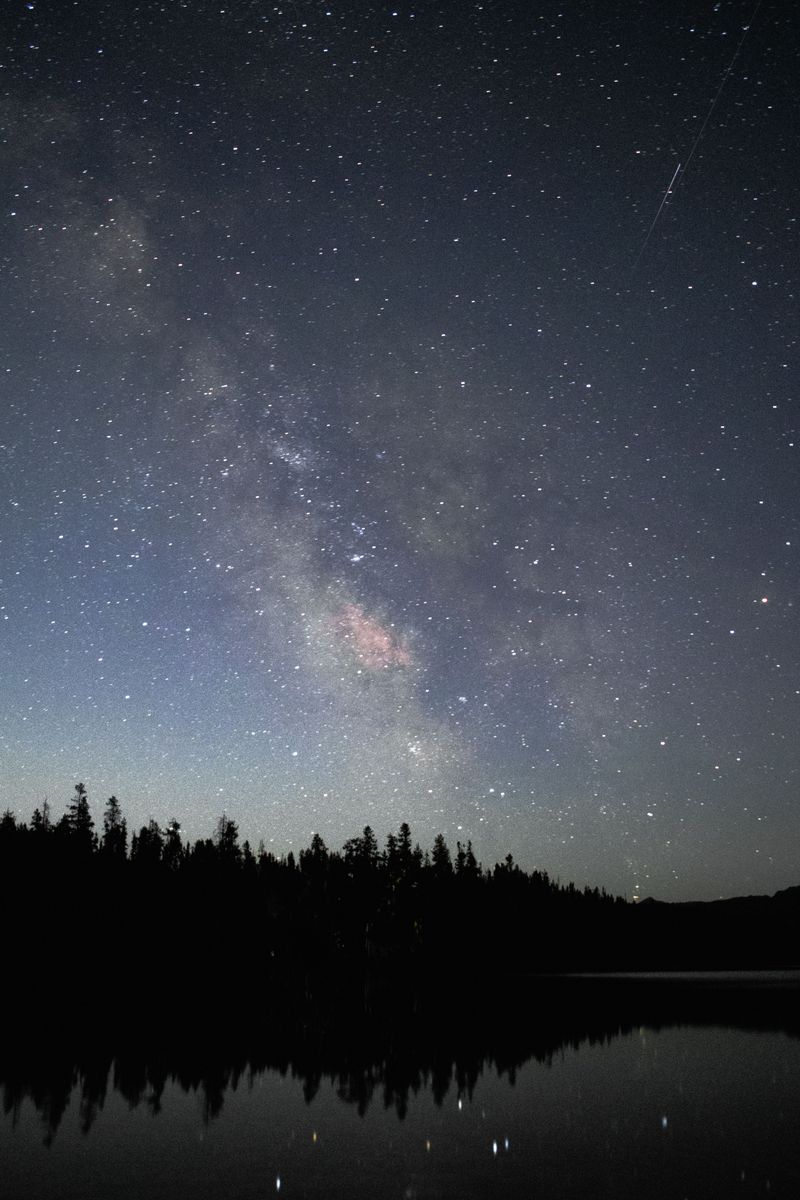
Smaller and quieter than its famous neighbor, this shallow lake sits at 6,489 feet with a shoreline close enough to the road for an easy evening visit. Shallow water means calm surfaces, and calm surfaces mean reflections.
On still August nights the peaks and stars double themselves in the water, and long-exposure photos here often look like two skies stacked together.
Part of the Central Idaho Dark Sky Reserve, the basin sees very little stray light, so even the fainter arms of the Milky Way come through.
Campgrounds along the shore let you step out of a tent and straight into the show. Marshy edges attract mosquitoes at dusk, so long sleeves and repellent are smart, and a small towel helps with dew on lenses.
Practical note: the moon phase deserves as much attention as the forecast. Plan your trip within a few nights of the new moon, arrive before dark to claim a clear view across the water, and give your eyes time to adjust before judging the sky.
Fishing and paddling fill the daylight hours if you make it a full outing.
3. Hell Roaring Lake
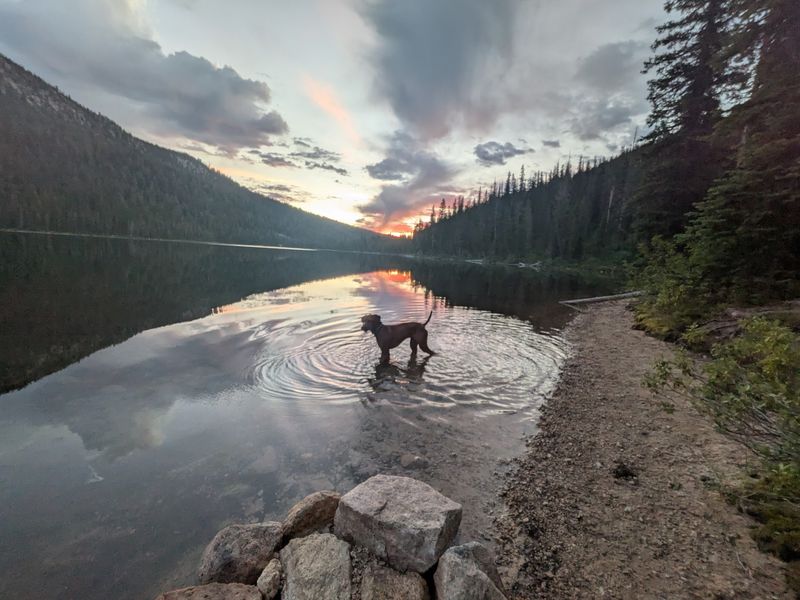
Some views ask you to earn them. A moderate trail leads into a high basin at roughly 2,262 meters in the Sawtooth Mountains of Custer County, where the granite tower known as the Finger of Fate leans over the water.
Because the lake sits inside both the recreation area and the Sawtooth Wilderness, no lights exist for miles in any direction. Stars appear right down to the ridgelines, and the Milky Way seems to pour into the notch between peaks.
Backpacking makes the most sense here. Camping along the shore means you never have to hike out in the dark, and it gives you the whole night instead of a rushed hour.
The elevation, close to 7,420 feet, keeps the air crisp long after sunset.
Pack a headlamp with a red mode, a warm sleeping bag rated for chilly mountain nights, and a water filter. Follow wilderness rules on campsite distance from the water, keep food secured, and leave the basin exactly as you found it so the next visitor gets the same hush.
2. Castle Rocks State Park
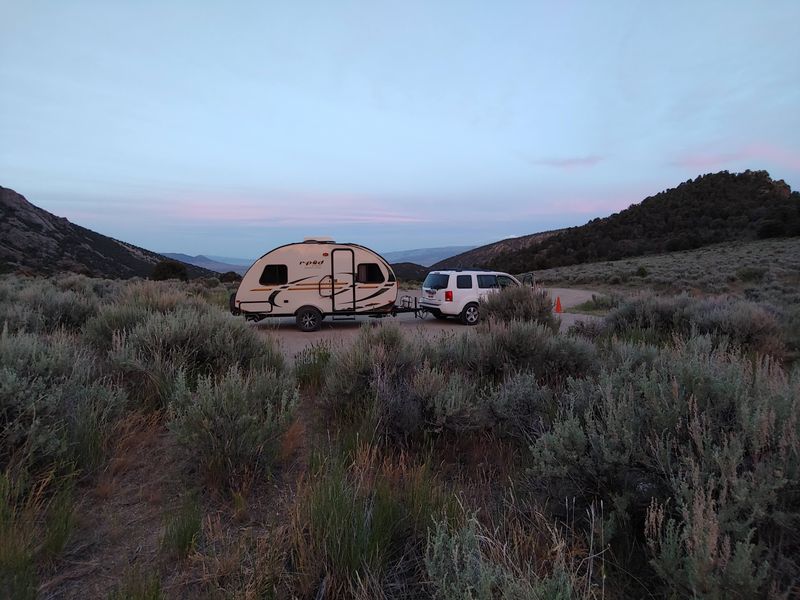
Two miles northwest of Almo in southern Cassia County, a quieter cousin to City of Rocks offers the same Bortle Class 2 darkness with fewer crowds. Rounded granite domes glow pale at dusk before dissolving into silhouettes.
Lighting upgrades made the difference. Working alongside its sister park, staff replaced outdoor fixtures with dark-sky friendly designs, which keeps light aimed downward and the sky above untouched.
Star parties happen regularly, often with local astronomical society members hauling in telescopes and binoculars for anyone curious enough to stop by.
Looking through a good scope at Saturn’s rings for the first time tends to stick with people.
Sleeping options go beyond tents here, with a few unique overnight rentals for visitors who prefer walls and a roof. Days can be spent hiking or climbing among the rocks, and the sense of solitude is part of the appeal.
Grab dinner in Almo before dark, then settle in with a chair, warm layers, and a printed star chart. Printed charts beat phone apps because screens ruin the night vision you spent half an hour building.
1. Sun Valley Area
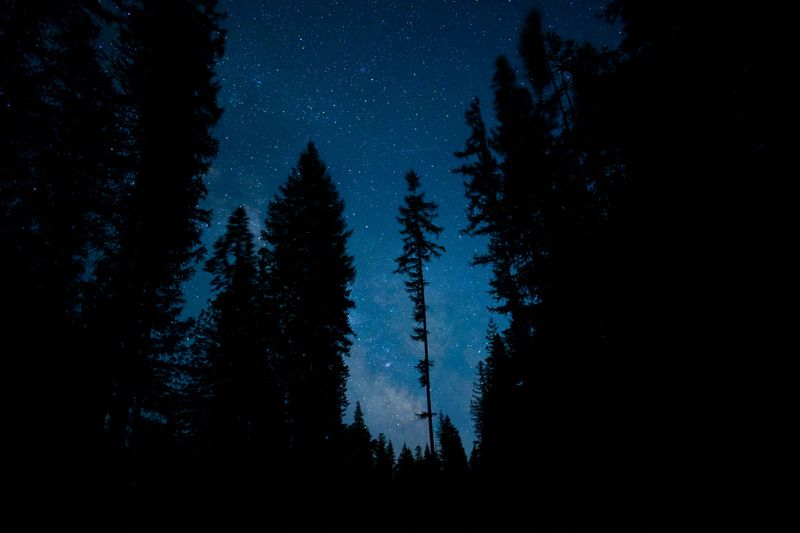
In 2017 the region around Ketchum and Sun Valley became home to the first Gold-Tier International Dark Sky Reserve in the United States, a 1,416-square-mile area with strict rules on outdoor lighting.
Sun Valley Resort went a step further, becoming the first resort in the country to earn DarkSky Certified Resort status.
Choices for viewing are refreshingly varied. Bald Mountain opens for special evening events reached by gondola, Trail Creek offers wide meadow horizons, Dollar Mountain Lodge sits under open sky, and even the Pavilion Lawn in the village works for a casual look upward.
Guided evenings with professional astronomers and telescopes run through summer, sometimes timed to the Perseid meteor shower in mid-August, when a dozen or more streaks per hour is realistic.
Small-town Idaho charm rounds out the trip: bakeries, bike paths, and easy walks by day. Ketchum sits about 30 miles south of Galena Summit, so pairing the two in one visit takes little extra driving.
Bring a light jacket for mountain air, and stake out your spot early when meteor showers draw a crowd.