10 Best Things To Do In California When You Want Something Different
California gets plenty of attention for its biggest landmarks, yet some of the most memorable experiences come from going in a less expected direction.
A different kind of outing can turn an ordinary weekend into something far more interesting, especially when the usual beach day or city stop no longer feels exciting enough.
Quirky attractions and offbeat adventures give the state a whole other personality once you know where to look.
Part of the fun comes from finding places and experiences that feel a little less obvious and a lot more personal.
Good travel stories rarely begin with the most predictable plan.
For anyone ready to break routine, these California picks bring the kind of change of pace that makes exploring the state feel fresh again.
1. Kayak the Sea Caves of Santa Cruz Island
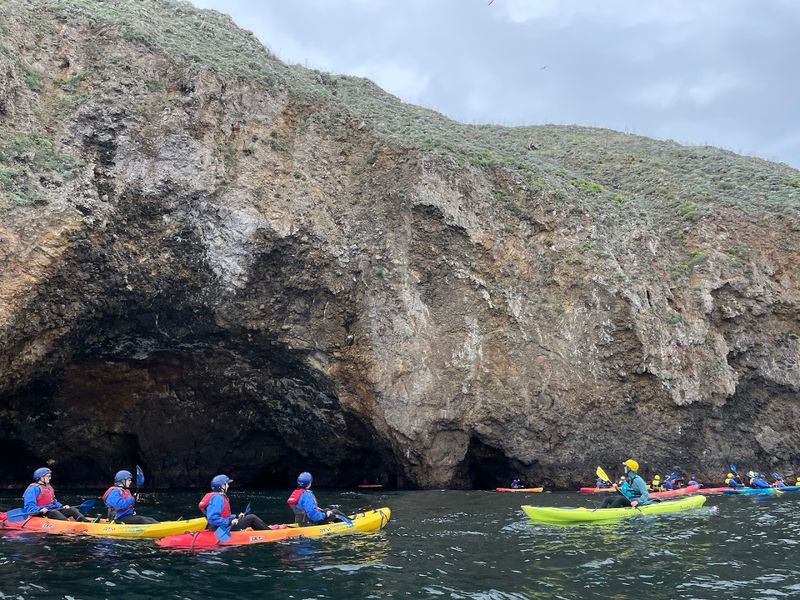
Paddling through a sea cave with ocean water glowing beneath the kayak is one of those experiences that stays with a person for a long time.
Channel Islands National Park is home to some of the most dramatic coastal scenery in the state, and Santa Cruz Island offers guided kayak tours that explore its rugged sea caves and shoreline.
The National Park Service confirms that Channel Islands Adventure Company is the authorized outfitter operating tours from Scorpion Anchorage.
Getting there requires a ferry ride from Ventura, which adds to the sense of real adventure before the paddling even begins.
Tours are led by experienced guides who know the cave systems well and can point out wildlife along the way.
Sea lions, seabirds, and even dolphins are commonly spotted during the crossing and around the island.
Booking in advance is strongly recommended since spots fill up quickly, especially on weekends and during summer months.
Participants should wear layers because the ocean air tends to be cooler than expected. Comfortable water shoes and sunscreen are practical must-haves for the day.
For anyone who wants a California coastal experience that goes far beyond a beach towel and sunscreen, this trip delivers something genuinely hard to forget.
2. Tour the Point Sur Lightstation in Big Sur
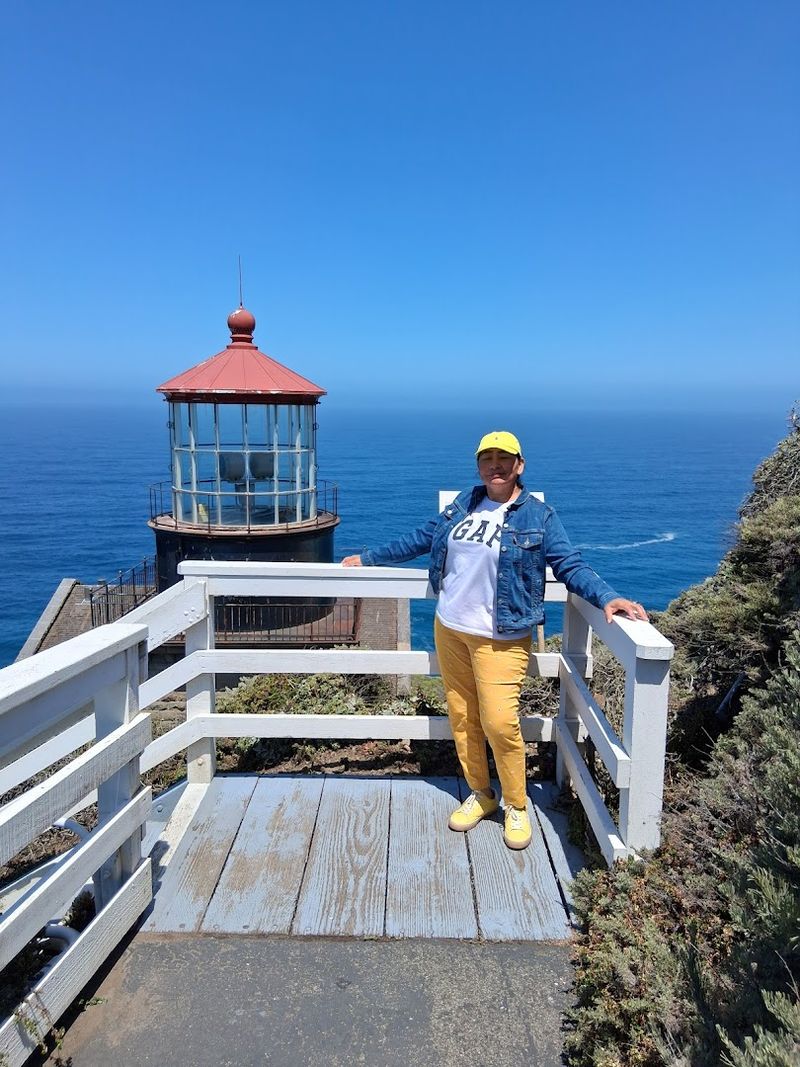
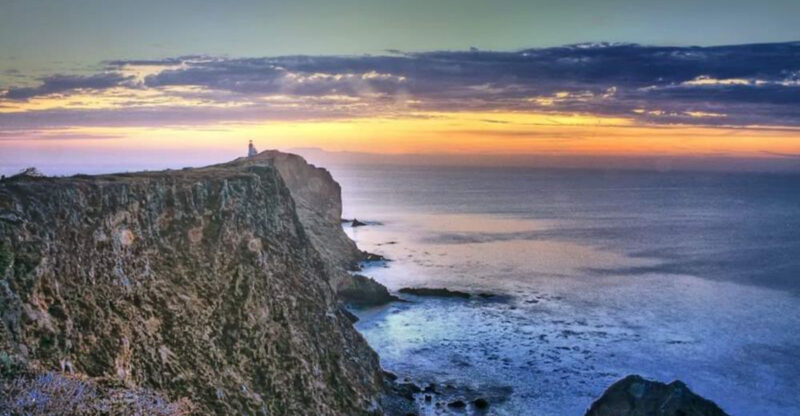
Perched on a 361-foot volcanic rock rising straight out of the Pacific, Point Sur Lightstation looks like something from a storybook.
Most people driving Highway 1 glance at it from the road, but the full three-hour guided walking tour offered by California State Parks gives visitors a chance to actually step inside the historic buildings and learn the stories behind them.
Tours are available on Saturdays, Sundays, and Wednesdays, making it a realistic stop for a long weekend trip.
The walk involves some uphill sections, so comfortable shoes are a smart choice before setting out.
Guides share details about the lighthouse keepers who lived and worked in isolation here for decades, and those human stories make the place feel genuinely alive rather than just scenic.
The views from the rock looking back toward Big Sur are expansive and clear on most days.
Point Sur is one of the few complete turn-of-the-century light stations on the West Coast that still stands largely intact.
Visitor numbers are limited per tour, which keeps the experience from feeling rushed or crowded.
3. Wander the Forestiere Underground Gardens in Fresno
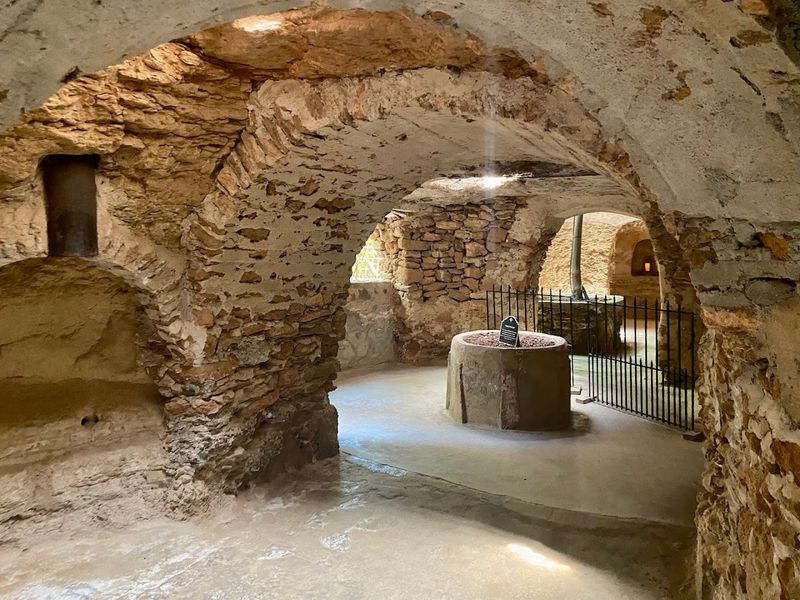
Few places in the Central Valley spark genuine surprise the way the Forestiere Underground Gardens do.
Stretching beneath the ground in Fresno, this hand-built maze of rooms, courtyards, and passageways was created by a single Sicilian immigrant over the course of several decades in the early 1900s.
The space includes underground grottos, a fish pond, and fruit trees that grow upward through skylight openings carved directly into the earth above.
Tours are offered by reservation, and Fresno County tourism notes that the 2026 tour season began on March 27, 2026.
The underground temperature stays naturally cool, which makes it a surprisingly pleasant visit even during the hot Central Valley summers.
Guides walk visitors through the various chambers while explaining the history and the construction methods used without any power tools or modern equipment.
Located at 5021 West Shaw Avenue in Fresno, the gardens sit in an area of the city that does not look remarkable from the outside, which makes the underground discovery feel even more dramatic.
Children tend to find the space genuinely fascinating rather than just educational.
4. Catch the Tufa Towers at Mono Lake
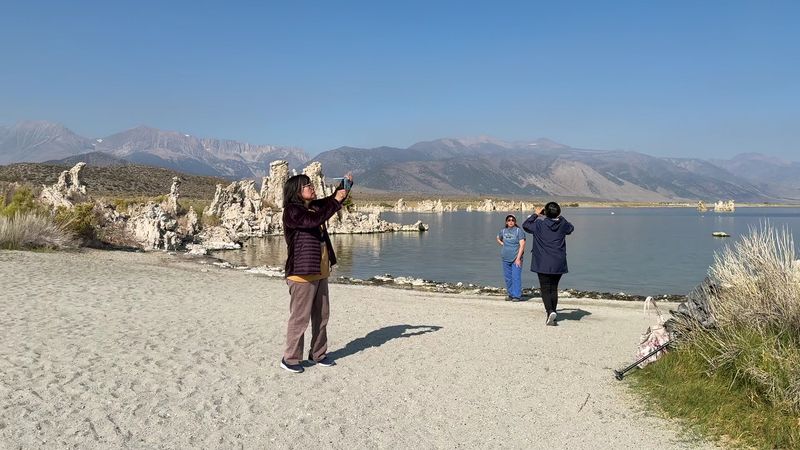
Eastern California has a completely different character from the coast or the mountains, and Mono Lake captures that strangeness better than almost anywhere else in the state.
The lake is described by California State Parks as more than a million years old, and its defining feature is the otherworldly limestone tufa formations that jut up from the water’s surface in jagged columns and spires.
Standing at the shoreline feels more like visiting another planet than another county.
The South Tufa area off Highway 395 near Lee Vining is the most accessible viewing point and has a short trail that loops around the formations.
Early morning visits reward patience with calm water that mirrors the towers and the surrounding sky in vivid detail.
Migratory birds gather here in enormous numbers during certain seasons, making it a meaningful stop for wildlife enthusiasts as well.
The Mono Lake Committee Information Center and Bookstore in Lee Vining is a useful first stop for maps, background information, and current conditions.
Elevation at Mono Lake sits around 6,380 feet, so visitors coming from sea level may notice the thinner air during a walk.
5. See Art Come to Life at the Pageant of the Masters in Laguna Beach
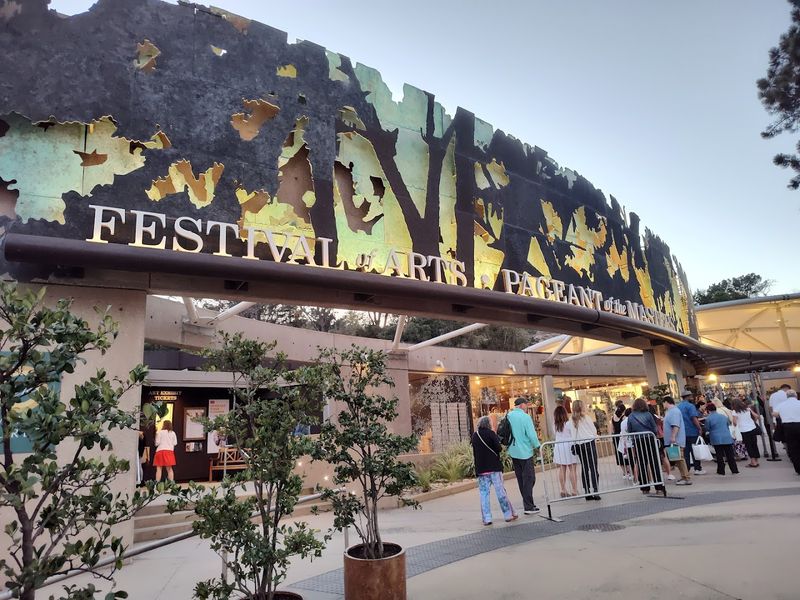
Somewhere between theater and visual art, the Pageant of the Masters pulls off something that sounds impossible until a person actually sees it.
Famous works of art are recreated onstage using real people posed to look exactly like figures in paintings and sculptures, with lighting and costume work so precise that the effect is genuinely startling.
The Festival of Arts confirms that the 2026 Pageant of the Masters runs nightly from July 9 to September 4, 2026 in Laguna Beach.
The outdoor venue holds several thousand seats and performances happen under the open sky, which adds to the atmosphere on warm summer evenings.
Each year the show follows a different theme that connects the artworks selected for recreation, so the experience changes from season to season.
A narrated soundtrack guides the audience through each tableau, providing context about the original works and artists.
Tickets sell out well in advance, especially for weekend performances, so planning ahead is essential.
The venue is located at 650 Laguna Canyon Road in Laguna Beach, and parking options in the surrounding area can fill up quickly on performance nights.
Arriving early allows time to walk the Festival of Arts grounds before the show begins, where original artwork by local artists is displayed and available for purchase throughout the summer season.
6. Watch Elephant Seals at Piedras Blancas Near San Simeon
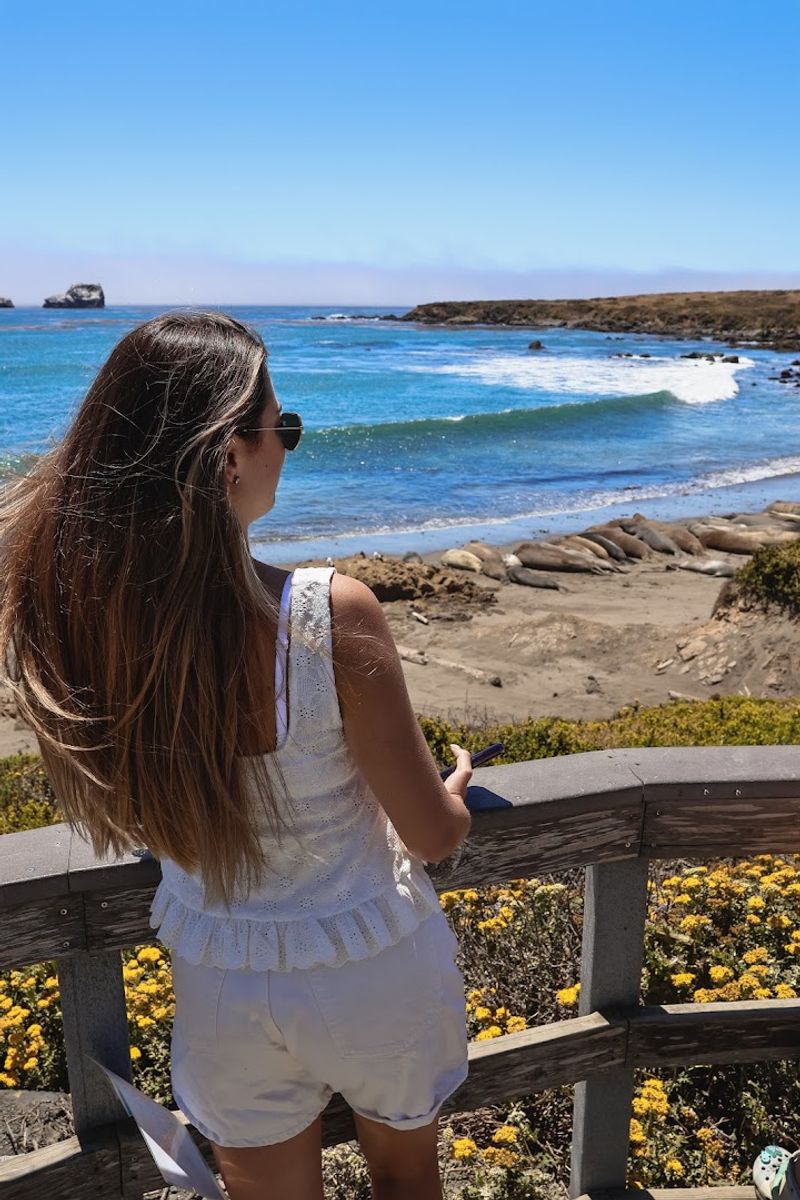
Nothing quite prepares a first-time visitor for the scale and noise of the Piedras Blancas elephant seal rookery.
Thousands of massive marine mammals haul out on the beach here throughout the year, and the sounds they make carry well before the animals even come into view.
San Simeon tourism confirms the rookery is free to visit, open every day of the year, and located on Highway 1 just north of Hearst Castle.
Wooden boardwalks and viewing areas keep visitors at a safe distance while still allowing remarkably close observation of the seals.
Docents from the Friends of the Elephant Seal are often present to answer questions and share information about the animals’ behavior and life cycles.
Different times of year bring different activity at the beach, from birthing season in winter to molting season in late summer.
The drive along Highway 1 to reach the site is scenic in its own right, with ocean views stretching out to the west for much of the approach.
Binoculars are helpful for watching seals further out in the water but are not necessary for the animals resting directly along the boardwalk.
7. Go Stargazing in Lassen Volcanic National Park
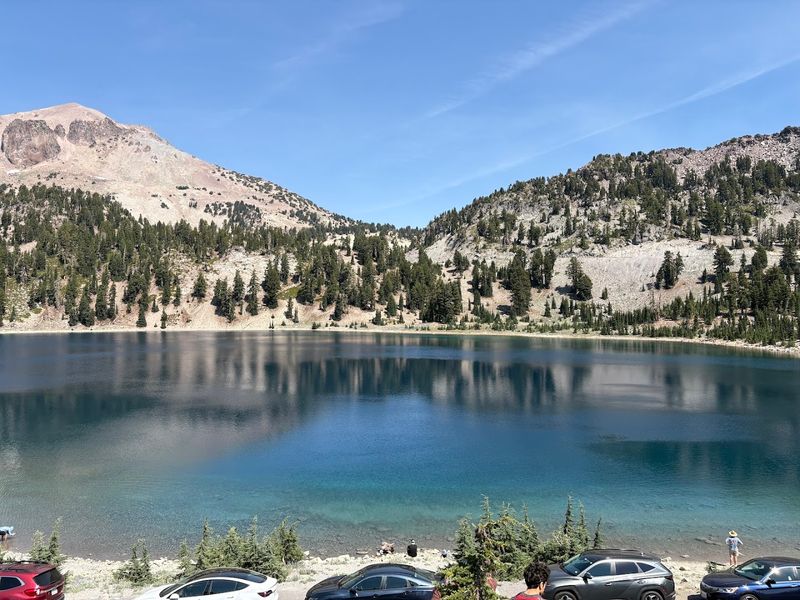
Dark skies are harder to find than most people realize, and Lassen Volcanic National Park offers some of the best stargazing in Northern California without requiring any specialized equipment.
The National Park Service notes that open areas like lakeshores, meadows, and parking areas with wide sky views are especially good spots for observing the night sky throughout the park.
Away from city light pollution, the Milky Way becomes visible to the naked eye on clear nights.
Lassen is already known for its hydrothermal features and volcanic landscape, but the nighttime experience adds a completely different dimension to a visit.
Arriving before sunset allows time to explore during daylight hours and then stay for the transition into darkness.
Temperatures drop significantly after sundown even in summer, so warm layers and a blanket make the experience much more comfortable.
The park sits at elevations ranging from around 5,000 to over 10,000 feet, which contributes to the clarity of the atmosphere and the quality of the views overhead.
No special permit is needed for casual stargazing, though ranger-led night sky programs are offered seasonally and provide added context about what is visible.
8. Walk Glass Beach in Fort Bragg
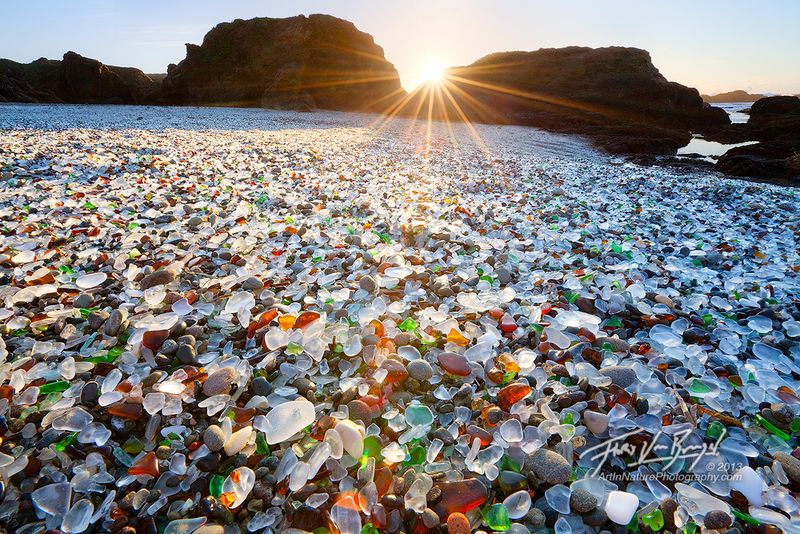
At low tide, the shoreline at Glass Beach in Fort Bragg glitters with thousands of smooth, frosted pieces of sea glass tumbled into soft rounded shapes by decades of wave action.
Visit Fort Bragg identifies it as one of the city’s main attractions, accessible from the Coastal Trail, and notes that visitors are asked not to take the glass home.
The request matters because the supply is finite and the beach’s character depends on what remains.
Getting there involves a short walk from the MacKerricher State Park parking area or from downtown Fort Bragg along the Coastal Trail.
The variety of glass colors is surprising, ranging from green and brown to white and occasional blue, with the pieces catching light differently depending on the angle of the sun.
Low tide is the best time to visit since more of the glass-covered beach becomes exposed and easier to explore.
Fort Bragg itself is a small coastal town with a relaxed atmosphere and enough cafes and shops to make a half-day or full-day trip feel complete.
The beach sits along a stretch of Northern California coastline that is rugged and windswept rather than warm and tropical, so layering up before heading out makes a real difference in comfort.
9. Visit Salvation Mountain by the Salton Sea
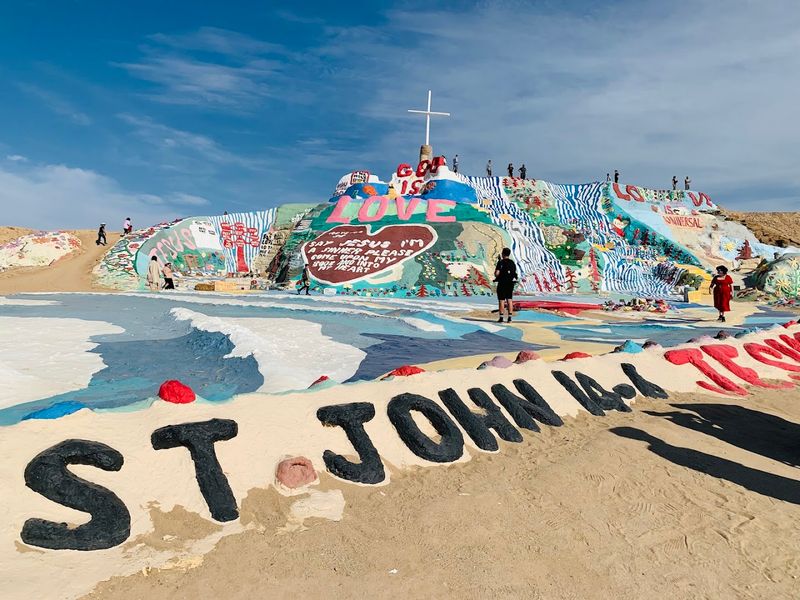
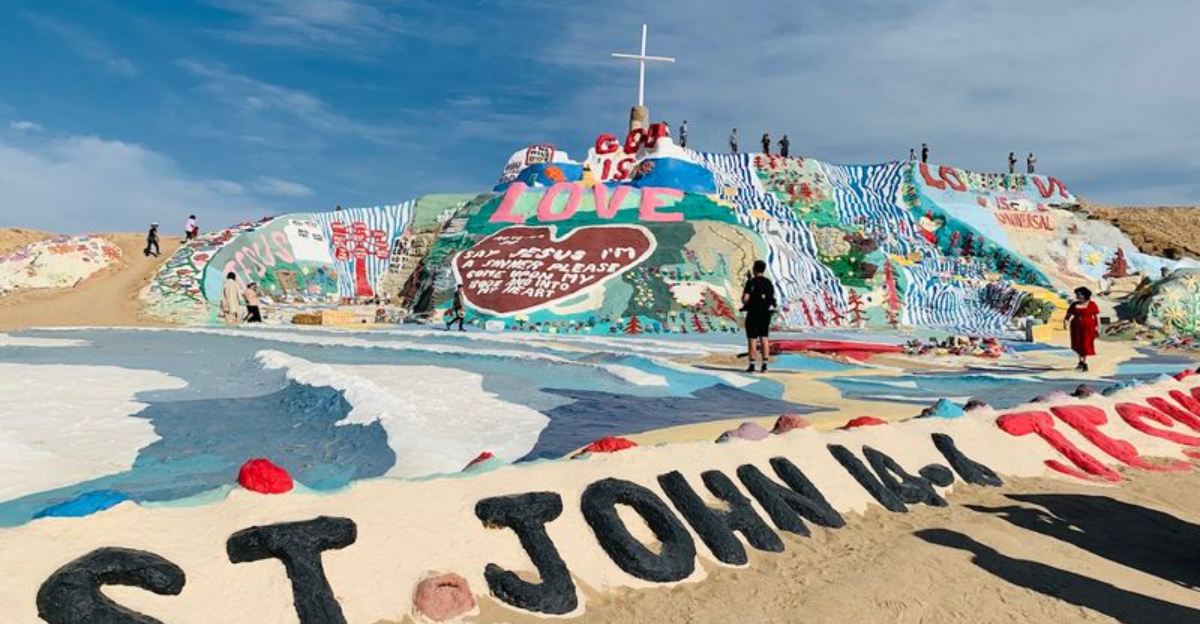
Painted in brilliant primary colors and covered in hand-lettered messages, Salvation Mountain rises unexpectedly from the flat desert floor near Niland in Southern California.
The official visitor page confirms it is open from sunrise to sunset every day of the year and that entry is completely free.
Few places in the state feel this singular or this far removed from anything resembling a conventional tourist destination.
The structure was built by a single dedicated individual over many years using adobe, straw, and thousands of gallons of donated paint, and the scale of the work becomes more impressive the closer a visitor gets.
Every surface is painted, from the main mountain face to the surrounding folk-art trees and small structures that surround it.
The desert light in the late afternoon brings out the colors most vividly and makes for striking photographs.
Reaching Salvation Mountain requires driving through the remote stretch of Highway 111 south of the Salton Sea, which is an experience in itself.
The landscape shifts from suburban sprawl to open desert to a kind of surreal quiet that makes the arrival feel earned.
Summers in this part of the desert can be extremely hot, so visiting in the cooler months between October and April is a practical choice for comfort.
10. Step Into Gold Rush California at Columbia State Historic Park
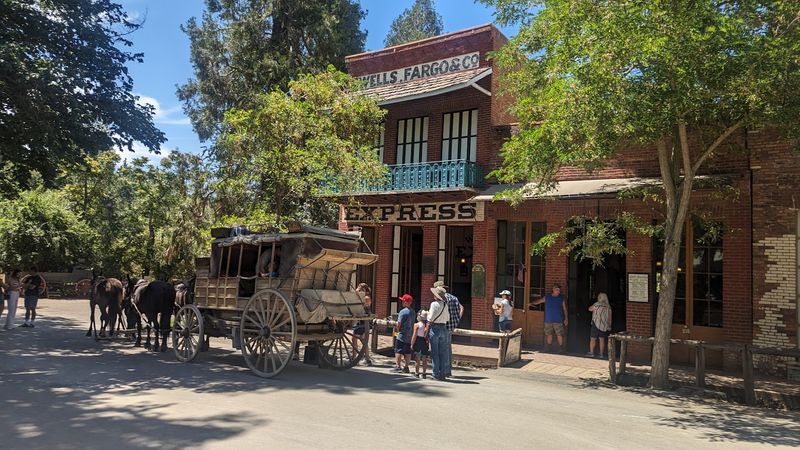
Walking the main street of Columbia State Historic Park feels like crossing a threshold into another century, and the effect holds because the town itself is genuinely preserved rather than reconstructed.
California State Parks confirms that park exhibits are open daily and that regular town tours are available, giving visitors a structured way to take in the history without wandering aimlessly.
The entire downtown area functions as a living piece of Gold Rush history with working businesses operating inside the historic buildings.
Located in Tuolumne County in the Sierra Nevada foothills, Columbia was once one of the richest gold-mining towns in California during the 1850s.
Stagecoach rides and period-appropriate shops give the experience texture beyond just looking at old buildings.
Children tend to engage enthusiastically with the hands-on elements, making it a solid family destination.
The park sits at a comfortable elevation and stays relatively cool under the shade of the surrounding trees, which makes it more pleasant than many foothill destinations during summer afternoons.
Parking is available near the park entrance, and the town layout is compact enough to explore fully on foot without covering long distances.