11 Best Waterfront Towns In Nebraska For Lake Days, River Views, And Small-Town Charm
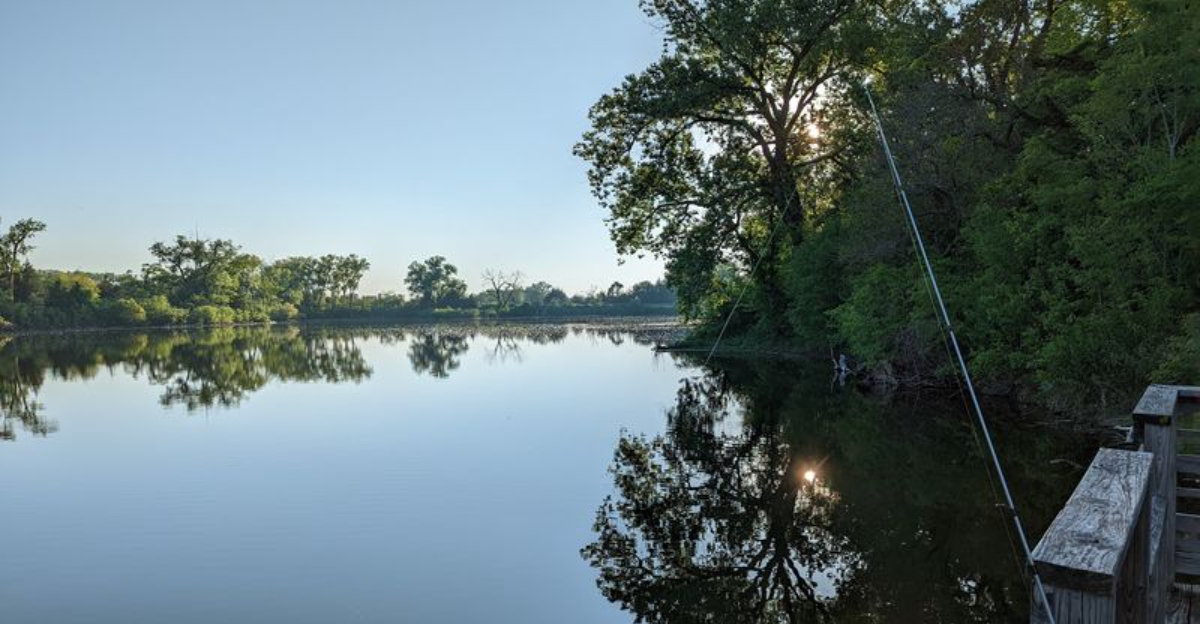
Pick your favorite kind of water view before you leave home.
Do you want a quiet lake where the afternoon disappears beside the shore, or a river town where you can grab lunch and wander toward the water afterward?
Waterfront towns bring out a surprisingly laid-back side of Nebraska that is easy to overlook.
Roll the windows down. Stop for ice cream even if it is before noon. Take the slower road into town and see which waterfront pulls you in first.
Some places are better for paddling and fishing. Others are made for sunset walks or simply sitting still long enough to forget what time it is.
You do not need a packed itinerary. Choose one town, give it the whole day, and let the water set the pace.
1. Ogallala, Lake McConaughy and Lake Ogallala
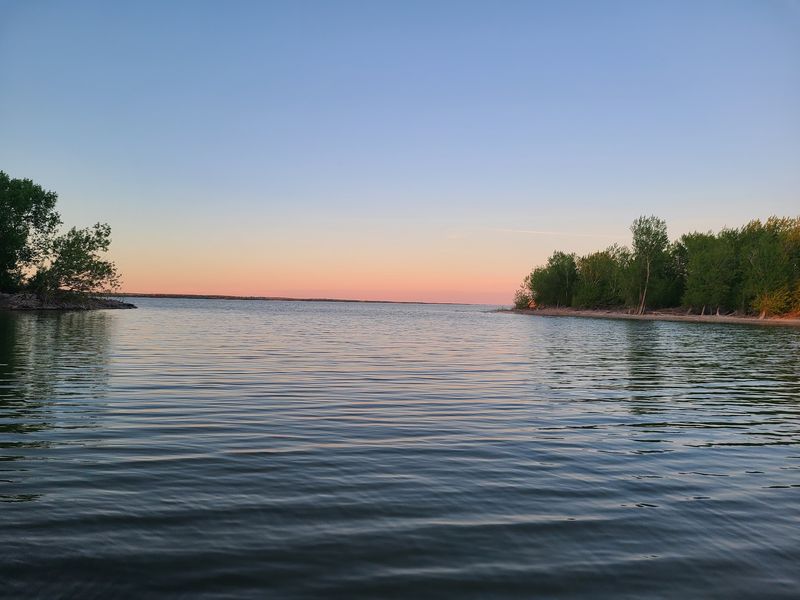
Known as Nebraska’s “Cowboy Capital,” Ogallala sits near one of the most impressive stretches of open water in the entire Great Plains region.
Lake McConaughy, often called “Big Mac,” covers around 30,000 surface acres and offers roughly 100 miles of white sand shoreline that genuinely surprises visitors who expect flat, dry landscape.
Boating, swimming, windsurfing, and fishing are all popular activities here, and the wide beaches tend to fill up during summer weekends.
Just below Kingsley Dam lies Lake Ogallala, a calmer 320-acre lake where motorized boats are not allowed to create a wake.
Kayaking and paddleboarding feel especially peaceful here, and the fishing for rainbow trout tends to be reliable.
A two-mile hike-bike trail runs along the northern dyke and offers scenic water views at a comfortable walking pace.
Back in town, the historic Front Street area reflects Ogallala’s cattle-drive past with a western museum and general store.
A Nebraska Park Entry Permit is required for vehicles entering the state recreation areas around both lakes.
2. Valentine, Niobrara River
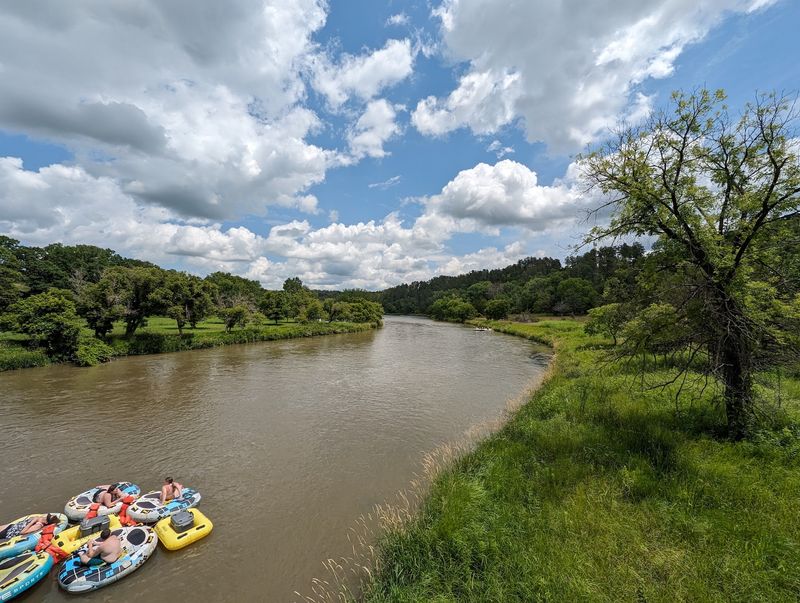
In the Sandhills of north-central Nebraska, Valentine has built a well-earned reputation as a hub for river recreation.
The Niobrara National Scenic River runs nearby, and tubing trips along its clear, spring-fed waters are a popular warm-weather tradition for both locals and visitors.
The river moves at a gentle pace through stretches of wooded canyon, making it accessible for people of most fitness levels.
Canoe and kayak rentals are available from outfitters in the area, and multi-day paddling trips are an option for those who want to spend more time on the water.
The riverbanks feature small waterfalls, wildflowers, and birdlife that make the experience feel more like a nature immersion than a simple float trip.
Fort Niobrara National Wildlife Refuge sits just east of town and adds another layer of outdoor interest to a visit here.
Valentine itself has a compact downtown with locally owned shops and a relaxed small-town atmosphere.
The area around the Niobrara tends to be busiest in July and August, so planning a trip in early September could offer a noticeably calmer experience.
3. South Sioux City, Missouri River
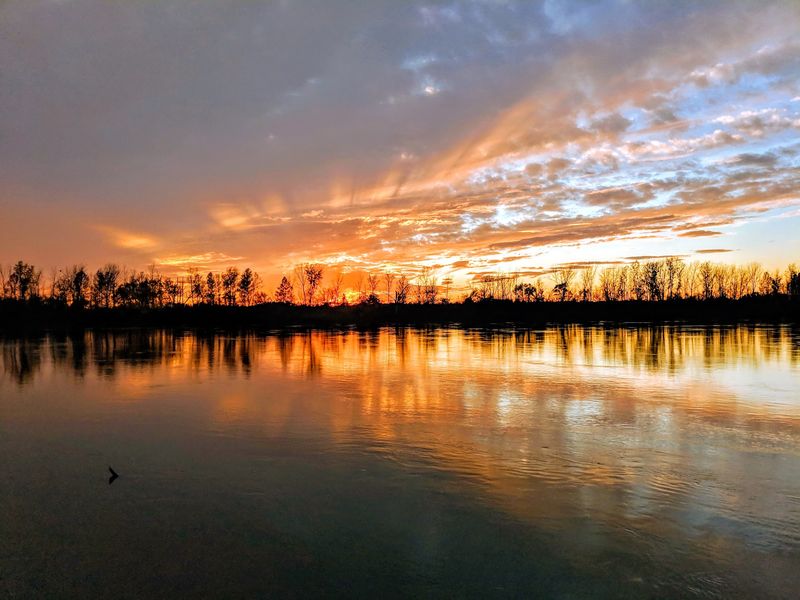
Sitting directly across the Missouri River from Sioux City, Iowa, South Sioux City occupies a stretch of Nebraska’s northeastern corner where the river feels wide, powerful, and alive.
The Riverfront Trail system runs along the water and offers a paved path for walking, jogging, and cycling with open views of the river that shift with the seasons. Early mornings along the trail have a calm, almost meditative quality before the rest of the day picks up pace.
Recreational opportunities along this stretch of the Missouri include fishing access points and boat launches that serve both casual anglers and more serious boaters.
The river here is broad and moving, giving it a different character than the quieter lakes and reservoirs found elsewhere in Nebraska.
Pelican Point Recreation Area, located just south of the city, provides additional outdoor space and wildlife viewing opportunities along the river corridor.
South Sioux City has a growing downtown area with restaurants and shops that reflect its diverse community.
The town is part of the Siouxland region, which spans three states at their shared corner, and that cross-border energy gives the area a slightly more urban feel than many other waterfront towns in Nebraska.
4. Crofton, Lewis and Clark Lake
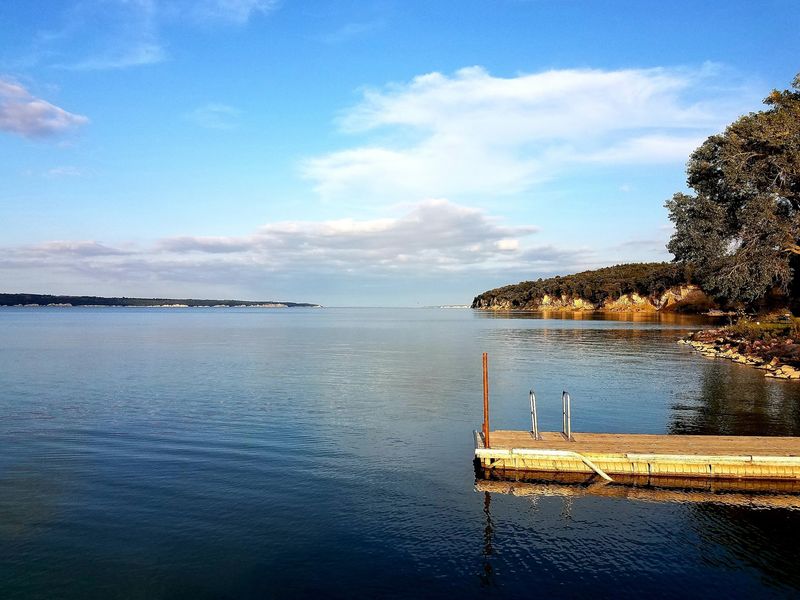
Crofton is a small town in northeastern Nebraska that has positioned itself as one of the more practical bases for exploring Lewis and Clark Lake, a reservoir formed by Gavins Point Dam on the Missouri River.
The lake stretches across the Nebraska-South Dakota border and offers a long, calm body of water that is well suited for boating, sailing, and waterskiing.
The wide surface area means there is usually enough room for multiple activities without the crowded feel of more popular destinations.
Fishing on Lewis and Clark Lake tends to be productive, with walleye, northern pike, and white bass among the species commonly caught here.
The surrounding Lewis and Clark State Recreation Area has campgrounds, picnic areas, and boat ramps that make accessing the water straightforward.
Marina facilities near Crofton provide boat rentals and supplies for visitors who arrive without their own equipment.
The town of Crofton has a genuine small-town character with locally owned businesses and a community that takes quiet pride in the lake access it offers.
The area is generally less crowded than more heavily promoted Nebraska lake destinations, which gives it a relaxed pace that can feel like a genuine escape.
5. Alma, Harlan County Lake
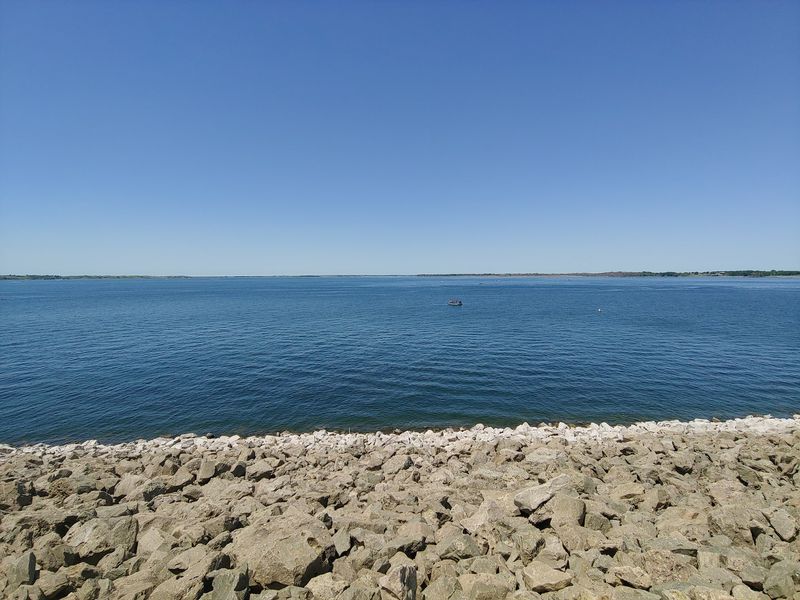
Harlan County Lake is one of southern Nebraska’s most significant reservoirs, and Alma serves as the closest town for visitors making their way to its shores.
The lake covers around 13,000 surface acres and was created by Harlan County Dam on the Republican River, making it a substantial body of water by any measure.
Boating, fishing, and camping are the primary draws, and the lake tends to attract a loyal following of visitors from across the central and southern parts of the state.
Fishing on Harlan County Lake is well regarded, with walleye, white bass, and channel catfish among the species most commonly pursued.
The Harlan County Lake State Recreation Area has multiple campgrounds spread around the shoreline, offering a range of options from primitive tent sites to sites with electrical hookups.
The Republican Valley area surrounding the lake has a wide, open landscape that gives the whole experience a spacious, unhurried quality.
Alma itself is a tidy county seat with a compact downtown and a genuine small-town atmosphere that feels authentic rather than curated for tourism.
The lake is roughly equidistant from Hastings and McCook, making it accessible from several directions.
6. Burwell, Calamus Reservoir and North Loup River
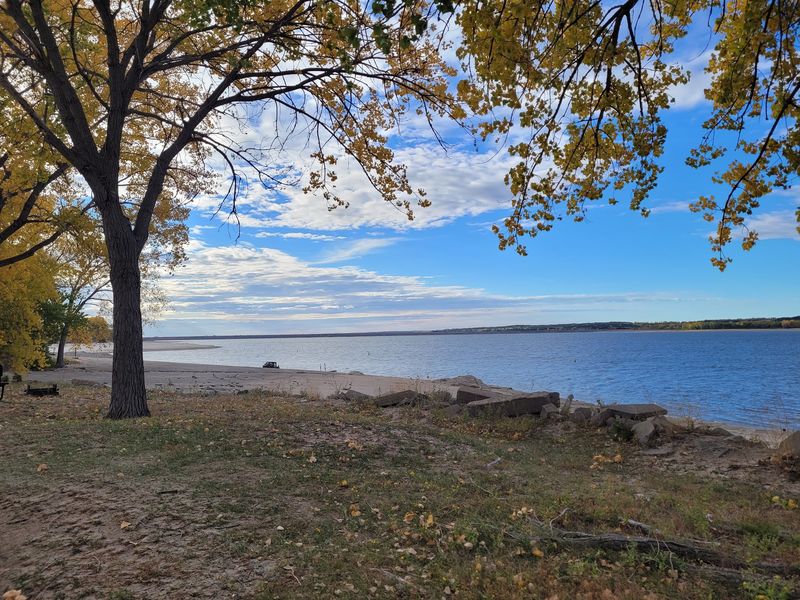
Sitting in the heart of Nebraska’s Sandhills region is Burwell, surrounded by rolling grass-covered hills and anchored by two notable water features that give it genuine outdoor appeal.
Calamus Reservoir, located just north of town, is a 5,000-acre lake known for its clear water and reliable fishing, with walleye, largemouth bass, and northern pike among the species found here.
The reservoir’s relatively undeveloped shoreline gives it a natural, uncluttered feel that stands apart from more commercially developed lake destinations.
The North Loup River adds another dimension to the area, flowing through the Sandhills with the clear, spring-fed quality that characterizes rivers in this part of Nebraska.
Canoeing and kayaking on the North Loup offer a quieter, more intimate water experience compared to the open expanse of the reservoir.
The surrounding Sandhills landscape has a raw, wide-open beauty that feels genuinely remote even when you are only a short drive from town.
Burwell is also known as the “Rodeo Capital of Nebraska,” and the Nebraska State Big Rodeo held here each summer draws significant crowds to an otherwise quiet community.
The combination of water recreation, grassland scenery, and western heritage makes Burwell an interesting stop that covers more ground than its small size might initially suggest.
7. Gothenburg, Platte River
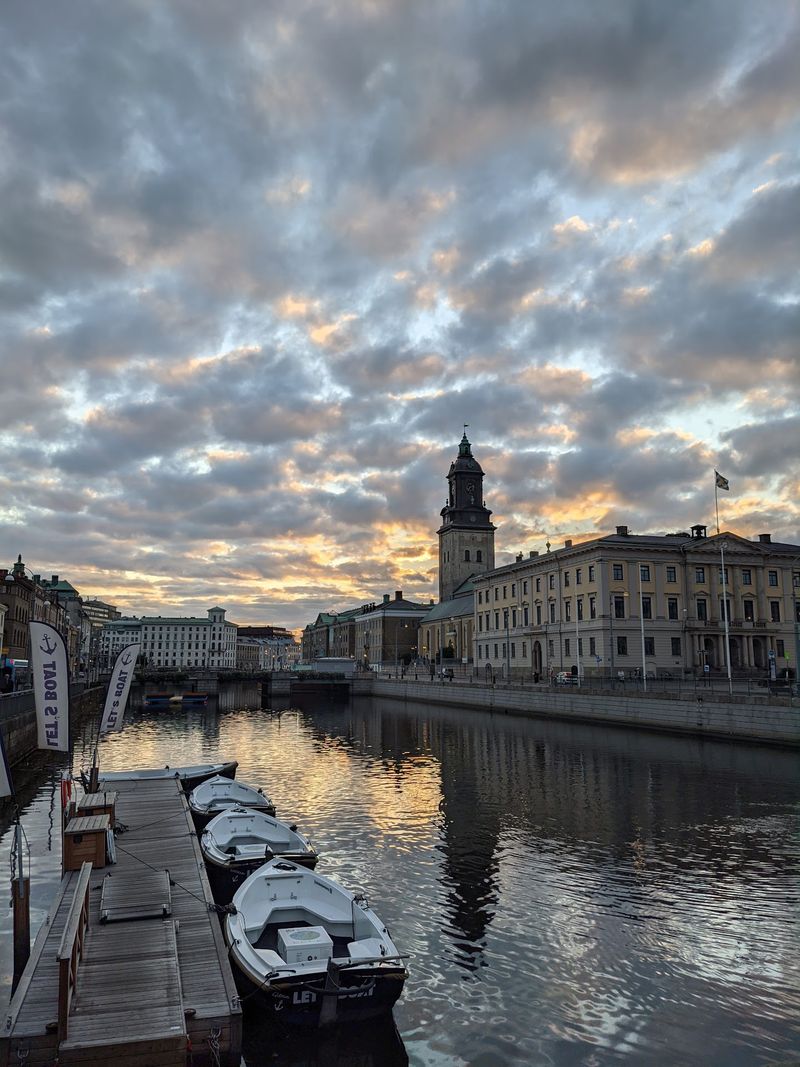
Gothenburg occupies a stretch of the Platte River valley in central Nebraska where the river spreads wide and shallow across sandy channels lined with cottonwood trees.
The Platte River here has a distinctive character, broad and braided with sandbars that shift from season to season, making it a uniquely Nebraska kind of waterway that looks unlike most rivers.
Sandhill crane migration brings enormous numbers of birds to this stretch of the Platte each spring, drawing birdwatchers from across the country.
Beyond the river, Gothenburg is known for its well-preserved Pony Express Station, which operated briefly in 1860 and now serves as a small museum open to visitors during the warmer months.
Ehmen Park along the river offers picnic areas, walking paths, and quiet access to the Platte’s sandy banks. The park tends to be a peaceful spot on weekday afternoons when the summer crowds thin out.
The town itself has a tidy, welcoming downtown with local shops and a community feel that reflects its agricultural roots in the central Platte River valley.
Gothenburg sits conveniently along Interstate 80, making it an easy stop for travelers crossing the state.
8. North Platte, North Platte and South Platte Rivers
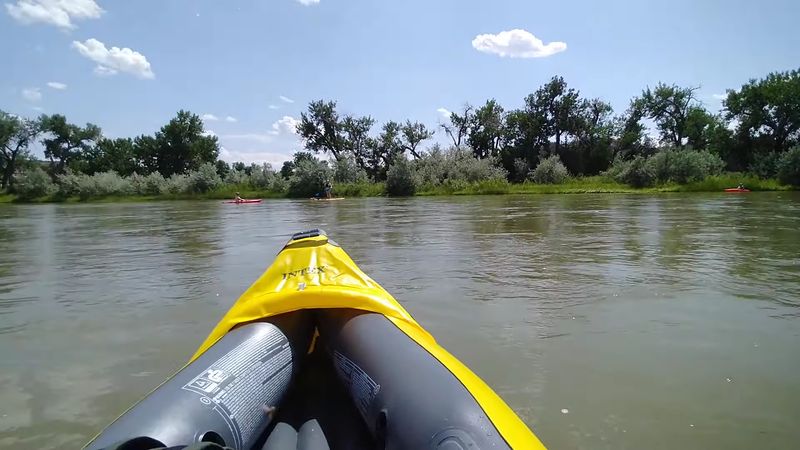
At the confluence of the North Platte and South Platte rivers, a geographic fact that has shaped the city’s history and character in ways that are still visible today, is North Platte.
The surrounding river landscape is wide and open, with the kind of big-sky views that feel distinctly western and genuinely spacious.
Buffalo Bill Ranch State Historical Park, located on the northern edge of the city, preserves the homestead of William F. Cody and offers tours of the original ranch buildings set against a backdrop of cottonwood trees and river bottomland.
Cody Park along the North Platte River provides a pleasant stretch of green space with a small lake, picnic areas, a swimming pool, and a railroad museum that reflects the city’s deep ties to the Union Pacific.
The park tends to be a comfortable, low-key destination for families looking for outdoor time without a long drive or complicated logistics.
Fishing along the North Platte River corridor is an option for those who prefer a quieter afternoon on the water.
North Platte is a working city with a genuine railroad and agricultural identity that gives it a different feel from more tourism-focused Nebraska destinations.
The downtown area has locally owned businesses and a straightforward, unpretentious atmosphere.
9. Fremont, Platte River and Fremont Lakes
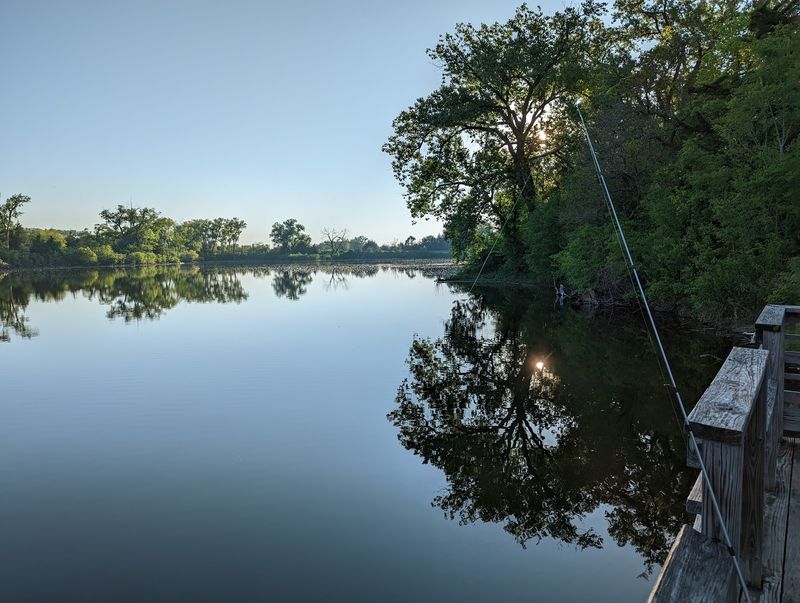
Fremont offers something relatively rare in eastern Nebraska: a cluster of lakes close to a mid-sized city that provide genuine swimming, boating, and fishing opportunities without a long drive.
The Fremont Lakes State Recreation Area encompasses a series of sand-pit lakes on the western edge of the city, formed by gravel extraction along the Platte River valley.
The result is a patchwork of clear, warm-water lakes that feel surprisingly natural given their industrial origins.
Swimming beaches, boat ramps, camping areas, and picnic spots are spread across the recreation area, making it flexible enough to suit a range of visitor preferences.
Fishing in the Fremont Lakes tends to be productive, with largemouth bass, bluegill, and channel catfish among the species most commonly caught.
The Platte River itself runs nearby and provides additional fishing and wildlife viewing opportunities along its tree-lined banks.
Fremont’s downtown has a walkable historic district with locally owned shops and a community character that reflects its roots as a regional trade center in eastern Nebraska.
The city sits about 35 miles northwest of Omaha, making it an accessible day trip from the metro area.
10. Waterloo, Elkhorn River
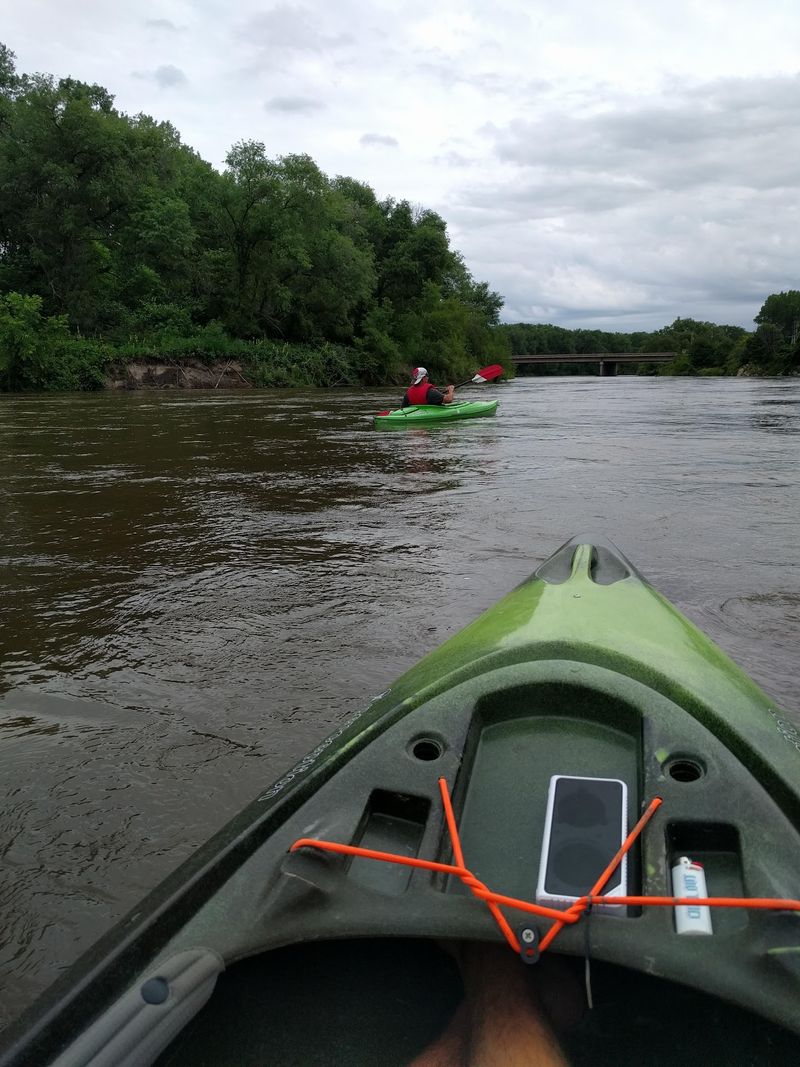
The Elkhorn River runs through one of the more underappreciated natural corridors in eastern Nebraska, and Waterloo sits along its banks in a position that makes it a quiet but rewarding destination.
The river here has a clear, spring-influenced quality that gives it a freshness uncommon in many Great Plains waterways.
Fishing for channel catfish, bass, and panfish is a common activity along this stretch of the Elkhorn.
Elkhorn River access near Waterloo provides opportunities for kayaking and canoeing on a river that moves at a manageable pace for paddlers of moderate experience.
The surrounding floodplain has a lush, green character during the warmer months, with dense tree cover along the banks providing shade and habitat for a variety of bird species.
The landscape here feels genuinely quiet and natural, especially during weekday mornings when recreational traffic on the river is minimal.
Waterloo is a small community with a close-knit character and easy access from the Omaha metro area, sitting roughly 20 miles northwest of the city.
The town itself has a modest but friendly feel, and the river access points nearby are the primary draw for visitors.
11. Plattsmouth, Platte and Missouri River Confluence
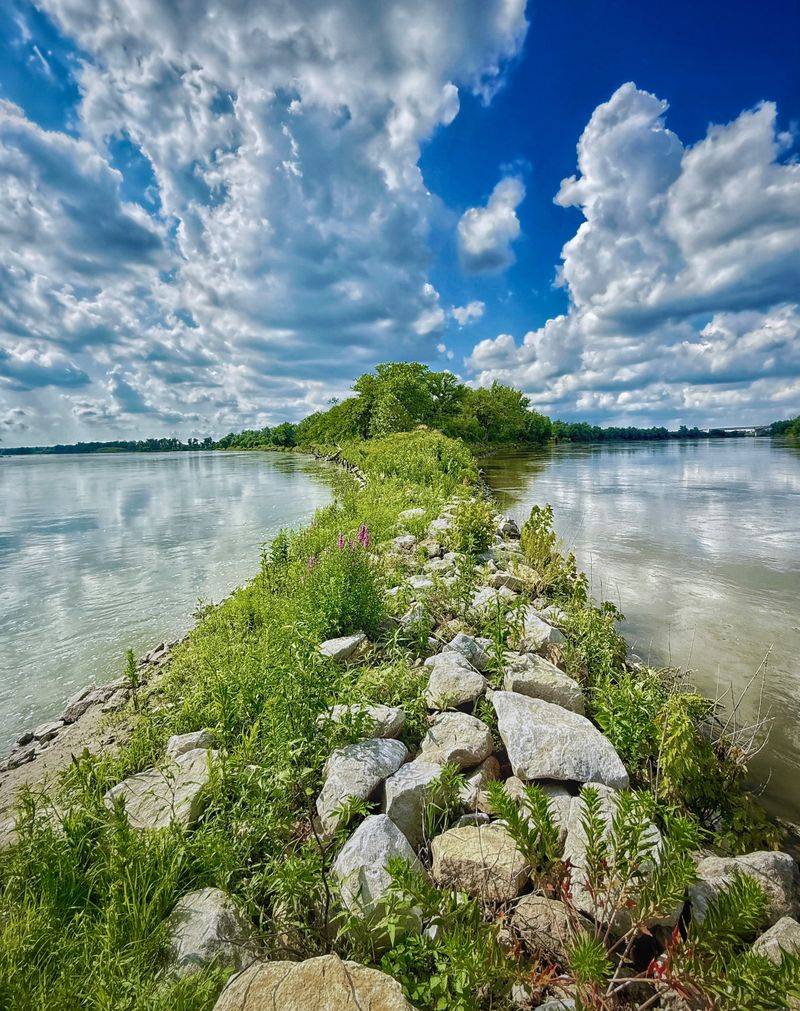
Few geographic features in Nebraska are as quietly impressive as the confluence of the Platte and Missouri rivers, and Plattsmouth sits close enough to both that the surrounding landscape carries the combined influence of two major waterways.
Platte River State Park, a short drive from town, provides trails, cabins, and outdoor programs set within a wooded river valley that feels genuinely removed from everyday routines.
The park’s trails wind through bluffs and bottomland that give visitors a real sense of the varied terrain shaped by centuries of river activity.
The Missouri River to the east adds a second water dimension to the area, and the bluff views above the Missouri near Plattsmouth have a wide, sweeping quality that feels expansive on clear days.
Birdwatching along both river corridors can be productive throughout the year, with bald eagles frequently spotted in the area during winter months.
The Cass County Historical Society Museum in town offers a grounded look at how both rivers shaped the development of this corner of Nebraska over the past 150 years.
Plattsmouth’s historic downtown has a genuine small-city character with locally owned shops and an architectural heritage that reflects its 19th-century origins as a river and railroad community.
The town is accessible from Omaha in under 30 minutes, making it a practical option for a day trip that combines history, river scenery, and outdoor trails without requiring an overnight stay.