This Remote Nebraska Lake Has Pure Blue Water And Secluded Beaches Hidden Deep In The Sandhills
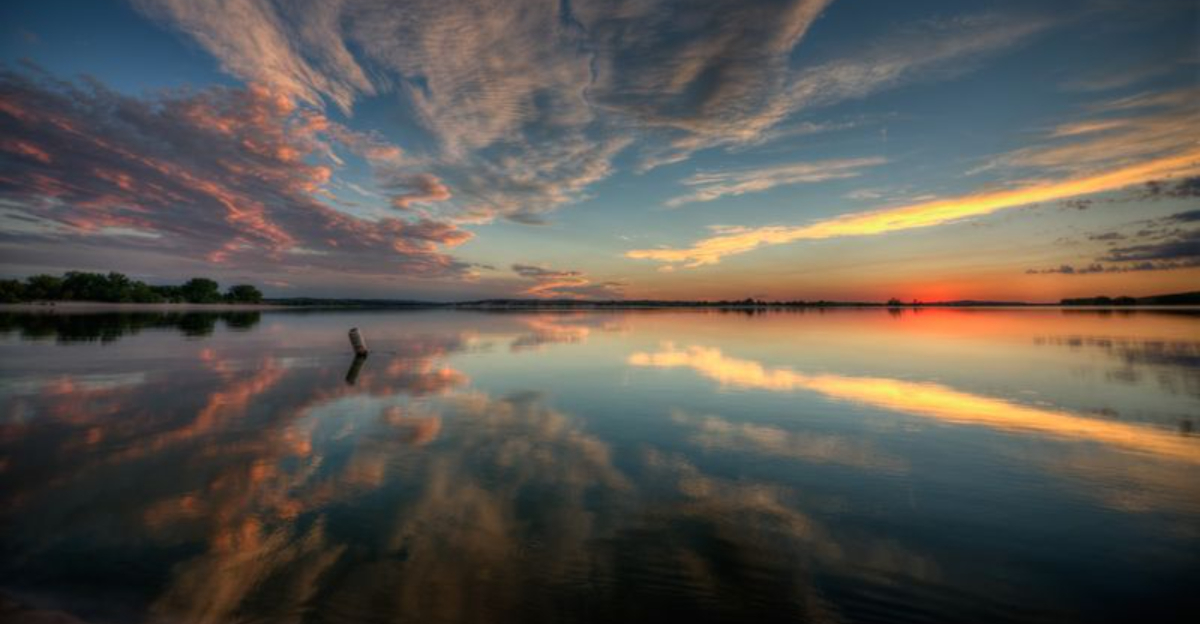
The road keeps stretching until the usual signs of civilization begin falling away.
No crowded boardwalk appears. No row of souvenir shops interrupts the horizon.
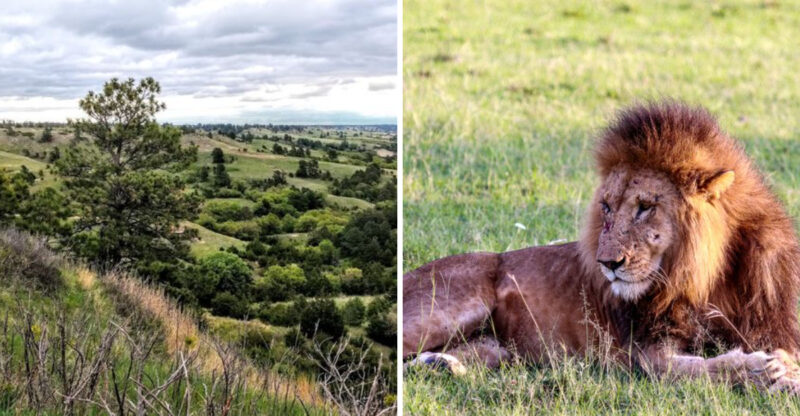
Instead, rolling grass-covered dunes surround a broad sweep of water, with sandy pockets along the shoreline that can feel surprisingly private once the busier access areas are left behind.
Out here, Nebraska trades its familiar prairie palette for deep blues and skies large enough to make the lake seem even farther from everything.
That remoteness shapes the entire visit.
Mornings begin quietly, afternoons invite long hours near the water, and darkness arrives without the glow of a nearby city competing with the stars.
Nearly 3,000 Acres Of Open Water
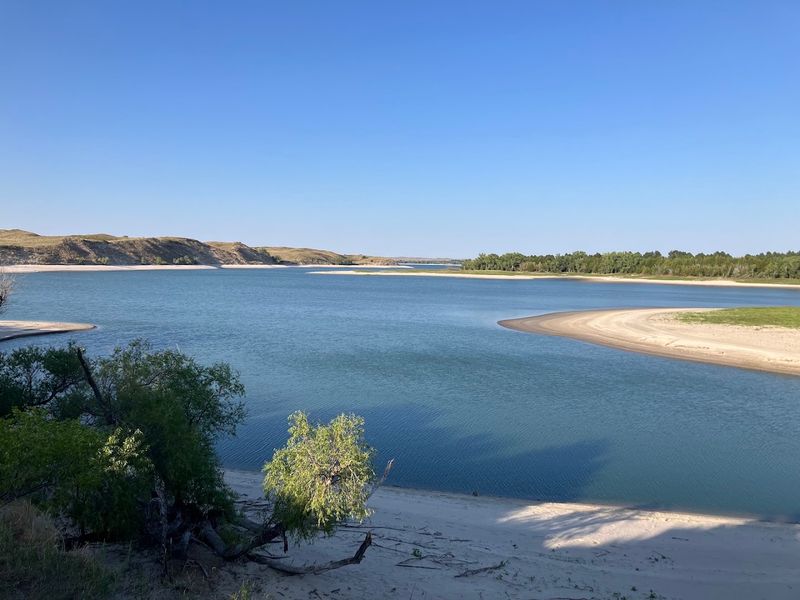
Spreading across 2,906 acres of open water, Merritt Reservoir offers a scale that surprises most first-time visitors who picture a small inland pond.
The sheer surface area means boats, swimmers, and paddlers can spread out across the lake without clustering into one congested zone.
An average depth of 25 feet keeps the water cool well into summer, while the maximum depth reaches an impressive 111 feet near the dam.
That depth plays a significant role in water quality and fish habitat, making the reservoir more than just a wide, shallow pool.
Spending a morning on the water here feels genuinely spacious.
Kayakers can paddle for extended stretches without circling back, and motorboaters have room to cruise without weaving around heavy traffic.
The combination of surface area and depth sets this lake apart from many Nebraska impoundments that feel smaller and shallower in comparison.
Visitors planning to spend time on the water should know that the open expanse can generate wind chop quickly, so checking weather conditions before heading out makes the experience safer and more enjoyable.
Water That Can Look Surprisingly Clear
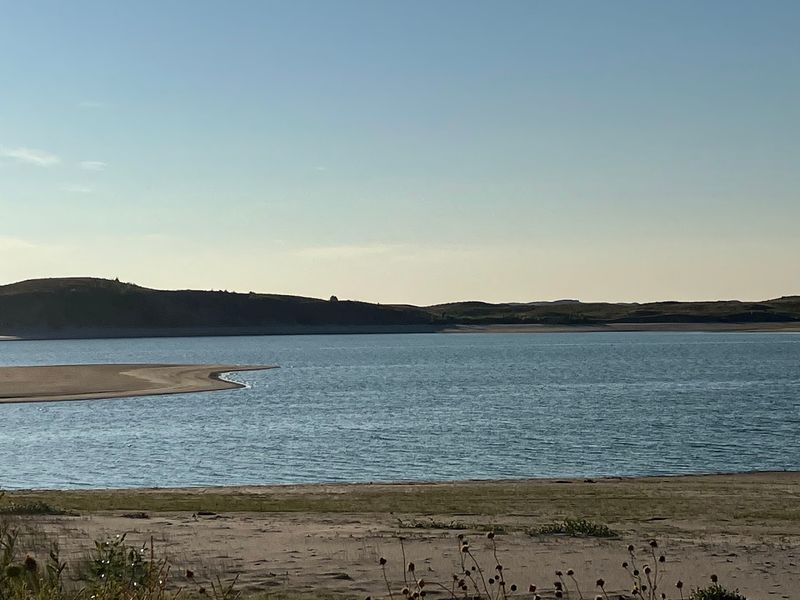
Fed by the Snake River and Boardman Creek, the reservoir draws from Sandhills sources that tend to carry less sediment than rivers crossing cultivated land.
Spring Secchi disk readings of up to six feet have been recorded, indicating visibility that stands out compared with many Nebraska lakes where runoff clouds the water.
Clarity does shift throughout the year. Summer algae blooms can temporarily push the water toward green or cloudy conditions, so visitors hoping for the clearest views may find spring and early fall more rewarding.
The sandy bottom, which makes up roughly 98 percent of the lake floor, contributes to that clean appearance when conditions cooperate.
Standing at the water’s edge on a calm morning, the lake can look almost coastal in character, with light playing off a pale sandy bottom in the shallows.
That visual quality feels genuinely unexpected in landlocked Nebraska and tends to catch visitors off guard in the best way.
Checking recent reports from Nebraska Game and Parks before a trip can give a clearer picture of current water conditions, especially during late summer when algae activity tends to peak across the region.
Soft Natural Sand Along The Shore
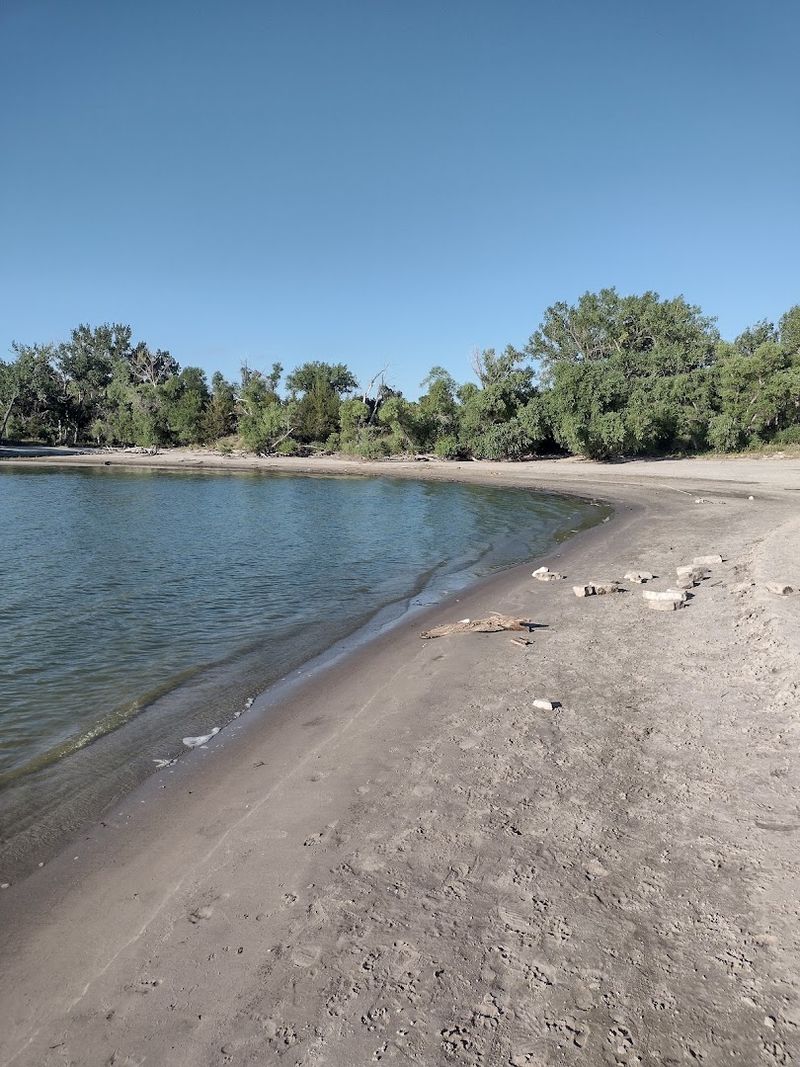
Sand covers nearly the entire bottom of the reservoir and extends across much of its shoreline, creating real beach areas that feel genuinely unusual for a lake sitting in the middle of Nebraska.
The Sandhills region itself is built from ancient wind-deposited sand, so the beach character here is entirely natural rather than manufactured or imported.
Walking along the water’s edge, the texture underfoot stays soft and fine, similar to what visitors might expect at a coastal destination.
Children and adults alike tend to gravitate toward the sandy stretches near campgrounds, where the shallow entry into the water makes wading comfortable and the footing stays predictable.
The 98 percent sand composition of the lake bottom also means fewer rocky or muddy patches that can make swimming feel unpleasant.
Families who pack beach gear, including chairs, towels, and sand toys, will find the shoreline accommodating in a way that many inland lakes simply cannot offer.
Arriving on a weekday tends to give visitors more personal space along the shore, since weekend crowds during summer can concentrate near the most accessible campground beach areas.
The natural sand setting is one of the reservoir’s most memorable and distinctive qualities.
Large Sections Remain Undeveloped
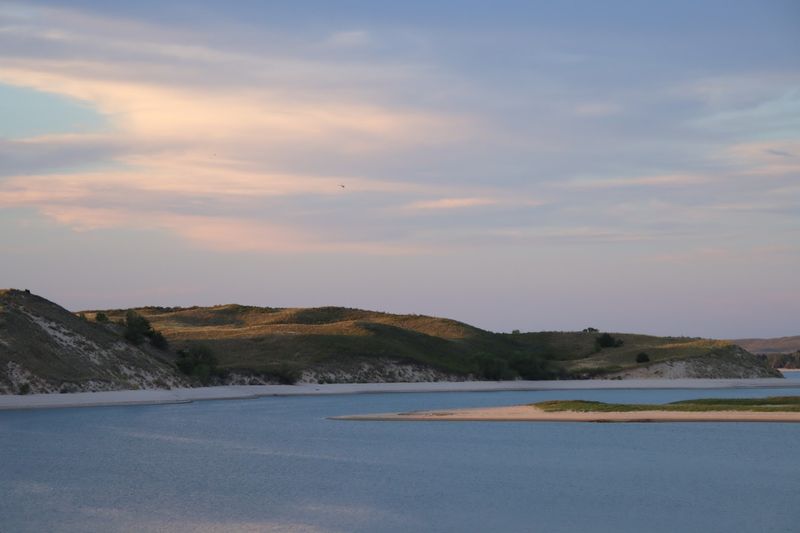
Beyond its campgrounds, recreation facilities, and the single resort operation known as Merritt Trading Post, the surrounding landscape stays largely untouched.
No strip of waterfront restaurants, no rows of vacation rentals, and no marina complexes interrupt the view from the water or the shore.
That restraint in development is part of what makes the reservoir feel genuinely remote rather than just marketed as remote.
The rural character of the Nebraska Sandhills region reinforces this quality, since the low population density of the surrounding area means there is simply less pressure to build commercial infrastructure around the lake.
Visitors who have grown accustomed to lakes ringed with docks, boat rental shops, and crowded parking lots may find the open, undeveloped shoreline almost disorienting at first.
Over time, though, that openness becomes one of the most appealing aspects of spending time here.
The absence of constant commercial activity allows sounds like wind moving through grass, water lapping at sand, and birds calling across the hills to become the dominant experience.
Planning ahead for supplies before arriving is practical advice, since services near the reservoir are intentionally limited and the nearest full-service town is Valentine, roughly 21 to 26 miles away.
Several Beaches Are Reached From Campgrounds
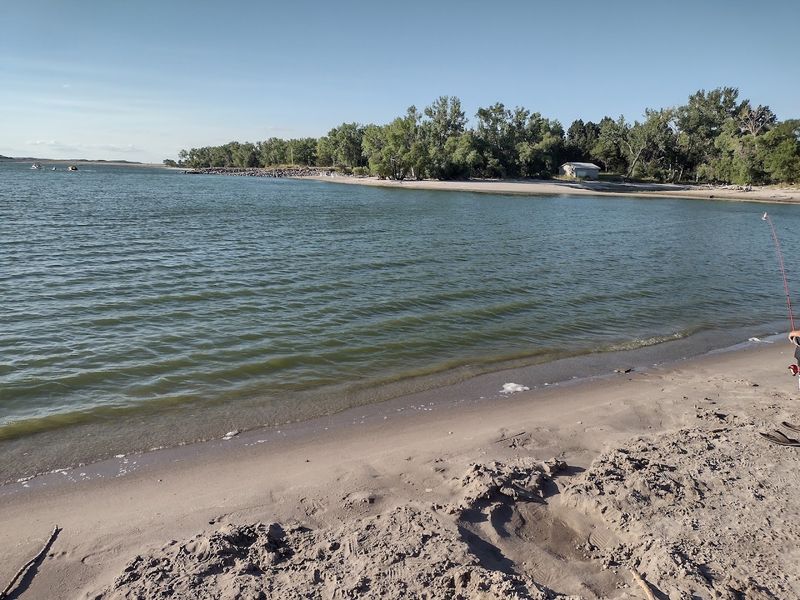
Multiple camping areas positioned around the reservoir provide direct access to sandy stretches where swimming, relaxing, and launching watercraft all become straightforward parts of a stay.
Some campsites sit close enough to the water that the sound of small waves carries into camp overnight, which makes for a particularly pleasant sleeping environment.
Paddleboard and kayak users especially appreciate campsites with beach access, since carrying gear from a distant parking lot to the water adds friction to an already equipment-heavy activity.
Camping directly adjacent to the shoreline removes that obstacle entirely and allows for spontaneous early-morning or late-evening paddles when the water tends to be calmest.
Families with young children often find that beach-adjacent campsites work better than those set farther back from the water, since keeping an eye on kids playing near the shore becomes easier when the campsite and the beach overlap.
Reserving a site with water access in advance is strongly recommended during summer weekends and holiday periods, as these spots fill earlier than those positioned away from the shoreline.
Nebraska Game and Parks manages reservations through its online system, and checking availability several weeks ahead gives the best chance of securing a preferred location.
Primitive And Electric Campsites Are Available
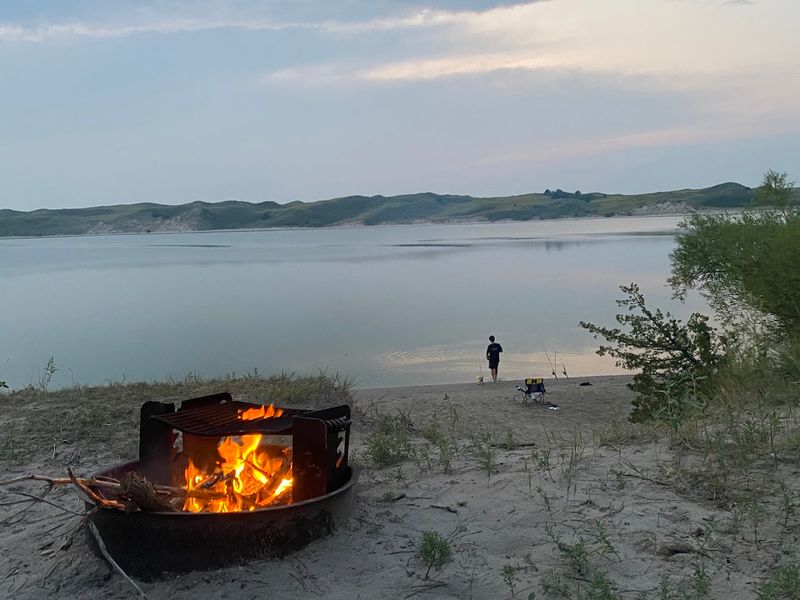
Camping options at the reservoir cover a practical range from fully basic to comfortably equipped.
Electric-plus sites come with 50/30/20 amp hookups alongside fire pits and picnic tables, making them suitable for RVs and campers who prefer not to rough it entirely.
Basic sites provide fire pits and picnic tables without electricity, appealing to tent campers and those traveling light.
Modern restrooms and showers are available within the recreation area, with shower facilities specifically located at Cedar Bay Campground.
Having shower access during a multiday stay adds a level of comfort that makes longer trips more manageable, especially for families.
A dump-and-fill station is conveniently positioned near the Fisherman’s Boat Ramp area southeast of the dam, giving RV travelers a practical service point without driving far from camp.
Water access is available within the recreation area, reducing the need to haul in large quantities of drinking water for longer stays.
Visitors using basic sites should bring adequate water storage regardless, since access points vary by campground location.
Fire restrictions can apply during dry periods in summer, so checking current conditions through Nebraska Game and Parks before lighting any fire is a straightforward precaution.
The Night Sky Is Internationally Recognized
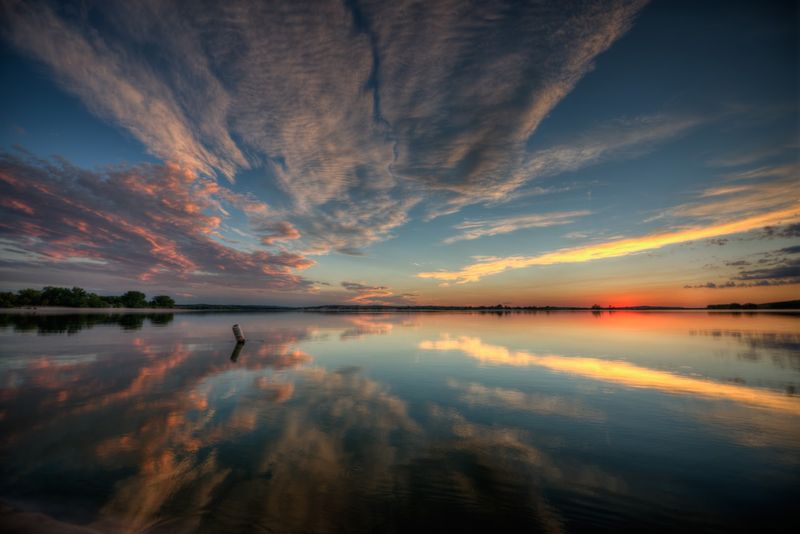
In 2022, Merritt Reservoir became Nebraska’s first certified International Dark Sky Park, and it holds the distinction of being the 200th International Dark Sky Place certified globally.
That certification is not given casually. It requires demonstrating consistently low levels of artificial light pollution and a commitment to maintaining dark sky conditions over time.
On clear nights away from any moon, the Milky Way stretches across the sky in a dense, textured band that urban and suburban residents rarely see in that level of detail.
The remote location of the reservoir, combined with the extremely low population density of the surrounding Sandhills, means there are almost no competing light sources to wash out the view.
Stargazers who bring binoculars or a basic telescope will find the conditions exceptional.
Even without equipment, lying back on a beach towel and simply watching the sky for an hour produces a memorable experience that requires no expertise or planning beyond showing up on a clear, moonless night.
Checking a moon phase calendar before planning a dark sky visit helps identify the best windows, since a full moon can significantly reduce the visibility of fainter stars and the Milky Way core even in an otherwise dark location.
The Drive Adds To The Feeling Of Seclusion
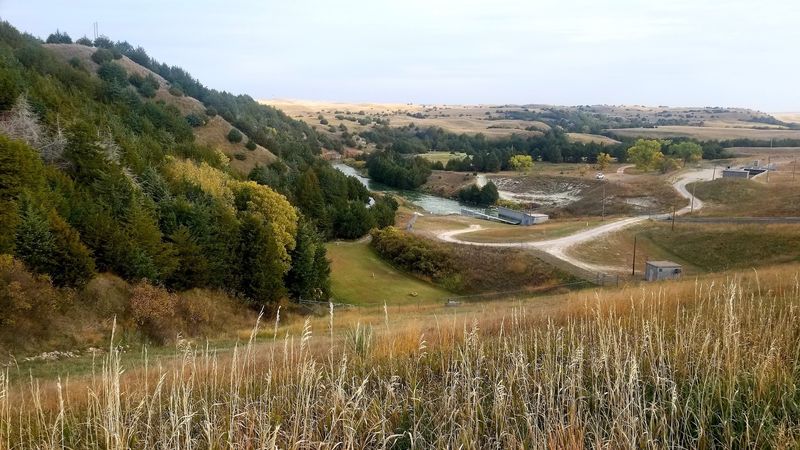
Located roughly 21 to 26 miles southwest of Valentine, the reservoir sits far enough from any significant urban center that the drive itself becomes part of the experience.
The route passes through open Sandhills country where grass-covered hills roll in every direction and the road often runs without another vehicle in sight for long stretches.
That gradual transition from town to true Sandhills landscape helps shift the mental state before arriving at the water.
By the time the reservoir comes into view, the combination of open road, big sky, and quiet surroundings has already begun to work on visitors in a way that a quick trip to a suburban lake simply cannot replicate.
Filling up the gas tank in Valentine before heading out is a practical step worth emphasizing, since fuel options between town and the reservoir are extremely limited.
Bringing enough food and supplies for the full duration of a stay removes the need to make a round trip back to town mid-visit, which also helps preserve the sense of genuine separation from everyday routines.
The drive home through the same Sandhills scenery tends to feel equally unhurried and satisfying, especially after a few days spent beside the water.