Bighorn Sheep Roam The Pine Ridges Of This Nebraska Escape All Winter Long
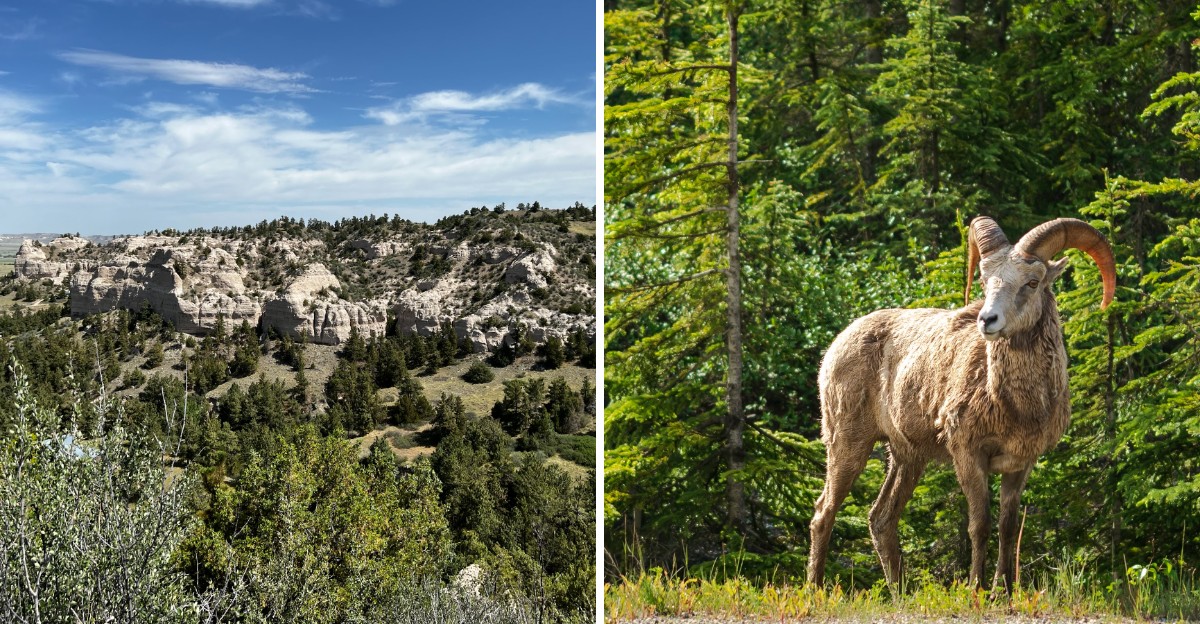
Bighorn sheep spend the winter nibbling grass on pine-covered cliffs in western Nebraska. Yes, Nebraska.
The same state people call flat has ridges rising hundreds of feet above the plains.
These sheep vanished from the region by the early 1900s. Then a reintroduction effort brought them home, and one rugged patch of hills now holds most of the state’s herd.
That alone made me sit up.
The area also has ponderosa pines, canyon trails, and a nature center with a fake pine tree that climbs two stories. Pioneers once rolled past these same bluffs on their way west.
I like how the place mixes wild animals with real history.
So where is this pine-ridge hideout, and how close can you get to those curly-horned locals? I can’t imagine a better excuse for a winter drive west.
A Pine-Covered Surprise Just South Of Gering
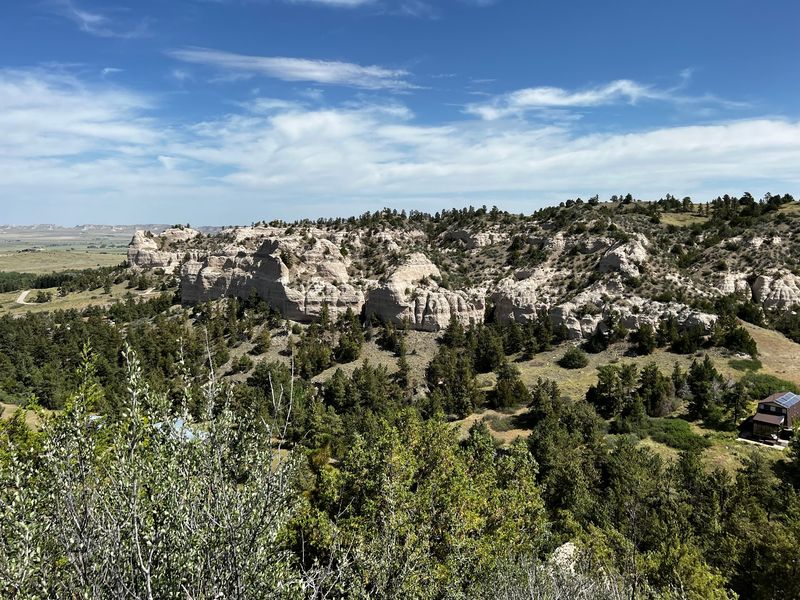
About ten miles south of Gering, the prairie suddenly tilts upward into rock, canyon and pine. Welcome to Wildcat Hills State Recreation Area, one of the most unexpected landscapes in the Nebraska Panhandle.
The park covers 1,094 acres of rugged ground. Right next door sits a 230-acre Wildlife Management Area, which gives the animals even more elbow room.
Those numbers matter because this terrain is steep. Some ridges climb roughly 490 to 980 feet above the surrounding plains, which is a lot of up for a state known for long, level horizons.
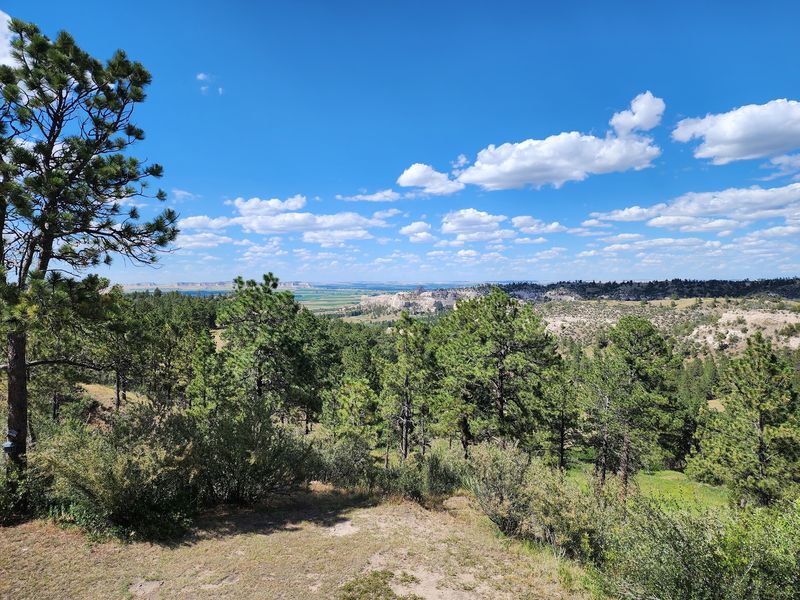
From the high points, the North Platte River Valley spreads out below like a map. Farm fields, distant bluffs and big sky all fit into one view.
The recreation area is managed by Nebraska Game and Parks and stays open year-round. That means the scenery does not clock out when the weather turns cold.
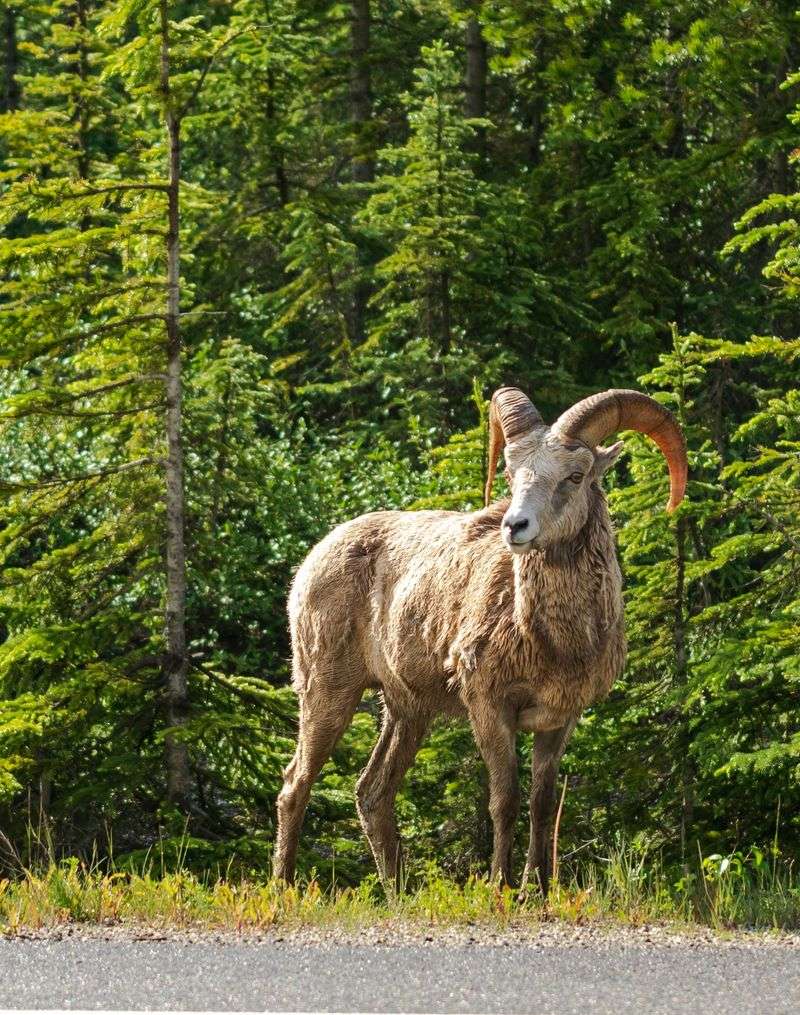
Winter is actually when the headline residents get the most attention. Bighorn sheep graze these slopes through the colder months, and their story is a big reason the hills deserve a closer look.
First, though, it helps to understand the ground they call home.
Rock Buttes, Deep Canyons And A Whole Lot Of Ponderosa
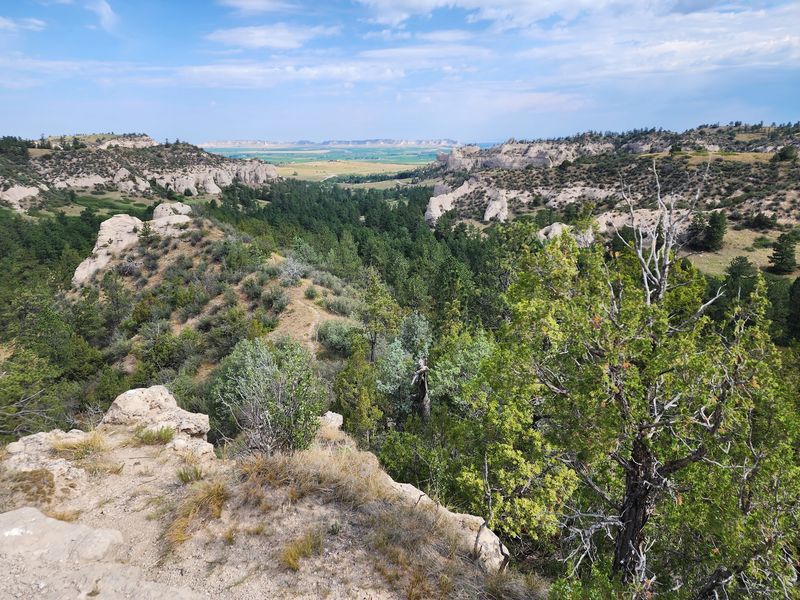
Geologists call it an escarpment, which is a fancy word for a long, steep wall of land. Here that wall breaks into rocky buttes and deeply cut canyons.
Ponderosa pines carpet much of it. The dark green trees cling to slopes and fill the draws, giving the hills a forested look that feels far from the cornfields.
The mix creates a habitat unlike the typical Nebraska prairie. Grassy meadows, shady woods and bare rock all sit within a short walk of each other.
That variety is why so many different animals live here. Grazers find meadows, birds find trees, and climbers find cliffs.
It also explains the name of the ridge country around Wildcat Hills State Recreation Area. The broken, cliff-lined terrain stretches well beyond the park boundary across this corner of the Panhandle.
For visitors, the payoff is simple. You get mountain-style scenery without leaving the state, and a different view around nearly every bend in the trail.
Bring a camera and a little patience. The light changes fast on these slopes, especially near sunset, when the rock faces start to glow against the pines.
How The Bighorns Found Their Way Back Home
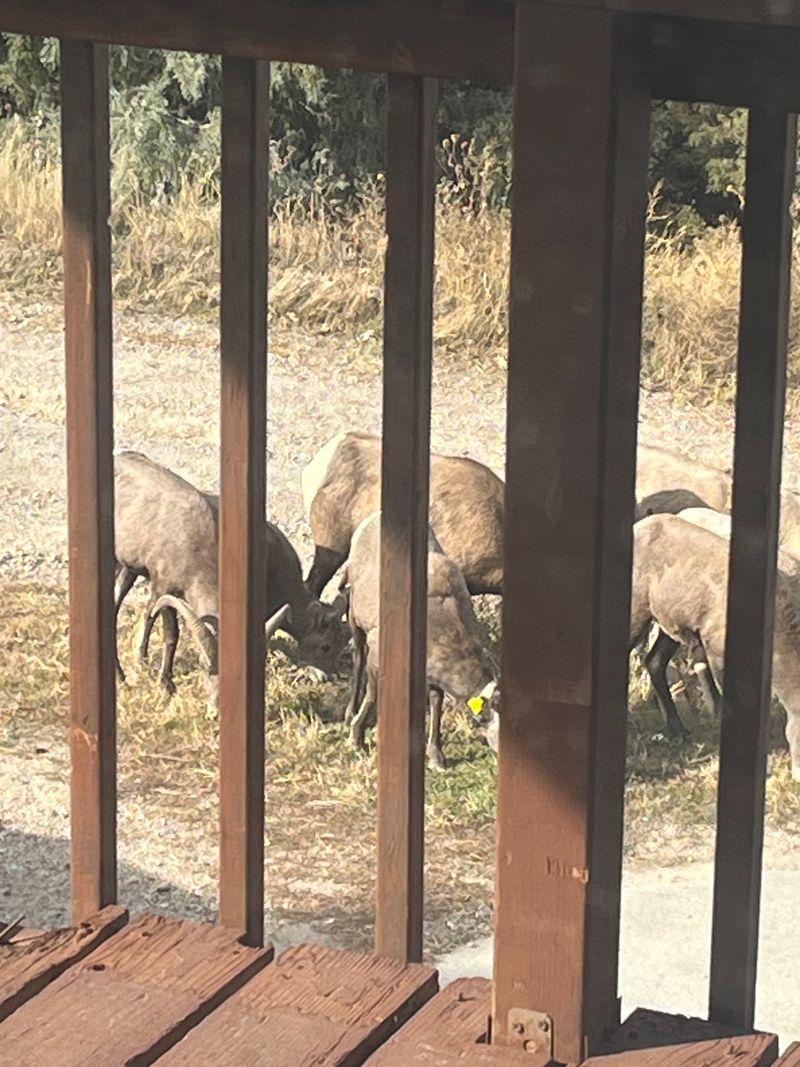
Western Nebraska once had its own native bighorns, known as Audubon’s bighorn sheep. By the early 1900s, they had disappeared from the region entirely.
Nebraska Game and Parks set out to change that. In 1981, the agency began reintroducing Rocky Mountain bighorn sheep, starting with a release at Fort Robinson.
More releases followed over the years. The Cedar Canyon herd arrived in 2001, and the Hubbard’s Gap herd came in 2007.
Those efforts built populations in both the Wildcat Hills and the Pine Ridge. The rugged ground here turned out to be a near-perfect fit.
How good a fit? As of 2019, nearly 80 percent of Nebraska’s bighorn sheep lived in the Wildcat Hills.
That is a remarkable comeback for an animal once gone from the state for most of a century. It also makes Wildcat Hills State Recreation Area a key piece of the bighorn story.
Every sheep spotted on these cliffs connects to decades of careful conservation work. Knowing that history makes a quick glimpse of curled horns feel a lot more meaningful.
Snowy Slopes Make The Sheep Easier To Spot
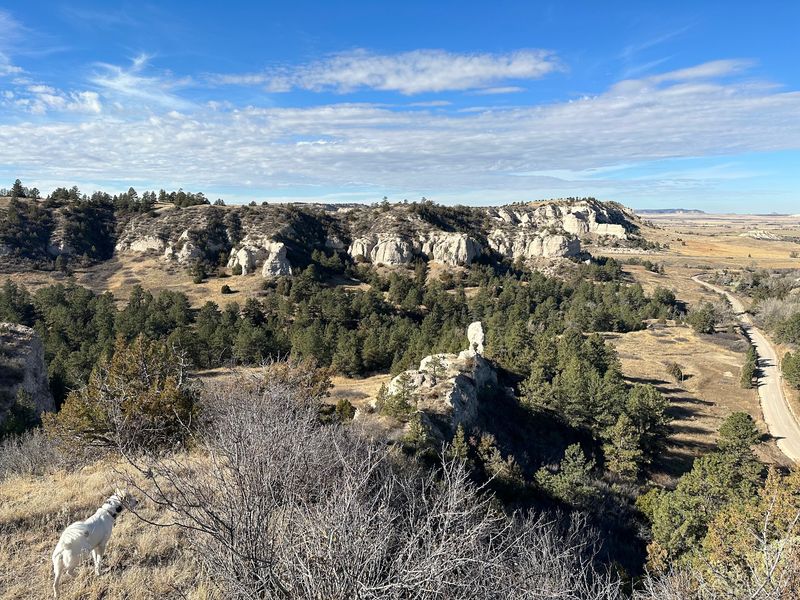
Brown sheep on brown rock can be tricky to see in summer. Add a layer of snow, and suddenly those tan bodies stand out much more clearly.
That contrast makes winter a favorite season for bighorn watching in the Wildcat Hills. The sheep keep grazing through the cold months instead of leaving.
Their menu is simple. They eat grasses and also browse the leaves and twigs of shrubs.
Food is only half the plan, though. Bighorns rely on steep, rocky cliffs as escape terrain when predators come around.
So the best habitat puts meals close to safety. The canyon walls and broken ledges around Wildcat Hills State Recreation Area offer exactly that combination.
For watchers, binoculars are your best friend. Scan rocky faces and open slopes slowly, since a resting sheep can look a lot like a boulder.
Give the animals plenty of space and let them go about their day. A respectful distance means better viewing and a calmer herd.
Cold fingers are a small price for that first moment when a boulder lifts its head and turns out to be wearing horns.
Elk, Eagles And A Few Shy Neighbors
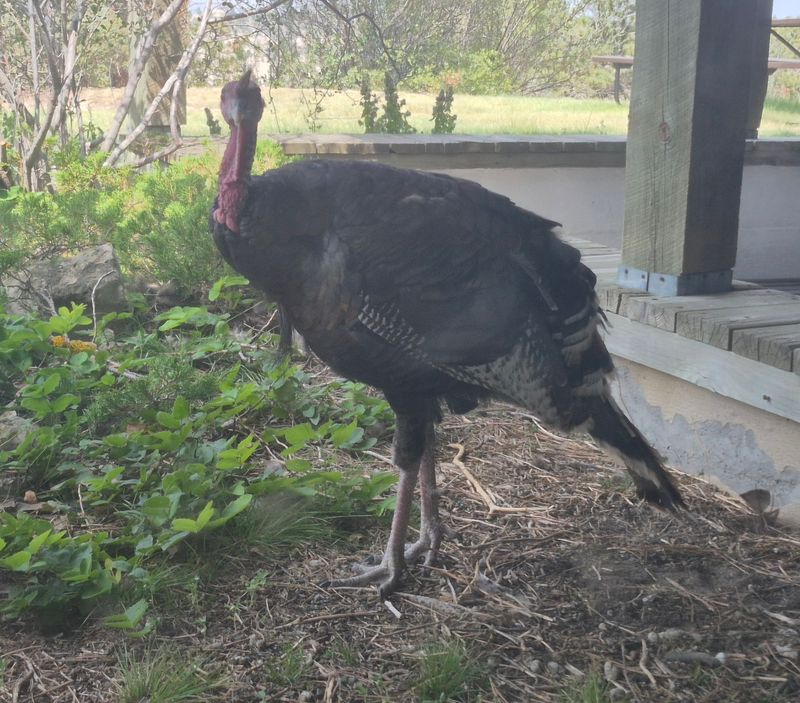
Sheep may get top billing, but the supporting cast is impressive. Mule deer, elk, pronghorn and wild turkeys all share these hills.
Bird lovers have plenty to watch too. Golden eagles are among the species seen riding the air above the ridges.
The mix of forest, meadow and cliff draws a wide variety of birds through the seasons. Bird watching ranks as one of the area’s popular activities for good reason.
Then there is the wildcard. The Wildcat Hills support a permanent breeding population of mountain lions.
Sightings are rare, since these cats prefer to stay out of view. Still, it adds a little thrill to know they are part of the neighborhood.
For the best chances at wildlife, quiet trails and early outings help. Many animals are more active at the edges of the day.
Wildcat Hills State Recreation Area works well for photographers who like variety. One hike could turn up turkey tracks, a deer in a meadow and a raptor circling overhead.
Nobody can promise which animals will show up. That uncertainty is half the fun.
A Nature Center With A Pine Tree Inside
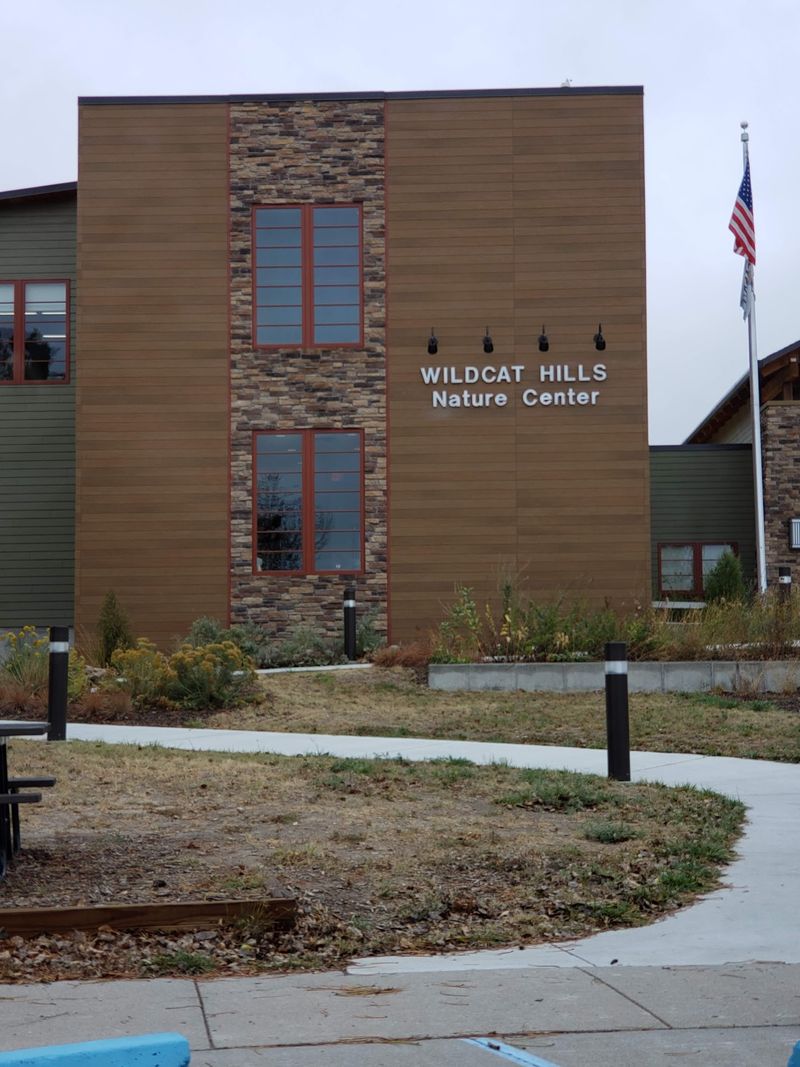
A 27-foot artificial ponderosa pine rises through the middle of the Wildcat Hills Nature Center. It stretches all the way to the top floor, which is a pretty bold way to decorate.
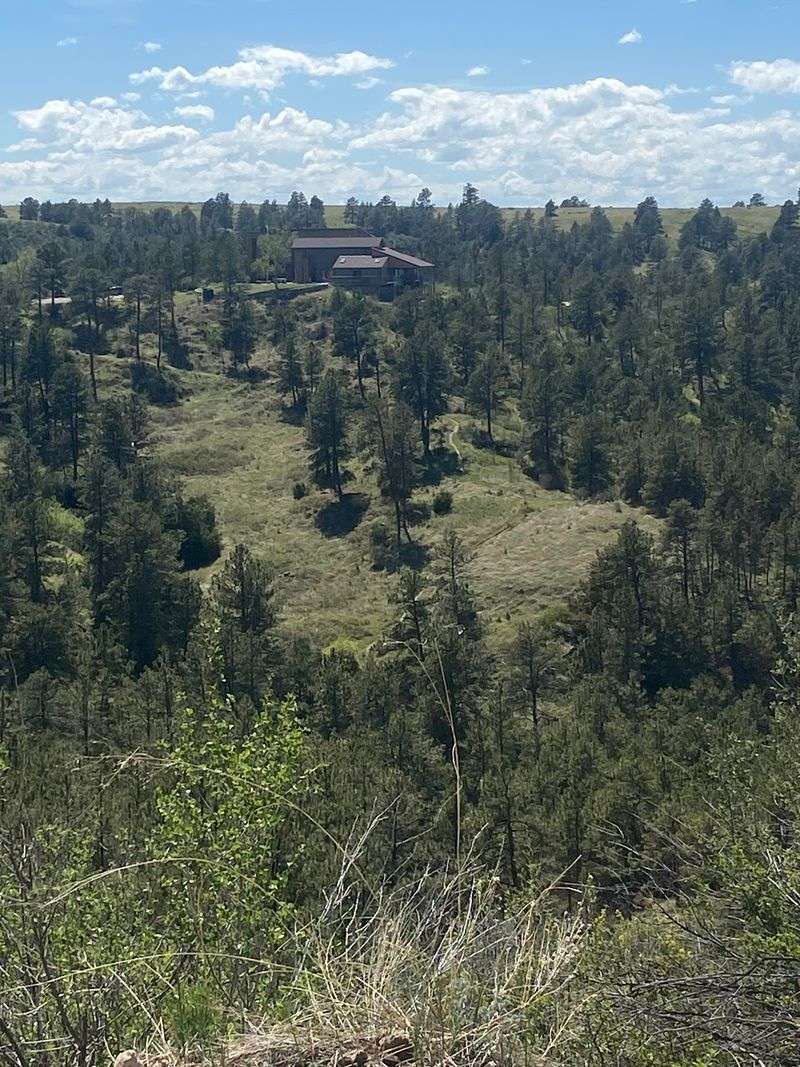
The two-story center opened in 1995. It serves as the interpretive hub for the park, explaining local wildlife, geology and conservation work.
Inside, interactive displays invite hands-on learning. A diorama shows the mammals common to the area, and an aquarium holds local fish.
There is even a live beehive. Kids and curious adults can watch the busy workers without getting anywhere near a sting.
Naturalist programs and special presentations happen throughout the year. They give families a deeper look at the hills beyond what the signs can cover.
The observation decks might be the sneaky highlight. They look out over the North Platte Valley, so the view outside rivals the exhibits inside.
The center makes a smart first stop at Wildcat Hills State Recreation Area. You can learn what lives here, then head out with a better idea of what to look for.
Trails With Names Like Bobcat, Muley And Pine Top
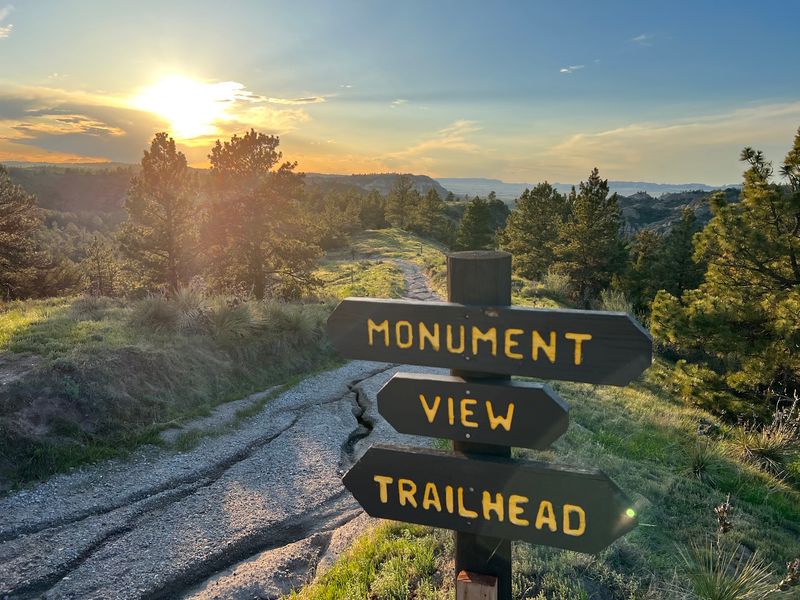
Trail names here read like a wildlife roll call. Bobcat, White Tail, Turkey Run and Muley all wind through the park.
Several routes start near the Nature Center, including Northlook, Bobcat, White Tail and Turkey Run. Separate trails such as Cedar Ridge, Pine Top, Muley and Monument View add more ground to cover.
Altogether, the system offers several miles of nature, hiking and mountain biking trails. Estimates range from about 3.5 to nearly 6 miles.
The terrain gives each path its own personality. Some cross open meadows, while others drop into wooded valleys or climb toward ridgetop views.
Those overlooks are the reward. Many trails open up to sweeping scenes of the North Platte Valley below.
Mountain bikers get a real workout here too. Linking the routes together adds up to serious elevation gain on hilly ground.
A trail map is worth grabbing before you start. Paths intersect in places, so a quick look ahead helps keep a short walk from becoming an unplanned adventure.
Hiking stands as the most popular activity at Wildcat Hills State Recreation Area, and the variety explains why.
Pioneer Wagons And Stone Shelters From The 1930s
Long before hikers arrived, wagon trains rolled through this country. The Oregon Trail and other emigrant routes crossed the northern Wildcat Hills.
Travelers first used Robidoux Pass and later Mitchell Pass. The rock formations here show up again and again in pioneer journals.
That means today’s visitors look at many of the same landmarks those families described. It is a quiet but powerful link to the westward journey.
The state started acquiring land for the recreation area in 1929. Purchases continued all the way to 1980, slowly piecing the park together.
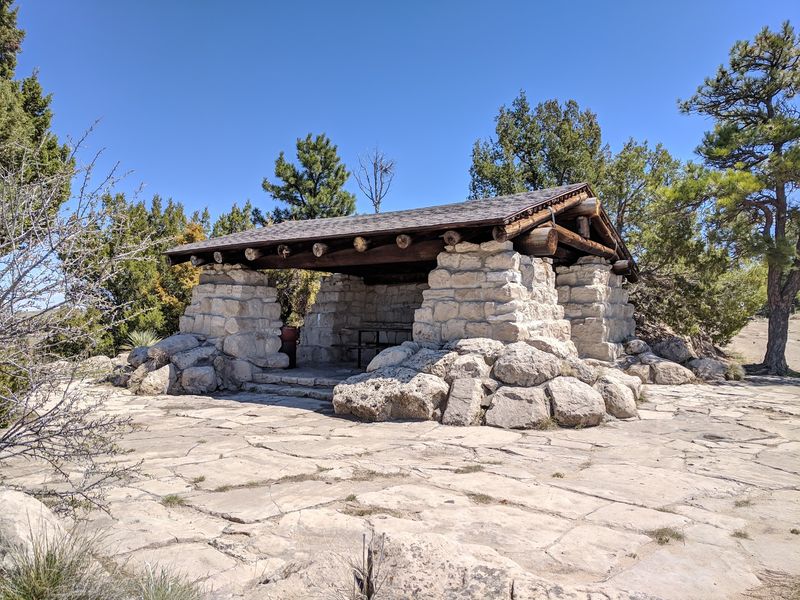
Some of the most charming history is built from stone. Two picnic shelters inside the park were constructed by the Civilian Conservation Corps in the 1930s.
Both come with fireplaces and fire grates. They still offer a rustic spot to spread out lunch beneath the pines.
Nebraska has plenty of places tied to the trail era. Few let you eat a sandwich inside a Depression-era shelter while overlooking ridges pioneers once wrote about.
History here is not behind glass. It is sturdy, shaded and ready for a picnic.
Campsites Beneath The Pines, With Upgrades Arriving
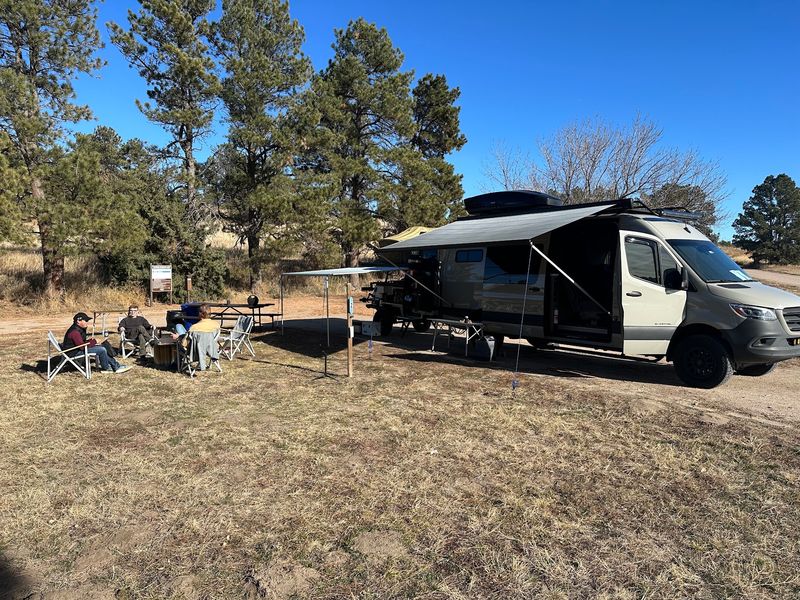
Sleeping in the hills turns a day trip into something better. Primitive camping is available year-round at Wildcat Hills State Recreation Area.
The park has two campground areas. About a dozen sites sit along dirt roads, suited to tent campers and smaller RVs.
Some sites are non-pad, so expect a simple setup. Covered picnic tables help when the sun gets strong.
Change is coming to the eastern campground. Improvements there include new electrical campsites and a shower house, a welcome boost for comfort.
During that work, the western campground, Nature Center and trail system remain open. You can still explore the full park while upgrades move along.
Reservations go through Nebraska Game and Parks. Booking ahead is the easiest way to lock in a spot.
Groups have options too. Designated group camping areas serve Scouts and other youth organizations.
Sunset views from camp are a big part of the appeal. Watching the light fade across pine ridges is a fine way to end a day of hiking.
Pack layers, since nights in the hills can feel cooler than the valley below.
Archery Lanes And Target Ranges On The Hilltop
Not every activity here involves binoculars. In 2016, a Shooting Sports Complex opened at the recreation area.
The facility covers a wide range of disciplines. There are ranges for rimfire and small-bore rifles, plus a pistol range.
An indoor air rifle range adds a weather-proof option. That comes in handy on blustery days in the Panhandle.
Archers get a 60-yard range of their own. Shotgun shooters can head to the trap range.
For larger calibers, a 100-yard high-power rifle range rounds out the setup. Few parks pack this much variety into one complex.
The complex stands as one of the most mentioned features of Wildcat Hills State Recreation Area. It gives target sports fans a reason to visit beyond the scenery.
Families with mixed interests can split the day. Some can practice their aim while others hike or explore the Nature Center.
Range rules and schedules can vary, so check with the park before planning around it. A little planning keeps the trip smooth for everyone.
What To Know Before Pulling Off Highway 71
Getting here is refreshingly easy. The park sits at 210615 NE-71, Gering, NE 69341, along the highway south of town.
Every vehicle needs a valid Nebraska park entry permit. Grab one before or upon arrival so you are set for the day.
The recreation area itself stays open year-round. Trails, overlooks and picnic spots are available even in the depths of winter.
The Nature Center keeps a seasonal schedule. It opens daily from April through September, then shifts to weekdays only from October through March.
Winter visitors should plan around that change. A weekday trip lets you see the exhibits and the snowy slopes in one outing.
Hours can shift, so a quick call to the park before driving out is a good habit. Nobody wants to arrive just as the doors close.
Restrooms are available at the Nature Center during open hours. Parking is handy near the main facilities and trailheads.
Dress for changing weather on the ridges. Sturdy shoes help on rocky trails, and a warm layer makes those winter sheep searches far more pleasant.
Turn One Stop Into A Panhandle Day Trip
Scotts Bluff National Monument sits just a short drive away. Its towering formations guided pioneers along the Oregon Trail, which pairs nicely with the trail history in the hills.
Chimney Rock National Historic Site is another classic stop. That famous spire amazed westbound emigrants and still draws travelers today.
Craving water instead of rock? Lake Minatare State Recreation Area offers water-based recreation in the same region.
Families can also visit the Riverside Zoo in Scottsbluff. It adds one more animal-filled stop to the itinerary.
Stack a few of these together, and western Nebraska fills a full weekend easily. The landmarks tell one connected story of trails, bluffs and wildlife.
Still, Wildcat Hills State Recreation Area holds its own as the centerpiece. Pine ridges, quiet trails and a nature center with a tree inside make a memorable mix.
Then there are the bighorns. Knowing that most of the state’s herd roams these cliffs gives every winter drive a little extra purpose.
I believe that is the best reason to go. Few places let you chase pioneer history and curled horns on the same snowy afternoon.