10 Breathtaking Colorado Escapes That Cost Less Than $65
Colorado has a reputation for emptying wallets, and the ski towns have earned it. Here is the secret the resort brochures will not tell you.
Some of the best days in this state cost almost nothing. I learned this by accident, broke and stubborn, refusing to believe beauty required a credit card.
Turns out the mountains never sent me a bill. Red rocks, alpine lakes, towering dunes, and overlooks that flatten you, all for the price of gas and maybe a parking fee.
I have had entire afternoons of pure wonder for less than a decent dinner costs. That feels like getting away with something.
These escapes prove the state’s finest moments are wildly affordable, sometimes free. No lift ticket, no resort markup, no second mortgage.
Just scenery that performs well above its price tag. Pack a snack and an open afternoon.
Colorado will handle the rest beautifully.
1. Garden Of The Gods, Colorado Springs
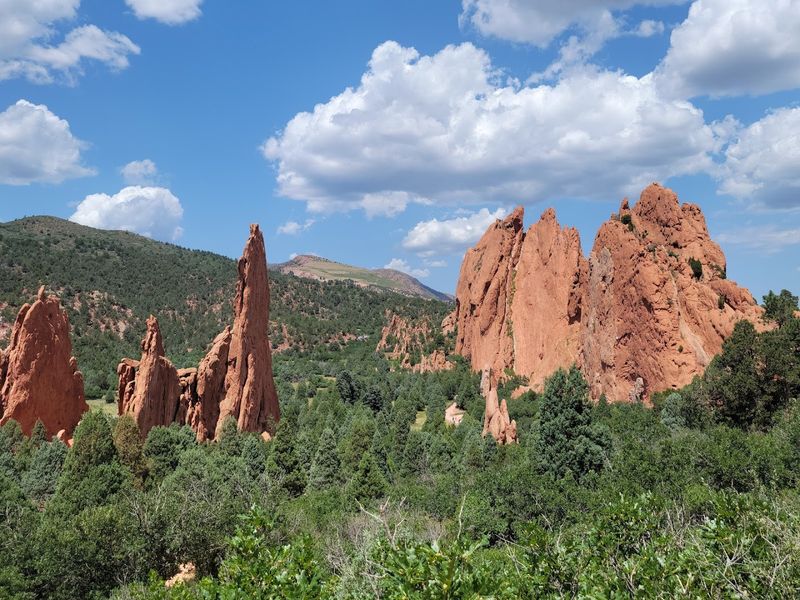
Red rocks the size of skyscrapers, jutting straight out of the earth like the planet is showing off. That’s Garden of the Gods in a nutshell, and it costs exactly nothing to walk through it.
The park sits at 1805 N 30th St, Colorado Springs, and is open year-round.
The geology here is genuinely wild. Those towering sandstone formations are around 300 million years old, shaped by ancient seas and tectonic forces.
You can follow paved and unpaved trails ranging from easy strolls to more challenging climbs, all with views that feel almost too dramatic to be real.
Early mornings are the sweet spot. The light hits the red rocks in a way that makes everything glow orange and gold.
Bring a camera, wear comfortable shoes, and give yourself at least two hours.
Rock climbers, hikers, and casual walkers all share this space peacefully. There’s a free visitor center with exhibits that explain the formations clearly.
Parking is free, entry is free, and the scenery is priceless. Honestly, it’s one of the best free things in all of Colorado.
2. Red Rocks Park And Amphitheatre, Morrison
Some places earn their reputation, and Red Rocks is one of them.
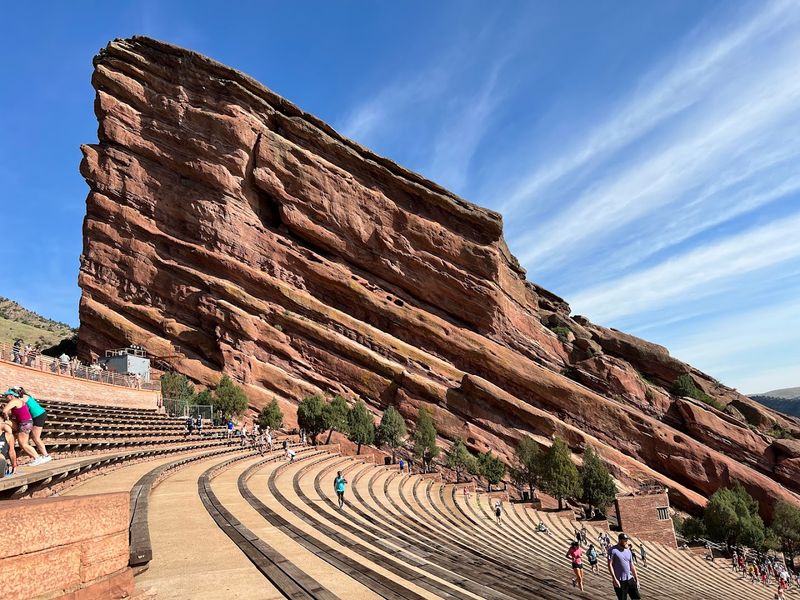
This natural amphitheatre carved by geology and polished by time sits at 18300 W Alameda Pkwy in Morrison, and it’s become one of the most recognized outdoor venues on the planet.
You don’t need a concert ticket to enjoy it. The park itself is free to visit, and the hiking trails that wind around the formations are open daily.
The Trading Post Trail is a favorite, looping about 1.4 miles through scrub oak and sandstone with views that stretch out toward Denver.
The formations here, called Ship Rock and Creation Rock, tower over 400 feet above the amphitheatre floor.
Fitness enthusiasts show up before sunrise to run the amphitheatre stairs. It’s a serious workout with a seriously good backdrop.
Even if you just sit in the seats and stare out at the plains below, it feels like something worth the drive. The geology is Fountain Formation rock, about 290 million years old.
Parking is free outside of concert days. Plan your visit on a weekday morning for the quietest, most personal experience possible.
3. Hanging Lake Trailhead, Glenwood Springs
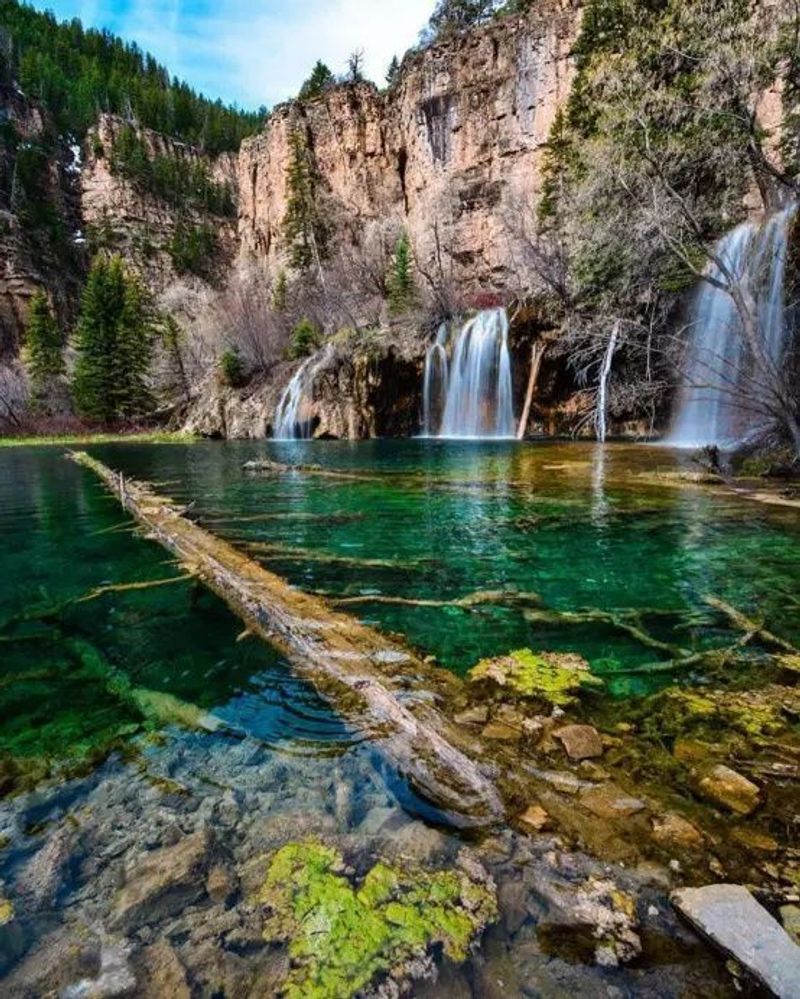
Hanging Lake looks like someone photoshopped a tropical pool into the Colorado Rockies, and yet it’s completely real.
The water is that vivid turquoise color because of dissolved minerals, and it sits on a natural ledge fed by Bridal Veil Falls. It’s one of the most photographed spots in the entire state.
The trail starts at the Hanging Lake Trailhead in Glenwood Canyon near Glenwood Springs. It’s only 2.4 miles round trip, but don’t let that fool you.
The trail gains about 1,000 feet in elevation over a fairly short distance, so it’s steep and rocky in sections.
No dogs are allowed on the trail, and swimming in the lake is strictly prohibited to protect the fragile ecosystem.
Spouting Rock, a short detour near the top, is absolutely worth the extra few minutes. Go in late spring or early summer when the waterfalls are running full force.
This one earns every step of the climb.
4. Maroon Bells Welcome Station, Aspen
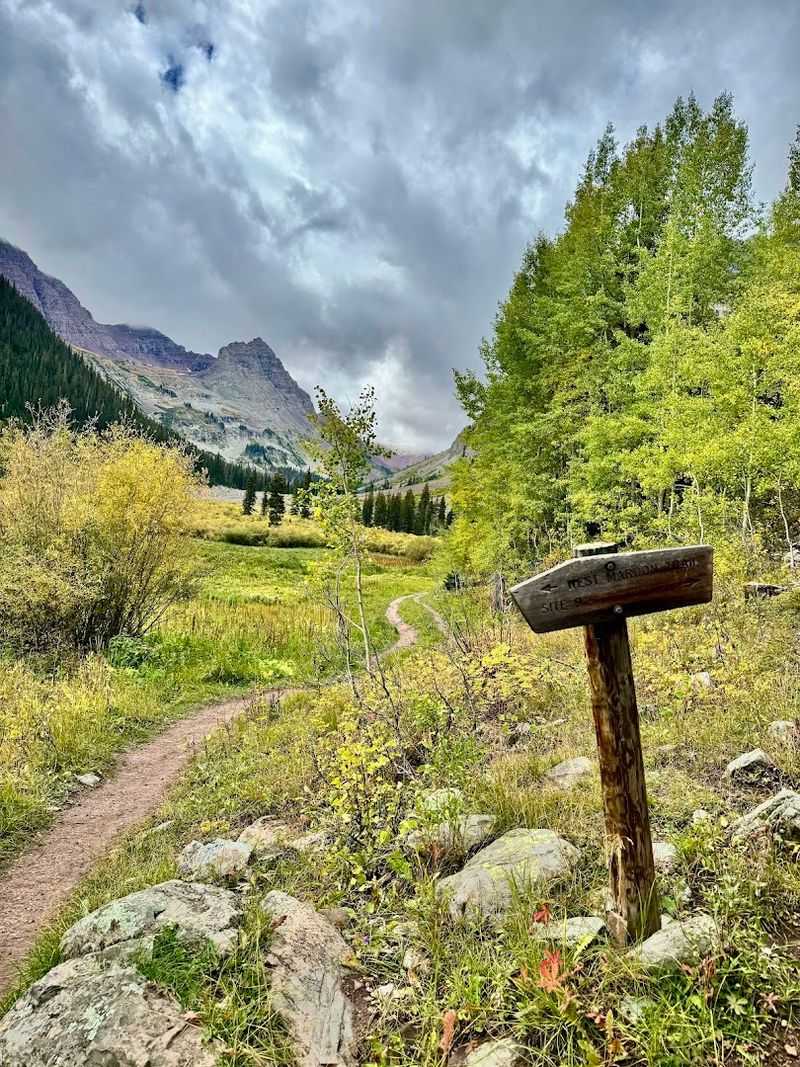
There’s a reason the Maroon Bells show up on more Colorado postcards than anywhere else.
The twin peaks, reaching over 14,000 feet, reflect in Maroon Lake below them in a way that feels almost too symmetrical to be natural.
Located off Co Rd 13 near Aspen, this is one of the most visited wilderness areas in North America.
Access is managed to protect the area, so a shuttle reservation or timed entry fee applies from late May through mid-October.
The cost runs around $16 for a vehicle pass or about $8 per person for the shuttle from Aspen Highlands. Outside of the managed season, you can drive in for free.
The Maroon Lake Scenic Trail is a 1.8-mile loop that stays mostly flat and gives you every angle of those famous peaks.
Fall is the absolute best time to visit. The aspen trees turn gold and orange, framing the bells in colors that photographers chase from all over the world.
Early morning visits mean still water and incredible reflections. Afternoon clouds often roll in, so arrive early.
Bears are active in this area, so follow all posted guidelines.
The short hike around the lake is one of the most rewarding easy walks in Colorado.
5. Great Sand Dunes National Park, Mosca
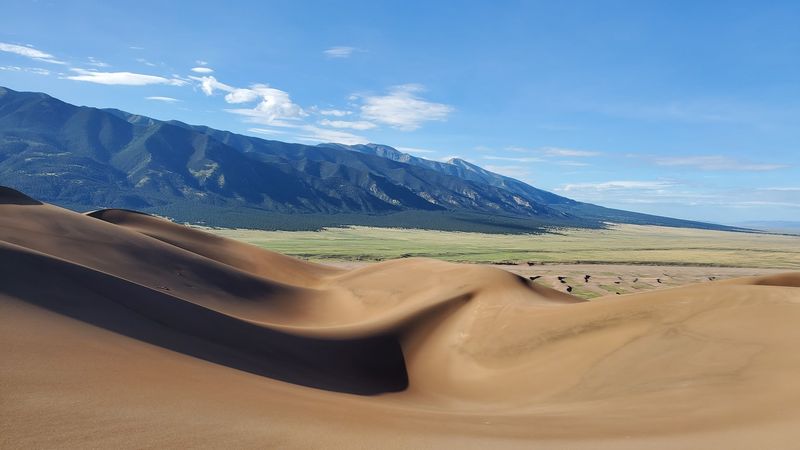
Standing at the base of the tallest sand dunes in North America and looking up feels genuinely disorienting.
These dunes reach over 750 feet high, and they sit in the middle of Colorado, which is not exactly where you’d expect to find a desert.
The Great Sand Dunes Visitor Center is located at 11999 CO-150 in Mosca.
Medano Creek, a shallow seasonal stream that flows along the base of the dunes in late spring, is a natural playground.
Kids wade through it, and adults sit in the water watching the dunes rise behind them. Sandboarding and sand sledding are popular activities, and you can rent boards from nearby outfitters.
The dunes are climbable, though the sand is soft and the climb is genuinely tiring. Star Park status means the night sky here is extraordinary.
Bring a blanket and stay after dark. The Visitor Center has excellent exhibits explaining how wind patterns created and continue to maintain the dunes.
Temperatures swing wildly between day and night, so layers are essential. This place genuinely surprises every single person who visits it for the first time.
6. Mt. Blue Sky Scenic Byway, Idaho Springs
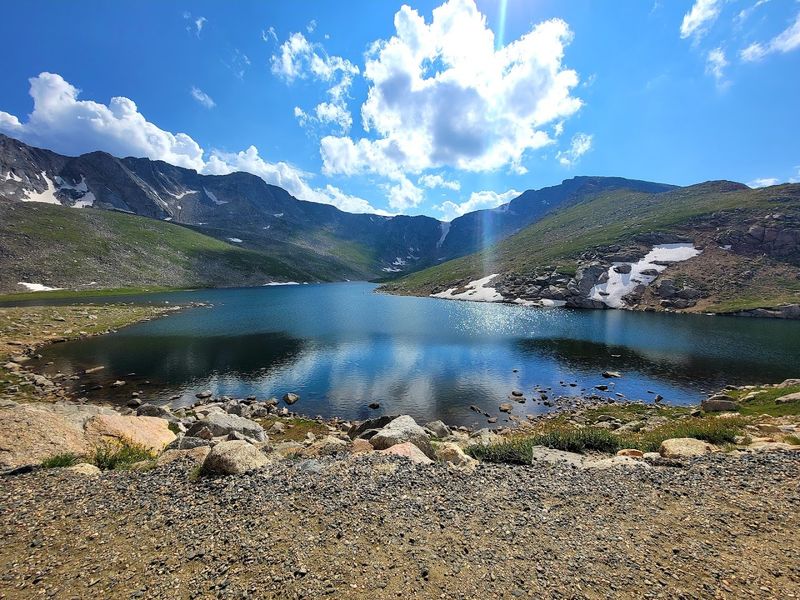
Driving to nearly 14,000 feet above sea level without leaving your car is not something most people expect to do on a road trip.
The Mt. Blue Sky Scenic Byway out of Idaho Springs makes it possible, and it’s one of the highest paved roads in the entire country.
The views from the top are the kind that make you go quiet.
The byway begins in Idaho Springs off I-70 and climbs through dense forest, alpine meadows, and eventually bare tundra.
The summit area sits at 14,130 feet. Mountain goats, bighorn sheep, and marmots are commonly spotted along the route, often close enough to photograph without a zoom lens.
The road is typically open from Memorial Day through early October, depending on snowpack. Afternoon thunderstorms are common above treeline, so plan to be at the summit before noon.
Bring warm layers even in July since temperatures drop fast up there. The drive takes about 45 minutes one way from Idaho Springs.
There’s a short trail near the summit that gives you a full 360-degree panoramic view. Few drives in the country match this one for sheer altitude and scenery.
7. Paint Mines Interpretive Park, Calhan
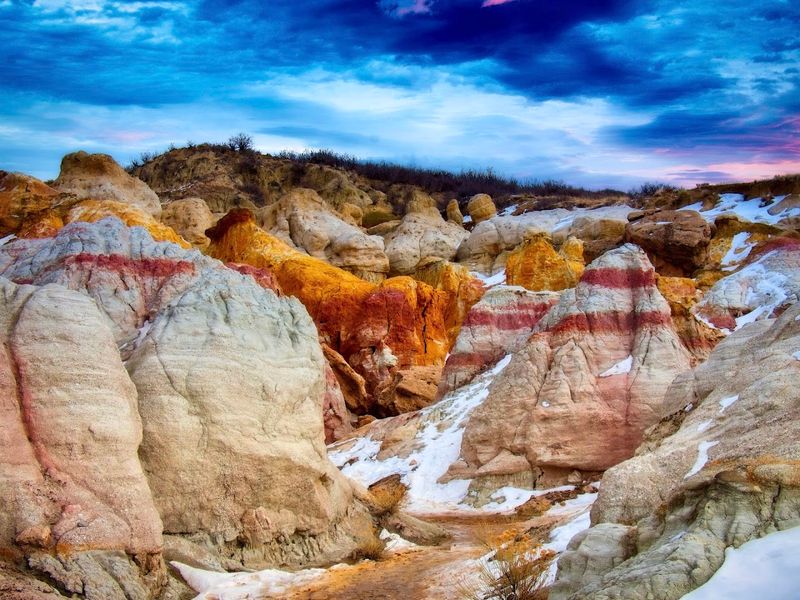
Most people drive past Calhan without a second thought, which means most people have never seen the Paint Mines.
These colorful eroded clay formations rise out of the eastern plains like something from a science fiction film set. The park sits at 29950 Paint Mine Rd in Calhan, and entry is completely free.
The colors are the real story here. Pink, purple, white, orange, and lavender clay layers have been carved by erosion over thousands of years into spires, hoodoos, and shallow canyons.
The effect is surreal, especially in the late afternoon when the light shifts and the colors deepen.
Native Americans used these pigmented clays for pottery and paint for thousands of years, which adds a layer of history to the visual spectacle.
The trail system covers about 4 miles of easy terrain, making it accessible for families, older visitors, and anyone who just wants a gentle walk with extraordinary scenery. Dogs are welcome on leash.
The site is managed by El Paso County, and the parking area is small, so weekday visits are more relaxed. Sunrise and sunset lighting make the colors most vivid.
There are no facilities on site, so bring water and snacks. This one genuinely shocks people who stumble across it for the first time.
8. Georgetown Loop Railroad, Georgetown
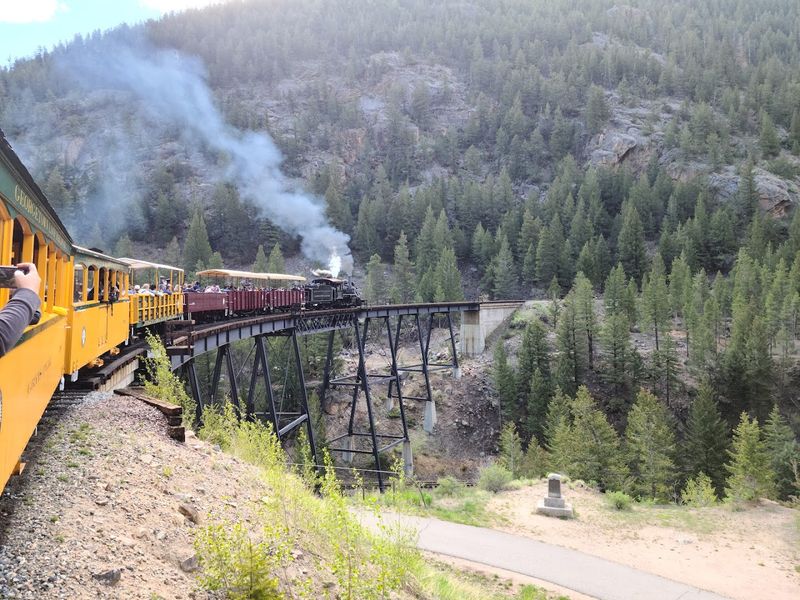
Narrow gauge railroads and dramatic mountain scenery have been a Colorado combination since the 1880s, and the Georgetown Loop Railroad keeps that tradition very much alive.
The route connects Georgetown and Silver Plume through a series of curves and a spectacular high bridge that seems to defy common sense when you’re crossing it.
The railroad sits at 646 Loop Dr in Georgetown, and round-trip tickets run around $28 to $38 for adults. The ride covers about 4.5 miles and takes roughly an hour.
The engineering highlight is the Devil’s Gate High Bridge, a curved trestle standing 95 feet above Clear Creek. When it was built in 1884, it was considered one of the greatest feats of railroad engineering in the country.
Optional mine tours are available for an additional fee and take you inside a restored silver mine for a look at how miners lived and worked in the 1880s.
The coaches are open-air in summer, which makes for great photography. Kids love the whole experience, and adults tend to get just as caught up in it.
The Georgetown Loop operates seasonally from late May through early October. Booking tickets in advance is recommended, especially on weekends.
It’s a genuinely fun way to spend a few hours in the mountains.
9. The Broadmoor Seven Falls, Colorado Springs
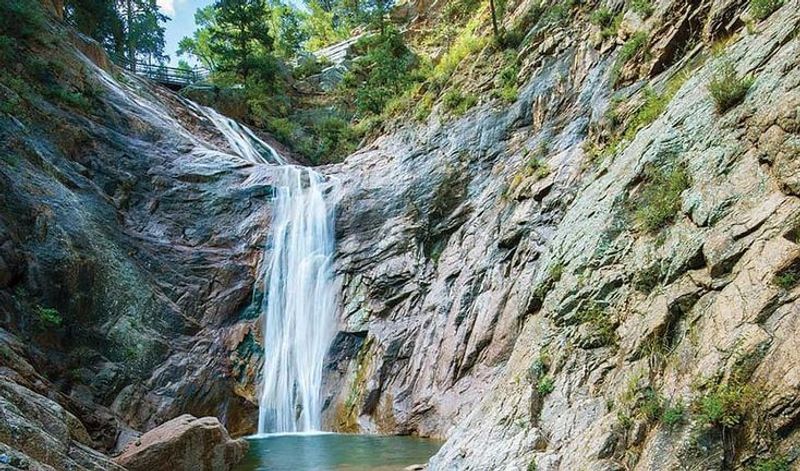
Seven waterfalls stacked one above the other in a narrow red granite canyon sounds like something you’d need to hike deep into the backcountry to find.
Seven Falls sits at 1045 Lower Gold Camp Rd in Colorado Springs, and while it’s associated with The Broadmoor resort, the falls themselves are accessible to the public for a reasonable admission fee.
The canyon walls rise 130 feet on either side of the falls, creating a natural amphitheatre effect. A staircase of 224 steps climbs alongside the cascades, and an elevator is also available for those who prefer it.
At the top, a short trail leads to a viewpoint overlooking the canyon and the city below.
The falls are lit up at night during certain seasons, creating a completely different and dramatic atmosphere after dark.
Spring and early summer bring the highest water flow, making the falls especially powerful and loud. The surrounding canyon is made of Pikes Peak granite, some of the oldest exposed rock in Colorado at around 1 billion years old.
The walk through the canyon itself is atmospheric and cool even on hot days. This one punches well above its admission price in terms of pure visual impact.
10. Bishop Castle, Rye
One man. No contractors.
No funding. Just decades of obsessive, brilliant work with stone and iron.
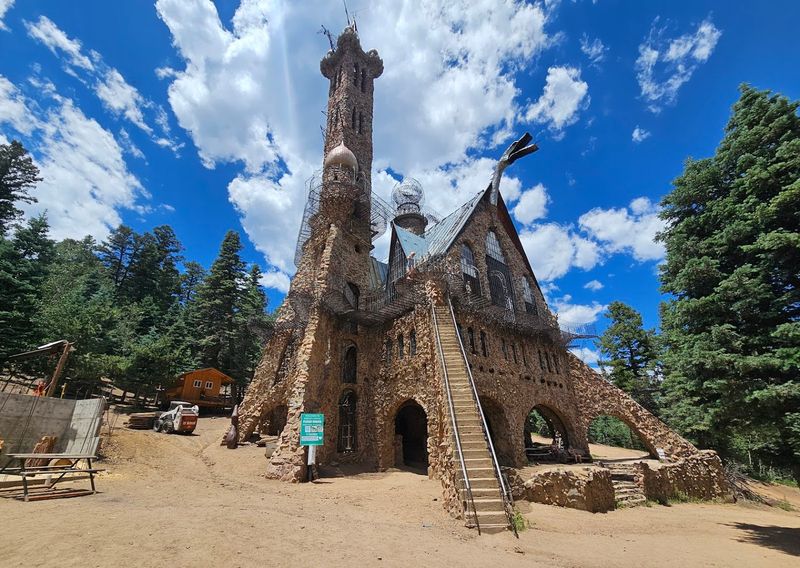
Bishop Castle near Rye is the life project of Jim Bishop, who began building it as a teenager in 1969. It sits at 12705 CO-165, and entry is completely free, though donations are appreciated.
The castle rises several stories into the air with towers, a grand ballroom, and a fire-breathing iron dragon perched on the roof.
Everything you see was built by hand by one person, which makes the scale of it almost hard to process. The stonework is genuinely impressive, and the iron details are creative and sometimes whimsical.
Climbing inside the castle is allowed, and the upper areas offer views of the surrounding San Isabel National Forest.
The structure has no safety railings in some sections, so awareness and caution are necessary, especially with young children.
It’s quirky, it’s raw, and it’s entirely unlike anything else in Colorado or probably anywhere else. The drive through the forest to get there is scenic in its own right.
Bishop Castle is the kind of place that sticks in your memory long after you leave.