10 Budget-Friendly Louisiana Towns With Rents Below The State Median
Affordable living is not a postcard. It is the difference between stretching every paycheck and having room to breathe.
In Louisiana, smaller communities can offer that kind of balance without feeling completely disconnected from everyday needs.
Lower costs are only one part of the equation. Access to parks, local businesses, community events, and manageable routines matters too.
No town works for everyone, and cheaper never automatically means better. Still, some places make ordinary life feel less financially exhausting.
For people tired of paying a premium just to exist, that can be powerful. The most useful towns are the ones where affordability actually supports a livable routine.
1. Ville Platte, Evangeline Parish
Smoke drifts through the air here in the best possible way. Locals have turned seasoning meat into an art form.
Ville Platte sits in central Evangeline Parish, wearing the title of Smoked Meat Capital of the World.
Cajun hospitality shows up in every corner store and back porch. The pace stays easy, and the food stays serious.
Chicot State Park anchors outdoor life with 6,400 acres, making it the largest in the state. Lake Chicot covers 2,000 acres and welcomes anglers, paddlers, and wildlife watchers. An eight-mile paddle trail winds through cypress-studded water.
Waterfront cabins make overnight stays simple and restful. The State Arboretum sits inside the park, and it is the oldest state-supported arboretum in the country. Shaded pathways invite slow walks and quiet birding.
Culture runs just as deep in town. The Swamp Pop Museum tells the story of a homegrown sound. Downtown hosts a seasonal Friday farmers market stocked with local produce and other goods.
October brings the Cotton Festival and its horseback tournament, Le Tournoi de la Ville Platte. Riders gallop past, lances aimed at small gold rings. The Zydeco Cajun Prairie Scenic Byway rolls through, linking more stories nearby.
2. Bastrop, Morehouse Parish
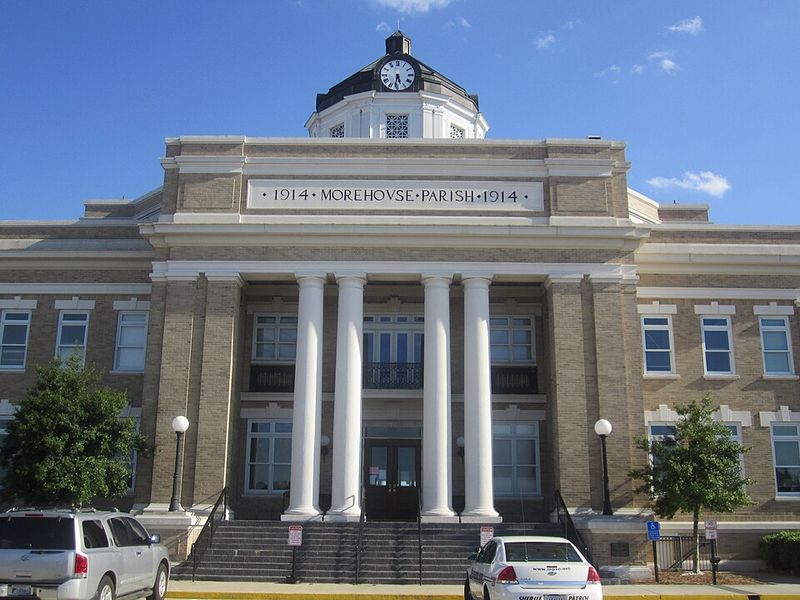
Northeastern Louisiana keeps a few surprises tucked behind the pine curtain. One of them wears French, Spanish, and African influences with pride.
Bastrop serves as the parish seat of Morehouse Parish, and its downtown carries a Distinctive Destination designation.
Plantation-style homes sit near Arts and Crafts architecture. Strolling the blocks costs nothing but time.
The Snyder Museum and Creative Arts Center fills a 1929 residence with local art and artifacts.
Pieces from pre-Columbian tribes share space with regional works. The 1927 Rose Theatre stands on the National Register of Historic Places.
History runs heavy here. Bastrop became a hideout for soldiers during the Civil War. During the Great Mississippi Flood of 1927, it also served as a refuge for displaced residents.
Outdoor options stretch in every direction. Bayou Bartholomew, the longest bayou in the world, curls through the area and rewards paddlers. Chemin-A-Haut State Park north of town adds hiking trails, a wading pool, and kayak rentals.
Hunters know Morehouse Parish for its ducks, deer, dove, rabbit, and squirrel seasons. Bussey Brake Reservoir keeps anglers busy year-round. The Upper Ouachita National Wildlife Refuge waits nearby.
Morehouse May Madness brings art, music, vendors, and farmers-market activities to historic downtown each May. October brings Witch Way to Main Street, one of the city’s current annual downtown events.
3. Tallulah, Madison Parish
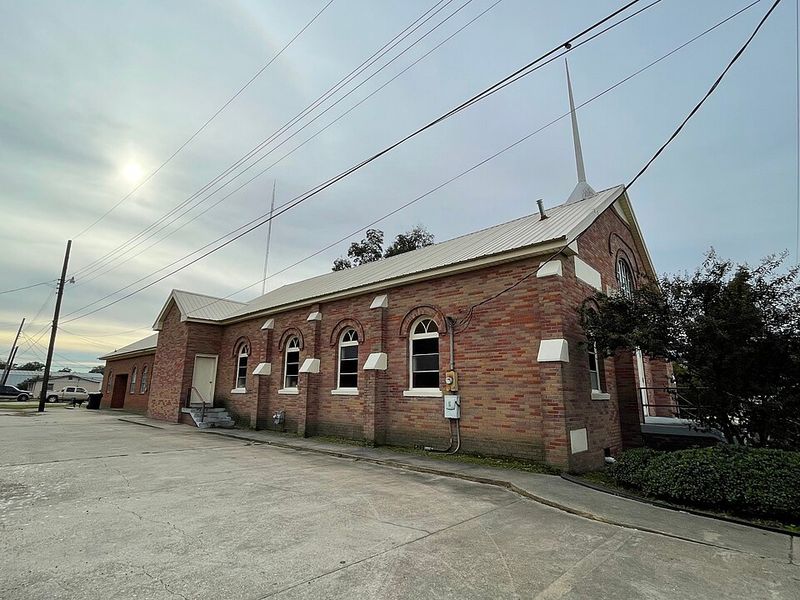
Some towns hold more history per square block than seems fair. Cotton, soybeans, and corn surround this one on all sides.
Tallulah was established in 1857 in the northeastern part of the state and still works as an agricultural center.
Farm trucks share the roads with school buses. Life moves at a comfortable, predictable rhythm.
The Hermione Museum walks guests through Madison Parish history with period artifacts and Civil War relics.
Items from the Tensas and Ouachita Native American tribes fill additional cases. One exhibit honors Madame C.J. Walker, a former parish resident who became the country’s first female millionaire.
Roadside scenery around Tallulah leans more agricultural, with bayous and farm fields framing the highways. The quieter landscape makes the town’s historic landmarks stand out even more.
Bloom’s Arcade is locally promoted as the nation’s first covered shopping mall. The historic structure remains one of Tallulah’s most distinctive commercial landmarks.
Shirley Field, also known as Scott Field, dates to 1922 and played an important role in early aerial crop-dusting experiments. That work helped launch the commercial crop-dusting enterprise that became a forerunner of Delta Air Lines.
Delta Air Lines launched its crop-dusting operations from that same field. Outdoor lovers head for Bayou Cocodrie National Wildlife Refuge. Tensas River National Wildlife Refuge adds quiet trails and serious birdwatching.
Tallulah’s median gross rent remains well below Louisiana’s statewide figure, supporting the affordability angle.
4. Abbeville, Vermilion Parish
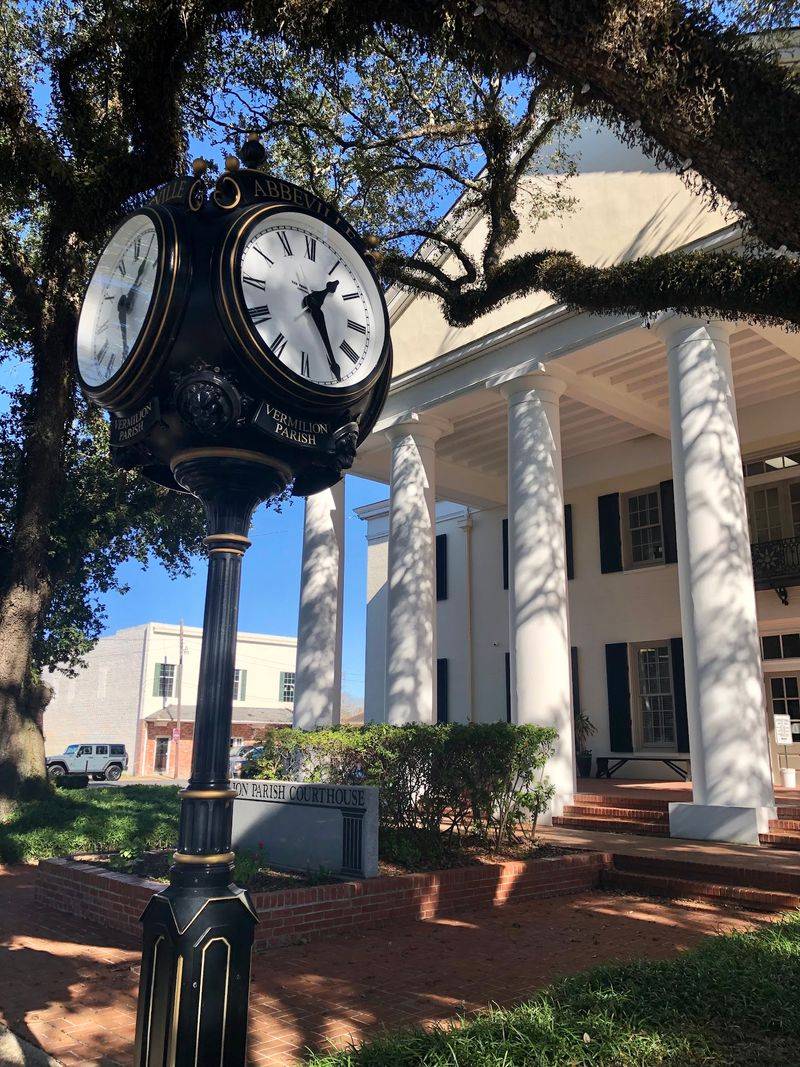
A French missionary laid out this town like a village back home. The plan still shapes daily life more than 180 years later.
Abbeville anchors Vermilion Parish and was founded in 1843 by Pere Antoine Desire Megret, a Capuchin missionary. He named it for his hometown in France. That European layout gives downtown its unusual grace.
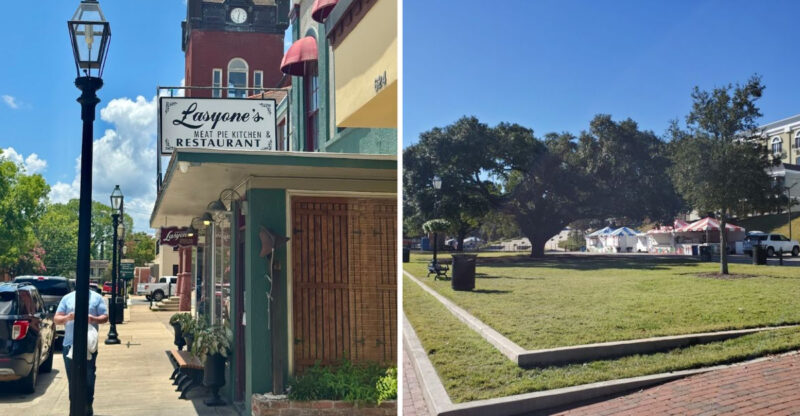
Magdalen Square sits at the center, shaded by historic live oaks. A fountain and gazebo make it a natural meeting point. St. Mary Magdalen Church, finished in 1920, rises on the site of the original chapel.
The Abbeville Cultural and Historical Alliance interprets parish history and displays the Morgan Effigy, a carved deer-antler figure dating to around A.D. 970.
The Sam Guarino Blacksmith Shop Museum preserves a 1920 workshop, hammers and all. A relocated 1894 freight depot now stands at Magdalen Place.
Bayou Vermilion carries boats and kayaks along its paddle trail. Palmetto Island State Park adds walking trails, a splash pad, campsites, and cabins. Birders follow the Vermilion Birding Loop for reliable sightings.
The Cajun Corridor Scenic Byway passes through, revealing more regional character. Spring evenings bring the Sounds on the Square concert series.
November delivers the Giant Omelette Celebration, where chefs cook a 5,000-egg omelette in public.
Downtown concentrates museums, shops, restaurants, and public spaces around Magdalen Square.
5. Jennings, Jeff Davis Parish
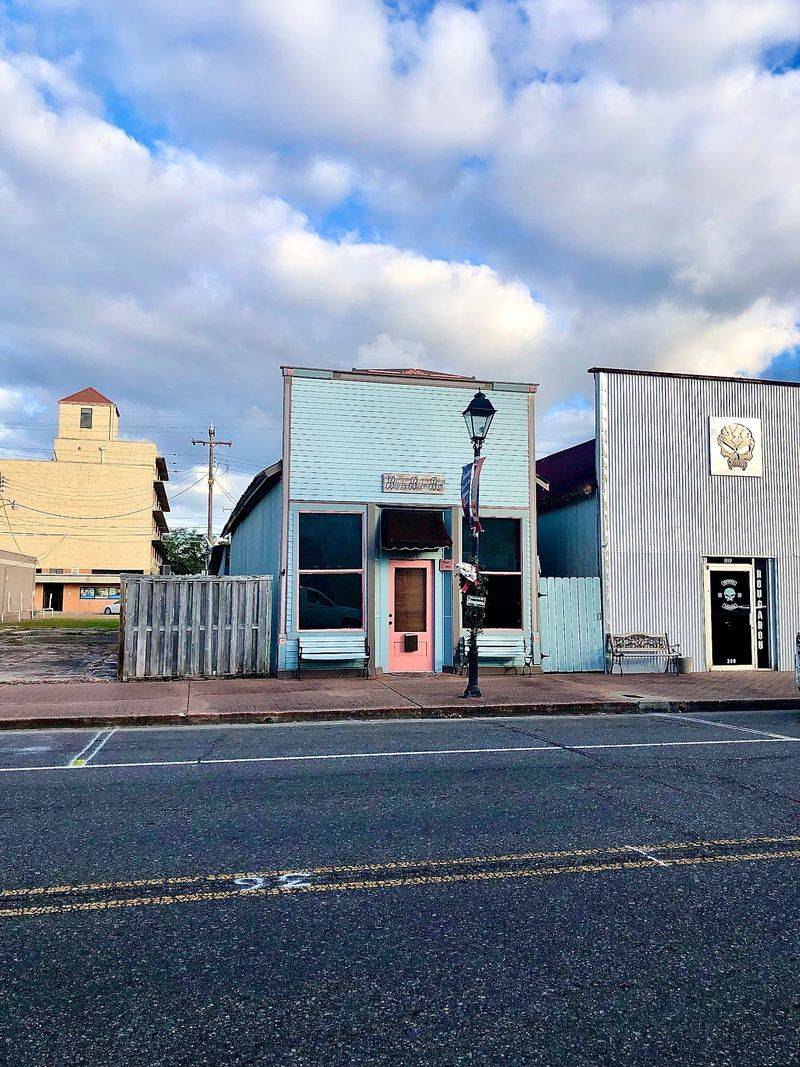
Baby alligators will happily sit in your hands somewhere in the southwest part. That alone makes a detour worthwhile.
Jennings sits right on I-10, roughly halfway between Lafayette and Lake Charles. That location keeps commutes short and errands easy. Cajun culture colors everything from music to menus.
The Gator Chateau lets guests hold young alligators while learning how the reptiles grow.
The Zigler Art Museum now occupies the first floor of Jennings City Hall, where it displays this state and regional art with free admission.
The W.H. Tupper General Merchandise Museum preserves rural 20th-century life, including the history of the telephone.
Music has a home at the Historic Strand Theatre, a 1930s movie house. Performing arts shows and country music variety nights fill the calendar. Accordion players compete at the Cajun Squeezebox Shootout.
Birders do very well in Jeff Davis Parish, where more than 160 species have been recorded. The Yellow Rails and Rice Festival draws enthusiasts each fall. Binoculars stay near the door around here.
The Oil and Gas Park adds playground equipment, a walking track, and a 10-acre fishing pond. A Vietnam War Memorial sits thoughtfully within the grounds. Families use the space almost daily.
Jennings’ median gross rent remains below statewide figure, and I-10 runs directly through the community. That combination can make housing and regional travel more manageable for some households.
6. Franklin, St. Mary Parish
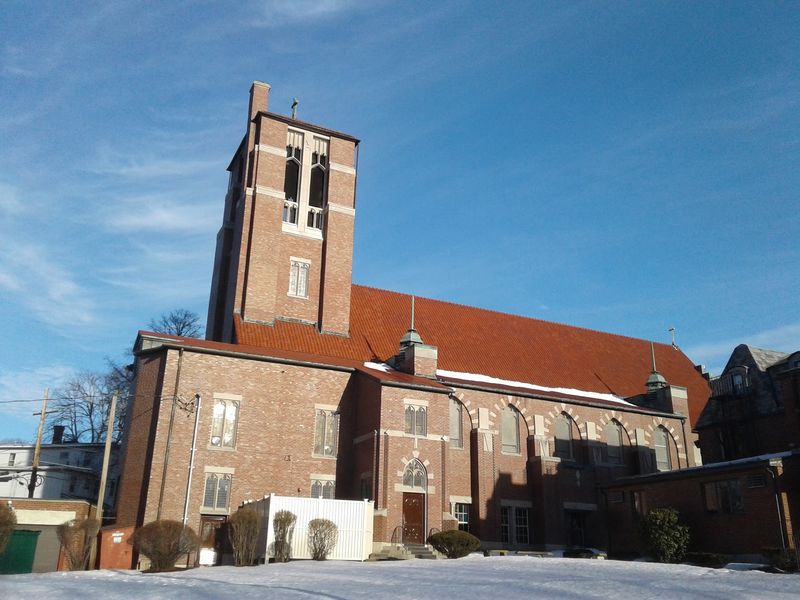
Cast iron street lamps and moss-draped oaks line a 19th-century boulevard. Photographers lose track of time completely. Franklin serves as the seat of St. Mary Parish and sits along Bayou Teche.
Its Historic District appears on the National Register of Historic Places. More than 400 noteworthy structures stand within it.
Oaklawn Manor and the Grevemberg House Museum, built around 1851, show off serious architectural detail.
Shadowlawn, a Greek Revival residence on Main Street, adds another layer of Franklin’s architectural history. Civil War memorabilia fills the Young-Sanders Center Foundation.
Water shapes recreation here. Kayaks and canoes glide along Bayou Teche on calm mornings. Anglers and birders head to the Bayou Teche National Wildlife Refuge.
Cypremort Point Beach provides a coastal escape a short drive away. Sunsets over the water draw regular crowds. Bring a chair and stay awhile.
The Teche Theatre for the Performing Arts hosts concerts and stage productions through the year. Autumn brings the Harvest Moon Festival to Main Street. Paddlers arrive for the Tour du Teche, a multi-day race along the bayou.
Well-preserved architecture gives ordinary errands a scenic backdrop. Census data show Franklin’s median gross rent below statewide figure. Anyone who loves history with a side of water access will settle in fast.
7. Oakdale, Allen Parish
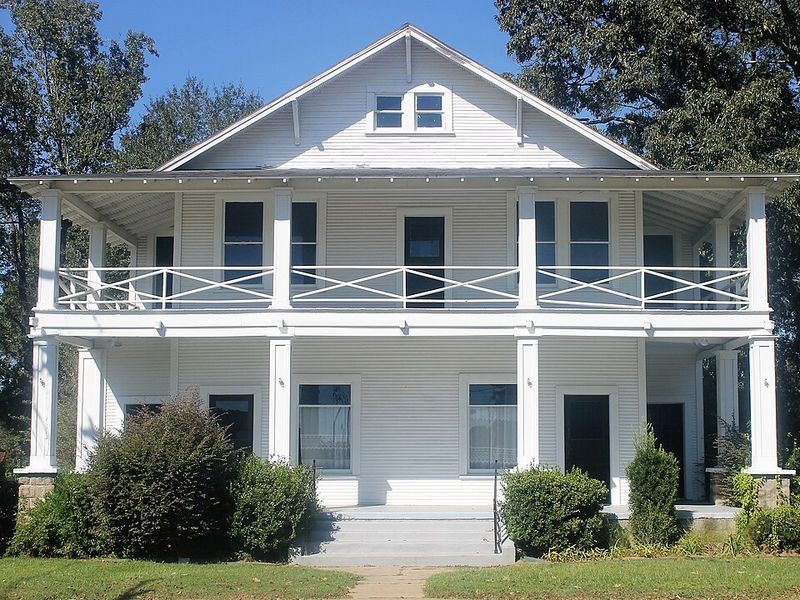
A former lumber boomtown turned sweet potato champion sounds unlikely. Yet that is exactly the story here.
Oakdale sits in Allen Parish in southern part and started life as Dunnsville. Incorporation came in 1911, when timber and railroads drove everything. Sawdust built the first fortunes.
The Leatherwood Museum long interpreted Allen Parish history and Oakdale’s lumber era, but it closed in June 2026 after the Allen Parish Tourist Commission was abolished.
Its collections are no longer available as a regular public museum stop.
When timber declined, agriculture stepped in. Oakdale does not currently promote an official sweet potato-capital designation. I could not verify a current annual sweet potato festival on the city’s 2026 event calendar.
Recreation stays simple and accessible. Oakdale Park and Ballfield hosts games and gatherings throughout the year. Surrounding forests open up for fishing and hiking without long drives.
Warm months bring the Oakdale Community Pool into heavy rotation. Oakdale Playground adds a half-mile walking track and outdoor fitness equipment. Residents use both for daily exercise.
October features the Fete du VOID festival, a quirky community favorite. The Oakdale Farmers Market stocks local produce and homemade goods. Shopping close to home keeps budgets tidy.
8. Opelousas, St. Landry Parish
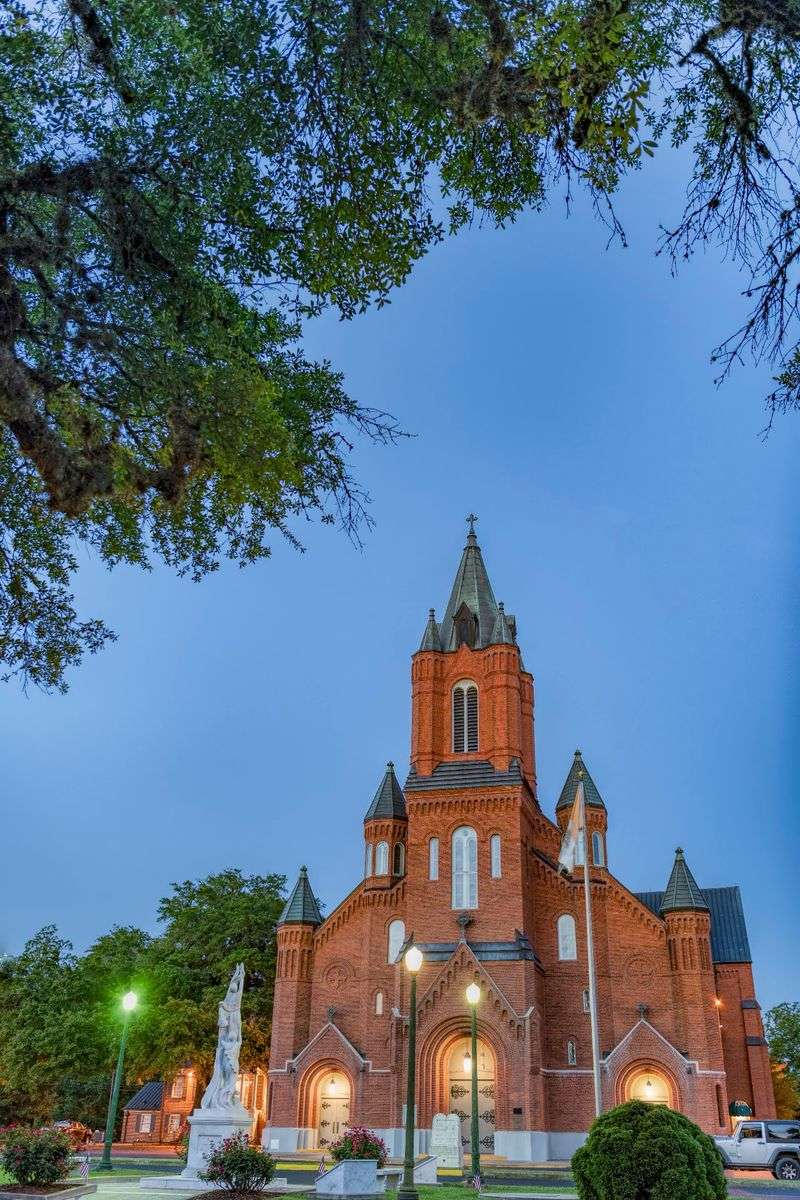
Accordions and rubboards set the tempo in this corner of the state. Boudin and cracklin keep everybody fueled.
Opelousas anchors St. Landry Parish as the state’s third-oldest city. It also carries the title of Zydeco Capital of the World. Music spills out of halls and backyards alike.
Downtown holds more than 250 years of architecture, with 19th-century brick sidewalks underfoot.
Le Vieux Village Heritage Park gathers the oldest structures in one shady setting. A schoolhouse, a Methodist church, and the home of Marie Francois Venus all stand there.
The Orphan Train Museum documents the lives of orphan train riders. The Creole Heritage Folklife Center deepens understanding of local traditions.
The Opelousas Museum and Interpretive Center adds a Civil War room and the Geraldine Smith Welch Doll Collection.
Music fans find plenty. The Zydeco Music Exhibit traces the genre’s roots. The Delta Grand Theatre adds a separate downtown venue for performances and cultural events.
Cooks call this the Spice Capital of Louisiana, with ties to Tony Chachere’s Creole Foods. Cajun and Creole dishes remain central to the city’s restaurant culture. Appetites get treated seriously.
The Southwest Louisiana Zydeco Music Festival packs the calendar each year. Downtown restaurants and cultural venues add evening options beyond the festival calendar.
9. Leesville, Vernon Parish
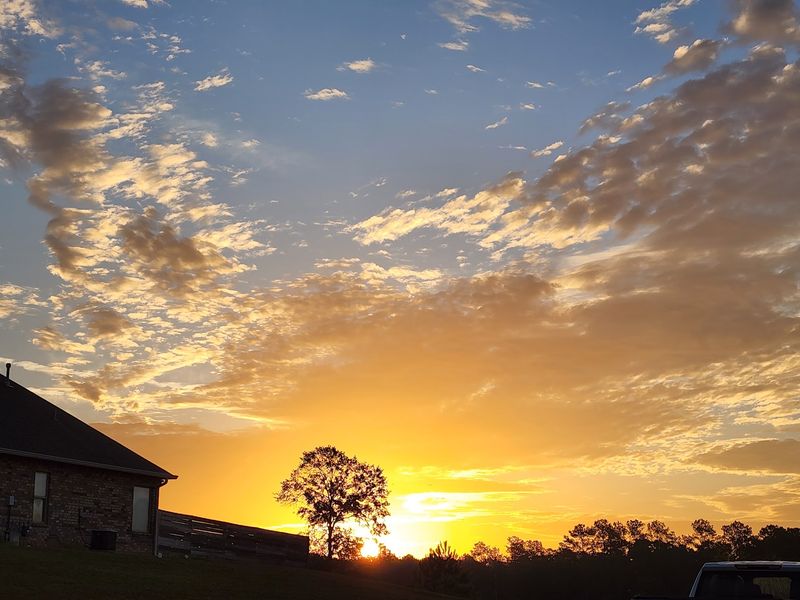
Rolling pine woods stretch for hundreds of thousands of acres out west. Trail maps here need a lot of paper.
Leesville holds the nickname Gateway to this state and serves as the seat of Vernon Parish.
Forests and waterways surround the city on all sides. Outdoor gear counts as standard household equipment. Kisatchie National Forest covers roughly 604,000 acres of pine country.
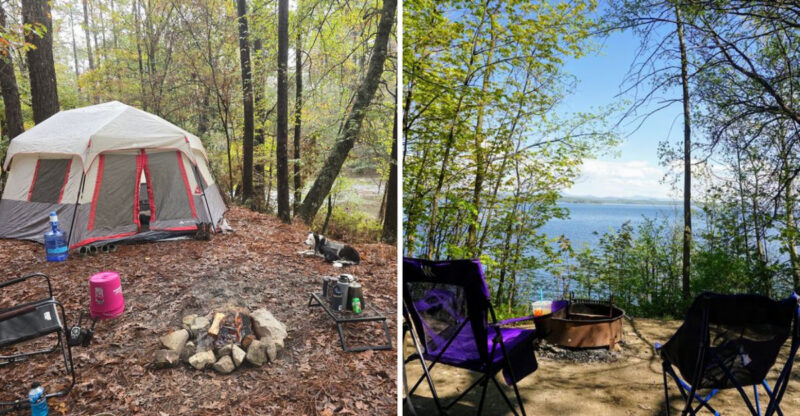
Vernon Lake draws anglers and campers through the warm months. South Toledo Bend State Park adds beaches, boat launches, and campgrounds. Clear Creek Wildlife Management Area keeps hikers and campers busy.
Fort Polk-Vernon Wildlife Management Area supports public recreation when military training schedules allow access.
Local history earned the nickname Louisiana’s Wild West, full of Native American heritage and colorful characters.
The downtown district shows off period architecture, including the 1855 Smart Plantation House. A Beaux Arts courthouse from 1910 dominates the skyline.
Gallery One Ellleven operates as an active artists’ cooperative. MayFest fills two days with live music, art, and food. Farmers markets, Mardi Gras parades, and a Christmas parade round out the year.
The Museum of West Louisiana occupies the former Kansas City Southern depot at 803 South Third Street, although the local tourism site still lists the property as under renovation.
10. Bogalusa, Washington Parish
A sawmill once ranked among the largest anywhere on earth. Its shadow still shapes this town’s identity.
Bogalusa sits in Washington Parish and was founded in 1906 by the Goodyear family.
Timber and paper built the streets and the payroll. Industry gave way to green space over the decades.
The Bogalusa Paper Mill Museum explains how a lumber camp grew into an industrial hub. Machinery, photographs, and worker stories fill the rooms. History lands with real weight here.
Nature takes over just outside town. Bogue Chitto State Park now spans about 2,593 acres of streams, cypress-tupelo swamps, hardwood forest, uplands, and rolling terrain.
Fishing, canoeing, hiking, and bird watching all thrive along the Bogue Chitto River. Elsewhere in Washington Parish, White Sands Lake Day Beach offers a seasonal spring-fed swimming area with shaded cabanas and water activities.
The Pearl River and Bogue Lusa Creek add more waterways around Bogalusa for paddling and fishing. Forest and river corridors in Washington Parish also support diverse birdlife and other native wildlife.
Cassidy Park hosts the Bogalusa Blues and Heritage Festival, plus Christmas in the Park and a Juneteenth Block Party.
The Bogalusa Paper Mill Museum remains part of the city’s current heritage offerings.