Built By Jesuits And Native Hands Without Nails, Idaho’s Oldest Standing Building Still Welcomes Visitors
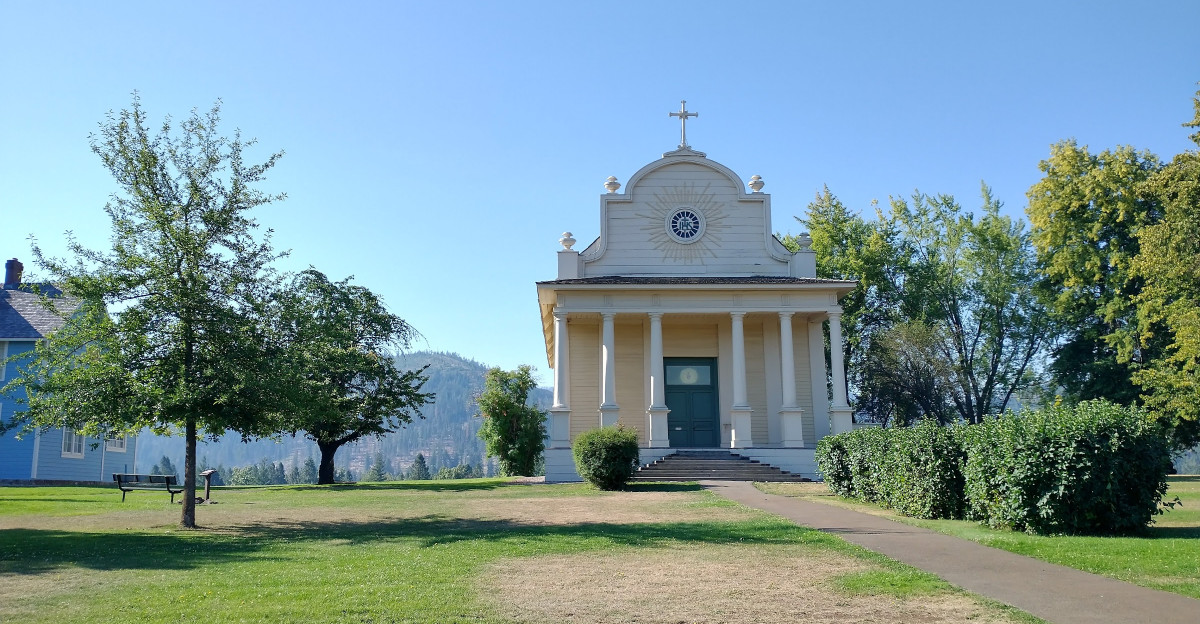
Not one iron nail holds up this church.
Wooden pegs, hand-hewn timbers, woven saplings, and packed river mud do all the work, and they’ve done it since the early 1850s.
That makes it the oldest standing building in Idaho.
Hundreds of tribal members raised it alongside Jesuit missionaries, using broadaxes, augers, ropes, and pulleys instead of power tools.
I like how the details get even stranger inside.
Chandeliers were made from tin cans. Wooden statues were carved with a knife, then painted to look like marble.
I can’t imagine building something this big with so little, let alone having it outlast nearly everything around it.
And the best part? You can still walk through the front doors today.
So what does a church built without nails actually look and feel like up close?
The White Church That Outlasted Everything Else In Idaho
Plenty of Idaho buildings call themselves historic, but only one gets to claim the oldest title. The Mission of the Sacred Heart, often called the Cataldo Mission, has stood on its hill since the early 1850s.
You’ll find it inside Coeur d’Alene’s Old Mission State Park in the Silver Valley of northern Idaho. The church sits on a rise above the Coeur d’Alene River, with forested mountains rolling off in every direction.
Its bright white front is hard to miss. Tall columns give it a grand, almost Old World look that feels surprising this far into the Panhandle woods.
The building is now a museum and historic site managed by Idaho Parks and Recreation. Visitors can see the church, a restored Parish House, a modern visitor center, and walking paths with interpretive signs.
Federal recognition came early, too. The mission became a National Historic Landmark in 1961 and joined the National Register of Historic Places in 1966.
Then in 1975, the grounds officially became a state park. That status helps keep the old timbers protected so new generations can stand inside the same walls built more than 170 years ago.
Two Communities, One Massive Building Project
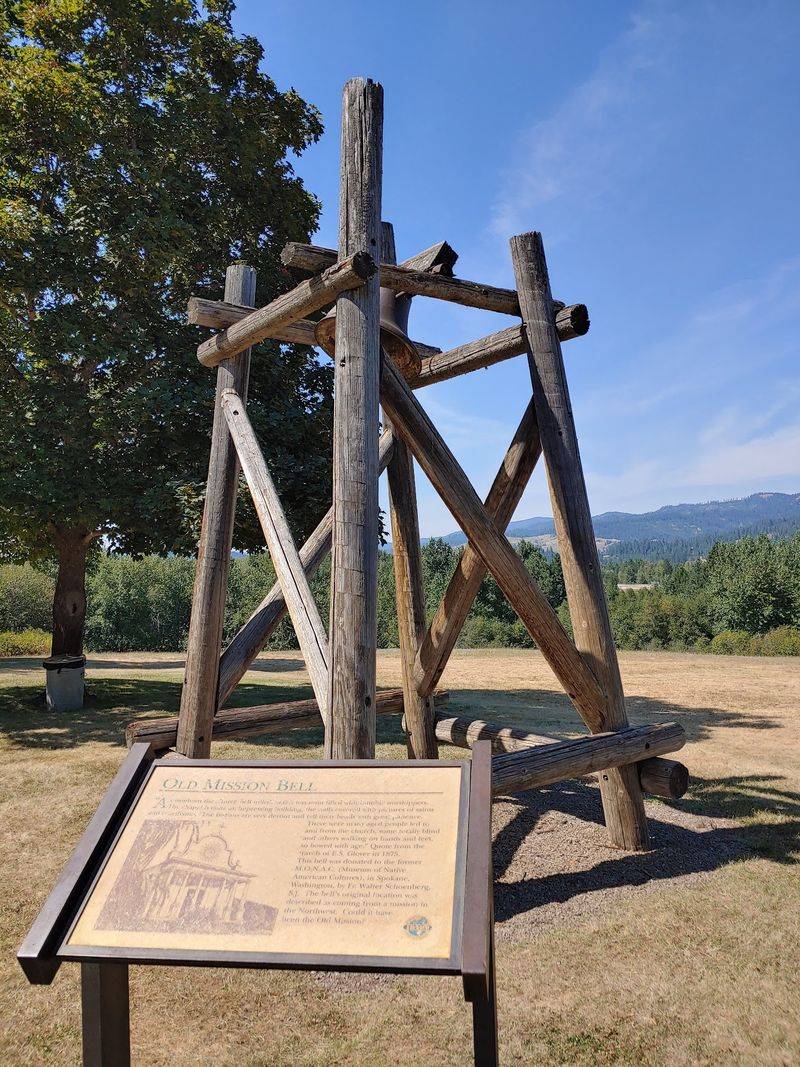
Construction started in 1850 and wrapped up in 1853. That timeline sounds quick until you remember there were no lumber yards, trucks, or power saws anywhere nearby.
The labor came from hundreds of members of the Coeur d’Alene Tribe, known in their own language as the Schitsu’umsh. They worked alongside Jesuit missionaries who had arrived in the region a few years earlier.
Tools were basic. Broadaxes shaped the beams, whipsaws cut the boards, and augers bored the holes that would later hold wooden pegs.
Moving the huge timbers into place took ropes and pulleys. Every lift depended on coordination, muscle, and a lot of patience.
That shared effort is the heart of the story here. The building isn’t only a missionary landmark, it’s also a record of tribal skill and hard work that still stands in plain view.
When you look up at those beams, you’re seeing the handiwork of people who cut them by hand from the surrounding forest. That’s a pretty humbling thought for anyone who struggles to assemble a bookshelf from a box.
Wooden Pegs Doing A Nail’s Job For 170 Years
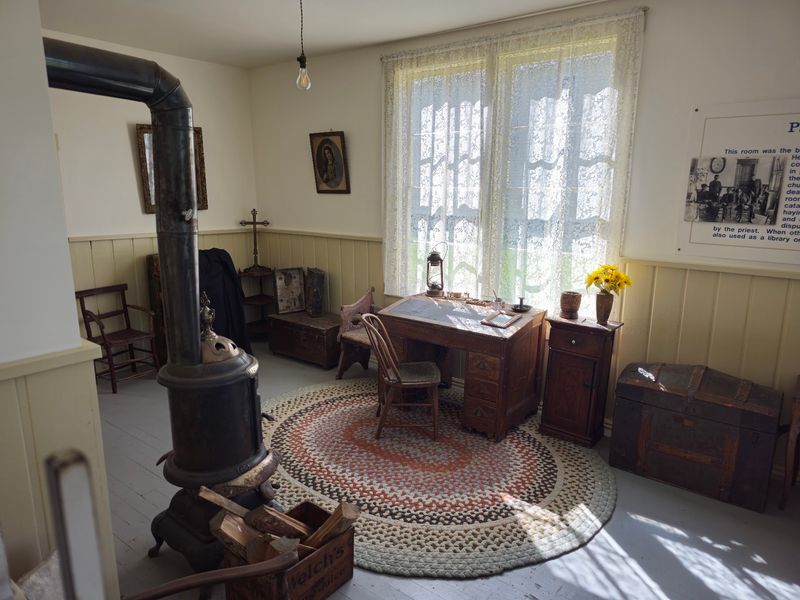
Hardware stores weren’t exactly common in 1850s Idaho. So the builders skipped iron nails entirely and leaned on joinery skills that have been around for centuries.
Mortise and tenon joints carry the load here. One beam gets a cut-out slot, the other gets a matching tongue, and the two lock together like puzzle pieces.
Wooden pegs then hold each joint snug. Builders bored holes with augers and drove the pegs through to keep everything from shifting.
It sounds simple, but the precision required is serious. A sloppy cut means a wobbly beam, and wobbly beams don’t survive more than a century of northern Idaho winters.
These joints clearly did their job. The frame still stands strong, and the huge beams remain one of the first things people notice when they look up inside.
Honestly, this is the detail that turns a quick stop into a longer one. Once you know there’s not a single nail in the structure, you start scanning every corner for a peg, a joint, or a clever fix hidden in the wood.
Walls Made From Saplings, Grass, And River Mud
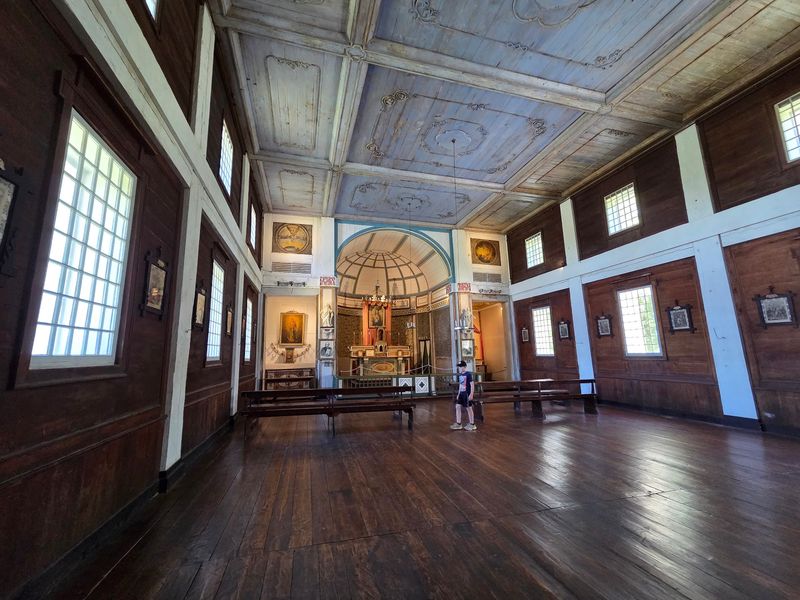
Here’s a recipe nobody would expect for a church wall: saplings, grass, and mud from the river. Mix in a lot of hand labor, and you get walls about a foot thick.
The method is called wattle and daub. Workers wove young saplings and grass between the hand-hewn timbers, building a sturdy lattice inside the frame.
Next came the daub. River mud was packed into the woven framework until the wall turned solid.
Those thick walls help explain why the building has lasted so long. They gave the structure real heft, all without fired brick or factory materials.
Look for a peek at the original construction during your visit. In one of the rear rooms, a section of the original adobe wall remains visible, so you can see the old layers for yourself.
It’s a rare chance to see how a frontier building was actually put together. Most historic sites hide their bones behind plaster and paint, but here a small window into the past is left open on purpose, and it’s well worth finding.
Tin Can Chandeliers And Huckleberry-Tinted Wood
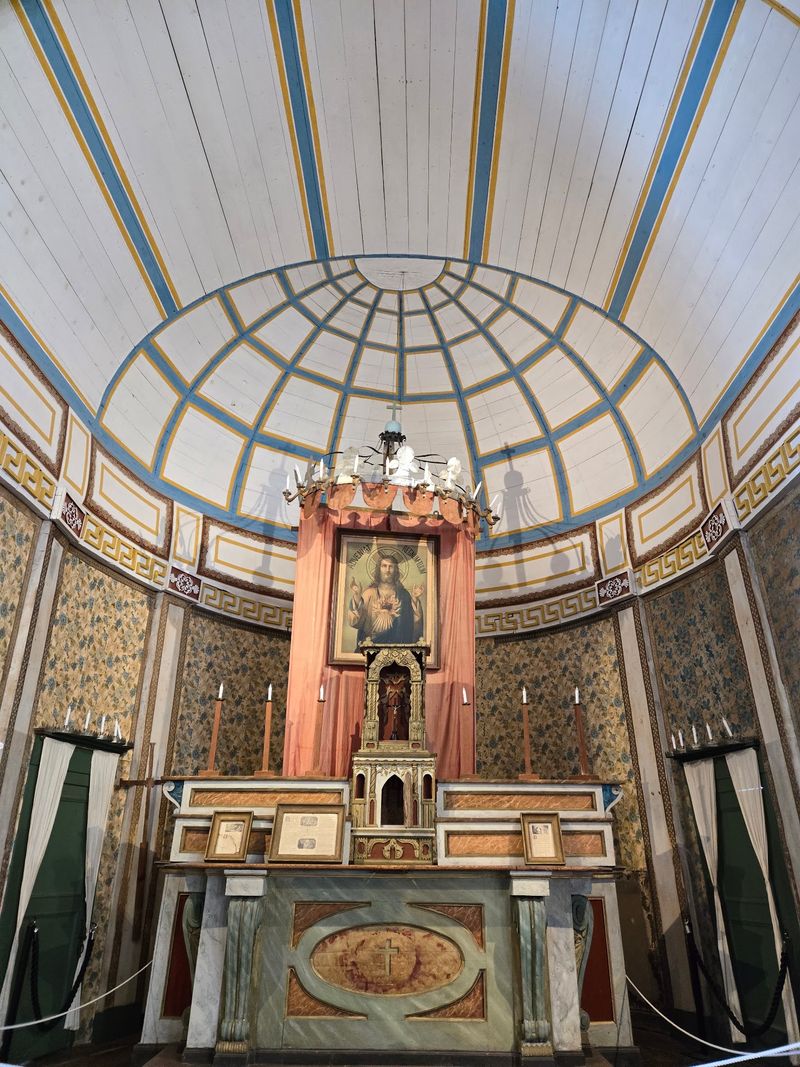
Resourceful doesn’t begin to cover it. Inside the church, chandeliers were fashioned from tin cans, turning ordinary scraps into lighting for the nave.
That kind of reuse feels wonderfully practical. Supplies were scarce out here, so the builders made beauty out of whatever arrived in the supply packs.
Then there’s the color. Parts of the interior wood carry a bluish tint, a stain made from the juice of local huckleberries.
Yes, the same berry Idahoans pile into shakes and pies helped decorate the oldest building in the state. That’s about as Idaho as a detail can get.
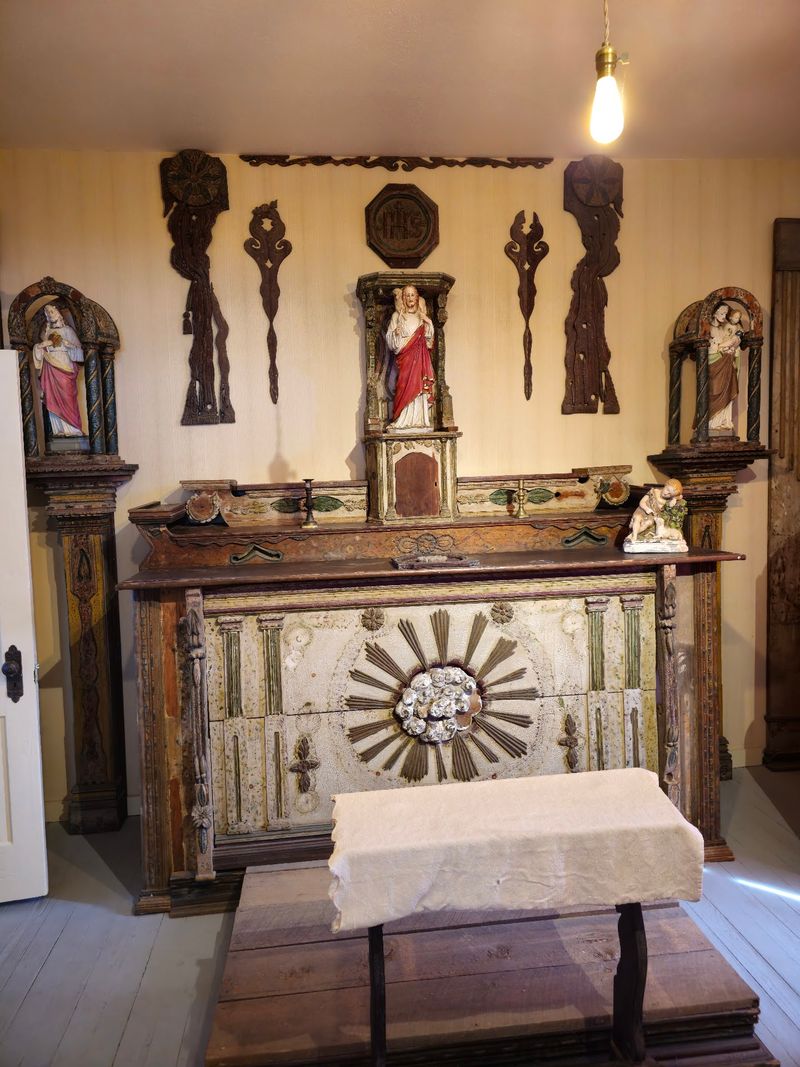
The interior also features painted decoration that has been carefully preserved. The restoration work here has kept the original character intact instead of covering it up with modern finishes.
Slow down and let your eyes adjust once you step through the doors. The light, the color, and the handmade fixtures reward a careful look, and small touches keep turning up the longer you stay in one spot.
Start Inside The Visitor Center Before Climbing The Hill
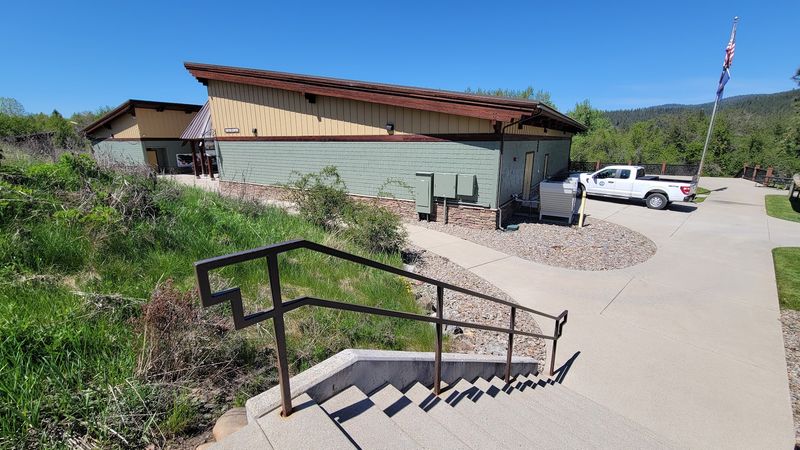
Smart visitors begin at the visitor center, not the church. The background you pick up there makes everything on the hill much richer.
Inside, you’ll find an exhibition called Sacred Encounters: Father De Smet and the Indians of the Rocky Mountain West. It explores the meeting between the missionaries and the Coeur d’Alene Tribe, along with how those relationships shaped the region.
The exhibit carries a separate fee from park entry. It’s a real museum experience, with artifacts and storytelling that cover far more than the building alone.
An educational film of roughly 25 minutes also introduces the people and the area. It’s a handy way to get your bearings before heading outside.
Staff and docents are on hand to help answer questions. If something about the construction or the tribe’s history sparks your curiosity, it’s worth asking.
From the center, it’s a short walk up to the mission. By the time you arrive, those pegs, beams, and painted walls will mean a whole lot more than they would cold.
An Easy Detour Off Interstate 90
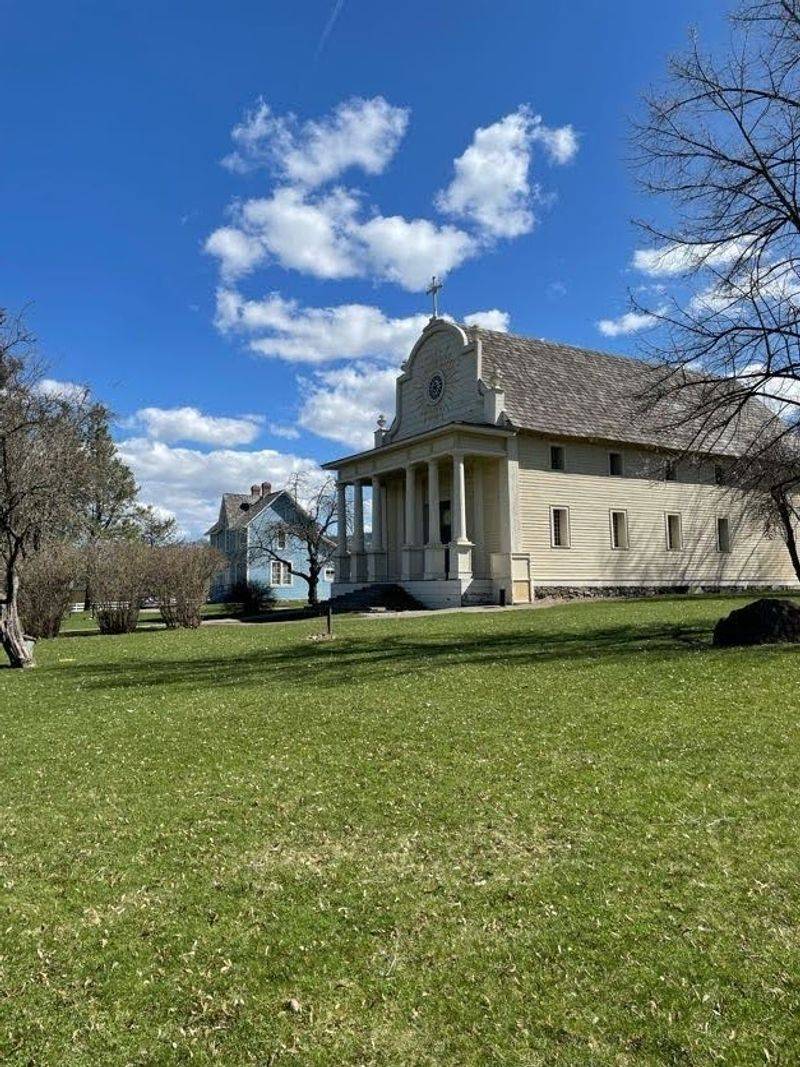
Some historic sites demand a long backroad trek. This one practically waves at you from the freeway.
Head to 31732 S Mission Road, Cataldo, Idaho 83810. It sits just off Interstate 90 at exit 39, making it one of the simplest history stops in the Silver Valley.
That convenience makes it a natural break on a Panhandle road trip. Whether you’re heading toward Montana or back toward Coeur d’Alene, it’s an easy place to pull over and learn something.
Cyclists have another option. The mission sits near the Trail of the Coeur d’Alenes, a long paved rail-trail popular with riders across Idaho.
Pairing a bike ride with a mission visit makes for a full, active day. You get exercise, river scenery, and a dose of history in one outing.
Drivers will appreciate the scenic approach as well. The valley views are a bonus, and the white church on the hill makes a pretty satisfying landmark once it finally comes into sight around the bend.
What To Know Before You Pull Into The Lot
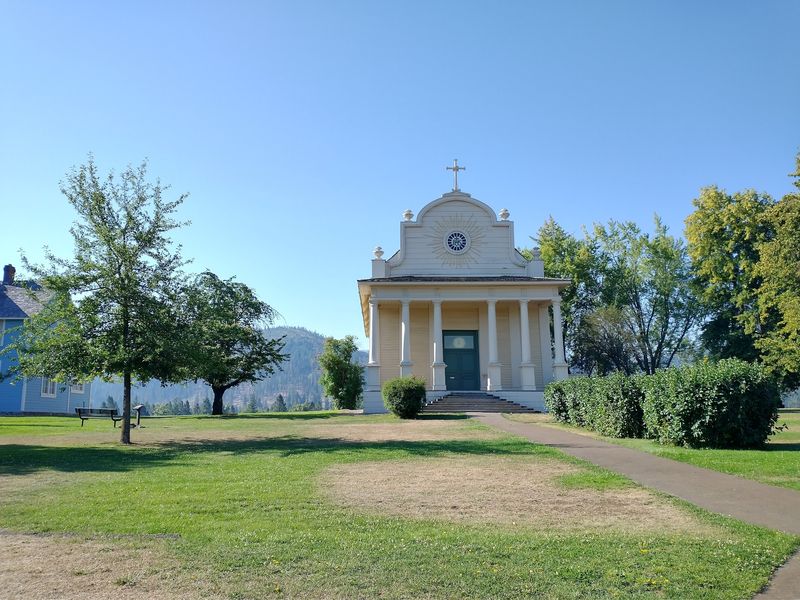
A little planning makes the visit smoother. The park welcomes visitors year-round, but building hours shift with the seasons, running longer in summer and shorter in winter.
Check the current schedule with Idaho Parks and Recreation before you go. Arriving after hours means you can stroll the grounds and read the trail signs, but you might miss the church interior.
A vehicle entrance fee applies to the park. Holders of an Idaho State Parks Passport may have entry covered, so check before you pay.
The Sacred Encounters exhibit requires a separate admission. Budget a little extra if the museum is on your list, and it really should be.
Give yourself time. Two to three hours lets you watch the film, tour the exhibit, explore the church and Parish House, and still enjoy a picnic.
Photography may be restricted inside the museum, so leave the camera in your pocket there. Dogs need to stay leashed and are limited to outdoor areas.
Pack water and snacks, since the site sits away from town services.