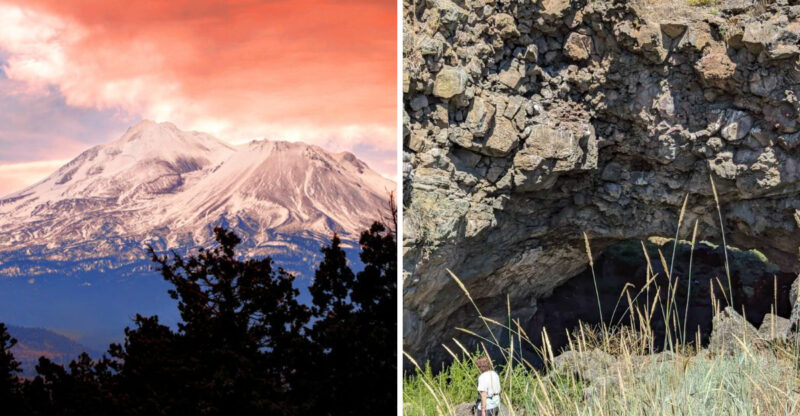
10 California Bike Trails That Feel Like A Secret Getaway In 2026
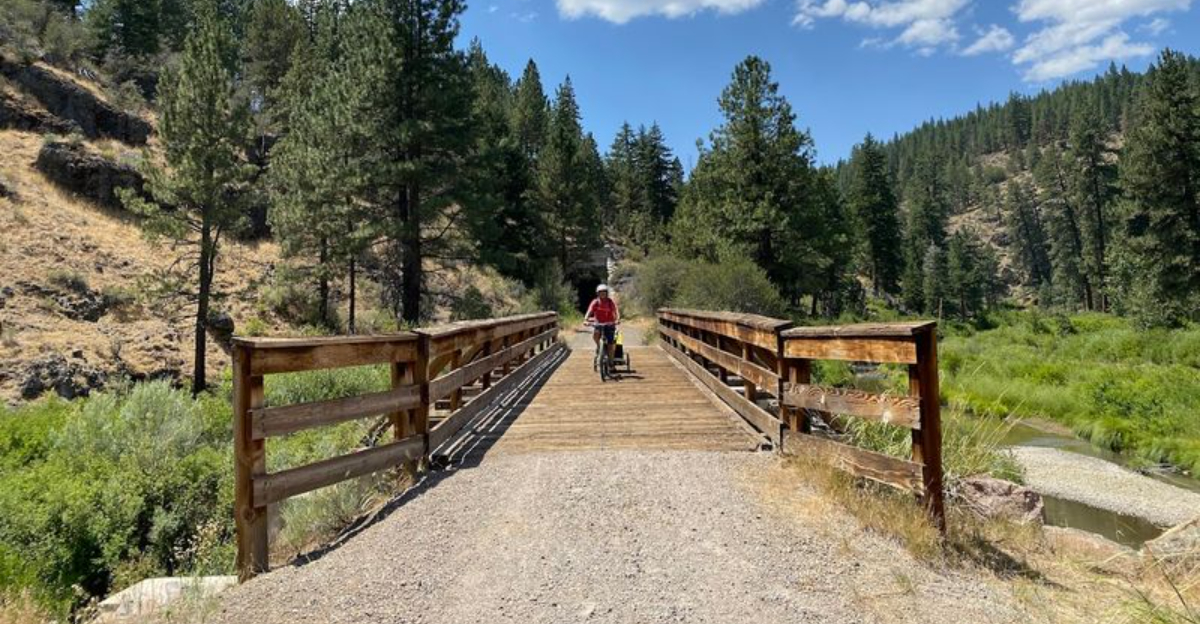
Some of the best bike rides in the world are hiding in plain sight along quiet rivers, coastal bluffs, and shaded valleys.
California has hundreds of trails that most cyclists never hear about. The popular ones tend to steal all the attention.
Whether someone is a casual weekend rider or a serious cyclist looking for a new challenge, the state offers routes that feel more like escapes than exercise.
From the redwood-lined paths of the north to the sun-warmed coastal stretches in the south, each ride carries its own rhythm and pace. Some feel slow and scenic. Others open up into longer, more demanding routes that reward steady effort.
The scenery shifts constantly. Golden grasslands give way to tree-lined paths, then open water views that catch the light just right.
These trails offer space, movement, and a different way to experience California without the usual crowds.
1. American River Parkway Bike Trail, Sacramento
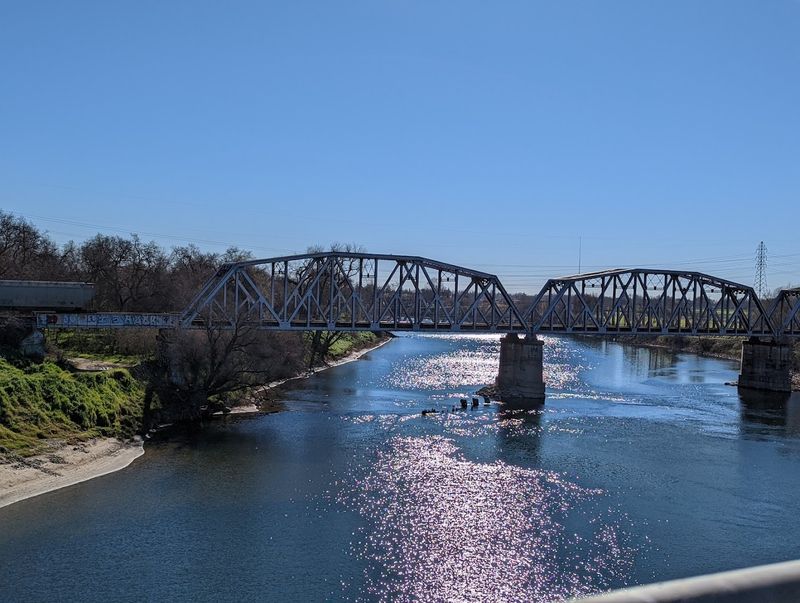
Few urban trails in the country manage to feel this far removed from city life while staying completely within reach of downtown Sacramento.
Stretching roughly 32 miles along the American River, the parkway trail runs from Old Sacramento all the way to Folsom Lake, passing through riparian woodlands, open meadows, and quiet river bends.
The paved surface is smooth and well-maintained, making it comfortable for road bikes, hybrids, and even cruisers.
Wildlife sightings are genuinely common here, with great blue herons, deer, and river otters spotted along the banks throughout the year.
The trail does not feel crowded in the way that popular urban paths often do, especially on weekday mornings when the light hits the water at a low angle and the air still carries a cool edge.
Shade is plentiful along most of the route, which makes summer rides far more manageable than expected.
Parking access points are available at multiple trailheads, including Goethe Park and Ancil Hoffman Park, giving riders the flexibility to choose their starting distance.
The trail connects to several parks and picnic areas, so stopping mid-ride for a rest feels natural rather than forced.
2. Monterey Bay Coastal Recreation Trail, Monterey
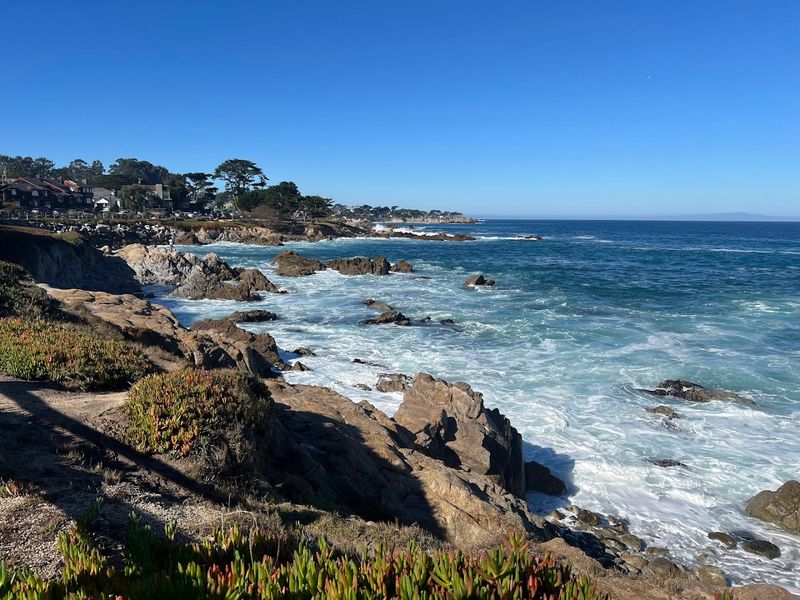
There are very few bike trails anywhere that put the Pacific Ocean directly at a rider’s side for the entire route, and the Monterey Bay Coastal Recreation Trail does exactly that.
Running about 18 miles along the waterfront from Castroville down to Pacific Grove, the path follows the contour of the bay so closely that sea spray is sometimes a genuine presence on windier days.
The views shift constantly, moving from sandy beaches to rocky coves to the working waterfront near Fisherman’s Wharf.
The trail surface is paved and generally flat, which makes it accessible for most fitness levels and family groups with younger riders.
Morning hours tend to offer the calmest wind conditions and softer light, which is worth keeping in mind for photographers or anyone who prefers a quieter atmosphere.
The stretch near Cannery Row can get busier during tourist season, but the sections closer to Pacific Grove feel noticeably more peaceful.
Bike rentals are available near the Monterey waterfront for visitors who prefer not to travel with their own equipment.
The trail connects to several public beaches and viewpoints, making it easy to pause and spend time at the water’s edge without losing the rhythm of the ride.
3. Bob Jones Trail, Avila Beach
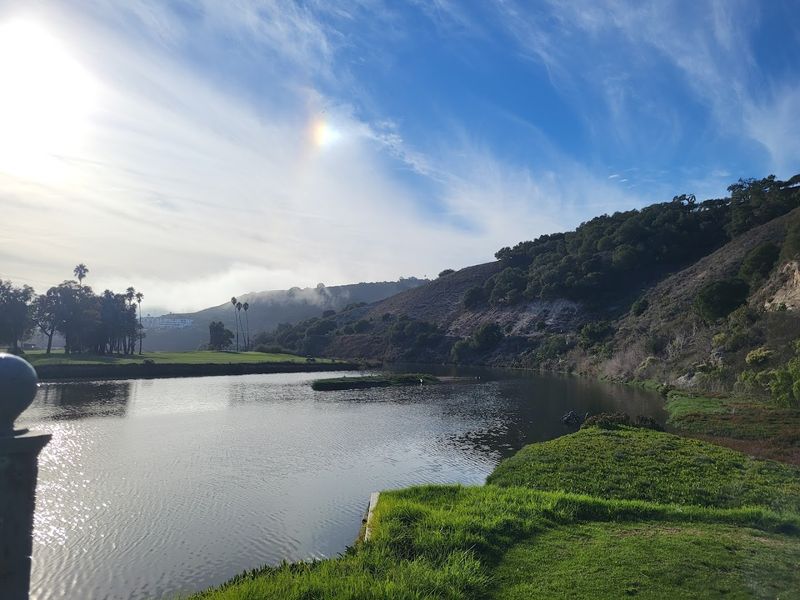
Tucked into the hills of San Luis Obispo County, the Bob Jones Trail offers one of the most pleasant creek-side cycling experiences on the Central Coast.
The trail runs approximately 3.5 miles one way, following San Luis Obispo Creek through a corridor of sycamore and willow trees that provides generous shade for most of the route.
The surface is paved and the grade is gentle enough that it feels more like a scenic roll than a workout.
Arriving at Avila Beach after riding the trail feels like a reward rather than a destination, with the small beach town offering restrooms, cafes, and a pleasant stretch of sand just steps from the trail’s end.
The route passes through natural areas where birds and small wildlife are frequently visible near the creek, adding a quiet, nature-walk quality to the experience.
Weekends tend to bring more families and casual riders, while weekday mornings offer a noticeably slower pace.
The trail is part of a longer planned cycling corridor that will eventually extend further, so the route already has a well-developed, well-signed feel that makes navigation straightforward.
Parking is available at both the San Luis Obispo and Avila Beach ends of the trail.
4. Napa Valley Vine Trail, Napa
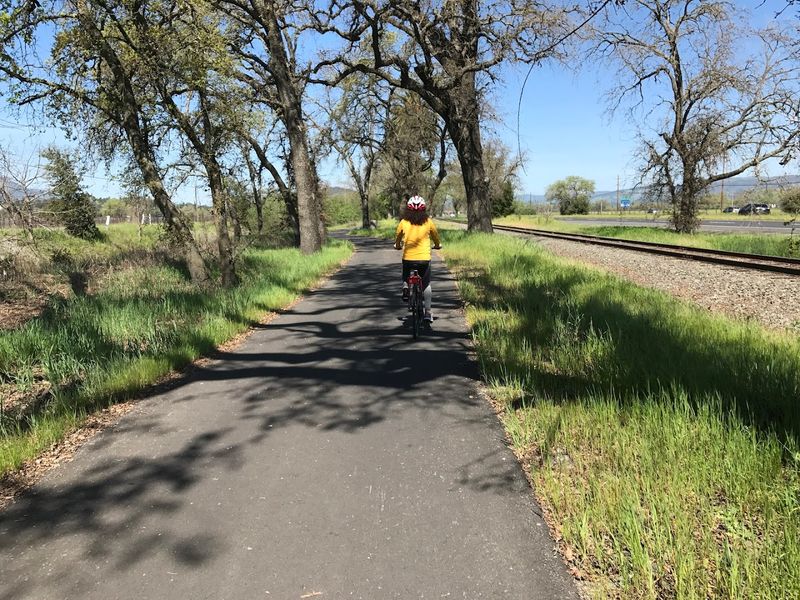
Riding through vineyard country at a comfortable pace, with rows of grapevines stretching toward distant hills on either side, is an experience that feels genuinely different from most urban or forest trails.
The Napa Valley Vine Trail is a multi-use path that currently spans about 12.5 miles between Napa and Yountville, with plans to eventually extend the full 47-mile corridor from Vallejo to Calistoga.
The surface is smooth asphalt, and the route is flat enough to suit casual riders who simply want to enjoy the scenery without grinding up climbs.
The trail passes through open agricultural land and small neighborhoods, offering a ground-level view of the valley that feels more intimate than anything seen from a car window.
Late spring and early fall tend to bring the most visually striking conditions, when the vines are either leafed out in bright green or turning toward amber and gold.
Mornings during those seasons carry a cooler, quieter quality that makes the ride feel almost meditative.
The route connects to downtown Napa and the town of Yountville, both of which have restrooms, water fountains, and food options within easy reach of the trailhead.
Bike-friendly infrastructure along the trail has improved steadily in recent years, making it more welcoming for first-time visitors.
5. Shasta Dam Trail, Shasta Lake
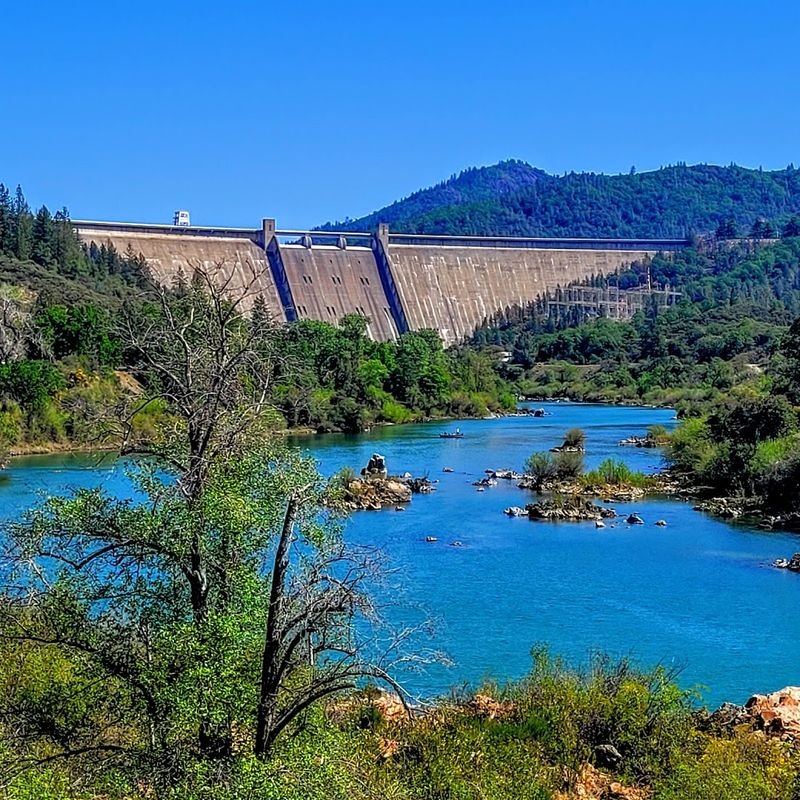
Not many bike trails in Northern California put one of the largest concrete dams in the United States directly in the frame, but the Shasta Dam Trail does exactly that.
Located near the town of Shasta Lake City, the trail offers views of Shasta Dam and the deep blue waters of Shasta Lake against a backdrop of forested ridgelines that stretches toward Mount Shasta on clear days.
The trail itself is a moderate out-and-back route that suits riders who enjoy a bit of elevation change mixed with dramatic scenery.
The area around the dam tends to be quieter than more heavily marketed destinations, which gives the ride a genuinely off-the-beaten-path quality that is harder to find in busier parts of the state.
Early morning light on the lake surface creates a reflective quality that photographers and casual observers alike tend to appreciate.
The surrounding terrain is dry and open during summer, so bringing enough water is important for rides during warmer months.
The dam itself is managed by the U.S. Bureau of Reclamation and public access to the surrounding area is available during daylight hours.
The trail connects to other paths in the greater Shasta area, giving riders options to extend the ride if the original route feels too short.
6. Santa Ana River Trail, Corona

Stretching across a wide, flat corridor through Southern California, the Santa Ana River Trail is one of the longest continuous paved cycling routes in the region.
The trail runs approximately 30 miles through Riverside and Orange counties, and the section near Corona offers a particularly open and uncrowded stretch that feels removed from the suburban density surrounding it.
The path follows the river levee, giving riders an unobstructed view of the San Gabriel Mountains to the north on clear days.
The surface is well-maintained paved asphalt, and the flat grade makes it suitable for riders of all experience levels including families with children on smaller bikes or trailers.
Early morning rides along the Corona section carry a calm, almost rural quality, with the sound of the river and birdsong carrying across the open channel.
The trail connects to several parks and community spaces along its length, making it easy to stop, stretch, and rehydrate without going far off-route.
Parking access is available at multiple points along the trail corridor, including near Green River Road and Hamner Avenue.
The trail is part of a larger network that eventually reaches Huntington Beach, so riders with more ambitious goals can plan longer point-to-point routes using the same connected infrastructure.
7. Truckee River Legacy Trail, Truckee
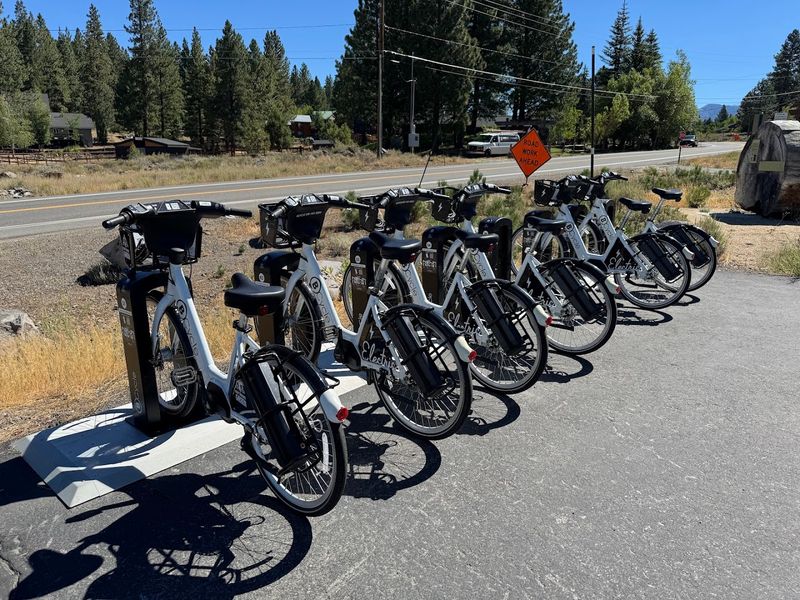
High-altitude cycling carries a different kind of energy, and the Truckee River Legacy Trail delivers that feeling at around 5,800 feet above sea level in the Sierra Nevada foothills.
The trail follows the Truckee River through a pine-scented canyon east of the town of Truckee, offering a mix of paved and improved surfaces that suit hybrid and mountain bikes particularly well.
The river runs alongside much of the route, and the sound of moving water is a near-constant companion on the ride.
Fall is a standout season for this trail, when aspens and willows along the riverbank shift to yellow and orange against the dark green of surrounding conifers.
Summer mornings bring cooler temperatures than most California lowland trails, which makes physical exertion feel noticeably more comfortable.
The trail corridor is shared with pedestrians and joggers, so maintaining a moderate speed and using a bell is good practice throughout.
The town of Truckee itself is worth exploring before or after a ride, with a historic downtown district offering food, coffee, and gear shops within a short distance of the trailhead.
The trail currently spans several miles with plans for expansion, and signage along the route is clear enough that navigation is rarely an issue for first-time visitors.
8. Bizz Johnson National Recreation Trail, Susanville
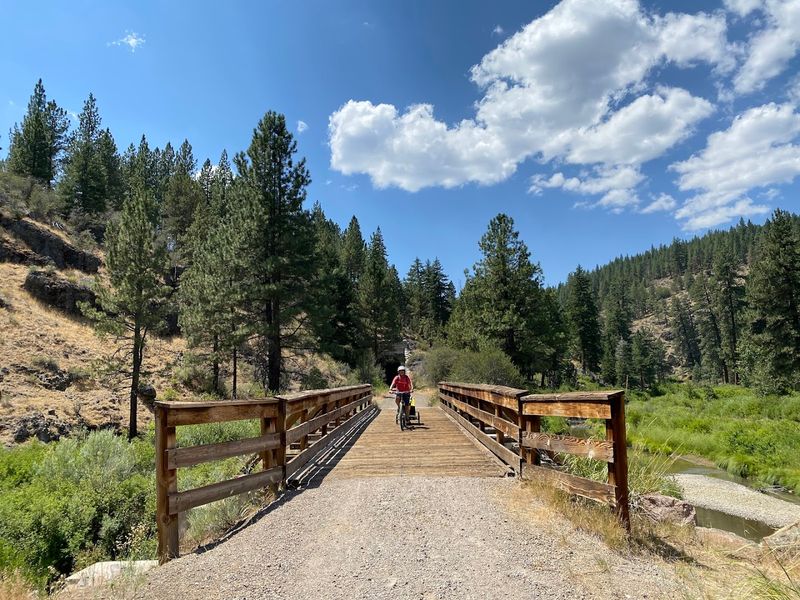
Built on the bed of an old railroad line, the Bizz Johnson National Recreation Trail carries a sense of history that most bike paths simply cannot offer.
Running about 25 miles through the Susan River Canyon between Susanville and Westwood in Lassen County, the trail passes through dense conifer forests, over old railroad trestles, and along dramatic canyon walls that rise sharply above the river below.
The surface is unpaved gravel and packed dirt, making it best suited for mountain bikes or gravel bikes with wider tires.
The remoteness of the trail is one of its most defining qualities, as the surrounding landscape sees relatively little traffic compared to more accessible cycling destinations in California.
Wildlife encounters are genuinely common here, with black bears, mule deer, and a wide variety of bird species documented along the corridor.
The canyon walls provide natural shade for portions of the route, which helps moderate temperatures during summer months.
The trail is managed by the Bureau of Land Management and the U.S. Forest Service, with trailheads located near Susanville and at the Mason Station area.
Riders planning a full out-and-back trip should prepare for a full day of riding, as the distance and terrain require more time and energy than a typical paved urban path.
9. Lake Tahoe East Shore Trail, Incline Village
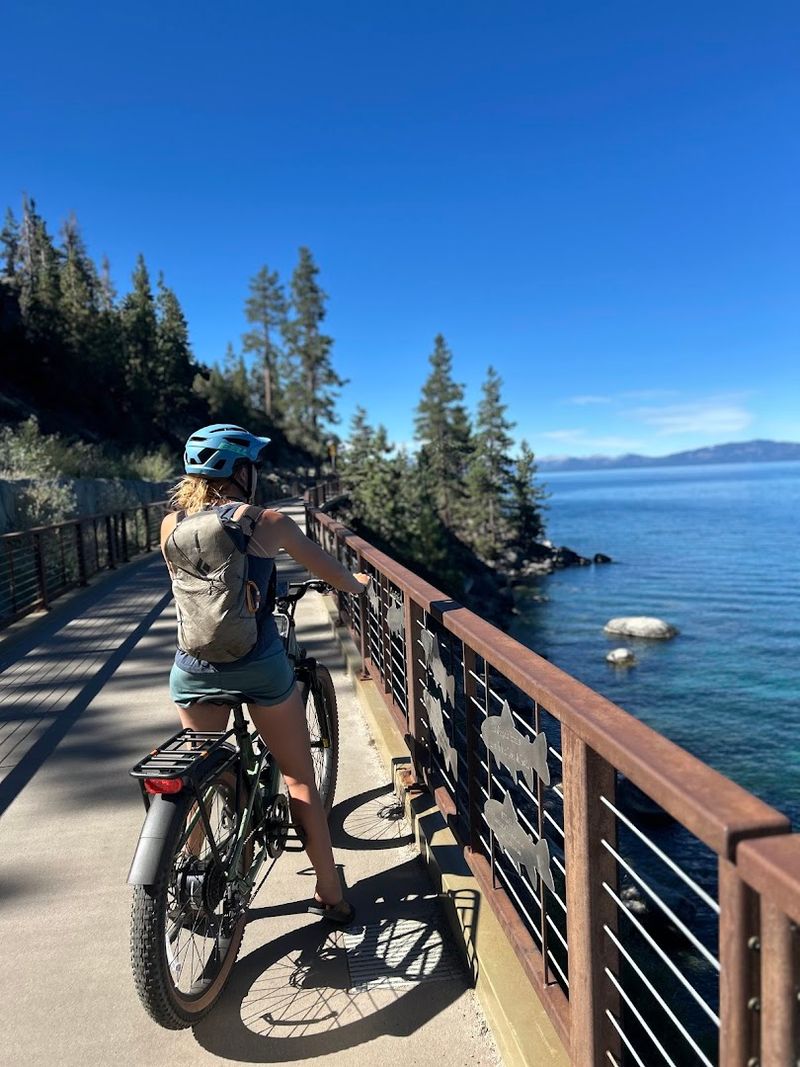
Crystal-clear water the color of a Caribbean bay sits just a few feet from the pavement on the Lake Tahoe East Shore Trail, which runs along one of the most visually striking shorelines in North America.
The trail stretches roughly 2.5 miles between Sand Harbor State Park and Incline Village, hugging the eastern edge of the lake at an elevation of around 6,200 feet.
The views across the lake toward the Sierra Nevada peaks on the California side are consistently stunning regardless of the season.
The trail surface is smooth paved asphalt and the route is relatively flat, making it accessible for casual riders and families who want the scenery without a demanding elevation profile.
Summer weekends bring noticeable crowds to the Sand Harbor area, so arriving early in the morning or visiting on a weekday significantly improves the experience.
The surrounding air carries the clean, pine-scented quality that the Lake Tahoe basin is known for, and the light off the water creates a brightness that makes even overcast days feel luminous.
Parking is available at Sand Harbor State Park, which charges a day-use fee during peak season.
The trail connects to a wider network of paths around the lake, giving riders options to extend the route in either direction depending on energy and time available.
10. Ojai Valley Trail, Ojai
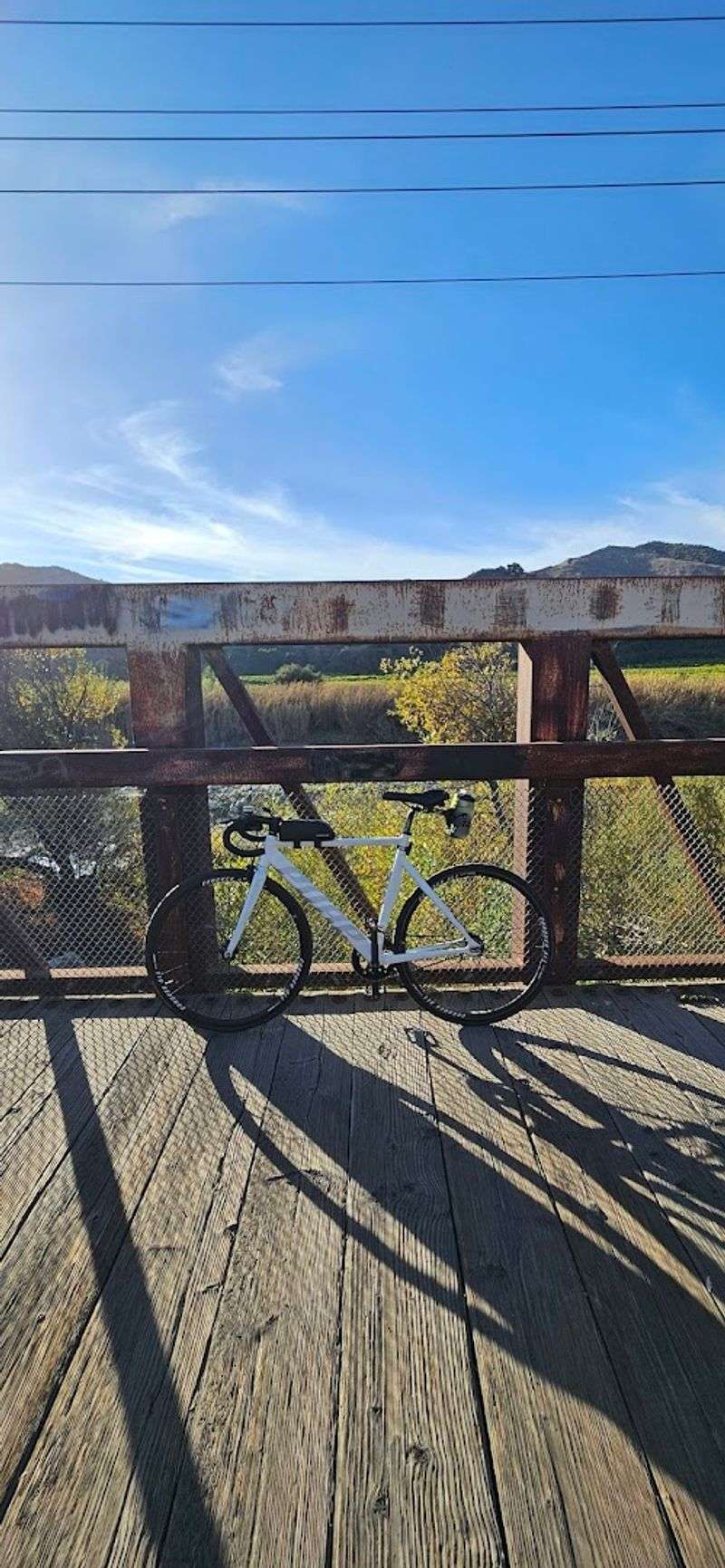
Warm afternoon light settles over the Ojai Valley in a way that photographers have chased for generations, and riding the Ojai Valley Trail puts that famous golden glow directly into the cycling experience.
The trail runs approximately 9.5 miles between the town of Ojai and the Ventura River trail connection near Foster Park, passing through citrus groves, open scrubland, and the quiet neighborhoods that line the valley floor.
The surface is paved and the terrain is gently rolling rather than flat, giving the ride a pleasant rhythm without demanding serious fitness.
The trail follows the route of a former Southern Pacific Railroad corridor, and remnants of that history are still visible in the grading and alignment of the path.
Ojai itself is a small arts-oriented town with a relaxed pace that makes it a natural starting point for a morning or afternoon ride.
The surrounding mountains frame the valley on multiple sides, creating a sense of being held within the landscape rather than simply passing through it.
The cooler months between October and April tend to offer the most comfortable riding temperatures, though the trail is open year-round.
Restrooms and water are available at several points along the route, and the town of Ojai provides easy access to food and supplies before or after the ride.