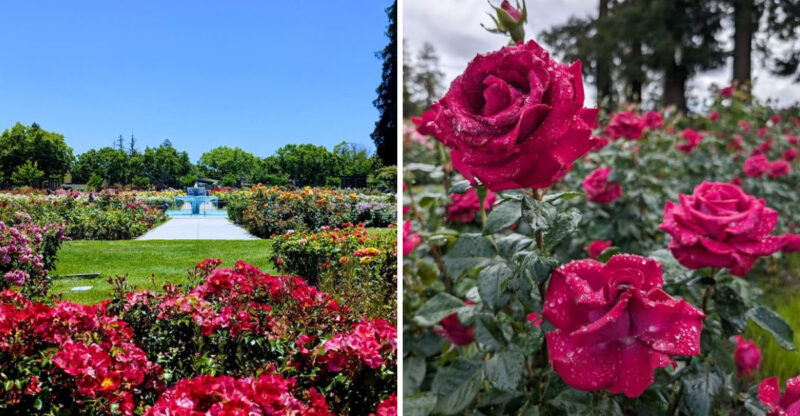
8 California Coastal Towns That Are Even Better After Summer Winds Down
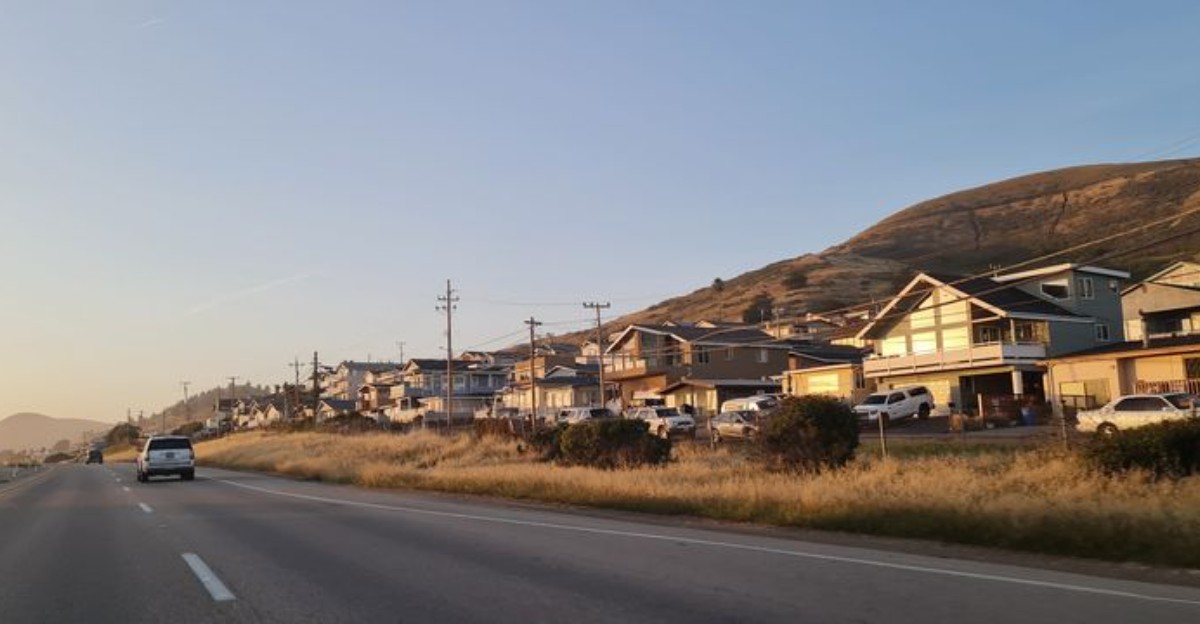
The coast gets a different personality once peak summer starts loosening its grip.
Parking becomes less of a strategy, sidewalks feel calmer, and the ocean finally gets some breathing room around it.
Small towns along California’s shoreline can be especially rewarding in early autumn, when the weather often stays pleasant but the busiest vacation weeks have passed.
These places are made for that in-between stretch.
You can browse local shops without squeezing through crowds or spend more time near the water simply because the day feels less hurried.
Nothing dramatic has to change for the experience to improve. Sometimes a coastal town just needs fewer people in it.
1. Mendocino
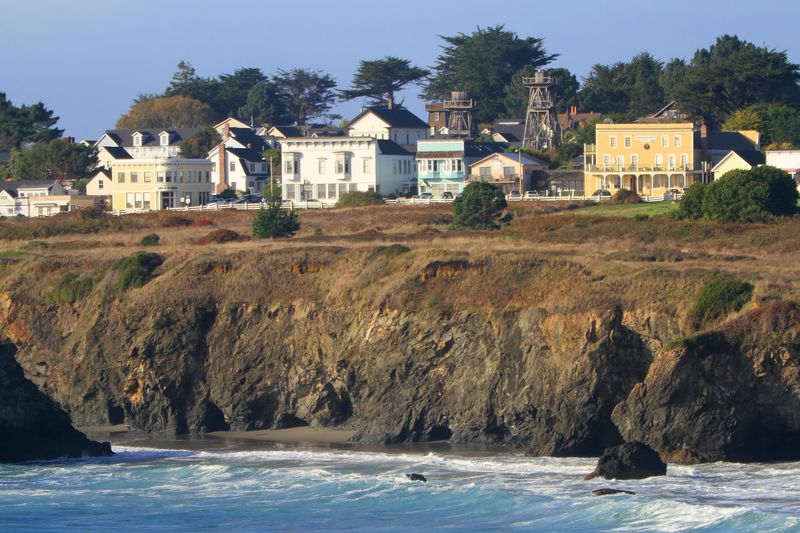
Perched on a grassy bluff high above the Pacific, this old lumber town looks more like coastal Maine than California, and that is exactly the point.
Nineteenth-century Victorians and wooden water towers line a main street barely a few blocks long.
Autumn is when the summer fog finally backs off. Clear skies open up over the headlands, and the cliffside trails that ring the village become the easiest walk in Northern California, with ocean on three sides.
Fall also kicks off mushroom season in the damp forests just inland, a quirky local tradition that draws foragers and fills restaurant menus with wild ingredients.
Nearby Anderson Valley hits its grape harvest around the same time, so wine tasting comes with the smell of crushed fruit in the air.
Lodging is the other big win. Inns that book solid in July loosen up considerably by October, and rates tend to soften along with them.
Pack layers no matter how sunny the forecast looks, because wind off the bluffs has a bite to it. Bring real walking shoes for the headland trails, which are dirt and sometimes muddy.
Come December, gray whales begin their southward migration past these cliffs, giving winter visitors their own reason to stand at the edge and stare.
Between the quiet, the clarity, and the drama of the water, Mendocino simply works better once summer clears out.
2. Carmel-by-the-Sea
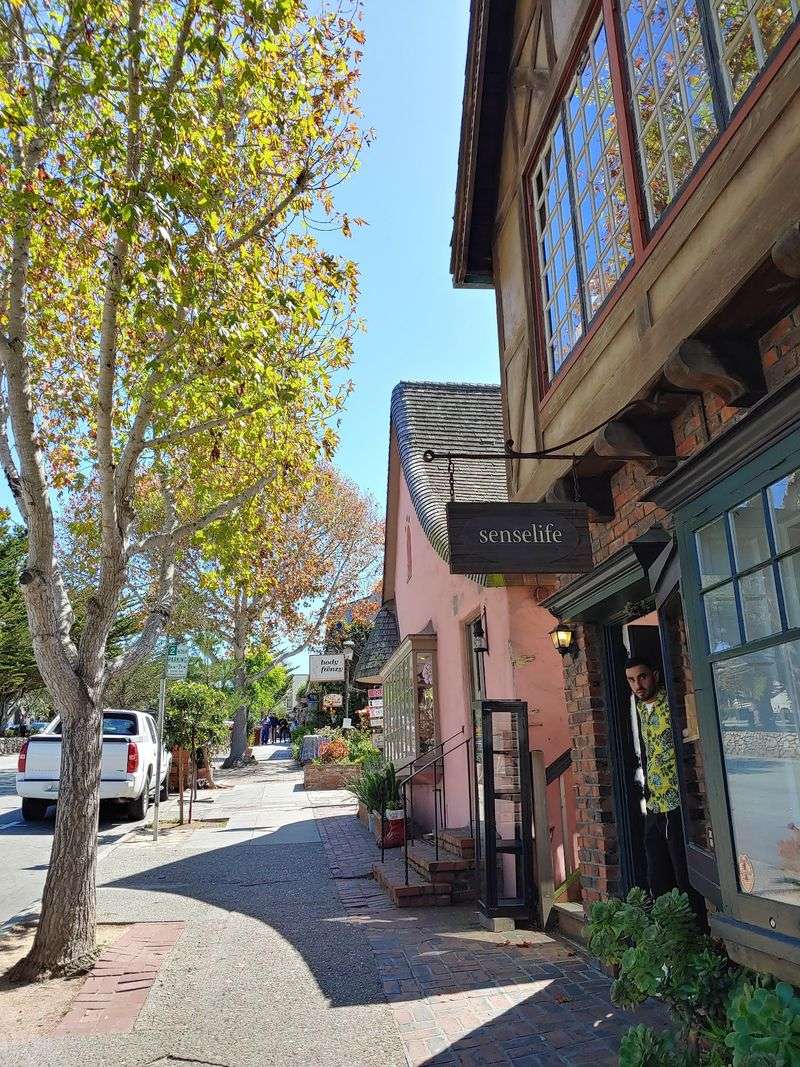
One square mile of fairy-tale cottages, hidden courtyards, and art galleries sits between a pine forest and a beach of powdery white sand.
Carmel packs an enormous amount of charm into a footprint you can cross on foot in twenty minutes.
Regulars around the Monterey Peninsula call September and October the secret summer, and they are not exaggerating.
Daytime highs climb into the low 70s, the coastal fog mostly stays offshore, and the sunshine finally sticks around all afternoon instead of burning through at noon.
That weather changes everything about how the town feels.
Courtyard patios that were shoulder-to-shoulder in July suddenly have open tables, gallery browsing becomes unhurried, and sunset on the beach turns into a genuinely peaceful event rather than a scramble for a spot on the sand.
Wear comfortable shoes, since the streets slope and the sidewalks are uneven by design. Bring a jacket for evening, when the temperature drops fast once the sun goes down.
Winter has its own appeal here. Mild days make for quiet beach walks, and gray whale watching runs from December through April with the busiest stretches in January and March.
Spring gives you cool, sunny mornings before the summer fog rolls back in. Still, if you want Carmel at its absolute warmest and most relaxed, aim for those first weeks after the summer crowds finally clear out.
3. Cambria
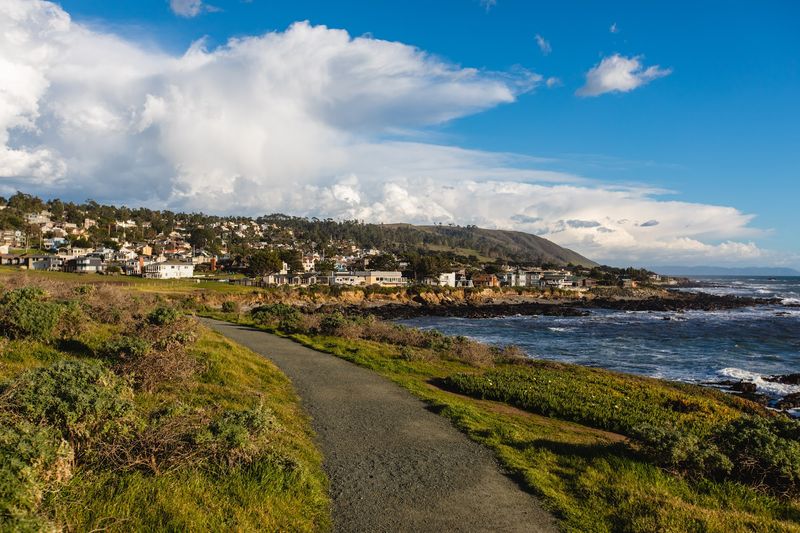
Over 450 handmade scarecrows take over this Central Coast village every October, propped up outside shops, hotels, and front porches all over town.
It is delightfully strange, entirely homemade, and reason enough to plan a fall trip.
Cambria sits in a pocket of Monterey pines right where the forest meets the sea.
Moonstone Beach runs along the edge of town with a wooden boardwalk above the sand, and the main street is stocked with independent boutiques rather than chain storefronts.
September and October bring some of the warmest temperatures Cambria sees all year, paired with far fewer visitors than the summer months.
Walking the boardwalk at that time of year, you can go long stretches without passing anyone.
Winter stays mild, and the village lights up for the holidays while nearby Hearst Castle gets decorated for the season. If you time it right, the drive up Highway 1 alone justifies the trip.
Just north of the castle, the elephant seal rookery reaches peak drama from December through February when breeding and pupping season is underway. Viewing platforms make it easy, and there is no admission charge.
Spring rounds things out with green hills and wildflowers spilling across the coastal ranges.
Bring binoculars, a windbreaker, and an appetite. Cambria rewards slow travel more than checklist sightseeing, and off-season is when the town gives you room to actually slow down.
4. Cayucos
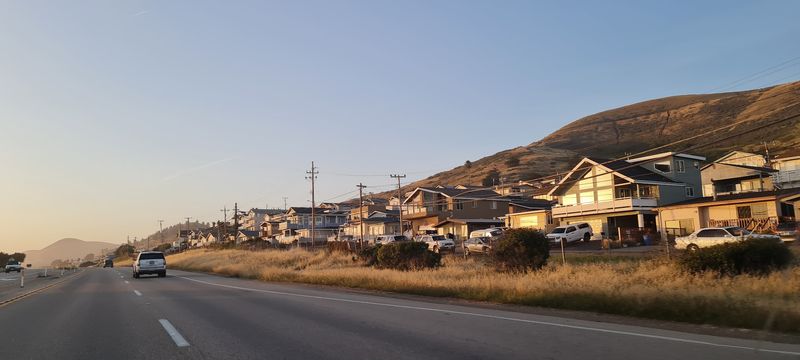
No boardwalk arcade, no resort towers, no valet parking. Cayucos is a beach town that never got around to reinventing itself, and everyone who goes there is grateful for it.
A historic wooden pier juts out into Estero Bay, and the downtown along Ocean Avenue still wears its Western-style storefronts like it is 1890.
Shoreline stretches out uninterrupted in both directions, which means finding your own patch of sand is never a problem.
Fall is when the town hits its stride. Surf turns calm, the summer marine layer stops showing up in the mornings, and sunny beach days arrive with almost nobody competing for them.
Sunsets in autumn get genuinely spectacular here, the kind that make everyone on the pier stop mid-conversation. The slow rhythm the town is known for returns the moment the summer visitors head home.
Winter stays mild and turns Cayucos into a wildlife town. Sea lions haul out nearby, elephant seals birth their pups up the coast, dolphins cruise past regularly, and gray whales migrate through from December into April.
Hiking, biking, and kayaking all work well through the cooler months since the weather rarely turns nasty. Spring generally delivers fog-free days, hillsides gone green, and wildflowers along the bluffs.
Come hungry, wear something with a hood, and plan to do very little. That is more or less the whole assignment in Cayucos.
5. Half Moon Bay
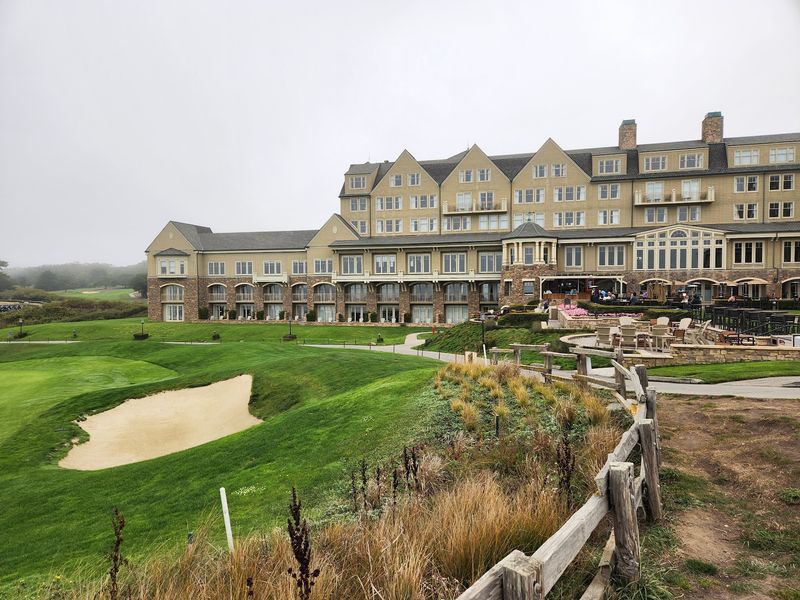
Pumpkins. Thousands upon thousands of them, spread across coastal fields that sit within sight of the Pacific.
Half Moon Bay does autumn harder than any other town on this list, and it has the traffic every October to prove it.
The Art and Pumpkin Festival is the headliner, drawing enormous crowds for one weekend, but the pumpkin patches themselves run all month and are easy to visit on a quiet weekday instead.
Beyond the gourds, the town has a working harbor lined with fishing boats and seafood counters, plus a historic Main Street packed with small shops.
Dramatic cliffs run north and south, with a paved coastal trail connecting long stretches of beach.
September through November is the sweet spot. Summer here is famously foggy and cool, so the arrival of clear skies and milder afternoons in fall feels like a reward for waiting.
Sunsets during those months are absurdly good, and with fewer people around, the bluff-top viewpoints are yours.
Do bring warm layers regardless of season. Coastal San Mateo County keeps a sweater handy year-round, and evenings cool off in a hurry once the sun drops.
Spring, roughly March through May, is the other strong option, with wildflowers and green hillsides rolling toward the water.
If you want the ocean, the farm stands, and the small-town feel all at once, though, October is hard to beat.
6. Pacific Grove
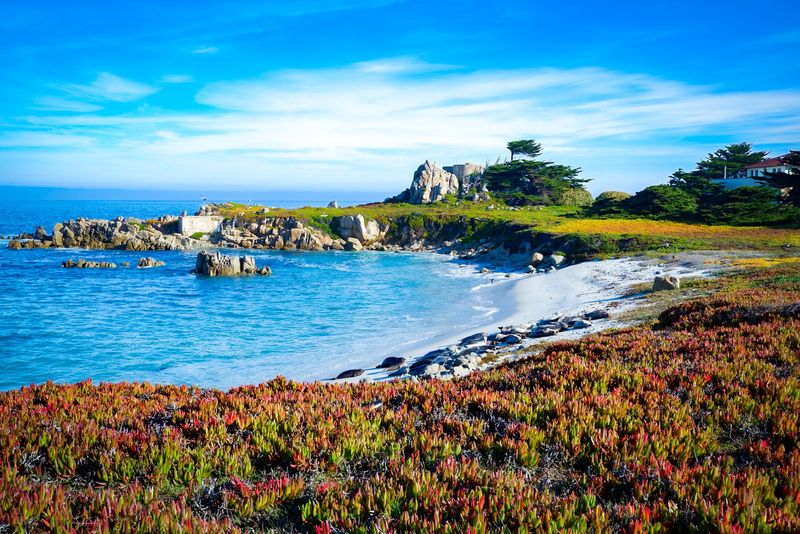
Butterfly Town USA is not a marketing slogan somebody dreamed up last year.
Pacific Grove has protected its monarchs for generations, and starting in late October, thousands of them arrive at the Monarch Butterfly Sanctuary and hang in clusters from the eucalyptus branches.
Seeing it in person is quieter than you expect. The clusters look like dried leaves until sunlight hits them and the whole mass shivers into orange.
The town wrapped around that sanctuary is worth the visit on its own.
Victorian homes line residential streets on the tip of the Monterey Peninsula, a historic lighthouse anchors the point, and a rocky shoreline trail curves along the water for miles.
Weather-wise, the stretch from June through November is the peninsula’s best run, with warm temperatures, low humidity, and lots of sunshine.
September is typically the hottest month, though hottest here means an average high around 68 degrees.
September and October deliver that same secret summer effect the rest of the peninsula enjoys, with sunny days and noticeably lighter crowds. Oceanfront paths stay peaceful, and parking gets easier.
Winters turn cool and damp but rarely harsh, so a visit in January is still perfectly comfortable with a rain jacket.
Ride a bike along the shoreline if you can. The recreation trail hugs the coast and gives you tide pools, cypress trees, and crashing surf without ever climbing a serious hill.
7. Capitola
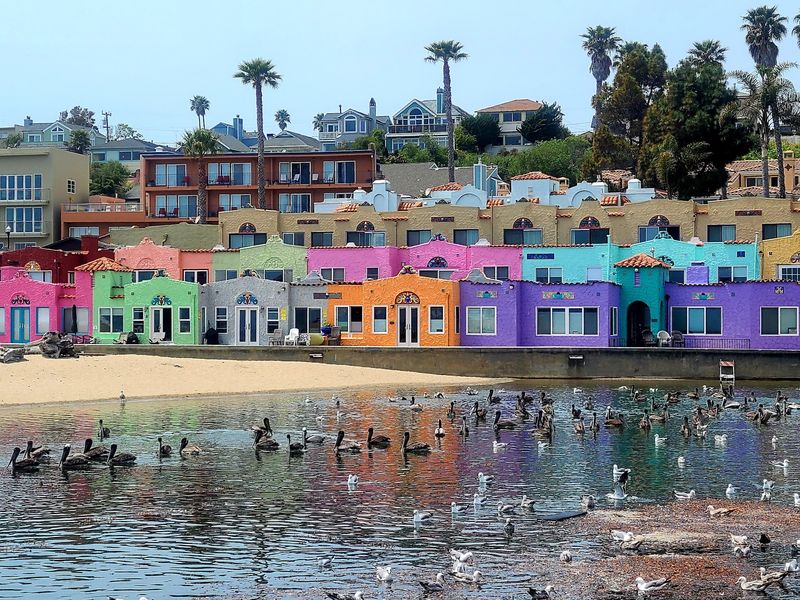
Rows of candy-colored cottages stack up right against the sand here, painted in shades that would look ridiculous anywhere else and somehow look perfect in Capitola.
The Venetian-style buildings have been a landmark on Monterey Bay for around a century.
Soquel Creek runs straight through the village and empties onto the beach, with a historic wharf reaching out into the bay. Everything sits within a few blocks, so you can park once and forget the car.
September and October are the sweet spot. Temperatures settle into the high 60s, morning fog usually burns off by late morning, and the air turns crisp and clear in a way it never quite does in August.
Ocean water is also at its warmest of the year in early fall, which surprises first-timers who assume July is the swimming month. Beach temperatures follow the same pattern.
September brings the Arts and Crafts Festival to the village, and seasonal art and wine gatherings keep the calendar interesting through autumn.
Parking, the eternal Capitola headache, becomes almost civilized compared to peak summer weekends.
Dining along the water is the main event in the evening, with tables that look straight out at the bay.
Spring works well too, with mild weather and smaller crowds.
Winter visits are the quietest of all, and room rates drop enough to make a spontaneous weekend surprisingly affordable.
8. Bodega Bay
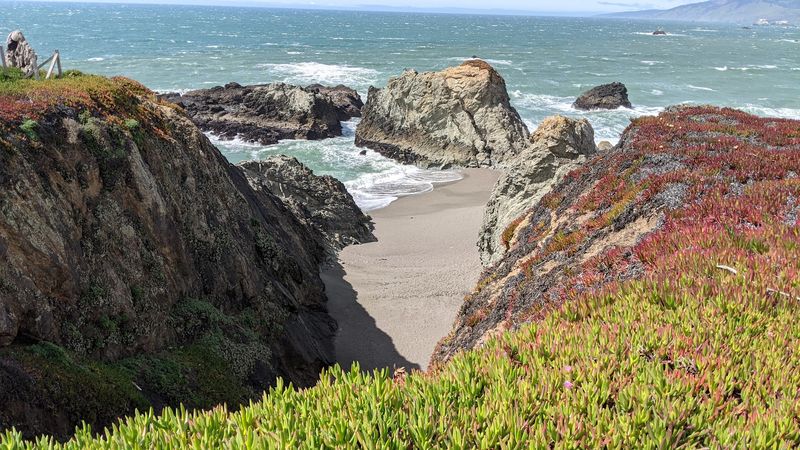
Alfred Hitchcock filmed The Birds up this way, and the town has never quite shaken the association. Fitting, since autumn happens to be the best time of year to watch actual birds pour through on migration.
Bodega Bay is a working fishing harbor tucked behind headland bluffs on the Sonoma coast. Boats come and go all day, seafood shacks line the shore, and the whole place smells faintly of salt and fryer oil in the best possible way.
August through October brings the warmest, clearest weather of the year here.
Foggy mornings become rare, winds calm down, and the protected water inside the harbor turns ideal for kayaking and paddleboarding.
September also starts whale migration season. Humpbacks sometimes appear from Bodega Head, and gray whales become the likelier sighting by December and January.
Inland, Sonoma County is deep into grape harvest at the same time, so restaurants around the bay lean into seasonal menus built around what just came out of the fields and off the boats.
Winter is the quietest stretch and belongs to storm watchers, who come for big waves and moody coastal scenery. Gray whale season stretches from January into May.
Bring binoculars and a windproof jacket. Bodega Head is exposed, and the wind up there does not care how nice the forecast looked.