A Rare Sea Turtle Nest Was Just Discovered On A California Beach, Marking Only The Third Such Event In West Coast History
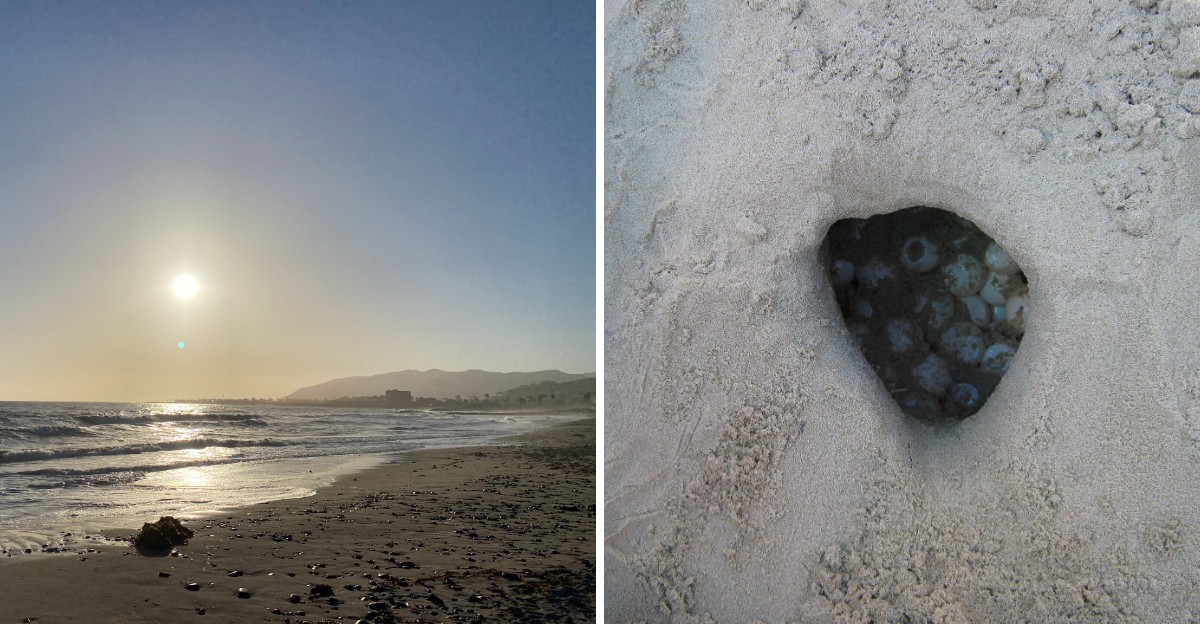
A sea turtle built a nest in the sand between a busy boardwalk and the waves. That happened right beside a popular pier, with joggers and bikes rolling past.
The mother was an olive ridley, the smallest sea turtle species on Earth.
Her usual nesting beaches sit far south in places like Mexico and Costa Rica. So why pick a beach in California?
I love that a passerby spotted it and called it in. I believe ordinary beach walkers are some of nature’s best lookouts.
Officials quickly roped off the site, and now the waiting game has begun.
Only two other natural sea turtle nests have ever been documented on the U.S. West Coast. Both appeared this fall, just weeks earlier.
A Turtle Picked This Beach, And History Took Notice
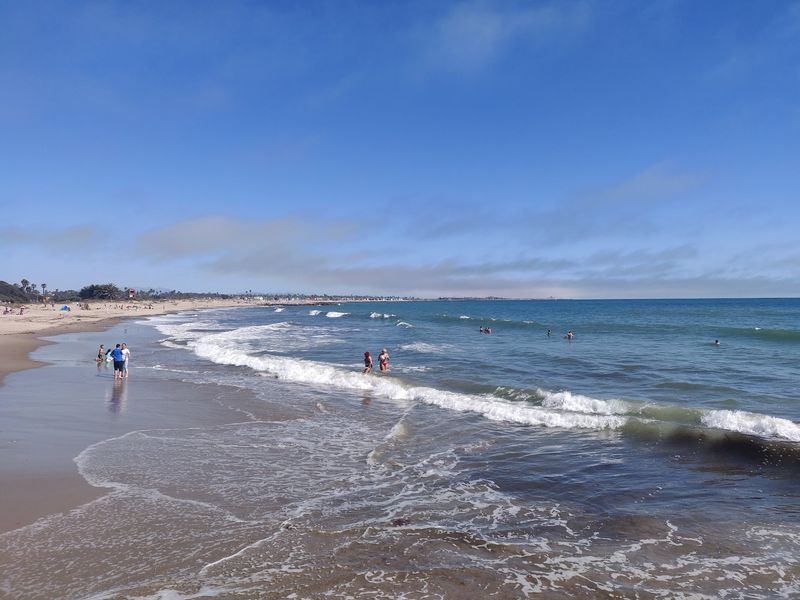
History rarely shows up on a sandy beach with flippers. On Sunday, November 1st, it did exactly that at San Buenaventura State Beach in Ventura.
A passerby spotted the nest that day and reported it to California State Parks. The nest belongs to an olive ridley sea turtle, a species better known for tropical shores.
The find counts as only the third documented natural sea turtle nest on the entire U.S. West Coast.
It’s also the first natural nesting ever recorded in Ventura County.
That’s a big headline for a beach better known for picnics, surfing, and sunsets. San Buenaventura State Beach suddenly holds a spot in conservation record books.
Timing makes it even more remarkable. The two earlier nests appeared in Orange County only weeks before, in September.
So three nests showed up in one season after none had ever been documented. Scientists are paying close attention, and frankly, so should we.
Here’s my advice if you visit soon. Bring curiosity and patience, not a shovel or a selfie stick aimed at the sand.
The best way to enjoy this moment is from a respectful distance. Watching history quietly still counts as being part of it.
Meet The Smallest Sea Turtle With A Very Big Travel Plan
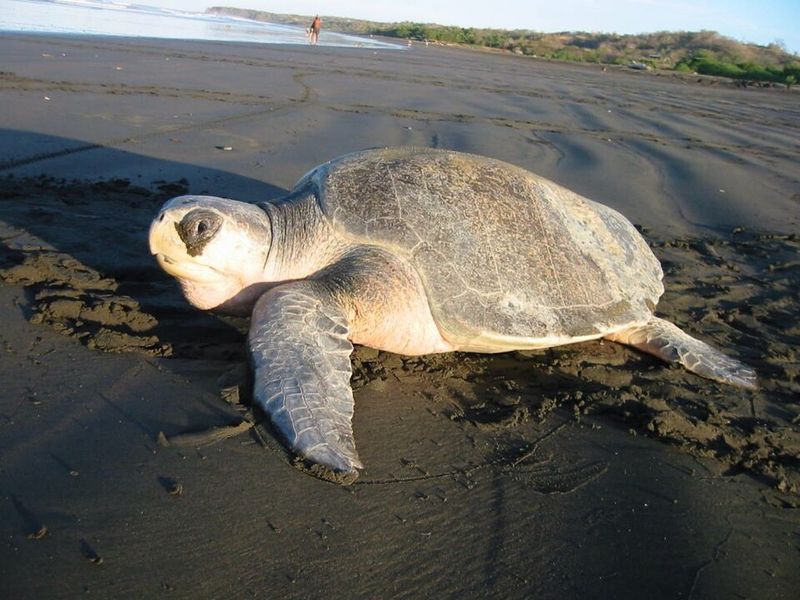
Small is relative when you weigh around 100 pounds. Olive ridley sea turtles are still the smallest sea turtle species in the world.
Adults usually measure about 2.5 to 3 feet long. Their name comes from the olive color of their shells, which feels fair and very practical.
These turtles usually live in warm tropical waters. You’ll find them across the Pacific, Indian, and Atlantic Oceans.
Their main nesting grounds sit in Mexico, Nicaragua, Costa Rica, and Panama. Ventura, California, was definitely not on the usual itinerary.
Populations nesting on Mexico’s Pacific coast are listed as endangered under the U.S. Endangered Species Act. That status makes every nest a meaningful event.
The scientific name is Lepidochelys olivacea. Try saying that three times fast while standing on warm sand.
Knowing the species helps you appreciate the news even more. A tropical turtle chose a Southern California beach to lay her eggs.
I find that wildly impressive. It’s like a houseguest arriving from another country and picking your couch as the perfect spot.
Next time you look out at the Ventura waves, remember who might be swimming nearby. The ocean here just got a little more interesting.
Warm Water Rolled Out The Welcome Mat
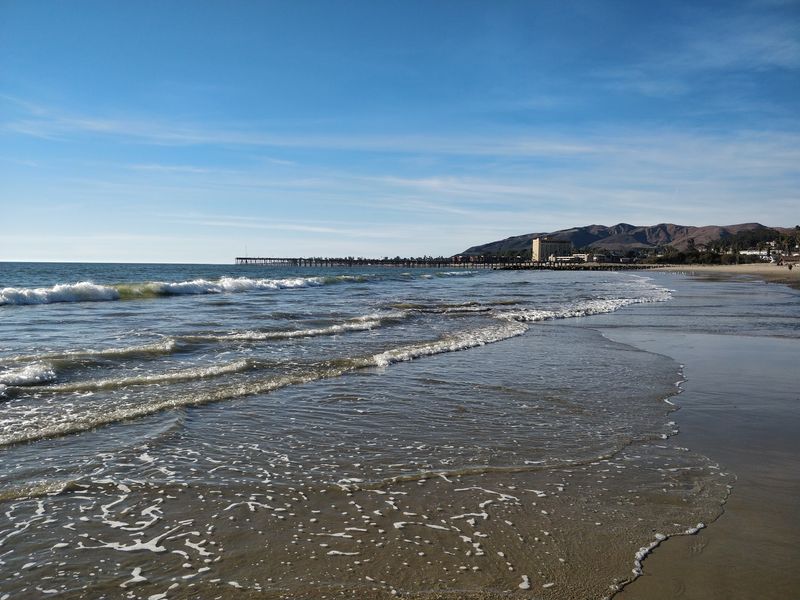
Blame the weather, in the best possible way. Experts point to an extreme marine heatwave and a strong El Niño as the main reasons for this northward nesting.
Those conditions pushed Southern California ocean temperatures higher than usual. The water started feeling closer to the turtles’ tropical nesting habitats.
To a sea turtle, warm water sends a clear signal. It can mean a place seems comfortable enough for laying eggs.
Those unusually warm ocean conditions may help explain why three nests appeared along the coast in one season.
It’s a neat lesson in how connected the ocean really is. A shift in temperature can redraw a turtle’s map almost overnight.
Kids especially might enjoy this angle. It turns a beach day into a real science story about currents, climate, and animal behavior.
Want to make it a learning trip? Talk about El Niño while walking the paved path along San Buenaventura State Beach.
You’ll be standing beside a living example of ocean science. That beats a textbook diagram any day of the week.
The Nest Sits Closer To The Boardwalk Than You’d Guess
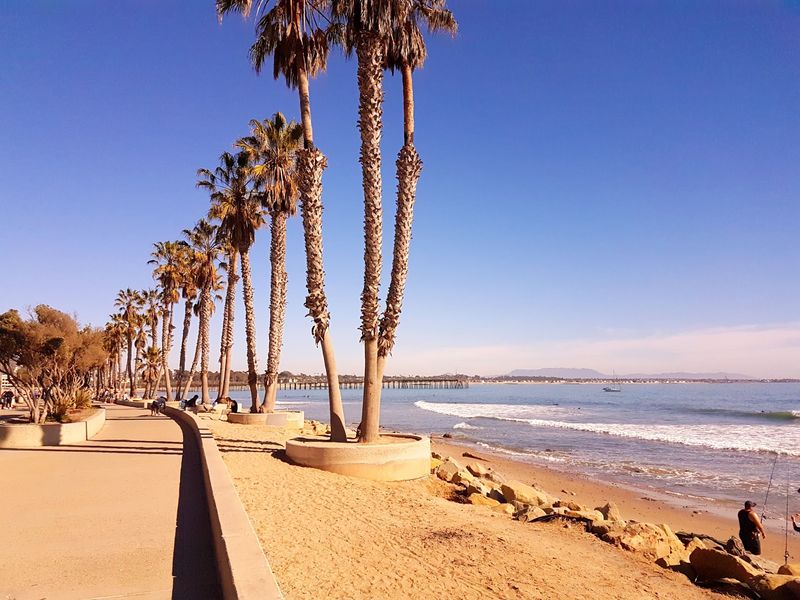
Location is everything, and this turtle chose a front-row seat. The nest sits between the shoreline and the boardwalk, near the Ventura Pier.
That’s a busy stretch for a beach. People bike, stroll, and jog along the paths that run beside the sand.
California State Parks and the U.S. Fish and Wildlife Service have cordoned off the nesting site. Those barriers aren’t decoration, so please treat them seriously.
Officials ask the public to keep a respectful distance. Staying back protects the eggs from footsteps, pets, and curious hands.
Dogs deserve a quick mention here. State Parks generally keeps dogs off the sand at this beach, which helps nests like this one.
If you’re bringing kids, explain the rules before you arrive. A short talk now can prevent a lot of tugging toward the ropes later.
Binoculars might be your best accessory. You can respect the boundary and still feel close to the action.
Honestly, there’s something charming about this placement. A wild turtle nest now shares the neighborhood with snack bars and bike paths.
No Moving Day For These Eggs
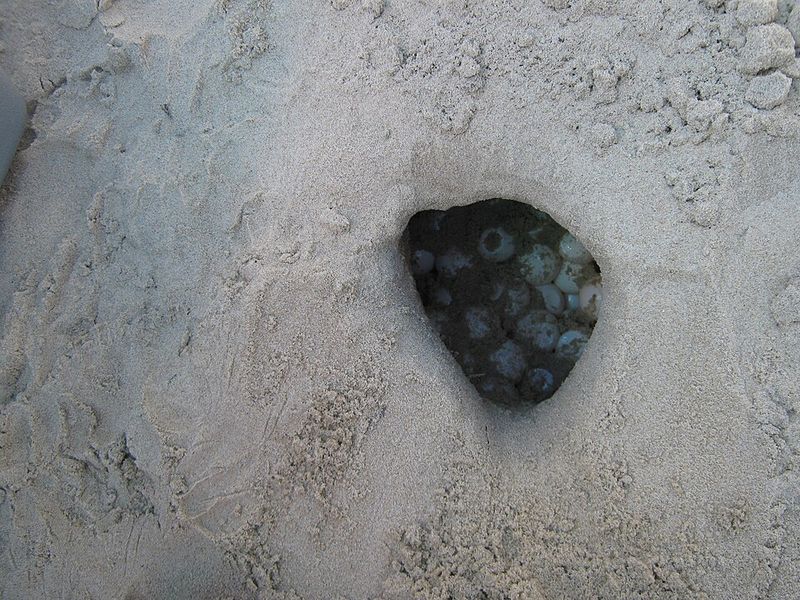
Some eggs get a road trip. These ones are staying put.
The U.S. Fish and Wildlife Service plans to protect and monitor the Ventura nest in situ. That’s a scientific way of saying right where the mother left it.
Officials favor minimally intrusive conservation methods here. Right now, there are no plans to relocate the eggs.
Compare that with the Orange County nests from September. Those eggs moved to the Aquarium of the Pacific in Long Beach on September 25.
Officials made that call because of high tides and hazardous surf from Hurricane Polo. Safety came first, so the eggs incubated indoors instead.
The Ventura nest gets a different approach. Nature handles the heating, while trained eyes keep watch.
I like this plan a lot. It lets the process unfold the way it would on a tropical beach.
For visitors, it means the nest remains part of the beach scene. You won’t see the eggs, but you’ll know they’re there.
That quiet knowledge changes a simple walk. Every step on the boardwalk passes something wonderfully rare.
Mark Your Calendar For A Very Slow Countdown
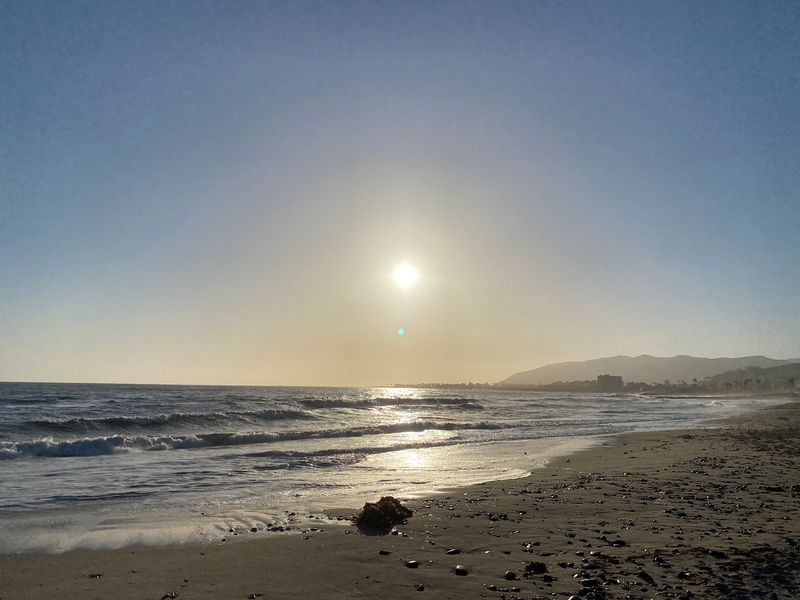
Patience is the name of the game. Olive ridley eggs usually incubate for 45 to 60 days.
The nest appeared on November 1st. So any hatching would likely land somewhere in mid-December to early January.
That’s a holiday-season mystery with real suspense. Nobody can promise a date, and nature doesn’t send invitations.
Officials will keep monitoring the site throughout the incubation period. Their job is to give these eggs the best possible chance.
Here’s a smart tip for locals and visitors. Watch for updates from California State Parks rather than guessing on your own.
If hatchlings do emerge, they’ll face a long swim. Olive ridleys belong in warm waters, so their journey matters.
A local resident named Julie Scorsatto Weyers encountered the nest on Tuesday, two days after it appeared. Neighbors noticing and caring is part of this story too.
For now, the waiting continues under the sand. Somewhere below those ropes, tiny turtles may be getting ready.
I’m rooting for them. It would be a perfect ending to an already remarkable year for California’s coast.
Your Beach Day Still Has Plenty On The Menu
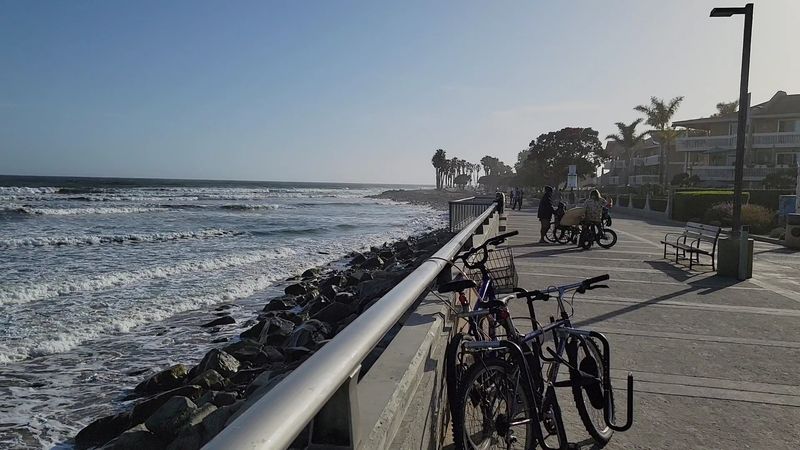
Turtle news aside, this beach was already a great hangout. San Buenaventura State Beach offers swimming, surfing, picnic sites, bike paths, and a snack bar.
There’s also a rental shop for bikes. A paved path runs along the coast and passes under the Ventura Pier.
Volleyball courts give active groups something to do. A grassy picnic area makes lunch easy before or after your walk.
Lifeguards patrol the beach, which adds peace of mind for families. Outdoor showers help rinse off sandy feet before the drive home.
Wooden walkways lead toward the sand. They save you from trudging across hot sand on sunny afternoons. Plan around the hours. The state beach is open daily from 7 a.m. until sunset.
You’ll pay a day-use fee to park in the lot. Bring a hat or umbrella, since shade is limited near picnic tables and sand.
Mixing turtle-watching with a full beach day is easy here. Ride, picnic, swim, and then admire the roped-off nest from a distance. That’s a pretty fine way to spend a California afternoon.
The Pier Next Door Adds Extra Charm
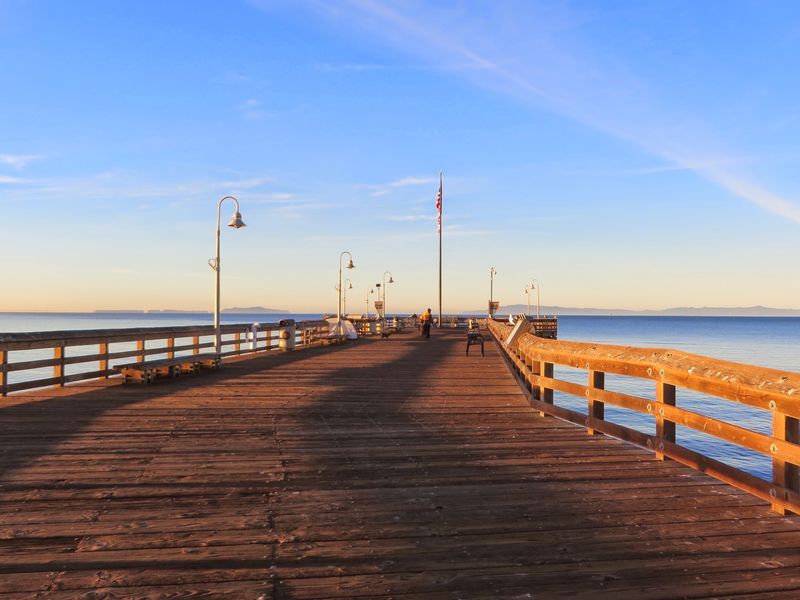
Few nests can brag about a pier for a neighbor. The Ventura Pier stands right near the protected site.
That makes it a handy landmark if you’re trying to find the area. Head toward the pier, then stay mindful of the ropes along the sand.
The pier itself makes a lovely walk. You can look back toward the shoreline and see the beach from a fresh angle.
Sunsets here are a big draw. The western view over the Pacific feels made for slow evenings.
The coastal path connects the state beach and the pier. Walking or biking between them is simple and scenic.
Keep an eye on the water too. Dolphins sometimes show up offshore, and spotting one feels like bonus points.
I love how this spot blends town life with wild surprises. One minute it’s a classic pier stroll, the next it’s a conservation milestone.
Bring a light jacket for evening breezes. Even sunny Ventura days can cool down once the sun drops. Pair the pier and the nest in one visit. They make a memorable combo.
How To Visit Without Being That Person
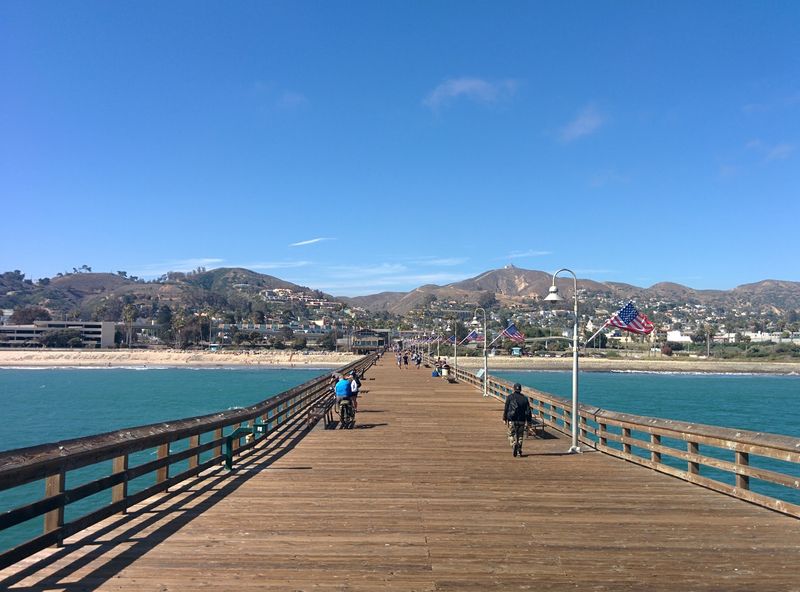
Good beach manners just became extra important. Everyone wants a peek, but the turtles need calm more than an audience.
Start with directions. San Buenaventura State Beach is at 901 San Pedro St, Ventura, CA 93001.
Once there, follow posted signs and stay outside the cordoned area. Officials have made the boundary clear for a reason.
Keep pets leashed and in allowed areas. Leave the sand near the nest undisturbed, even if it looks totally ordinary.
Avoid shining bright lights near the site after dark. Quiet, distant viewing is the kindest choice.
Share the news, but share it wisely. Encourage friends to respect the space when they visit California’s newest celebrity.
Spot something unusual on the beach? Report it to State Parks, just like the passerby who first noticed this nest.
That single call helped protect a piece of West Coast history. Anyone can be that helpful beachgoer.
Leave only footprints on the paths, not near the ropes. Take home photos, stories, and maybe a new love for sea turtles. Honestly, being a good neighbor to a turtle feels pretty great.