10 California Corners Of The State That Feel Nothing Like The California Stereotype
California gets flattened into the same old postcard too often.
Palm trees. Traffic. Beaches. Movie signs. Smoothie cups. Fine, those things exist. But they are not the whole story.
Go far enough in the right direction, and the state starts changing personalities fast.
One corner feels alpine and quiet. Another looks rugged and almost stubbornly unglamorous.
Desert towns move at their own speed. Farming valleys and gold-rush streets all push back against the same tired image.
This is California after the brochure stops trying so hard.
These places are not trying to perform anyone’s idea of the state. They feel older, calmer, dustier, or more small-town than people expect. That surprise is the good stuff.
A weekend in one of these corners can make the stereotype feel lazy.
The real California has more accents than the movies usually bother to give it.
1. Lava Beds National Monument, Tulelake
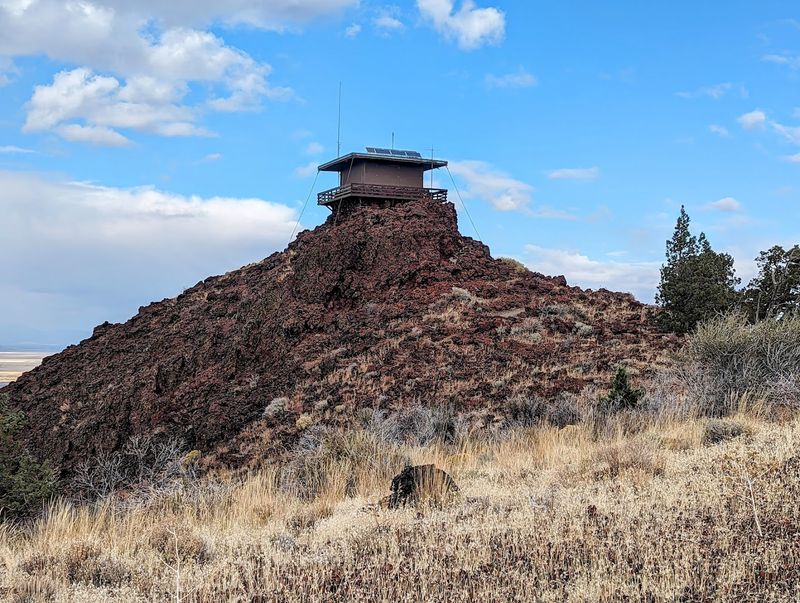
Far northeastern California holds a landscape so raw and otherworldly that first-time visitors often stop in their tracks just to take it all in.
Lava Beds National Monument sits in a high desert setting near Tulelake, where hundreds of lava tube caves cut beneath the surface like a hidden underground maze.
The park is managed by the National Park Service and sits at an elevation that keeps summers mild and winters genuinely cold.
Walking through the caves requires a flashlight and some willingness to crouch and crawl through narrow passages.
Above ground, the terrain is covered in dark volcanic rock, sagebrush, and wide-open skies that feel nothing like coastal California.
The Modoc War was also fought here in the 1870s, and the battlefield sites add a sobering layer of history to the visit.
Weekdays tend to be far quieter than weekends, and the monument sees far fewer visitors than more famous California parks.
Camping is available on-site, and the dark skies at night make stargazing genuinely impressive. Bringing sturdy shoes and layered clothing is strongly recommended regardless of the season.
2. Lassen Volcanic National Park, Shasta Cascade
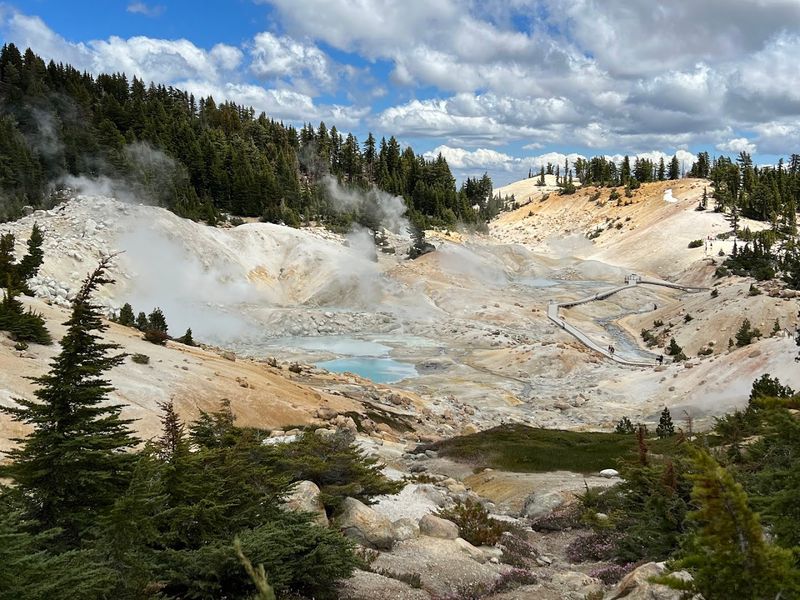
Bubbling mud pots, hissing fumaroles, and a still-active volcano are not what most people expect to find in California.
Lassen Volcanic National Park sits in the Shasta Cascade region and contains all four types of volcanoes found on Earth, which is something almost no other place on the planet can claim.
The landscape shifts dramatically depending on elevation and season, ranging from snow-covered peaks in spring to dry alpine meadows by late summer.
Bumpass Hell is one of the most visited hydrothermal areas in the park and offers a boardwalk trail through steaming vents and boiling pools.
The smells, sounds, and colors there are genuinely unlike anything found elsewhere in the state.
Lassen Peak itself last erupted between 1914 and 1921, and the evidence of that activity is still clearly visible across the terrain.
The park road typically closes for much of the winter due to heavy snowfall, so checking road conditions before visiting is essential.
Summit Lake and Manzanita Lake offer calmer experiences with beautiful reflections and good wildlife-watching opportunities.
Crowds are lighter here than at Yosemite, making it a more peaceful choice for those who prefer uncrowded trails.
3. Mount Shasta City, Siskiyou County
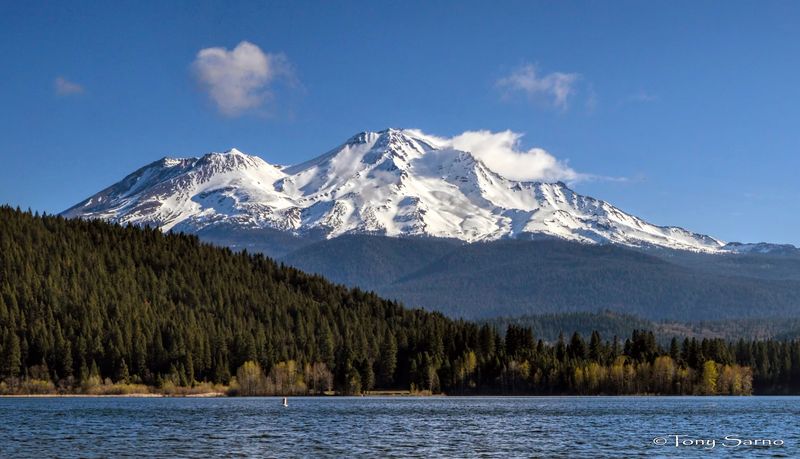
Driving north on Interstate 5 through the upper reaches of California, the moment Mount Shasta comes into view is genuinely hard to forget.
The volcano rises so dramatically above the surrounding terrain that it looks almost too large to be real, and the small city at its base carries a distinct mountain-town energy that feels closer to the Pacific Northwest.
Mount Shasta City has a small downtown with local cafes, outdoor gear shops, and a community that takes the mountain seriously as both a recreational destination and a cultural landmark.
The surrounding area offers hiking, skiing at Mount Shasta Ski Park, and access to the McCloud River and its well-known waterfalls.
Winters here are cold and snowy, and the town leans into that identity rather than apologizing for it.
The spiritual reputation of the mountain draws a wide range of visitors, from serious mountaineers attempting the summit to those who simply want to sit near it and feel its scale.
Elevation in the city sits around 3,600 feet, which keeps temperatures noticeably cooler than lower-elevation California towns year-round.
Spring and early summer offer some of the most dramatic views as snow lingers on the upper slopes.
4. Ferndale, Humboldt County
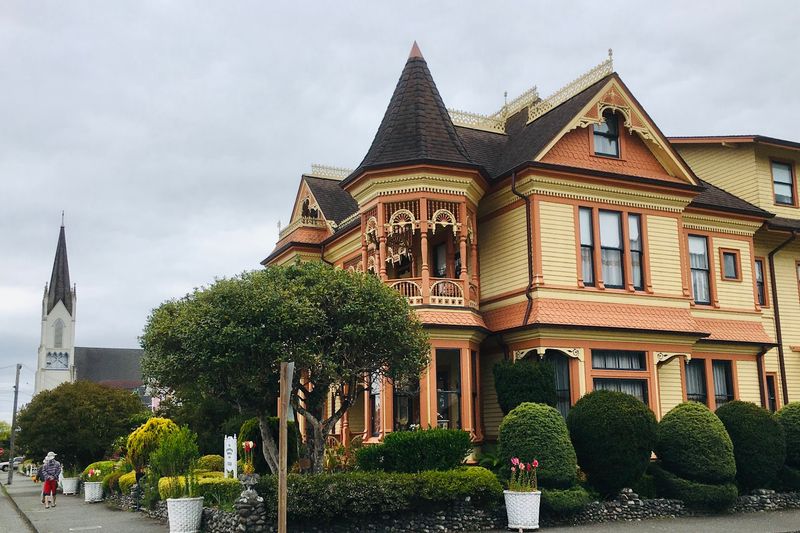
In the Eel River valley just south of Eureka, Ferndale is the kind of town that takes a moment to fully register as real.
The main street is lined with some of the best-preserved Victorian commercial buildings in California, painted in rich colors and maintained with genuine civic pride.
Humboldt County’s dairy farming heritage shaped this town, and that agricultural identity still shows in the surrounding landscape of green pastures and rolling hills.
The town is small enough to walk entirely in an afternoon, and the pace there is noticeably unhurried.
Local shops, a historic theater, and a blacksmith shop that has been in continuous operation for well over a century give Ferndale a texture that feels earned rather than staged.
Fog rolls in regularly from the nearby coast, keeping things cool and lending the streets a moody, atmospheric quality.
Ferndale sits only a few miles from the ocean but is separated from it by coastal bluffs and forest, which contributes to its sense of quiet isolation.
The annual Kinetic Grand Championship, a human-powered sculpture race that travels from Arcata to Ferndale, has brought the town some quirky fame over the decades.
Visiting on a weekday reveals a slower, more genuine side of the community than busy weekend traffic allows.
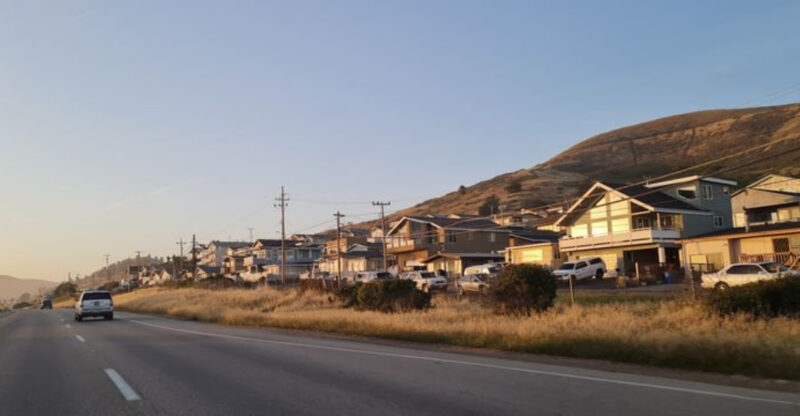
5. Shelter Cove, Lost Coast
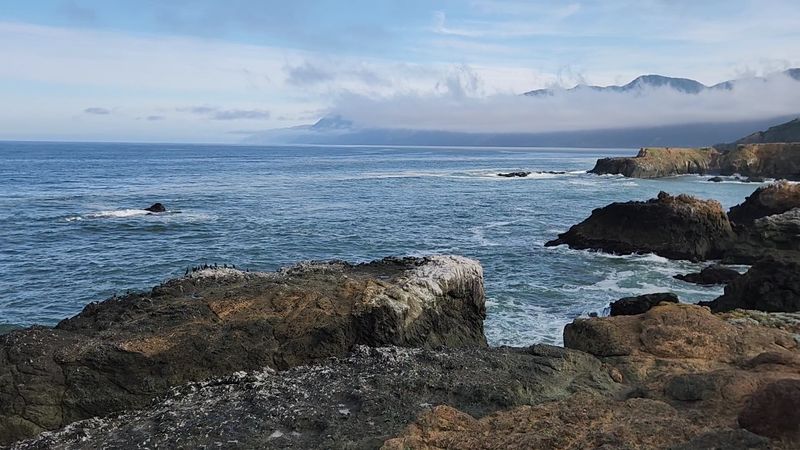
Getting to Shelter Cove requires driving a narrow, winding road down a steep coastal ridge, and that approach alone signals that something genuinely different waits at the bottom.
The Lost Coast earned its name because the terrain was too rugged for Highway 1 to pass through, leaving this stretch of northern California coastline largely roadless and undeveloped.
Shelter Cove sits at the end of that road as a tiny community with black sand beaches, dramatic sea stacks, and a raw coastal energy unlike anything found further south.
A small airstrip and a handful of rental properties serve as the main infrastructure for visitors, and the area has no traffic lights, chain restaurants, or tourist shops.
The black sand beaches come from ancient volcanic and sedimentary rock, and the color and texture of the shoreline feels almost cinematic in low light.
King Range National Conservation Area surrounds much of the region and offers some of the most challenging coastal hiking in the state.
Weather along the Lost Coast can shift quickly, and the area receives significant rainfall between fall and spring. Checking conditions before visiting is genuinely important rather than optional.
The isolation is a feature rather than a flaw for those who specifically seek coastline without crowds or commercial development.
6. Mammoth Lakes, Eastern Sierra
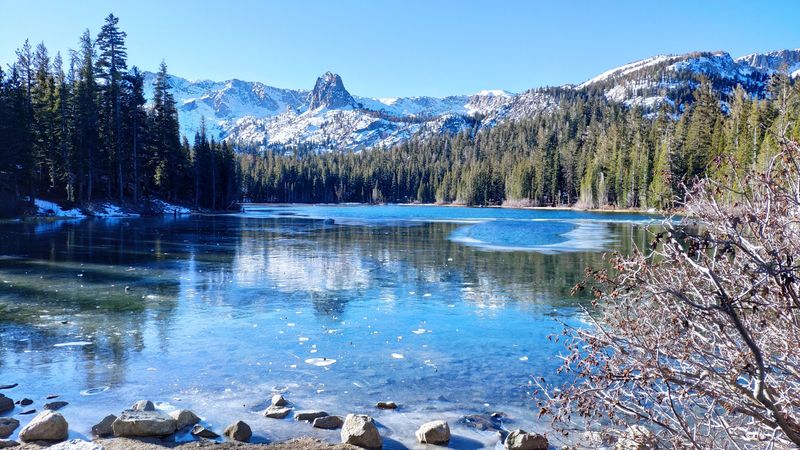
Snow culture, mountain biking, and high-altitude lakes define Mammoth Lakes in a way that feels completely removed from the beach-and-freeway version of California.
Sitting at around 7,880 feet in the Eastern Sierra Nevada, the town experiences genuine winters with heavy snowfall and a ski season that sometimes stretches into June.
Mammoth Mountain Ski Area is one of the largest in the western United States and draws serious skiers from across the country.
Outside of ski season, the landscape around Mammoth opens up into some of the most accessible alpine scenery in the state.
The Mammoth Lakes Basin holds a cluster of glacially carved lakes including Twin Lakes, Lake Mary, and Lake George, all within a short drive or moderate hike from town.
Devils Postpile National Monument sits nearby and features a striking formation of hexagonal basalt columns that look almost too geometric to be natural.
The town itself has a full range of restaurants, gear shops, and lodging options that serve a year-round outdoor community rather than a seasonal tourist crowd.
Summer weekends can fill up quickly, and traffic on the main road into town can slow considerably during peak periods.
Visiting on weekdays or during the shoulder seasons of late spring and early fall tends to offer a more relaxed experience with fewer crowds.
7. Kernville and Kern River Valley, Kern County
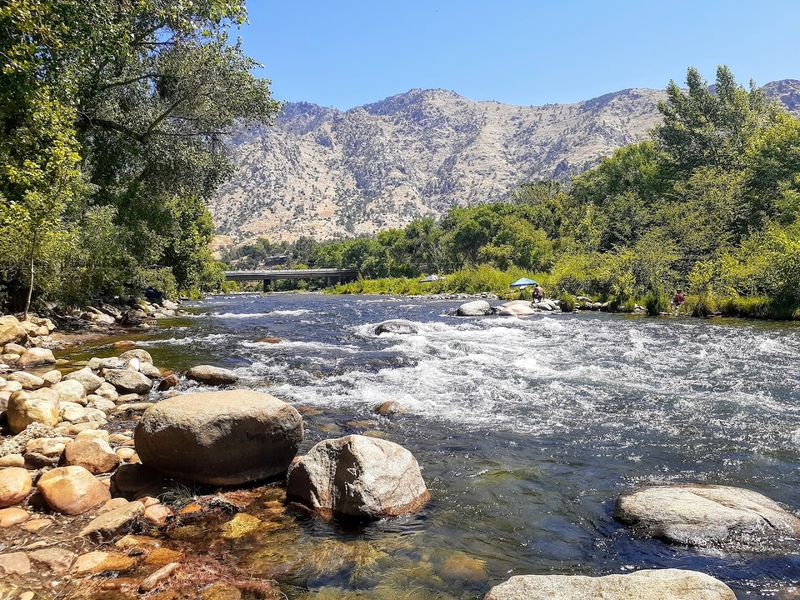
Whitewater rafting, canyon hiking, and a rougher Sierra edge define the Kern River Valley in a way that bears almost no resemblance to the polished California image.
Kernville sits at the northern end of Lake Isabella, a large reservoir formed by a dam on the Kern River, and the town has a relaxed, outdoorsy character shaped by decades of river culture.
The Kern River itself is one of the most challenging whitewater rivers in California and draws rafters and kayakers who are comfortable with technical water.
The surrounding terrain is a mix of oak woodland, chaparral, and pine forest that transitions noticeably as elevation increases toward the southern Sierra Nevada.
Sequoia National Forest borders the valley to the north and east, giving visitors access to old-growth groves and backcountry trails without the crowds of Sequoia National Park proper.
The canyon walls along the river corridor create a sheltered microclimate that can feel significantly warmer than surrounding areas in spring and fall.
Kernville itself is small enough to walk comfortably, with a handful of local restaurants, gear rental shops, and lodging options that cater primarily to outdoor recreation visitors.
Summer weekends bring rafting groups and campers in noticeable numbers, while weekdays in the shoulder seasons offer a quieter version of the valley.
The drive in from Bakersfield takes roughly an hour and passes through rolling foothill terrain that gradually opens into canyon scenery.
8. Solvang, Santa Ynez Valley
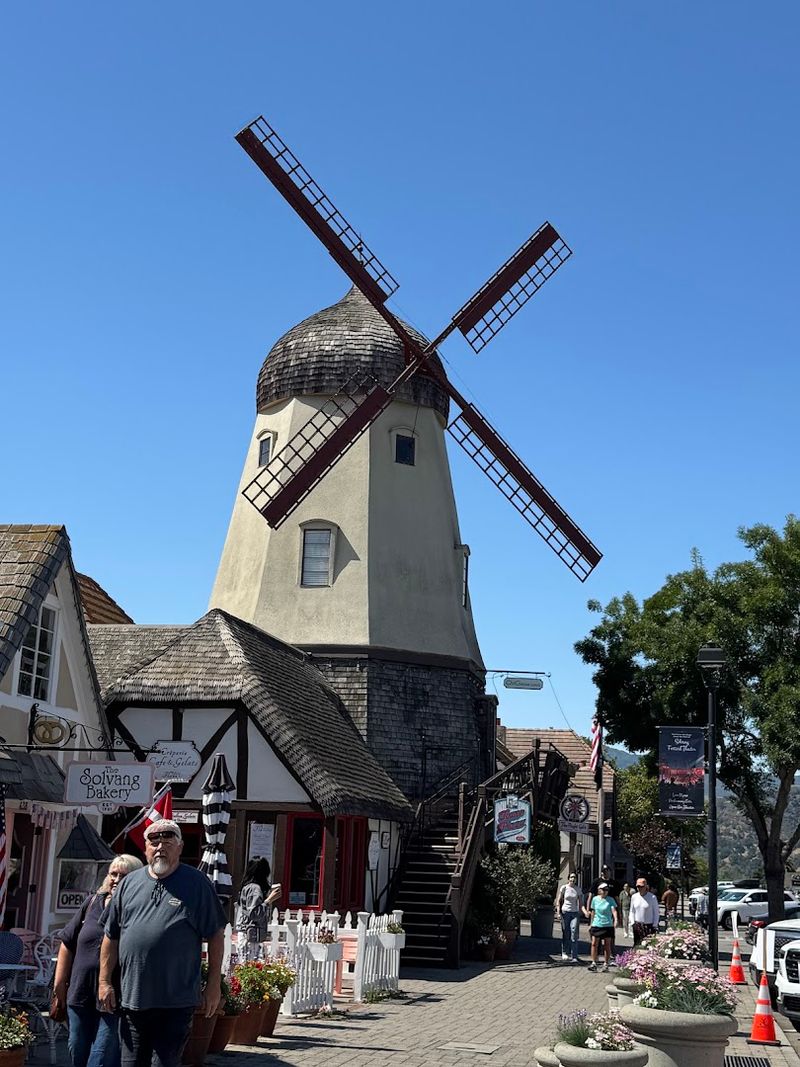
Founded by Danish immigrants in 1911, Solvang occupies a genuinely unusual cultural niche in California.
The Santa Ynez Valley town was built to preserve Danish heritage, and the architectural commitment to that identity is thoroughgoing, with decorative windmills, cobblestone-style walkways, and bakeries selling Danish pastries.
The effect is more convincing than a theme park because the community actually grew from real cultural roots rather than commercial invention.
The surrounding Santa Ynez Valley is wine country, and the rolling hills and oak-studded ranchlands that frame Solvang give the town a pastoral quality that feels distinct from both the coast and the inland desert.
Alisal Guest Ranch and other ranches nearby reflect the valley’s deep equestrian tradition, and horse culture remains a visible part of local life.
The town is walkable and compact, with most shops and attractions concentrated along a few main streets.
Solvang draws significant weekend crowds, particularly during summer and around the holidays, and parking can become genuinely difficult during peak periods.
Visiting on a weekday morning tends to offer a calmer experience with shorter waits at the bakeries.
The Hans Christian Andersen Museum, located above a bookshop in the village center, offers a small but thoughtfully organized look at the Danish storyteller’s life and legacy.
9. Idyllwild, Riverside County Mountains
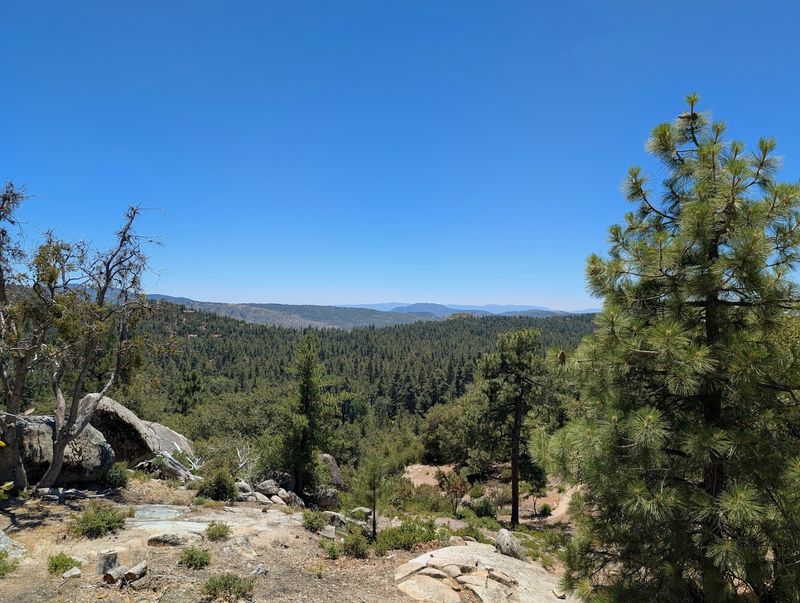
Sitting at about 5,400 feet in the San Jacinto Mountains of Riverside County, Idyllwild operates at a pace and temperature that feels entirely disconnected from the desert and sprawl that surrounds it at lower elevations.
Tall ponderosa pines and granite boulders define the landscape, and the air carries a forest coolness that can catch visitors off guard after the drive up from the Palm Springs area.
The town has no traffic lights and a small-town character that leans heavily into arts, crafts, and outdoor recreation.
Idyllwild Arts Academy and the surrounding community have given the town a creative reputation that draws painters, musicians, and writers who appreciate the combination of mountain setting and relative quiet.
The Pacific Crest Trail passes near Idyllwild, and Mount San Jacinto State Park offers trails that climb through dramatic rocky terrain toward the summit at 10,834 feet.
The Palm Springs Aerial Tramway provides an alternative approach to the San Jacinto wilderness from below, though it deposits visitors above Idyllwild rather than in the town itself.
Summer weekends bring hikers and cabin renters in noticeable numbers, and lodging in the area books up quickly during holiday weekends.
The town has a small but well-stocked main street with bookshops, art galleries, and restaurants that serve a community rather than a tourist economy.
10. Pioneertown, High Desert Near Yucca Valley
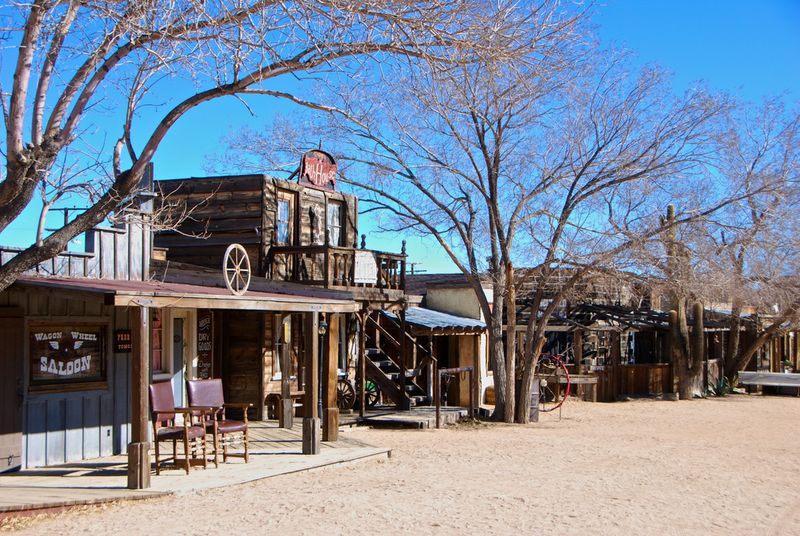
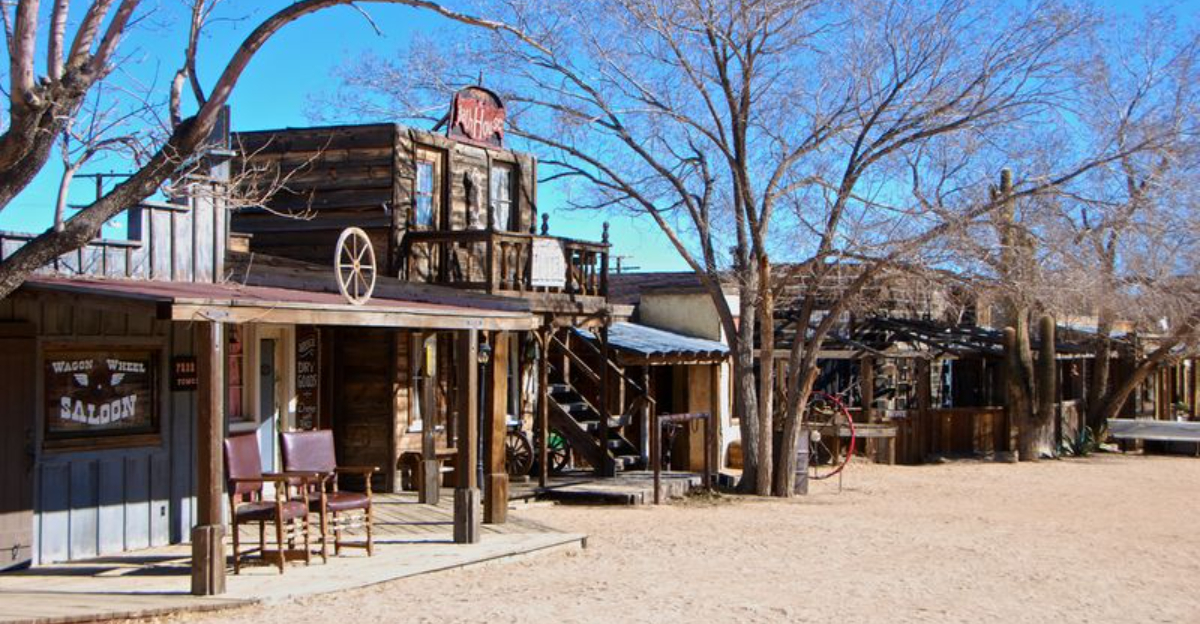
Built in 1946 as a functioning movie set for Western films, Pioneertown is one of those places that requires a second look to fully process.
The main drag, known as Mane Street, is lined with wooden storefronts, a saloon, a jail, a bowling alley, and a stables, all constructed to serve as both a working film location and a livable community.
Roy Rogers and Gene Autry were among the investors who helped establish it, and dozens of films and television episodes were shot there through the 1950s.
The setting still feels deeply strange in the best possible way, with the high desert landscape of creosote, Joshua trees, and open sky providing a backdrop that no production designer could fully replicate.
Pappy and Harriet’s Pioneertown Palace is a beloved live music venue and restaurant that has become a destination in its own right, drawing visitors from across Southern California and beyond.
The combination of Old West architecture and live music in a genuine desert setting gives the place an atmosphere that defies easy categorization.
Pioneertown sits about four miles north of Yucca Valley, making it an easy add-on to a Joshua Tree National Park visit.
The area can get extremely hot in summer, and visiting in the cooler months between October and April tends to be far more comfortable.