15 California Whale-Watching Towns And Harbor Trips That Make The Coast Feel Magical
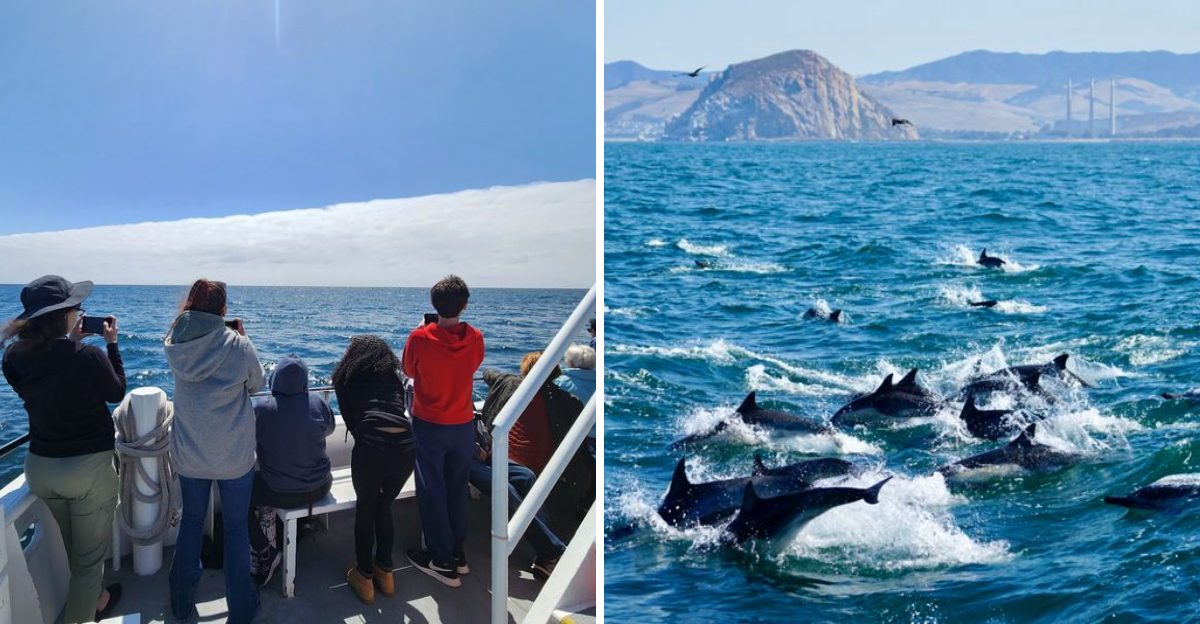
Whale watching has a way of making everyone act calm until the first spout appears.
Then the whole boat changes. People point. Kids gasp. Someone gets very confident about where the whale will surface next.
A regular harbor trip can turn into the story everyone retells for weeks. That’s especially the case when the coastline looks good before the whales even show up.
Along California’s coast, certain towns make the whole experience feel bigger than a simple boat ride.
You get salty air, ocean views, and that tiny rush of wondering what might break the surface next.
The best trips are part patience, part luck, and part pure coastal magic.
Maybe you spot gray whales moving through. Maybe humpbacks steal the show. Or perhaps dolphins appear and act like they were hired for bonus entertainment.
Either way, these 15 whale-watching towns and harbor trips make the coast feel alive in the best possible way.
1. Monterey, Fisherman’s Wharf
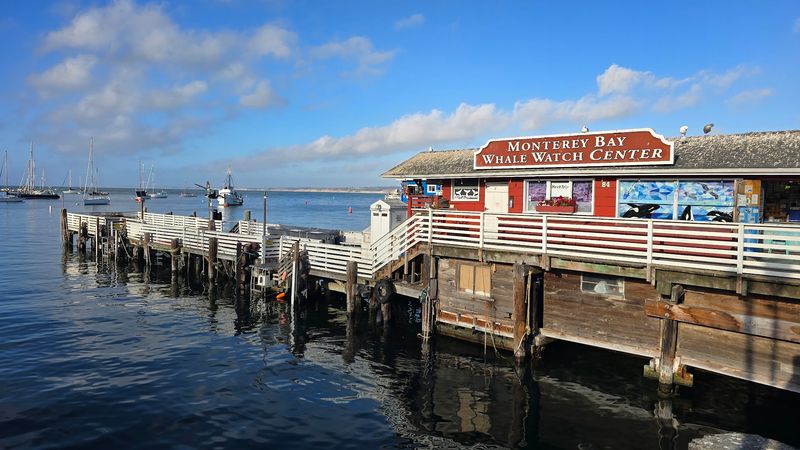
Right at the edge of one of the most productive ocean canyons in North America, Monterey Bay pulls in humpbacks, blue whales, and orcas with almost predictable regularity.
The Monterey Submarine Canyon drops thousands of feet just offshore, creating an upwelling of cold, nutrient-rich water that feeds massive populations of krill and fish.
That food source is basically a neon sign for whales.
Monterey Bay Whale Watch runs year-round departures from Fisherman’s Wharf, often with marine biologists on board who break down what you’re actually seeing in real time.
Humpbacks are the crowd-pleaser here, known for dramatic surface behavior like breaching and lunge-feeding. Blue whales, the largest animals ever to exist on Earth, also show up in summer and fall.
The wharf area has a classic NorCal harbor vibe, with sea lions barking from the docks and the smell of fresh chowder drifting through the fog.
Even on days when the swell is a little gnarly, the boats go out regularly. Plan to dress in layers because the bay can get seriously cold, even in July, and that marine layer is no joke.
2. Dana Point, Dana Point Harbor
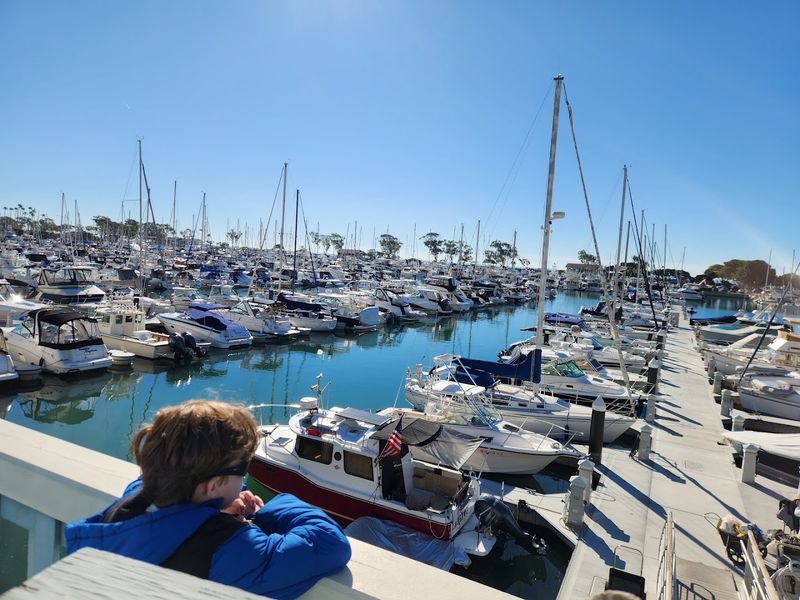
Calling itself the Dolphin and Whale Watching Capital of the World is a bold move, but Dana Point actually backs it up.
Located in Orange County along a stretch of coast that sits squarely in the path of multiple whale migration routes, the harbor sees remarkable marine activity throughout the entire year.
It was also recognized as the first Whale Heritage Area in the Americas, which is a legit distinction.
Dana Wharf Sportfishing and Whale Watching and Captain Dave’s Dolphin and Whale-Watching Safari both operate out of the harbor, offering narrated trips with naturalists on board.
Captain Dave’s boats are especially known for their underwater viewing pods, which let passengers see dolphins swimming beneath the surface in a way that feels almost unreal.
Blue whales appear here in summer, gray whales cruise through in winter, and dolphin super pods numbering in the thousands are spotted regularly.
For Southern California locals, Dana Point is often the go-to spot without the long drive. The harbor itself is relaxed and easy to navigate, with good parking and a walkable waterfront.
Very worth the trip down the 5.
3. Newport Beach, Newport Bay
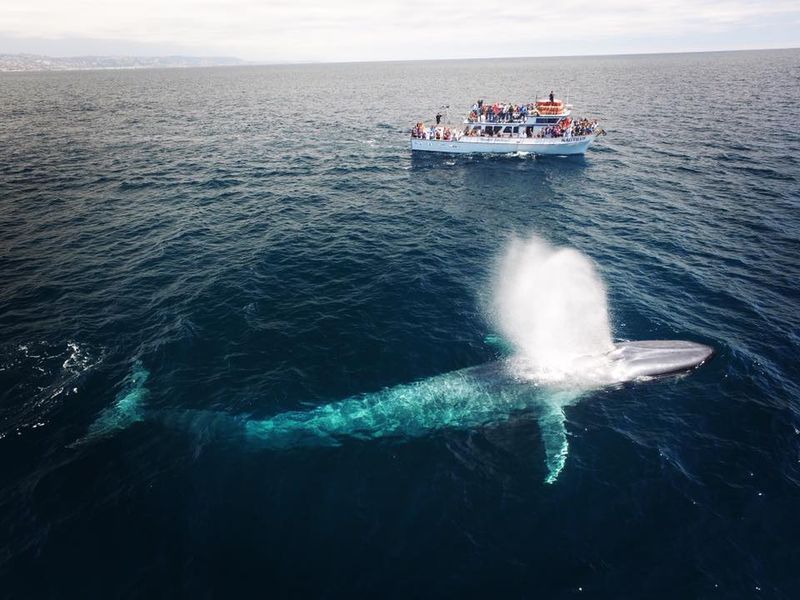
Centrally positioned between Los Angeles and San Diego, Newport Beach offers one of the most convenient whale-watching launch points in Southern California.
Daily, year-round departures run from Newport Harbor, with operators like Newport Landing Whale Watching and Davey’s Locker both maintaining active schedules.
The harbor itself is calm and easy to access, which makes boarding stress-free even for first-timers.
Gray whales are the main draw from December through April, often passing close enough to shore that land-based spotters can catch glimpses from the peninsula.
Come summer, blue whales and fin whales tend to dominate the offshore waters.
Common dolphins and bottlenose dolphins are practically a given on most trips, often riding the bow wake of the boat in groups that can number in the hundreds.
Newport Beach has that classic SoCal harbor energy, equal parts chill and polished.
Trips typically run two to three hours, which is a solid length without being exhausting for kids or anyone who gets a little seasick.
Bringing motion sickness medication is always a smart call, especially if the ocean is running a bit choppy.
4. San Diego, San Diego Bay
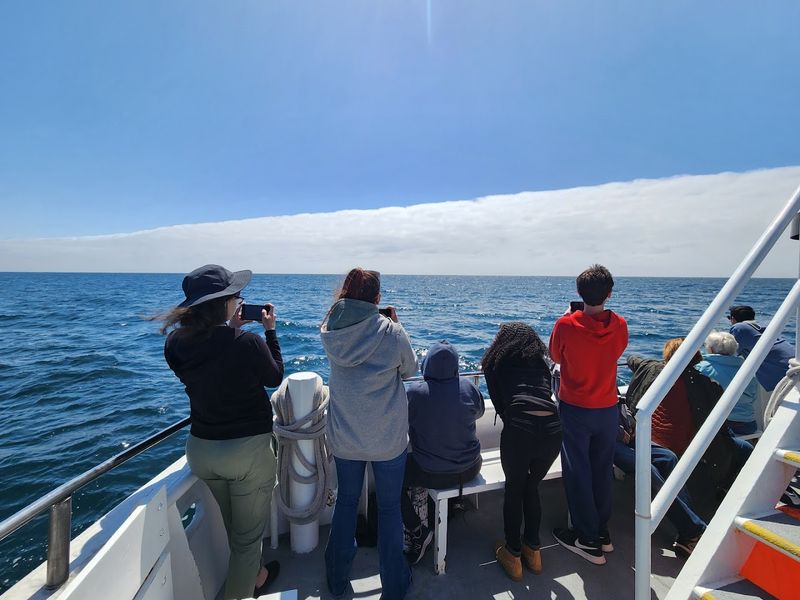
San Diego holds a special place in California whale-watching history, often credited as the birthplace of organized whale watching on the West Coast.
Cabrillo National Monument was designated a public whale-viewing site as far back as 1950, and the high bluffs there still offer some of the best land-based viewing in the state during gray whale season.
The monument’s western cliffs face directly into the migration corridor.
Boat tours depart from Mission Bay and the downtown harbor throughout the year, covering gray whale migration in winter and blue whale feeding grounds in summer.
Torrey Pines State Natural Reserve and Birch Aquarium are two other solid spots for shore-based sightings without getting on a boat at all.
For those who prefer staying on solid ground, San Diego is one of the few California cities where that option is genuinely rewarding.
The city’s mild climate makes whale watching comfortable year-round, with far less fog than Northern California ports.
Sunscreen and layers are still recommended since the ocean breeze picks up quickly once you’re offshore.
San Diego is also a great base for multi-day coastal exploration, with easy access to Baja-bound whale migration routes that extend well beyond the harbor.
5. Ventura, Ventura Harbor
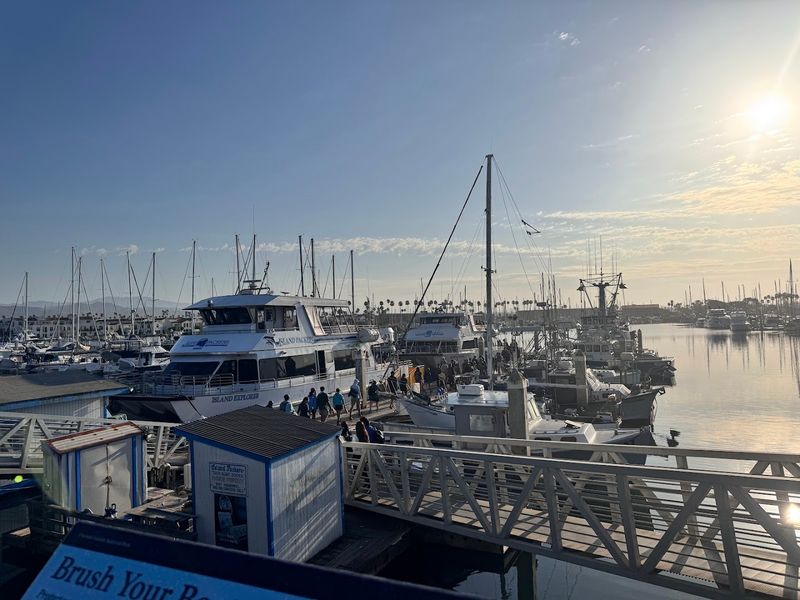
Ventura Harbor sits at the gateway to Channel Islands National Park, and that proximity makes it one of the most wildlife-rich departure points on the California coast.
The Santa Barbara Channel, which boats cross to reach the islands, was designated a Whale Heritage Site in 2023, recognizing the extraordinary concentration of marine mammals that pass through annually.
Over 20 species of whales and dolphins have been documented in these waters.
Island Packers, operating out of the harbor, offers both winter and summer whale-watching cruises with options to extend the trip all the way to Anacapa or Santa Cruz Island.
That combination of whale watching and island exploration in a single trip is genuinely hard to beat. Channel Islands Sportfishing also conducts dedicated marine wildlife tours from this location.
The harbor has a laid-back, working-waterfront feel that’s a bit less touristy than some of the bigger Southern California ports.
Humpbacks and blue whales show up in warmer months, while gray whales migrate through in winter.
Sea lions, harbor seals, and dolphins are commonly spotted on most trips regardless of season. Ventura is also close enough to Los Angeles to work as a day trip without a super early wake-up call.
6. Oxnard, Channel Islands Harbor
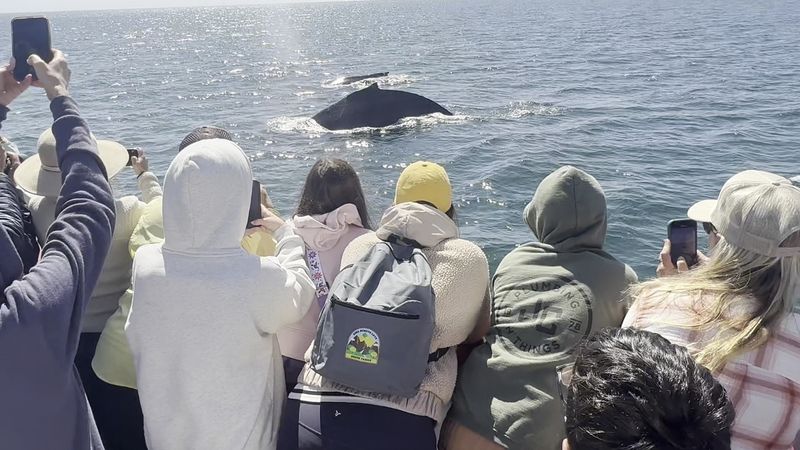
Just a few miles south of Ventura, Channel Islands Harbor in Oxnard offers another launch point into the same whale-rich Santa Barbara Channel waters.
Having two separate departure harbors in close proximity means more scheduling flexibility, which is useful when you’re trying to catch a specific weather window or trip time.
The harbor has a quieter, less crowded atmosphere compared to some of the bigger marinas up and down the coast.
The Channel Islands National Marine Sanctuary, which these boats travel through, is home to 29 of the world’s 78 known species of whales, dolphins, and porpoises.
That density is remarkable, and it explains why trips out of this area consistently produce strong sightings.
Blue whales feed in these waters during summer, and gray whales move through on their north-south migration routes in winter and spring.
Oxnard itself doesn’t always make the top of California coast bucket lists, but that’s actually part of its charm.
The harbor area is relaxed and local-feeling, without the heavy tourist markup that comes with more famous ports. Parking tends to be easier here than at some busier Southern California harbors.
7. Santa Cruz, Santa Cruz Harbor
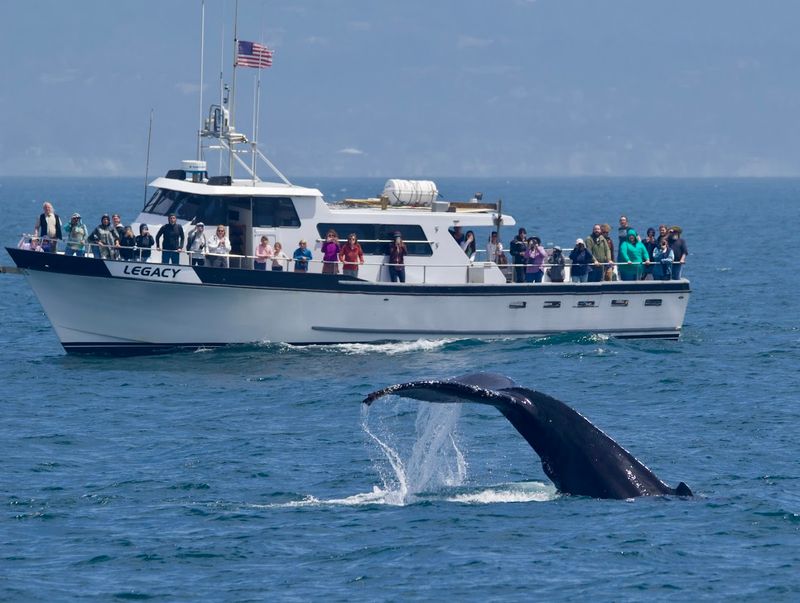
Santa Cruz brings a distinct surf-town energy to the whale-watching experience, and the marine conditions here are genuinely impressive.
A mile-deep submarine canyon sits directly offshore, supporting year-round populations of gray whales, humpbacks, and blue whales alongside sea otters, harbor seals, and dolphins.
The canyon’s proximity to shore means wildlife can sometimes be spotted without even leaving the harbor area.
Whale-watching charters depart from Santa Cruz Harbor and head out into Monterey Bay, which is shared with the Monterey fleet to the south.
The bay functions as one of the most productive marine ecosystems on the West Coast, and Santa Cruz sits right on its northern edge.
Trips here tend to have a slightly more casual, local feel compared to the more tour-heavy atmosphere in Monterey proper.
The harbor neighborhood has good food options and a walkable waterfront that makes it easy to turn a whale-watching trip into a full day out.
The town itself is famously laid-back, with that unmistakable NorCal beach culture that feels like a different world from Los Angeles. Dress warm because Santa Cruz mornings are no joke, especially on the water.
8. Half Moon Bay, Pillar Point Harbor
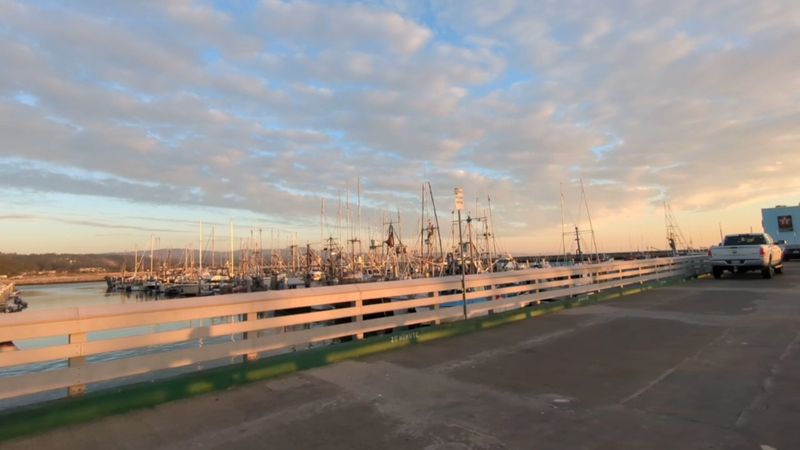
Half Moon Bay has a moodier, more dramatic coastal character than most Southern California whale-watching spots, and Pillar Point Harbor leans fully into that vibe.
The harbor is tucked behind a rocky breakwater that offers some protection from the notoriously big swells that roll into this stretch of coast, the same swells that make Mavericks one of the most famous big-wave surf breaks in the world.
That context alone tells you something about the raw power of the ocean here.
Whale-watching charters operate out of Pillar Point Harbor, heading north toward the Gulf of the Farallones or south along the San Mateo County coast.
Gray whales pass close to shore during migration season, and humpbacks are spotted regularly in warmer months.
The coastal scenery on these trips is genuinely stunning, with steep cliffs and open Pacific views that feel far removed from city life.
Half Moon Bay is about 30 miles south of San Francisco, making it an accessible escape for Bay Area locals looking for a less crowded alternative to Pier 39 departures.
The small harbor town has a relaxed pace and some solid seafood spots near the water. Mornings here are often foggy and cold, so layering up is not optional.
9. San Francisco, Fisherman’s Wharf Departures
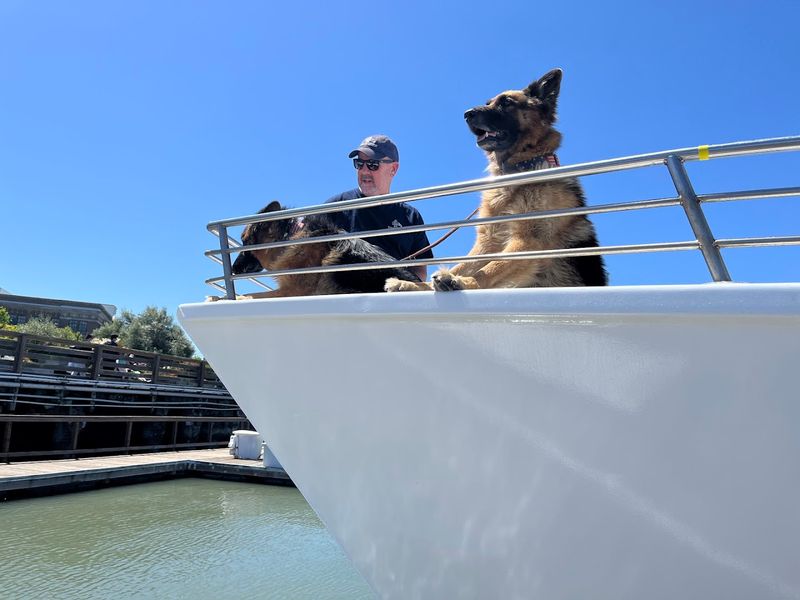
Whale-watching trips out of San Francisco head toward the Gulf of the Farallones, one of the most ecologically significant offshore wildlife areas in the entire state.
The Farallon Islands sit about 27 miles west of the Golden Gate, and the waters around them support extraordinary concentrations of marine life.
Humpbacks, blue whales, and orcas have all been documented in this area, along with massive seabird colonies on the islands themselves.
Boats depart from Pier 39 at Fisherman’s Wharf, giving visitors a chance to combine a classic San Francisco experience with serious offshore wildlife viewing.
The trip through the Golden Gate and out into open Pacific waters is dramatic and memorable even before any whales appear.
Gray whales also pass through this zone during migration, often visible from shore at Point Reyes National Seashore to the north.
The Bay Area is genuinely one of the most underrated whale-watching regions in California, partly because the city’s other attractions tend to dominate trip planning.
Trips run roughly three to four hours, and ocean conditions beyond the Gate can be significantly rougher than in protected bays.
10. Long Beach, Long Beach Harbor
Long Beach Harbor gives Los Angeles-area visitors a large, well-connected departure point for Southern California whale watching without needing to drive deep into Orange County.
Harbor Breeze Yacht Charters and Cruises and Spirit Cruises both run daily year-round trips from this area, with routes that head out toward the deep waters near Palos Verdes and San Pedro.
The underwater terrain near Palos Verdes creates upwelling that attracts baitfish and, in turn, larger marine life.
Blue whales and fin whales are the main summer targets, while gray whales move through in winter on their annual migration between Alaska and Baja California.
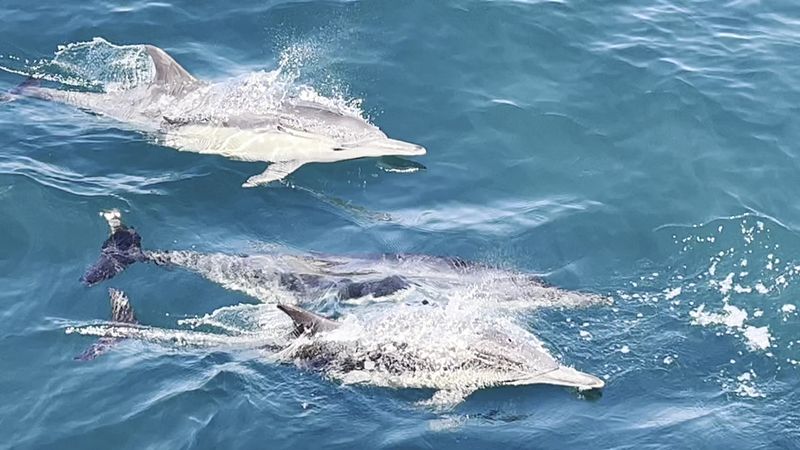
Dolphin sightings are extremely common on most trips, with common dolphins and bottlenose dolphins frequently seen in large groups.
The sheer size of some of these dolphin pods, sometimes numbering in the thousands, can be just as impressive as any whale encounter.
Long Beach has a big-harbor energy that’s different from smaller coastal towns, but the whale-watching experience itself is just as legitimate.
The waterfront area near the departure docks has food and parking options that make logistics straightforward.
11. Morro Bay, Morro Bay Harbor
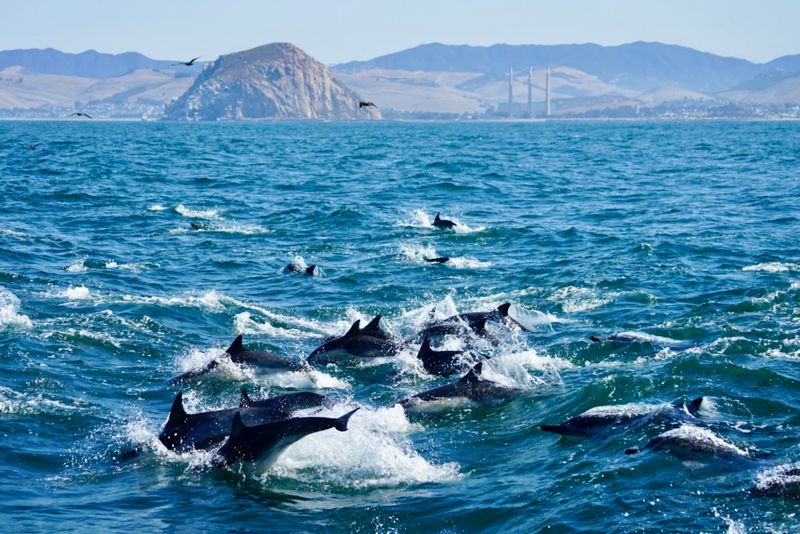
Morro Rock is one of those California landmarks that stops people mid-sentence, and having it as the backdrop for a whale-watching departure adds something genuinely special to the experience.
The 581-foot volcanic rock dominates the harbor skyline and serves as a protected habitat for peregrine falcons, making the area feel layered with wildlife even before leaving the dock.
Sea otters floating in the kelp beds just outside the harbor are practically a given.
Morro Bay sits on the Central Coast between San Luis Obispo and Cambria, in a stretch of coastline that doesn’t get nearly as much whale-watching attention as Monterey or Dana Point.
Seasonal whale-watching trips operate from the harbor, with gray whales passing through during migration and humpbacks appearing in warmer months.
The smaller scale of the operation here gives trips a more intimate feel compared to larger commercial fleets.
The town itself moves at a slower pace than most California coastal destinations, which is honestly refreshing.
The Embarcadero has good seafood spots and harbor views that make for a solid pre-trip or post-trip hang.
Morro Bay is the kind of place that feels like a secret even though it’s right there on Highway 1.
12. Avila Beach, Port San Luis Harbor
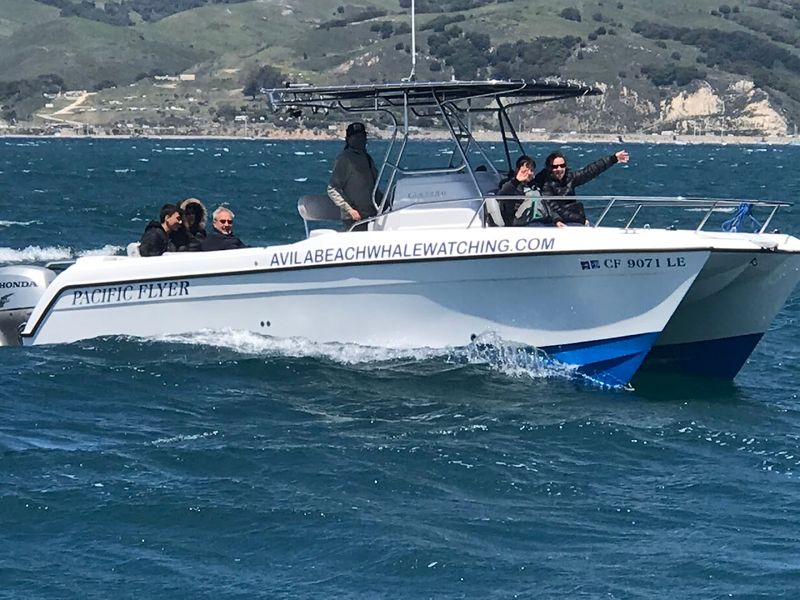
Port San Luis Harbor near Avila Beach is one of those spots that doesn’t show up on every whale-watching list, and that’s exactly what makes it worth highlighting.
Smaller and quieter than the big-name harbors up and down the coast, it offers a genuinely low-key departure experience for Central Coast visitors.
The surrounding hills roll down to the water in a way that feels almost sheltered, giving the harbor a tucked-away character that’s easy to love.
Whale-watching charters operate seasonally from Port San Luis, with gray whales being the primary species during winter migration.
Humpbacks and occasional blue whales are spotted in the warmer months as the offshore feeding grounds become more active.
The close proximity to Avila Beach means visitors can easily combine a harbor trip with a beach afternoon in one of the most pleasant and wind-protected beach towns on the Central Coast.
Avila Beach has a relaxed, unhurried feel that pairs well with the slower pace of a small-harbor whale-watching experience.
The pier and surrounding waterfront area are walkable and easy to navigate.
San Luis Obispo is just a short drive inland, making this a convenient add-on for anyone already exploring the SLO County area.
13. Moss Landing, Moss Landing Harbor
Moss Landing is one of those places that locals know about and visitors often drive right past on Highway 1, and that’s a genuine shame.
Positioned almost exactly at the midpoint of Monterey Bay, the harbor sits directly above the head of the Monterey Submarine Canyon, making it one of the closest access points to deep, whale-rich water anywhere on the California coast.
The canyon drops off so sharply here that marine life activity can be remarkable even close to shore.
Whale-watching charters operate from Moss Landing with routes that head straight into the heart of Monterey Bay’s most productive feeding zones.
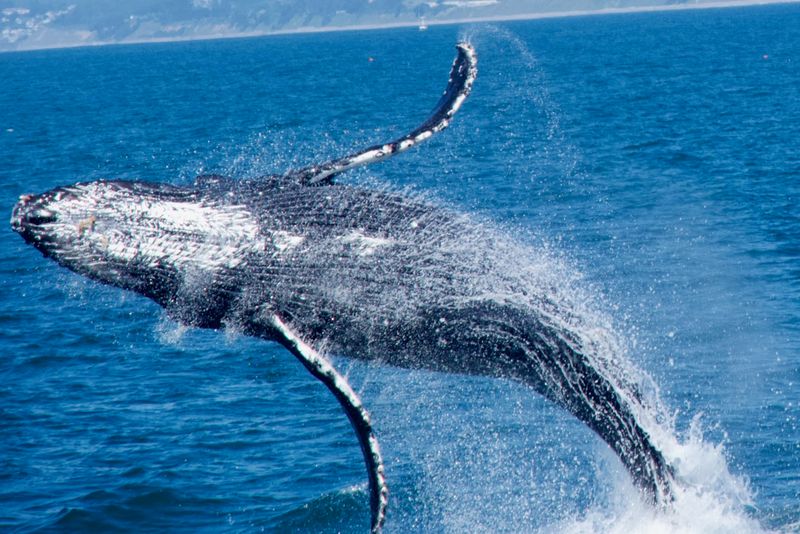
Humpbacks are frequently spotted lunge-feeding in these waters, and blue whales appear during summer and fall.
The harbor is also adjacent to Elkhorn Slough, a major estuary that supports hundreds of sea otters and enormous numbers of shorebirds, making the entire area feel like a wildlife hotspot in every direction.
The town has a funky, unpretentious character with antique shops, a handful of seafood spots, and a working harbor atmosphere that feels completely genuine.
It’s not glossy or overbuilt, which is part of the appeal. Locals in the know often prefer launching from here over the more famous harbors nearby.
14. Santa Barbara, Santa Barbara Harbor
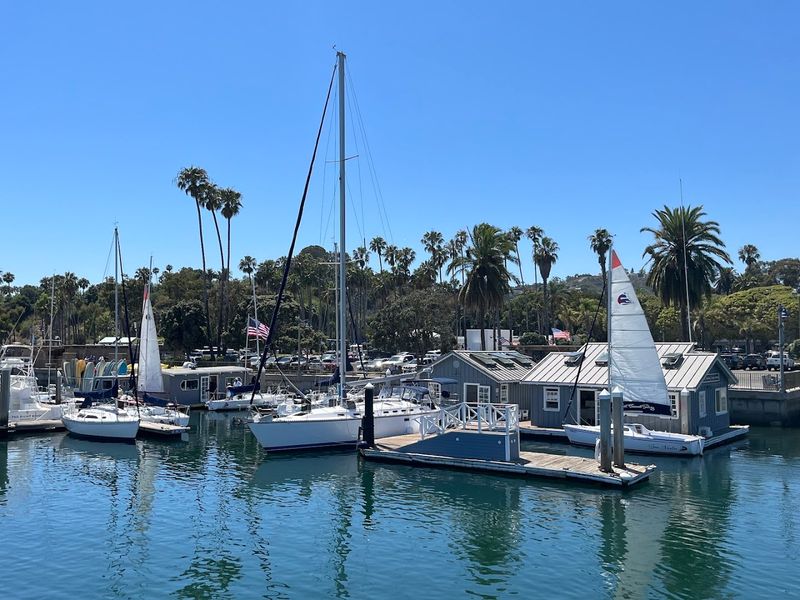
This area has a way of making every coastal activity feel a little more polished, and whale watching from the harbor is no exception.
The Santa Barbara Channel, which stretches between the mainland and the Channel Islands, was designated a Whale Heritage Site in 2023, recognizing the extraordinary volume and variety of marine mammals that move through the area annually.
Condor Express Whale Watching runs dedicated trips from Santa Barbara Harbor, and the Santa Barbara Sailing Center’s Double Dolphin catamaran also offers marine wildlife tours.
Blue whales are the summer highlight, while gray whales move through in winter. The catamaran experience in particular has a breezy, open-water feel that suits the Santa Barbara setting well.
The harbor area is clean and walkable, with Stearns Wharf nearby offering additional views and food options.
The backdrop of the Santa Ynez Mountains rising behind the city adds a visual dimension to the experience that’s hard to find at other California harbor towns.
Santa Barbara sits roughly midway between Los Angeles and San Luis Obispo, making it a natural stopping point for coastal road trips up Highway 101.
15. Mendocino, Headlands and Coastal Bluffs
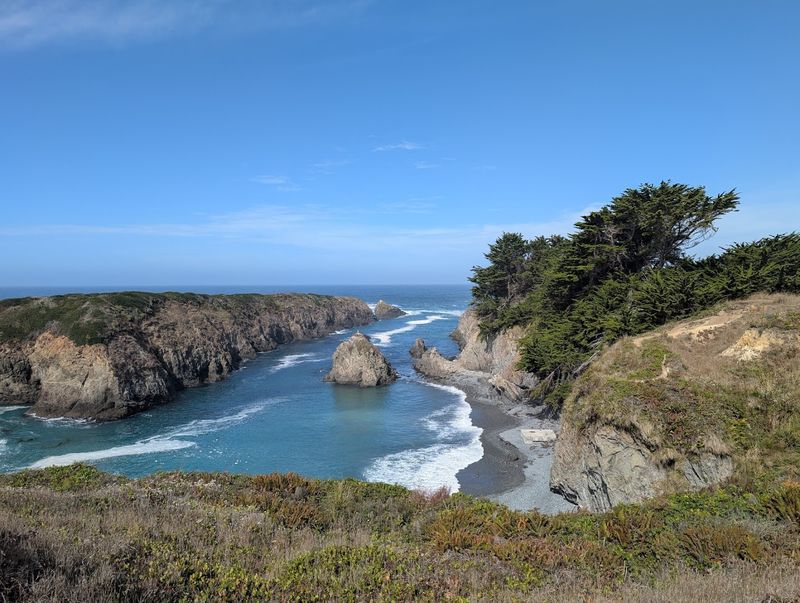
Mendocino offers something genuinely different from the boat-based whale watching that defines most California coastal towns.
The elevated bluffs at Mendocino Headlands State Park provide some of the best land-based gray whale viewing on the entire West Coast, particularly from November through April when the southbound and northbound migrations peak.
Standing on those cliffs with binoculars while a gray whale surfaces below is the kind of experience that sticks with people for years.
Point Arena Lighthouse, located about 30 miles south of Mendocino, is another strong land-based viewing spot with a dramatic coastal setting that adds to the experience.
The lighthouse grounds sit on a narrow peninsula that juts into the Pacific, giving unobstructed sightlines in multiple directions.
Female gray whales with new calves often travel close to shore on the northbound migration, making spring an especially rewarding time for cliff-side watching.
Mendocino itself is a small, artsy town with Victorian architecture and a creative community that gives it a personality unlike anywhere else on the California coast.
The pace is slow and intentional, which suits a whale-watching trip perfectly. No wetsuit required, but a serious jacket absolutely is.