14 California Day Trips That Feel Much Bigger Than The Mileage Suggests
A day trip does not need big mileage to act dramatic. Leave after breakfast and somehow the whole day starts collecting evidence.
A view shows up. A bakery gets involved.
A main street steals an hour. Then the drive home feels oddly satisfying because the trip gave more than the map promised.
California is very good at making short routes behave like tiny vacations with better timing.
That is what makes these escapes fun. They just need a free day and the willingness to let one stop become four.
The distance may look small on paper, but the day can still feel full of scenery and that feeling of going somewhere without overcomplicating your life.
1. Point Reyes National Seashore, Marin County
Stretching across more than 71,000 acres of rugged coastline north of San Francisco, Point Reyes National Seashore rewards visitors with a landscape that feels almost impossibly vast for a day trip.
Open grasslands roll toward dramatic sea cliffs, and the Pacific pounds against beaches that rarely feel crowded even on weekends.
The sheer variety of terrain here is part of what makes a visit feel so expansive.
Tomales Point Trail winds through tule elk habitat, offering some of the most striking wildlife sightings in the Bay Area.
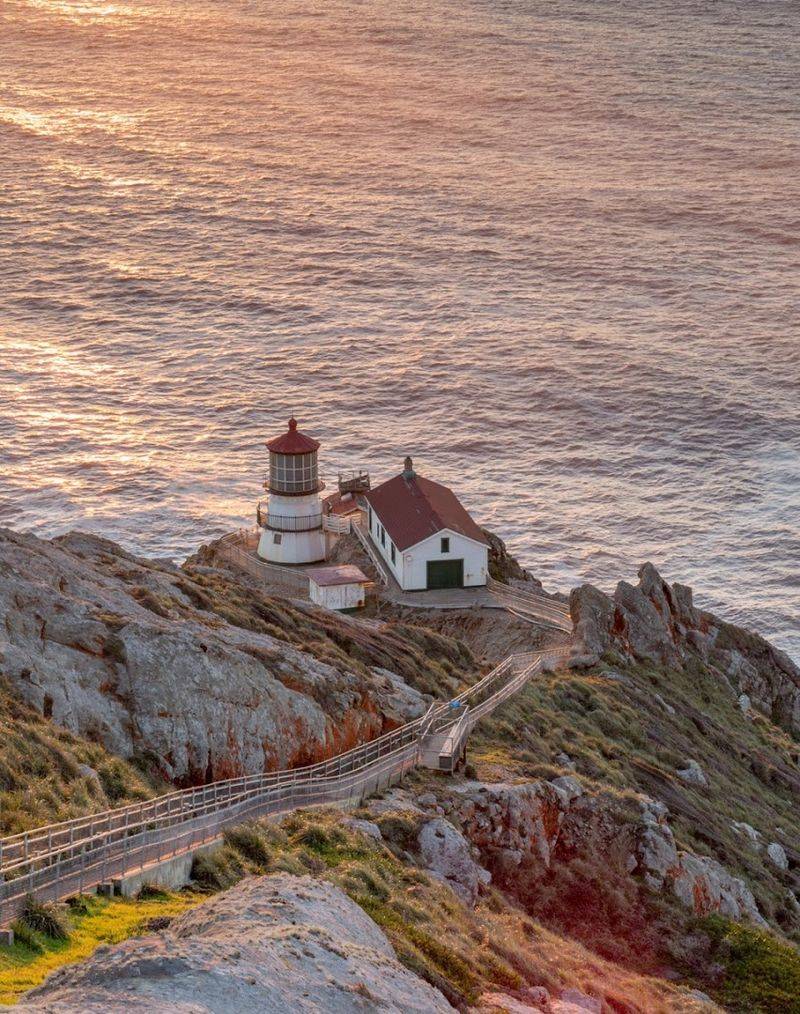
The historic Point Reyes Lighthouse, perched on a windswept headland, adds a strong sense of place that photography simply cannot fully capture.
Over 1,500 plant and animal species call this protected area home, which means every season brings something new to notice.
Trails range from easy beach walks to longer ridge hikes, so pacing the day to personal fitness level is straightforward.
Arriving early on weekends helps secure parking at the more popular trailheads near the Bear Valley Visitor Center.
2. Portola Redwoods State Park, La Honda
In the Santa Cruz Mountains above the San Mateo County coast, Portola Redwoods State Park tends to stay quieter than its more famous redwood neighbors, which is exactly what makes it feel like such a discovery.
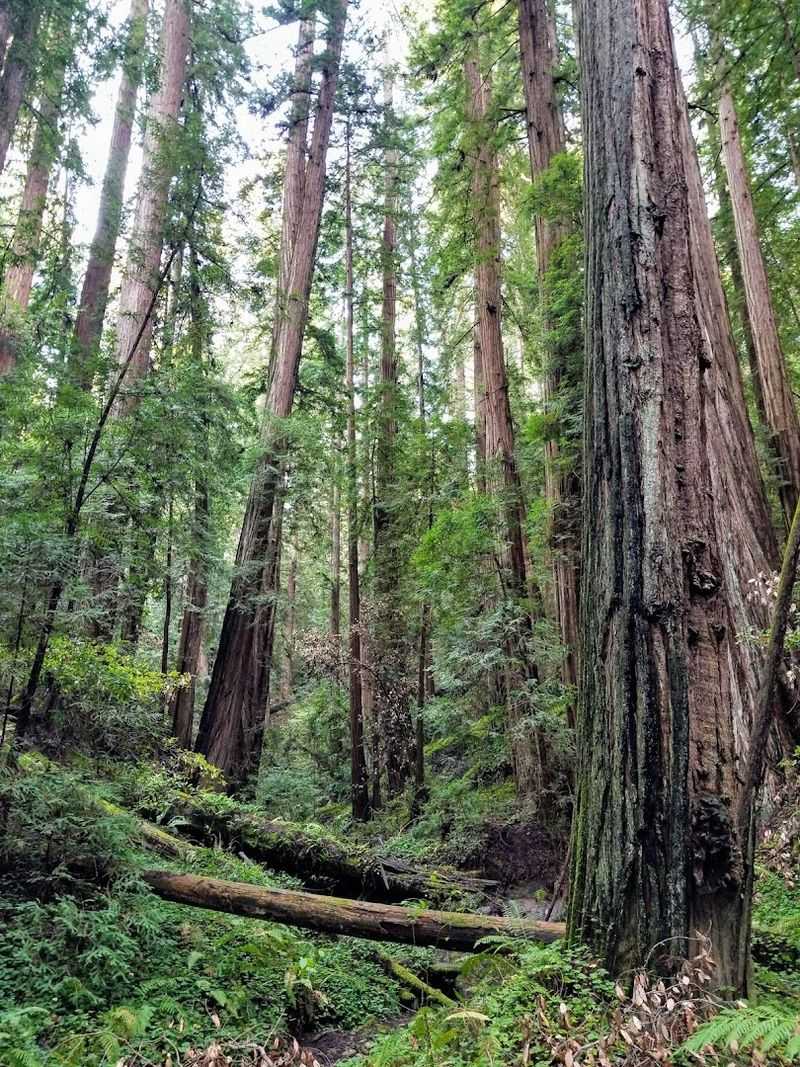
The trees here are genuinely ancient, with some reaching over 200 feet tall, and the forest floor stays cool and mossy even on warm summer days.
Walking beneath that canopy creates a hush that is hard to find anywhere closer to the Bay Area.
The Old Tree Trail leads to one of the largest remaining coastal redwoods in the park, and the loop back through mixed evergreen forest adds pleasant variety to the hike.
Creek crossings along some trails add a mild sense of adventure without requiring technical gear.
Families with younger children tend to enjoy the gentler paths near the campground area, where the forest feels welcoming rather than overwhelming.
Portola Redwoods connects to Castle Rock State Park via trail, meaning ambitious hikers can cover a surprising amount of wild terrain in a single day.
The drive in along Skyline Boulevard offers sweeping ridgeline views before the road drops into the forested canyon.
3. Pescadero, San Mateo County
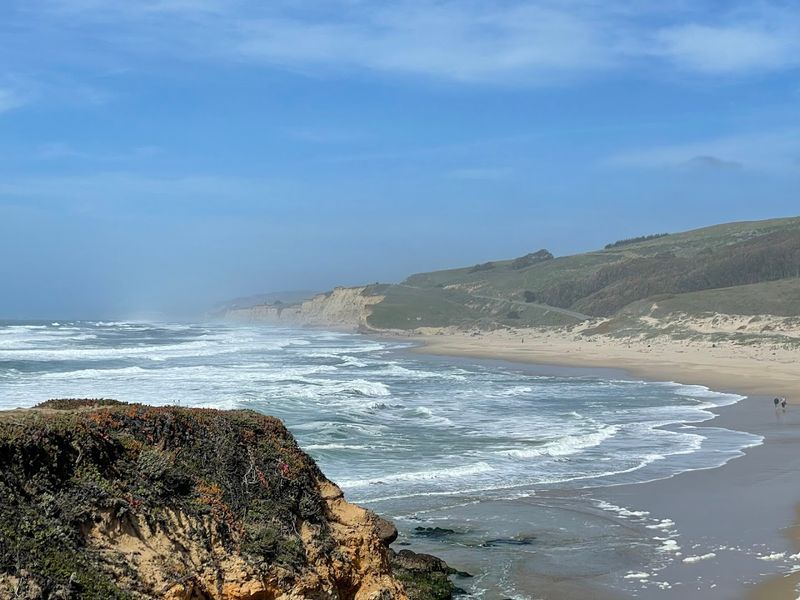
About an hour south of San Francisco along Highway 1, the small community of Pescadero packs a genuinely full day into a compact coastal package.
The town itself has a population of only a few hundred people, yet it draws visitors consistently because the combination of beach, state preserve, and local food options is hard to beat at this distance from the city.
Pescadero State Beach sits just off the highway and offers access to tide pools, sand dunes, and a freshwater marsh that attracts shorebirds year-round.
Año Nuevo State Park, a short drive to the south, hosts one of the largest mainland elephant seal colonies in the world.
The contrast between the beach and the agricultural inland valley adds texture to the visit.
Duarte’s Tavern on Stage Road has been serving artichoke soup and olallieberry pie to travelers since 1894, making it one of the most authentic stops on the San Mateo coast.
The surrounding farmlands grow artichokes, Brussels sprouts, and pumpkins depending on the season, and roadside stands often have fresh produce available.
4. Muir Woods National Monument and Sausalito, Marin County
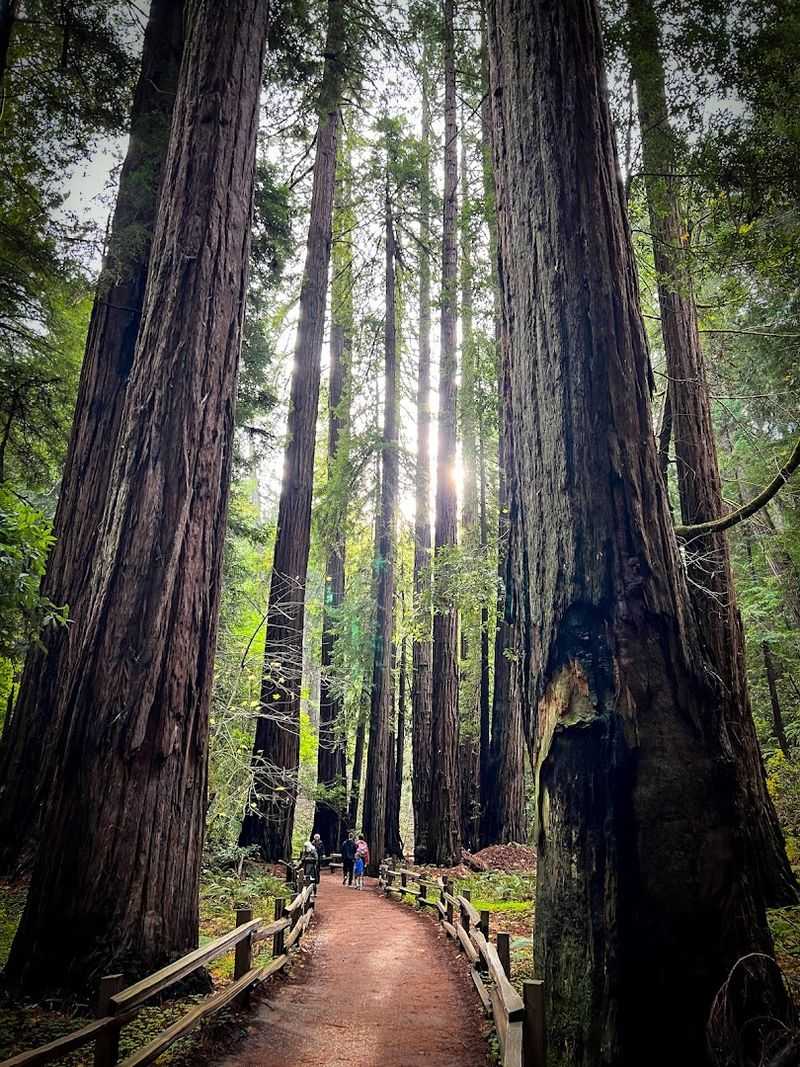
Just eleven miles north of the Golden Gate Bridge, Muir Woods National Monument protects a grove of old-growth coastal redwoods that genuinely stops people in their tracks.
The trees along the main valley floor reach up to 260 feet tall and have been growing for over a thousand years, which gives the forest a cathedral-like quality that feels both humbling and calming.
Parking reservations at Muir Woods are required and must be booked through the National Park Service website well in advance, especially on weekends and holidays.
The shuttle from Sausalito and Marin City is a practical alternative that removes the parking stress entirely.
Main Trail is paved and accessible, while connector trails climbing to the ridgeline offer broader views for those wanting more elevation.
Pairing Muir Woods with a stop in Sausalito on the way back makes the day feel remarkably complete.
The waterfront town sits along the bay with a relaxed, art-focused character and plenty of spots to sit and watch the water.
5. Mount Diablo State Park, Contra Costa County
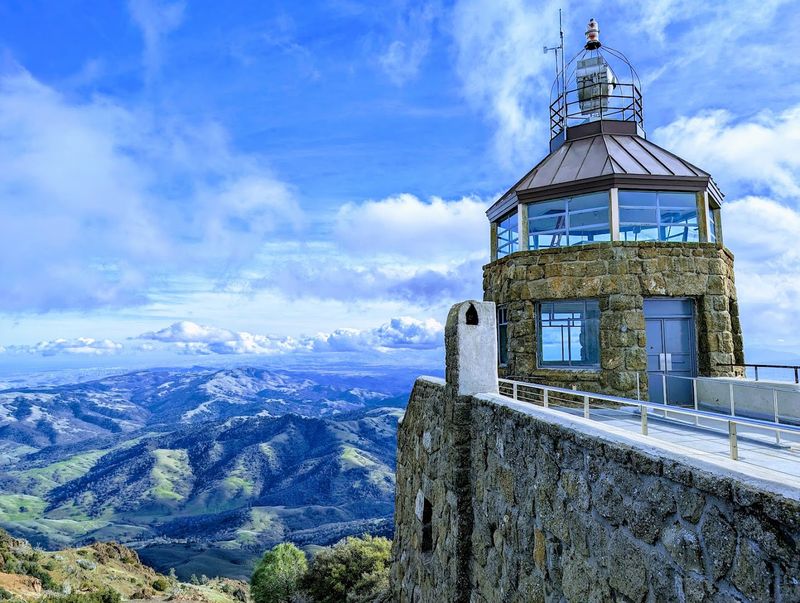
On a clear winter or spring day, the summit of Mount Diablo offers one of the most expansive views of any peak in the continental United States, with sightlines that can stretch from the Sierra Nevada to the Farallon Islands.
The mountain rises to 3,849 feet above the surrounding East Bay flatlands, which means the visual impact from the top feels far out of proportion to the actual elevation.
That contrast between the suburban surroundings and the wild summit is part of what makes this park so consistently surprising.
The Summit Trail and North Peak Trail are the most popular routes, but the park contains over 200 miles of trails across diverse terrain including grassland, chaparral, and woodland.
Wildflower season from late February through April transforms the hillsides into a patchwork of color that draws photographers and casual hikers alike.
Rock City near the park entrance features unusual sandstone formations that children find particularly engaging to climb and explore.
The Summit Visitor Center inside the stone summit building provides exhibits on the geology and ecology of the mountain, along with ranger-led programs on select weekends.
6. Sonoma Plaza and Jack London State Historic Park, Sonoma County
Sonoma Plaza is the largest historic plaza in California, surrounded by adobe buildings that date back to the Mexican period of the state’s history, and it anchors a town that rewards slow, unhurried exploration.
The plaza itself is a public park with shaded lawns, duck ponds, and benches where the pace of the morning feels genuinely relaxed.
Markets, cafes, and small shops ring the square, making it easy to spend a full morning without covering much ground at all.
About eight miles west of the plaza, Jack London State Historic Park preserves the property where the famous author built his dream ranch in the early 1900s.
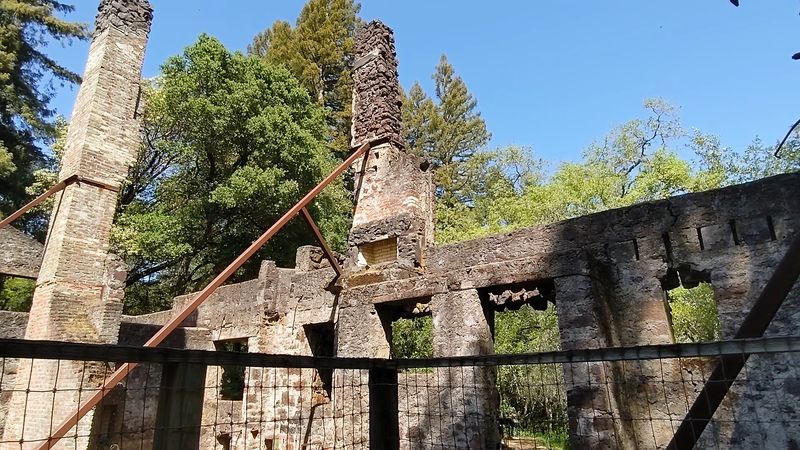
The park covers over 1,400 acres of oak woodland and vineyard landscape, with trails leading to the ruins of Wolf House, a massive stone structure that burned mysteriously before London ever lived in it.
The House of Happy Walls, which served as London’s wife’s home after his death, now functions as a museum with exhibits about his life and writing career.
Combining the town square with the state park makes for a day that moves between cultural history and natural landscape in a satisfying rhythm.
7. Bodega Bay and Sonoma Coast State Park, Sonoma County
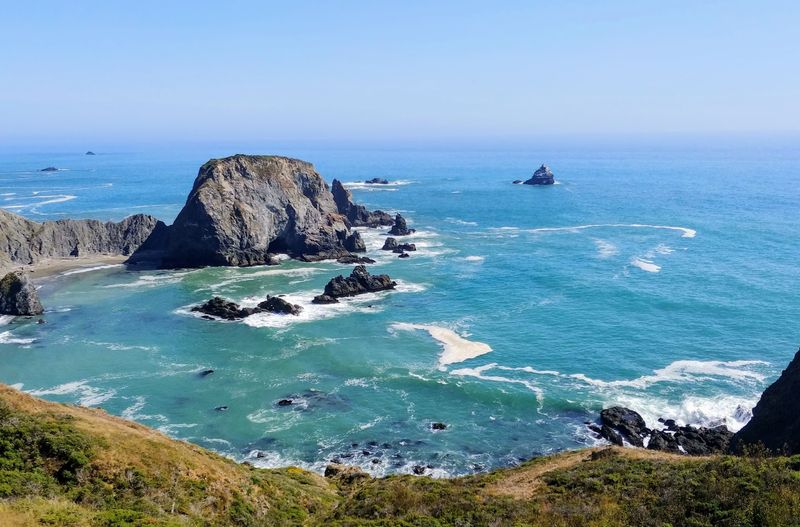
The stretch of Sonoma coastline between Bodega Bay and Jenner is one of the most visually dramatic in Northern California, with wave-carved sea stacks, hidden pocket beaches, and bluffs that drop sharply into the Pacific.
Sonoma Coast State Park covers much of this shoreline and includes a series of beach access points along Highway 1 that each offer a slightly different character.
Some beaches are calm enough for tidepooling while others face full ocean swells that make them better for watching than wading.
Bodega Bay itself is a working fishing harbor with a low-key, salt-air atmosphere that feels far removed from the Bay Area despite being only about an hour and a half north of San Francisco.
Fresh Dungeness crab is available seasonally from local markets and seafood spots along the harbor.
The Bodega Head trail loops around a coastal headland with reliable views of the bay and, during winter months, migrating whales offshore.
Goat Rock Beach at the mouth of the Russian River is one of the most distinctive spots along this coast, where harbor seals haul out on the sandbar in large numbers.
8. Big Basin Redwoods State Park, Santa Cruz County
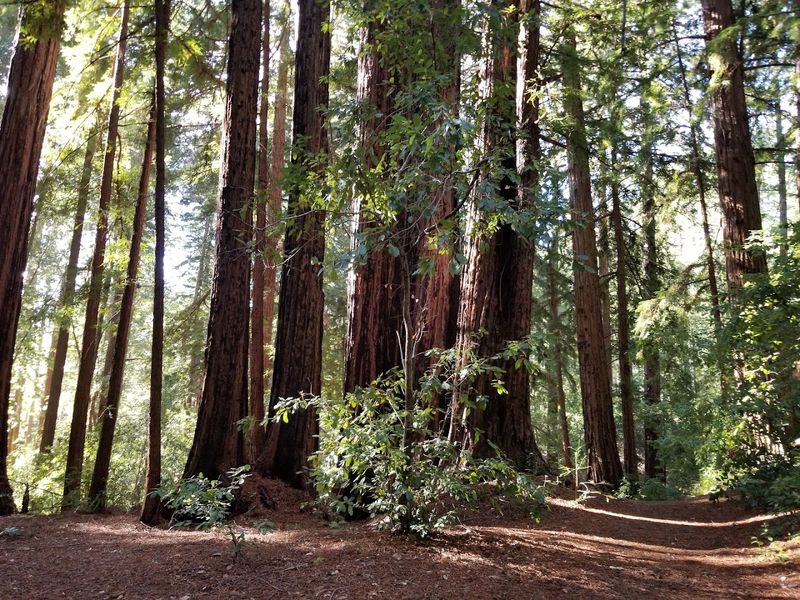
California’s oldest state park, Big Basin Redwoods, has been in the process of recovery since the CZU Lightning Complex fires swept through in August 2020, but the ancient redwoods themselves have proven resilient.
Many of the old-growth trees survived the fire due to their thick, fire-resistant bark, and the forest is actively regenerating in ways that tell a compelling story about ecological resilience.
Visitors should check the California State Parks website for current trail access before planning a trip, as restoration work continues on a rolling schedule.
The park covers over 18,000 acres in the Santa Cruz Mountains, and the trails that are currently open offer genuine old-growth encounters that are hard to match anywhere this close to the Bay Area.
Berry Creek Falls, one of the park’s signature destinations, involves a longer backcountry hike that may have variable access depending on current conditions.
The Redwood Loop near the park’s historic headquarters area provides a more accessible introduction to the ancient trees for those with limited time or mobility.
Big Basin carries a sense of history beyond just its trees, as the park’s founding in 1902 was driven by early conservation advocates who recognized the irreplaceable value of old-growth forest.
9. Capitola and Aptos, Santa Cruz County
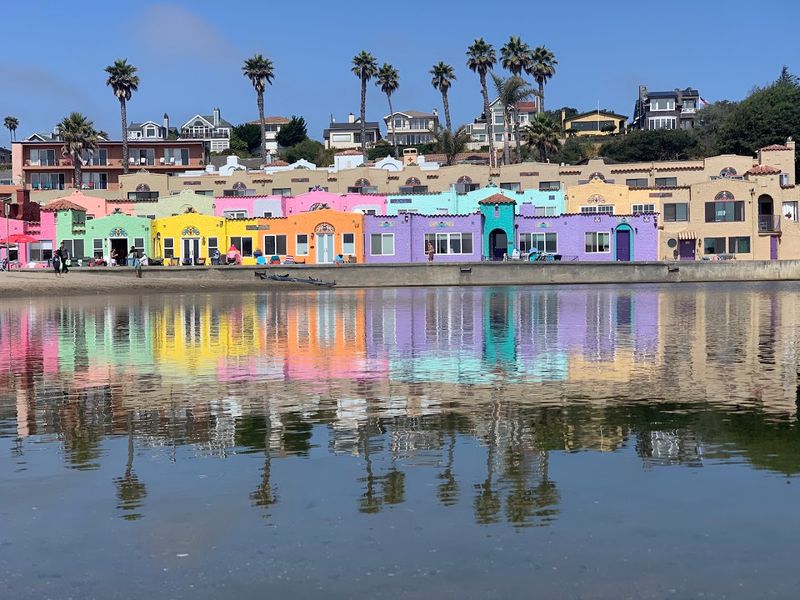
Capitola holds the distinction of being California’s oldest seaside resort town, and its compact beachfront village still carries that relaxed, slightly nostalgic character that has drawn visitors since the 1870s.
Pastel-colored buildings line the beach and creek mouth, creating a scene that photographs well but feels even better in person when the light is warm and the tide is low.
The cove here is sheltered enough to be swimmable for much of the summer, which makes it popular with families.
The Capitola Wharf extends into the bay and offers a straightforward place to walk, fish, or simply look back at the village from the water.
Soquel Creek runs through the village and empties at the beach, and kayaking or paddleboarding on the lower creek is a gentle way to experience the area from the water.
The commercial street just inland from the beach has independent shops and cafes that feel local rather than tourist-oriented.
Aptos, located just a few minutes east of Capitola, provides access to Forest of Nisene Marks State Park, where a network of trails climbs through second-growth redwood forest to the epicenter of the 1989 Loma Prieta earthquake.
10. Monterey and Pacific Grove, Monterey County
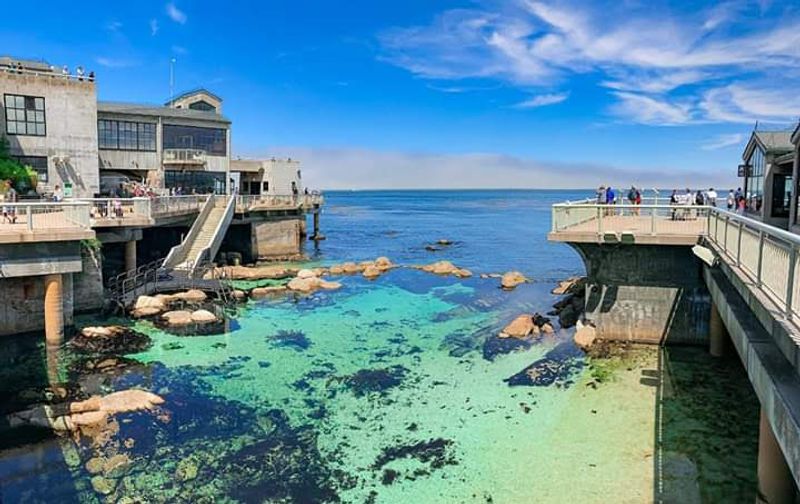
Few places in California pack as much natural and cultural richness into a single coastal stretch as Monterey and its quieter neighbor Pacific Grove.
The Monterey Bay Aquarium on Cannery Row is one of the finest marine science institutions in the world, with exhibits featuring kelp forests and open ocean species that genuinely shift the way visitors think about the ocean.
A few hours inside the aquarium can feel like a complete experience on its own before the rest of the day even begins.
The Monterey Bay Coastal Trail follows the shoreline for several miles and passes through both cities, offering easy flat walking with consistent views of the bay, harbor seals, and sea otters floating in the kelp.
Old Fisherman’s Wharf in Monterey provides a lively, walkable waterfront experience with fresh seafood, whale watching boat tours, and views across the bay toward the Santa Cruz Mountains.
Carmel-by-the-Sea is only a few miles south and adds an entirely different aesthetic with its storybook architecture and white sand beach.
The 17-Mile Drive connecting Pacific Grove and Carmel offers one of the most scenic coastal routes in the state for those willing to pay the entry fee.
11. Big Sur, Monterey County
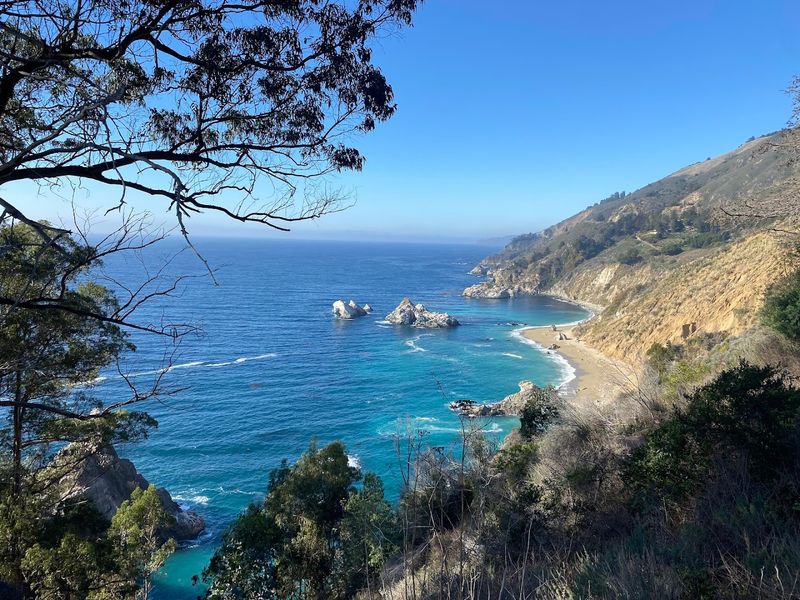
Driving Highway 1 through Big Sur is one of those experiences that California residents and visitors alike return to repeatedly, not because the road changes but because the scale of the landscape never quite loses its impact.
Cliffs drop hundreds of feet to the ocean, redwood canyons cut back from the coast, and the light shifts constantly depending on fog, season, and time of day.
The 90-mile stretch between Carmel and San Simeon contains more visual drama per mile than almost anywhere else in the state.
Bixby Creek Bridge, one of the most photographed structures in California, spans a deep coastal canyon about 13 miles south of Carmel and remains one of the longest single-span concrete arch bridges in the world.
Pfeiffer Big Sur State Park offers redwood trails, swimming in the Big Sur River, and a classic campground setting that feels genuinely removed from modern life.
McWay Falls in Julia Pfeiffer Burns State Park drops directly onto a beach accessible only by viewing from the trail above, creating a scene that feels almost unreal.
12. Solvang and Los Olivos, Santa Barbara County
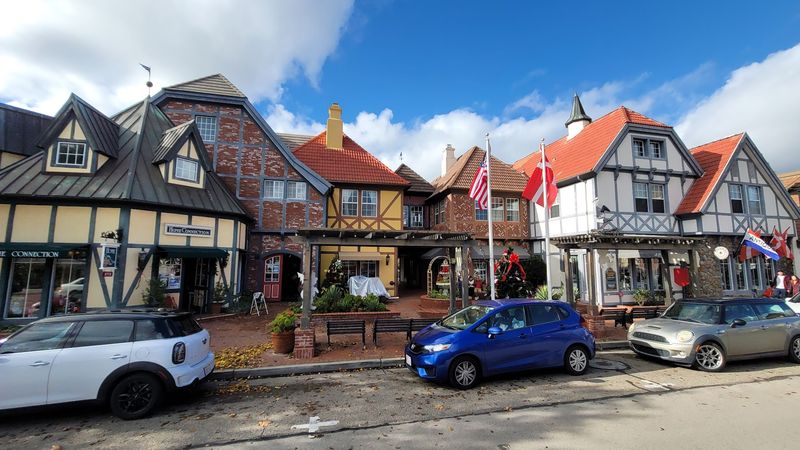
Founded in 1911 by Danish settlers who wanted to preserve their cultural heritage in California, Solvang has maintained its distinctive Danish architectural character through generations of growth and tourism.
Windmills, half-timbered facades, and cobblestone-style sidewalks give the town a storybook quality that genuinely delivers on its visual promise.
The bakeries here are a serious draw, with aebleskiver, a round Danish pancake, being one of the most consistently recommended things to try during a visit.
The Old Mission Santa Ines, founded in 1804, sits at the edge of town and remains an active parish church with a museum and garden open to visitors.
The mission provides a layer of California history that contrasts interestingly with the Danish cultural overlay of the surrounding town.
The combination of two distinct historical threads in one small place makes Solvang more intellectually engaging than it might first appear.
Los Olivos, about five miles north of Solvang along Alamo Pintado Road, is a tiny crossroads village with an art gallery concentration that feels disproportionate to its size.
13. Channel Islands National Park, from Ventura or Oxnard
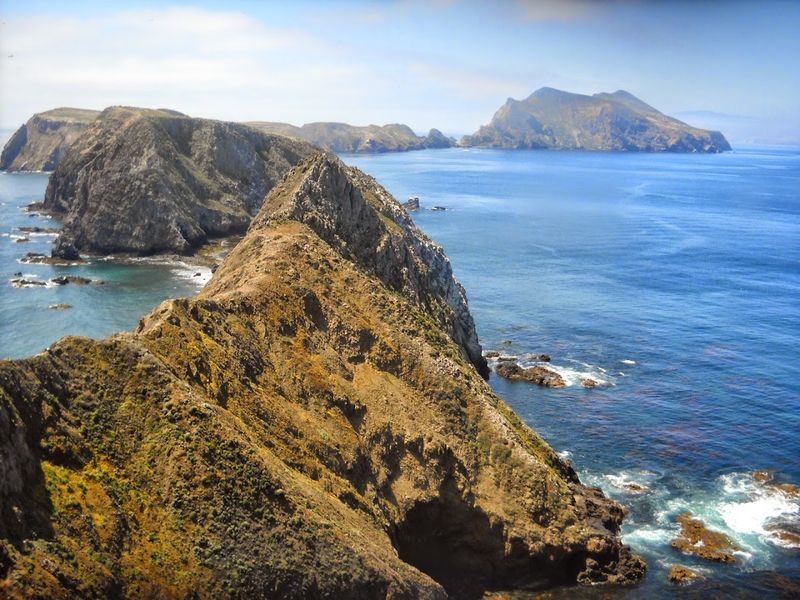
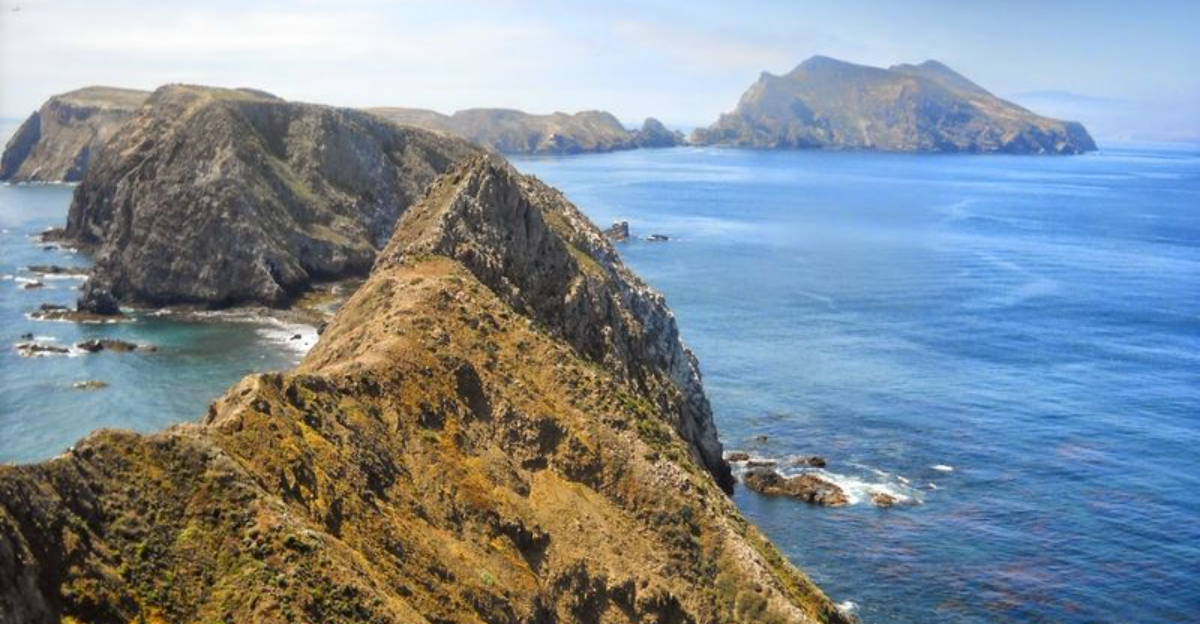
Reaching Channel Islands National Park requires a boat ride, which is part of what makes a day trip here feel so genuinely removed from the mainland despite the islands sitting only about 25 miles offshore.
Island Packers Conservancy operates the primary ferry service from Ventura Harbor and Oxnard, with trips to Santa Cruz Island being the most common day-trip option.
The crossing itself takes about an hour and often includes dolphin sightings along the way.
Santa Cruz Island is the largest of the eight Channel Islands and offers hiking trails, sea kayaking, and snorkeling in water that tends to be remarkably clear by California coastal standards.
The island fox, a species found only on the Channel Islands, is frequently spotted along the trails near Scorpion Ranch, where the ferry lands.
These small foxes have no natural fear of humans and often walk within a few feet of visitors going about their day.
The kelp forest ecosystem around the islands is considered one of the most productive marine environments on the Pacific Coast.
Reservations for the ferry are strongly recommended and often sell out weeks in advance during summer and holiday weekends.
14. Joshua Tree National Park, near Twentynine Palms
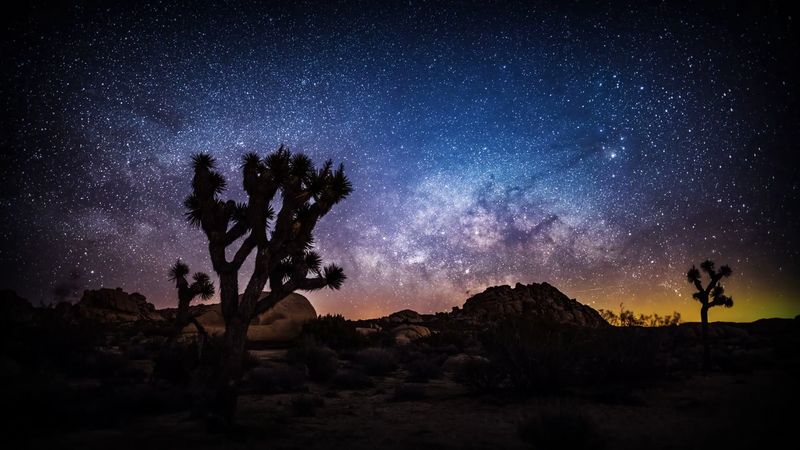
At the convergence of the Mojave and Sonoran deserts, Joshua Tree National Park contains a landscape so visually distinct that it has become one of the most recognizable natural environments in California.
The namesake trees, with their spiky arms reaching in every direction, grow only within a specific elevation band and create a silhouette against desert skies that is immediately recognizable.
Sunset and sunrise here are particularly striking because the low desert light turns the granite boulders shades of orange and pink that shift by the minute.
Hidden Valley Trail is a one-mile loop through a natural rock enclosure that was historically used by cattle rustlers and now offers one of the easiest and most rewarding short walks in the park.
Barker Dam, a short hike from the trailhead near Hidden Valley, leads to a small reservoir that attracts wildlife and reflects the surrounding boulders on calm mornings.
Skull Rock along Park Boulevard is accessible directly from a roadside pullout and is a favorite stop for families and casual visitors.
Cholla Cactus Garden near the park’s south entrance provides a surreal walk through dense stands of teddy bear cholla, a cactus whose spines detach easily and embed in skin if touched.