11 California Dishes Named After Places You’ve Probably Never Heard Of
California’s culinary map is filled with hidden landmarks, where unforgettable dishes were born far from red carpets and postcard skylines.
In small towns, rugged camps, and tight-knit neighborhoods, food became a way to tell stories, preserve identity, and turn survival into celebration.
These place-named dishes aren’t just meals – they’re edible history, shaped by gold rush grit, immigrant ingenuity, and local pride.
Every bite carries whispers of who settled there, what they had on hand, and how creativity thrived when resources were limited.
Some of these foods were born out of necessity, others from bold experimentation, but all became legends tied forever to where they began.
You might think you know California cuisine, but these lesser-known names reveal a deeper, more surprising side of the Golden State.
From dusty crossroads to overlooked neighborhoods, these dishes prove that the most iconic flavors often come from the most unexpected places.
This is a journey through California you can taste – one plate, one place, one story at a time.
Think you know California food?
These local legends might change everything.
Forgotten towns, unforgettable flavors – discover the dishes that put places on the map.
Gold rush roots, immigrant kitchens, and recipes that stood the test of time.
These California dishes have names – and stories – you won’t believe.
1. Santa Maria–Style Tri-Tip
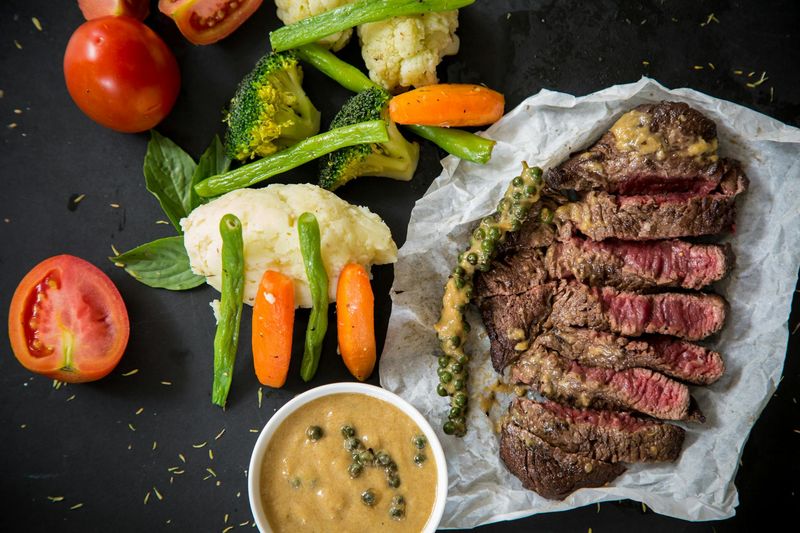
The Central Coast town of Santa Maria became synonymous with tri-tip thanks to a ranching culture that valued simple cuts cooked with care.
This style of barbecue focuses on seasoning beef with salt, pepper, and garlic before grilling it slowly over red oak, allowing the meat’s natural flavor to take center stage.
The result is a cut that’s smoky on the outside, tender inside, and deeply tied to local traditions.
Tri-tip gained popularity in Santa Maria during the mid-20th century when butchers began promoting the triangular cut as an affordable, flavorful alternative to more expensive steaks.
Red oak, abundant in the region, became essential to the process, imparting a distinct aroma that defines the dish.
Over time, weekend barbecues turned tri-tip into a communal ritual rather than just a meal.
Santa Maria–style tri-tip represents California’s ranching heritage in edible form.
Its appeal lies in restraint, proving that good ingredients and technique matter more than elaborate sauces.
Even when cooked elsewhere, the dish tastes most authentic along the Central Coast, where oak smoke and open skies feel inseparable from the flavor.
2. Mission Burrito
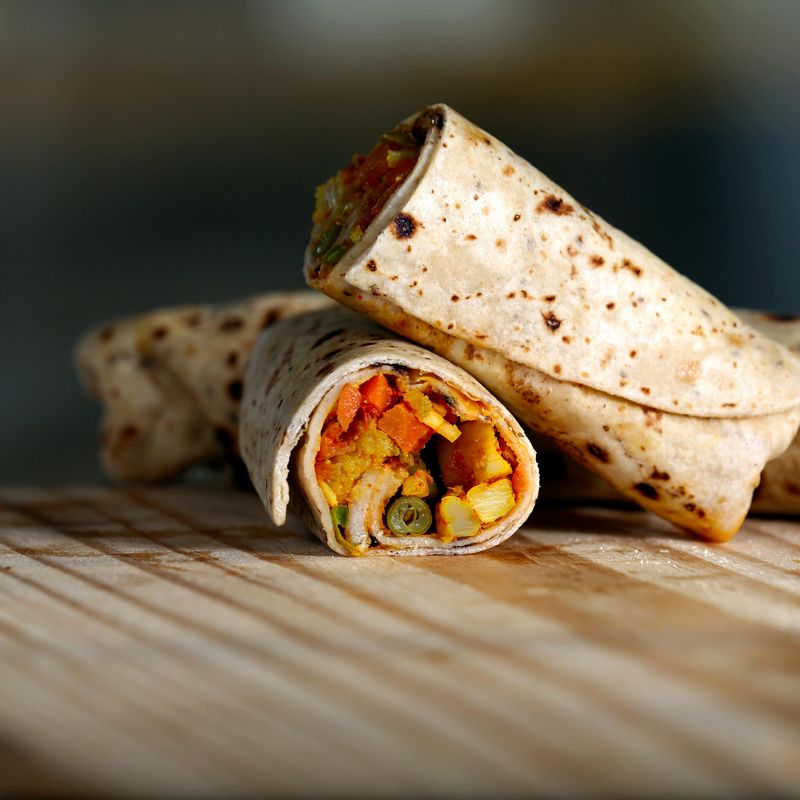
What began in a dense San Francisco neighborhood evolved into one of California’s most influential food formats.
This oversized burrito style emerged as taquerias responded to hungry workers and late-night crowds by wrapping rice, beans, meat, and toppings into a single, foil-wrapped meal.
The tightly packed structure made it portable, filling, and perfect for eating on the go, quickly setting it apart from smaller regional burrito styles.
The format took shape during the 1960s and 1970s as Mexican American communities blended traditional flavors with the practical needs of city life.
Steamed tortillas allowed for larger fillings without tearing, while foil wrapping kept everything warm and intact.
Over time, the style spread far beyond its neighborhood of origin, influencing burrito shops across the country.
Despite countless variations, the core idea remained unchanged: bold flavors, generous portions, and a meal designed to satisfy completely.
Today, this burrito represents more than just size.
It reflects cultural exchange, urban creativity, and California’s habit of turning everyday food into something iconic.
Even as trends shift toward lighter or more specialized versions, this format continues to define what many people picture when they think of a “California burrito,” proving that practicality and flavor can coexist.
3. Monterey Jack Cheese
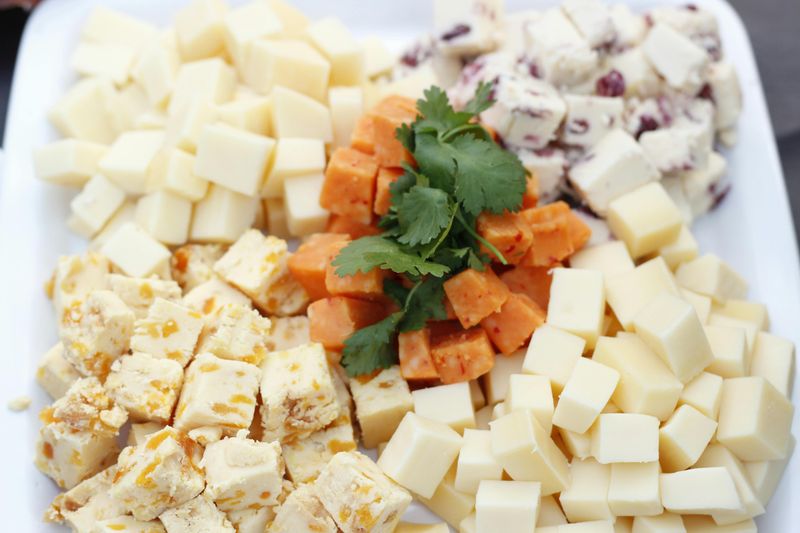
A mild, creamy cheese rose to prominence along California’s central coast, shaped by the region’s ranching traditions and cross-cultural influences.
Originally inspired by Mexican queso blanco, the cheese was adapted to suit local tastes, resulting in a softer texture and gentler flavor that melted beautifully.
Its approachable character made it immediately versatile, appealing to cooks looking for a reliable everyday cheese.
During the 19th century, the cheese gained wider recognition as it was produced and sold beyond local markets.
Its ability to melt smoothly helped it find a place in countless dishes, from sandwiches and casseroles to early California-style Mexican food.
As refrigeration improved and distribution expanded, the cheese became a staple well beyond its coastal roots, eventually appearing in grocery stores nationwide.
Today, this cheese remains a quiet workhorse in American kitchens.
It rarely demands attention, yet it supports countless recipes by adding richness without overpowering other ingredients.
Often blended with bolder cheeses or used on its own, it reflects California’s agricultural history and its talent for creating foods that feel both familiar and enduring.
4. Gilroy Garlic Fries
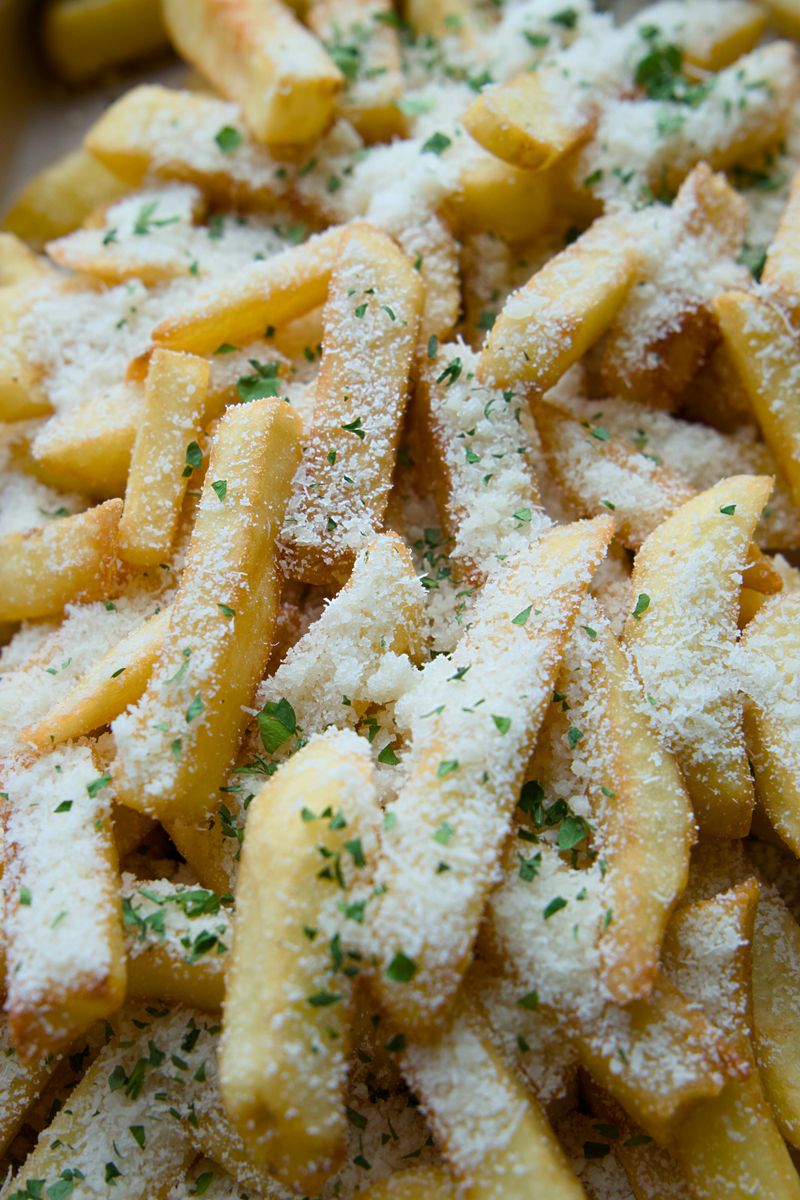
Garlic grows so abundantly around Gilroy that the town branded itself the “Garlic Capital of the World” and hosts an annual festival celebrating the pungent bulb.
Located in the southern reaches of Santa Clara County, Gilroy’s agricultural identity contrasts sharply with Silicon Valley’s tech focus just miles north.
The town’s garlic influence extends beyond farms into restaurant kitchens where chefs load french fries with enough minced garlic to make vampires flee.
True Gilroy garlic fries feature fresh garlic rather than garlic powder, creating an intense flavor that coats every crispy potato stick.
Restaurants typically toss hot fries with butter, parsley, and raw or lightly sautéed garlic immediately before serving.
The heat from the fries mellows the garlic’s sharpness slightly while releasing its aromatic oils throughout the basket.
Garlic City Cafe at 7461 Monterey Street, Gilroy, CA 95020 serves a popular version alongside burgers and sandwiches in a casual dining atmosphere.
The restaurant embraces the town’s garlic heritage with menu items that incorporate the ingredient in creative ways.
During the Gilroy Garlic Festival each July, vendors sell garlic fries by the thousands to crowds who come specifically for garlic-infused everything.
The dish has spread beyond Gilroy to baseball stadiums and casual restaurants throughout California, but purists insist the original tastes best near the garlic fields.
Eating garlic fries requires commitment since the flavor lingers on breath for hours afterward.
That boldness perfectly captures Gilroy’s agricultural pride and willingness to celebrate an ingredient many cuisines use sparingly.
5. Cioppino (San Francisco)
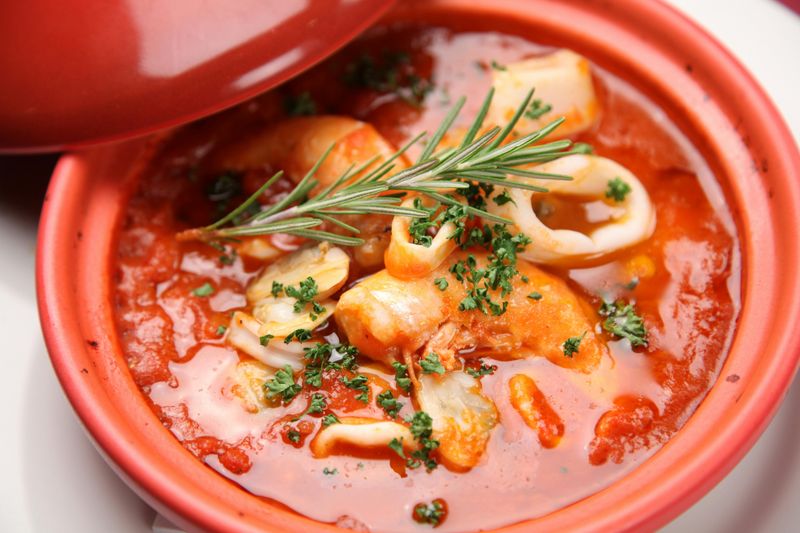
A deeply comforting seafood stew took shape along busy waterfronts where fishermen returned with unpredictable catches and empty stomachs.
The dish grew from necessity, relying on whatever seafood was available at the end of the day, simmered together in a tomato-rich broth flavored with garlic, herbs, and wine.
What emerged was a meal meant to be shared, hearty enough to feed many and flexible enough to change with the tides.
Italian immigrant communities played a central role in shaping the stew’s identity, blending Mediterranean cooking traditions with the realities of Pacific fishing life.
Crab, clams, mussels, shrimp, and firm white fish all found their way into the pot, creating layers of flavor that improved the longer the stew simmered.
Thick slices of bread were essential, used to soak up every drop of the savory broth, turning the meal into a full, satisfying experience.
Over time, the stew moved from docks and home kitchens into restaurants, where it became a symbol of coastal abundance and working-class ingenuity.
While recipes vary, the spirit remains the same: generosity, adaptability, and respect for the sea.
Today, the dish stands as a reminder that some of the most enduring foods are born not from luxury, but from community, tradition, and the simple desire to make something nourishing out of what the day provides.
6. Napa Chicken Salad
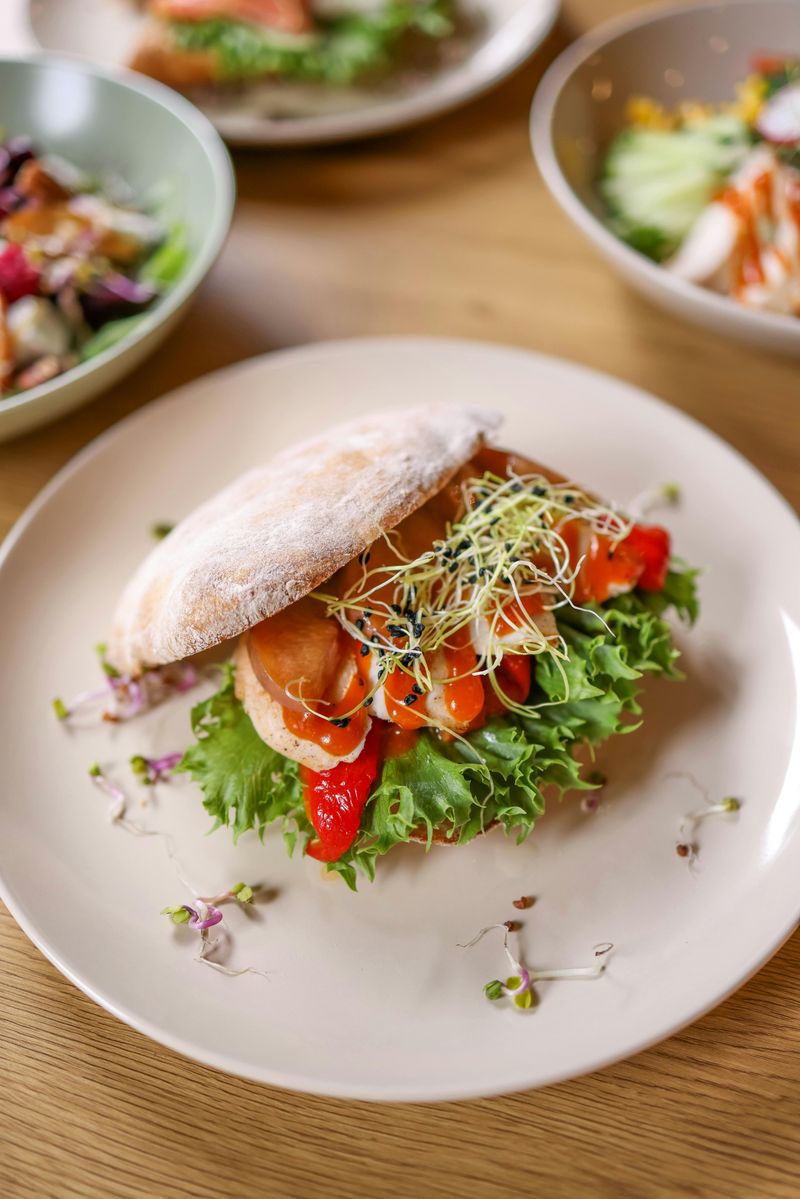
This chicken salad became popular as wineries and cafés looked for light yet satisfying dishes that paired naturally with wine tastings and warm afternoons.
Instead of heavy mayonnaise-forward versions, Napa-style chicken salad emphasizes balance, using tender roasted chicken, crisp celery, grapes or apples, and a restrained, creamy dressing.
The flavors stay clean and bright, designed to refresh rather than overwhelm the palate between glasses of wine.
The dish gained traction in the late 20th century as wine country dining shifted toward seasonal, ingredient-driven menus.
Chefs leaned into Napa’s agricultural abundance, adding walnuts, fresh herbs, or citrus to reflect what was growing nearby.
The salad appeared on café menus, winery patios, and lunch counters, becoming a reliable staple for visitors seeking something comforting but refined.
Over time, “Napa chicken salad” became shorthand for a lighter, more elegant version of a familiar dish.
Today, Napa chicken salad represents wine country’s broader food philosophy: simple ingredients treated with care and restraint.
It feels equally at home tucked into a croissant, served over greens, or eaten straight from the bowl.
The dish’s enduring popularity comes from its versatility and its ability to capture Napa’s relaxed yet polished approach to food, where freshness always takes the lead.
7. Sonoma Chicken Salad
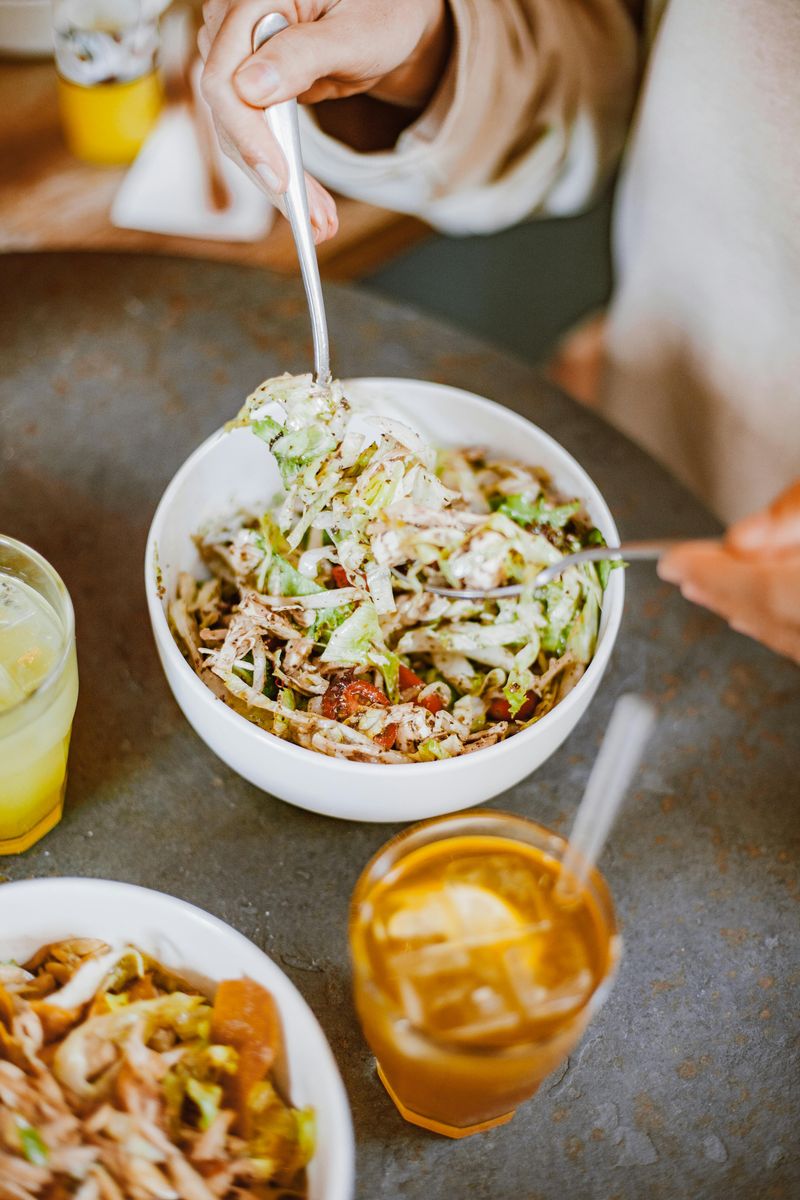
Rolling vineyards and farm fields shaped a dish that feels both refined and reassuring.
Tender chicken combined with fresh produce, nuts, and subtle sweetness reflected a region known for balance and restraint.
Rather than heavy sauces or sharp contrasts, the flavors worked together quietly, allowing each ingredient to contribute without dominating.
Local agriculture influenced the ingredients, from crisp celery and grapes to toasted nuts and herbs.
The result was a salad that felt light yet substantial, suitable for warm afternoons and relaxed lunches.
It embodied wine country sensibilities, where food complements surroundings rather than competes with them.
The dish gained popularity because it adapted easily.
Served on its own, tucked into sandwiches, or paired with greens, it fit many moments without losing identity.
The gentle sweetness and creamy texture made it approachable, while careful seasoning kept it from feeling ordinary.
Over time, it became a staple associated with leisurely meals and shared tables.
This salad represents the region’s philosophy: thoughtful preparation, quality ingredients, and confidence in simplicity.
It proves that elegance doesn’t require complexity, only attention and care.
8. San Diego Fish Tacos
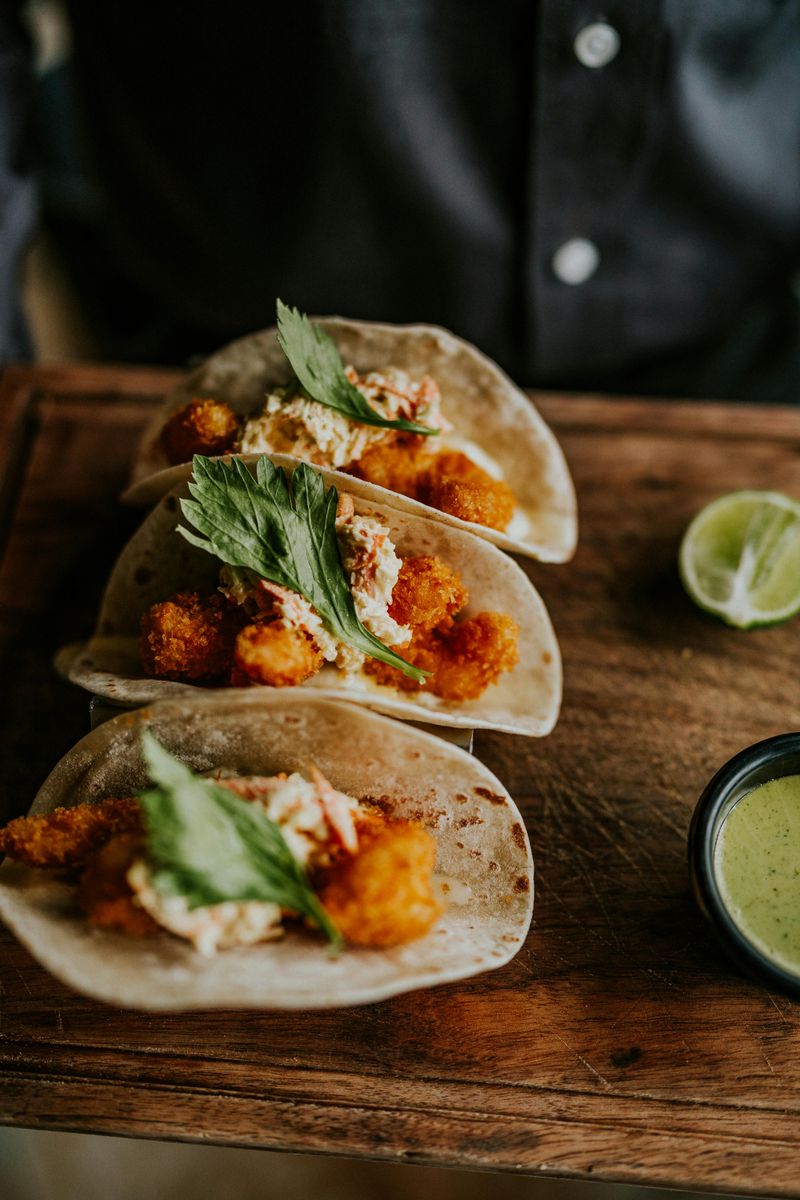
A relaxed coastal lifestyle shaped a dish that feels inseparable from sunshine, surfboards, and salty air.
What started as a simple way to enjoy freshly caught fish evolved into a defining expression of Southern California food culture.
Lightly battered or grilled fish, tucked into warm tortillas and topped with crisp cabbage, crema, and bright salsa, created a meal that felt effortless yet deeply satisfying.
The dish took hold as coastal communities blended Mexican culinary traditions with California’s access to fresh seafood.
Small taco stands and beachside shacks refined the balance, focusing on freshness rather than heaviness.
Lime juice, cilantro, and house-made sauces brought brightness, while the tortillas kept everything grounded and comforting.
The result was food that felt casual but never careless.
Over time, the tacos became more than a quick bite after surfing.
They turned into a symbol of place, representing the intersection of ocean life, border influence, and laid-back dining.
Variations now exist everywhere, but the spirit remains rooted in simplicity.
Each bite captures movement, warmth, and the sense that good food doesn’t need formality.
This dish endures because it tastes like freedom, sun, and the ocean, all wrapped into one handheld meal.
9. San Francisco Sourdough
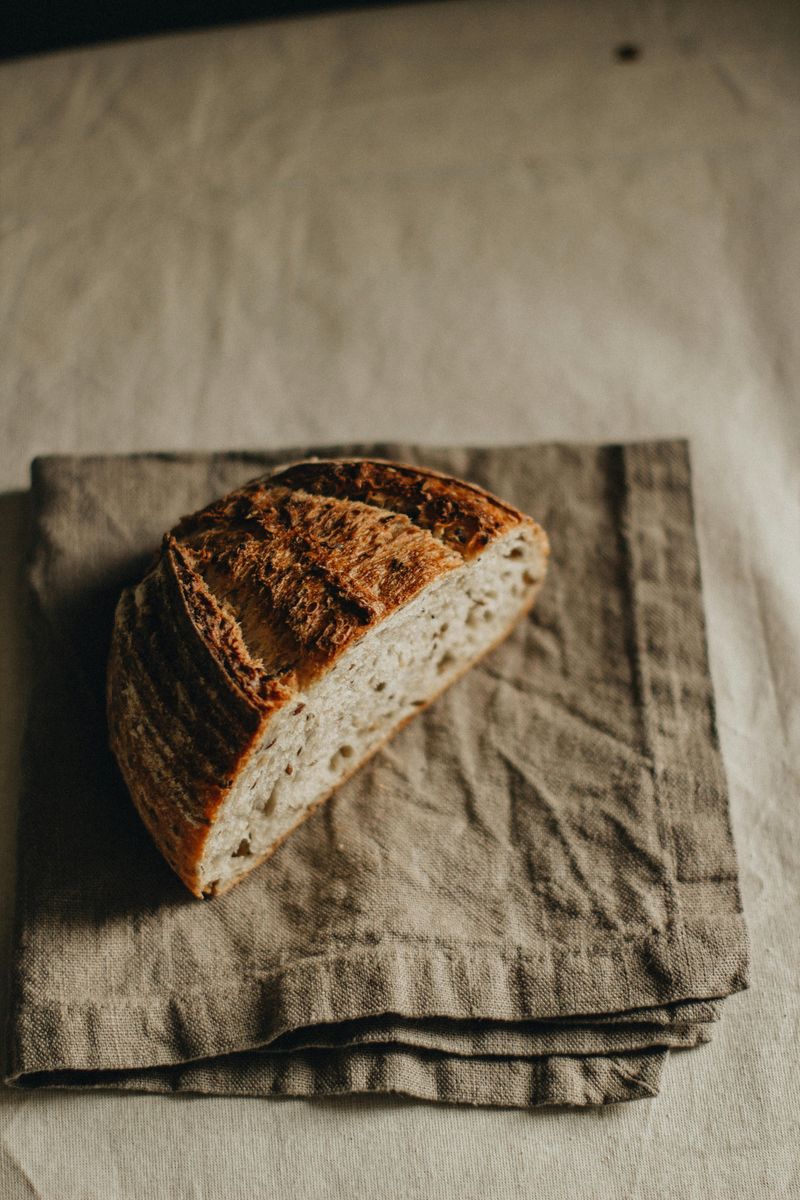
A naturally fermented bread gained its character from a cool, foggy climate and generations of bakers who trusted time over shortcuts.
Wild yeast cultures thrived in the air, giving rise to loaves with a distinct tang, chewy interior, and crackling crust.
The flavor became so closely tied to place that attempts to recreate it elsewhere often fell short.
The bread gained prominence during periods when durability mattered as much as taste.
Long fermentation not only developed flavor but also extended shelf life, making it practical for workers, travelers, and households alike.
Bakers guarded their starters carefully, feeding and preserving them as living connections to the past.
Each loaf carried traces of previous batches, creating continuity across decades.
As the city evolved, the bread remained constant, appearing alongside seafood stews, simple breakfasts, and everyday meals.
Its sourness never aimed to overpower but instead provided contrast and depth.
Today, the bread represents patience, tradition, and respect for process.
It reminds people that great food can be slow, imperfect, and deeply rooted in environment.
More than a side or ingredient, this bread became an edible identity shaped by time, weather, and human care.
10. Palm Springs Date Shake
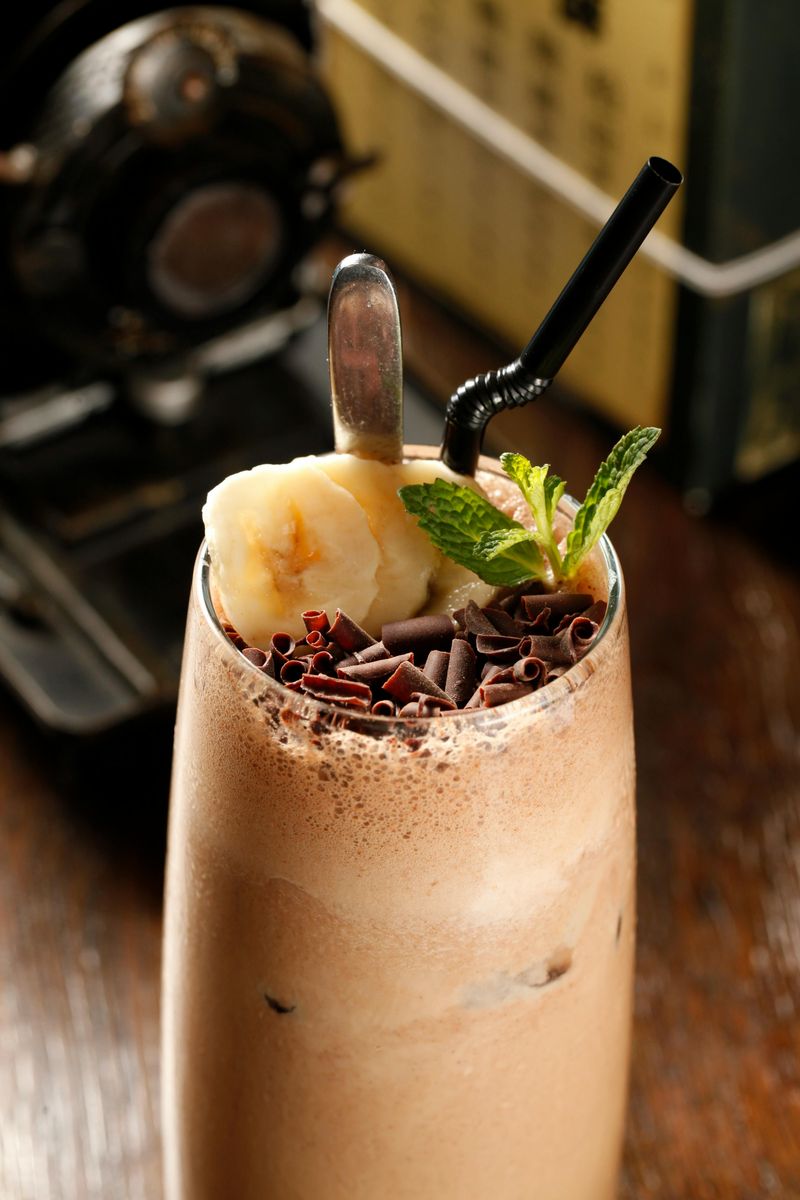
In the heart of the desert, where palm trees stretch against cloudless skies, a simple drink became a symbol of place.
Long before air conditioning defined the region, dates thrived in the hot, dry climate, producing fruit with deep caramel sweetness and remarkable richness.
Blending those dates with milk and ice created a treat that cooled travelers and showcased the valley’s agricultural bounty.
The shake grew popular as roadside stands welcomed motorists crossing vast desert highways.
It offered energy, refreshment, and a taste of the land itself.
Unlike overly sugary desserts, the natural sweetness of dates delivered complexity, with notes of honey, toffee, and spice.
The texture remained thick and satisfying, making it feel indulgent without excess.
Over time, the shake became inseparable from desert travel, marking arrivals and departures alike.
Families passed down favorite stops, and visitors planned detours just to experience it fresh.
Modern versions may add touches like vanilla or cinnamon, but the soul remains unchanged.
The drink reflects the desert’s ability to transform extremes into comfort.
Each sip carries heat, history, and hospitality, reminding people that some of the most memorable flavors are born from landscapes that demand patience, resilience, and respect.
11. Santa Cruz Garlic Fries
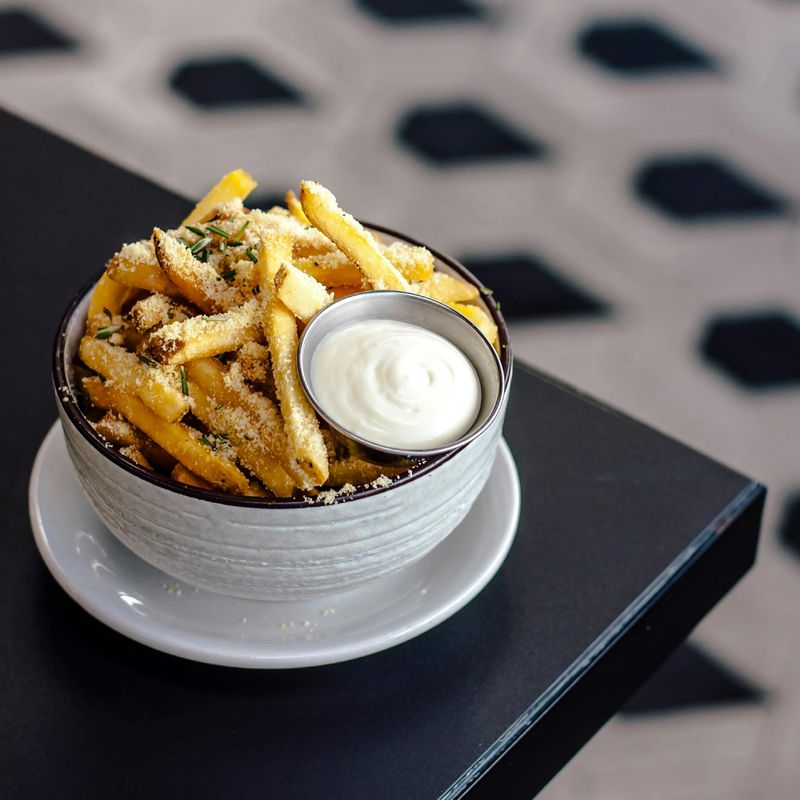
Near the ocean, where salt air mingles with laughter and music, a humble side dish evolved into a local obsession.
Crisp fries tossed with generous amounts of garlic, oil, and herbs became synonymous with casual eating and coastal indulgence.
The dish didn’t aim for subtlety.
Instead, it embraced boldness, turning a simple snack into something unforgettable.
The garlic-forward flavor matched the energy of the area: vibrant, unpretentious, and a little rebellious.
Served hot and piled high, the fries invited sharing, even as everyone secretly wanted their own portion.
The aroma alone announced their arrival, drifting through open-air spaces and drawing curious passersby.
This dish flourished in settings where food was meant to be eaten with hands, enjoyed outdoors, and paired with conversation rather than ceremony.
Variations emerged, adding cheese, herbs, or spice, but garlic always remained the star.
The fries became a ritual food, tied to ballgames, beach days, and late afternoons by the water.
Their appeal lies in comfort and confidence, proving that sometimes the most satisfying food is the one that leans fully into flavor without apology.