California Has Mountain Towns So Dreamy That Most People Assume They Only Exist In Movies
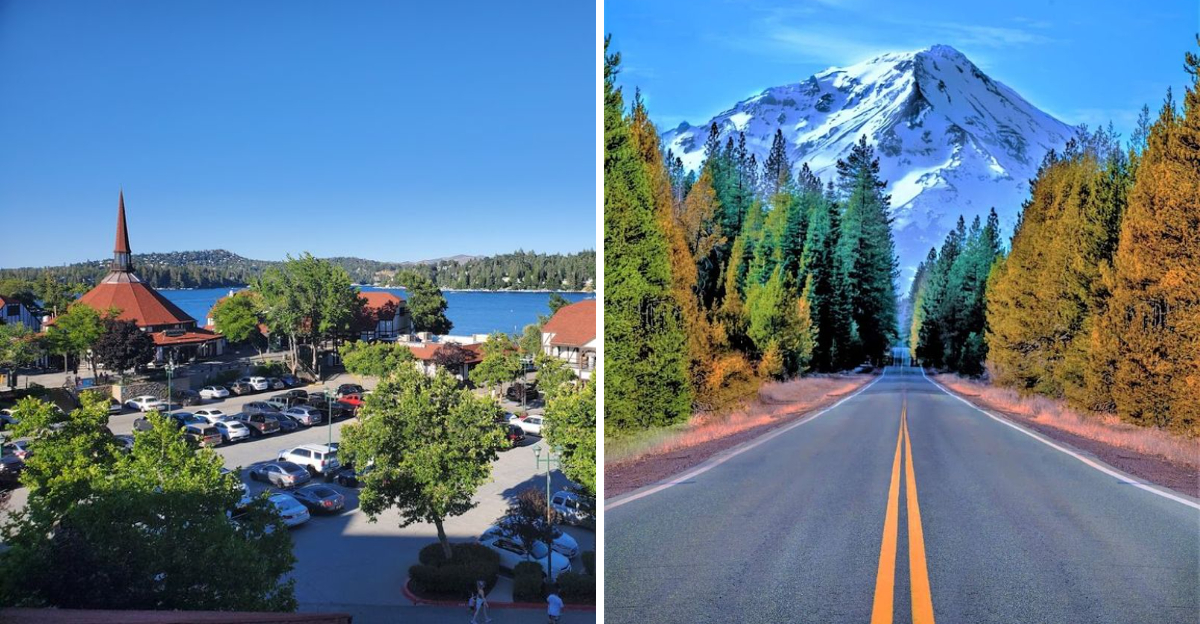
You don’t plan to stop long. A quick pull-off, maybe a photo, then back on the road. That idea starts slipping the second the car slows down.
The air changes first. Cooler, quieter, sharper. The road curves just enough to hide what’s ahead, then suddenly opens into something that doesn’t look like it belongs to a regular drive.
Tall pines, steep granite, rooftops tucked into the landscape like they’ve always been there.
A town comes into view almost all at once. No buildup. No big entrance. Just a cluster of streets where people move slower, where doors stay open a little longer, where a short walk turns into wandering without a reason to stop.
There are corners of California where the scenery does more than impress, it resets how you take everything in.
Time stretches without asking. One stop becomes an afternoon. Then a return visit starts to sound like a good idea before the first one even ends. That shift is what makes these mountain towns hard to treat like a one-time stop.
1. Idyllwild
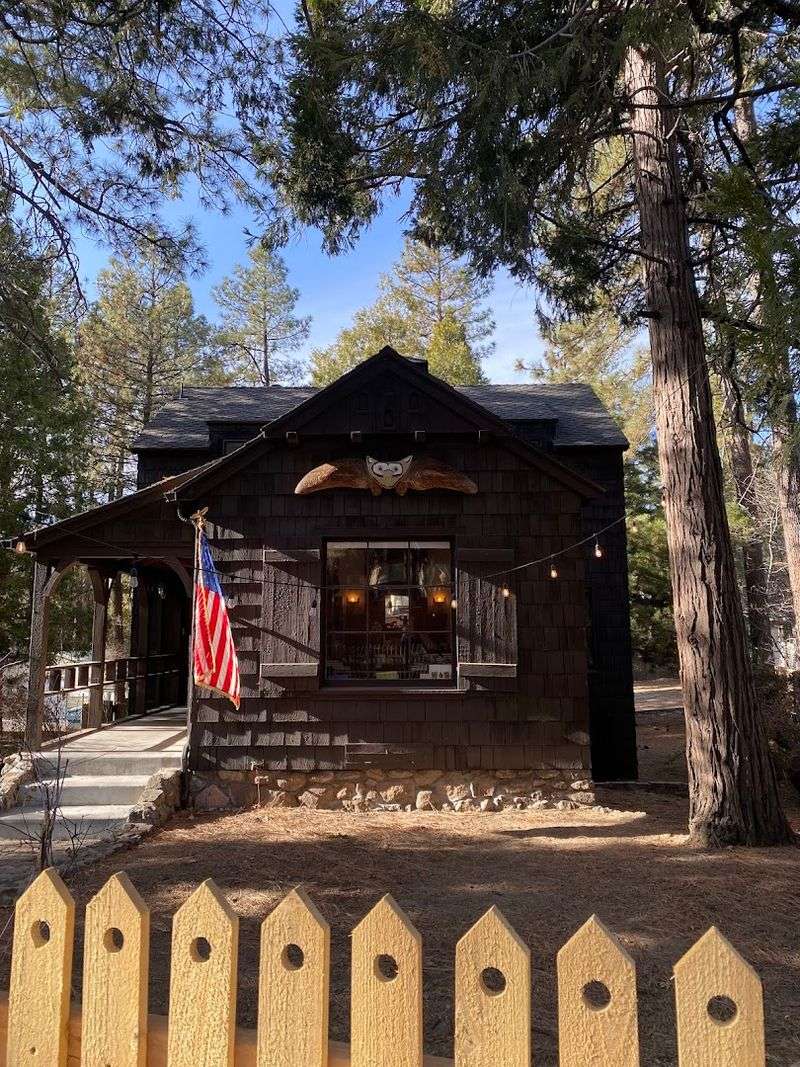
High up in the San Jacinto Mountains, Idyllwild sits at roughly 5,400 feet and carries the kind of calm that city life rarely offers.
The air smells like pine resin, and the streets are lined with small galleries, handmade jewelry shops, and cozy cafes that feel genuinely unhurried.
Granite boulders tower above the rooftops in a way that makes the whole town feel both grounded and dramatic at the same time.
Artists and musicians have been drawn here for decades, giving Idyllwild a creative energy that balances nicely with its rugged surroundings.
On weekends, the town fills with hikers heading toward Tahquitz Peak or the Pacific Crest Trail, yet the pace never feels rushed.
Locals tend to wave at strangers, dogs wander alongside their owners on the main drag, and the general mood leans toward easy conversation over anything competitive.
Fall tends to bring cooler temperatures and golden light that filters through the trees in long afternoon rays.
Summers are noticeably cooler than the desert below, which makes Idyllwild a popular escape from the Coachella Valley heat.
Parking can get tight on holiday weekends, so arriving early in the morning tends to make the experience much smoother.
2. Big Bear Lake
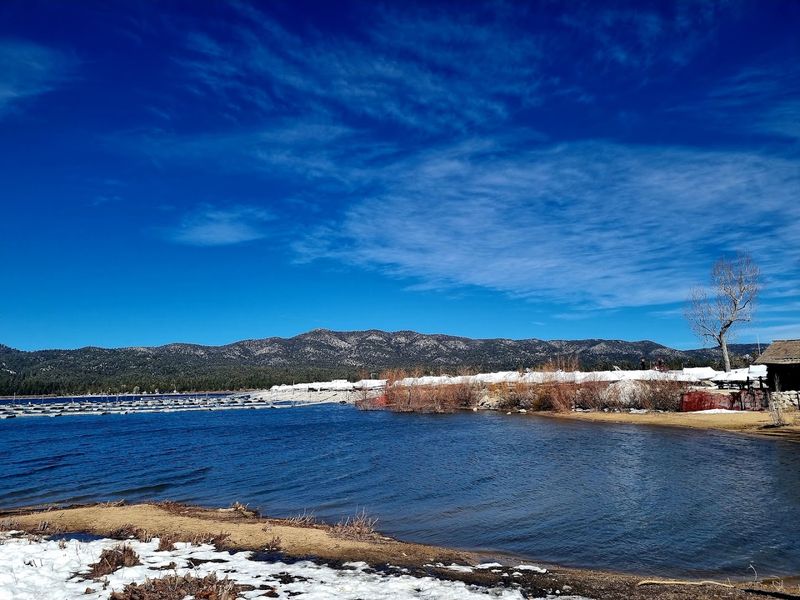
At an elevation of about 6,752 feet, Big Bear Lake offers a year-round destination that shifts its personality with each season without losing its core appeal.
The village area along Pine Knot Avenue is walkable and lined with small shops, eateries, and outfitters that cater to both winter skiers and summer hikers.
The lake stretches out visibly from several points in town, and the contrast of blue water against mountain ridgelines gives the place a natural grandeur that feels effortless.
Big Bear Mountain Resort draws skiers and snowboarders from the Los Angeles area during winter, making the town noticeably busier between December and March.
Summer shifts the focus toward kayaking, paddleboarding, and mountain biking, with trails ranging from beginner-friendly loops to more technical single-track routes.
The visitor population tends to skew toward families and groups of friends, giving the town a social energy that stays friendly rather than rowdy.
Weekday visits in the shoulder seasons of spring and fall tend to offer the most relaxed version of Big Bear Lake, with shorter lines and easier parking near the village.
The surrounding national forest land is open to exploration year-round, and wildlife sightings including deer and the occasional black bear are not uncommon on quieter mornings along the lake trail.
3. Wrightwood
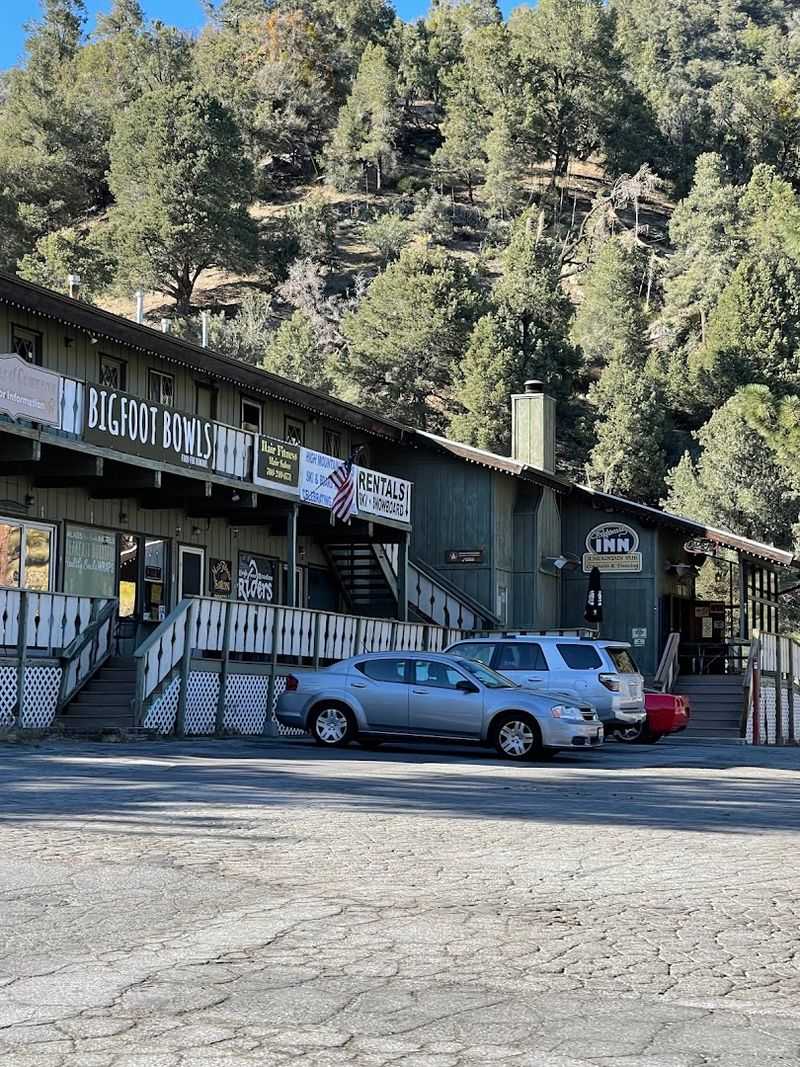
Sitting at around 6,000 feet in the San Gabriel Mountains, Wrightwood has the feel of a mountain town that has not tried too hard to become a tourist destination, and that restraint is exactly what makes it appealing.
The main street is small and straightforward, with a handful of restaurants, a general store, and shops that serve both locals and weekend visitors without leaning too heavily into either direction.
Mountain High Resort is just minutes away, which brings a steady flow of skiers during winter without overwhelming the town itself.
The surrounding terrain is part of the Angeles National Forest, and trails in the area offer access to some genuinely impressive views of the Mojave Desert and the San Gabriel ridgeline.
The Pacific Crest Trail passes near Wrightwood, making it a recognized stop for long-distance hikers who use the town to resupply.
That through-hiker culture adds a quiet adventurous undertone to a town that otherwise feels pleasantly low-key.
Summer evenings in Wrightwood cool down quickly after sunset, which makes it a comfortable escape from the heat of the Inland Empire below.
The town does not have the polished resort feel of some other mountain destinations, and for many visitors, that authenticity is the main draw.
Arriving on a weekday almost guarantees a parking spot and a slower, more genuine version of the mountain experience.
4. Julian
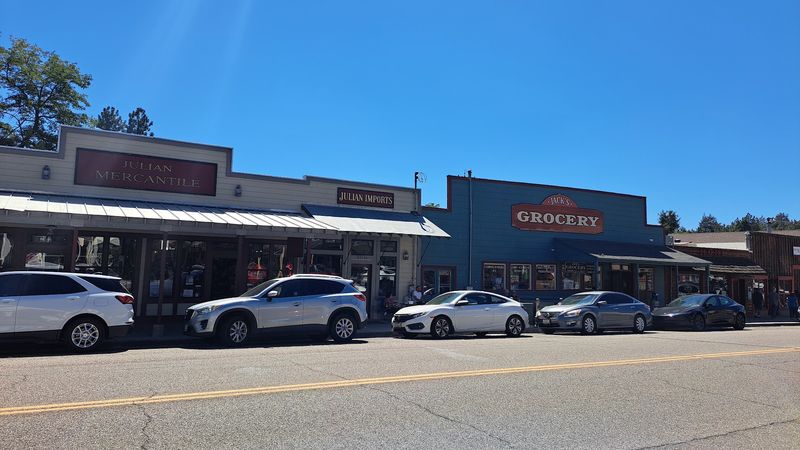
Known across Southern California for its apple pies and Gold Rush history, Julian sits at about 4,200 feet in the Cuyamaca Mountains east of San Diego.
The town was founded in the 1870s following a gold discovery, and many of the original brick and wood-frame buildings along Main Street have been preserved well enough to give visitors a tangible sense of that era.
Walking through town feels less like a theme park recreation and more like a genuine step back in time.
Apple season runs roughly from September through November, drawing large crowds to the orchards and bakeries that line the roads in and around town.
Julian Pie Company and Mom’s Pie House are among the most well-known spots for fresh-baked apple pie, though lines can stretch significantly on fall weekends.
Outside of apple season, the town is quieter and easier to explore at a relaxed pace.
Hiking in the nearby Cuyamaca Rancho State Park offers access to forested trails and open meadows that contrast nicely with the town’s historic character.
The drive up to Julian from San Diego takes about an hour and winds through chaparral-covered hills that shift in color through the seasons.
Mornings on weekdays offer the clearest roads and the most unhurried version of this genuinely charming mountain town.
5. Mammoth Lakes
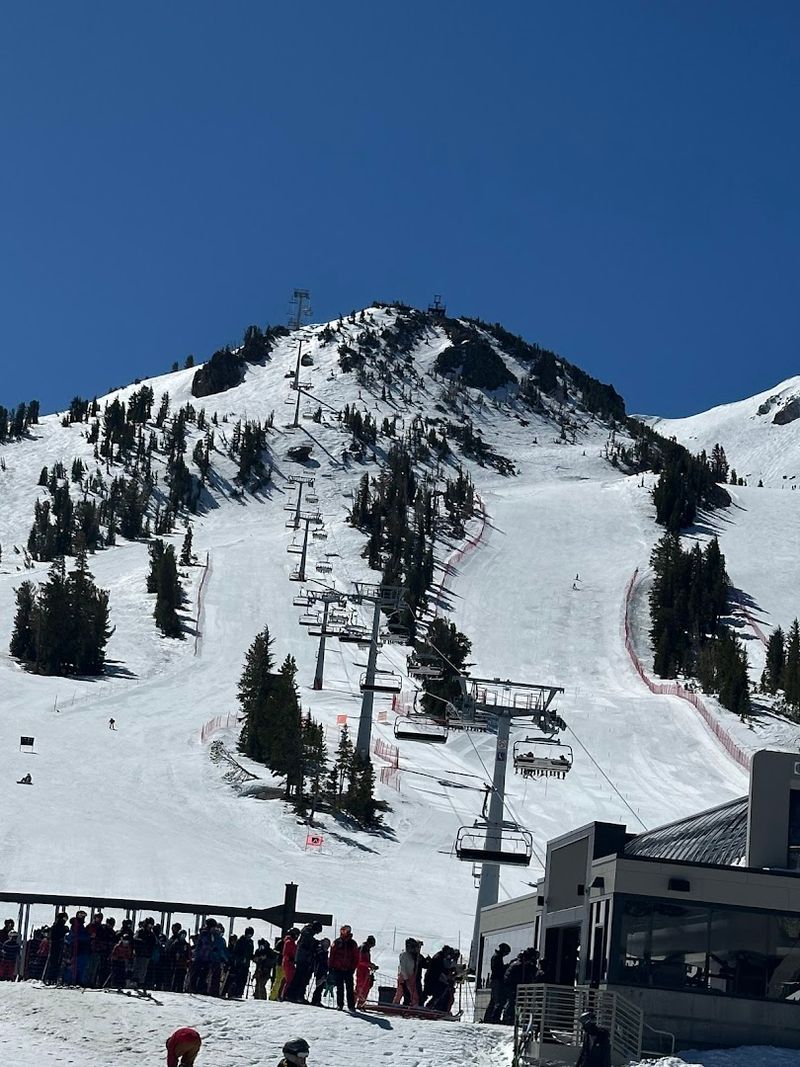
Few mountain towns in California carry the kind of year-round energy that Mammoth Lakes does, sitting at over 7,800 feet in the Eastern Sierra.
The town is best known as the gateway to Mammoth Mountain, one of the most popular ski resorts in the western United States, but the appeal extends well beyond winter sports.
Hot springs, volcanic formations, and alpine lakes surround the town in every direction, giving outdoor enthusiasts an almost overwhelming number of options regardless of the season.
The Village at Mammoth serves as a central gathering point, with restaurants, shops, and a gondola that connects visitors to the mountain above.
The town itself has a functional, outdoorsy character rather than a polished resort aesthetic, which tends to suit the kind of traveler who comes here to actually use the landscape rather than simply admire it.
Fishing in the nearby lakes and streams draws a dedicated crowd during summer, and the wildflower displays in June and July can be genuinely spectacular along the higher trails.
Traffic into Mammoth on winter holiday weekends can back up significantly on Highway 395, so planning arrival times carefully is worth the effort.
The town has a solid range of lodging options from budget motels to larger condo complexes, and booking well in advance during peak ski season is strongly recommended to avoid limited availability.
6. June Lake
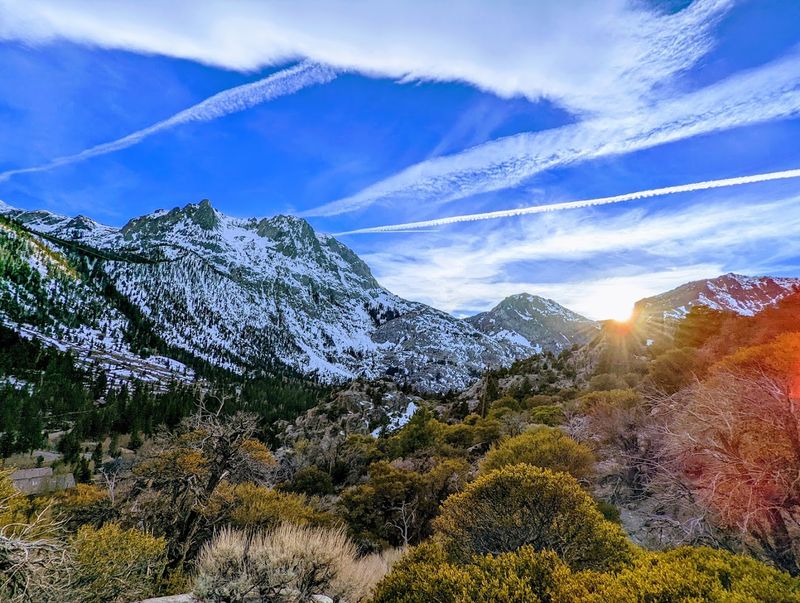
Just a short drive north of Mammoth Lakes along the June Lake Loop, this small Eastern Sierra community offers a quieter alternative to its more famous neighbor without sacrificing any of the scenery.
The June Lake Loop itself is one of the more scenic drives in California, passing four separate alpine lakes, each with its own color and character depending on the light and the season.
The town has a population of only a few hundred permanent residents, which gives it an almost village-like intimacy that larger resort towns rarely manage to replicate.
June Mountain Ski Area operates here during winter and tends to attract skiers who prefer shorter lift lines and a more relaxed atmosphere over the amenities of bigger resorts.
The area around the lakes is known for excellent trout fishing, and the calm mornings on the water before the afternoon wind picks up are particularly peaceful.
A handful of small restaurants and lodges serve the community without overwhelming it, and the general vibe leans toward unpretentious outdoor living.
Visiting during late September or early October brings the added bonus of aspen trees turning bright gold along the loop road, a display that draws photographers from across the state.
Crowds are noticeably lighter here than at Mammoth, and finding a quiet lakeside spot to sit and watch the mountains reflect on the water is a realistic expectation rather than a lucky outcome.
7. Truckee
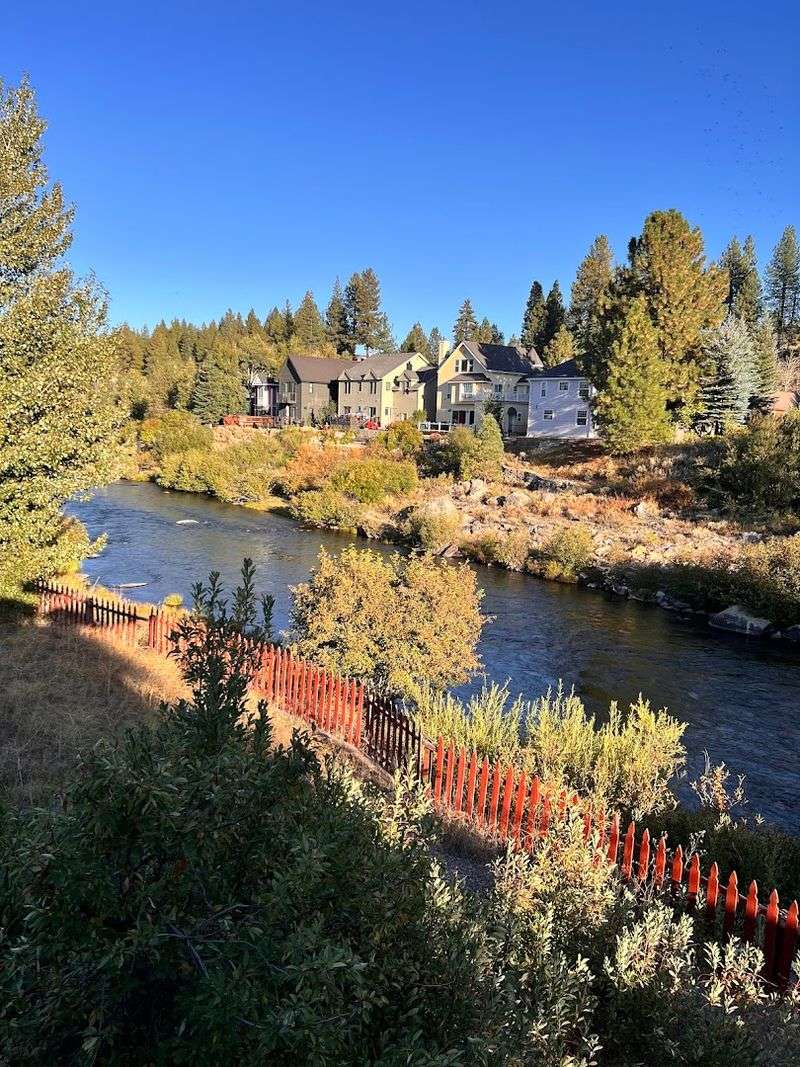
Downtown Truckee looks like a place that a production designer would build for a Western film and then decide to leave standing because it turned out too good to take apart.
The historic commercial district along Donner Pass Road features brick storefronts, wooden facades, and a working railroad that still runs through the center of town, adding an authentic layer of history that most mountain towns can only hint at.
Founded in the 1860s during the transcontinental railroad era, Truckee has held onto its Gold Rush and railroad character without turning it into a caricature.
The town sits at about 5,817 feet in the Sierra Nevada and serves as a practical base for exploring nearby Lake Tahoe, Donner Lake, and several ski resorts.
Restaurants and shops in the downtown area cover a solid range, from casual breakfast spots to more polished dining options that attract visitors from the lake communities nearby.
Winters here are genuinely cold and snowy, which adds to the atmosphere but also requires proper preparation for anyone driving in from lower elevations.
Summer brings a different kind of energy with mountain biking, kayaking, and hiking drawing visitors who prefer warmer pursuits.
The Truckee River runs near town and offers a pleasant stretch for floating and fishing during summer months.
Parking downtown can be competitive on busy summer weekends, and arriving before mid-morning tends to make navigation considerably easier.
8. South Lake Tahoe
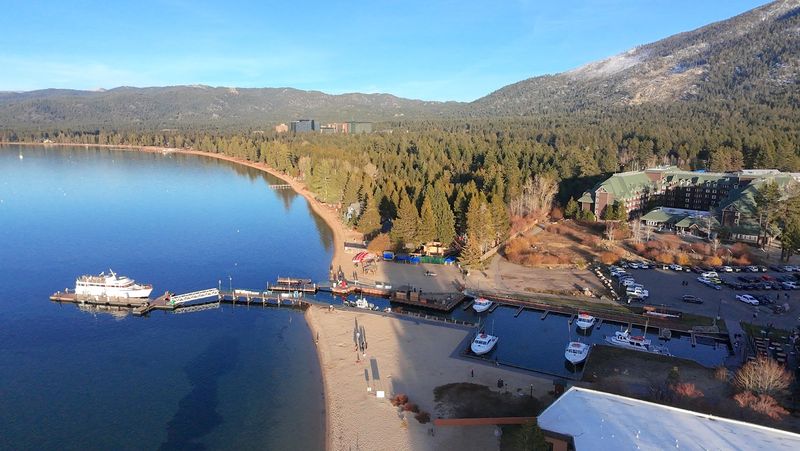
The south shore of Lake Tahoe sits at about 6,200 feet and delivers one of the most visually striking settings of any town in California, with water so clear and blue that it genuinely looks digitally enhanced in photographs even when it is not.
South Lake Tahoe is the largest community on the lake and functions as the primary hub for visitors coming from the Sacramento and Bay Area regions.
The combination of mountain terrain and lakefront access gives the area an unusual range of activities that shifts fluidly between seasons.
Heavenly Mountain Resort dominates the winter scene here, with gondola rides offering views of both the lake and the Nevada desert on clear days.
Summer transforms the focus entirely toward beach activities at places like Kiva Beach and Pope Beach, where the shallow water warms enough for swimming by mid-July.
The El Dorado Beach area near the center of town is accessible without a fee and offers a wide stretch of shoreline that families tend to gravitate toward on warm afternoons.
The Stateline area at the Nevada border brings casinos and additional dining options that extend the town’s offerings beyond typical mountain resort fare.
Traffic on Highway 50 leading into town can become very congested on summer weekends and holiday periods, and planning travel for Thursday arrivals or Tuesday departures tends to significantly reduce the friction of getting in and out.
9. Tahoma
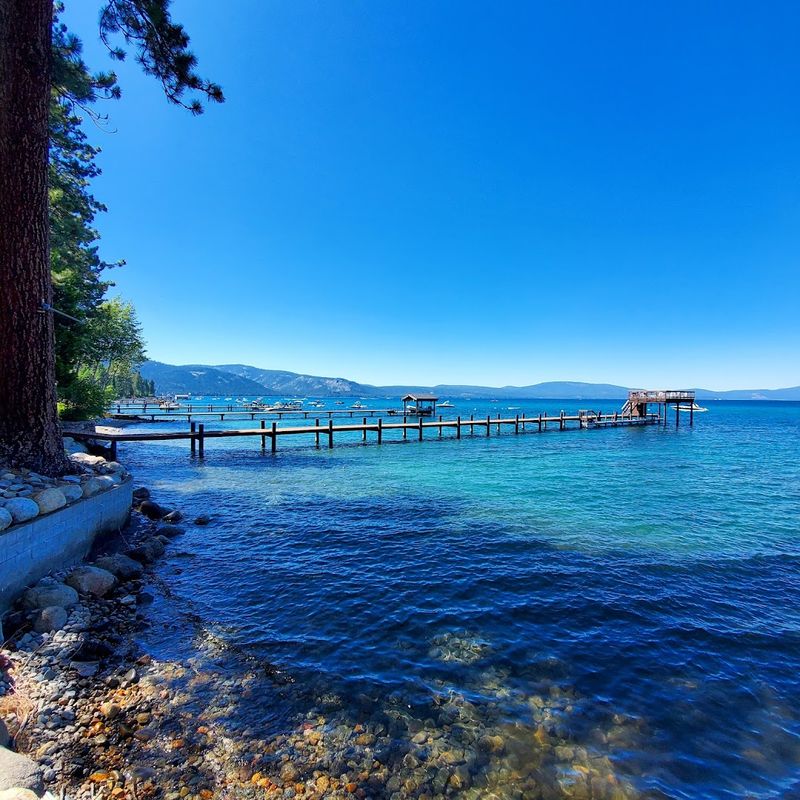
On the quieter west shore of Lake Tahoe, Tahoma is the kind of place that regular Tahoe visitors often discover after years of staying on the more crowded south or north shores.
The community is small and residential in character, with a handful of lodges, a general store, and direct access to the lake without the commercial density that defines the larger Tahoe towns.
The pace here is noticeably slower, and that slowness is not a drawback but rather the entire point of making the trip.
The west shore bike trail runs through the area and offers a relatively flat and scenic route that connects several small communities along the shoreline.
Meeks Bay to the south and Homewood to the north are both within easy reach, and the stretch of highway between them passes through forested terrain that stays shaded and cool even on warm summer afternoons.
The lake views from the west shore tend to face east toward the Nevada mountains, which means morning light hits the water in particularly beautiful ways.
Tahoma is best suited for visitors who want proximity to the lake without the noise and crowds of the larger resort towns.
Lodging options are limited, so booking early is essential, particularly for summer stays.
The general atmosphere rewards those who are happy to do very little beyond sitting near the water and watching the light change across the mountains throughout the day.
10. Mount Shasta

The volcanic peak of Mount Shasta dominates the skyline at 14,179 feet and is visible from dozens of miles away, making it one of the most visually commanding landmarks in the entire state.
The city of Mount Shasta sits at its base at around 3,600 feet and has developed a personality that blends outdoor adventure culture with a notably spiritual and metaphysical community that has been drawn to the mountain for generations.
The combination is unusual and gives the town a layered character that takes more than one visit to fully absorb.
Downtown offers a compact collection of shops, cafes, and outfitters oriented toward hikers, climbers, and nature lovers who use the town as a base for exploring the surrounding Shasta-Trinity National Forest.
Castle Lake and Lake Siskiyou are both within a short drive and offer swimming, fishing, and paddleboarding in settings that feel genuinely remote despite their accessibility.
The McCloud River, located nearby, is known among fly-fishing enthusiasts for its clear water and wild trout populations.
Climbing the mountain itself requires permits during peak season and a solid level of physical fitness, but simply being near it carries its own reward.
Spring and early summer bring snowmelt waterfalls to the surrounding hillsides, and the wildflower meadows at lower elevations can be unexpectedly lush.
The town is small enough that most of it can be explored comfortably on foot within a single afternoon.
11. Dunsmuir
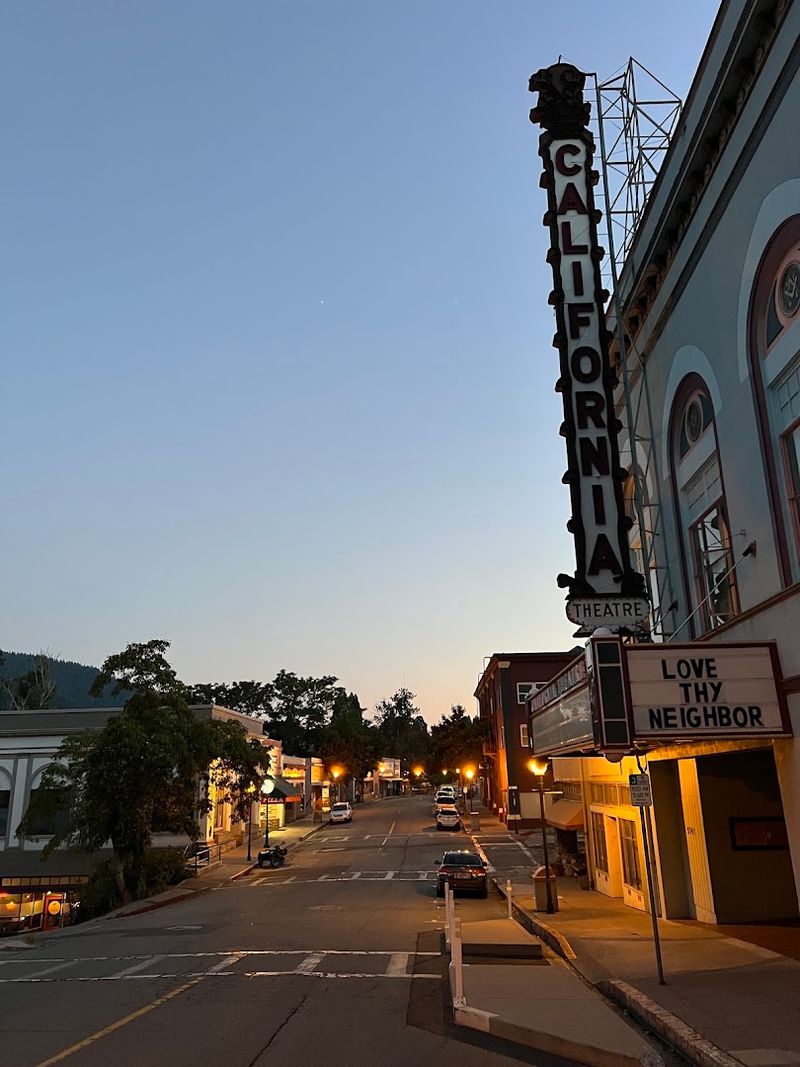
Tucked into a narrow canyon along the upper Sacramento River, Dunsmuir is a small railroad town with a population of just over 1,500 that has earned a devoted following among fly fishers, hikers, and travelers who prefer places that have not been polished for mass tourism.
The Sacramento River here runs cold and clear, and the stretch through town is considered one of the finest wild trout streams in California.
Walking along the river on a summer morning, with canyon walls rising on both sides and the sound of moving water filling the air, gives a strong sense of why people keep returning.
The historic downtown area along Dunsmuir Avenue has a handful of restaurants and shops that reflect the town’s blue-collar railroad heritage without trying to reinvent it.
The Dunsmuir Botanical Gardens, located at 4841 Dunsmuir Ave, Dunsmuir, CA 96025, offer a peaceful and somewhat unexpected green space along the river that draws visitors looking for a slower kind of afternoon.
The railroad history here is tangible, with vintage locomotives displayed at the city park adding a visual anchor to the town’s identity.
Castle Crags State Park is just a few miles south and provides dramatic granite spires and forested trails that contrast sharply with the river canyon below.
Dunsmuir is not a destination that advertises itself loudly, and that restraint is exactly what keeps its most loyal visitors coming back season after season.
Weekday visits offer the most authentic experience of a town that has always moved at its own pace.
12. Nevada City
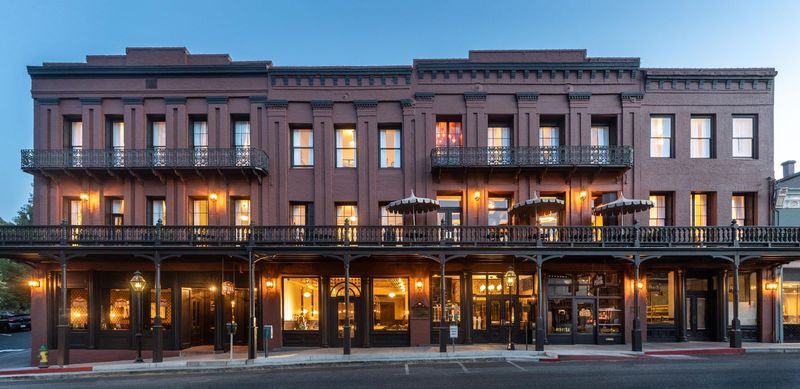
Walking through Nevada City feels like stepping into a Gold Rush photograph that somehow remained in full color.
The Victorian architecture along Broad Street and Commercial Street has been carefully maintained, with gas lamp-style street lights, ornate facades, and wooden storefronts that give the town a visual coherence most historic districts only partially achieve.
Founded during the California Gold Rush in the 1850s, Nevada City became one of the most prosperous mining towns in the northern Sierra Nevada, and the wealth of that era is still readable in the buildings that line its hilly streets.
The town has a notably active arts and cultural scene for its size, with independent theaters, galleries, and a strong community of musicians and writers who have settled here over the decades.
The Nevada Theatre, which claims to be California’s oldest operating theater building, regularly hosts live performances that draw audiences from surrounding communities.
The downtown area is compact and walkable, with enough shops, cafes, and restaurants to fill a full day without needing to drive anywhere.
Fall is particularly atmospheric in Nevada City, when the tree-lined streets turn amber and the cooler air brings a crispness that suits the Victorian surroundings.
The Grass Valley and Nevada City area together form one of the most historically rich regions in the Sierra foothills, and spending time in both towns during the same visit tends to reward the extra effort considerably.
13. Grass Valley
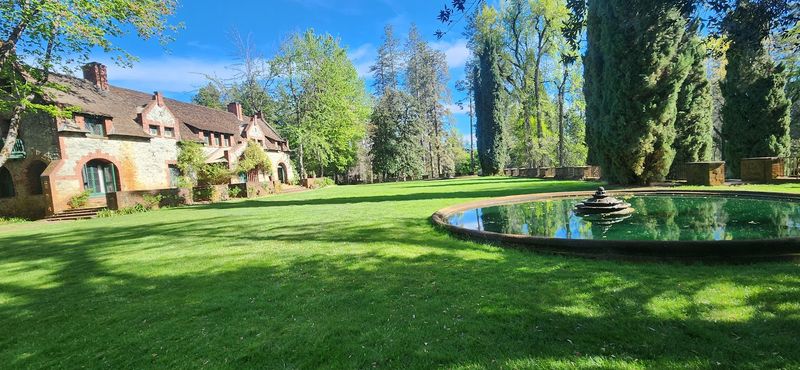
Just a few miles south of Nevada City and connected to it by a winding foothill road, Grass Valley carries its own distinct Gold Rush identity rooted in hard-rock mining rather than the placer gold that defined many nearby towns.
The Empire Mine State Historic Park, located at 10791 E Empire St, Grass Valley, CA 95945, preserves one of the oldest and richest gold mines in California history, with 367 miles of underground tunnels and surface structures that visitors can explore on guided and self-guided tours.
The park gives Grass Valley a tangible historical anchor that goes beyond decorative storefronts.
Downtown Mill Street and Main Street offer a walkable commercial district with independent shops, bakeries, and restaurants that serve both locals and visitors without leaning too heavily toward either.
The tone of the downtown area is slightly more everyday than Nevada City, which gives it a lived-in quality that some visitors find more comfortable than a purely tourist-oriented environment.
The surrounding hills are dotted with historic homes, and the tree cover throughout town makes summer afternoons noticeably cooler than the Central Valley floor below.
The Grass Valley area also has a notable Cornish heritage, a legacy of the Cornish miners who came from England in the 19th century and brought their food traditions with them, most visibly in the form of the Cornish pasty still sold in local shops.
Weekend farmers markets during warmer months bring a community energy to the downtown area that reflects the strong local pride residents hold for their foothill town.
14. Arnold
Sitting at about 4,000 feet along Highway 4 in Calaveras County, Arnold is a small mountain community that serves as a gateway to some of the most underappreciated forest scenery in the northern Sierra Nevada.
The town itself is modest, with a gas station, a few restaurants, a grocery store, and a scattering of small shops that cater primarily to locals and the steady stream of visitors heading into the surrounding Stanislaus National Forest.
The lack of resort infrastructure is not a flaw here but a feature, keeping the atmosphere grounded and unpretentious.
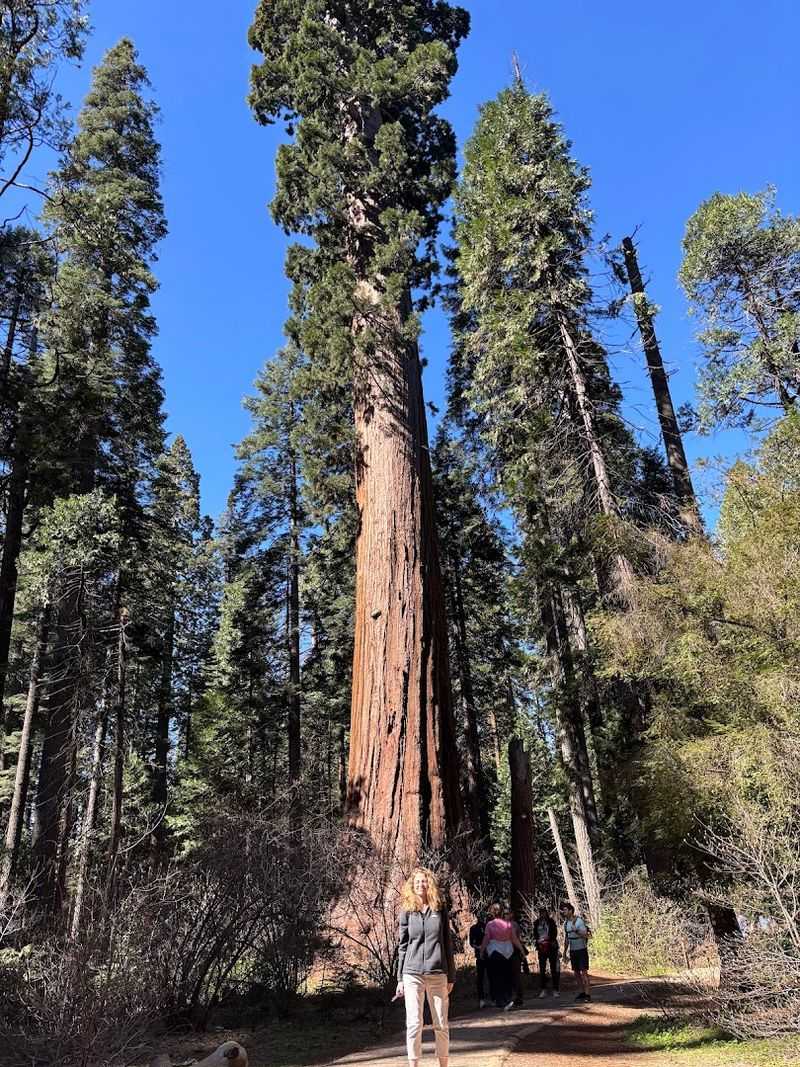
Calaveras Big Trees State Park the primary draw for most visitors and protects two groves of giant sequoias that rank among the most awe-inspiring trees in the world.
The North Grove is easily walkable and offers a well-maintained loop trail that passes through stands of trees with diameters that challenge the imagination.
The South Grove trail is longer and less crowded, rewarding those who make the extra effort with a more solitary and immersive forest experience.
Bear Valley Ski Resort is accessible from Arnold via Highway 4 and draws skiers during winter months, adding seasonal energy to an otherwise quiet corridor.
Summer weekends bring families and campers through town in steady numbers, but the forest itself is large enough that finding a peaceful spot rarely requires much effort.
The drive along Highway 4 through the surrounding canyon is itself worth the trip on a clear day.
15. Lake Arrowhead
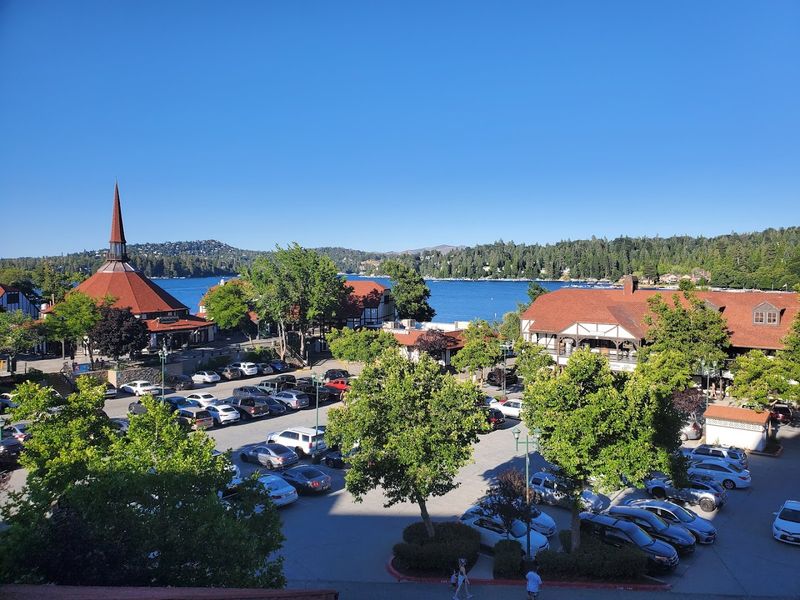
Nestled in the San Bernardino Mountains at about 5,100 feet, Lake Arrowhead has the kind of setting that stops people mid-sentence.
The lake itself is privately owned, which keeps the shoreline less crowded than most mountain lakes in the state, and that sense of exclusivity gives the whole area a tucked-away feeling that visitors tend to appreciate.
Swiss-style architecture dots the village, giving the storefronts a storybook quality that photographs well in every season.
Lake Arrowhead Village is the main hub for shopping and dining, with boutiques, restaurants, and a boardwalk that runs along the water.
The surrounding forest offers trails suitable for different fitness levels, and the roads that wind through the area are popular with cyclists during warmer months.
Autumn foliage tends to arrive earlier here than at lower elevations, painting the hillsides in shades of amber and rust.
Winter brings snow that transforms the village into something that genuinely resembles a holiday card.
Roads can become icy during heavy snowfall, so checking conditions before driving up the mountain is always a smart move.
The town feels most relaxed on weekday mornings when the weekend crowds have cleared and the forest settles back into its natural quiet.