California Is Investing Nearly $100 Million To Protect Wildlife Habitats And Preserve Its Natural Landscapes
A racetrack where horses once thundered along the bay is on its way to becoming a public park. That alone made me stop scrolling.
The $53 million deal is part of a bigger story. California just approved nearly $100 million to protect wild places and open more land to people.
The money stretches across 24 projects in 17 counties. Salmon streams, mountain meadows, oak woodlands, and wetlands all get a piece of it.
I like how these projects mix big wins with quiet ones.
Some will change famous shorelines, while others help a little turtle in the foothills. So where is all that money actually going?
The Board Behind A Very Big Yes
Nearly $100 million got approved in a single meeting. California’s Wildlife Conservation Board, known as the WCB, gave the green light on November 19.
The exact total is about $99.7 million. That money will fund 24 separate projects spread across 17 counties.
Together, these projects aim to protect almost 6,000 acres of habitat. They also work to improve public access to nature, which matters just as much.
The board isn’t new to this job. It was created in 1947, so it has been protecting land and wildlife for decades.
The WCB doesn’t work alone, either. It partners with Tribes, conservation groups, government agencies, and everyday Californians to get projects done.
That teamwork matters in a state this big. Coastlines, deserts, forests, and farm valleys all need very different kinds of care.
I believe this kind of steady planning is what makes big conservation goals realistic. Wishful thinking doesn’t buy land, but funding approvals definitely do.
So the next time you hike a trail in California, look around. There’s a decent chance a board vote helped keep that view open for you.
Thirty Percent By 2030 Is The Real Goal Here
All of this spending ties back to a bold target called 30×30. Governor Gavin Newsom set the goal to conserve 30 percent of California’s lands and coastal waters by 2030.
That’s a lot of ground. California stretches nearly 900 miles along the Pacific, so 30 percent covers a huge range of places.
The plan has three main jobs. It protects plants and animals, widens access to nature, and helps communities handle climate change.
Every acre counts toward the target. A meadow in the mountains and a park on the bay both move the needle forward.
Think of it like a giant puzzle. Each grant fills in one more piece of a connected, healthier landscape.
Funding has kept coming, too. The WCB approved about $59.5 million in May 2025 and roughly $60 million in February 2026.
That steady flow keeps momentum going. Big goals usually fade when the money dries up, but this one keeps getting fed.
I can’t imagine a more practical way to chase a deadline. Four years can pass quickly when you’re buying and restoring land.
Horses Out, Shorebirds In At Golden Gate Fields
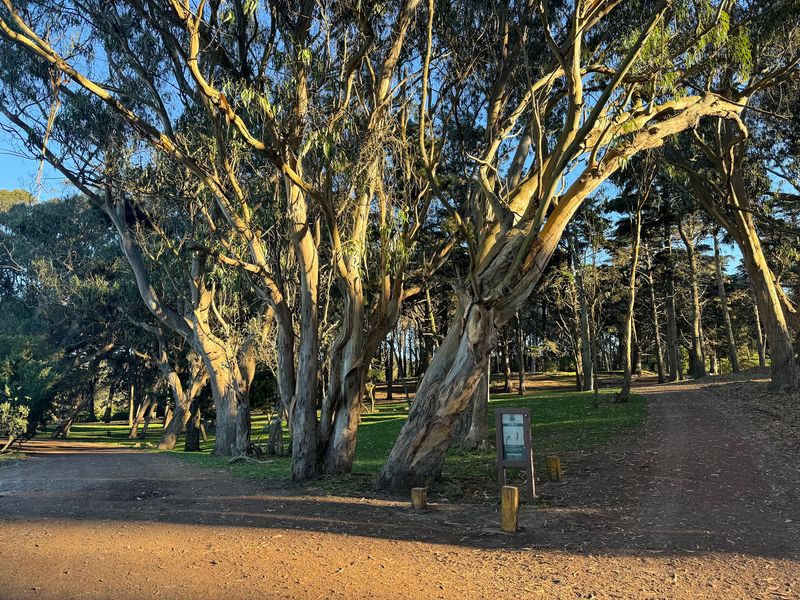
Golden Gate Fields spent decades hosting horse races beside San Francisco Bay. Now the 162-acre former track in Albany and Berkeley is headed for a much greener future.
A $53 million grant from the WCB is doing the heavy lifting. It helps the East Bay Regional Park District acquire the property.
That’s more than half of the whole funding package. Clearly, this one is the headliner.
Plans call for new public parkland with restored habitat. Shoreline protection against rising sea levels is part of the deal as well.
Here’s the part that excites me most. The project will complete a nearly ten-mile shoreline corridor between Oakland and Richmond.
It links existing parks with the San Francisco Bay Trail. Walkers and cyclists could someday enjoy a long, connected stretch of waterfront.
Max Korten, the park district’s general manager, described it as turning a private facility into a landmark waterfront park. He also pointed to native habitat and climate resilience.
Not bad for a place once famous for betting slips. The finish line just moved, and everyone gets to cross it.
Salmon Get A Second Chance On The Tuolumne
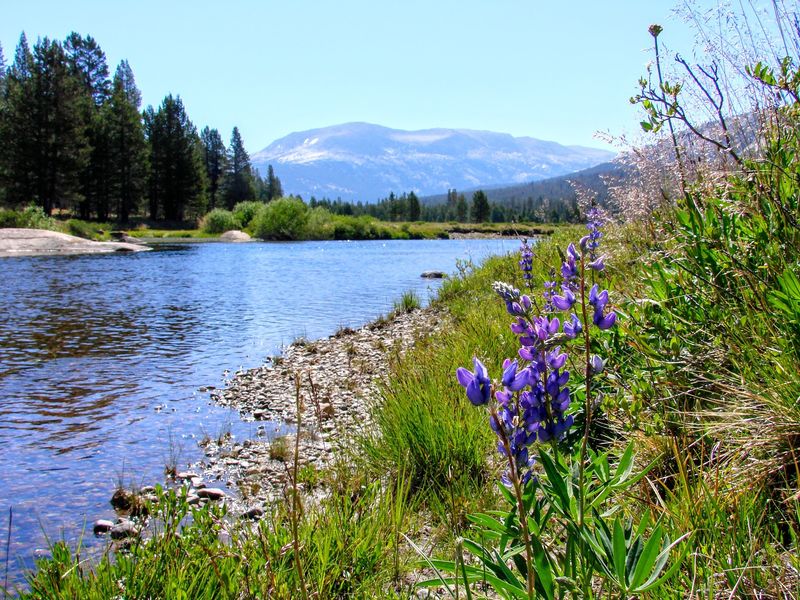
Old gold-era dredge mining left deep scars along the Tuolumne River. Those scars wiped out much of the spawning and rearing space salmon need.
Help is finally on the way. The Yosemite Rivers Alliance received a $3.39 million grant to restore 20 acres near La Grange in Stanislaus County.
The work targets Chinook salmon and steelhead. Both fish depend on clean gravel and calm side waters to raise their young.
Crews will restore 0.35 miles of side-channel habitat. They’ll also restore nine acres of floodplain habitat.
Fresh spawning gravel will go into the water. Logs and boulders will be placed carefully to give young fish shelter and resting spots.
That might sound like rearranging furniture. For a baby salmon, though, a well-placed boulder is basically a safe bedroom.
The project works alongside the California Department of Fish and Wildlife. Their shared goal is to help struggling fish runs bounce back.
I like how specific the plan is. It isn’t a vague promise, it’s gravel, channels, and logs placed exactly where fish need them.
Pond Turtles Just Gained Some Elbow Room Near Auburn
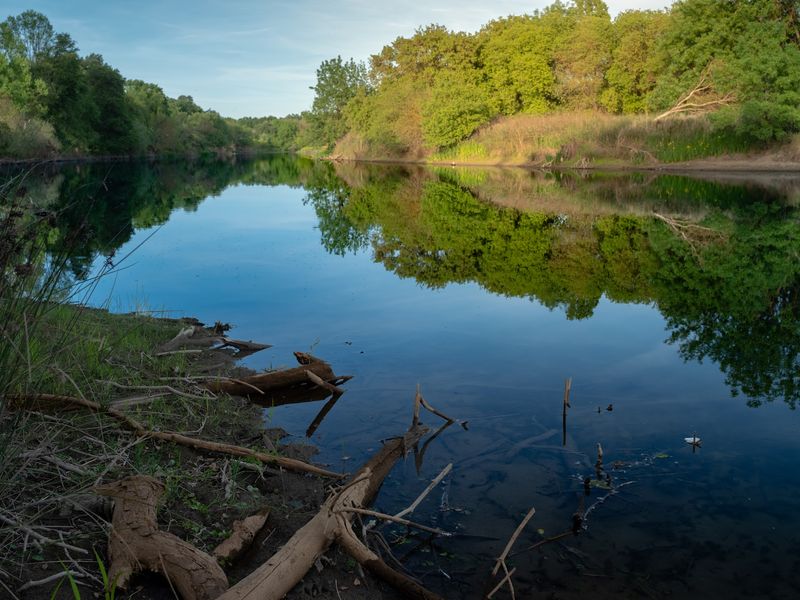
Rolling oak hills near Auburn are getting a lot more secure. A $5.2 million grant supports the final phase of the Harvego Bear River Preserve in Placer County.
This last step adds about 525 acres. When it’s done, the preserve will cover roughly 2,300 acres.
The land holds a nice mix of habitats. Oak woodlands, open grasslands, and streams all sit side by side.
One small resident stands out. The northwestern pond turtle lives here and has special conservation status in California.
Turtles aren’t fast travelers, as you probably guessed. They need connected, safe spaces more than speedy animals do.
Big preserves give wildlife room to roam, feed, and raise young. Broken-up land makes that much harder.
Finishing a preserve feels a bit like completing a long book series. The final chapter ties everything together.
For Placer County, that final chapter means one large, protected landscape. I believe the turtles would approve, if they ever looked up from basking long enough to notice.
Meadow And Forest Restoration In Sierra County
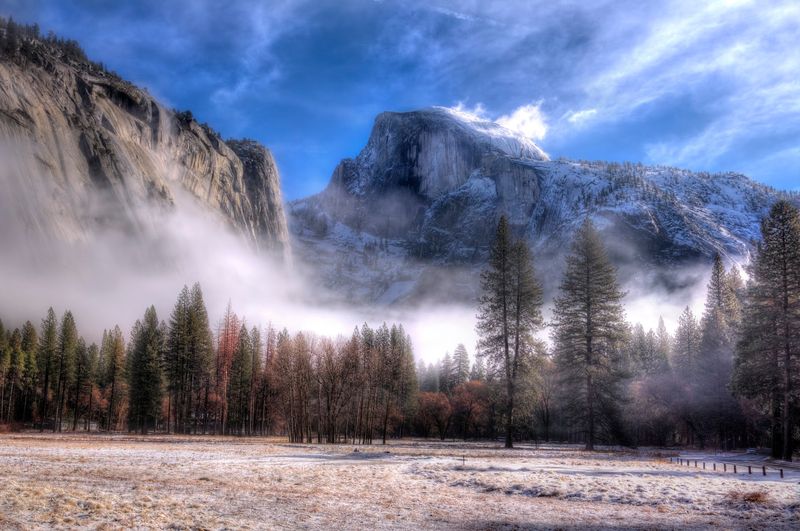
Past mining, logging, and grazing degraded the Galiano Fen and its surrounding forest. Now this site near Downieville in Sierra County is receiving $2.62 million in restoration funding.
The project covers 22 acres of meadow and rare fen habitat. Fens are wet, spongy areas fed by groundwater, and they aren’t common.
Another 42 acres of surrounding forest are included too. Those woods also carry damage from past use.
Crews will remove old mining equipment and structures. They’ll also improve natural water flow across the meadow.
Dense forest stands will be thinned. Grazing practices will be adjusted to give plants time to recover.
Each step does more than one job. Less erosion, lower wildfire risk, and better water storage all come from the same work.
Meadows act like giant sponges in the mountains. When they hold water well, streams flow longer into summer.
The effort is a partnership with the U.S. Forest Service.
It’s a reminder that fixing nature often means removing human leftovers first, then letting the land do what it already knows how to do.
Why The Whole Planet Should Care About California’s Nature
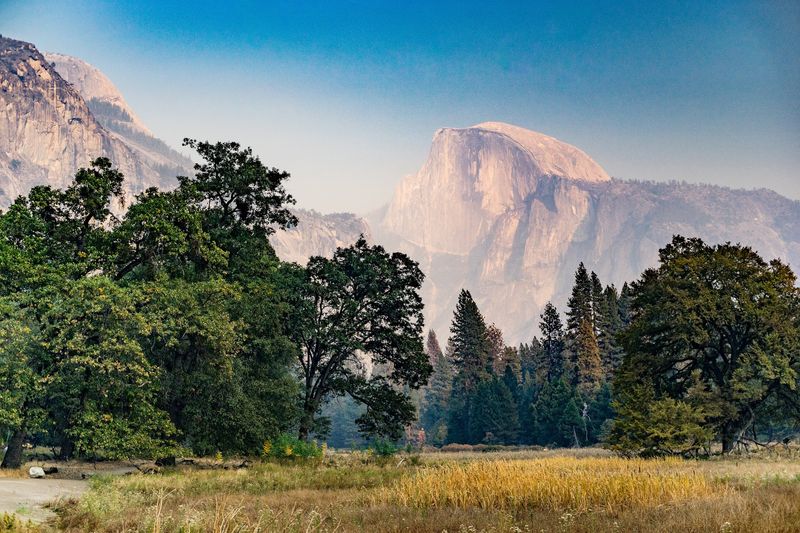
California is one of only 36 biodiversity hotspots on Earth. That label goes to places packed with species found almost nowhere else.
Hotspots also face serious threats. That combination makes protecting them extra urgent.
The state’s variety is wild, in the best way. Redwood forests, the Sierra Nevada, the Mojave Desert, and cliff-lined beaches all share one map.
Each landscape supports its own crowd of plants and animals. Lose a habitat, and some of those species could have nowhere else to go.
The 30×30 plan aims directly at this problem. It protects whole ecological communities, not just single animals.
That matters because nature works like a team. Pollinators, plants, fish, and predators all lean on one another.
Climate change adds pressure to every hotspot. Protected, connected land gives species a better chance to adapt and shift as conditions change.
So these grants aren’t only a local story. When California protects its rare species, the whole world keeps a little more of its natural variety.
More Trails, More Shoreline, More Room For Everyone
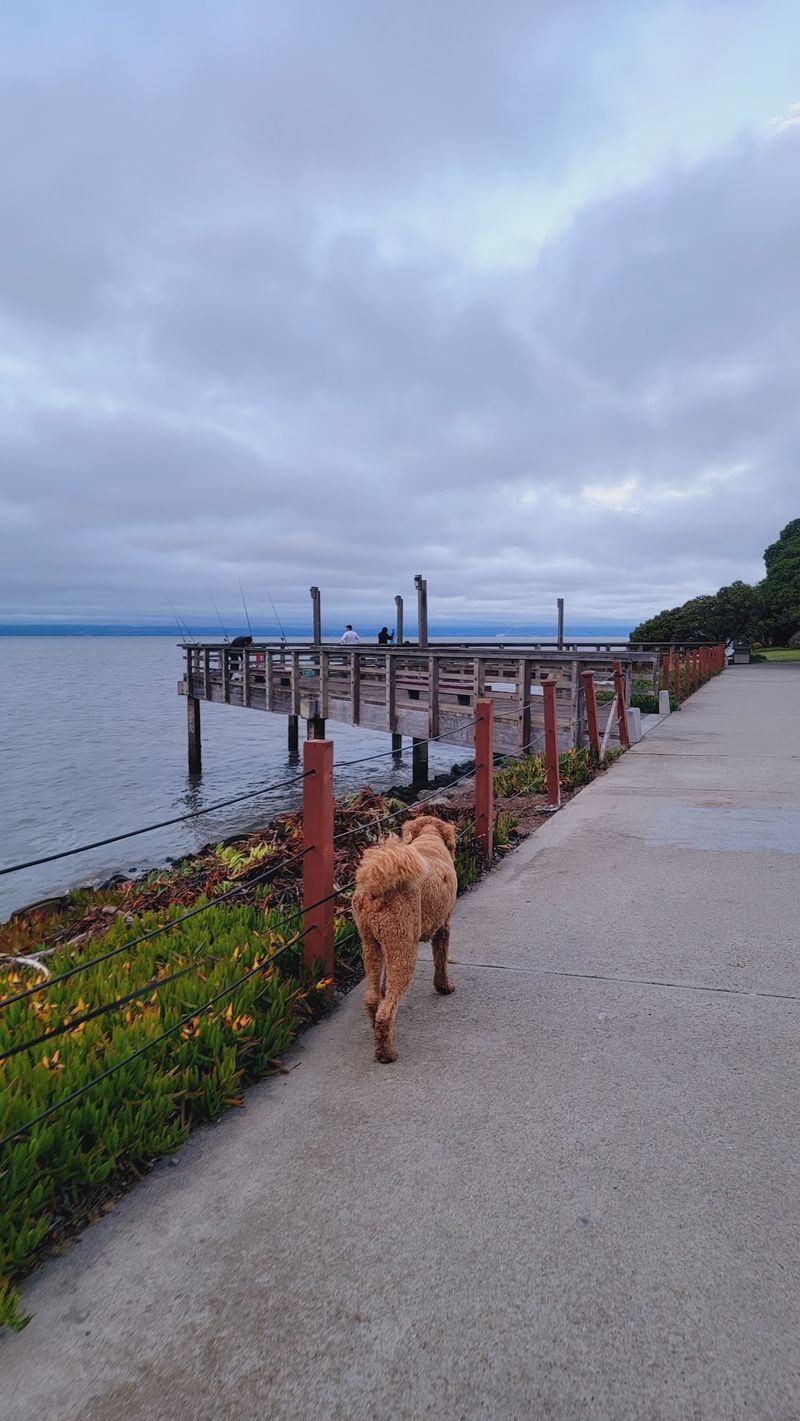
Protected land is great, but people want to enjoy it too. Expanding fair access to nature is a core part of California’s 30×30 goal.
The Golden Gate Fields project shows how that works. New parkland and a longer shoreline corridor mean more places to walk, bike, and breathe.
Easy access matters for everyday life. Not everyone can drive hours to a national park.
A waterfront trail close to home changes that. It turns nature into a regular habit instead of a rare trip.
Time outdoors supports both mental and physical health. A short walk by the water can reset a stressful day.
These spaces also help communities handle climate change. Restored shorelines and wetlands can soften the impact of rising water.
Here’s my practical tip. Keep an eye on the East Bay Regional Park District as the former racetrack becomes a park.
Opening plans take time, so patience helps. When the gates swing open, California will have one more spot where everyone gets a front-row seat to the bay.