11 California Nature Escapes Where Wildflowers, Birds, And Green Summer Scenery Come Together
Green summer scenery knows exactly how to make a simple outing feel more expensive than it was.
A field starts showing off. Birds get loud in the brush. Wildflowers add color where the trail least expects it.
The whole escape feels alive in layers. Something is blooming near your shoes, something is flying overhead.
Nature in California can turn a summer walk into a full cast of petals, wings, shade, and views.
These escapes are for days when plain scenery is not enough. The best stops give visitors more than one reason to slow down.
Maybe the trail passes through meadows. Maybe a wetland pulls in egrets, herons, or songbirds.
Nothing has to feel complicated. Bring some water and let the landscape keep changing around you.
The reward is not one big viewpoint. It is the mix of movement and summer calm that makes the whole place feel awake.
1. Loney Meadow Interpretive Trail, Sierra City
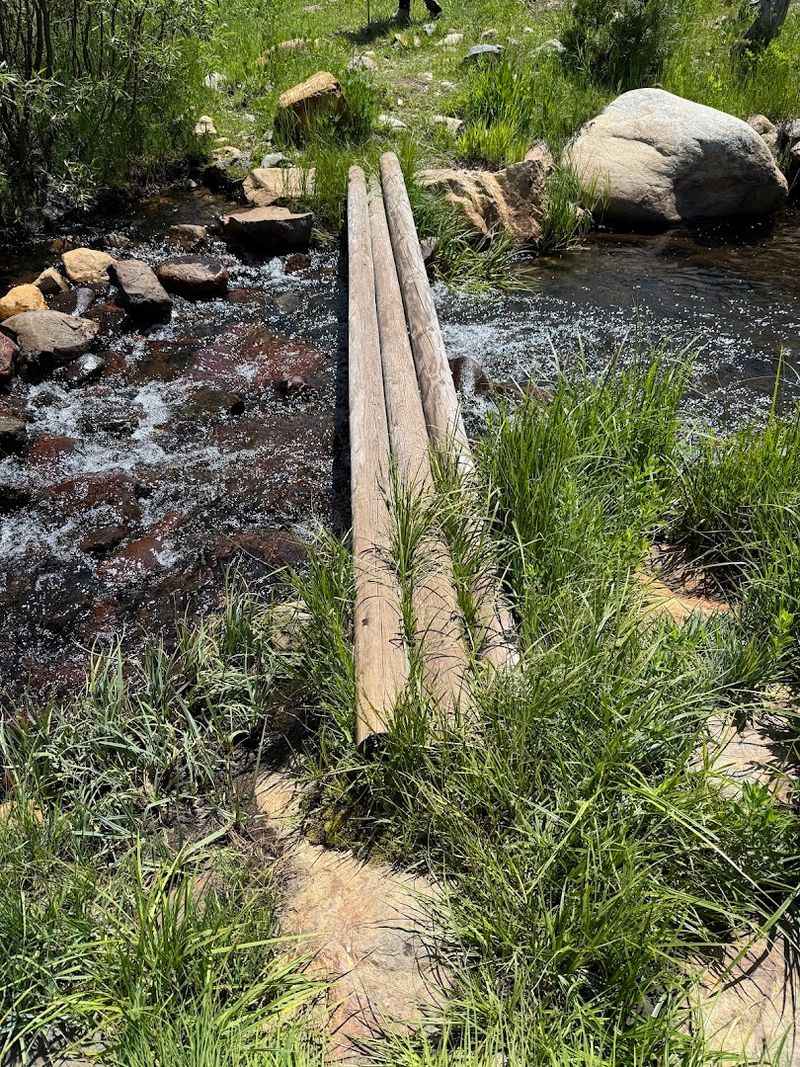
In the northern Sierra Nevada at a refreshing elevation, Loney Meadow Interpretive Trail offers a peaceful walk through one of the quieter corners of California’s mountain landscape.
The trail winds through open meadow terrain where grasses and wildflowers tend to thrive during the summer months, creating a soft and colorful scene that rewards anyone willing to slow their pace.
Interpretive trails like this one are designed to help visitors connect with what they are seeing around them, often with signage that explains local plant life, geology, or wildlife habits.
That educational layer makes the walk feel richer without adding difficulty to the route itself. The surrounding Sierra City area is known for its Gold Rush history and rugged natural character.
Summer mornings along the trail tend to feel especially alive, with birdsong carrying through the trees and the air holding that cool, pine-scented quality that mountain elevations do so well.
Visitors are encouraged to wear sturdy shoes and bring water since mountain weather can shift quickly.
Arriving early in the day helps avoid afternoon heat and gives the best chance of spotting wildlife moving through the meadow edges.
2. Lakes Basin Recreation Area, Graeagle
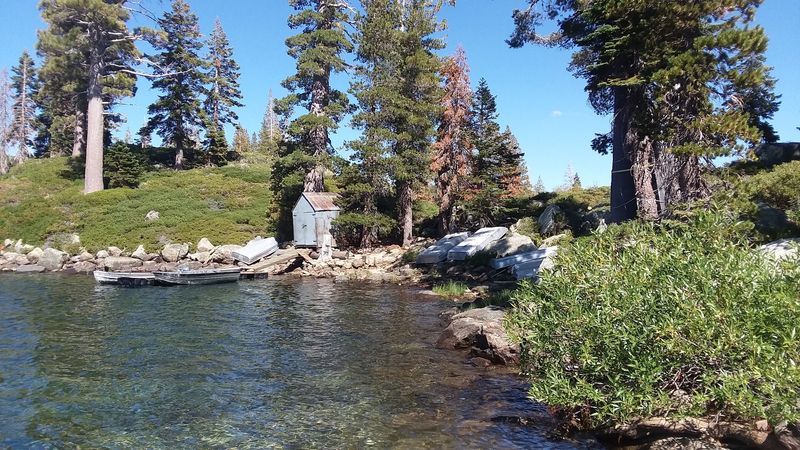
Few places in California pack as much color into a single summer season as the Lakes Basin Recreation Area near Graeagle.
With over 30 miles of maintained trails connecting more than 20 small alpine lakes, this recreation area gives hikers a genuinely varied experience where each turn in the path could reveal a new meadow bursting with wildflowers.
Yellow monkey flowers, white bog orchids, blue monkshood, tiger lilies, scarlet gilia, lupine, and paintbrush are among the many species that bloom across wet meadows and stream edges throughout summer.
Around Grass Lake, buckbean tends to be in full display by July, while elephant heads and bog asphodel add unusual shapes and textures to the wetter open areas.
Along Gold Lakes Road, bright pink mountain pride flowers stand out sharply against gray granite outcrops.
The dramatic Sierra Buttes rise to nearly 9,000 feet just south of the recreation area, providing a striking backdrop that makes the whole landscape feel grand and remote.
Cascading waterfalls including Fern Falls and Halsey Falls add movement and sound to the scenery.
Riparian zones along Gray Eagle and Smith Creeks stay cool even on warm days, making them pleasant spots to rest during a longer hike.
3. Tuolumne Meadows, Yosemite National Park
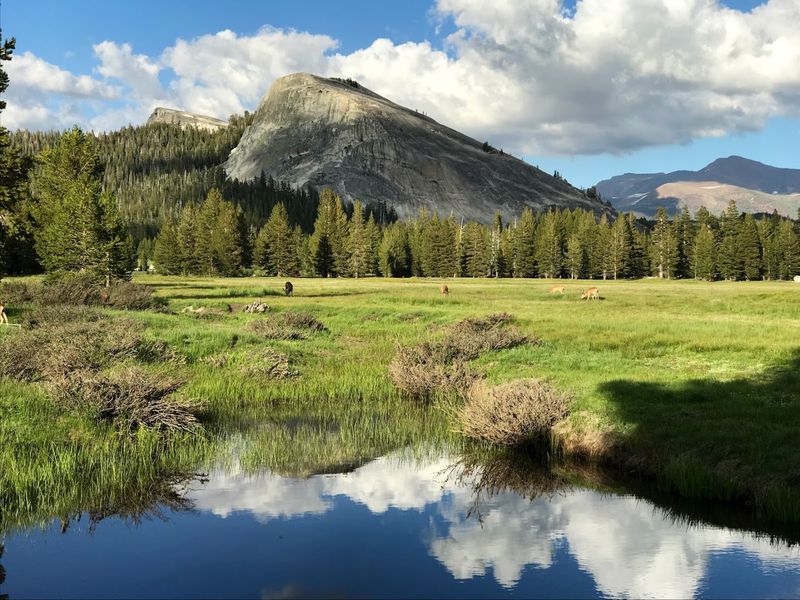
Sitting at roughly 8,600 feet above sea level, Tuolumne Meadows is one of the largest subalpine meadows in the entire Sierra Nevada range and one of the most rewarding summer destinations in Yosemite National Park.
The Tuolumne River winds slowly through open grassland framed by granite domes, and on a clear July morning the scene feels almost impossibly serene.
Wildflower season here typically runs from late June through August, with over 1,000 species of California wildflowers represented across the meadow and surrounding terrain.
Alpine columbine, Indian paintbrush, Western pasqueflower, fireweed, corn lilies, Sierra gentian, sky pilot, and Brewer’s lupine are just a sampling of what can be seen during a single summer visit.
Mid-summer tends to bring the fullest and most varied displays across the high-elevation zones.
Yosemite holds recognition as a Globally Important Bird Area, and Tuolumne Meadows is an especially productive spot for birdwatching.
Ranger-led bird walks are offered every Wednesday and Saturday from June 13 to August 18, 2026, beginning at 7:30 AM from the Lembert Dome Parking area, with binoculars provided for participants.
Alpine lakes including Dog Lake and Gaylor Lake offer additional hiking destinations within easy reach of the meadow.
4. Lassen Volcanic National Park, Mineral
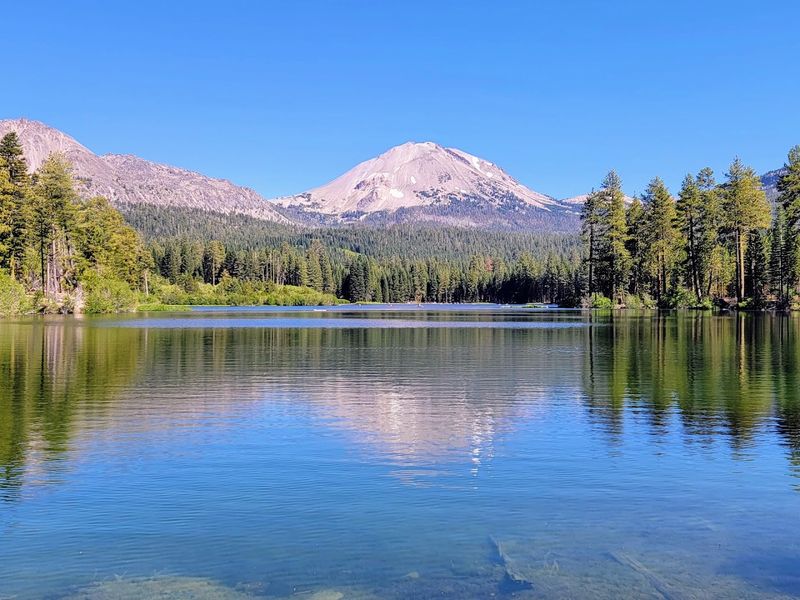
Lassen Volcanic National Park sits in a part of Northern California that many travelers overlook, which works entirely in a visitor’s favor when it comes to finding space on the trails.
The park’s volcanic origins have shaped a landscape unlike most others in the state, combining hydrothermal features, lava flows, and mountain terrain with surprisingly lush greenery during the summer months.
Wildflowers appear in abundance along many of the park’s trails from late June onward, with lupine, paintbrush, and penstemon adding broad sweeps of color to open meadow areas.
The park’s diverse habitat types support a wide range of bird species, and birdwatchers willing to walk quietly through the forested zones may encounter woodpeckers, nuthatches, and mountain bluebirds.
Early morning tends to be the most active time for wildlife observation.
Manzanita Lake near the park entrance is a popular and relatively accessible spot that rewards visitors with calm water reflections and surrounding forest scenery.
Bumpass Hell, the park’s largest hydrothermal area, involves a moderate hike through open terrain that can feel vibrant with summer plant growth on either side of the trail.
Visiting on a weekday generally means fewer crowds and a more contemplative pace throughout the park.
5. Cuyamaca Rancho State Park, Descanso
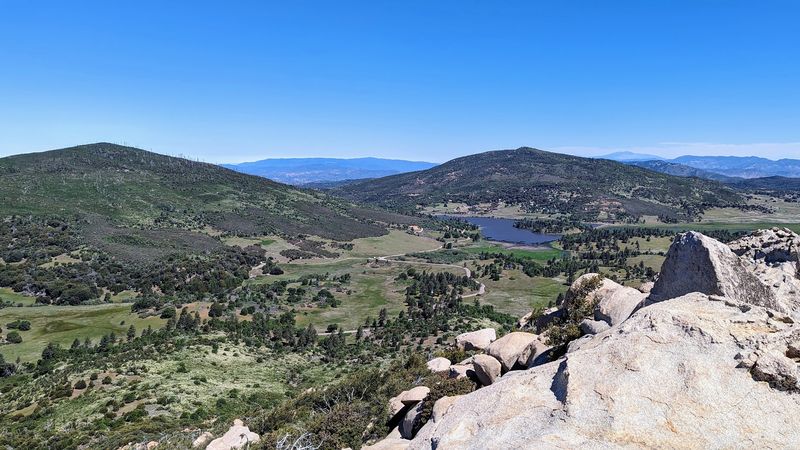
Southern California does not always get credit for having lush green summer scenery, but Cuyamaca Rancho State Park near Descanso makes a compelling case.
Located in the Cuyamaca Mountains of San Diego County, the park sits at elevations between roughly 3,500 and 6,500 feet.
That keeps temperatures noticeably cooler than the surrounding lowlands and supports a surprisingly verdant landscape through much of the summer.
Oak woodlands, conifer forests, and open meadows spread across the park’s more than 25,000 acres, offering a variety of trail experiences depending on how much elevation gain a visitor wants to take on.
Wildflowers appear in the meadow zones during late spring and carry into early summer, while the forested sections stay green and shaded throughout the warmer months.
The park is also recognized as good habitat for a range of bird species including acorn woodpeckers, mountain bluebirds, and various raptors.
Stonewall Peak is one of the more popular hikes in the park, offering panoramic views from its summit that stretch across the Cuyamaca Reservoir and surrounding mountains.
Trails here vary in length and difficulty, making the park accessible to both casual walkers and more committed hikers.
Bringing layers is always a smart idea since mountain mornings can feel quite cool even in July.
6. North Baldwin Lake Ecological Reserve, Big Bear City
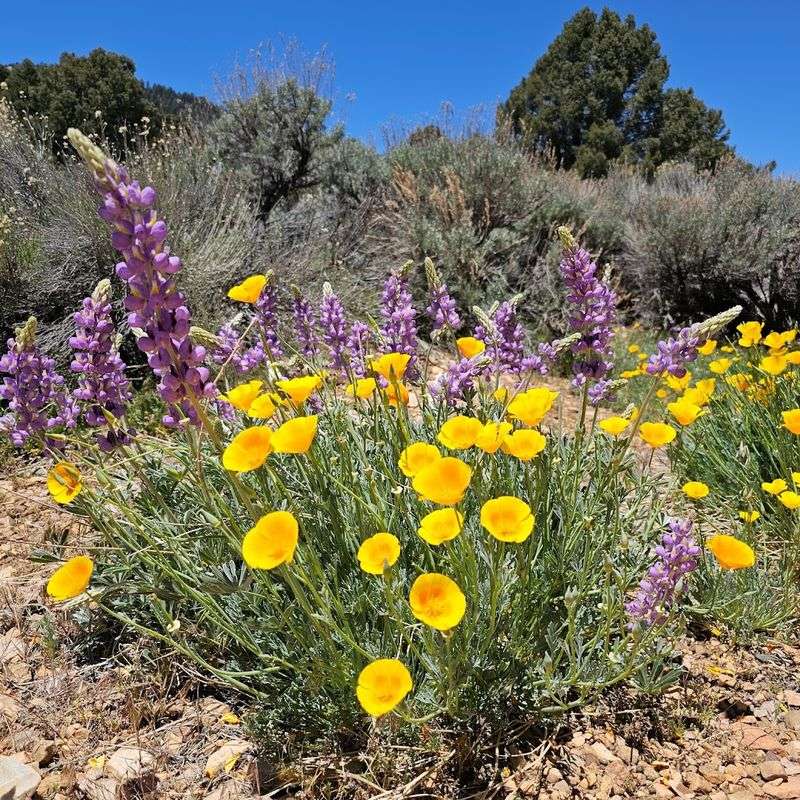
North Baldwin Lake Ecological Reserve in Big Bear City protects a rare and fragile ecosystem centered around a seasonal lake that fills and empties depending on snowmelt and rainfall patterns each year.
The reserve was established specifically to protect sensitive habitat for species that depend on the wet meadow and shallow lake conditions that form here in a good water year.
Summer visits can reveal a surprisingly colorful landscape, with wetland wildflowers and grasses filling the basin in shades of green, yellow, and white.
The area serves as important habitat for migratory birds and local species alike, and birdwatching along the reserve’s edges can be productive in the early morning hours.
Waterfowl, shorebirds, and various songbirds have all been observed using the reserve’s habitat depending on water levels and season.
Because the reserve protects sensitive species and terrain, visitors are asked to stay on designated paths and observe wildlife from a respectful distance.
The Big Bear Valley setting adds to the appeal, with the San Bernardino Mountains forming a dramatic backdrop above the open meadow landscape.
Arriving during the week rather than on weekends tends to result in a quieter and more undisturbed experience at this ecologically important spot.
7. Sue-meg State Park, Trinidad
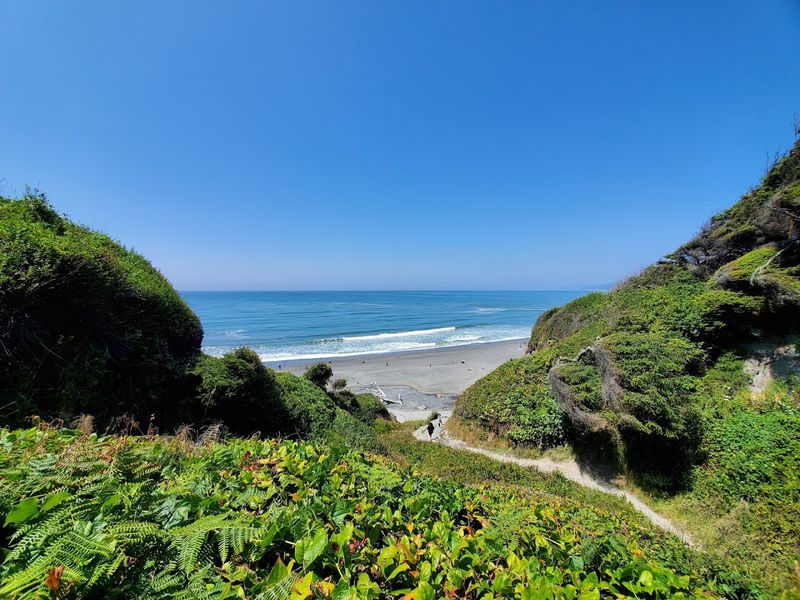
Cool, foggy, and wildly beautiful, Sue-meg State Park on the Northern California coast near Trinidad offers a nature experience that feels genuinely different from anything found further south.
The park sits on a rocky headland where dense forest meets the Pacific Ocean, and the combination of ocean air and flower-filled meadows creates a sensory environment that is hard to replicate.
Spring and early summer wildflowers here include Douglas iris, fairy bells, trillium, salal, rhododendron, skunk cabbage, and thimbleberry, with many of these blooming along the meadow edges and forest clearings.
Six miles of trails wind through the park, offering views of offshore sea stacks, coastal cliffs, and the lush green forest canopy that extends almost to the water’s edge.
The visitor center features displays about the birds found within the park’s forest habitat.
Summer along this stretch of far Northern California coast tends to stay cool and often foggy, which keeps the vegetation looking fresh and vibrant throughout the season.
Campgrounds within the park are known for a peaceful atmosphere, with the steady sound of surf providing a natural backdrop even during busier summer weekends.
Mornings here often begin with birdsong filtering through the trees before the coastal fog has fully lifted.
8. Castle Crags State Park, Castella
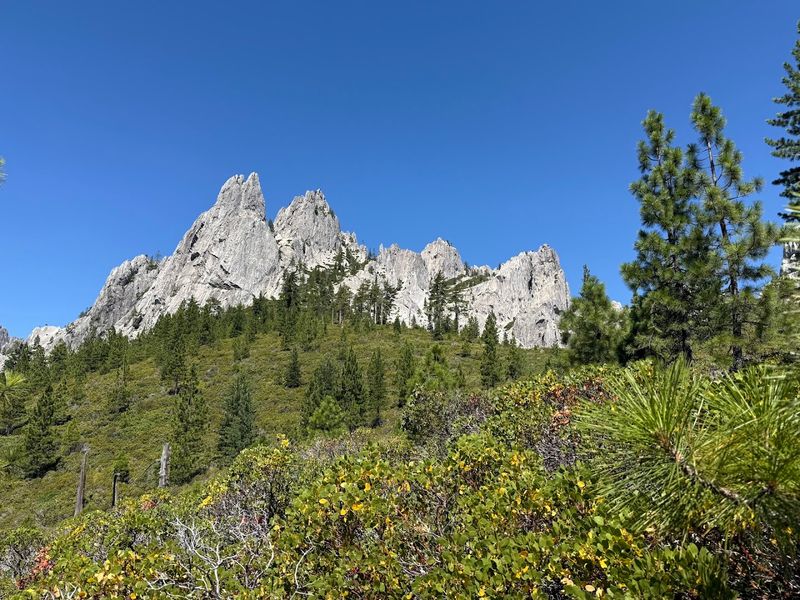
There is something almost medieval about the granite spires at Castle Crags State Park near Castella, where ancient rock formations rise dramatically above a dense forest of pines and firs.
The Crags themselves reach elevations between 2,000 and 6,500 feet and have been drawing hikers and nature enthusiasts to this corner of Northern California for generations.
One of the park’s most notable botanical features is the Castle Crags harebell, a small flowering plant found nowhere else on Earth except within this specific area.
Birdwatchers will find the park equally rewarding, with species including pileated woodpeckers, golden eagles, Steller’s jays, warblers, and a variety of sparrows and towhees.
Hawks and ravens are commonly spotted riding thermals above the rocky crags.
With 28 to 30 miles of well-maintained hiking trails winding through lush forest and alongside rippling creeks, the park offers plenty of options for different fitness levels and interests.
The Sacramento River flows through the park and adds a cool, dynamic element to the landscape during summer.
Forested trails stay shaded during the warmer parts of the day, making midday hikes more comfortable than they might be in more exposed terrain.
9. Hope Valley Wildlife Area, Markleeville
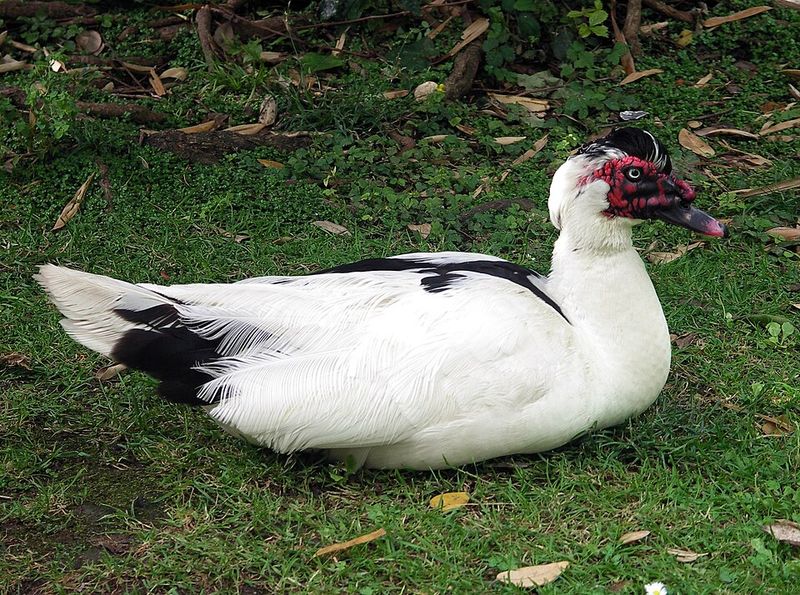
Hope Valley near Markleeville is the kind of place that stops people mid-drive simply because it looks almost too beautiful to be real.
The wide, open meadow valley sits at around 7,000 feet in the eastern Sierra Nevada, and during summer the combination of green grasses, meandering streams, and surrounding mountain peaks creates a scene that feels genuinely restorative.
The Hope Valley Wildlife Area is managed to protect the natural habitat of the valley floor, which includes riparian zones along the West Fork of the Carson River and open meadow terrain that supports a variety of bird species.
Songbirds, raptors, and waterfowl have all been observed using the valley’s diverse habitat, and early morning visits tend to yield the most wildlife activity.
Wildflowers add color to the meadow edges and stream banks from late spring into summer.
Access to the area is relatively straightforward via State Route 88, making Hope Valley a practical stop for visitors traveling between South Lake Tahoe and the Carson Valley.
The paved road through the valley allows for scenic driving as well as trailhead access for those who want to explore on foot.
Bringing a pair of binoculars makes the bird-watching portions of a visit considerably more rewarding.
10. Ed Z’berg Sugar Pine Point State Park, Tahoma
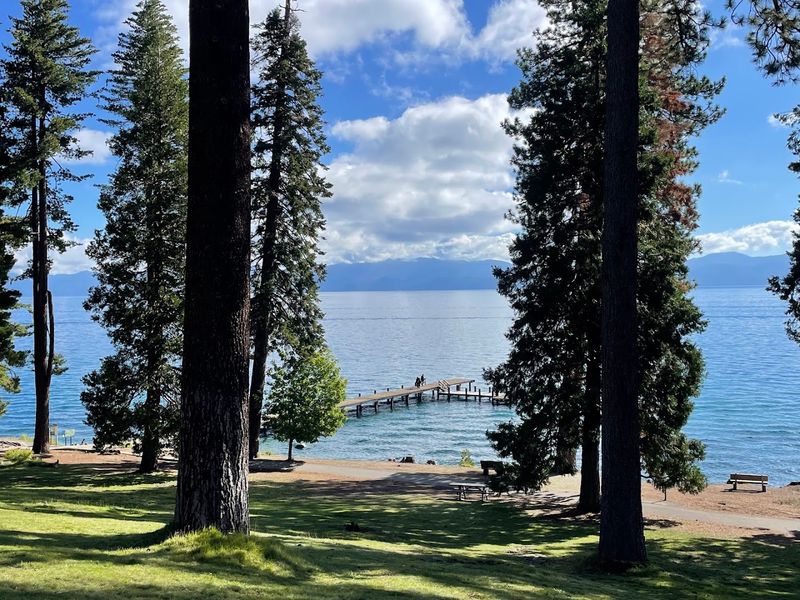
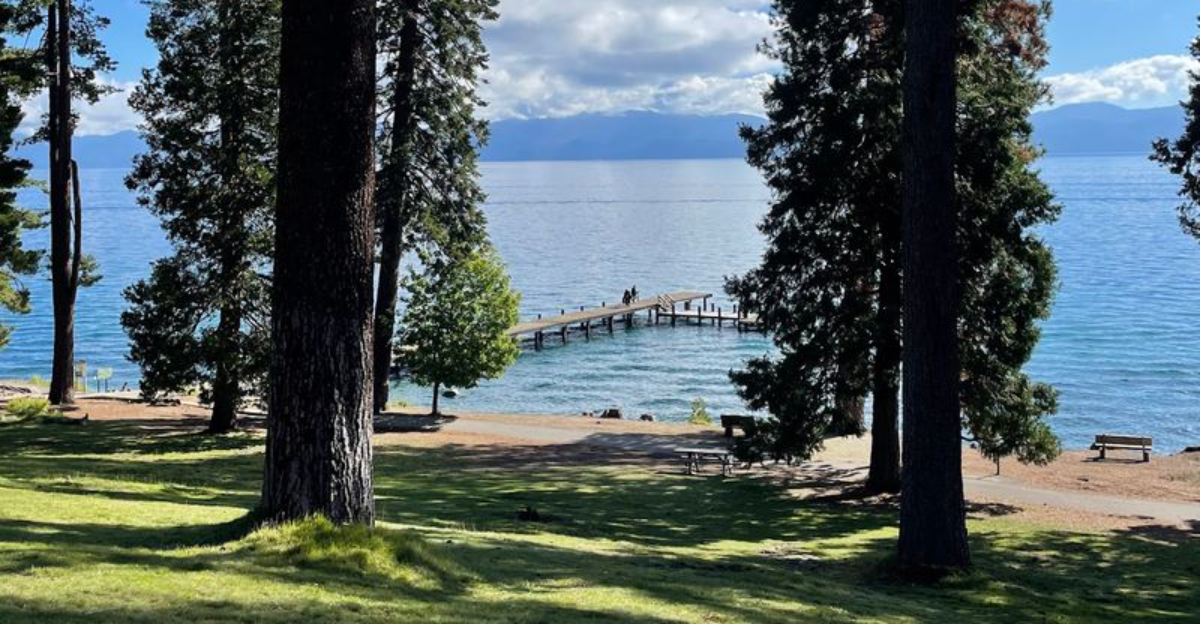
Along the west shore of Lake Tahoe, Sugar Pine Point State Park carries the kind of quiet grandeur that comes from ancient trees and clear mountain water existing side by side.
Named for the majestic sugar pines that tower throughout the park, this Tahoma destination combines forested beauty with lakeside access in a way that feels both impressive and genuinely relaxing.
The Lakeshore Interpretive Trail is a nearly half-mile paved path that runs along the shoreline of Lake Tahoe, offering glimpses of the lake’s famously clear blue water through the trees at a gentle, accessible pace.
The park’s Nature Center features exhibits about the plants and wildlife of the Tahoe Basin, including a bird display that highlights several species found in the surrounding forest.
Bald eagles, ospreys, and mountain chickadees are among the birds that birdwatchers may spot during a summer visit.
The forest itself is a mix of sugar pines, Jeffrey pines, white firs, and quaking aspens, all of which contribute to a layered and visually rich environment throughout the warm season.
Sounds of birds calling from the upper canopy are a consistent and pleasant part of any walk through the park.
Summer weekends tend to draw more visitors, so arriving in the morning on a weekday gives the most peaceful experience along the lakeside trails.
11. McArthur-Burney Falls Memorial State Park, Burney
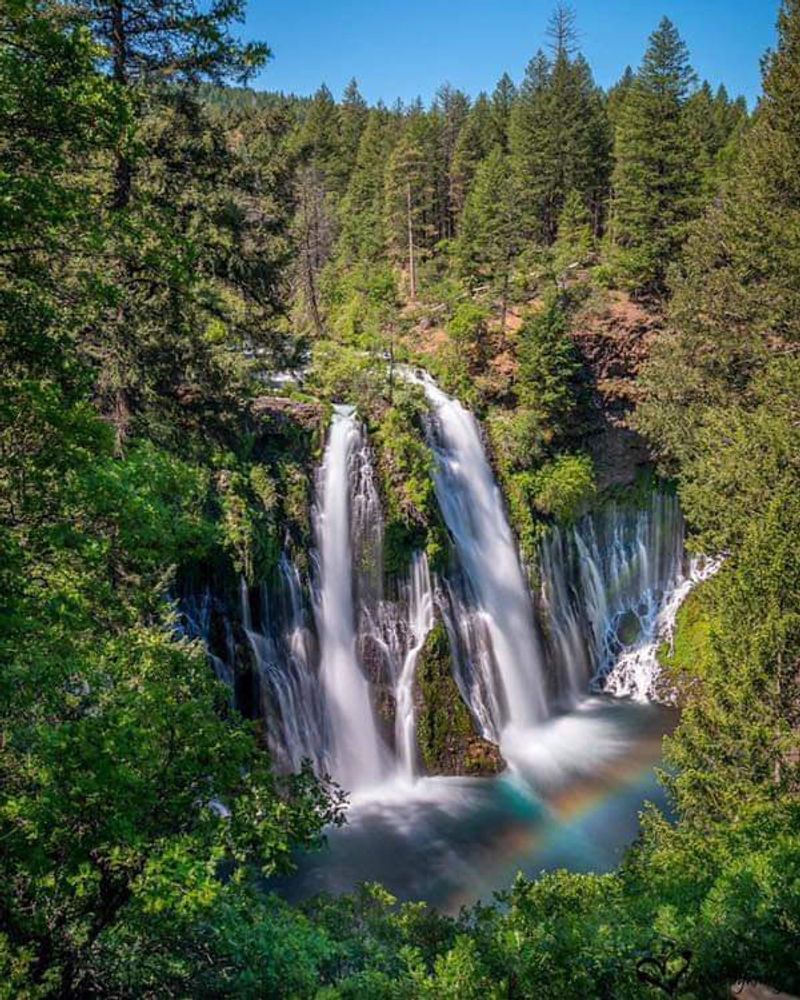
Burney Falls has been drawing visitors to this corner of Northern California for well over a century, and the sight of 129 feet of cascading water fed by underground springs has a way of making every other waterfall feel ordinary.
The falls flow consistently throughout the year because they are fed by volcanic aquifer springs rather than seasonal snowmelt alone, which means the water volume stays impressively steady even during dry summer periods.
Over 130 bird species have been recorded within the park, making it one of the more productive birdwatching destinations in the region.
Black swifts and swallows nest behind the falls in summer, with Burney Falls being one of the very few locations in California where nesting Black Swifts can be reliably observed.
Bald eagles, ospreys, Cooper’s hawks, belted kingfishers, pileated woodpeckers, and chestnut-backed chickadees are among the other species that inhabit the park’s varied habitat zones.
Five miles of hiking trails wind through evergreen forests of ponderosa pine and Douglas-fir, with the Falls Loop Trail offering a particularly lush experience.
Lake Britton within the park provides additional habitat for waterfowl including bald eagles, double-crested cormorants, great blue herons, and mallards.
Early mornings and late afternoons tend to offer the most active birdwatching conditions throughout the park.