California Seafood Dishes You’ll See Less Of Thanks To New Climate Rules
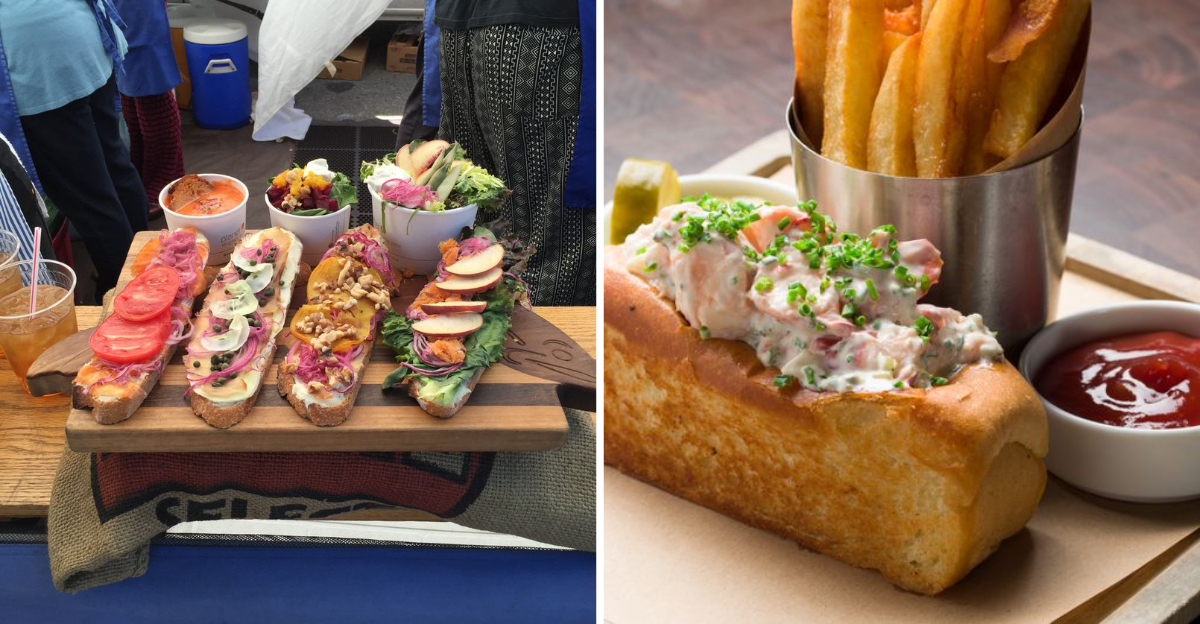
California’s coastline has long been a treasure trove of incredible seafood, from buttery Dungeness crabs to delicate abalone.
Recent climate regulations and environmental shifts are changing what ends up on restaurant menus and dinner tables across the state.
Some beloved dishes are becoming harder to find as ocean temperatures rise, fishing seasons shrink, and conservation efforts take priority to protect fragile marine ecosystems.
1. Cioppino
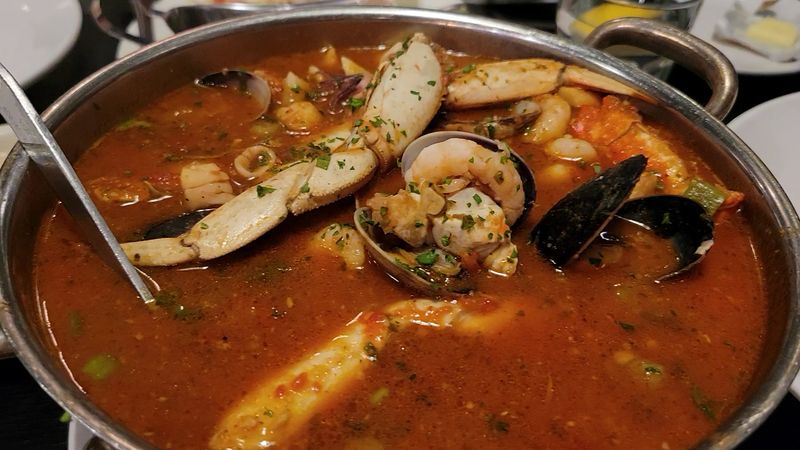
San Francisco’s iconic seafood stew might become a rarer treat as Dungeness crab populations face serious challenges.
Warming ocean waters and harmful algal blooms have led to unpredictable fishing seasons and smaller catches.
This hearty dish traditionally relies on fresh local crab, clams, mussels, and fish simmered in a tomato-wine broth that fills the kitchen with an aroma that could make anyone’s mouth water.
When crab season gets delayed or shortened, restaurants struggle to create the authentic version diners expect.
Some chefs are experimenting with alternative seafood or farm-raised options to keep this beloved stew on the menu.
The texture and sweetness of Dungeness crab, however, remains difficult to replicate with substitutes, leaving many to wonder if future generations will experience the real deal less frequently.
2. Crab Louie Salad
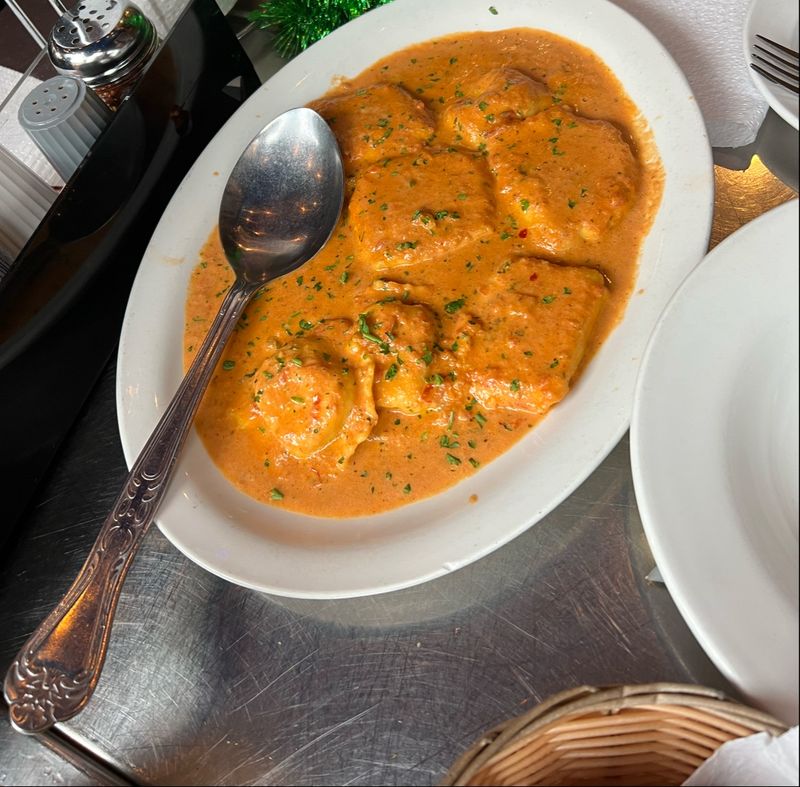
Once considered California’s signature salad, Crab Louie showcases the sweet, tender meat of Dungeness crab piled high on crisp lettuce with hard-boiled eggs and tangy dressing.
Climate-related fishing restrictions are making this cold, refreshing dish a luxury rather than a regular menu staple.
The salad originated over a century ago in San Francisco and quickly became a lunchtime favorite at seafood restaurants up and down the coast.
Its simplicity lets the quality of the crab shine through, which means there’s no hiding inferior ingredients.
As crab becomes scarcer and pricier, some establishments are reducing portion sizes or only offering it as a seasonal special.
The creamy, slightly spicy Louie dressing still tastes wonderful, but without generous chunks of fresh crab, the dish loses its soul.
3. Grilled Abalone Steaks
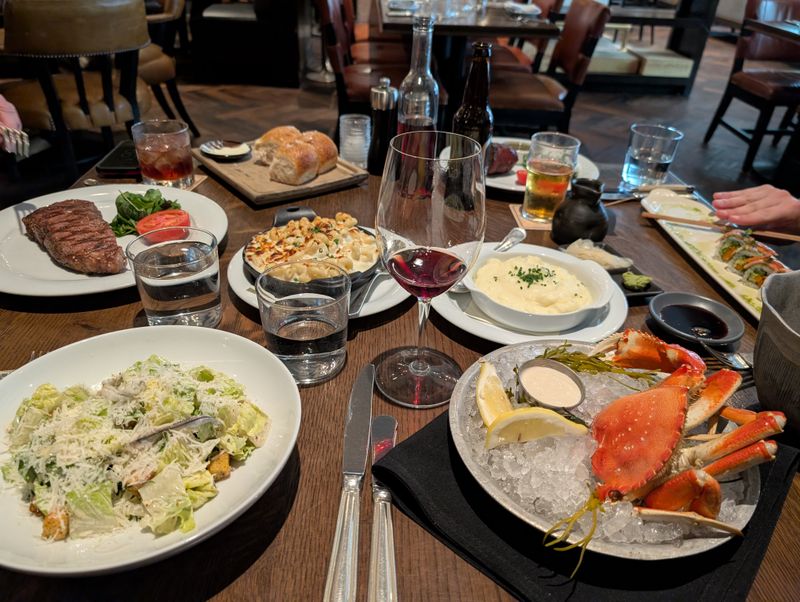
Abalone has been treasured along California’s coast for generations, prized for its buttery texture and delicate ocean flavor.
Overfishing and habitat destruction led to such severe population declines that wild-caught abalone is now incredibly rare and heavily regulated.
Grilling these mollusks brings out their natural sweetness while adding a slight char that complements the tender meat beautifully.
The process requires careful timing since overcooking can turn the texture rubbery in seconds.
Farm-raised abalone exists but comes with a hefty price tag that puts it out of reach for many diners.
Conservation efforts have helped stabilize some populations, yet the days of casually ordering abalone steaks at coastal restaurants seem to be fading into memory.
The unique taste and texture make it nearly impossible to substitute with other shellfish.
4. California Halibut Tacos
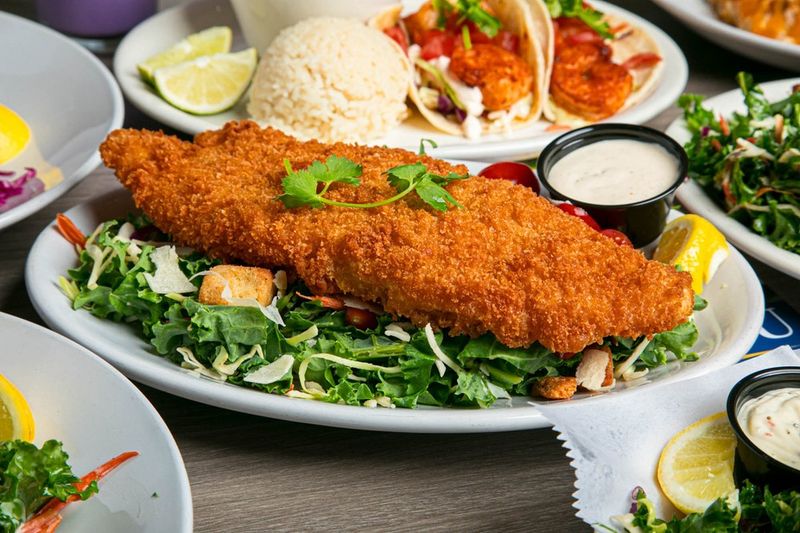
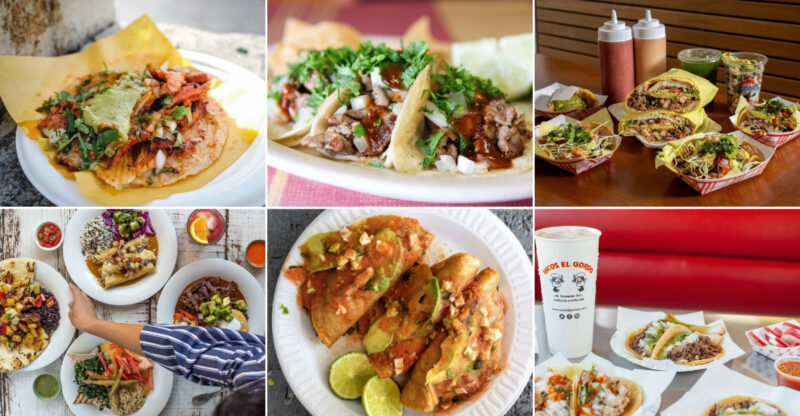
Taco stands and beachside restaurants have long celebrated California halibut for its firm, flaky texture that holds up beautifully when grilled or fried.
Habitat degradation and overfishing have reduced populations enough that catching limits and seasonal restrictions now affect availability.
The fish’s mild flavor pairs perfectly with tangy slaw, creamy avocado, and a squeeze of fresh lime, creating a balanced bite that tastes like California sunshine.
Whether battered and fried or simply grilled with spices, halibut brings a satisfying heartiness to tacos.
As supplies tighten, many taco shops are switching to imported fish or other local species that may not have the same texture or flavor profile.
The experience of biting into a taco filled with fresh, locally caught halibut might become a special occasion treat rather than an everyday pleasure.
5. Rock Crab Garlic Noodles
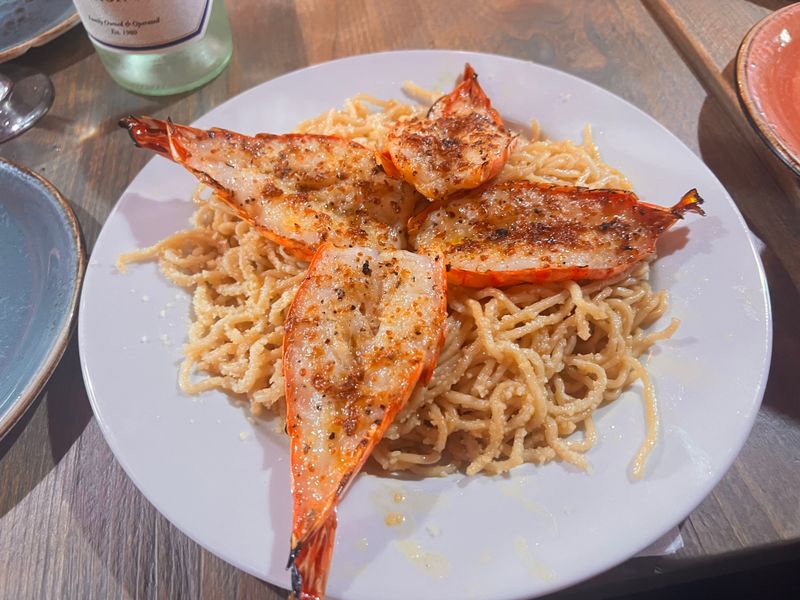
Vietnamese-American restaurants in California transformed simple garlic noodles into something magical by adding sweet rock crab meat to the buttery, savory dish.
Environmental shifts have impacted rock crab populations, making this fusion favorite less accessible than it once was.
The noodles get coated in a rich sauce made with butter, garlic, fish sauce, and parmesan, creating an umami bomb that clings to every strand.
Chunks of fresh crab meat add sweetness and a luxurious touch that elevates the entire dish.
When rock crab becomes scarce, the dish loses much of its appeal since the crab is the star ingredient rather than just a garnish.
Some restaurants continue offering the noodles with other proteins, but loyal fans know it’s just not the same without that particular sweetness only rock crab provides.
6. Uni (Sea Urchin) Sushi
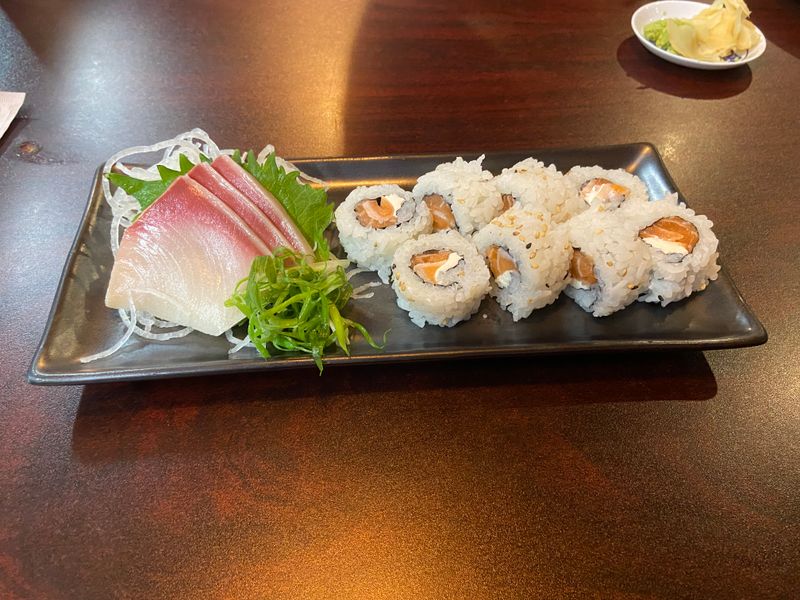
California’s cold coastal waters once produced some of the world’s finest sea urchin, with its creamy, briny roe becoming a prized ingredient at sushi restaurants.
Climate changes affecting kelp forests and water temperatures have disrupted sea urchin populations and quality, leading to supply fluctuations.
The texture of fresh uni is unlike anything else silky smooth with an ocean-fresh taste that melts on the tongue.
Quality matters enormously, as inferior uni can taste bitter or have an unpleasant texture.
Sustainable harvesting practices and new regulations aim to protect remaining populations while allowing some commercial fishing to continue.
Sushi lovers may find uni appearing less frequently on menus or commanding even higher prices than before.
The experience of enjoying California-sourced uni might shift from a regular indulgence to a rare culinary treat worth savoring slowly.
7. Monterey Bay Sardine Toast
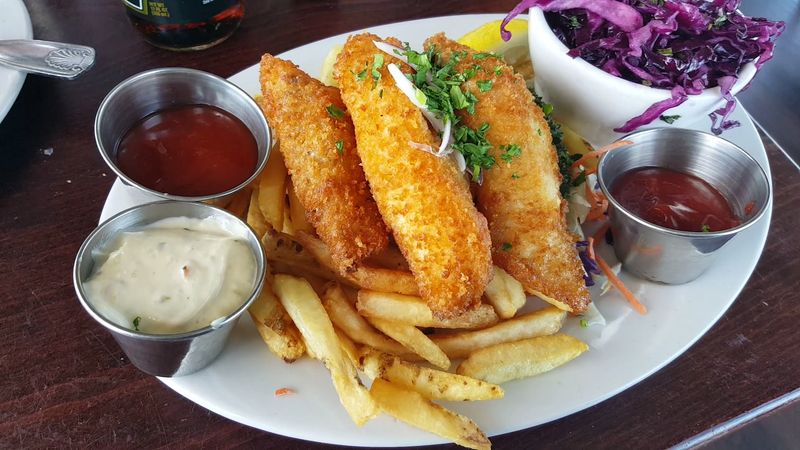
Monterey Bay sardines once supported a massive fishing industry immortalized in Steinbeck’s novels, but populations collapsed decades ago and haven’t fully recovered.
Fresh local sardines on crispy toast with olive oil and lemon became a trendy appetizer celebrating California’s fishing heritage.
The oily fish pack incredible flavor, with a richness that stands up to bold accompaniments like garlic, chili flakes, or pickled vegetables. When sourced fresh, sardines taste nothing like the canned version, offering a completely different culinary experience.
Current sardine populations remain under careful monitoring, with fishing restrictions that can change based on annual assessments.
Chefs hoping to feature truly local sardines may struggle to find consistent supplies, leading many to source from other regions or remove the dish entirely.
The cultural significance of Monterey sardines makes their scarcity feel like losing a piece of California’s identity.
8. White Seabass Ceviche
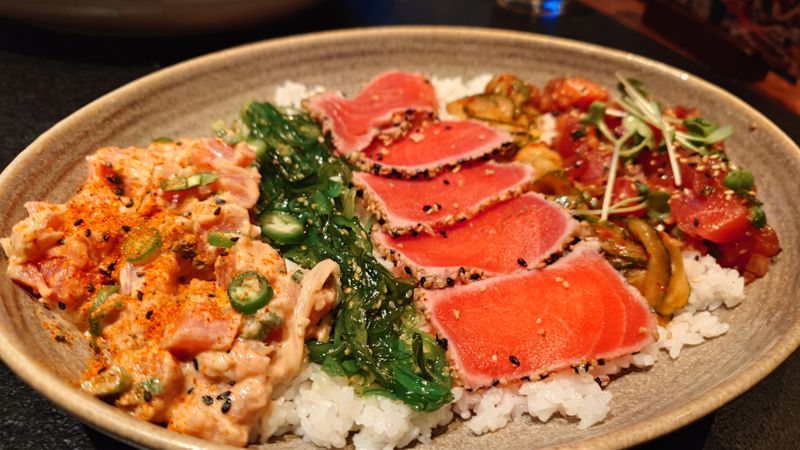
White seabass offers firm, mild flesh that works beautifully in ceviche, where citrus juice gently cooks the raw fish while preserving its fresh taste.
This California native fish has faced population pressures from both recreational and commercial fishing, leading to stricter catch limits.
The fish’s texture holds up perfectly in acidic marinades, maintaining a pleasant bite rather than turning mushy like some species.
Mixed with lime juice, cilantro, tomatoes, and avocado, it creates a refreshing dish ideal for warm California days.
As white seabass becomes harder to obtain consistently, restaurants are substituting other fish that may not have the same quality or local provenance.
The sustainability story matters to many diners who prefer supporting local fisheries.
Finding authentic white seabass ceviche might require calling ahead or visiting restaurants with direct fishing connections.
9. Dungeness Crab Rolls
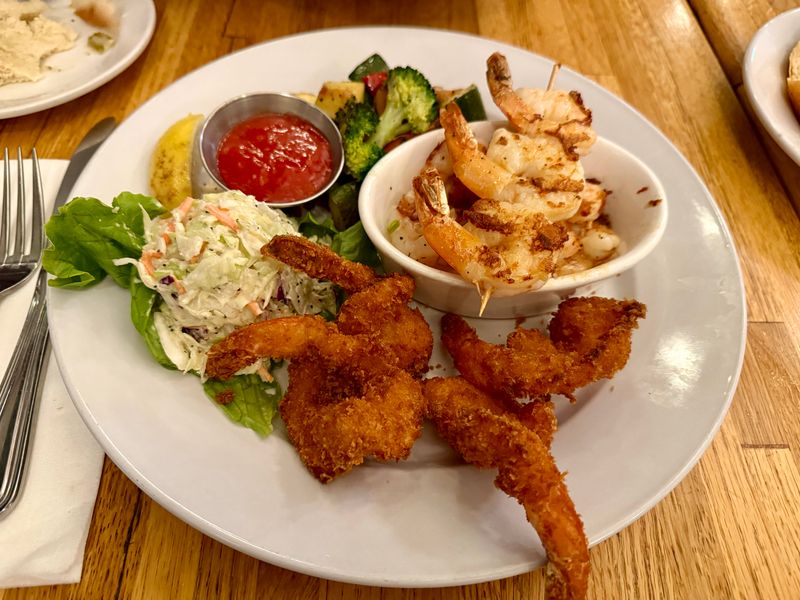
California’s answer to the New England lobster roll showcases sweet Dungeness crab meat in a buttered, toasted bun with minimal additions that let the crab shine.
Seasonal closures and reduced catch limits mean these handheld delights are becoming seasonal luxuries rather than year-round options.
The best versions use big chunks of crab lightly dressed with mayo, lemon, and perhaps a touch of celery for crunch.
The warm, buttery bun contrasts beautifully with the cold, creamy filling.
When crab season gets delayed or shortened due to toxin concerns or population issues, restaurants can’t offer these rolls even when demand remains high.
Some establishments have started offering them only during confirmed safe periods, teaching customers to appreciate them as special treats.
The anticipation of crab season’s arrival has become part of the experience itself.
10. Grilled Spot Prawns
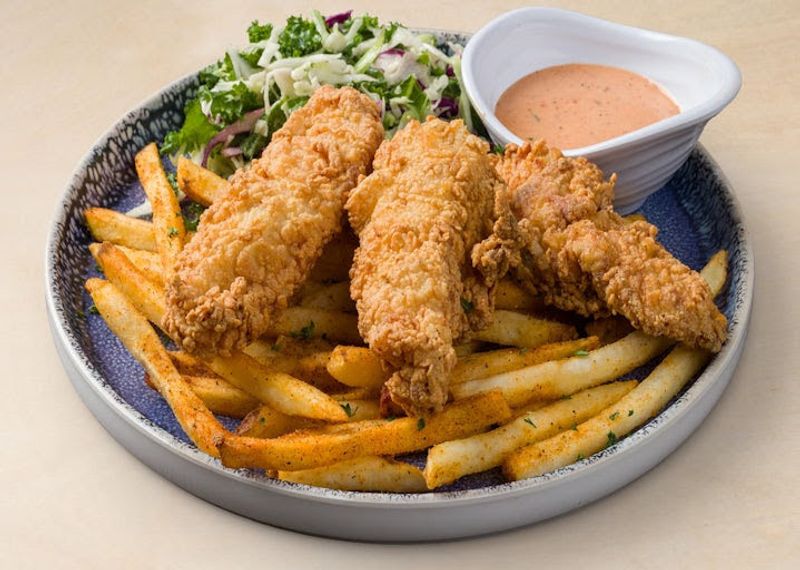
California spot prawns are sweet, succulent crustaceans that briefly appear in late spring, creating excitement among seafood lovers who wait all year for their arrival.
Climate-related changes to ocean temperatures may be affecting their populations and the timing of their short season.
Grilling them simply with butter and garlic allows their natural sweetness to come through, with a texture that’s firmer and meatier than regular shrimp.
The heads contain rich, flavorful roe that many consider the best part.
The already-brief season could become even more unpredictable or shortened, making these prawns an increasingly rare treat.
Live spot prawns at fish markets can sell out within hours when available.
Their fleeting nature has always been part of their appeal, but climate impacts might make that window even smaller, turning an annual tradition into an uncertain event.
11. Smoked Black Cod (Sablefish)
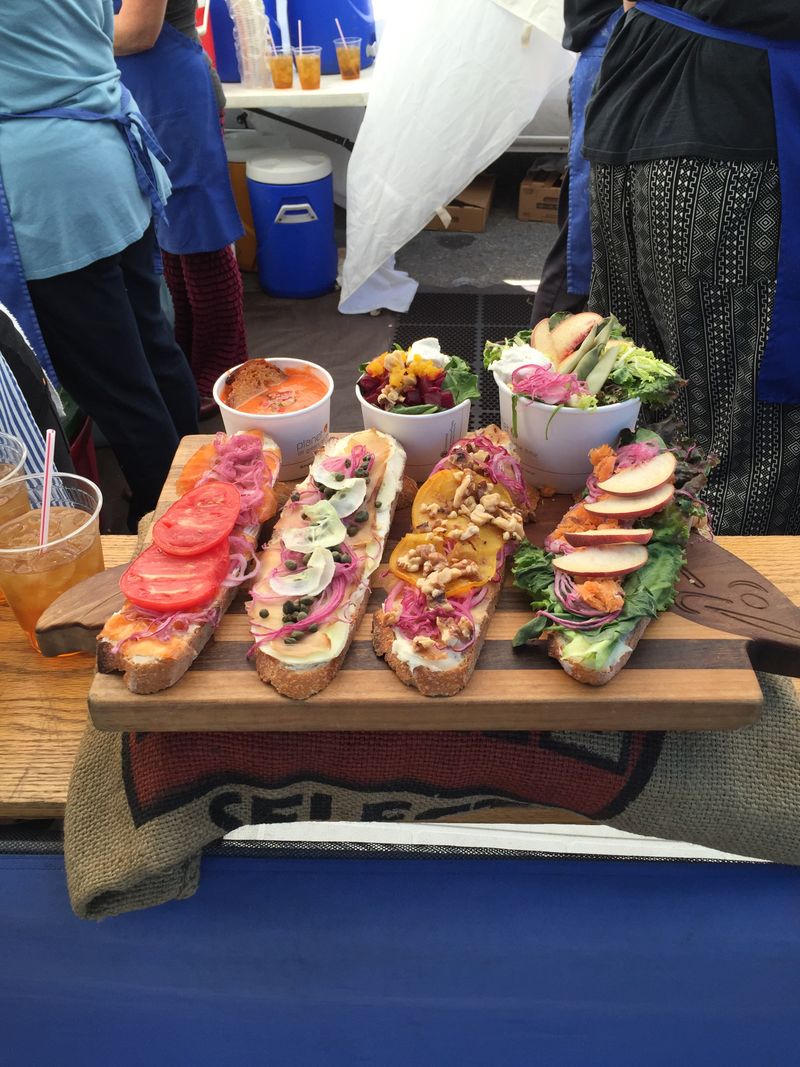
Black cod, also called sablefish, has incredibly high oil content that makes it perfect for smoking, resulting in fish that’s moist, rich, and almost buttery in texture.
While not technically a cod, this deep-water fish faces pressure from commercial fishing and changing ocean conditions.
The smoking process intensifies the fish’s natural richness, creating layers of flavor that pair wonderfully with simple sides like rice or vegetables.
Its high fat content means it stays tender even when fully cooked through.
Sustainable fishing practices have helped maintain populations, but increased demand and environmental factors could affect future availability.
The fish’s deep-water habitat makes it somewhat vulnerable to temperature changes and ocean acidification.
Restaurants featuring smoked black cod might find themselves paying premium prices or dealing with supply interruptions that weren’t as common in previous decades.
12. California Spiny Lobster Thermidor
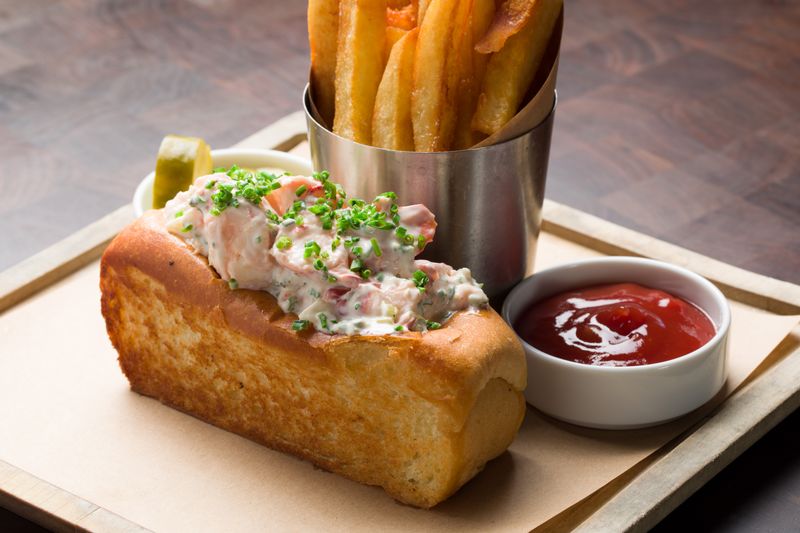
California’s spiny lobster differs from its Atlantic cousin by lacking large claws, with most of the sweet meat found in the tail.
This classic French preparation involves cream sauce, cheese, and breadcrumbs, creating a rich dish that showcases the lobster’s delicate flavor.
Spiny lobster populations face pressure from both commercial and recreational fishing, with strict seasons and catch limits designed to protect breeding cycles.
Climate changes affecting ocean temperatures may impact their habitat and reproduction patterns.
The labor-intensive preparation and increasing scarcity of the main ingredient make this dish a special-occasion splurge at restaurants that still offer it.
Some coastal establishments only feature it during peak season when local catches are most reliable.
The combination of environmental challenges and traditional fishing pressures suggests this elaborate dish might become even rarer on California menus in coming years.
13. Rockfish Chowder
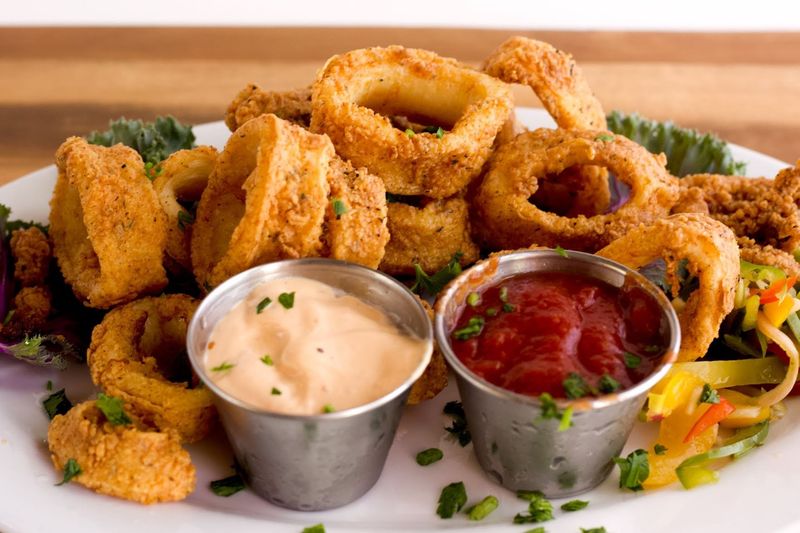
California’s rocky coastline is home to numerous rockfish species that have traditionally filled chowder pots with their firm, flaky meat and mild flavor.
Years of overfishing depleted many rockfish populations, leading to rebuilding efforts and strict catch regulations that have reduced their availability.
A good rockfish chowder balances creamy broth with tender potatoes, smoky bacon, and generous chunks of fish that hold together during cooking.
The mild fish absorbs the chowder’s flavors while adding its own subtle sweetness.
While some rockfish populations have recovered thanks to conservation efforts, others remain depleted, and fishing restrictions continue.
Restaurants may substitute other fish species or reduce portion sizes to stretch available supplies.
The regional pride associated with rockfish chowder makes its declining presence particularly noticeable at coastal restaurants where it was once a menu staple year-round.