10 California Towns Where Soaring Home Costs Are Making Residents Think Twice
Sticker shock hits differently when it is tied to home.
A grocery bill can annoy you. A rent increase can ruin the week.
A housing market that makes longtime residents question their future feels heavier than both.
That is the tension behind towns like these.
They may be beautiful, sunny, scenic, or packed with the kind of lifestyle perks people chase for years. But the math is getting harder to ignore.
In parts of California, staying put can start to feel like a financial puzzle with too many missing pieces.
Locals feel it first. Young families feel it. Retirees feel it.
Even people with decent jobs start wondering how much longer the dream still makes sense.
These 10 towns are not just expensive on paper. They show what happens when a place people love becomes harder to hold onto.
1. Union City
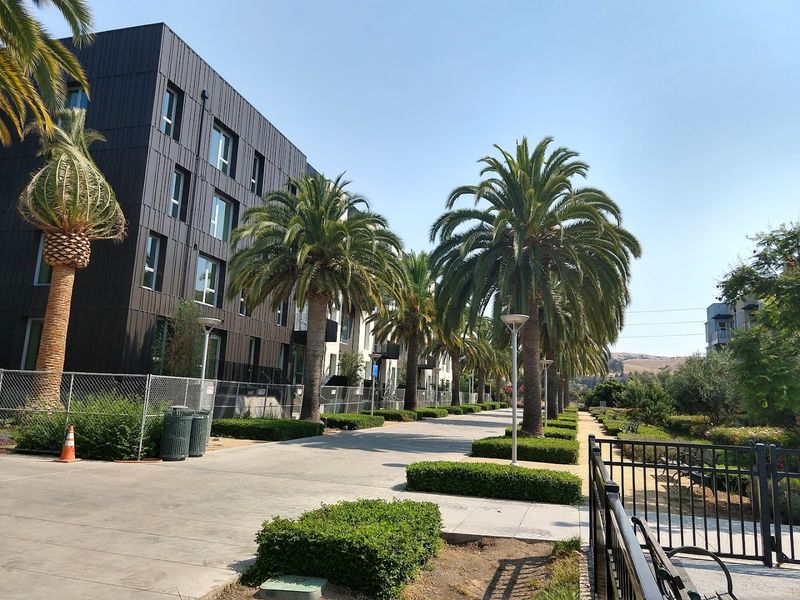
Between the Bay Area’s bigger names, Union City has long attracted families looking for a middle ground between affordability and convenience. That middle ground, however, is shrinking fast.
Median home prices in Union City have climbed sharply in recent years, pushed upward by demand from buyers priced out of neighboring Fremont and San Jose.
For many households earning a typical local income, qualifying for a mortgage on a standard home in this area now requires financial gymnastics that feel unsustainable.
The commuter-friendly location near BART stations has kept demand strong even as prices have risen well beyond what first-time buyers can comfortably manage.
Renters who had hoped to transition into homeownership are finding that dream pushed further and further out of reach.
The community itself still offers genuine appeal, with parks, diverse dining options, and a relatively calm pace compared to nearby urban centers.
Still, the financial strain of housing costs tends to overshadow those positives for families trying to build long-term stability.
Many residents are quietly exploring options in the Central Valley or other states where the same income could stretch considerably further without sacrificing quality of life.
2. Santa Cruz
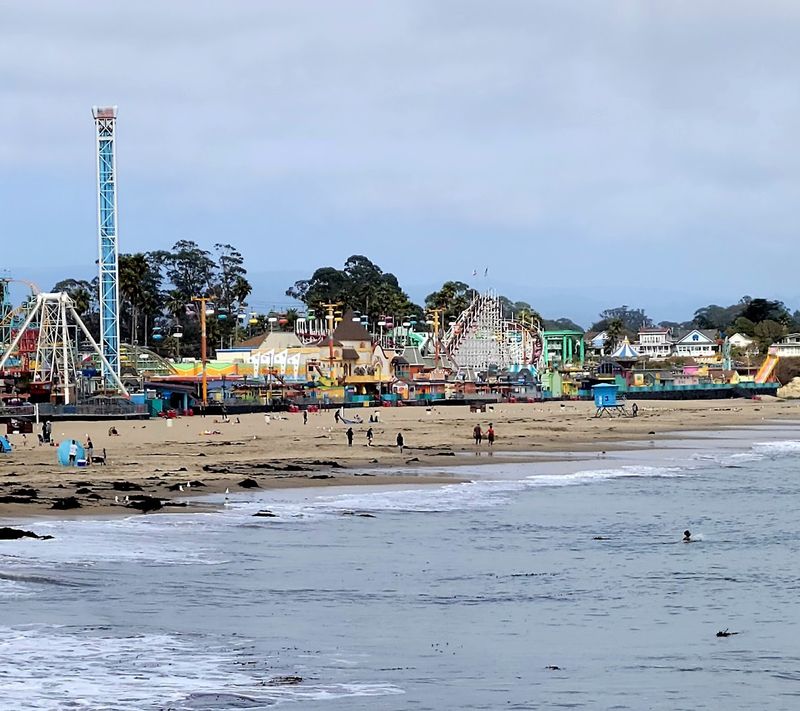
Few places in California carry the kind of laid-back charm that Santa Cruz has built its identity around, but that charm now comes with a price tag that is genuinely staggering.
Ranked as the second least affordable housing market in the entire United States in early 2026, owning a median-priced home here consumes roughly 97 percent of a typical local worker’s wages.
That number is not a typo. Families who have lived in Santa Cruz for generations are finding themselves in the painful position of being unable to afford to stay in the community they grew up in.
The city’s population dropped 1.3 percent in 2025 alone and has fallen nearly 4 percent since 2020, a trend that reflects just how serious the affordability problem has become.
Teachers, nurses, service workers, and local business employees are among those feeling the squeeze most acutely, often commuting from towns an hour or more away just to hold onto their jobs.
The beach, the boardwalk, and the redwood-lined roads remain as beautiful as ever.
But for households trying to make ends meet, the scenic backdrop does little to ease the weight of a housing market that has moved far beyond what most people can realistically afford.
3. Pleasanton
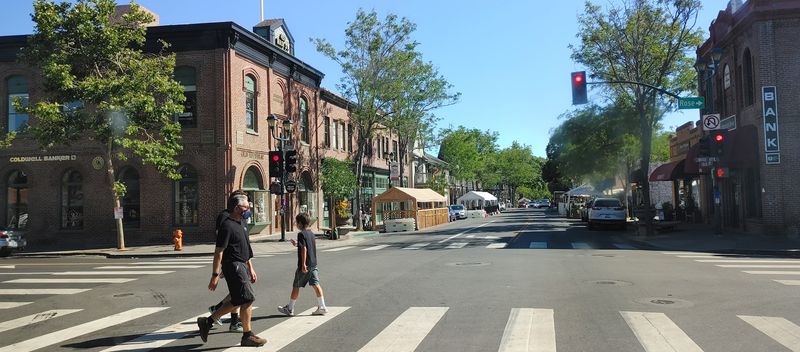
Pleasanton has earned a reputation as one of the more desirable places to raise a family in the East Bay, with strong schools, a walkable downtown, and a relatively low crime rate.
That reputation, though well-deserved, has also made it one of the more expensive places to buy a home in the Tri-Valley region.
Median prices have stayed stubbornly high even as the broader market has seen some cooling elsewhere in California.
For buyers relocating from San Francisco or San Jose, Pleasanton might feel like a relative bargain. For anyone earning a local median income, though, the math still does not add up easily.
A household would typically need to earn well above six figures just to qualify for a mortgage on a mid-range home, and that threshold keeps moving upward as prices hold firm.
The city’s appeal is easy to understand on a Saturday morning when the farmers market fills Main Street and families stroll past historic storefronts.
The lifestyle feels attainable right up until the moment someone checks current listings.
Residents who bought years ago are sitting on significant equity, but younger households and renters are increasingly weighing whether Pleasanton’s quality of life justifies the financial commitment required to stay here long-term.
4. Manhattan Beach
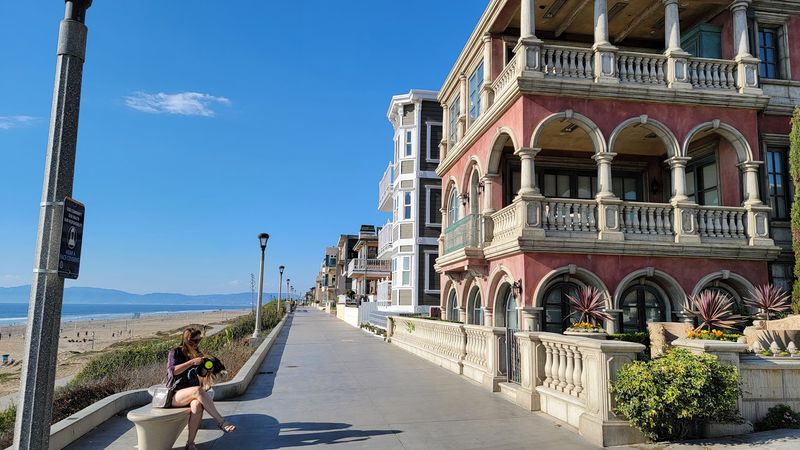
There is a version of Southern California living that Manhattan Beach practically invented, where sun-bleached sidewalks lead to volleyball nets on white sand and every street seems to end at the ocean.
That version of life is real and genuinely beautiful, but it also comes wrapped in a price tag that puts it firmly out of reach for the vast majority of California households.
Median home prices in Manhattan Beach consistently rank among the highest in Los Angeles County, frequently surpassing the $3 million mark for single-family homes.
Even modest townhomes and condos can push well past $1 million, making this one of the clearest examples of a community where the cost of living has fundamentally changed who gets to live there.
Long-time residents who purchased decades ago are often asset-rich but cash-flow tight, while newer arrivals tend to represent a much narrower economic slice of the population.
The walkability, the beach access, the local dining scene, and the strong sense of neighborhood identity all remain genuine draws.
However, the financial reality means that many people who work in Manhattan Beach, from teachers to local shop owners, simply cannot afford to live in the same zip code where they spend their working hours.
5. Coronado
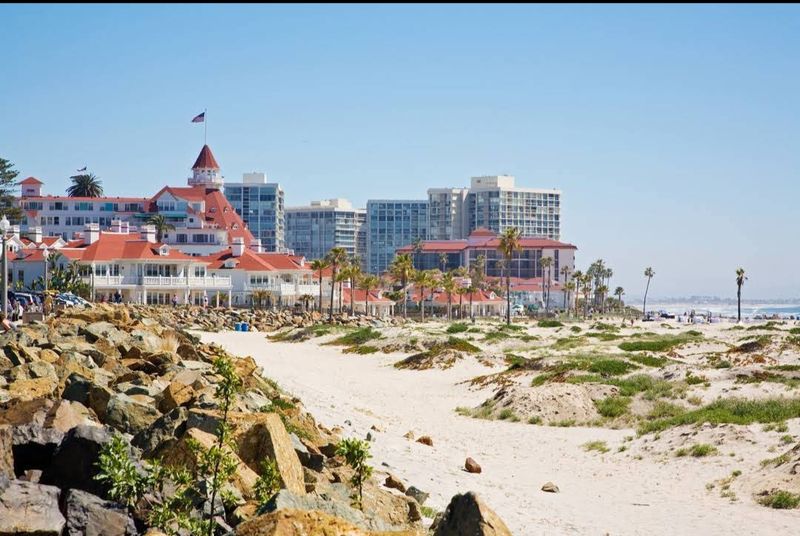
Sitting just across the bay from downtown San Diego, Coronado carries the kind of quiet elegance that makes it feel like a world apart from the rest of Southern California.
The wide streets, well-maintained homes, and proximity to both the beach and the city have made it one of the most consistently desirable addresses in San Diego County.
That desirability, predictably, has a cost.
Home prices on the Coronado peninsula are among the highest in the entire San Diego region, with median values frequently exceeding $2 million and waterfront properties climbing far beyond that.
The island’s limited land supply means inventory stays tight and competition among buyers remains fierce even when broader market conditions soften elsewhere.
For most San Diego-area residents, Coronado is a place to visit rather than a realistic place to consider buying.
The community’s appeal goes beyond just the views and the proximity to water. Coronado has a strong local identity, with a small-town feel that coexists with its proximity to a major urban center.
Still, the financial barrier to entry is so significant that the demographics of who actually owns homes here have shifted noticeably over time toward wealthier buyers, leaving little room for middle-income families hoping to put down roots in this part of California.
6. Santa Monica
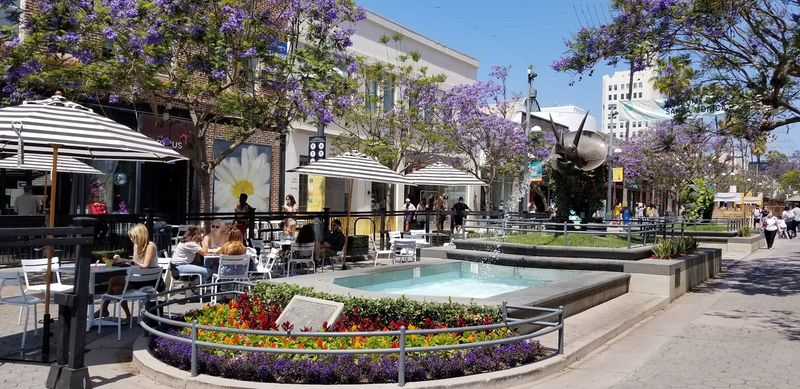
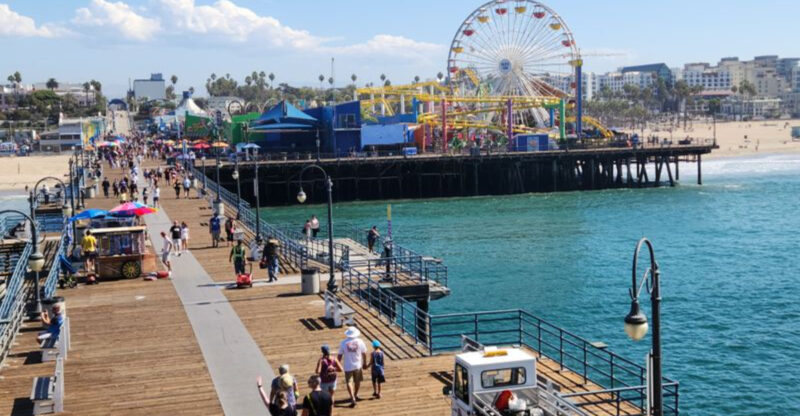
Santa Monica has long been one of the most recognized names in California real estate, and not just because of the pier or the Third Street Promenade.
The combination of ocean access, walkable neighborhoods, and proximity to Los Angeles job centers has kept demand for housing here extraordinarily high for decades.
The result is a market where even modest properties carry price tags that would feel extraordinary almost anywhere else in the country.
Median home prices in Santa Monica frequently surpass $2 million, and rental costs are similarly elevated, making it one of the least accessible housing markets in all of Los Angeles County.
The city’s strong rent stabilization policies have helped some long-term renters stay in place, but those protections do not extend to newer construction or to buyers trying to enter the market for the first time.
Many residents describe a growing sense that Santa Monica is slowly becoming a place only a narrow economic tier of people can realistically afford.
The lifestyle benefits are undeniable, from the farmers markets to the beach bike path to the relatively mild climate year-round.
However, the financial pressure of housing costs in Santa Monica has become a constant background noise for households who love the city but struggle to see a sustainable path to long-term residency.
7. Cupertino
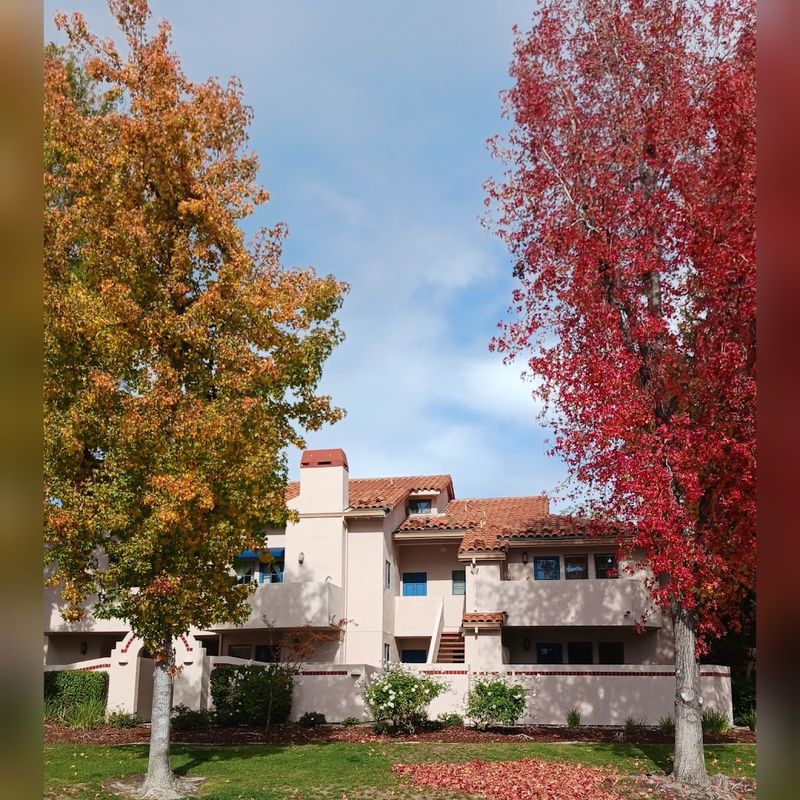
Best known as the home of Apple’s global headquarters, Cupertino sits at the heart of Silicon Valley’s most expensive real estate territory.
The city draws highly educated workers from across the tech industry, and that concentration of high-earning households has pushed home prices to levels that feel almost abstract when written out in full.
Median single-family home prices in Cupertino regularly exceed $3 million, placing it among the priciest markets in all of California.
Even for tech workers earning six-figure salaries, the math of homeownership in Cupertino can feel uncomfortable, particularly for those carrying student loan debt or trying to save for a down payment while paying high rents.
For anyone working outside the technology sector, the prospect of buying here is largely theoretical.
Local service workers, educators, and healthcare employees typically commute from communities much farther east or south where housing costs are at least somewhat more manageable.
The city offers genuinely strong schools, well-maintained public spaces, and a safe, quiet residential atmosphere that families find attractive.
The trade-off is a housing market so dominated by wealth that it has effectively become inaccessible to a large portion of the working population.
Residents who have owned here for years hold remarkable equity, but that wealth is largely locked in place, making it difficult to translate into broader community economic mobility.
8. Palo Alto
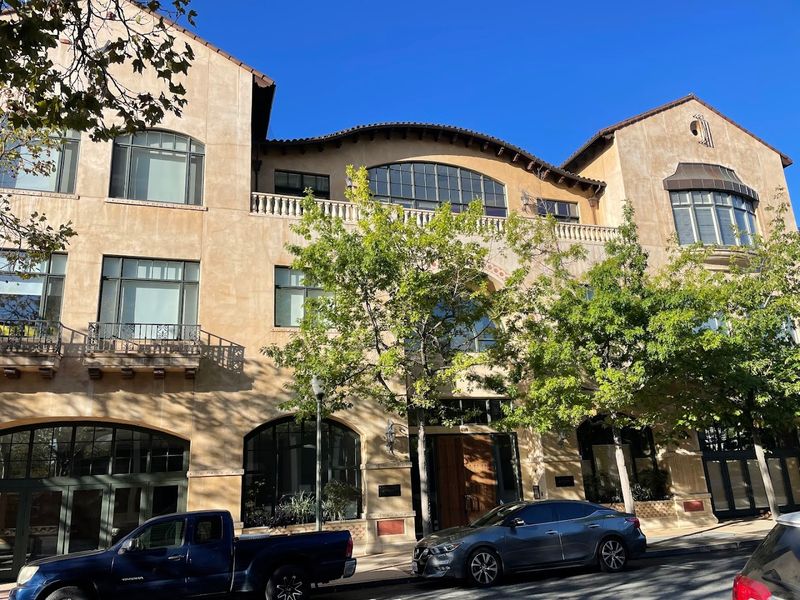
Home to Stanford University and a dense concentration of venture capital firms and technology companies, Palo Alto occupies a unique position in California’s housing landscape.
The city’s prestige, intellectual energy, and proximity to some of the highest-paying jobs in the world have created a real estate market that operates by its own set of rules.
Median home prices here have been above $3 million for several years and show little sign of meaningful correction.
San Jose was ranked as the world’s most expensive city for homebuying in 2024, and Palo Alto’s numbers rival and sometimes exceed that benchmark within the same metro area.
A household would need an extraordinary annual income just to qualify for a conventional mortgage on a typical Palo Alto home, a threshold that excludes the overwhelming majority of California workers.
Even dual-income households in well-paying professions often find themselves renting rather than buying, sometimes indefinitely.
The streets are beautiful and the community has a reputation for being thoughtful and civically engaged. Excellent public schools and a walkable downtown with good dining options add to the appeal.
But the financial reality of living in Palo Alto has become so extreme that it has quietly changed the character of who can actually put down roots here, creating a community that feels increasingly shaped by a single economic stratum.
9. Los Altos
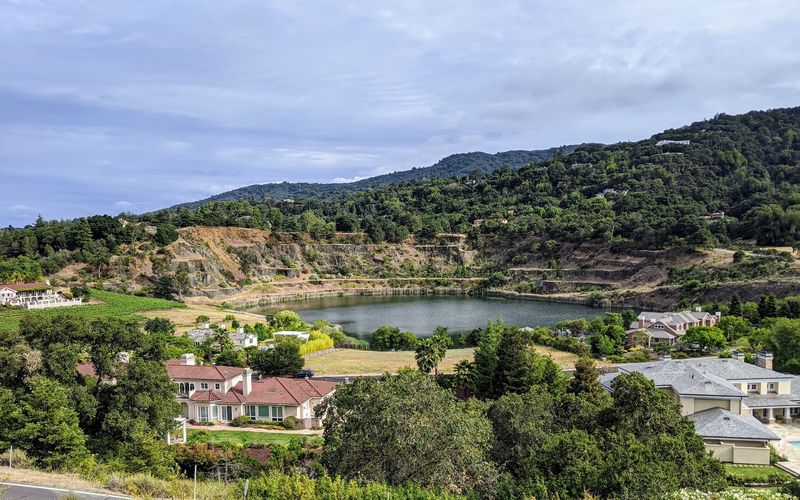
Quietly wealthy and largely residential, Los Altos sits in the heart of Silicon Valley without the name recognition of Palo Alto or the corporate identity of Cupertino.
What it does have is some of the most expensive real estate in the entire state, with median home prices that have consistently hovered above $4 million for single-family properties.
The town’s appeal lies in its calm, suburban character and the exceptional quality of its public schools, which draw competitive buyers willing to stretch their budgets significantly.
For most California residents, Los Altos is simply not a market they can participate in, regardless of their income level.
Even among tech workers earning high salaries, buying in Los Altos often requires either substantial family wealth or many years of accumulated savings and equity from previous properties.
The barrier to entry is so high that the community has developed a demographic profile that is among the most economically homogenous in the state.
Long-time residents who purchased before the market surged hold extraordinary paper wealth, but many report feeling financially constrained in other ways, with property taxes and the general cost of living in the area adding up quickly.
Younger families with Silicon Valley salaries often look toward nearby towns with slightly lower price points, calculating that the premium for a Los Altos address is simply too steep to justify on a monthly cash-flow basis.
10. Mill Valley
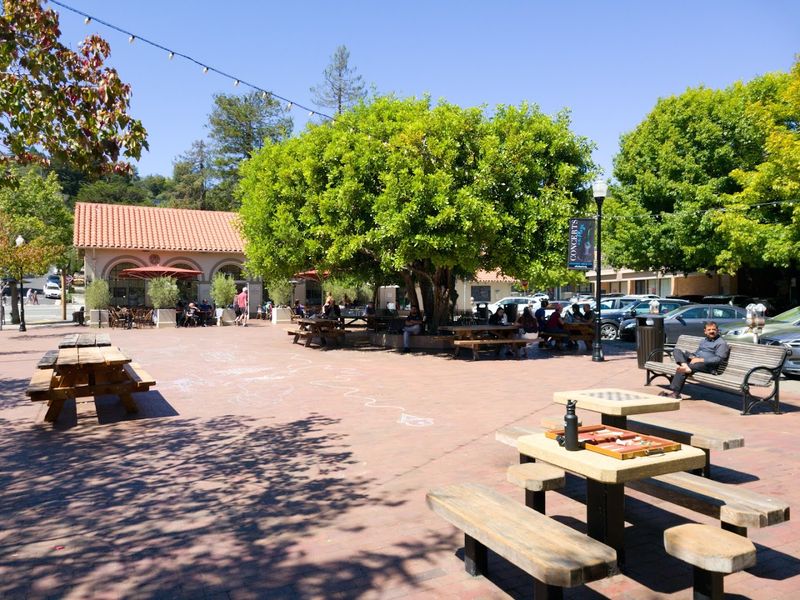
Nestled in the redwood-draped hills of Marin County, Mill Valley has a personality that feels equal parts artistic and outdoorsy, with hiking trails leading out from residential streets and a downtown that manages to feel genuinely village-like.
That combination of natural beauty and urban access has made it one of the most sought-after addresses in the North Bay, and the housing market reflects that desirability with prices that are among the highest in the state.
Marin County as a whole has been identified as the third-worst in the country for housing affordability, with owning a median-priced home consuming more than 91 percent of a typical local worker’s wages.
Mill Valley sits near the top of that already extreme range, with median home prices frequently exceeding $2 million and the most desirable properties climbing well beyond that.
For residents who do not already own property here, the path to homeownership feels less like a financial stretch and more like a full stop.
The town’s character remains deeply appealing, with a strong arts community, excellent access to Mount Tamalpais State Park, and a neighborly atmosphere that long-time residents genuinely treasure.
However, the economic pressure of sustaining a life in Mill Valley is pushing younger families and working-class residents toward communities further north or east.