13 California Trails Where The View Changes Completely By The End
A trail earns bragging rights when the ending feels like a plot twist.
One mile starts calm, then you notice how another shifts the mood. And suddenly? The scenery changes so much that the beginning feels like a whole different trip!
California has hikes where the final view makes the whole route feel cleverly designed.
Desert paths can end in color. Forest trails can open toward water. Coastal routes can trade shade for wide blue drama.
That kind of change keeps people moving. Tired legs complain less when the payoff keeps getting bigger.
1. Damnation Creek Trail, Del Norte Coast Redwoods State Park
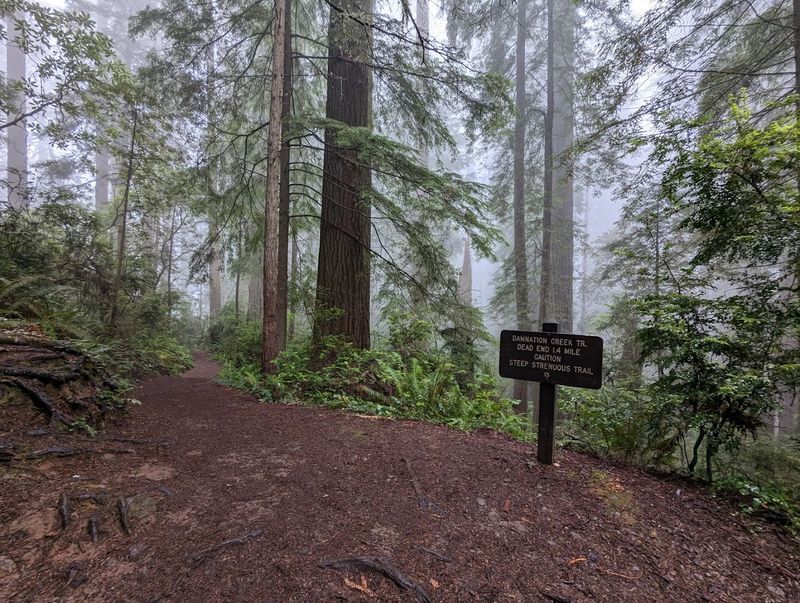
Forest shade defines the first impression on Damnation Creek Trail, where the air often feels cool and the redwood setting keeps the route calm and enclosed.
Ferns, moss, and filtered light shape the mood, and the path gives little sign at first that the Pacific will eventually take over the scene. That contrast is what makes this short hike memorable.
The trail descends steadily, and the downhill direction can make the walk out feel much different from the walk in.
Wooden features and narrow segments ask for attention, especially in damp weather when surfaces may be slick. Sound also changes along the route because ocean noise gradually starts to compete with the quieter forest setting.
At the lower end, the view opens suddenly to a rugged beach and steep coastline.
What started as a redwood walk finishes with driftwood, surf, and a broad sense of exposure that feels almost unrelated to the shaded beginning. The shift happens quickly enough that the ending can feel like stepping into a separate landscape.
Return effort should not be underestimated because the climb back is the harder half.
2. Canyon and Ocean View Loop, Malibu
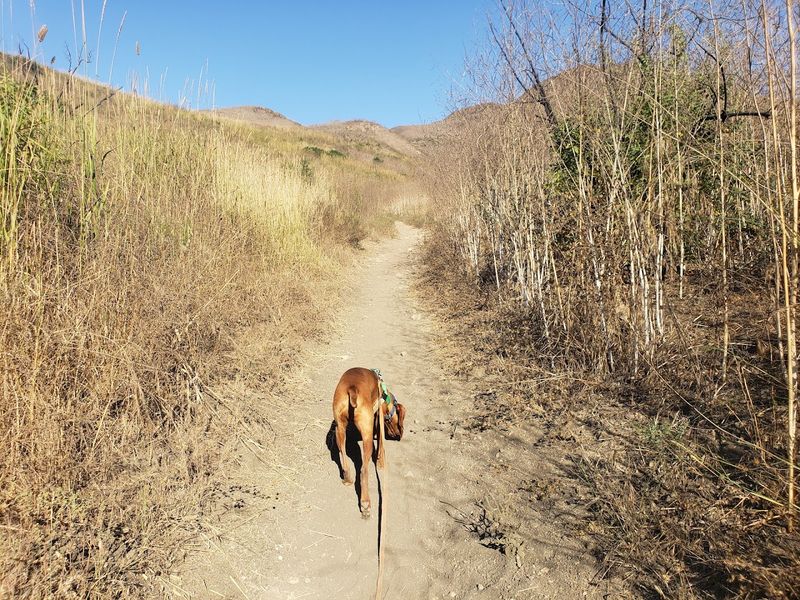
Rolling hills and open canyon terrain shape the beginning of the Canyon and Ocean View Loop, where the landscape feels dry, spacious, and distinctly inland despite the nearby coast.
The route has a steady rhythm that lets attention settle on ridgelines, native vegetation, and changing light. At first, the ocean is not the whole story.
As the loop continues, more overlooks begin to frame the Pacific and the route starts to feel less like a canyon hike.
The contrast comes from how gradually the setting opens, replacing enclosed folds of terrain with wider horizons.
On warm days, exposed sections can feel hotter than expected, so shade planning is limited and timing matters.
By the later portions, ocean views become the dominant feature and the walk takes on a more coastal identity.
The ending feels brighter and more open than the start, with a stronger sense of distance and air moving across the ridges. That transition is subtle enough to feel natural, yet clear enough to change the mood of the whole hike.
Conditions in the Santa Monica Mountains can vary with heat, wind, and recent maintenance.
3. Cactus to Clouds Trail, Palm Springs
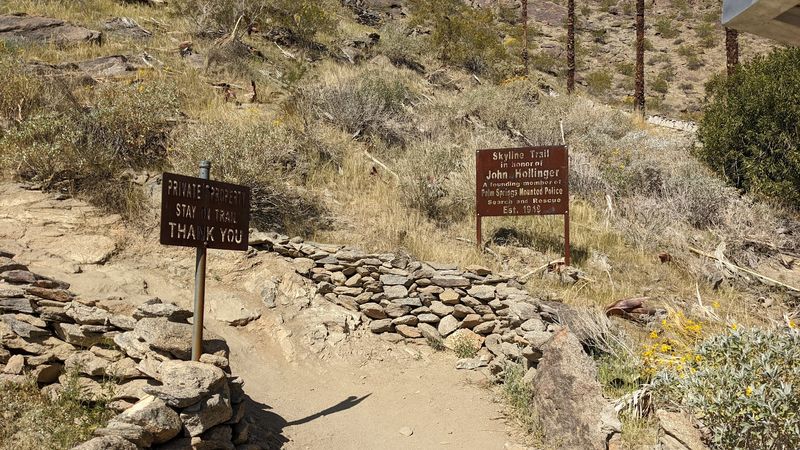
Few California hikes change character as dramatically as Cactus to Clouds. The route starts in the dry heat above Palm Springs, where cacti, rock, and exposed slopes define the experience from the first steps.
Everything about the lower mountain feels harsh, bright, and demanding, especially on warm days.
As elevation builds, the trail moves through a sequence of climate zones that make the outing feel almost improbable.
Desert textures gradually give way to cooler air, different plant life, and eventually the high country near Mount San Jacinto.
The physical challenge is serious, and this is a route for experienced hikers who understand weather, fitness, and timing.
Near the upper mountain, the surroundings no longer resemble the start in any meaningful way.
Forest, granite, and alpine conditions replace the low desert setting, creating one of the clearest start to finish transformations on any trail in the state.
Official guidance, water planning, and realistic turnaround decisions are essential here because conditions can become dangerous.
4. Big Pine Lakes Trail, Eastern Sierra
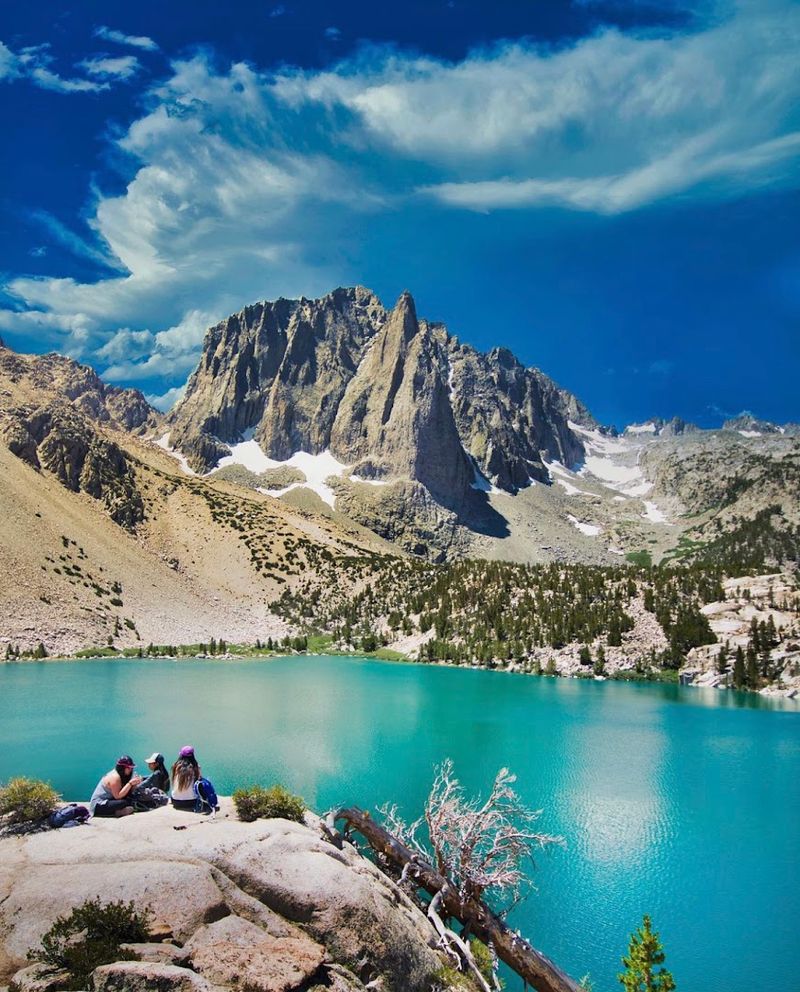
Lower sections of the Big Pine Lakes Trail begin in a mountain setting that feels familiar and grounded, with forest, creek sounds, and steady climbing through the Eastern Sierra.
The route is attractive right away, but the early miles still hold back the most dramatic color and openness. That delay gives the hike a strong sense of progression.
As the trail climbs, the terrain grows rockier and the views start to pull outward. Lakes begin to appear in sequence, and their vivid blue water changes the visual tone of the outing almost instantly.
Seasonal snow and trail conditions can affect access, so checking current park or forest information remains important.
Near the upper lakes, the hike feels far removed from its wooded beginning.
Granite walls, alpine light, and striking water color take over, creating a finish that looks sharper and brighter than the lower forest approach.
The contrast is especially memorable on clear days when reflections and peak outlines stand out cleanly.
Elevation can slow pacing more than expected, even on a day trip.
5. Trail Canyon Falls, Angeles National Forest
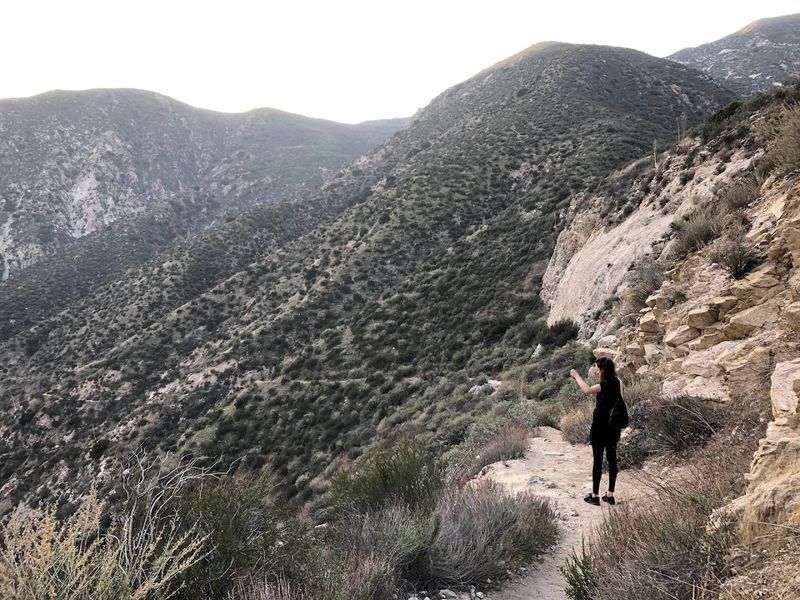
The route to Trail Canyon Falls begins as a shaded canyon walk with stream crossings, brush, and the easy rhythm of following water upstream.
Much of the early appeal comes from the feeling of being tucked inside the folds of the San Gabriel foothills. The trail remains modest at first, which helps the destination feel more distinct.
Creekside sections, rocks, and occasional narrowing of the canyon keep the hike engaging without making it overly complicated for many visitors.
Conditions can change after storms or with seasonal damage, so official forest updates are worth checking before setting out. Foot placement matters around water and uneven surfaces.
At the falls, the view shifts from a linear canyon walk to a focused natural endpoint.
Rock walls, falling water, and the small amphitheater effect create a finish that feels more enclosed and dramatic than the approach.
The contrast works because the trail spends most of its time building toward one concentrated scene rather than revealing everything early.
Weekdays often feel quieter than warm weekends, and recent rainfall can alter both flow and trail comfort.
6. Rubicon Trail, Lake Tahoe
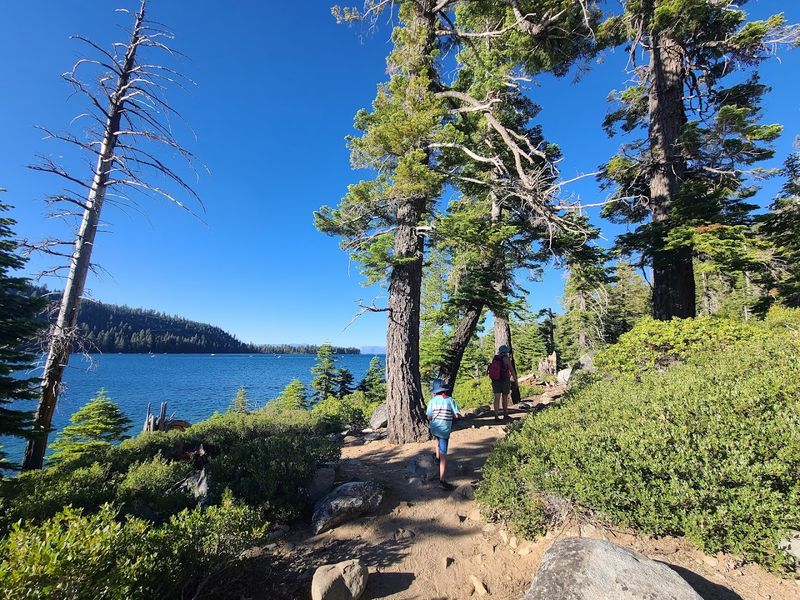
The Rubicon Trail starts with lake views in places, yet its strongest effect comes from how the shoreline keeps changing as the walk continues.
Forest, granite, coves, and open water alternate often enough that the route never settles into one visual mood. That variety makes the finish feel refreshed rather than repetitive.
Sections near the water can feel easy and inviting, while other parts ask for more care around rock and uneven footing.
The trail’s appeal is less about one dramatic climb and more about staying close to Lake Tahoe as the angle of the shore keeps shifting. Sun exposure can be strong, especially in warmer months.
By the later stretches, the color and scale of the lake often become the dominant memory.
What may begin as a wooded shoreline walk ends with a stronger impression of bright open water, granite edges, and long views across the basin.
The change is not abrupt, but it is noticeable enough to make the endpoint feel different from the start.
Parking and access points vary depending on direction and season, so route planning helps avoid a rushed finish.
7. Dipsea Trail, Mill Valley to Stinson Beach
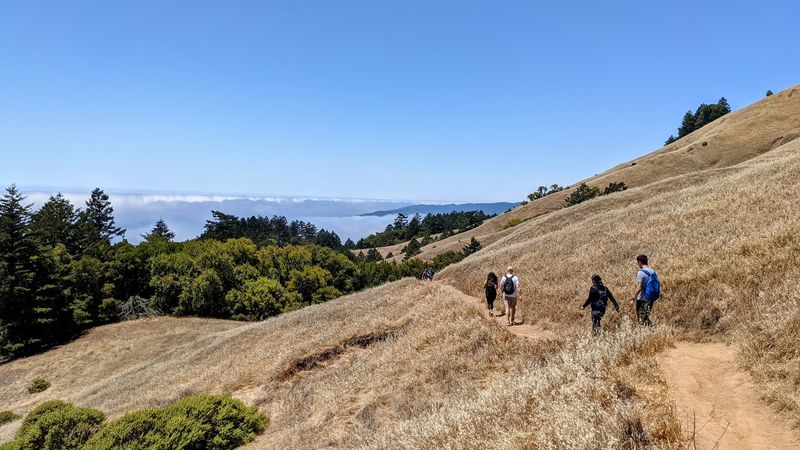
Early stretches of the Dipsea Trail feel enclosed and leafy, with redwoods, shaded stair sections, and the soft quiet that often comes with a Marin County forest walk.
The path climbs and drops often, so the outing feels active even before the scenery begins to widen. Steady footing matters here because roots, steps, and changing grades can keep attention on the trail itself.
As the route continues, tree cover breaks more often and the landscape starts to feel airier.
Coastal hills replace the denser woodland mood, and the light usually looks brighter and less filtered than it did near the beginning.
On clear days, the shift becomes especially noticeable because the route begins to hint at open shoreline rather than inland forest.
By the time Stinson Beach comes into view, the ending feels completely different from the start. Sand, wind, and open sky take over where shade and damp earth led the way earlier.
Crowds and parking conditions can vary, especially on warm weekends, so an earlier start tends to make the pacing calmer and the finish more enjoyable.
Public transit options and trail connections exist in the area, but conditions and schedules should be checked before heading out.
8. Lost Coast Trail, Humboldt County
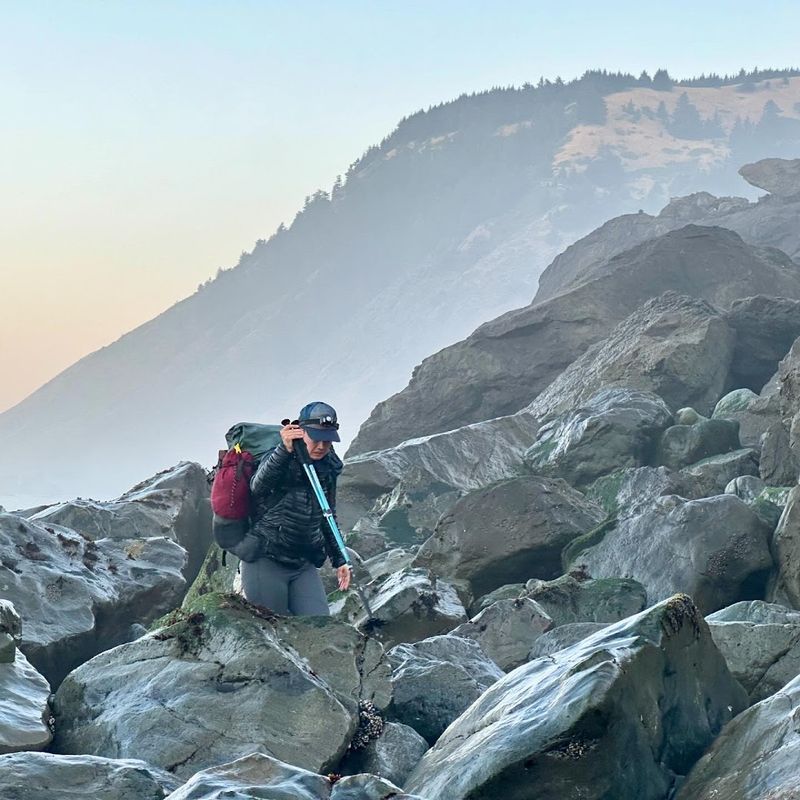
The Lost Coast Trail begins with a strong sense of isolation, but the most striking part is how often the surrounding view keeps changing as the route unfolds.
Inland slopes, marine fog, rocky shoreline, and broad beach sections trade places in a way that makes the landscape feel unsettled and alive. Each mile can look distinct depending on tide, weather, and light.
Walking here asks for more planning than a typical day hike because tide timing matters on several sections.
Firm sand can turn softer and slower underfoot, and exposed beach walking tends to feel very different from paths near bluffs or creeks.
Conditions should always be checked through official sources because access and safety depend on them.
By the later stretches, the scale of the coast often becomes the trail’s defining feature.
What began as a remote route with shifting details can end feeling wide, raw, and almost entirely shaped by ocean and sky.
That final impression stands apart from the beginning because the land seems to strip away distractions and leave only surf, wind, and distance.
This is not the kind of trail that feels casual, even when the weather looks gentle.
9. McWay Falls Overlook Trail, Big Sur
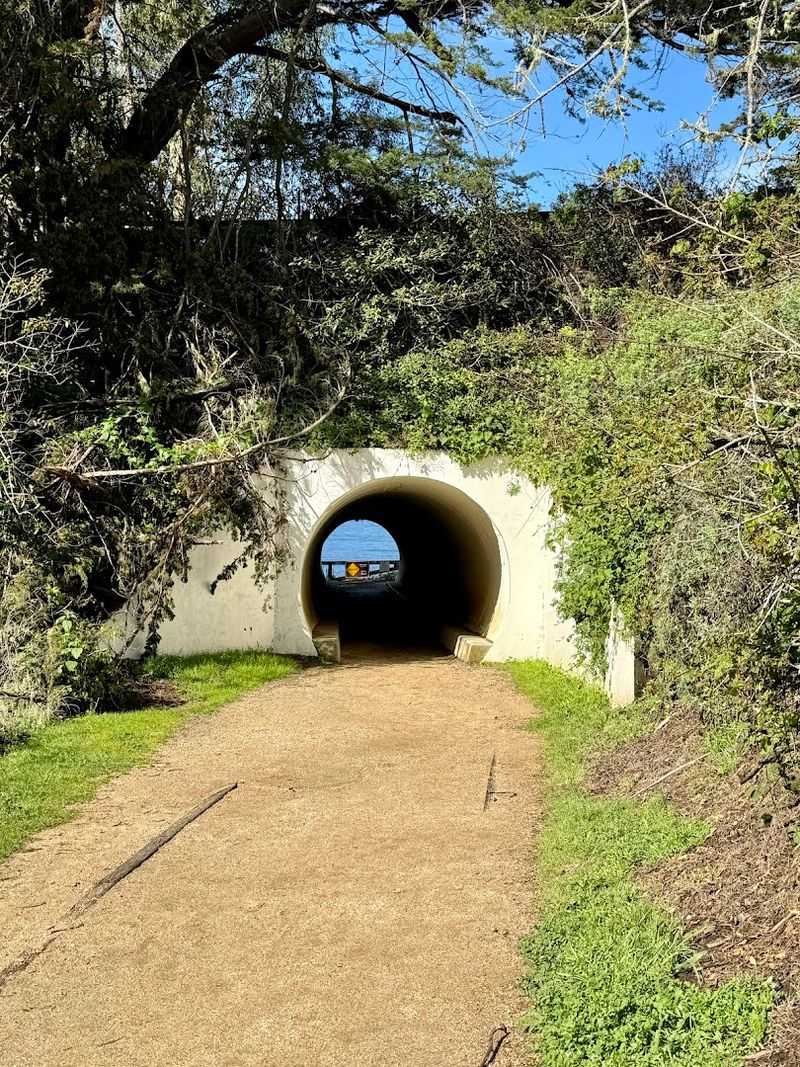
While short, the visual change still lands clearly because the route moves from roadside coastal vegetation to one of the most recognizable views in Big Sur.
At the start, the path feels simple and contained. Nothing about the first steps fully matches the openness waiting at the overlook.
As the trail approaches the viewing area, the coastline begins to widen and the cove comes into frame.
The shift happens quickly, yet it still feels gradual enough to build anticipation through sound, light, and changing sightlines.
Conditions are usually easier here than on long backcountry hikes, but crowds can shape the pace.
At the end, McWay Falls and the small beach below create a finish that feels complete and distinct from the approach.
Water, cliff, and open ocean replace the narrower trail experience with a composed coastal scene that draws attention outward.
The contrast is especially effective because the walk asks so little time before delivering a very different final view.
Staying on designated paths is important because access to the beach itself is not part of the overlook experience.
10. Fern Canyon Loop, Prairie Creek Redwoods State Park
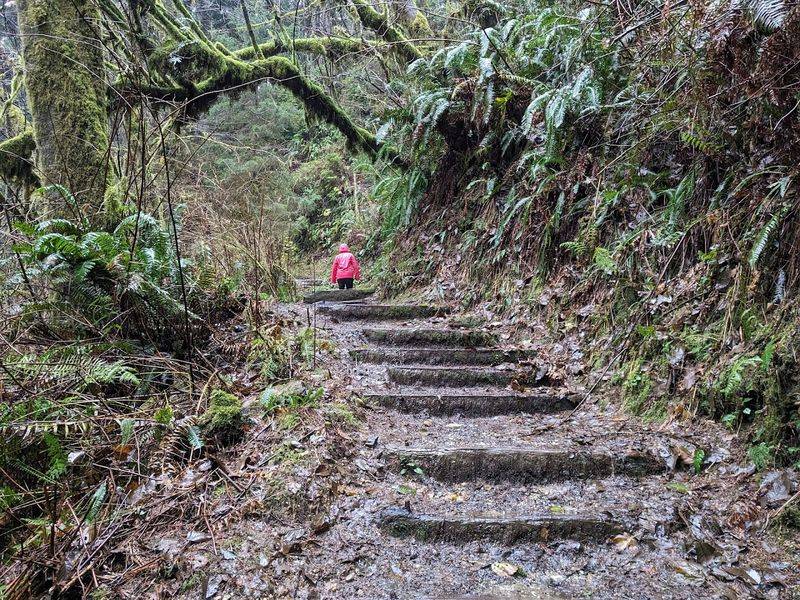
The approach to Fern Canyon starts quietly, with coastal forest and a sense of damp shade that feels familiar for this part of northern California.
It is pleasant from the outset, yet the early sections still leave the biggest visual surprise ahead. That delayed reveal is part of why the route stays memorable even though it is relatively short.
Once the canyon narrows, the space changes character in a dramatic but grounded way. Vertical walls wrapped in ferns rise close to the path, and shallow water crossings make the route feel more tactile than a standard dirt trail.
Footwear matters because conditions can shift with season, recent rain, and creek flow.
By the end, the enclosed green walls become the whole experience, replacing the broader forest feeling from the beginning.
Instead of looking outward across distance, attention turns to texture, moisture, and the sound of water moving through a tight corridor.
The destination feels completely different not because it is vast, but because it becomes intimate and immersive.
Access conditions on the road to the trailhead can vary, and summer crowds tend to be heavier than on quieter weekdays.
11. Mt. Whitney Trail, Lone Pine
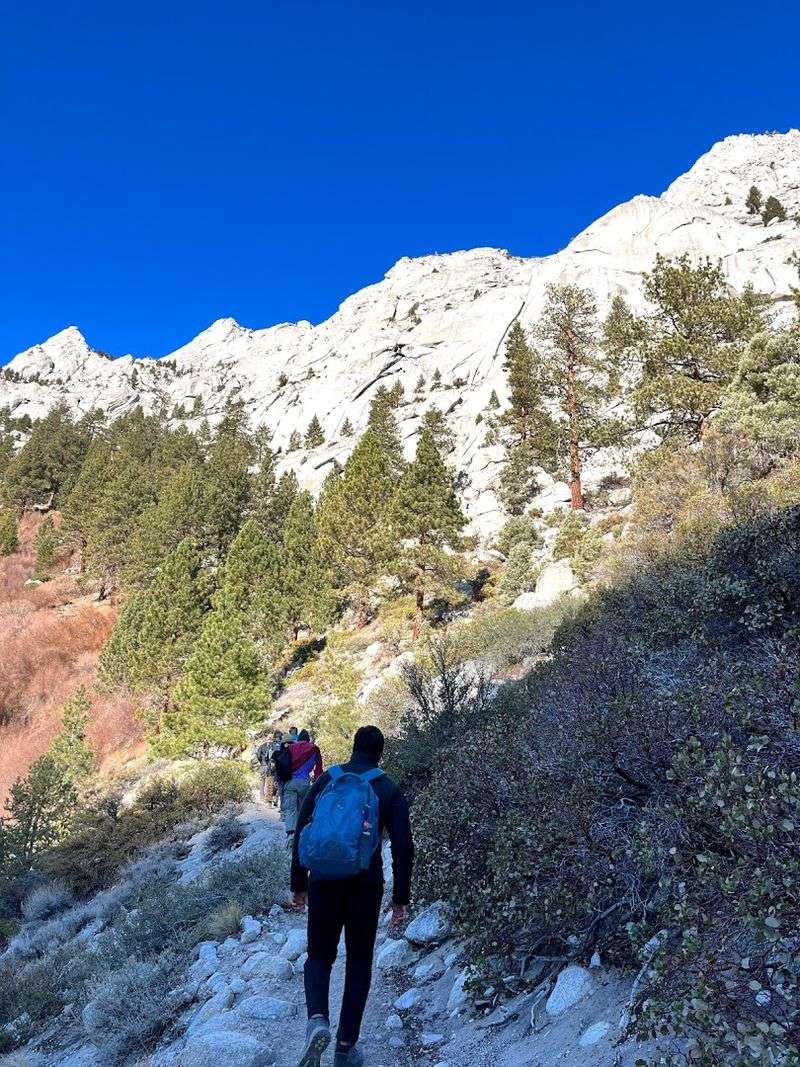
The Mt. Whitney Trail starts in the high Sierra, yet even from that elevated beginning the scenery keeps growing more severe and expansive.
Lower sections pass through pine forest and along water, giving the route a grounded mountain feel rather than an immediate summit atmosphere. That gentler opening makes the upper terrain feel even more distinct later on.
As the trail gains height, trees thin out and the scale of the landscape takes over. Granite, switchbacks, and exposed ridges replace the earlier shelter, while air and effort both become more noticeable.
Permits are required, and altitude can affect strong hikers in ways that are hard to predict.
Near the top, the view becomes almost entirely about height, distance, and bare mountain form.
The finish feels completely different from the start because the route leaves behind forested calm for a broad alpine world with little softness in it. Weather can change quickly, so conditions should be checked closely before any attempt.
This trail is iconic for good reason, but it is not casual and should be treated with care.
12. Tomales Point Trail, Point Reyes National Seashore
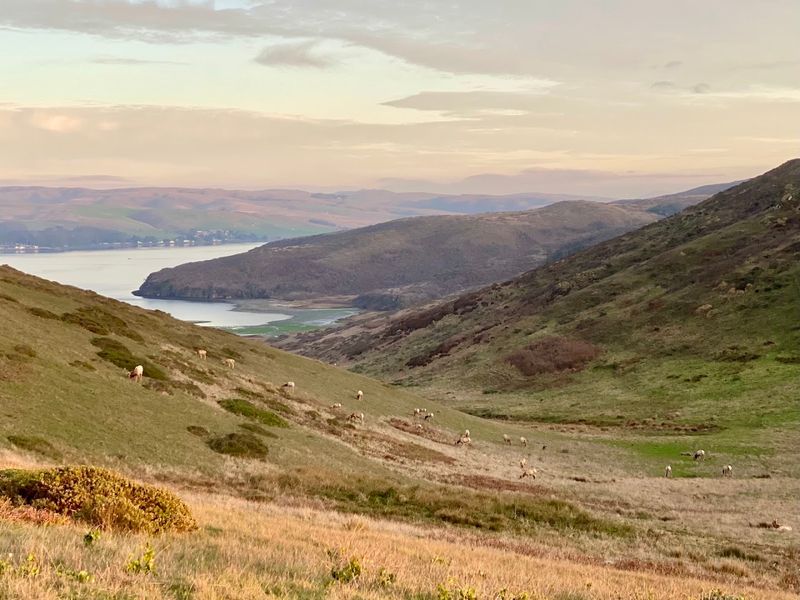
The opening miles of the Tomales Point Trail feel broad and grassy, with rolling coastal headlands that seem almost gentle at first glance.
The route is exposed from the start, yet the landscape still evolves in a way that makes the final sections feel much wilder. That slow transition is part of its appeal.
Walking along the ridge keeps both ocean and inland water in play, but early views often share space with open pasturelike terrain and the occasional sight of tule elk.
Wind can shape comfort more than temperature here, and the sandy trail surface may feel looser in places than it first appears. Layering usually helps because conditions can change quickly.
Near the far end, the headland narrows and the route feels more rugged and remote. What began as an airy coastal walk finishes with a stronger sense of cliff edge, exposure, and ocean dominance.
The endpoint feels completely different because the land seems to taper into weather and water rather than simply continue as open hillside.
Mud and seasonal wear can affect footing, and fog may limit distance on some days.
13. Alamere Falls via Palomarin Trailhead, Point Reyes National Seashore
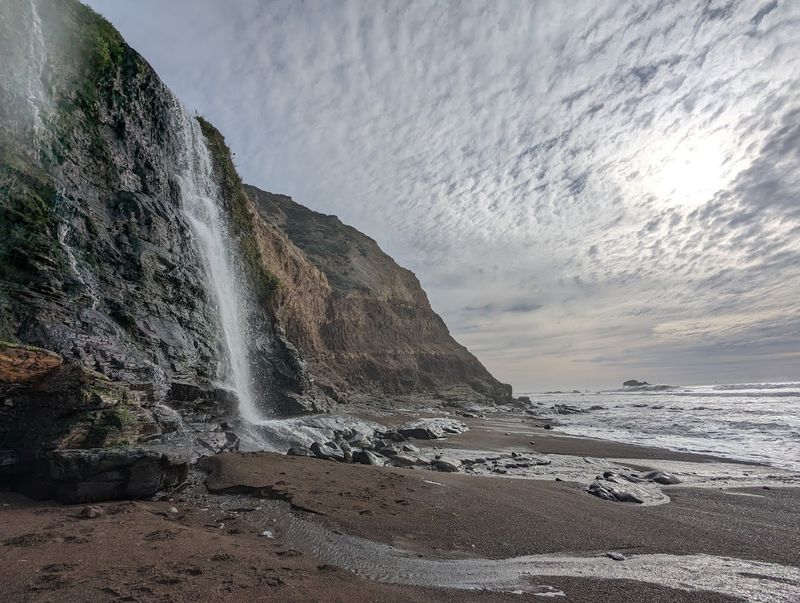
The route toward Alamere Falls starts with a mix of coastal scrub, forested sections, and inland lakes that create a calm and varied beginning.
Much of the walk feels like a classic Point Reyes trail rather than a destination defined by one singular coastal feature. That makes the final approach especially noticeable.
As the hike continues, the inland character slowly gives way to more direct contact with the ocean environment.
Light opens up, wind becomes more present, and the path starts to feel less sheltered than it did near the trailhead.
Conditions can be muddy or uneven, and official guidance should always be followed because access details may change.
Near the end, the sight of Alamere Falls dropping over a bluff toward the beach creates a finish that feels entirely different from the earlier lakes and wooded segments.
The destination shifts the mood from quiet inland walking to a distinctly dramatic coastal scene shaped by cliff, surf, and open air. That contrast is the reason this route stays so memorable.
Care is important near bluffs and unofficial side paths should be avoided. A measured pace makes sense here, since the hike works best as a gradual scenic progression rather than a rush to the final viewpoint.