California’s Overlooked 4,000-Acre Redwood Park Feels Worlds Away From the Crowds
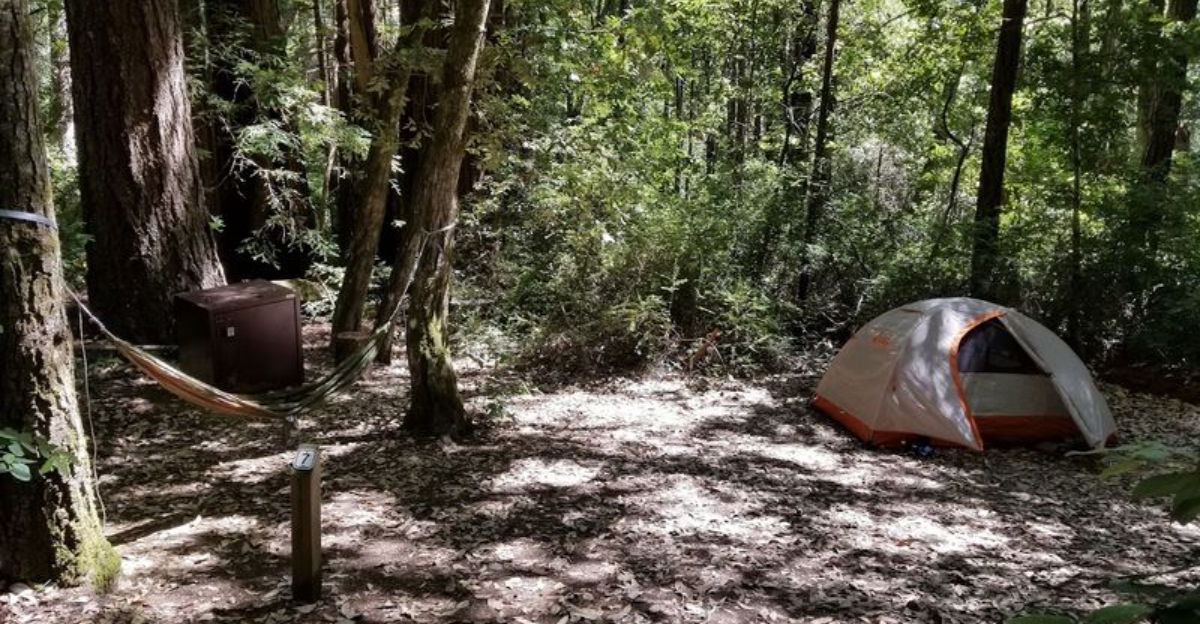
Redwoods have a talent for making the outside world feel very far away.
You step beneath the canopy, the light softens, and even familiar forest sounds seem quieter than expected.
Trails slip between towering trunks and shaded pockets where the pace naturally slows. The deeper you go, the easier it becomes to forget how close everyday life really is.
Near the coast, this quieter side of California feels almost deliberately hidden.
Four thousand acres leave plenty of room to wander without turning the day into a crowded procession.
You can follow a trail, pause beneath the trees, and hear more wind than conversation. Nothing needs to be flashy when the setting already does the work.
Come for the redwoods, but pay attention to everything around them.
Walk Beneath The Redwoods On Little Butano Creek Trail
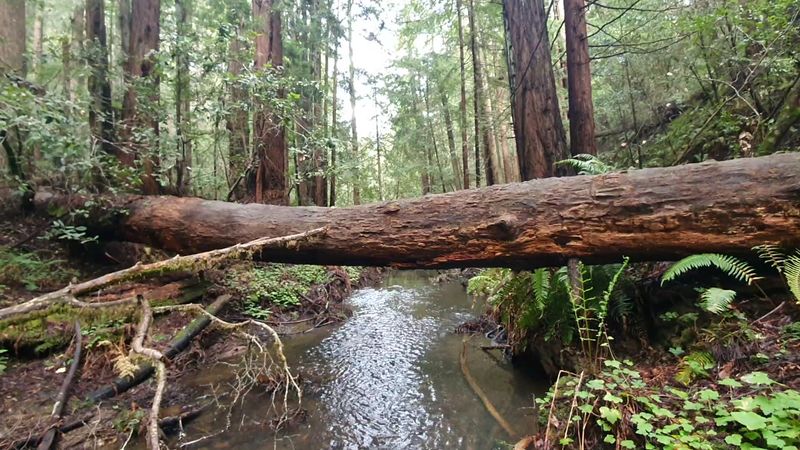
Few trails offer such an immediate sense of arrival as the Little Butano Creek Trail, where the forest closes in gently just moments after leaving the trailhead.
Tall redwoods and alders arch overhead, creating a cool, shaded corridor that feels removed from the outside world almost instantly.
The creek murmurs alongside the path, keeping the air damp and fresh throughout the walk.
Stretching roughly 1.5 miles into the park, this trail is well-suited for hikers of varying fitness levels, with an elevation gain of around 400 feet on a one-to-three-mile out-and-back route.
Most visitors complete the hike in about two hours, making it a comfortable half-morning outing.
The soft forest floor, lined with ferns and wood sorrel, cushions each step and adds to the unhurried pace the trail naturally encourages.
Seasonal wildflowers add small bursts of color along the creek bank, especially in late winter and spring. Carrying water is a smart move since potable sources on the trail are not guaranteed.
Sturdy shoes with good grip help on the occasional muddy or rooted section, particularly after rain.
Follow Six Bridges Trail Deeper Into The Canyon
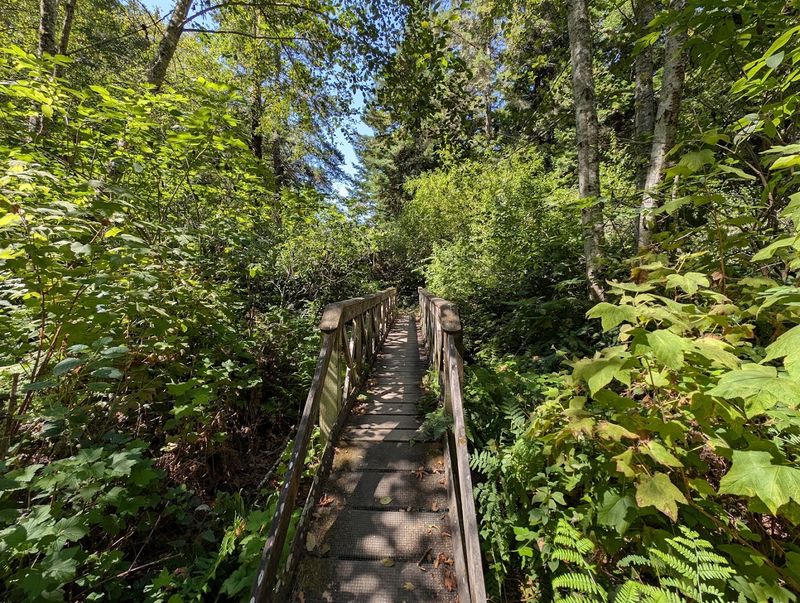
Crossing a wooden bridge with creek water rushing beneath your feet is one of those small trail moments that sticks with you long after the hike ends.
The Six Bridges Trail delivers that experience not once but several times, weaving back and forth over Little Butano Creek on a 2.2-mile out-and-back route.
Each crossing offers a slightly different view of the water below, framed by ferns and redwood roots.
The trail involves moderate inclines and a manageable elevation gain of around 200 feet, making it accessible without feeling too easy.
Narrow sections wind through dense woodland where birdsong tends to be the loudest sound around.
An unexpected highlight along the route is a designated bat habitat viewing area, a quiet reminder that this forest supports far more life than what is immediately visible.
The trailhead sits conveniently near the visitor center and campfire area, so getting oriented before heading out is straightforward.
Picking up a trail map at the entrance kiosk is a practical first step since some junctions can be easy to miss.
The trail rewards slow walkers who pause often, as the forest details are best appreciated without rushing.
Take On The Five-Mile Jackson Flats Loop
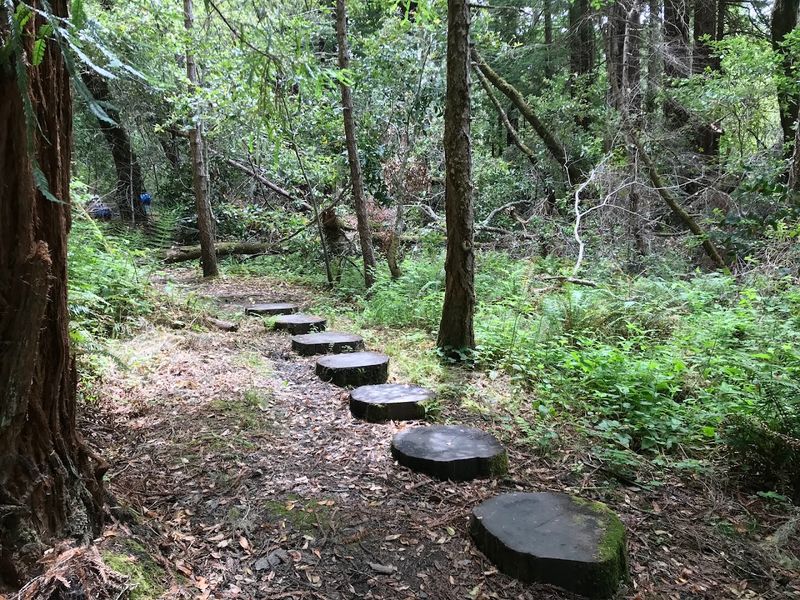
Half-day hikes rarely pack in as much variety as the Jackson Flats Loop, which moves through oak woodlands, redwood groves, and open ridgeline terrain within a single outing.
The route covers roughly five to six miles depending on the specific path taken from the visitor center, with an elevation gain estimated between 900 and 1,000 feet.
That steady climb is worth every step once the views from the South Butano Fire Trail open up across the forested canyon.
Jackson Flats itself is a small open area featuring a modest boardwalk that cuts across a vernal wetland, offering a brief but interesting contrast to the dense forest on either side.
The mix of habitats encountered along the loop gives the hike a sense of progression, as though the landscape is actively changing underfoot.
Knobcone pines and chaparral shrubs mark the transition to drier, sunnier terrain near the upper sections.
Plan for approximately three hours to complete the loop comfortably without feeling rushed. Layering clothing is helpful since the shaded lower sections can feel noticeably cooler than the exposed ridgeline.
Bringing enough water for the full distance is essential, especially on warmer days when the upper chaparral sections offer little shade.
Spend A Full Day Exploring The 9.5-Mile Canyon Loop
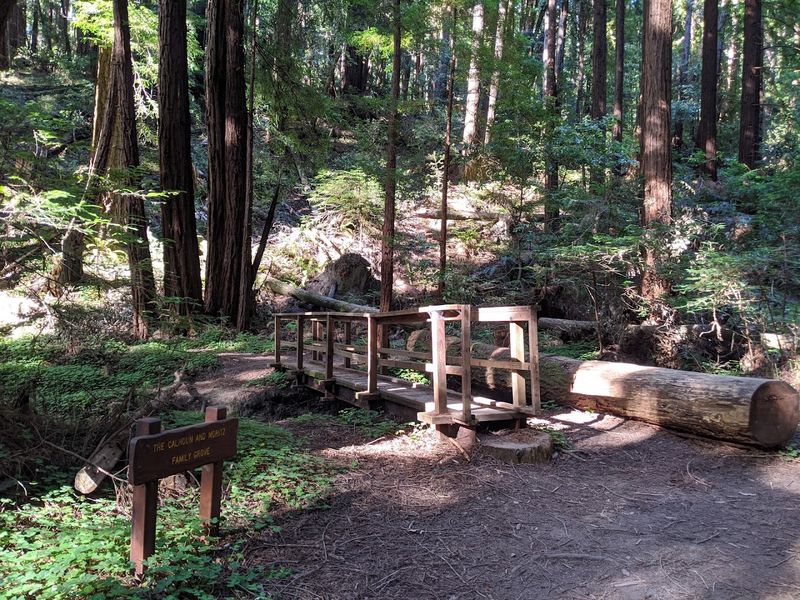
Some hikes ask for a full commitment, and the 9.5-mile Canyon Loop is exactly that kind of trail.
Combining sections of the Jackson Flats Trail, Canyon Trail, Indian Trail, Doe Ridge Trail, Goat Hill Trail, and Six Bridges Trail, the route takes hikers through nearly every landscape the park has to offer.
The experience shifts from dense redwood interiors to bright, open ridgelines with far-reaching views over the conifer-covered mountains.
Significant elevation changes are part of the deal on this loop, so building in extra time beyond the basic mileage estimate is a smart approach.
Carrying a printed trail map or a downloaded offline version adds confidence at junctions where signage may be limited.
Starting early in the morning helps avoid the warmest part of the day on the exposed upper sections.
The canyon rim portions of the route deliver some of the most dramatic scenery in the park, with sweeping views that feel genuinely earned after the climb.
Snacks, plenty of water, and a light jacket for the shaded lower sections are all worth packing.
Hikers comfortable with strenuous terrain and long distances tend to find this loop one of the most rewarding full-day outings on the San Mateo Coast.
Watch For Banana Slugs, Newts, And Woodpeckers
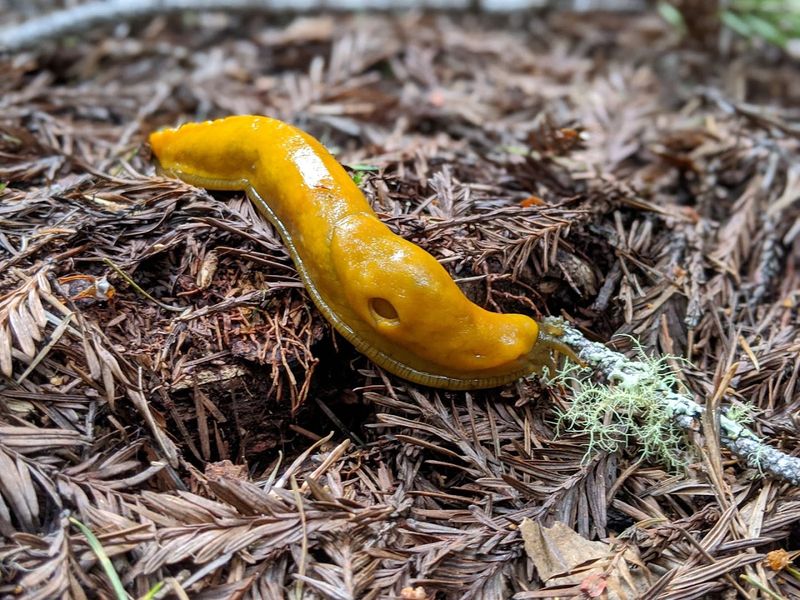
Banana slugs have a way of stopping hikers in their tracks, and Butano State Park is one of the better places on the San Mateo Coast to spot these bright yellow forest residents.
They tend to appear most often after rain or during cooler, damp mornings when the forest floor stays moist.
Moving slowly on the trail and scanning the leaf litter and mossy logs increases the chances of a sighting considerably.
Newts are another wet-weather regular, often crossing trails during and after rain.
Woodpeckers can be heard drumming through the canopy on most visits, alongside thrushes, warblers, chickadees, and California quail in the lower shrubby areas.
Hummingbirds, owls, and soaring hawks appear with some regularity over the ridgelines, especially in the early morning hours.
Hollowed-out redwood trees throughout the park serve as bat roosts, and the Six Bridges Trail even passes a designated bat habitat viewing area.
Little Butano Creek supports trout, crayfish, and the endangered California red-legged frog, making creekside sections particularly worth slowing down for.
Arboreal salamanders occasionally turn up in the oak woodland zones, adding to the surprising range of wildlife packed into this compact and often overlooked park.
See How the Landscape Changes From Creekside Forest to Sunny Chaparral
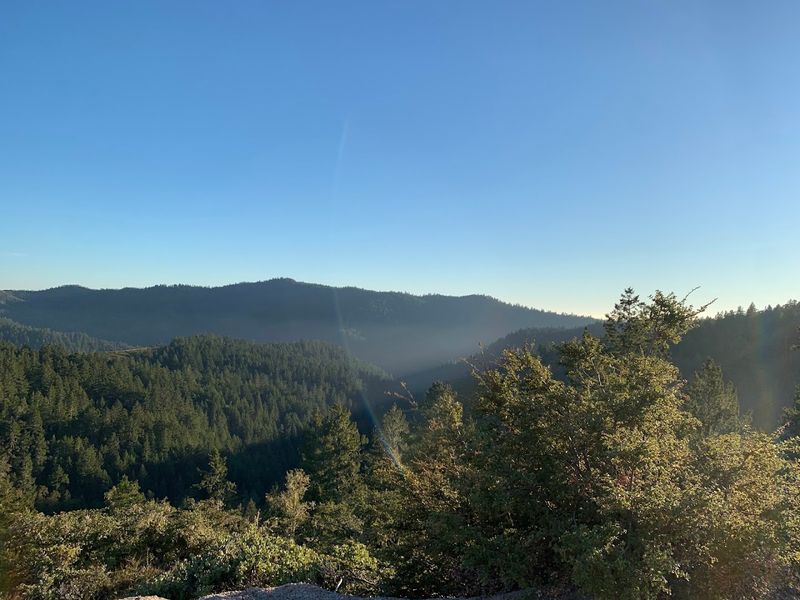
Not many parks under 5,000 acres manage to pack in six distinct natural communities, but Butano State Park pulls it off in a way that rewards hikers who take the time to notice. Near the entrance, coastal grasslands greet visitors with coyote brush and yellow bush lupine spread across open ground.
Just a short distance in, the alder woodland along Little Butano Creek creates a completely different mood, cool and shaded with a dense green understory.
Further along the canyon, a mixed evergreen and Douglas-fir and redwood forest takes over, with towering trees filtering out most of the sky. Moss covers the bark of the older trees, and the air carries that particular damp, earthy scent that old-growth forests tend to hold.
The contrast becomes dramatic once the trail climbs toward the ridgeline and the forest gives way to open chaparral.
Up on the sunny slopes, knobcone pines and drought-tolerant shrubs replace the ferns and redwoods, and the views stretch out over rolling terrain toward the distant ocean. Vernal wetlands appear in low-lying areas like Jackson Flat and Goat Hill, adding another layer of ecological variety.
Moving through all of these zones in a single hike gives the park a scale that feels much larger than its acreage suggests.
Find Spring Wildflowers Beneath The Shaded Canopy
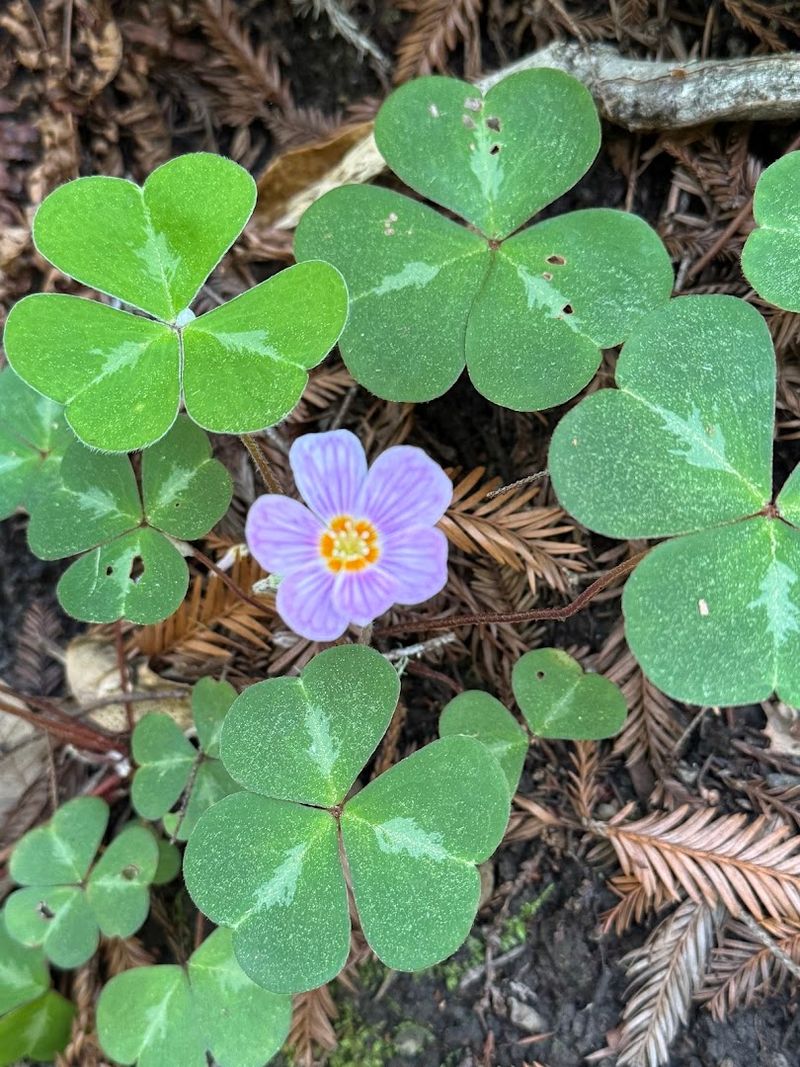
Light filters through the canopy in shifting patches and the forest floor responds with color that’s just beautiful.
Calypso orchids are among the most sought-after spring blooms at Butano State Park, typically appearing from February through April in the shaded redwood and Douglas-fir zones.
Spotting one requires slow walking and a close eye on the ankle-level vegetation.
Western wake-robin and false Solomon’s seal are also found in the forest interior during spring, adding delicate structure to the understory.
Along Little Butano Creek, the alder woodland section comes alive with flowering currants, twinberries, thimbleberries, and salmonberries in the warmer months, though picking any berries or plants within the park is not permitted.
The coastal grassland near the entrance offers blue-eyed grass and coastal suncups for those who prefer their wildflower viewing in open sunlight.
Wild red rhododendrons are another highlight, visible along the Butano Fire Road when conditions are right.
A slow pace and frequent pauses make all the difference when looking for smaller, ground-level flowers.
Pack Lunch For A Quiet Picnic Near The Park Entrance
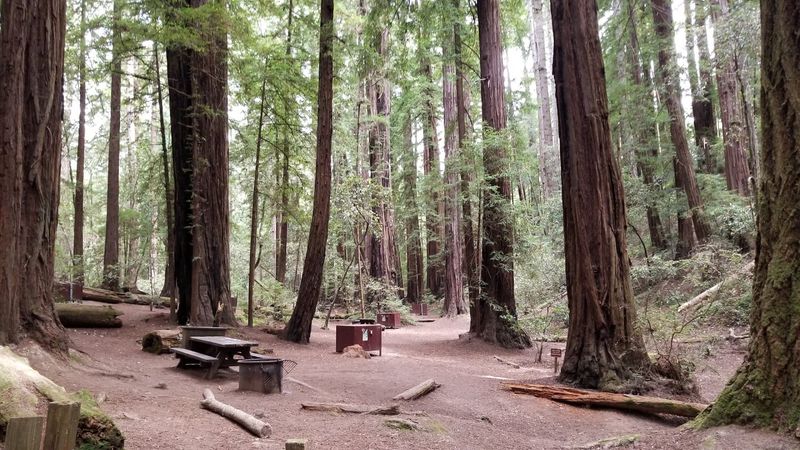
Arriving at a park with food already packed and a table waiting is one of the more underrated pleasures of a day outdoors.
The designated day-use picnic area near the entrance kiosk at Butano State Park offers eight picnic table sites and six barbecue pits, along with water faucets and a restroom accessible for visitors with disabilities.
A second main picnic area sits roughly a hundred yards from the entrance station, providing additional tables in a quiet, tree-shaded setting.
The picnic zone works well as either a pre-hike fueling stop or a post-trail wind-down spot.
Arriving early on weekends tends to mean having the tables largely to oneself, since the park draws modest crowds compared to more heavily promoted parks in the region.
The surrounding trees provide natural shade that keeps the area comfortable even on warmer days.
Packing out all trash is standard practice here, and bringing a small bag for waste keeps the area clean for the next visitor.
Water is available near the picnic area, but availability can vary depending on the season and current park conditions, so carrying water from home remains the most reliable approach.
A simple lunch eaten in this setting, surrounded by redwoods and birdsong, tends to feel far more restorative than the drive time to get there might suggest.
Backpack 5.5 Miles To The Remote Butano Trail Camp
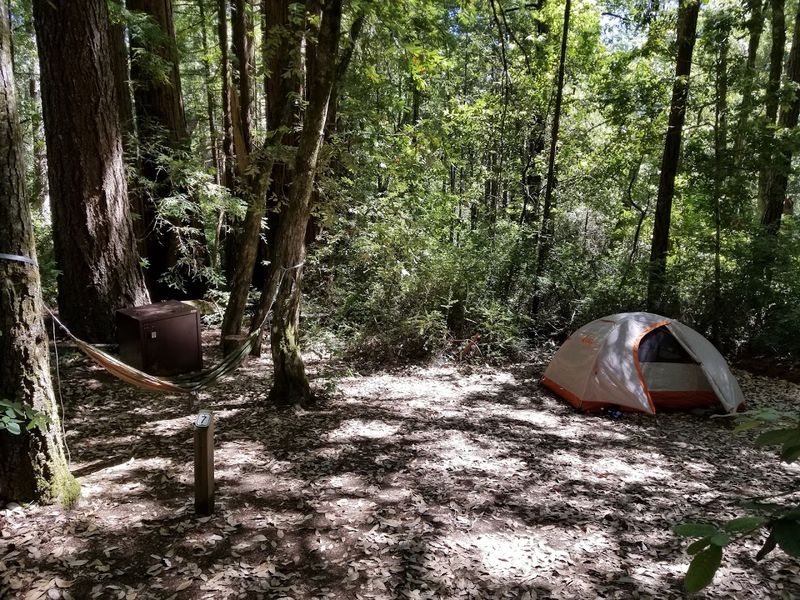
Backpacking into a remote camp has a particular appeal that car camping rarely matches, and the Butano Trail Camp delivers that feeling with eight primitive sites tucked 5.5 miles east of the park entrance.
The journey involves a steady climb of approximately 2,000 feet from the parking area, making it a meaningful physical undertaking that filters out casual visitors and rewards those who make the effort.
Each site comes equipped with a picnic table, food locker, and a designated tent area.
A restroom facility and a trash receptacle are available at the camp, but potable water is not provided on-site.
Butano Creek runs about a quarter-mile away and could serve as a water source with proper treatment equipment, though carrying sufficient water from the trailhead remains the more straightforward option.
Planning water needs carefully before departing is essential, especially for overnight stays.
Reservations are required for the trail camp and can be made up to six months in advance through the California State Parks reservation system.
Between November and April, the camp is not actively maintained, so campers should bring their own toilet paper and pack out all waste during those months.
The main Ben Ries Campground in the park remains closed indefinitely due to fire-related water system damage, making the trail camp the only overnight option currently available within the park.