Cataldo Idaho Is Home To A Mission Built Without A Single Nail In The 1850s
Builders raised a church in the 1850s without using one single nail. They used a broad-axe, an auger, rope, pulleys, and a pen-knife instead.
That church still stands as the oldest building in Idaho. Its ceiling was once tinted with huckleberry juice, and tin cans became chandeliers.
I can’t imagine pulling that off with a hardware store a whole world away.
The story didn’t stay in one spot, though. The mission community packed up and moved south to a small reservation town.
A working parish carries the same name there today.
I like how one story ties two places together. One is a famous wooden landmark, and the other is a quiet country church with home-baked treats.
So which one should you visit first? Honestly, you might want both on the same weekend.
A Quiet Reservation Church Carrying A Very Big Name
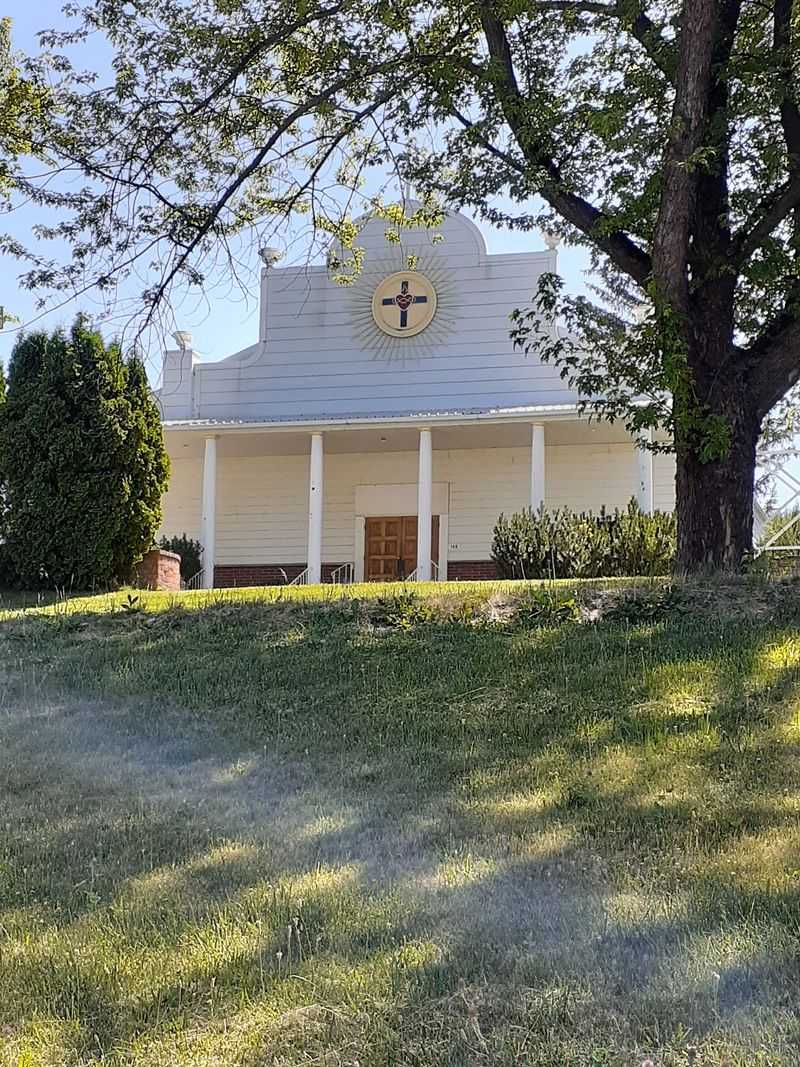
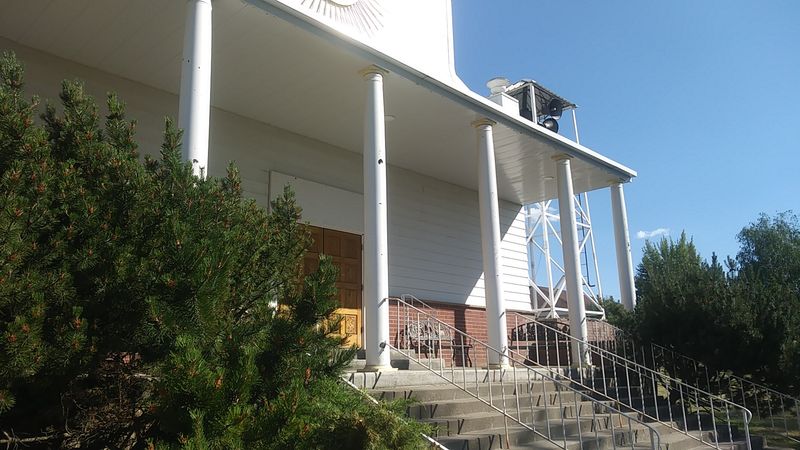
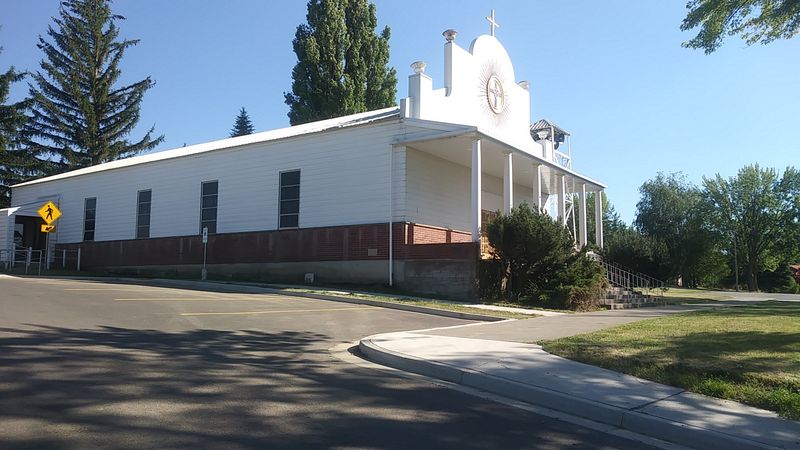
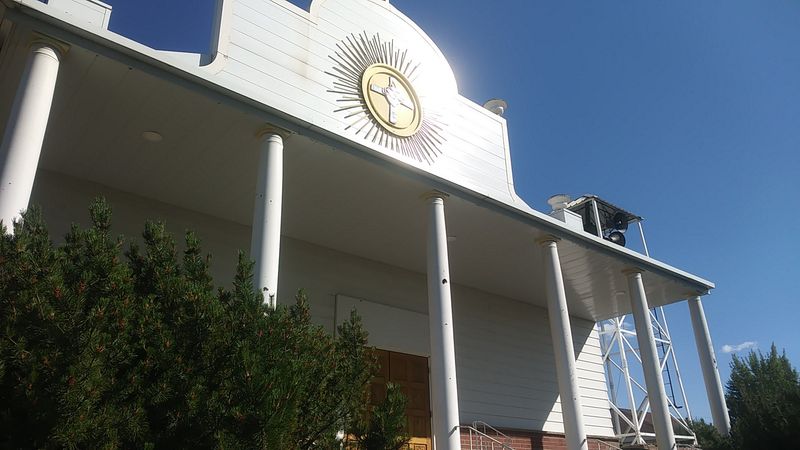
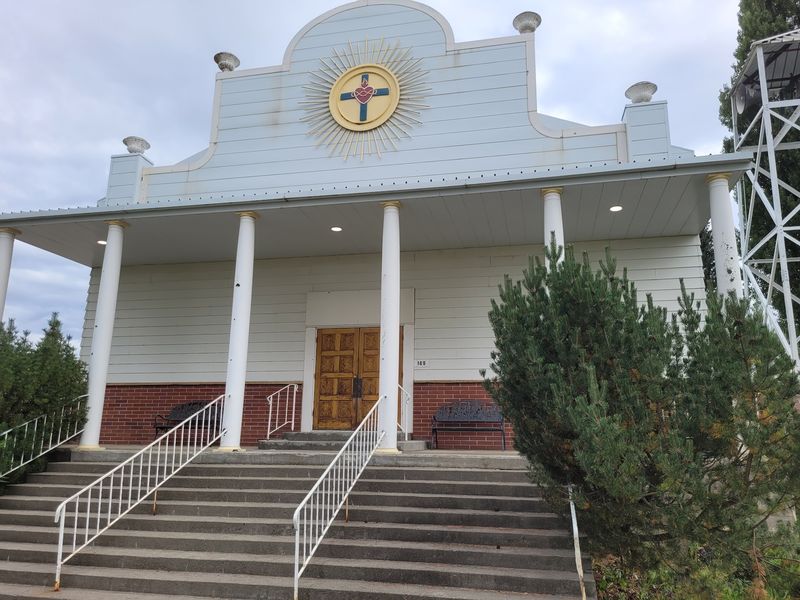
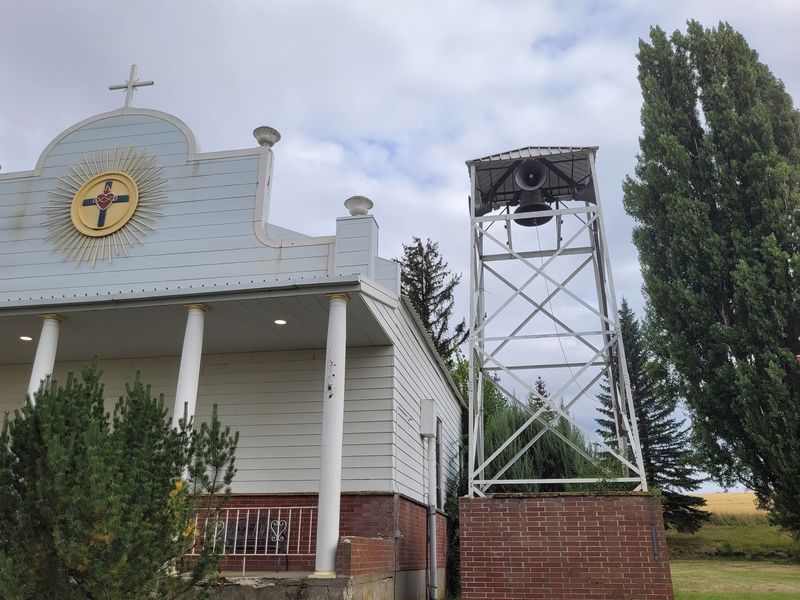
Sacred Heart Mission sits in De Smet, a tiny community on the Coeur d’Alene Reservation in the Idaho Panhandle. The town rests in rolling farm country near US Highway 95, where wheat fields meet timbered hills.
On paper, it’s simply a Catholic church in a very small town. In reality, its name reaches back to one of the most remarkable building projects in Idaho history.
That project began roughly 70 miles north in Cataldo during the 1850s. There, Jesuit missionaries and members of the Coeur d’Alene Tribe raised a church without a single nail.
The building in Cataldo still stands, preserved inside a state park. The mission community, however, eventually relocated here to De Smet.
So the name on this modest parish carries a long, winding story. It connects a frontier construction feat to a living church that still gathers today.
I love that the trail starts with a country church most drivers pass without a second glance. Once you know the backstory, though, the place feels like the second chapter of a great book.
The first chapter, of course, involves some seriously clever carpentry. That’s where the story really gets going.
The 1850 Building Project That Skipped The Nails Entirely
Construction on the original Mission of the Sacred Heart started in 1850 near the Coeur d’Alene River. Workers finished it in 1853, and it has stood ever since.
Today that building is the oldest standing structure in Idaho. It’s also the oldest surviving mission church in the Pacific Northwest.
Italian Jesuit priest Father Anthony Ravalli designed the church. He worked alongside Father Point, Father Joset, Brother Huybrechts, and members of the Coeur d’Alene Tribe.
Now for the jaw-dropper. Not one nail holds the structure together.
Builders relied on mortise and tenon joints, where shaped wooden pegs lock snugly into carved slots. Walls went up using wattle and daub, a woven framework packed with mud.
Think about the patience that took. Every joint had to fit by hand, with no power tools and no quick fixes.
Locals know the site as the Cataldo Mission or the Old Mission. It now lives inside Coeur d’Alene’s Old Mission State Park in Cataldo.
That nail-free church is the reason the Sacred Heart name still turns heads. It’s frontier engineering you can still walk up to and touch with your own eyes.
A Toolbox Smaller Than Your Junk Drawer
Broad-axe, auger, rope and pulleys, a pen-knife, and an improvised whipsaw. That was basically the entire toolkit behind the original Sacred Heart Mission.
Most of us need three trips to the hardware store to hang one shelf. These builders raised a full church with less gear than a weekend camping trip.
The broad-axe shaped massive timbers into flat, usable beams. The auger bored holes so wooden pegs could lock pieces together.
Rope and pulleys handled the heavy lifting. Without cranes or engines, muscle and clever rigging hoisted beams into place.
And that improvised whipsaw deserves its own round of applause. Builders made it themselves because a proper saw simply wasn’t available.
The pen-knife may be the most charming detail of all. Fine finishing work came down to a blade small enough to fit in a pocket.
It’s a reminder of how much skill once lived in human hands. Every beam reflects careful measuring, shaping, and fitting.
When you stand near that structure in Idaho, those tools suddenly feel very real. It’s hard not to glance at your own hands and wonder what they could build.
Huckleberry Paint And Tin Can Chandeliers Inside
Huckleberries usually end up in shakes and pies around here. At the original mission, they ended up on the ceiling.
Builders used huckleberry juice to tint the ceiling inside the church. Few Idaho details feel more fitting than that.
Resourcefulness shaped nearly every corner of the interior. Fabric from the Hudson’s Bay Company and hand-painted newspaper both found decorative roles.
Father Ravalli carved wooden statues by hand. He then painted them so they looked like marble.
Real marble wasn’t exactly arriving by freight wagon in the 1850s. So the priest faked it beautifully with wood, paint, and patience.
Then there are the chandeliers. Tin cans were repurposed into light fixtures, which might be the earliest upcycling project in the state.
I like how the whole interior turns scarcity into creativity. Nothing fancy was available, so ordinary materials got a new purpose.
Ranger-led tours and self-guided visits at the Cataldo park let you see this handiwork up close. Once you spot the faux marble, you’ll likely start looking for every other clever trick hidden in plain sight.
Why The Mission Packed Up And Headed South
Great buildings don’t move, but communities sometimes do. That’s exactly what happened to the Sacred Heart Mission in the 1870s.
When boundaries for the Coeur d’Alene Reservation were set, the Cataldo site landed outside them. The Jesuits and the Tribe relocated the mission south to De Smet in 1877.
The town itself took its name from Father Pierre-Jean De Smet. He was a well-known Jesuit missionary in the Rocky Mountain West.
So the Sacred Heart name traveled with the people rather than staying with the timbers. The original church remained standing up north while the living mission grew here.
That shift gives De Smet a special place in the story. It’s where the mission continued as a working community instead of a preserved landmark.
Many Idaho towns change over the decades, and some fade completely. This one carried an old identity forward and kept it going.
Knowing this changes how you see the quiet church on Byrnes Avenue. It isn’t a copy of Cataldo; it’s the continuation of the same mission, just in a different spot on the map.
A Path Lined With Old Photographs
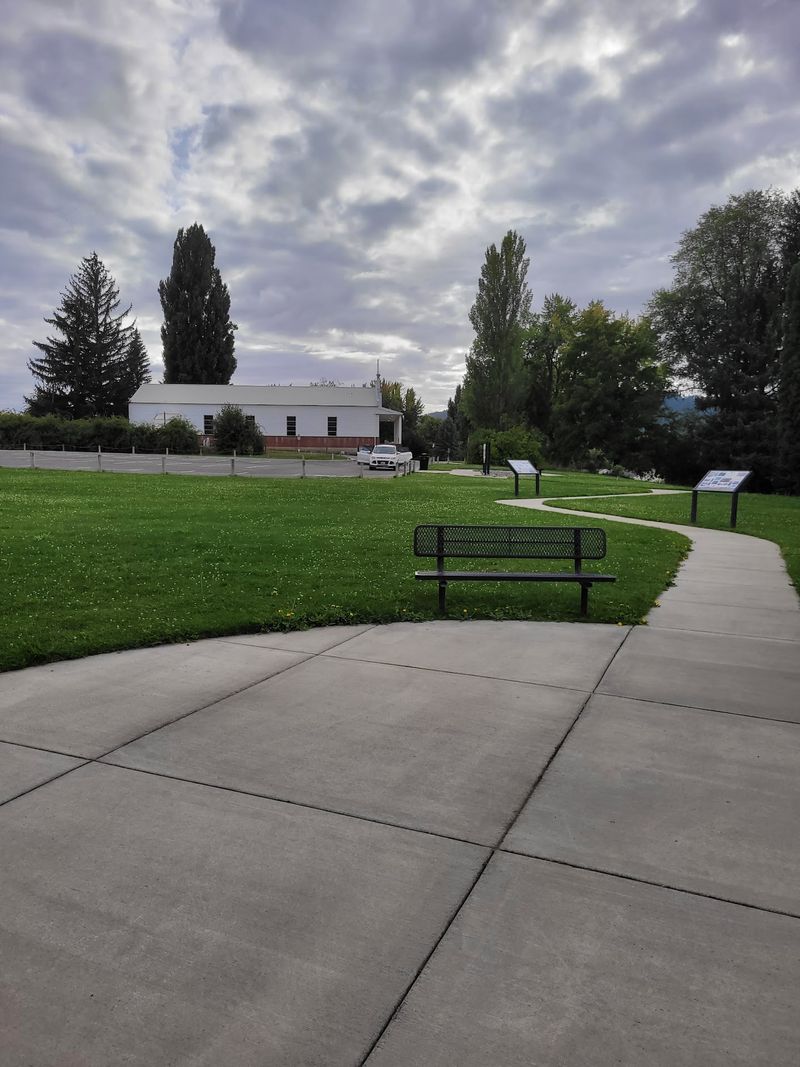
History at the De Smet church doesn’t stay locked in a book. A path on the grounds features historic photographs you can stroll past at your own pace.
That’s a lovely way to absorb the past. You walk, pause, and take in faces and scenes from earlier generations.
Families in this area have deep roots with the parish. Some connections stretch back to people who attended school and church here in the 1940s.
A photo path works especially well for those multigenerational visits. Grandparents can point to familiar scenes while younger visitors connect names to places.
It also fills in the gap between Cataldo and today. The nail-free church tells the beginning, while these images help show what came after the move.
No ticket booth or long exhibit hall stands in the way. The experience is simple, outdoors, and easy to fit into a short stop.
Bring a little patience and take your time. Small details in old photographs often tell the best stories, and this path in Idaho rewards anyone willing to slow down and look closely.
Cookies, Doughnuts, And A Tight-Knit Parish
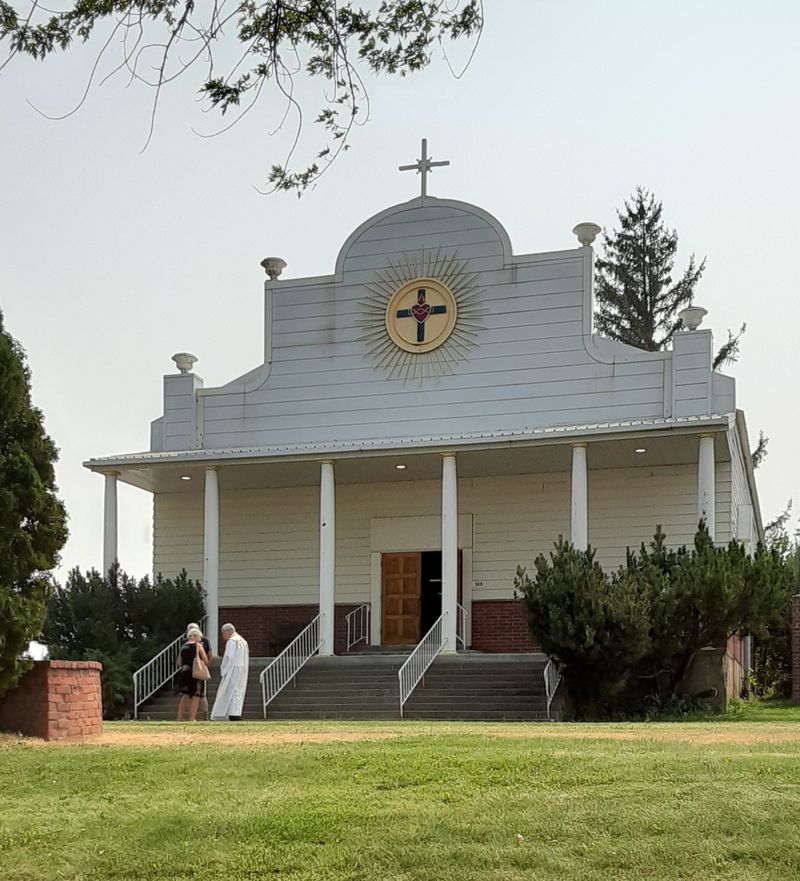
Some churches send you home after the final hymn. At this one, the baked goods have a way of keeping folks around a little longer.
After services, the parish has shared cookies, doughnuts, and home-baked treats. It’s the kind of small-town hospitality that makes newcomers feel welcome fast.
Sacred Heart Mission is part of a three-church mission in the area. That arrangement reflects how rural Idaho parishes often share clergy and resources across nearby towns.
The community here is small, and that’s part of the appeal. Faces become familiar quickly in a town this size.
Remember that this is an active Catholic parish first. Treat it as a place of worship, not a tourist attraction, and you’ll fit right in.
Visitors interested in attending services should check the parish’s current schedule before driving. Rural mission schedules can shift with the season or rotate between churches.
Still, the idea of fresh doughnuts following a country service is hard to resist. It turns a history lesson into something warmer and more personal, which feels exactly right for a mission built on community from the start.
Drums, Prayer, And A Summer Pilgrimage Up North
Every August, the old Cataldo church comes alive with a celebration that blends two traditions. The annual Feast of the Assumption pilgrimage brings people back to the mission’s original home.
Native drumming, singing, and dancing join Catholic prayer and worship. It’s a meaningful reflection of how the Tribe and the Jesuits shaped this mission together.
The event links De Smet and Cataldo in a very real way. The community that moved south returns to the place where the story began.
For anyone curious about Idaho heritage, this gathering offers rare depth. You see living traditions rather than just plaques and exhibits.
Respect goes a long way at a religious and cultural event like this. Watch quietly, follow any guidance from organizers, and enjoy the experience thoughtfully.
Dates are tied to the Feast of the Assumption, which falls in mid-August. Check the pilgrimage details before making plans, since specifics can vary year to year.
Summer timing also makes it a natural Panhandle road trip. Pair the pilgrimage with time along the Coeur d’Alene River, and the day feels full without trying too hard.
Your Two-Stop Panhandle Day Plan
Start south and finish north, or flip it around. Either way, both halves of the Sacred Heart story fit into one Idaho day.
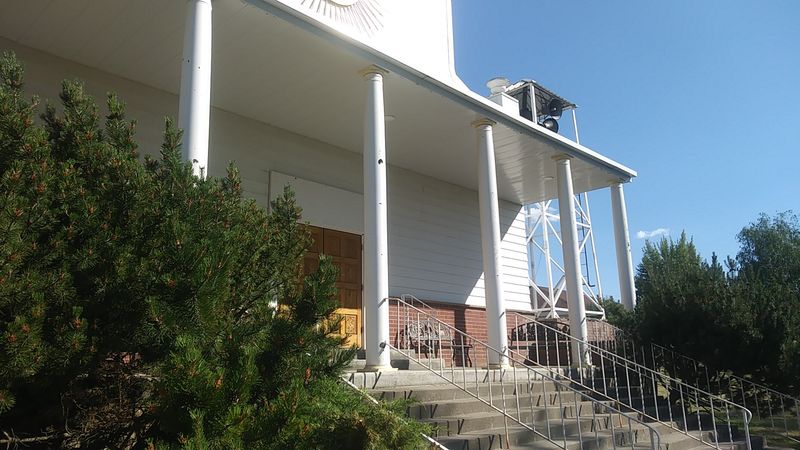
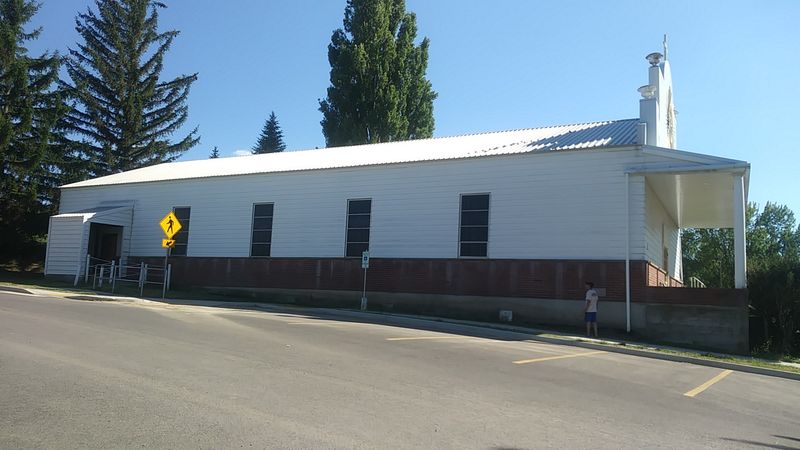
The De Smet church sits at 149 Byrnes Ave, De Smet, ID 83824. It’s a quick detour off US Highway 95 in Panhandle farm country.
Remember that it’s an active parish, so visit respectfully. Check service times before driving if you’d like to attend.
Up north, Coeur d’Alene’s Old Mission State Park sits off Interstate 90 in Cataldo. The park opens year-round, though hours shift by season.
A per-vehicle entry fee applies, and the Sacred Encounters exhibit carries a separate fee. That award-winning exhibit explores Father De Smet, the Tribe, and the missionaries.
Beyond the church, you’ll find a restored 1887 Parish House and two historic cemeteries. Easy trails lead toward river wetlands, and picnic tables with grills overlook the water.
Leashed dogs can join you outdoors. Camping isn’t available in the park, but options exist nearby.
The Trail of the Coeur d’Alenes runs close by for bikers. Silver Valley mining history waits just up the road too.
Worth The Detour For Anyone Who Loves A Good Origin Story
History buffs will get the most out of this pairing. Families with curious kids, road-trippers, and anyone who enjoys clever craftsmanship should feel right at home too.
The famous nail-free church in Cataldo delivers the wow factor. Sacred Heart Mission in De Smet adds the quieter, human side of the story.
One spot shows what people built with almost nothing. The other shows how a community carried that legacy into the present.
That combination is rare in Idaho, or anywhere really. Most landmarks give you a building, while this story gives you a building and a living parish.
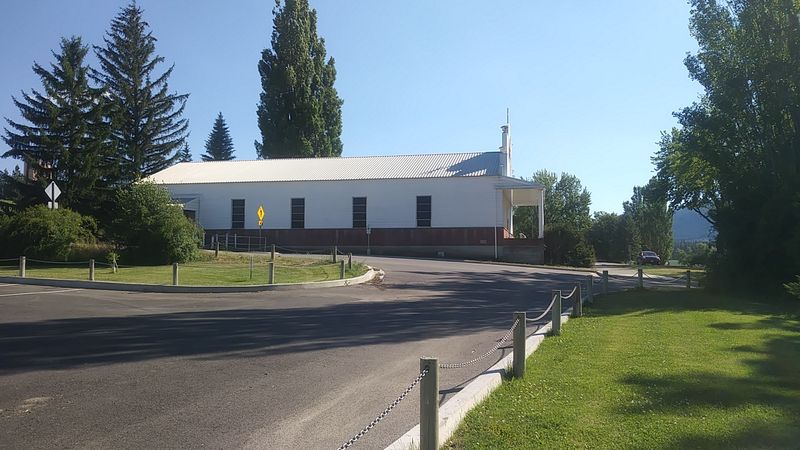
Keep expectations simple at the De Smet church. It’s a small, working place of worship, not a museum with gift shops and guided tours.
Bring curiosity, a respectful attitude, and maybe a picnic for the riverbank up north. Those three things will carry the whole trip.
I believe the best Idaho outings leave you knowing more than when you started. A church raised with pegs, mud, and huckleberry paint certainly does that, and its second home in De Smet makes the ending feel just as sweet.