Central Georgia’s 17 Best Museums Offer Free Access Creating Affordable Cultural Exploration Opportunities
History lives everywhere across Central Georgia, waiting for curious minds to discover it. Museums, galleries, and cultural landmarks dot the region, welcoming visitors without charging admission fees. This accessibility changes everything for budget-conscious families and students exploring new places.
Native American heritage connects visitors to ancient stories preserved through archaeological sites and interpretive centers. Rock-and-roll history pulses through venues celebrating regional musical contributions. Artistic expression flourishes in galleries showcasing diverse creative traditions.
Quality cultural experiences don’t demand expensive tickets or complicated planning. Weekend explorations become genuine adventures for everyone. Afternoon outings transform into meaningful encounters with history and creativity.
Central Georgia invites you to experience world-class attractions completely free. These seventeen remarkable destinations prove that authentic cultural engagement transcends financial barriers. Discovery awaits around every corner throughout this vibrant region.
1. Museum of Arts and Sciences, Macon
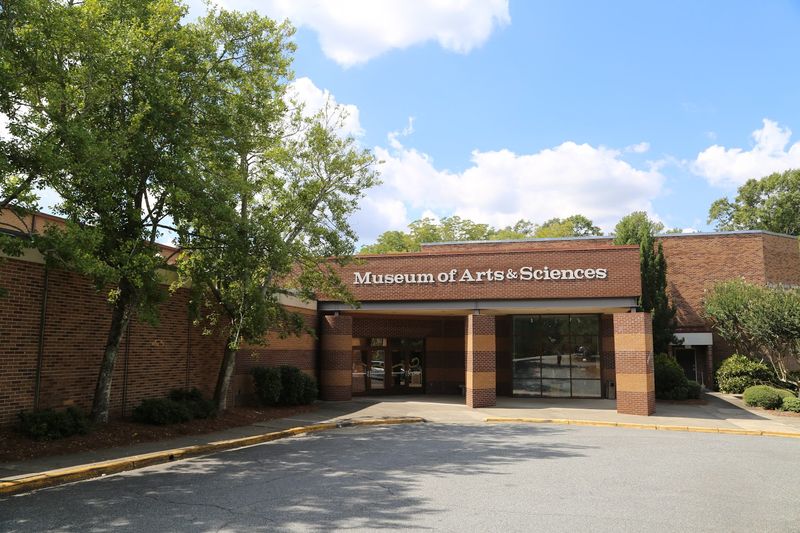
Art, science, and wonder share the same roof at this beloved Macon institution. Located at 4182 Forsyth Rd, Macon, GA 31210, the Museum of Arts and Sciences has been a community anchor for decades, drawing curious minds of every age. The mix of fine art galleries alongside natural history exhibits creates an experience that feels both educational and genuinely fun.
Families especially appreciate the hands-on discovery areas designed for younger visitors. Weekend programming often includes live demonstrations, making any visit feel dynamic rather than static. The planetarium on-site offers star shows that tend to book up quickly, so arriving early is a smart move.
Admission pricing varies by exhibit and age, with several free community days offered throughout the year. Parking is straightforward, and the grounds are walkable and accessible. For anyone exploring Macon’s cultural scene, this museum is a natural first stop that rewards both first-time visitors and returning regulars.
2. Tubman Museum, Macon
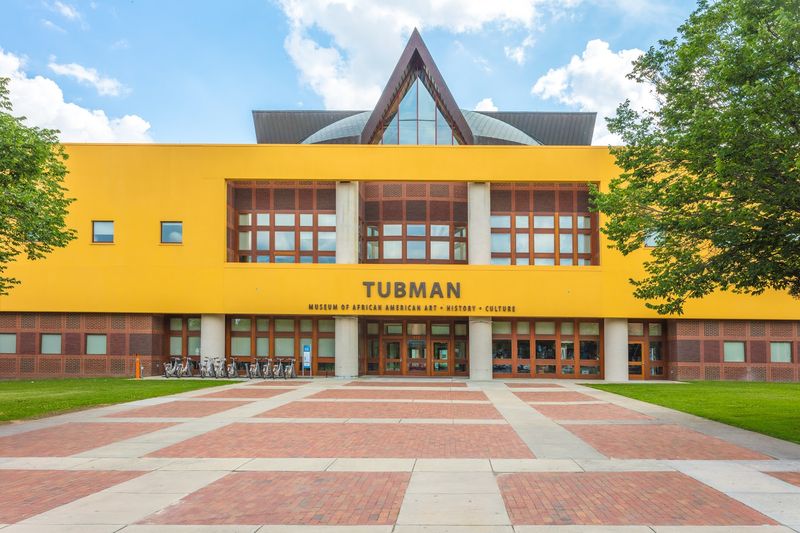
Named in honor of Harriet Tubman, this remarkable museum stands as one of the largest institutions in the southeastern United States dedicated to African American art, history, and culture. Situated at 310 Cherry St, Macon, GA 31201, the Tubman Museum draws visitors from across the country who come to engage with powerful storytelling through visual art and historical artifacts.
The permanent collection spans centuries of African American experience, from pre-Civil War narratives to contemporary artistic expression. Rotating exhibitions keep the content fresh and relevant, ensuring that repeat visitors always encounter something new worth their time and attention.
Free admission days are offered regularly, making this a genuinely accessible destination for local families and school groups. The building itself is architecturally striking, featuring a dramatic mural visible from the street. Plan to spend at least ninety minutes here to absorb the depth and breadth of what this museum has to offer.
3. The Allman Brothers Band Museum at The Big House
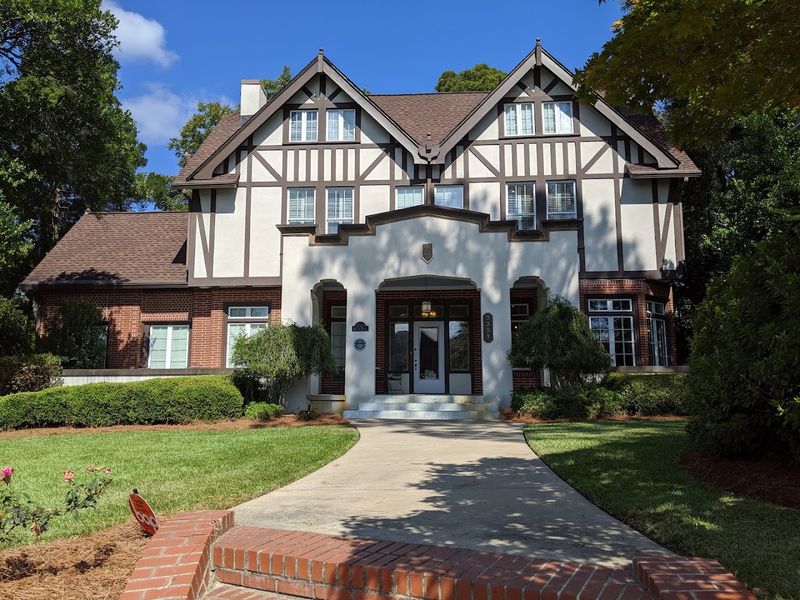
Rock history lives and breathes inside a Tudor-style home on Vineville Avenue, where the Allman Brothers Band once gathered, rehearsed, and made music that changed American culture forever. The museum is located at 2321 Vineville Ave, Macon, GA 31204, and it preserves the actual rooms where band members lived during the early 1970s. Walking through the house feels less like visiting a museum and more like stepping into a living scrapbook.
Memorabilia fills every corner, from vintage instruments and handwritten lyrics to personal photographs and road-worn gear. The collection is remarkably intimate, giving fans a genuine sense of the personalities behind the legendary music. Guides share stories that go well beyond the typical rock biography talking points.
Admission is modestly priced, and free days are occasionally offered. The neighborhood surrounding The Big House retains a quiet, residential charm that makes the visit feel unhurried. Music lovers should budget at least an hour for a thorough walkthrough.
4. Ocmulgee Mounds National Historical Park
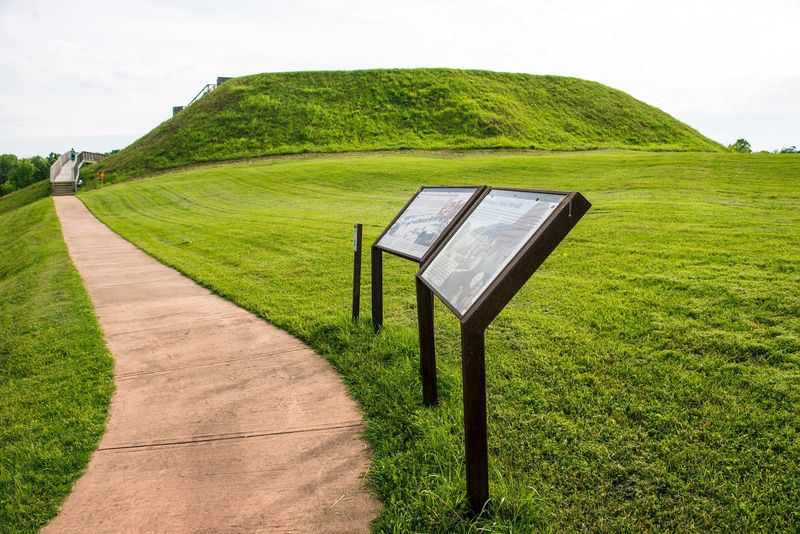
Few places in Central Georgia carry the quiet, humbling weight of Ocmulgee Mounds. Located at 1207 Emery Hwy, Macon, GA 31217, this National Historical Park preserves one of the most significant archaeological sites in the eastern United States, with earthen mounds built by Indigenous peoples more than a thousand years ago. Entry to the park is free, making it one of the region’s most accessible cultural treasures.
The Great Temple Mound rises dramatically above the surrounding landscape, offering a sweeping view that rewards the short uphill walk. Inside the visitor center, exhibits explain the culture, daily life, and spiritual practices of the people who shaped this land long before European contact. The reconstructed earth lodge, with its original clay floor, is genuinely remarkable.
Trails wind through the grounds at an easy pace suitable for most fitness levels. Weekday mornings tend to be quieter, offering a more reflective experience. Bring water, comfortable shoes, and extra time to simply sit and absorb the atmosphere.
5. Museum of Aviation, Robins AFB

One of the largest aviation museums in the United States sits just outside Warner Robins, and admission is completely free. The Museum of Aviation is located at 1942 Heritage Blvd, Robins AFB, GA 31098, and it houses more than ninety aircraft spanning the entire history of American military flight. The sheer scale of the collection catches most visitors off guard in the best possible way.
Massive hangars hold everything from World War II-era fighters to Cold War jets to modern reconnaissance aircraft. Interactive exhibits explain the science of flight in terms that make sense for all ages, and the restored cockpits available for close inspection are a genuine highlight. The SR-71 Blackbird on display alone is worth the drive.
Parking is free and plentiful. Plan to spend at least three hours to do the collection justice, and consider a weekday visit to avoid the weekend crowds that tend to build during school holiday periods. This one consistently exceeds expectations.
6. Fort Hawkins, Macon
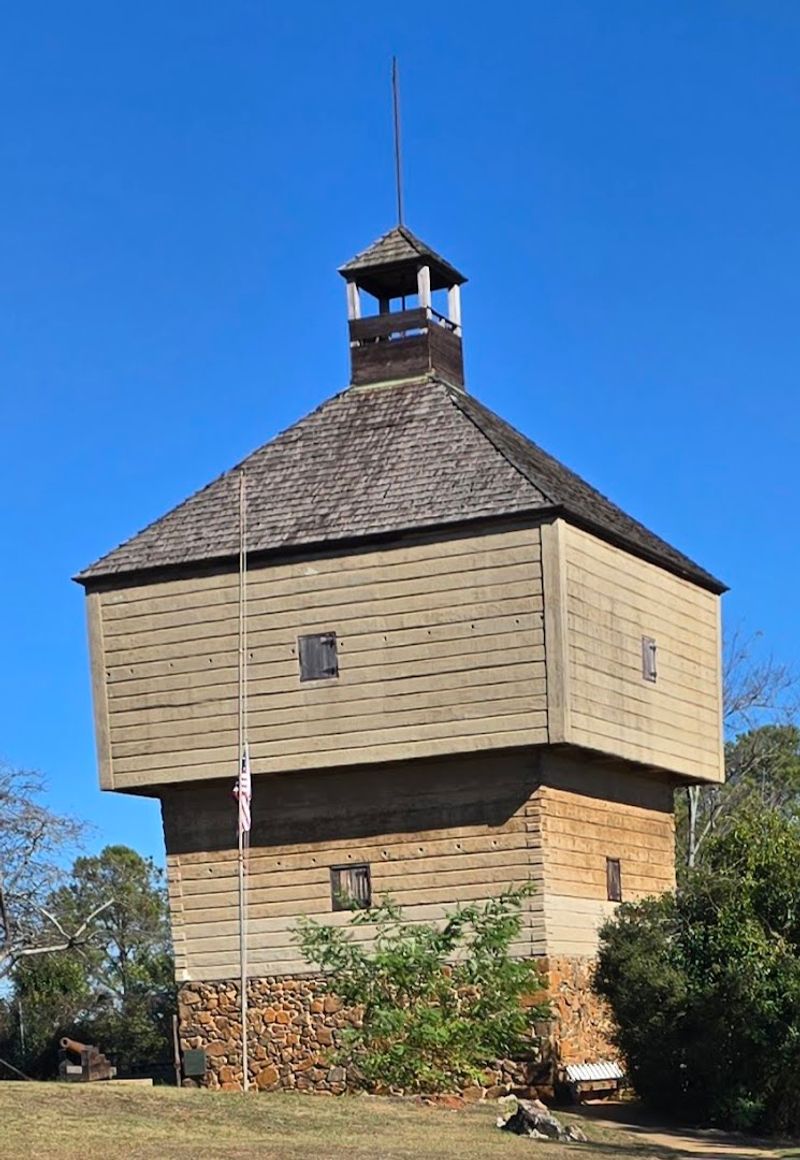
Built in 1806 as a U.S. government trading post and military installation, Fort Hawkins holds a foundational place in Macon’s origin story. The site sits along Emery Hwy, Macon, GA 31217, and features a carefully reconstructed blockhouse that gives visitors a tangible sense of early nineteenth-century frontier life in Georgia. Admission is free, and the grounds are open to the public regularly.
The reconstructed fort is smaller than many expect, but the historical significance is enormous. This was a key meeting point between federal officials and Creek Nation leaders during a period of significant political tension and treaty negotiation. Interpretive signage throughout the grounds provides clear, honest context about that complicated history.
Living history events are held periodically, bringing the site to life with period demonstrations and costumed interpreters. The location is easy to reach from central Macon and pairs well with a visit to nearby Ocmulgee Mounds. A short visit of thirty to forty-five minutes covers the site comfortably.
7. Cannonball House, Macon
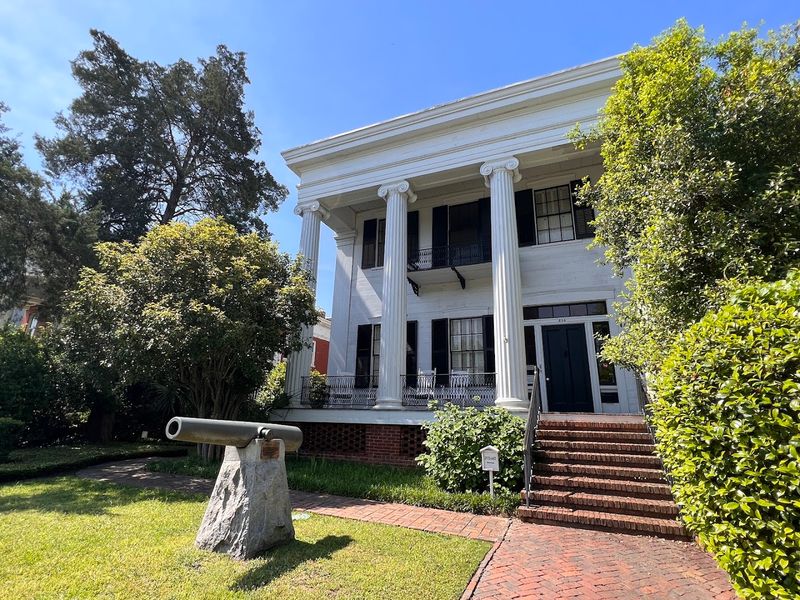
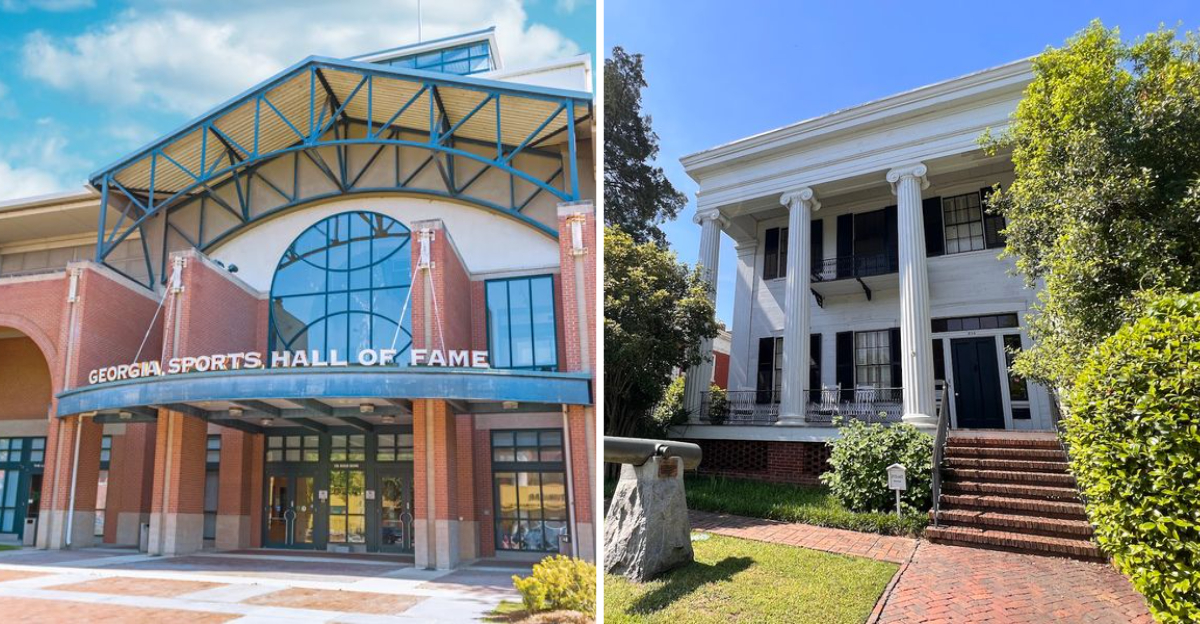
Named for a cannonball that struck it during the Civil War and still lodged in its facade, the Cannonball House is one of Macon’s most photographed landmarks. Located at 856 Mulberry St, Macon, GA 31201, this antebellum Greek Revival home survived the war largely intact and now operates as a museum dedicated to Macon’s Civil War-era history. Guided tours bring the story of the house and its residents to vivid life.
The interior is furnished with period-appropriate pieces that reflect the lifestyle of a prosperous mid-nineteenth-century Georgia family. Guides share both the dramatic wartime story and the quieter domestic details that make the history feel personal rather than distant. The actual cannonball embedded in the structure is always a conversation starter.
Admission is modest, and the house is conveniently located in Macon’s historic downtown district, making it easy to combine with visits to nearby museums. Tours run on a set schedule, so checking ahead before arriving helps avoid a wait.
8. Georgia Sports Hall of Fame, Macon

Georgia has produced an extraordinary number of elite athletes across nearly every sport imaginable, and this museum celebrates all of them under one impressive roof. The Georgia Sports Hall of Fame stands at 301 Cherry St, Macon, GA 31201, in the heart of downtown, and it honors inductees from professional sports, college athletics, and the Olympics. The collection is broad, interactive, and genuinely entertaining for sports fans of all ages.
Exhibits cover legends from baseball, football, basketball, golf, tennis, and more, with a mix of memorabilia, video highlights, and hands-on interactive stations. The facility is well-maintained and thoughtfully organized, making it easy to move through at a comfortable pace. Kids especially enjoy the interactive zones where they can test their own athletic skills.
Admission is free on certain community days, and the museum is accessible and stroller-friendly. Its downtown location makes it a natural companion to the Tubman Museum and other nearby cultural stops. Budget roughly ninety minutes for a satisfying visit.
9. Historic Uncle Remus Museum, Eatonton
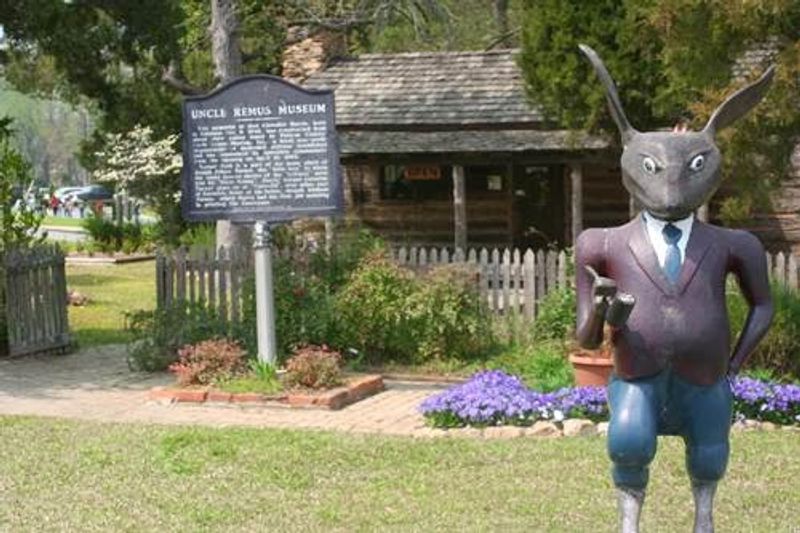
Joel Chandler Harris grew up in Eatonton, and the folklore he later shaped into the Br’er Rabbit stories still echoes through this charming small museum. The Historic Uncle Remus Museum is located at 214 Oak St, Eatonton, GA 31024, housed in a pair of authentic log cabins that set a wonderfully atmospheric tone from the moment visitors arrive. The museum sits within Turner Park, adding a pleasant outdoor dimension to the visit.
Exhibits inside the cabins display original Harris memorabilia, illustrations from early editions of his books, and artifacts that trace both the literary legacy and the African American oral traditions that inspired the stories. The presentation handles the complex cultural history of the material with care and context.
Admission is very affordable, and the museum tends to be quiet on weekdays, making it a relaxed stop on a road trip through Putnam County. Eatonton itself is a charming small town worth a short stroll after the museum visit. Allow about an hour for a thorough look around.
10. Otis Redding Museum, Macon
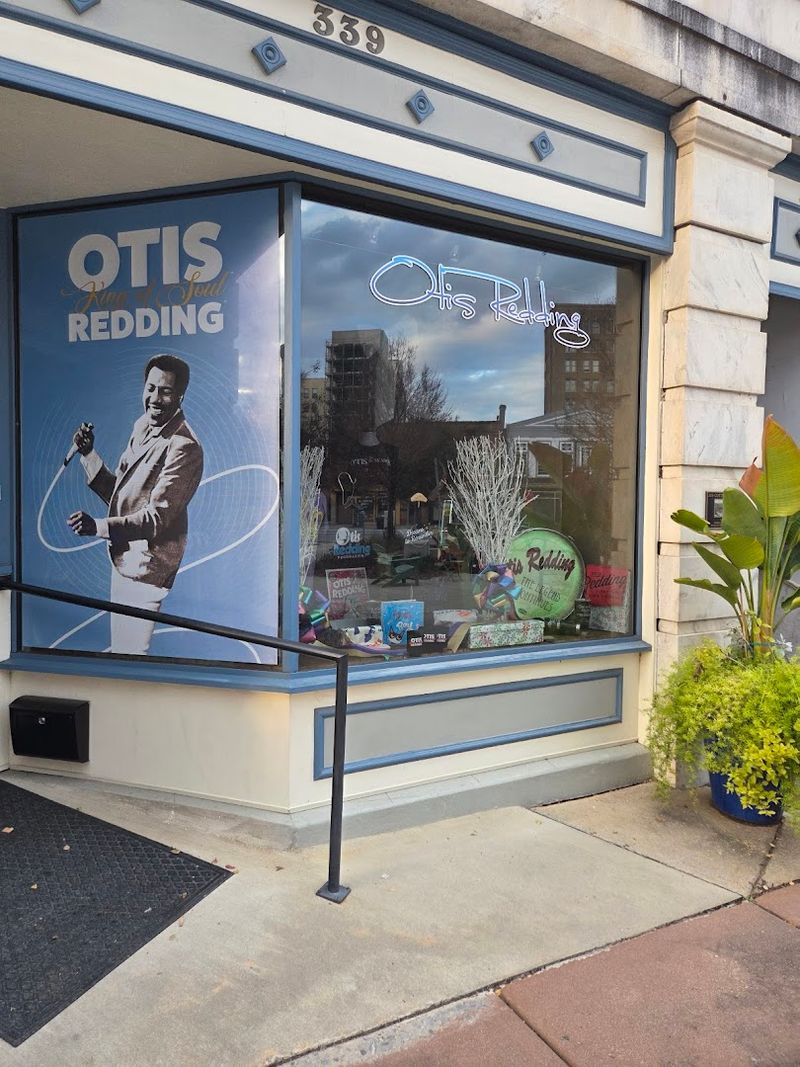
Macon gave the world Otis Redding, and the city honors that legacy with a dedicated museum that captures the life and career of one of soul music’s greatest voices. The Otis Redding Museum is located at 339 Cotton Ave, Macon, GA 31201, in a space that feels intimate and personal rather than large and institutional. That smaller scale actually works in its favor, creating a focused experience centered entirely on Redding’s remarkable story.
Artifacts include personal items, performance photographs, original recordings, and memorabilia from his all-too-brief career. The displays trace his journey from growing up in Macon to achieving international stardom before his tragic death in 1967 at just twenty-six years old. The emotional weight of the collection is handled with genuine respect.
Admission is free or donation-based, making this an easy addition to any Macon cultural itinerary. The museum is walkable from several other downtown Macon attractions. Fans of soul, R&B, and American music history will find this stop genuinely moving.
11. Hay House, Macon
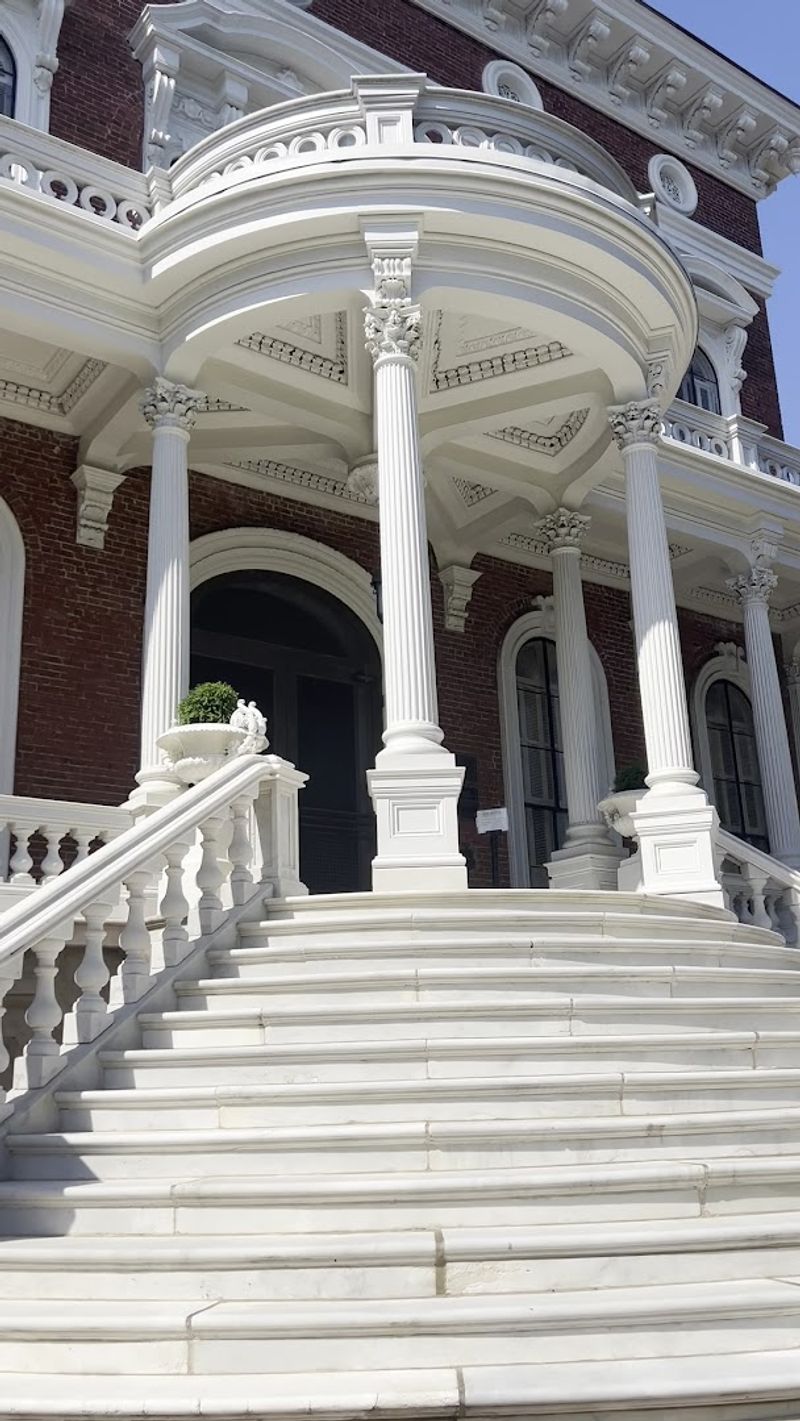
Standing as one of the finest examples of Italian Renaissance Revival architecture in the American South, Hay House commands attention the moment it comes into view. Located at 934 Georgia Ave, Macon, GA 31201, this stunning antebellum mansion was completed in 1860 and features twenty-four rooms filled with period furnishings, original artwork, and remarkable architectural details that took years of skilled craftsmanship to complete.
Guided tours reveal hidden features built into the house’s original design, including a sophisticated ventilation system and a secret room that sparked decades of local legend. The craftsmanship throughout is exceptional, from the plasterwork ceilings to the hand-painted decorative details on interior walls. Each room tells a layered story about wealth, ambition, and life in antebellum Georgia.
Admission is charged for tours, though special free community events are offered periodically. Tours run on a schedule and tend to fill up on weekends, so booking ahead is recommended. The surrounding Georgia Avenue neighborhood is beautiful and worth a leisurely walk before or after the visit.
12. Museum of Technology, Macon
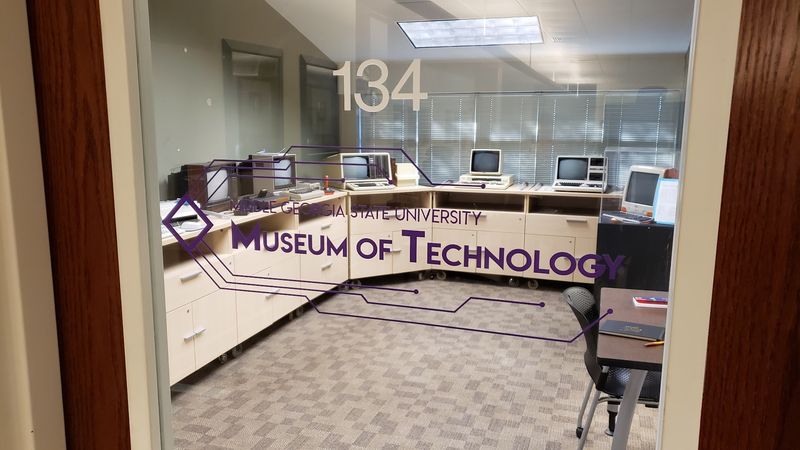
Technology has shaped everyday life in ways most people rarely stop to consider, and this campus museum makes those connections visible and engaging. The Museum of Technology is located at 100 University Pkwy, Macon, GA 31206, on the Middle Georgia State University campus, accessible via the Ivey Drive entrance near the library building at the top of the hill. Admission is free, reflecting the institution’s commitment to public education and community engagement.
Exhibits trace the development of computing, communication, and electronics through hands-on displays and carefully preserved vintage equipment. Visitors can interact with early computers, examine the evolution of consumer electronics, and explore how technological change has shaped Georgia communities specifically. The collection balances broad historical context with locally relevant stories.
Parking on campus is generally accessible, though checking the university’s visitor parking guidelines before arriving is worthwhile. The museum suits curious visitors of all ages, particularly those with an interest in science, engineering, or design history. A visit of forty-five to sixty minutes covers the current exhibits comfortably.
13. Downtown Macon Cultural District
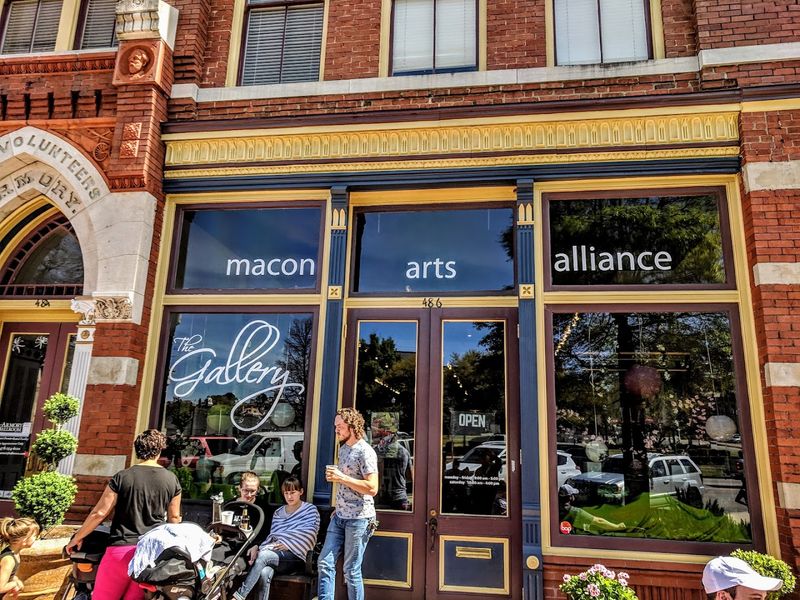
Downtown Macon functions as an open-air cultural museum all on its own, with historic architecture, public murals, music venues, and heritage sites packed into a walkable few blocks. The civic center area anchors the district near 555 Poplar St, Macon, GA 31201, and from there the walkable streets branch out toward galleries, performance spaces, and public art installations that reflect the city’s layered creative identity.
Street-level murals celebrate Macon’s musical heritage, honoring legends like Little Richard, Otis Redding, and the Allman Brothers alongside local artists who shaped the city’s sound. The architecture along Cherry Street and Cotton Avenue tells its own story through ornate facades, cast-iron details, and carefully restored storefronts from the nineteenth and early twentieth centuries.
Exploring on foot is the most rewarding approach, ideally on a weekday morning when foot traffic is lighter and the atmosphere feels more relaxed. Free public parking is available in several nearby lots. The district connects naturally to multiple museum stops, making it a practical hub for a full day of cultural exploration.
14. Rose Hill Cemetery, Macon
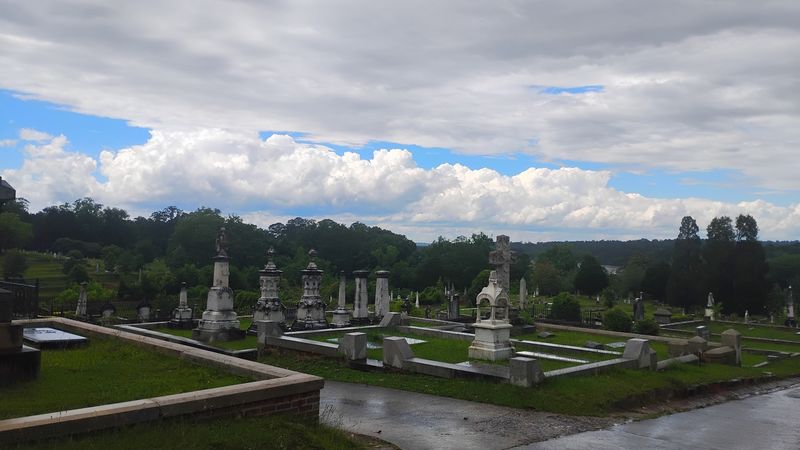
Established in 1840, Rose Hill Cemetery is one of the oldest and most beautifully landscaped cemeteries in Georgia, and it functions as a genuine outdoor museum of Victorian funerary art and local history. The grounds are located in the Rose Hill neighborhood of Macon, GA, and admission is free and open to the public during daylight hours. The rolling terrain, mature trees, and Ocmulgee River views create an atmosphere that is peaceful rather than somber.
Notable burials include members of the Allman Brothers Band, Duane Allman and Berry Oakley, whose graves have become pilgrimage sites for rock music fans from around the world. Beyond the music history, the cemetery contains elaborate nineteenth-century monuments, mausoleums, and cast-iron fencing that reflect the craftsmanship of their era with remarkable detail.
Walking paths wind through the grounds at an easy, unhurried pace. Bringing a printed map or downloading one before visiting helps locate the most historically significant sections efficiently. Early morning visits offer the best light for photography and the most tranquil atmosphere overall.
15. Andalusia Farm, Milledgeville
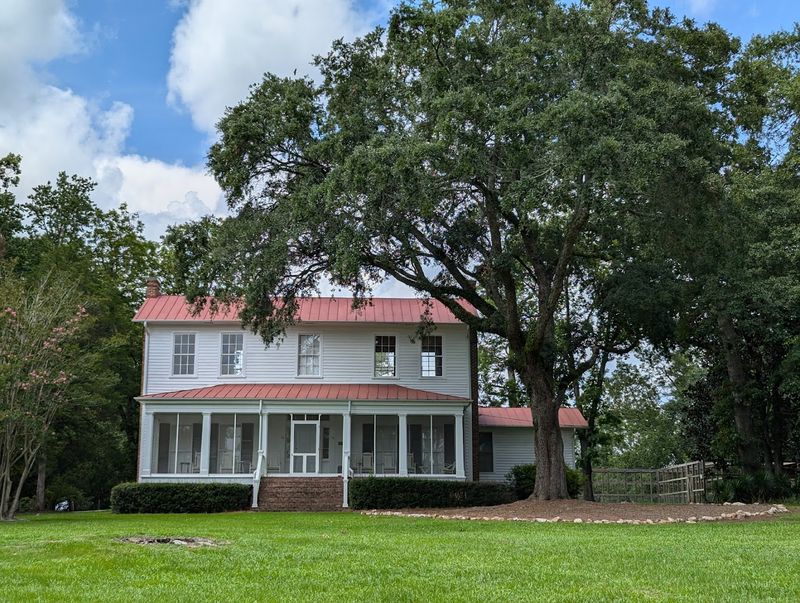
Flannery O’Connor wrote some of the most distinctive fiction in American literary history while living on a working farm outside Milledgeville, and that farm is now open to the public as a preserved cultural landmark. Andalusia Farm is located at 2628 N Columbia St, Milledgeville, GA 31061, and admission is free, welcoming literary pilgrims and curious travelers alike. The farmhouse interior has been carefully restored to reflect O’Connor’s working environment during the 1950s and 1960s.
Visitors can tour the main house, see O’Connor’s writing desk and personal belongings, and walk the grounds where she famously raised peacocks. The rural setting feels genuinely removed from modern distraction, offering a rare sense of the quiet that shaped her creative process. Exhibits inside contextualize her work within both Southern Gothic literature and her Catholic faith.
The farm is open on a set schedule, so confirming hours before visiting prevents disappointment. Milledgeville itself is a historic town worth exploring before or after the farm visit. Literary enthusiasts consistently rate Andalusia as one of Georgia’s most rewarding cultural destinations.
16. Old Governor’s Mansion, Milledgeville
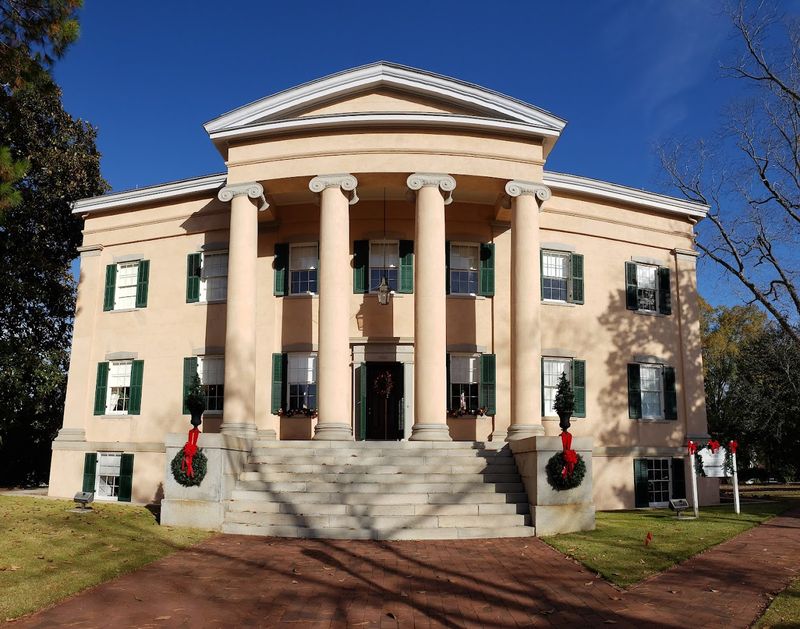
Pink Georgia marble and soaring white columns make the Old Governor’s Mansion one of the most visually striking buildings in the entire state. Located at 120 S Clark St, Milledgeville, GA 31061, this Greek Revival masterpiece served as Georgia’s executive residence from 1839 to 1868 and is now operated as a museum by Georgia College and State University. The building survived General Sherman’s march through Georgia, though its contents did not entirely escape intact.
Guided tours move through elegantly restored rooms furnished with period-appropriate pieces, and knowledgeable guides bring the political and social history of antebellum and Civil War-era Georgia to life with engaging detail. The architecture itself is worth the visit, with dramatic rotunda spaces and original plasterwork that demonstrate the ambitions of Georgia’s early statehood era.
Admission is modestly priced, and free tours are occasionally offered during special community events. The mansion is located in Milledgeville’s historic district, making it easy to pair with a walk through the town’s other nineteenth-century landmarks. Plan for about an hour on the guided tour.
17. Jarrell Plantation State Historic Site
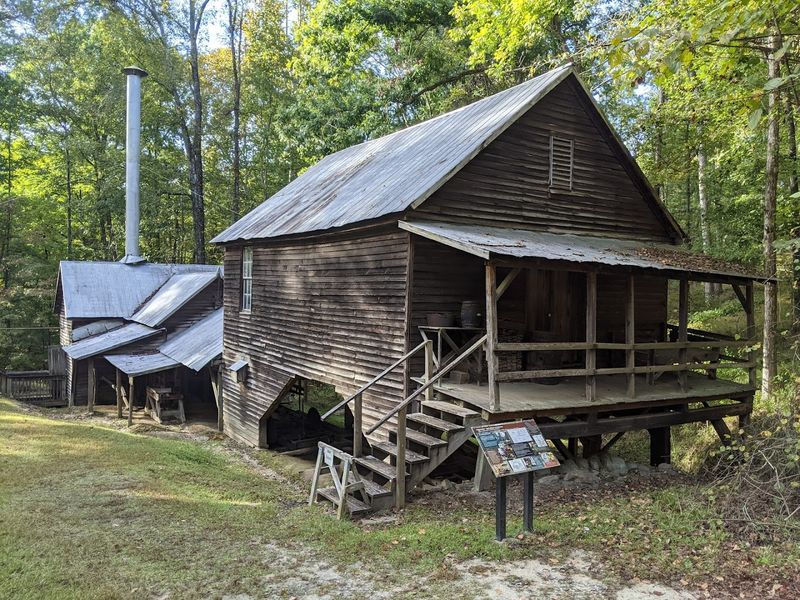
Tucked away in the rural landscape of Jones County, Jarrell Plantation offers one of the most complete pictures of Georgia farm life across multiple generations. The site is located at 711 Jarrell Plantation Rd, Juliette, GA 31052, and it preserves twenty historic structures spanning from the Civil War era through the early twentieth century. Admission is very affordable, and Georgia residents often find the site qualifies for free entry on specific state park appreciation days.
The plantation’s buildings include a gristmill, sawmill, cotton gin, and various domestic structures that collectively illustrate the economic and daily realities of rural Georgia farm families. Unlike many historic sites that focus primarily on the planter class, Jarrell Plantation presents a more complete picture that includes the labor and lives of those who worked the land. Demonstrations of period crafts and farming techniques are offered during special event weekends.
The grounds are peaceful and spacious, with walking paths between structures that are manageable for most visitors. Weekday visits are quiet and unhurried. Families with children tend to find the hands-on nature of the site especially engaging and memorable.