10 Charming Small Towns In Alabama Where A Fun Day Out Does Not Require A Big Budget
Fun does not have to come with a receipt that hurts.
Alabama has small towns where a good day can be built around a river view, an old downtown, a trail, or one wonderfully weird local surprise.
The charm is in how little pressure there is to “do everything.”
You can wander, stop for lunch, look around, and still feel like the day was full. That kind of simplicity is underrated.
No giant attraction is needed when the town itself has personality.
Sometimes the best budget trip is the one where you spend less time buying entertainment and more time noticing what was already there.
1. Mentone, DeKalb County
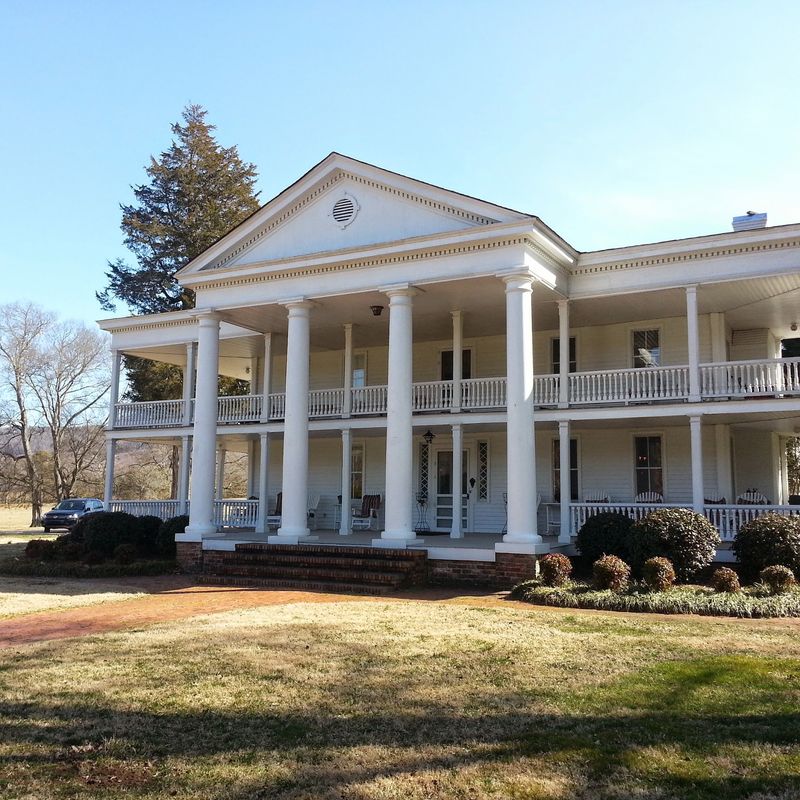
Ready to trade a crowded schedule for mountain air and leafy trails? I would pack walking shoes first, then leave plenty of afternoon unplanned.
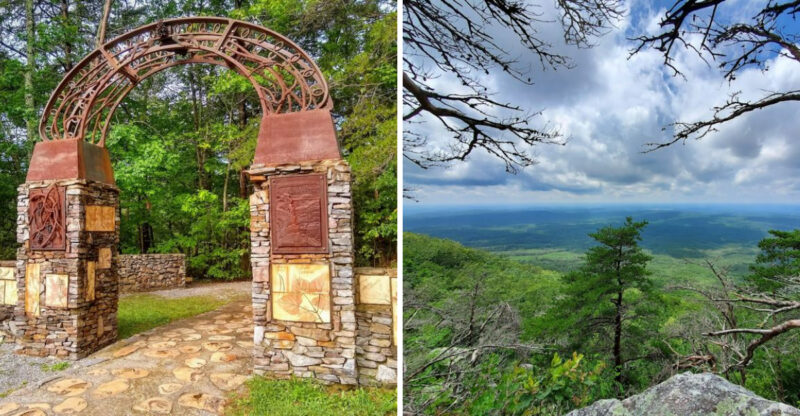
Mentone sits atop Lookout Mountain in DeKalb County, surrounded by wooded slopes, mountain roads, and locally owned shops.
The compact community makes an easy base for exploring several outdoor attractions nearby.
DeSoto State Park has more than 35 miles of hiking trails, with choices ranging from gentle walks to longer routes. Picnic areas and the accessible Talmadge Butler Boardwalk add relaxed options for a lighter outing.
DeSoto Falls sits about seven miles from the park’s main area near Mentone. A paved route leads toward the main overlook, while additional paths provide more ways to enjoy the surrounding scenery.
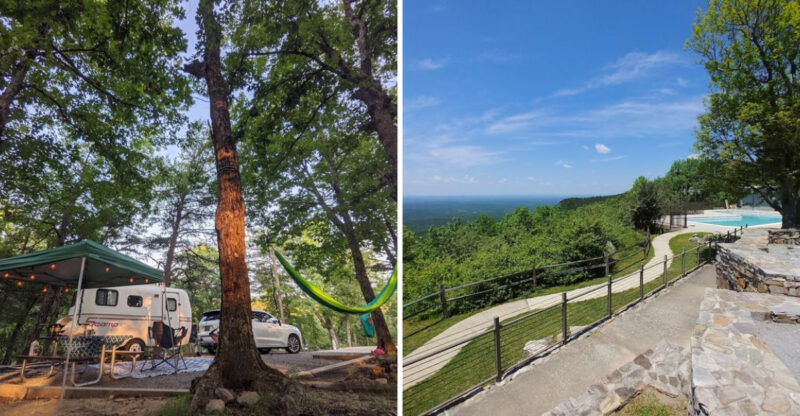
A packed lunch fits the day nicely because picnic tables and grills are available around the state park. The main park area has no general entrance fee, while the separate DeSoto Falls area uses paid parking.
Spring often brings fuller waterfall flow, while autumn turns Lookout Mountain into a colorful drive. Back in Mentone, galleries, small shops, and the Mentone Arts Center add an easy downtown-style break.
Little River Canyon National Preserve brings waterfalls, overlooks, picnic areas, and wooded trails within easy reach. Ending with one more overlook lets the mountain scenery provide a memorable final mountain view.
2. Mooresville, Limestone County
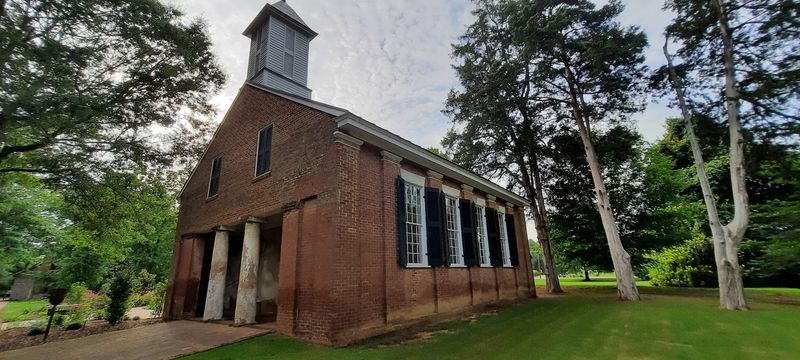
How much history can fit along a quiet street? More than I expected, especially when I slowed down and looked closely.
Mooresville was incorporated on November 16, 1818, making it Alabama’s oldest incorporated town.
The entire village is listed on the National Register of Historic Places, and much of its early street pattern remains recognizable.
A walk through town passes the 1839 Brick Church, the mid-19th-century Church of Christ, and the Stagecoach Inn and Tavern dating to about 1825. Together, they give this tiny village an unusually rich collection of early architecture.
The Mooresville Post Office has remained in continuous operation since 1819 and is recognized as Alabama’s oldest operating post office. Its historic call boxes add another surviving detail from the town’s early years.
The Bicentennial Garden opened in 2018 beside the Brick Church as a permanent place to pause. Interpretive signs, native plantings, historic fencing, and a bronze map explain more of Mooresville’s development.
A little background reading makes the small details easier to recognize. Changes in brick, clapboard siding, fences, and church architecture tell much of the story without requiring a formal tour.
Comfortable shoes are useful, though distance stays modest. Another pass through the tree-lined streets often reveals architectural details missed the first time.
History sits everywhere. Mooresville rewards observation, patience, and a genuinely unhurried pace.
3. Magnolia Springs, Baldwin County
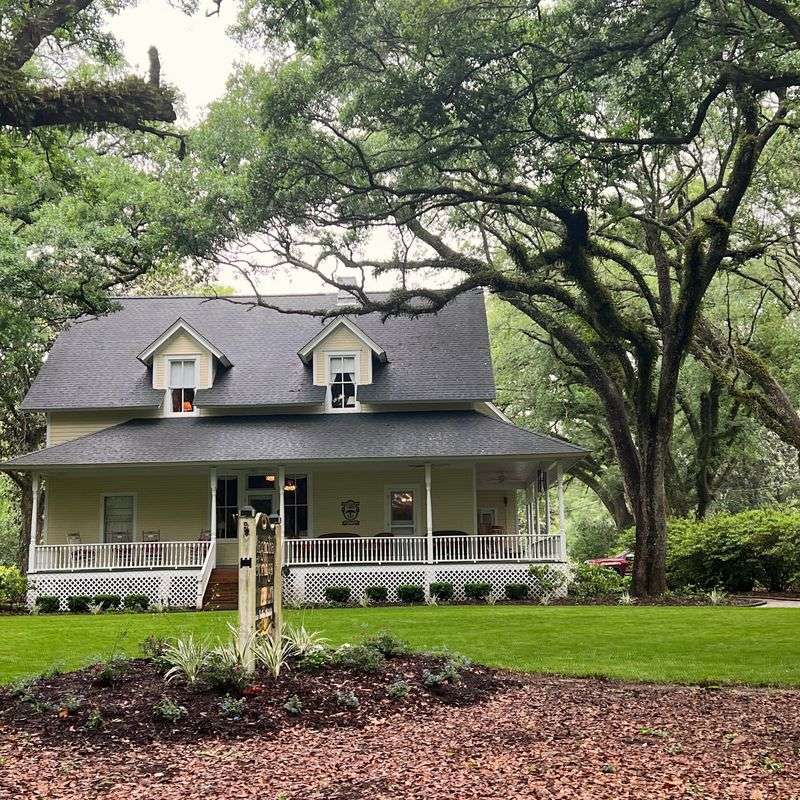
Mail arriving by boat? That detail alone would make me curious. The river gives this little community plenty more to explore.
Magnolia Springs sits along the spring-fed Magnolia River in Baldwin County.
Its best-known tradition is the nation’s only year-round water mail route, which has operated in the community since around 1915.
Live oaks create a broad canopy over several streets, giving a simple walk through town much of its character.
Magnolia Springs also has a locally protected historic district that helps preserve the community’s established streetscape.
The river supplies an easy focal point for the day. Public access at the south end of Rock Street provides a place to reach the water and enjoy the scenery.
Kayaks and canoes can launch from the Rock Street access, and rental companies in the surrounding area can deliver equipment for paddling. The tidal river passes historic homes, docks, trees, and wildlife habitat.
The mail boat remains part of ordinary daily life, adding an unusual local detail to the experience. Older homes and churches add visual interest.
A simple picnic fits the mood well, especially beneath the oak canopy. Morning and late afternoon bring softer river light.
One peaceful stretch beside the river can easily become the memorable part of the day. Magnolia Springs shines when the schedule leaves room for exactly that.
4. Tuscumbia, Colbert County
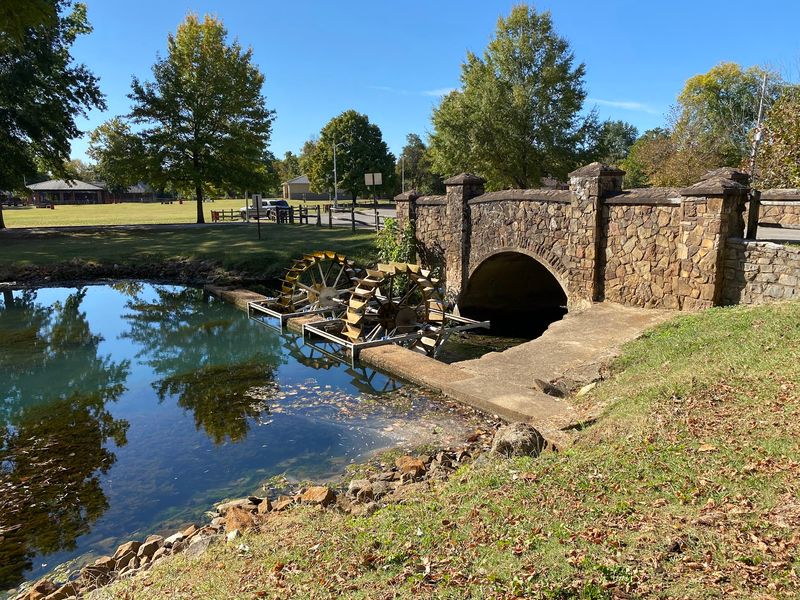
A town day gets interesting when a park sits beside remarkable history. I would leave time for both instead of rushing between stops.
Tuscumbia combines a walkable historic core with Spring Park just south of downtown.
The park remains one of the city’s central gathering spaces with paths, mature trees, recreation areas, and its large man-made waterfall.
A slow loop through Spring Park can take any amount of time. Seasonal attractions also operate there, so the experience can shift from a simple free walk to a more activity-filled visit.
Ivy Green, Helen Keller’s birthplace, is another stop in town. The historic house and grounds preserve furnishings and memorabilia connected to Keller, her family, and Anne Sullivan.
Railroad history has its own place in Tuscumbia at the restored depot and roundhouse. The city still lists the Train Depot and Roundhouse as an attraction.
The Alabama Music Hall of Fame adds another indoor option west of town. Its exhibits cover performers, songwriters, producers, and other figures connected to Alabama music.
Choosing one museum and pairing it with Spring Park or downtown walking keeps the day relaxed and affordable. Older storefronts and civic buildings add interest between larger stops.
Returning to Spring Park before leaving brings the outing full circle. History, music, and a welcoming public green space can share the day beautifully.
5. Monroeville, Monroe County
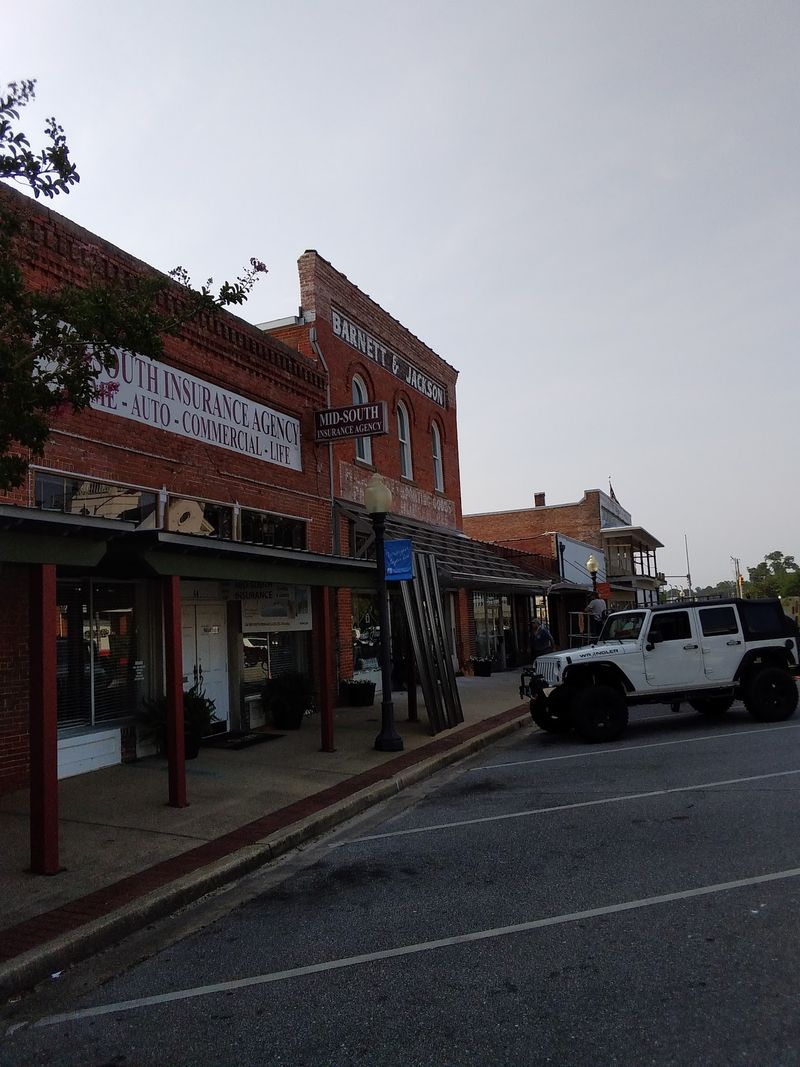
Could a courthouse make a book feel closer to home? I think so, especially when its surrounding streets invite a longer look.
Monroeville was designated the Literary Capital of Alabama by the state legislature in 1997.
Its downtown identity remains connected to writers including Harper Lee, Truman Capote, Mark Childress, and Cynthia Tucker.
The Old Monroe County Courthouse now operates as a museum, with exhibits devoted to Harper Lee and Truman Capote. Its restored courtroom helped inspire the courtroom recreated for the film adaptation of To Kill a Mockingbird.
The courthouse square provides a starting point for exploring downtown. Historic storefronts and civic buildings surround it, making the center simple to enjoy on foot.
The Literary Capital Sculpture Trail adds a free activity directly downtown. Its 14 permanent bronze sculptures honor 10 writers with roots in Monroeville and Monroe County.
The annual stage production of To Kill a Mockingbird remains part of the town’s cultural calendar, with performances traditionally held during spring. A regular visit still leaves the courthouse, sculpture trail, and downtown ready to explore.
A book makes a fitting companion for a break around the square. Families can turn the sculpture trail into an informal search through downtown.
Leaving time for an unscripted walk works especially well here. Monroeville’s literary identity feels woven through the heart of town.
6. Eufaula, Barbour County
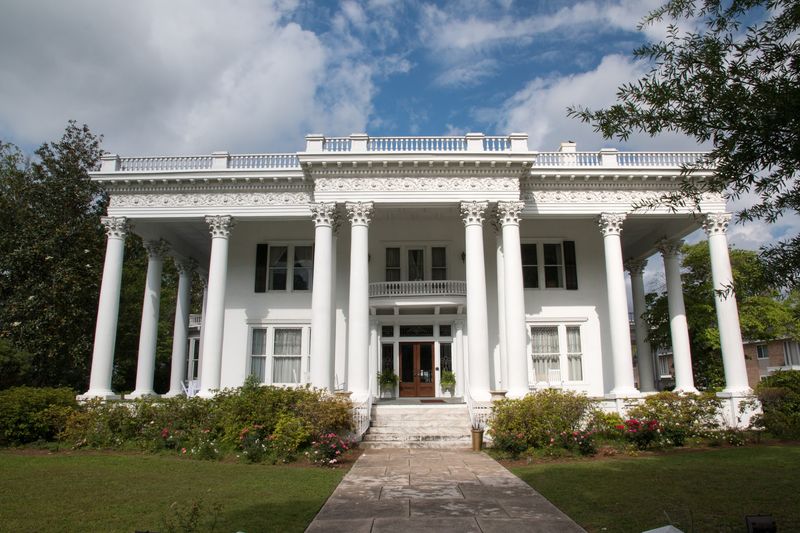
Grand houses on one side, wide water on the other? I would gladly plan a day around that combination.
Eufaula pairs Lake Eufaula with one of Alabama’s largest concentrations of historic architecture.
The Seth Lore and Irwinton Historic District covers much of the city’s oldest area and contains hundreds of contributing structures.
Eufaula Avenue and the surrounding streets showcase Greek Revival, Italianate, Victorian, and later architectural styles. A self-guided walk from public sidewalks offers an easy way to enjoy the district at your own pace.
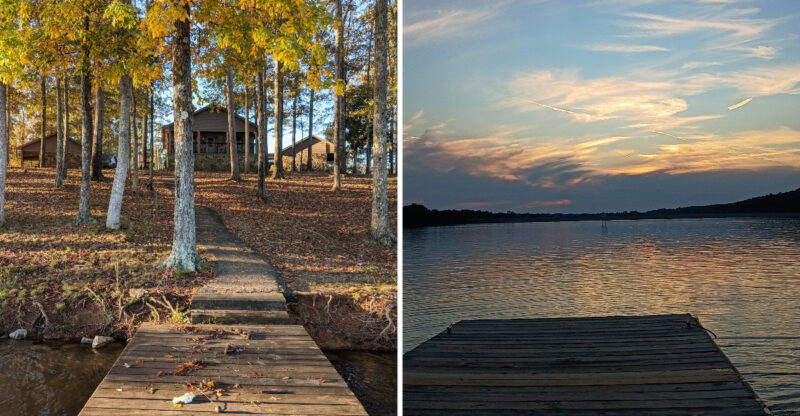
Lakepoint State Park provides a different setting beside Lake Eufaula. Picnic areas overlook the water, and several short nature trails add a little movement to the day.
Eufaula National Wildlife Refuge expands the outdoor options with wetlands, woodlands, grasslands, open water, and habitat supporting almost 300 bird species. Binoculars are useful around both the refuge and lake.
Shorter Mansion offers a chance to step inside one of the city’s best-known historic homes. It currently operates Monday through Saturday, while special annual tours showcase additional properties.
Walking the historic district costs nothing, and pairing it with a picnic or nature trail keeps the outing varied. Comfortable shoes make the transition from sidewalks to waterside paths easy.
Historic streets and lake views give Eufaula two distinct sides. Ending near the water as daylight softens brings them together.
7. Wetumpka, Elmore County
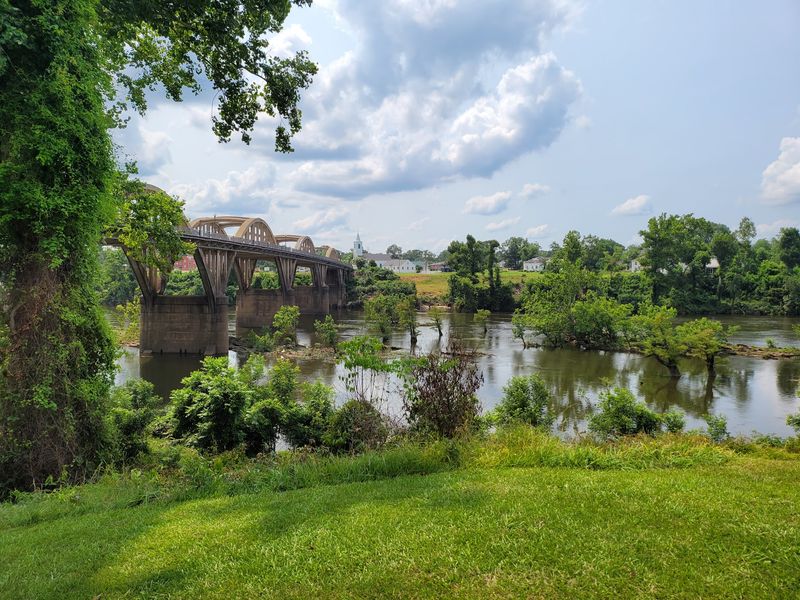
Here is a thought: what if your afternoon included a river and a crater? I would start by learning the story beneath the streets.
Wetumpka sits on the remains of an impact crater created about 85 million years ago when an asteroid struck what was then a shallow sea.
The structure measures roughly five miles across and remains visible in the unusual hills around town.
The Wetumpka Impact Crater Discovery & Visitors Center explains the geology through maps, models, exhibits, and short presentations. It also provides materials for a self-guided driving tour of public crater viewpoints.
Downtown adds a different pace beside the Coosa River. The city publishes a pedestrian-friendly map covering shops, restaurants, galleries, parking, and other stops.
Gold Star Park sits along the river with trails, picnic areas, a playground, and open views of the water. Nearby, the Fall Line Overlook adds interpretive signs explaining local geology.
Fort Toulouse-Fort Jackson Park sits about a mile south of town at the meeting of the Coosa and Tallapoosa rivers. Historic sites, walking paths, an ancient Indigenous mound, and the William Bartram Nature Trail add variety.
The official crater route keeps the geology easy to follow through public viewpoints. A final riverside stop brings the day back to town.
Wetumpka makes geology, history, and an uncomplicated walk fit comfortably into one outing.
8. Greensboro, Hale County
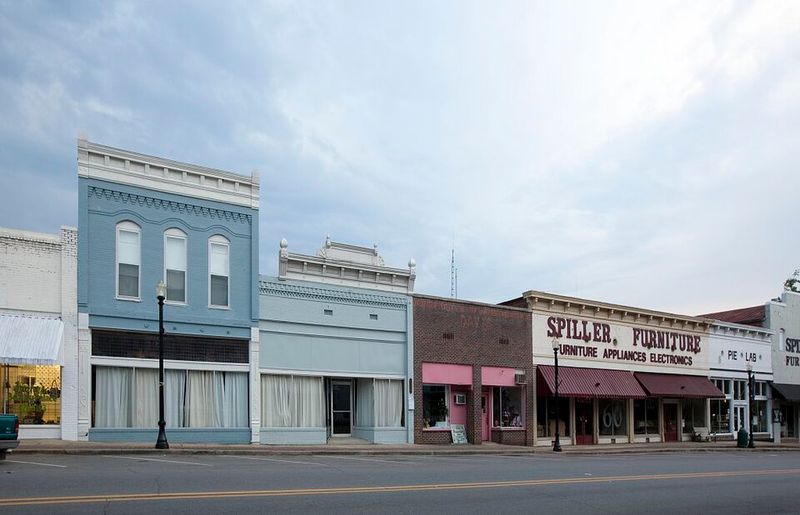
tell its story.
Greensboro is the Hale County seat and has a downtown historic district on the National Register of Historic Places. Nearly 150 nineteenth-century structures contribute to its historic streetscape.
The surrounding Black Belt region has a long agricultural history, including catfish farming.
Greensboro has also celebrated that connection through its Catfish Capital identity.
The Safe House Black History Museum preserves an important piece of local civil rights history.
Martin Luther King Jr. found shelter in the small house, and its exhibits share stories of local organizing, community leadership, and the broader civil rights movement.
Historic homes and churches line other parts of Greensboro, including Magnolia Grove and numerous private residences. Their architecture adds interest to a walk through town.
The Greensboro Opera House brings a restored 1903 landmark into the mix. It continues to host community performances and public events, adding a cultural stop to the historic district.
The center of town is compact enough for an unhurried loop with breaks along the way. Comfortable shoes and a flexible schedule work well here.
Returning through the same blocks often reveals architectural details missed the first time. Greensboro’s strongest stories remain closely tied to the buildings and streets already around you.
9. Elberta, Baldwin County
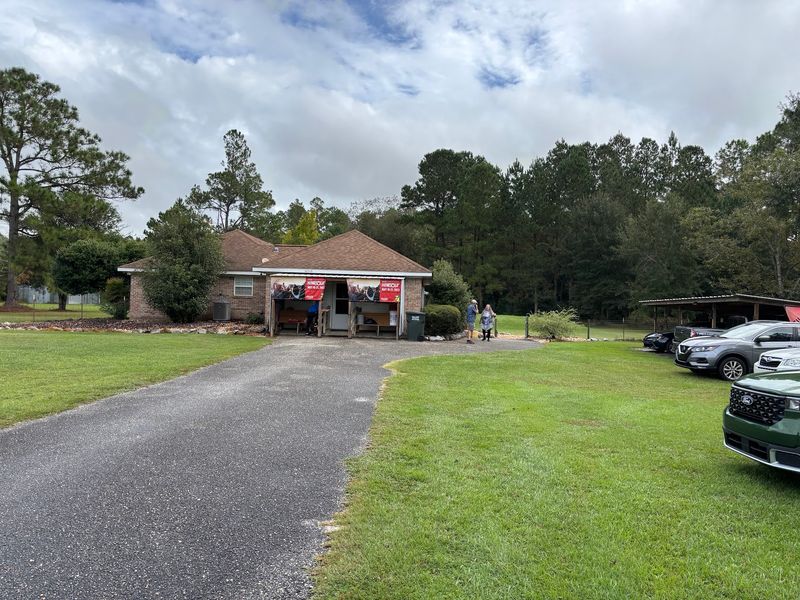
Wait, are those giant stones hiding among the trees? I would keep my camera ready, because the surprises continue nearby.
Elberta has deep German roots dating to early-1900s settlement by the Baldwin County Colonization Company. The town still celebrates that heritage through community traditions.
Nearby Barber Marina is known for Bamahenge, a full-size fiberglass interpretation of Stonehenge placed among the trees. The surrounding property contains other oversized sculptures and outdoor installations.
The same area includes Dinosaurs in the Woods, with large prehistoric figures tucked into the landscape near Barber Marina. It remains an Elberta-area attraction in 2026.
These installations make photography an easy part of the outing. Staying within established access areas keeps the experience simple and comfortable.
For a very different stop, the Baldwin County Heritage Museum documents early farm communities across the county. Its collections include tractors, wagons, household items, clothing, historic structures, and other artifacts.
The museum currently offers free admission and is open Wednesday through Saturday. A picnic area makes it easy to pair lunch with local history.
Water, sunscreen, and comfortable shoes are useful because the fun happens outdoors. The sculptures also leave room for a flexible schedule.
Let everyone choose a favorite strange discovery before leaving. Elberta’s mix of German heritage, farming history, and oversized roadside art gives the conversation plenty to work with.
10. Fort Payne, DeKalb County
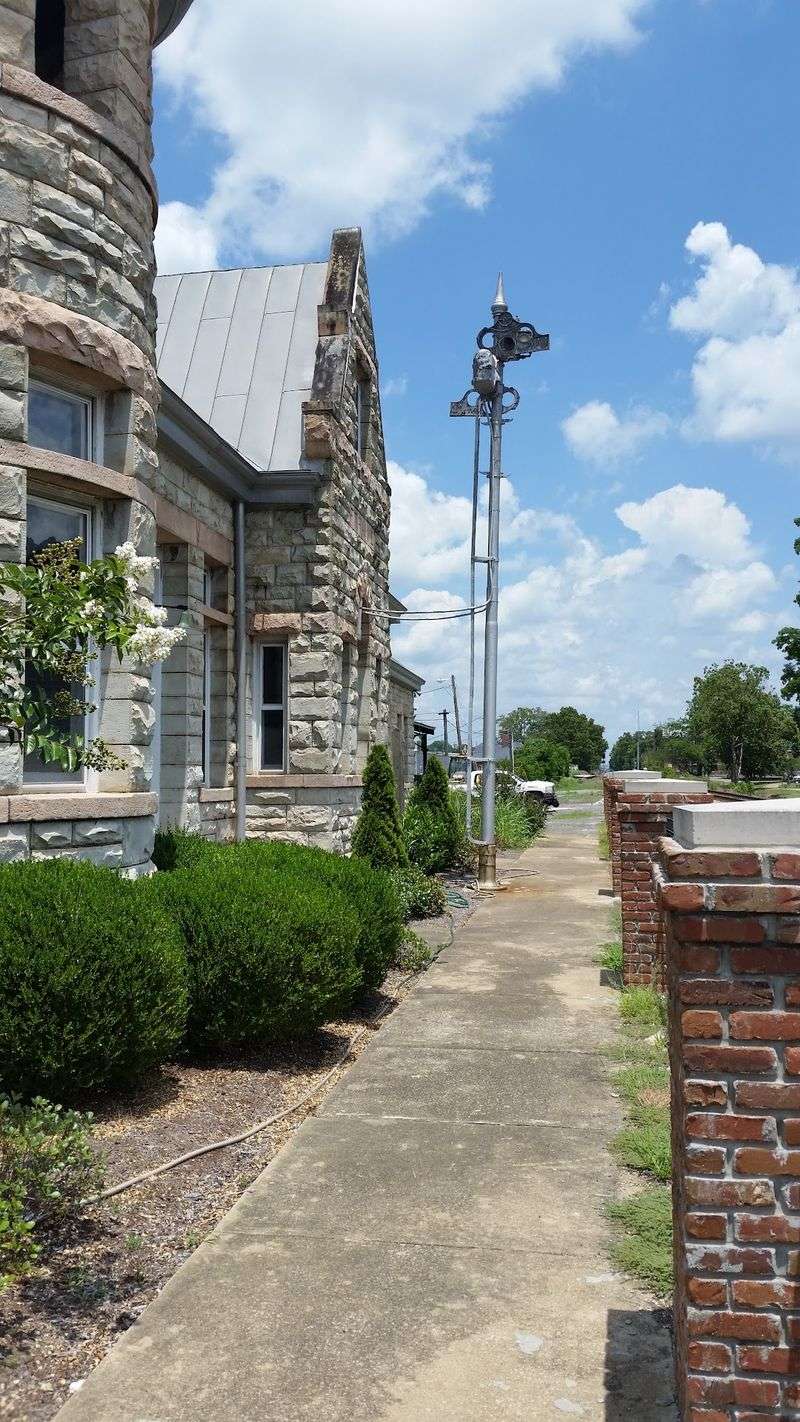
Music history in town and canyon views later? That sounds like a satisfying final outing to me.
Fort Payne connects Alabama music history with dramatic mountain scenery. Downtown buildings offer a starting point before the trip shifts toward Lookout Mountain.
The city is the hometown of the country group Alabama, whose Fan Club and Museum displays decades of memorabilia, awards, photographs, videos, and personal items. The museum is on Glenn Boulevard outside the downtown core.
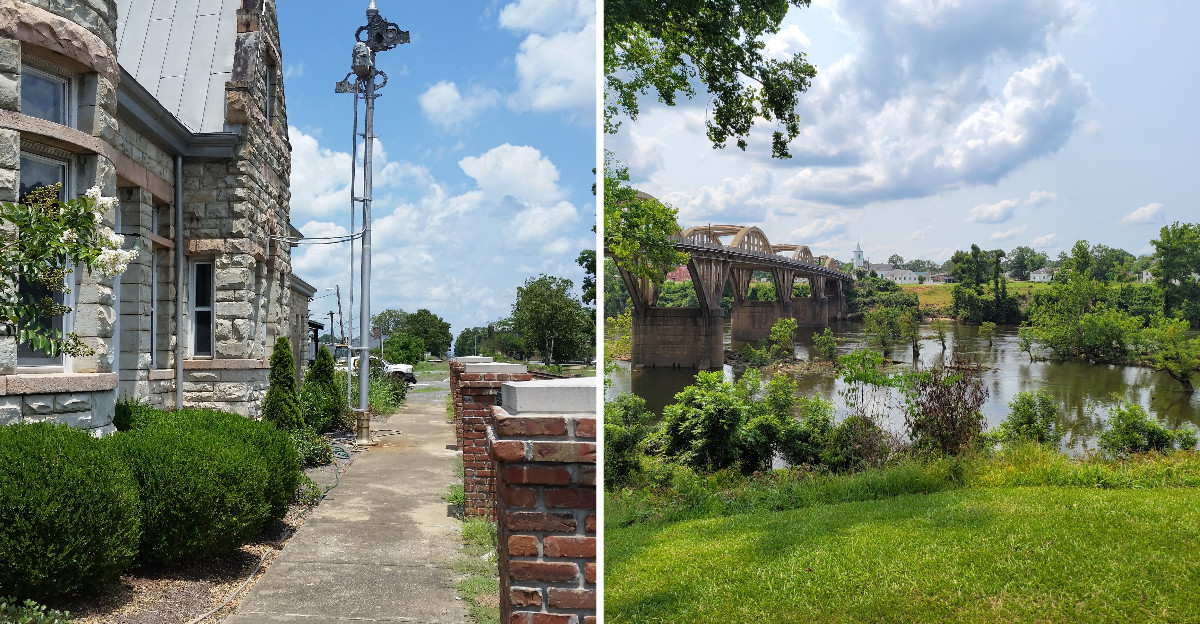
The Fort Payne Depot Museum adds a local-history stop in the center of town. The 1891 sandstone depot contains railroad material, historic displays, Indigenous artifacts, and exhibits tied to the area.
Little River Canyon National Preserve changes the scenery completely. Waterfalls, canyon overlooks, picnic areas, and wooded trails make dramatic terrain easy to enjoy from several viewpoints.
DeSoto State Park offers more than 35 miles of hiking trails, waterfalls, picnic areas, and an accessible boardwalk nearby. The main park area does not charge a general entrance fee, while some individual facilities and DeSoto Falls parking use separate fees.
Choosing either DeSoto State Park or Little River Canyon keeps the afternoon comfortable. Spring greenery and autumn foliage each transform the mountain scenery.
A slow drive back through Fort Payne makes a fitting finish. Local music history and Lookout Mountain scenery give the day plenty of variety.