10 Charming Towns In California That Feel Like France, But Cost Almost Nothing To Explore
Some places in California carry a kind of quiet romance that feels borrowed from another world.
Cobbled corners, flower-filled streets, old facades, and lingering café energy can make an afternoon feel softer, slower, and a little more transportive than expected.
A charming town does not need grand landmarks or expensive attractions to leave that impression. Sometimes the mood does all the work.
Light hits differently in places like these. Even a simple walk can feel touched by a bit of European daydream, the kind that invites you to slow down and enjoy where you are.
Better still, that charm does not have to come with a painful price tag.
These California towns offer beauty, character, and a hint of French storybook magic without turning a simple escape into a costly one.
1. Carmel-by-the-Sea
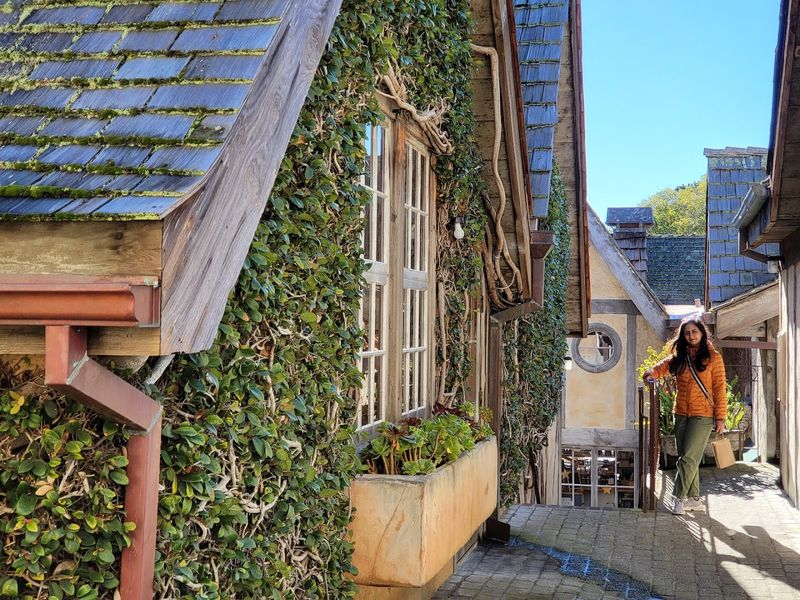
Tucked along the Monterey Peninsula, Carmel-by-the-Sea has a reputation for looking like someone lifted a French village and placed it beside a white-sand beach.
Narrow footpaths wind between hand-built stone cottages with arched doorways, climbing roses, and hand-painted address tiles instead of street numbers.
The whole town is walkable within an afternoon, and the beach at the end of Ocean Avenue is completely free to access.
Local ordinances have kept chain stores and fast-food restaurants out of Carmel for decades, which means every shop and cafe along the main drag is independently owned and genuinely unique.
Galleries displaying coastal paintings sit beside bakeries with croissants in the window, and small courtyards tucked between buildings feel like accidental discoveries rather than planned tourist stops.
The overall atmosphere leans quiet and unhurried, especially on weekday mornings.
Carmel Point and the Scenic Road coastal trail offer stunning views without any admission cost, and the town center itself is the main attraction.
Lodging and restaurants here tend to run on the higher end, but simply wandering the streets, peering into gardens, and sitting on the beach costs nothing at all.
2. Los Olivos
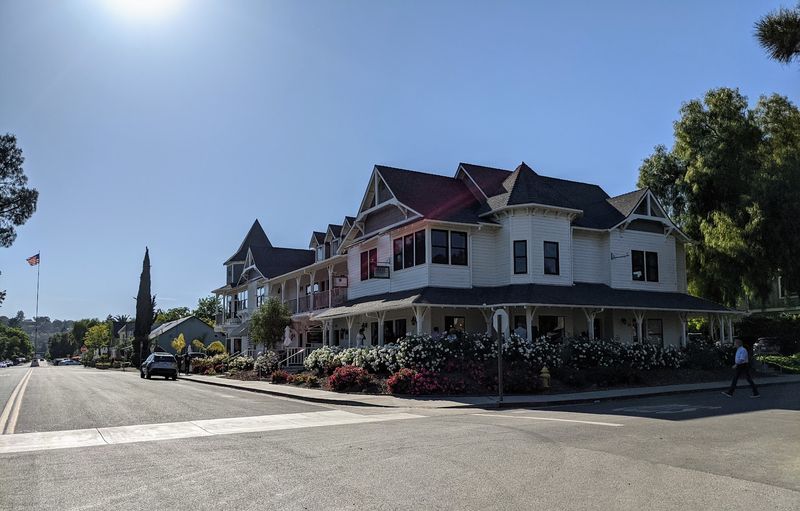
There is a particular kind of stillness on Grand Avenue in Los Olivos that feels more like a village in the south of France than a town in Santa Barbara County.
The street is short enough to walk end to end in about ten minutes, lined with tasting rooms, small galleries, and boutique shops housed in simple low-rise buildings with wooden signs and window boxes full of flowers.
Los Olivos sits in the Santa Ynez Valley, surrounded by rolling golden hills and oak trees that give the landscape a warm, European wine-country tone.
The town has no traffic lights, no big-box stores, and no sprawling parking structures, which keeps the pace slow and the atmosphere genuinely relaxed.
Popping into a tasting room is an option, but simply strolling the avenue and watching the town go about its day is free and deeply satisfying.
A visit here pairs well with a stop at Figueroa Mountain Brewing or a walk around the town green, both of which add time without adding much cost.
Los Olivos rewards visitors who slow down and pay attention to small details like painted window shutters and hand-lettered menus propped outside doorways.
3. Los Alamos
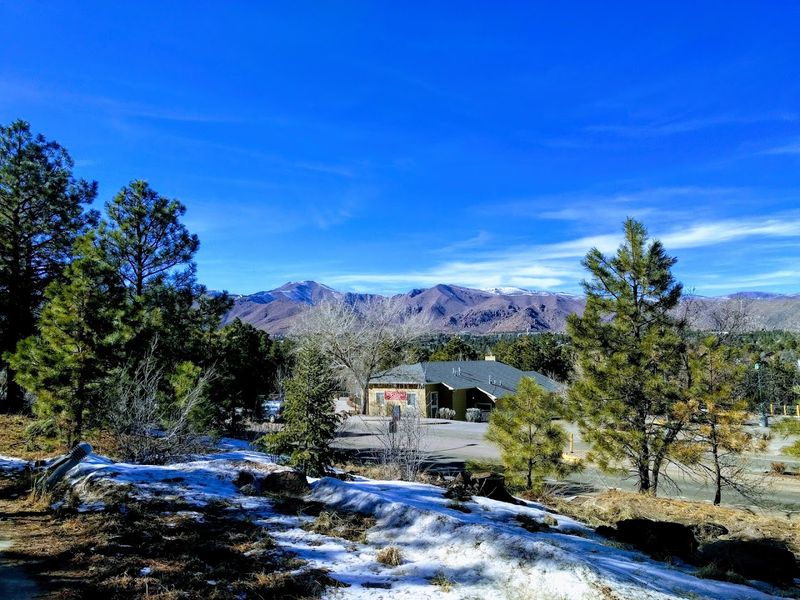
Bell’s restaurant put Los Alamos on the culinary map with its French-influenced menu, but the town itself had plenty of character long before food writers started paying attention.
The entire main street, called Bell Street, runs just a few blocks and is lined with antique shops, small eateries, and low-key tasting rooms housed in old Western-style storefronts that look like a film set but are completely real.
Los Alamos sits in a shallow valley between Santa Barbara and San Luis Obispo, which makes it an easy stop on a longer Central Coast road trip.
The town draws a mix of antique hunters, food lovers, and people who simply want to walk somewhere quiet without a plan.
Most of the storefronts are independently owned, prices tend to be reasonable by California standards, and the whole place can be explored comfortably on foot in a couple of hours.
What makes Los Alamos feel a little French is the combination of good food culture, unpretentious surroundings, and a genuine lack of tourist infrastructure pushing visitors toward overpriced experiences.
A slow walk down Bell Street with a coffee in hand captures most of what the town has to offer, and it costs almost nothing to enjoy.
4. Sonoma
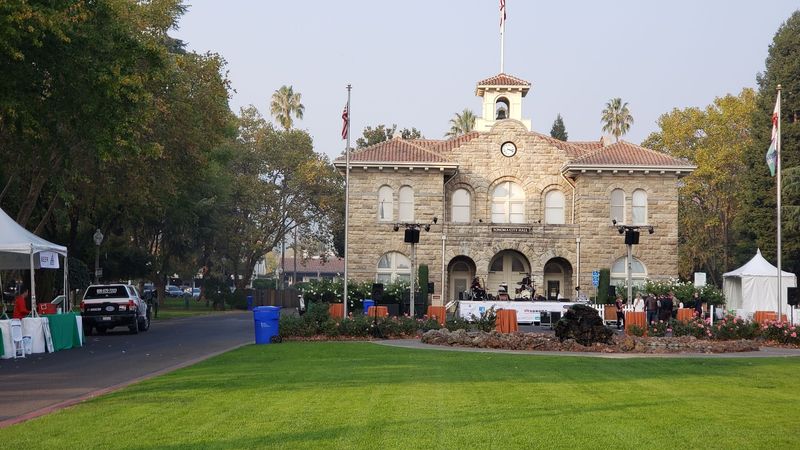
Sonoma Plaza is one of the largest historic town squares in California, covering eight acres in the center of town and surrounded by adobe buildings, boutique shops, and restaurants that have been operating for generations.
The plaza itself is a public park where people spread out on the grass, walk dogs, and sit under old trees without spending a dollar. That open, unhurried energy is exactly what gives Sonoma its French market-town feeling.
The surrounding architecture leans heavily on California Mission and Spanish Colonial styles, but the overall rhythm of life here, centered around a walkable square where locals and visitors mix comfortably, feels closer to a French provincial town.
Sonoma is part of a broader wine region but the town center is accessible and enjoyable even without building a visit around tastings.
The Sonoma State Historic Park, which includes the Sonoma Mission and the Sonoma Barracks, charges a modest entry fee and sits right on the plaza.
Farmers markets, weekend events, and free outdoor concerts occasionally take place in the plaza itself, making timing a visit to a market day well worth checking in advance.
5. Healdsburg
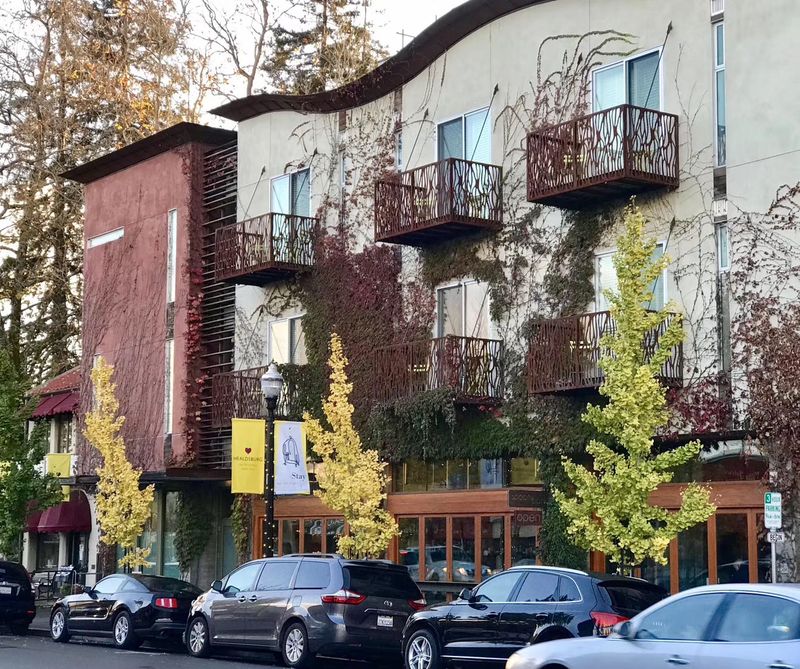
Healdsburg has the kind of polished, walkable energy that feels more like a small town in Burgundy than a typical California weekend destination.
The central plaza is the heart of the town, shaded by mature trees and ringed by independently owned shops, cafes, and restaurants that face inward toward the green rather than outward toward a highway.
Locals and visitors share the same benches and coffee spots without the space ever feeling overwhelmed.
Located in Sonoma County at the confluence of three wine appellations, Healdsburg is surrounded by vineyards, but the town itself is completely navigable on foot.
The plaza area is free to enjoy, and simply walking the surrounding blocks reveals architecture that ranges from Victorian cottages to Spanish-style storefronts, all kept in good condition and easy on the eyes.
A picnic on the plaza lawn with food from one of the nearby delis or bakeries is one of the most affordable and satisfying ways to spend a few hours here.
Healdsburg also has a modest but well-organized farmers market that runs seasonally near the plaza, giving visitors a chance to browse local produce and handmade goods without any pressure to spend big.
The town rewards slow walkers who take time to notice the small details tucked into doorways and side streets.
6. Calistoga
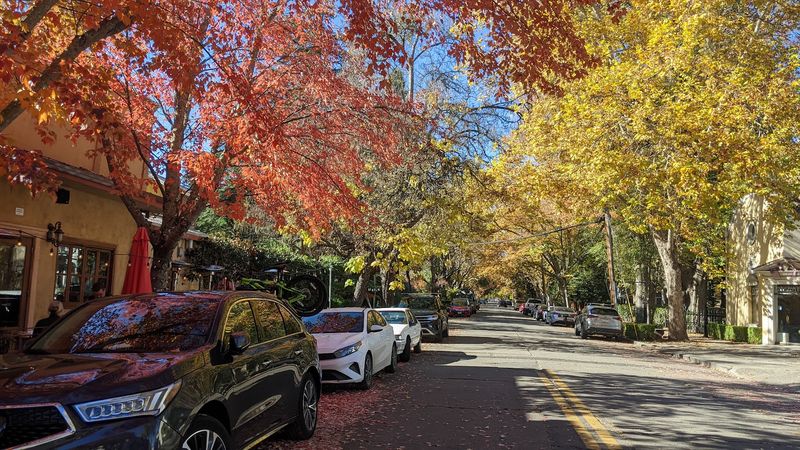
At the northern end of Napa Valley, Calistoga has a compact downtown that feels refreshingly low-key compared to the polished resort energy found further south in the valley.
Lincoln Avenue, the main street, runs through the center of town and is lined with Victorian-era buildings housing spas, local restaurants, bookshops, and small boutiques that are easy to browse without feeling pressured to spend.
The whole stretch can be walked comfortably in under an hour.
What gives Calistoga a slightly French-country feel is its combination of old stone and wood architecture, tree-canopied streets, and a general sense that the town has been here long enough to stop trying to impress anyone.
The pace is genuinely slow, especially on weekday mornings before the spa crowd arrives.
Sitting at an outdoor table with a coffee and watching foot traffic on Lincoln Avenue is a perfectly valid way to spend part of a morning.
Calistoga is also close to Robert Louis Stevenson State Park, which offers free hiking on trails through volcanic terrain above the valley floor.
The town’s spas and resorts can be expensive, but the street-level experience of just walking around and taking in the architecture costs nothing.
7. Murphys
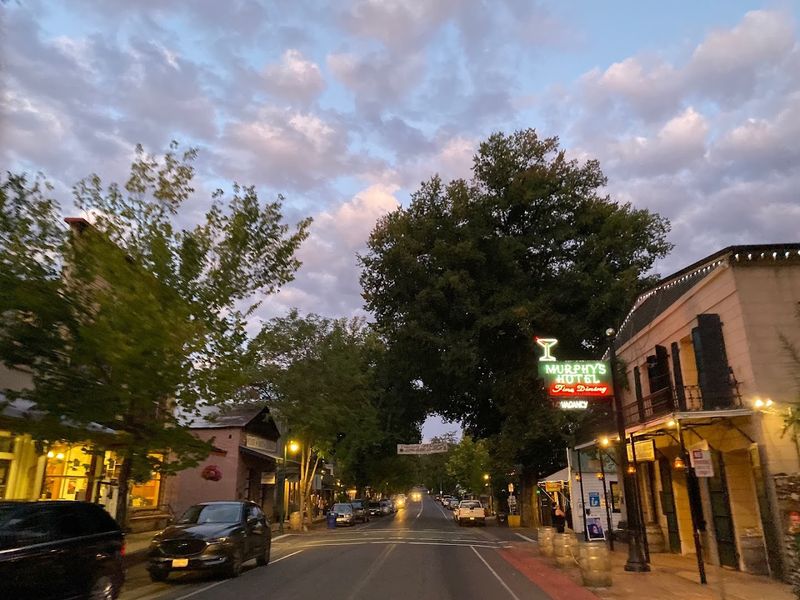
Old-world atmosphere is something Murphys delivers without much effort, largely because the town’s historic core is built from actual stone and has been standing since the Gold Rush era.
Main Street runs a few quiet blocks and is shaded by enormous old sycamore trees whose canopy turns the whole street into a cool, dappled corridor in summer.
The combination of stone walls, flower gardens, and slow foot traffic gives Murphys an energy that feels closer to a village in the French wine country than to a typical California tourist town.
Murphys sits in Calaveras County in the Sierra Nevada foothills, at an elevation that keeps it noticeably cooler than the valley floor during summer months.
The tasting rooms along Main Street are small and low-key compared to Napa or Sonoma, and several of them charge modest or no tasting fees.
Antique shops, a small park, and a historic hotel anchor the street and give it a lived-in quality that feels genuine rather than staged.
Nearby Mercer Caverns offers an affordable underground tour that adds a completely different sensory experience to a visit.
Murphys tends to get busier on weekends, so a weekday visit captures the town at its most relaxed and most resembling the slow village mood the place naturally carries.
8. Sutter Creek
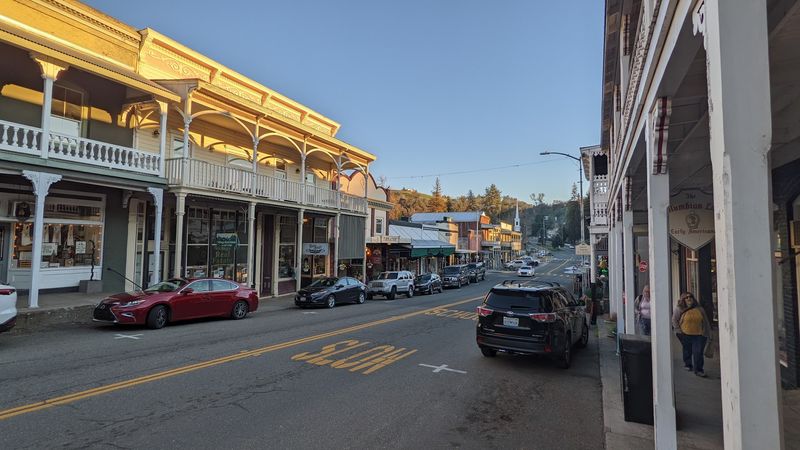
Few California towns wear their history as naturally as Sutter Creek, where the main street looks much the same as it did during the Gold Rush period without feeling like a theme park.
Victorian storefronts with covered wooden balconies line the short downtown corridor, and many of the buildings house antique dealers, small galleries, and local shops that have been operating quietly for years.
The overall effect is a town that has aged gracefully rather than been restored aggressively.
Sutter Creek sits in Amador County in the Sierra Nevada foothills, about an hour and a half from Sacramento.
The downtown area is easy to walk in its entirety and has the kind of compact, stroll-and-linger energy that makes it feel like a genuine discovery rather than a packaged destination.
There are no admission fees to walk the main street, and most of the shops welcome browsers without pressure.
The town also has a strong connection to the surrounding wine region, with several Amador County tasting rooms within easy driving distance for those who want to extend the day.
Even without leaving the main street, Sutter Creek offers a satisfying afternoon of browsing, architecture-watching, and sitting on a bench in the sun, which is exactly the kind of low-cost, high-charm experience the title promises.
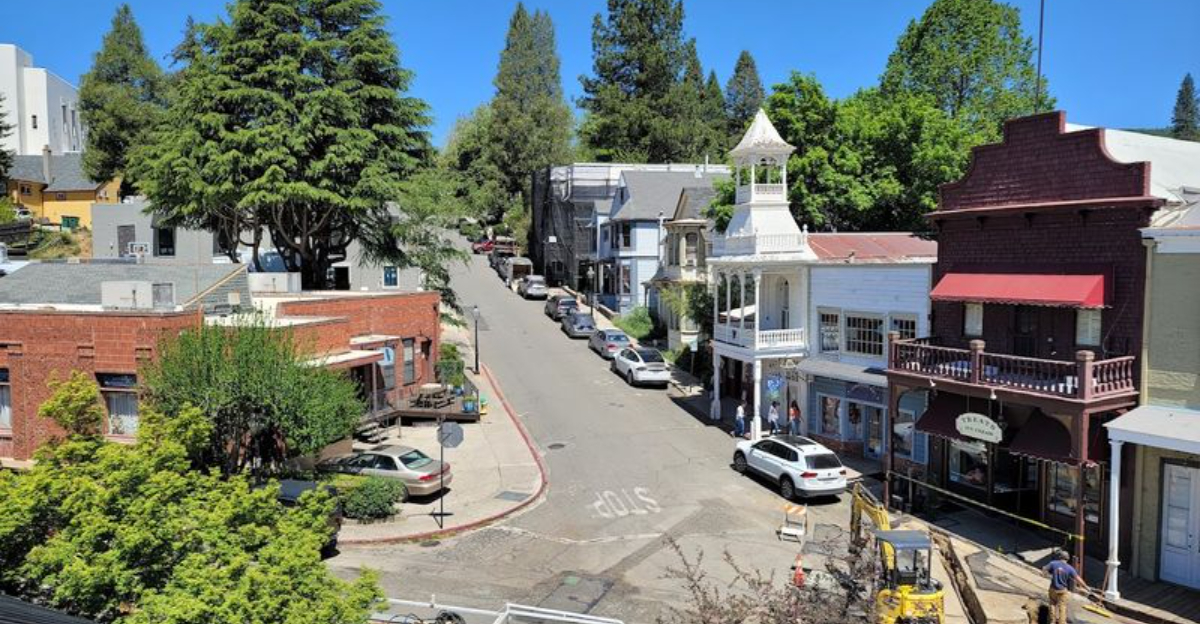
9. Nevada City
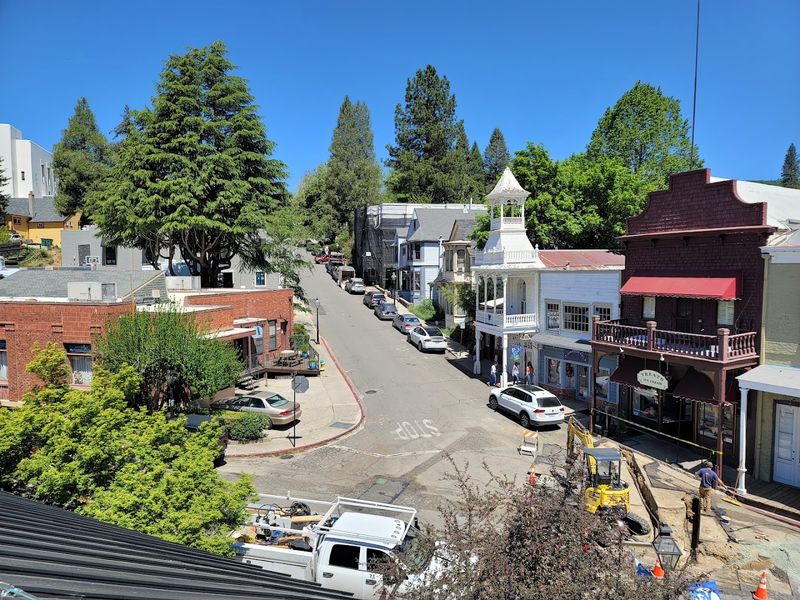
Remarkably intact for a town that dates back to the California Gold Rush, Nevada City has a historic downtown district that feels like stepping into a different century without any of the artificiality that usually comes with restored heritage areas.
The buildings are original, the streets are narrow and slightly hilly, and the whole district is compact enough to explore thoroughly on foot in a single afternoon.
Gas-style street lamps, Victorian ironwork balconies, and hand-painted storefront signs give the town a visual richness that rewards slow walking.
Located in Nevada County in the Sierra Nevada foothills, the town sits at about 2,500 feet in elevation, which gives it a cooler, pine-scented atmosphere that feels different from California’s coastal or valley towns.
The Nevada City Chamber of Commerce offers self-guided walking tour maps that help visitors make sense of the architecture and history without paying for a guided experience.
Picking one up and wandering at a personal pace is one of the better free activities available in the town.
Broad Street and Commercial Street form the core of the historic district and are lined with bookshops, cafes, and galleries that operate at a genuinely relaxed pace.
Nevada City also hosts seasonal events and markets that bring additional life to the streets, making a visit during a market weekend particularly rewarding for those who enjoy browsing local goods.
10. Cambria
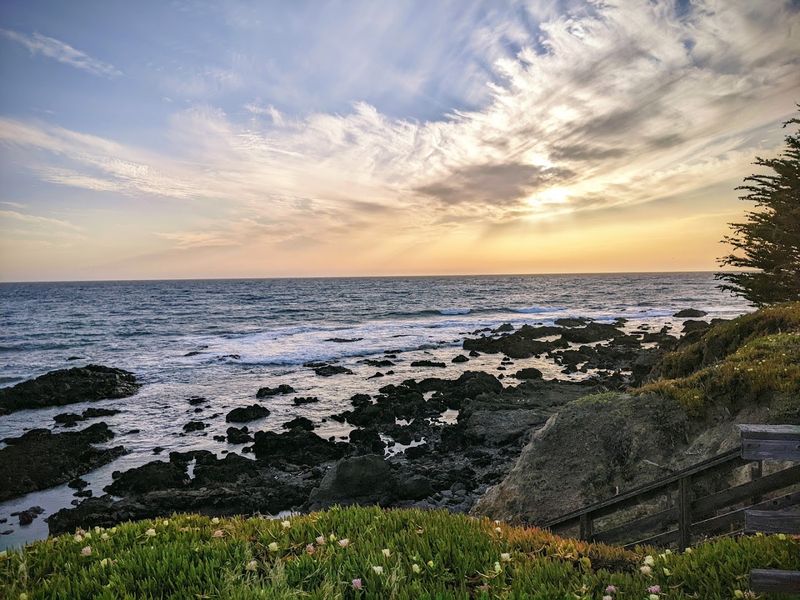
Sitting on the Central California coast halfway between Los Angeles and San Francisco, Cambria has the kind of unhurried, village-by-the-sea atmosphere that is genuinely rare in a state that tends to build things fast and loud.
The town is divided into two distinct areas called the East Village and the West Village, both of which are walkable and full of small shops and galleries that operate at a pace that feels more European than Californian.
Neither side of town has a flashy commercial strip, which is part of what makes wandering here feel so easy.
The Moonstone Beach Boardwalk runs along the bluff above the shoreline and offers a completely free walk with sweeping Pacific views, tidepools, and the kind of wide-open coastal light that makes everything look a little more cinematic.
The boardwalk connects to a series of informal trails through Fiscalini Ranch Preserve, a free open-space area maintained by a local land trust that covers both coastal bluff and forest terrain.
Cambria does not look architecturally French, but it carries the same kind of low-key coastal village mood found in small towns along the Brittany or Normandy coastlines.
The combination of accessible nature, independent shops, and a genuinely slow pace makes it one of the most rewarding places on this list to explore without a large budget.