11 Charming Vermont Small Towns That Deserve To Be Discovered
I have never needed much convincing to follow a road past a covered bridge and see where it goes.
Vermont makes that instinct especially rewarding with small towns full of mountain scenery, local traditions, and places worth lingering.
One stop might revolve around a village green, while another brings swimming holes, historic architecture, or trails into the day.
Seasons change the experience too, which makes return trips easy to justify.
Fall brings color, winter adds snow, and summer opens the roads for markets and outdoor adventures.
I would pick one town and leave the rest of the day loose. The detours may end up becoming the whole point.
1. Woodstock
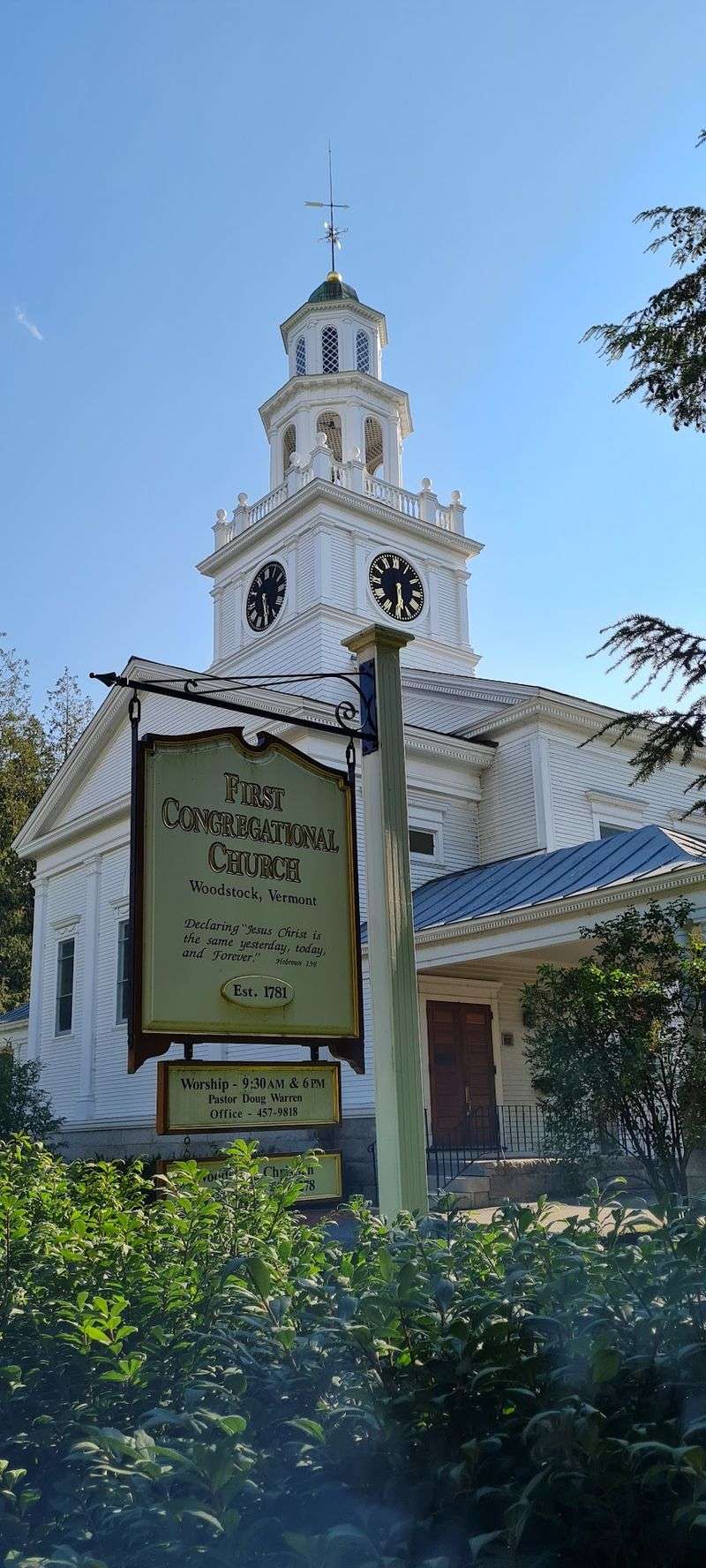
Some towns really do look like they were drawn by hand. Chartered back in 1761, Woodstock sits in Windsor County and wears its history proudly.
It has been called the prettiest small town in America. Honestly, the title fits.
Billings Farm and Museum runs as a working dairy farm you can walk through. Next door, Marsh-Billings-Rockefeller National Historical Park tells the story of American conservation.
Three covered bridges grace the area. The Middle Covered Bridge was rebuilt in 1969, while Taftsville dates to 1836 and Lincoln to 1877.
Hikers head for Mount Tom and the Pogue Trail. Both reward you with wide views over the valley below.
Snow lovers find their fun at nearby Saskadena Six ski area. Fall brings events such as the Woodstock Art Festival and Apples & Crafts Fair, while Wassail Weekend adds holiday festivities in December.
A Farmers Market runs weekly from May through October. Central and Elm Streets show off 19th-century architecture and independent shops.
The Woodstock Historical Society and Dana House Museum dig deeper into local stories. Give yourself a full day here, minimum.
Few towns balance beauty and substance quite this gracefully.
2. Stowe
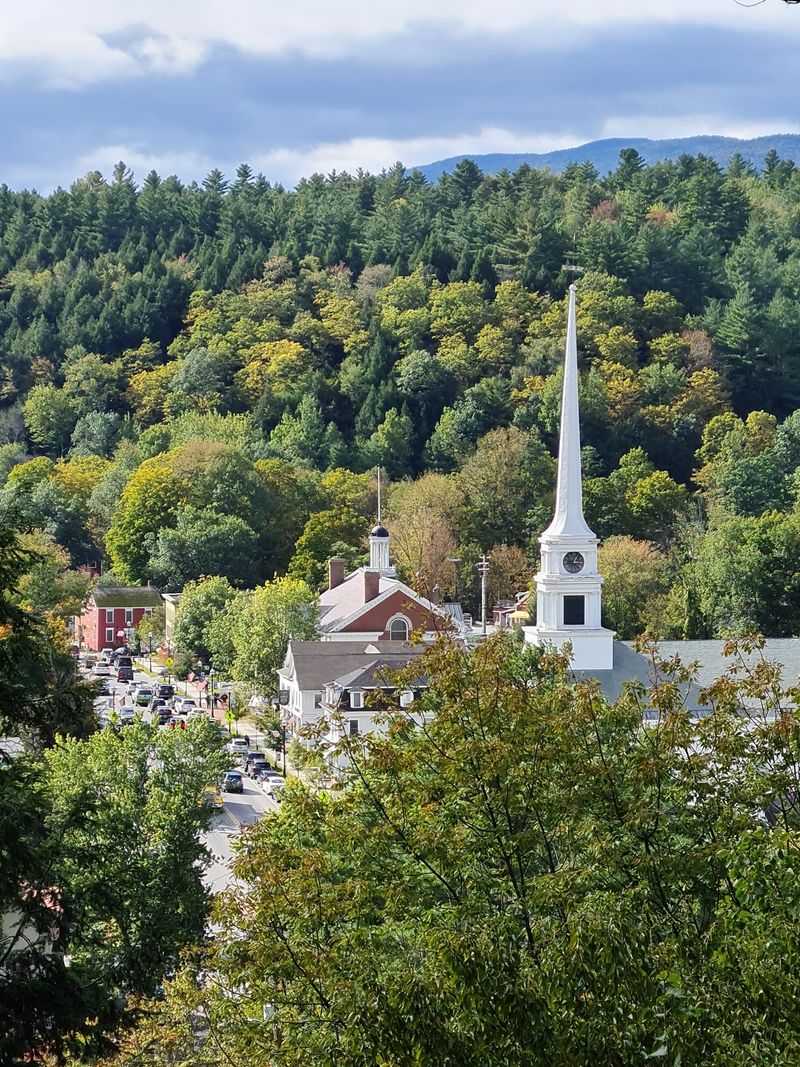
My jaw dropped at the first sight of those towering green peaks. Stowe rests beneath Mount Mansfield, the tallest mountain in this state.
Outdoor recreation runs year-round here, and the town never seems to slow down.
Scenic driving is practically a sport. Smugglers Notch Pass on Route 108 North twists between boulders and cliffs.
The Route 100 Scenic Corridor delivers one gorgeous view after another. Downtown itself holds boutiques, cozy cafes, and art galleries worth browsing.
Each season paints the valley differently. Winter runs from December through March, prime time for skiing and snow adventures.
Fall turns the hills crimson, orange, and gold. Leaf peeping peaks between late September and mid-October, so book early.
Summer brings hiking, biking, and paddling on rivers and lakes. Spring means quiet trails and maple sugaring, a tradition locals take seriously.
Tucked on a quiet side road sits the Gold Brook Covered Bridge. Photographers love it, and so will you.
Stowe manages to be a world-class resort town without losing its small-town heartbeat. That balance is rarer than you think.
3. Manchester
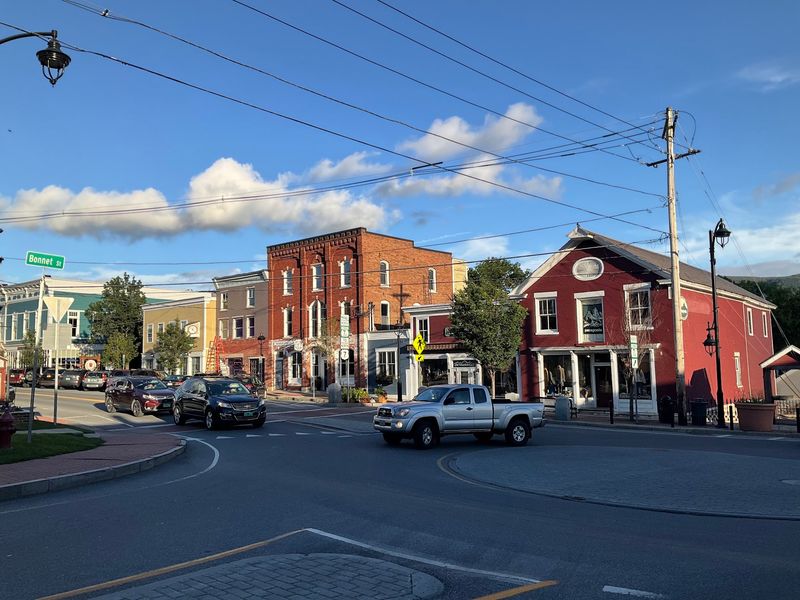
Manchester packs history, shopping, and mountain trails into one tidy package. Hildene stands as the star attraction, the carefully preserved Lincoln family home.
Art lovers wander the Southern Vermont Arts Center. Anglers geek out at the American Museum of Fly Fishing.
The Manchester Village Historic District shows off elegant architecture along shaded streets. Marble sidewalks add a touch of quiet luxury.
Drivers can climb the Mount Equinox Skyline Drive for sweeping panoramas. On clear days the views stretch impossibly far.
Hikers have plenty to choose from. The trail to Lye Brook Falls leads to one of the tallest waterfalls in this state.
Other routes explore Equinox Mountain, Bromley Mountain, and Prospect Rock. Each one earns you a different perspective.
Main Street invites slow strolling and shop hopping. The Manchester Designer Outlets pull in bargain hunters year-round.
Winter adds ice skating and skiing to the mix. Snow settles over the village and everything softens. Come for the history, stay for the mountains that frame every single street corner.
4. Grafton
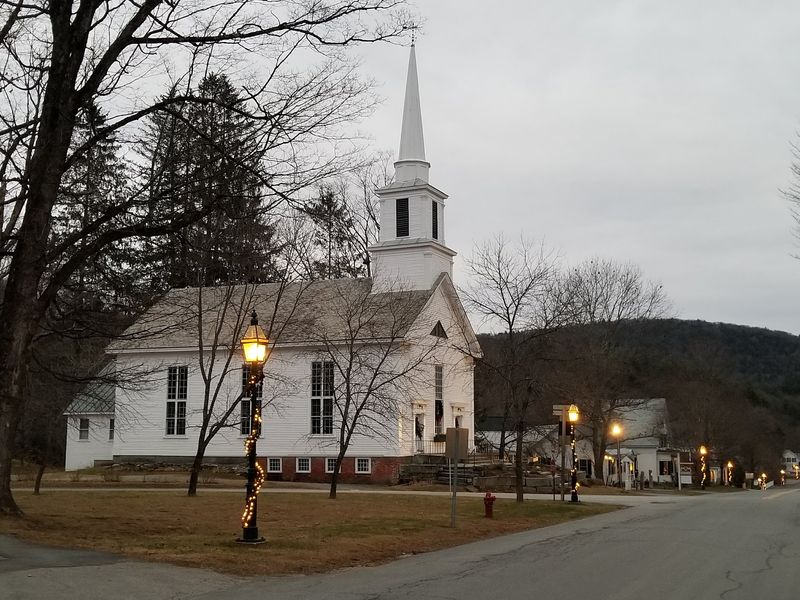
It makes you wonder, doesn’t it, how a village stays frozen in the best possible way. Chartered in 1754, Grafton has kept its 19th-century look almost perfectly intact.
The Windham Foundation began restoring historic buildings here in the 1960s.
Thanks to that work, the streets look much as they did generations ago. The entire village sits on the National Register of Historic Places.
At its center stands the Grafton Inn, welcoming guests since 1801. It ranks among the oldest continuously operating inns in America.
History fans can browse the Grafton Historical Society and the Grafton Nature Museum. Both are small, warm, and full of local detail.
The Grafton Trails and Outdoor Center keeps things active all year. Cross-country skiing in winter gives way to mountain biking in summer.
Cheese lovers should stop at the Grafton Village Cheese Company. Sampling is strongly encouraged.
A Main Street kiosk shares the story of Alexander Turner, a Civil War veteran. Federal and Greek Revival buildings line the road.
Quiet, walkable, and endlessly photogenic, Grafton rewards travelers who like their days unhurried.
5. Chester
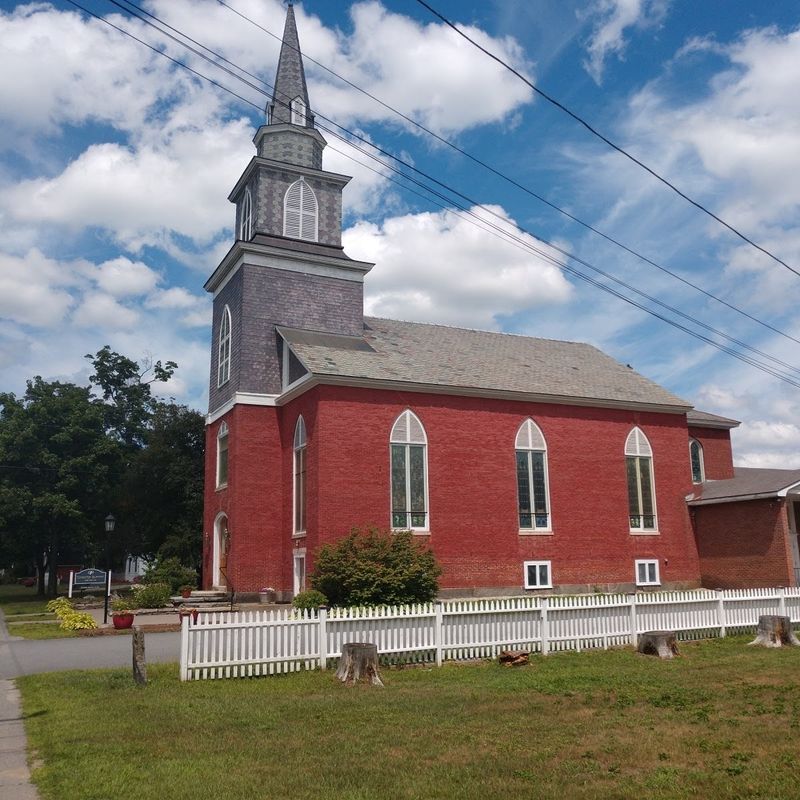
Have you given any thought to a town built partly out of stone? Chester sits in the Okemo Valley and works hard in all four seasons.
Its Stone Village Historic District is genuinely unusual for New England.
Those 19th-century snecked ashlar stone buildings catch your eye immediately. A classic village green anchors the rest of town.
The Pinnacle serves as the local park and community hub. You will find a pool, tennis courts, a skatepark, playground, and disc golf.
Snowmobilers love the VAST trails running straight through town. Access could hardly be easier.
Galleries and craft shops keep the arts scene humming. The annual Winter Carnival and Summer Music Series bring everyone outdoors.
Antique hunters should check the Stone House Antique Center. Smokeshire Design is another worthwhile stop.
Hikers can tackle the Butternut Hill Trail for distant mountain views. The Lost Mine Loop Trail leads to an abandoned talc-mining site.
Both trails stay peaceful even during busy leaf season. Wear sturdy shoes and bring water.
Chester proves a small town can be both a history lesson and a playground.
6. Weston
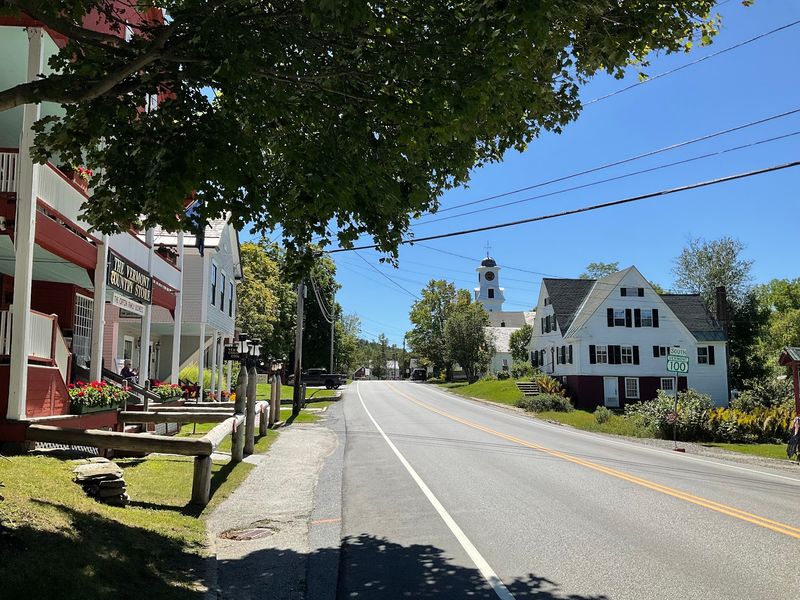
Let me be real for a second about towns that never chase trends. Chartered in 1799, Weston holds tight to its heritage in a remote Green Mountain valley.
The whole village appears on the National Register of Historic Places. Carefully maintained 19th-century buildings line the road. Nothing here feels rushed or overly polished.
Weston Theater Company is the oldest performing group in the state. Its productions draw audiences from across the region.
Down the street, the Vermont Country Store overflows with nostalgic goods. You will find candies and gadgets you forgot existed.
Three museums are curated by the Weston Historical Society. The Farrar-Mansur House, built in 1795, once served as a tavern and community center.
The Mill Museum was built as a sawmill in 1785 and later served as a grist mill. It overlooks a mill pond and waterfall, displaying early trade tools and craft history.
Farrar Park acts as the town green and gathering ground. Locals meet there on warm evenings.
Community spirit runs deep in this valley. Weston stays small on purpose, and that decision has aged beautifully.
7. Middlebury
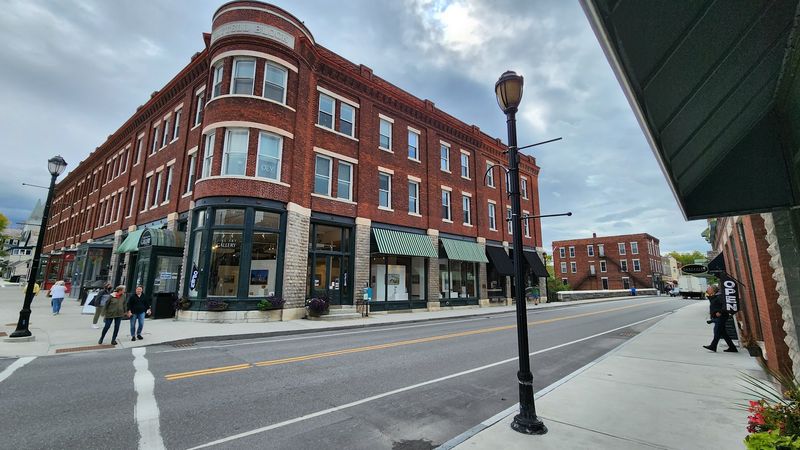
College towns tucked into mountains hit differently. Middlebury, the shire town of Addison County, was chartered in 1761.
A busy downtown grew up around Otter Creek and never lost its spark.
The village is listed on the National Register of Historic Places. Middlebury College brings a steady stream of ideas and events.
Its Museum of Art holds everything from antiquities to contemporary works. Admission-free browsing makes it an easy stop.
Nearby in Weybridge sits the University of Vermont Morgan Horse Farm. It breeds the Morgan horse, Vermont’s state animal.
The restored Town Hall Theater hosts concerts, plays, and film screenings. Something is almost always on the calendar.
Outdoor types walk the Trail Around Middlebury, a 16-mile footpath circling the village. Skiers head to the Middlebury College Snow Bowl.
The Rikert Nordic Center keeps cross-country trails groomed all winter. Both are short drives from downtown.
The Henry Sheldon Museum of Vermont History is the oldest community-based museum in the nation. Downtown even has its own 20-foot waterfall.
Smart, scenic, and endlessly walkable, Middlebury deserves more than an afternoon.
8. Waitsfield
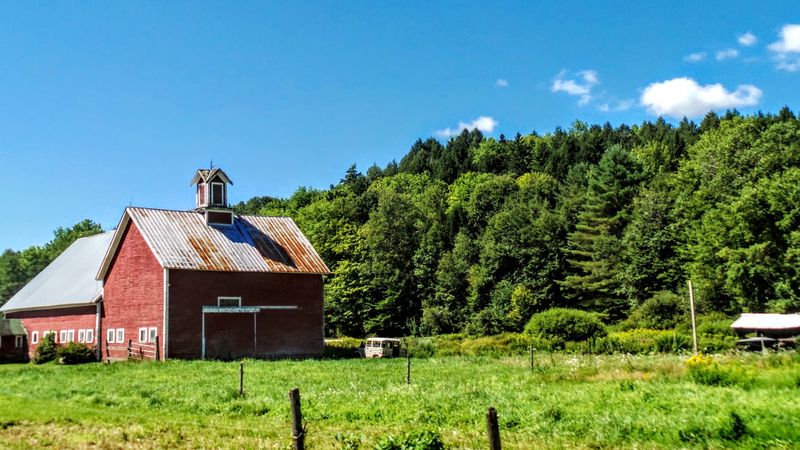
Sounds too good to be true, but artsy and historic can share one small town. Chartered in 1782, Waitsfield anchors the heart of the Mad River Valley.
The Great Eddy Covered Bridge on Bridge Street dates to 1833 and is one of Vermont’s oldest surviving covered bridges.
The Waitsfield Historic District earned a spot on the National Register of Historic Places. Well-preserved 19th-century buildings line the streets.
Culture punches above its weight here. Artisans’ Gallery displays work from local makers across the valley.
The Madsonian Museum of Industrial Design collects everyday objects with unexpected beauty. It is quirky in the best way. Outdoor options stack up quickly. Hiking, kayaking the Mad River, and skiing all sit within easy reach.
Mad River Glen and Sugarbush Resort draw snow chasers every winter. Warren Falls cools everyone off once summer arrives.
Saturday mornings belong to the Farmers Market on Mad River Green. Farm produce, artisan goods, and live music fill the field.
The Waitsfield Historical Society keeps the town’s past well documented. Stop in if old photographs interest you.
Creative energy and mountain air make this valley genuinely hard to leave.
9. Montgomery
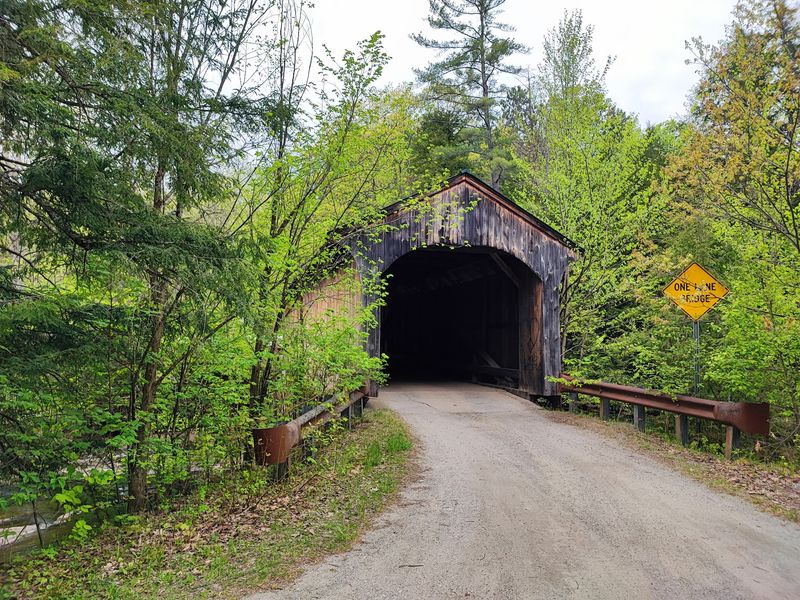
Call me crazy, but the northern part of the state hides its best towns on purpose. Chartered in 1780, Montgomery sits in Franklin County and goes by the Gateway to Jay Peak.
Green Mountains wrap around it on nearly every side.
Here is the fun fact: Montgomery has one of the nation’s densest concentrations of historic covered bridges. Six historic bridges remain standing in town, while a seventh, Hectorville Bridge, has been removed and stored.
The Longley Covered Bridge, built in 1863, is a standout. Bridge hunting alone could fill your morning.
Trails welcome hikers, mountain bikers, and snowshoers depending on the season. Nothing here gets overcrowded.
Winter belongs to Jay Peak Resort, known for some of the deepest snow in the region. Skiers and snowboarders plan whole trips around it.
Hazen’s Notch State Park delivers dramatic scenery and quiet recreation. The Montgomery Center for the Arts spotlights regional talent.
Local history waits at the Montgomery Historical Society Museum. It is small but genuinely interesting.
Scenic drives along routes 58, 105, and 118 reveal the Jay Massif, Gilpin Mountain, and Hazen’s Notch. Remote, rugged, and refreshingly uncrowded, Montgomery rewards anyone willing to drive north.
10. Dorset
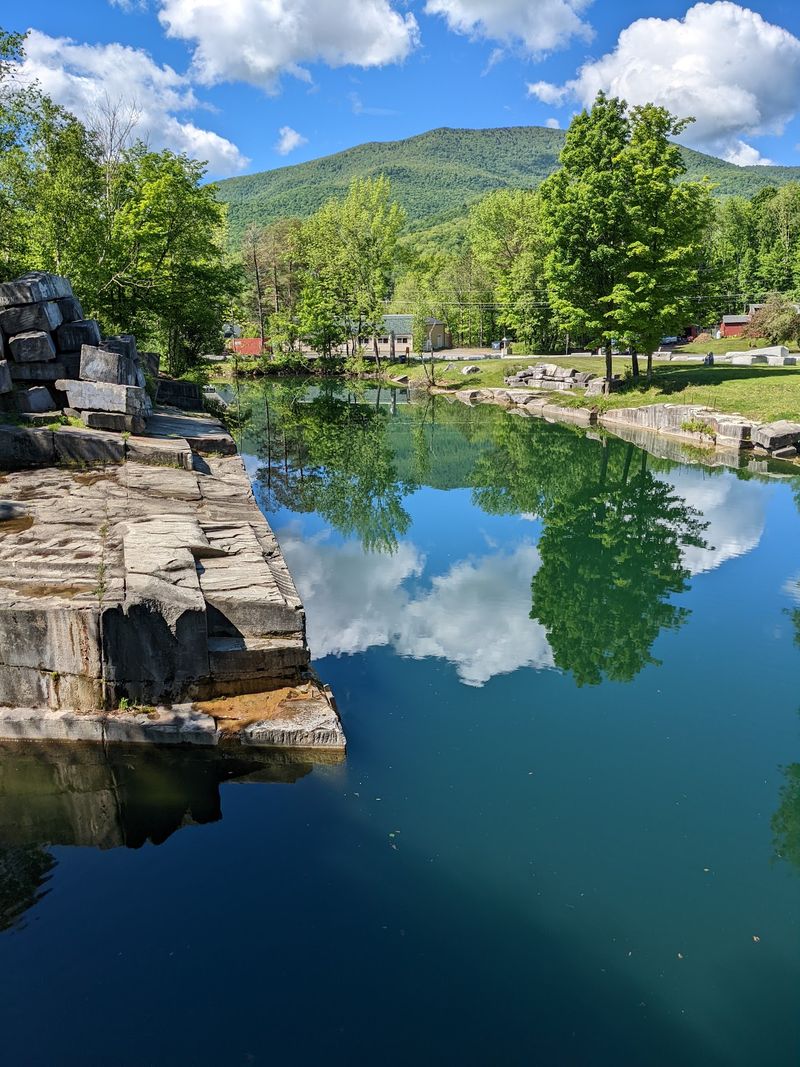
You’ll believe it when you see it, but swimming inside an old marble quarry? Absolutely real. Dorset opened the first commercial marble quarry in the country back in 1785. That single decision shaped the entire town.
Marble pulled from these slopes was remarkably fine. It went into the New York Public Library and the Montreal Museum of Fine Arts.
Over the following century, dozens more quarries appeared across Dorset Mountain. The hillsides still show their marks.
Today the closed quarry on Route 30 draws swimmers on hot afternoons. Cool water sits between pale stone walls.
Nearby, the Danby Quarry remains active. It holds the title of largest underground marble quarry in the world.
The Dorset Marble House Project now operates as an artists’ residence. Creative work continues where industry once ruled.
Surrounding Green Mountains keep the scenery dramatic in every direction. Fall color here is especially rich.
Bring a towel, wear shoes with grip, and treat the quarry with respect. Locals appreciate careful guests. Geology, art, and history collide in Dorset, and the combination is unforgettable.
11. Bristol
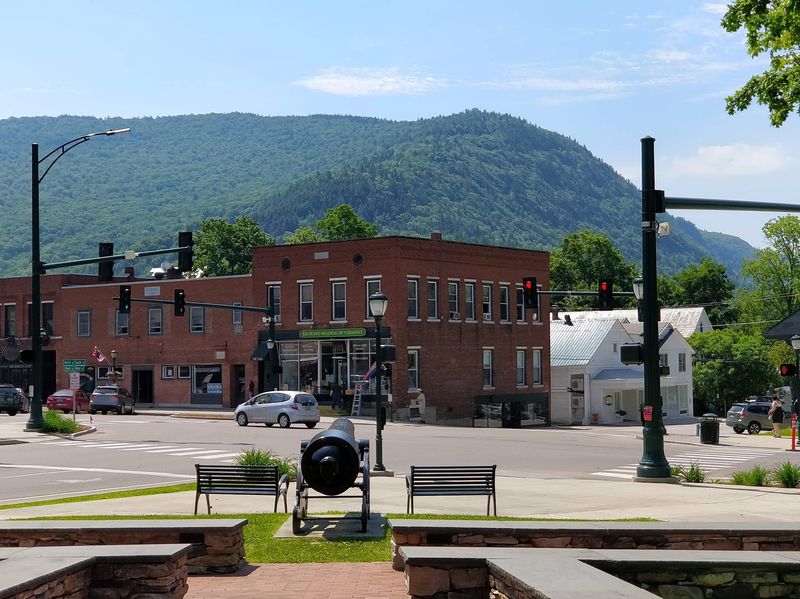
That’s a bit of a stretch, don’t you think, fitting this much personality into one village? Chartered in 1762, Bristol sits in the Champlain Valley below the mountains.
Locals call it the Gateway to the Green Mountains.
Main Street is a browser’s dream, packed with independent boutiques. Vermont HoneyLights sells handcrafted beeswax candles at 22 Main St.
Art on Main at 25 Main St. carries Vermont-made home goods. Vermont Marketplace at 19 Main St. stocks local products worth hauling home.
Recycled Reading of Vermont mixes books with musical instruments. The whole street hums with creative energy.
Summer belongs to Bristol Falls, also called Bartlett Falls or the New Haven River Gorge. A 14-foot waterfall feeds deep swimming holes.
Memorial Park adds picnic areas beside a roaring waterfall on Baldwin Creek. Shade and sound make it a great lunch stop.
The Green Mountain National Forest surrounds town with nearly 400,000 acres of recreation. Trails go on forever.
Summer band concerts fill the town green, and the Bristol Harvest Festival closes out the season. Small streets, big mountains, and a community that clearly loves where it lives.