8 Chilling Ghost Stories And Haunted Mountain Legends In North Carolina
Some places hold onto their stories a little tighter after dark. In North Carolina, those stories often drift through mountain hollows, quiet bridges, and stretches of road where the past never seems fully settled.
The state’s mountains, coastlines, and back roads are tied to dozens of legends that locals have repeated for generations.
Some tell of strange lights appearing over remote ridges. Others describe ghostly trains, vanished travelers, or sounds that echo through the woods long after midnight.
Many of these tales blur the line between history and folklore. A few are connected to real events, old railroad lines, or long-forgotten communities.
Others remain unexplained, passed down simply because people swear they have seen something unusual.
What makes these stories endure is how closely they are tied to the landscapes of North Carolina. Foggy mountain overlooks, quiet valleys, and empty rural roads all seem to add another layer to the mystery.
If you have ever wondered what might be hiding in the shadows of the Tar Heel State, this list explores North Carolina’s most chilling ghost stories and mountain legends. Some are eerie. Some are strange. All of them have become part of the state’s folklore.
1. Brown Mountain Lights, Burke County
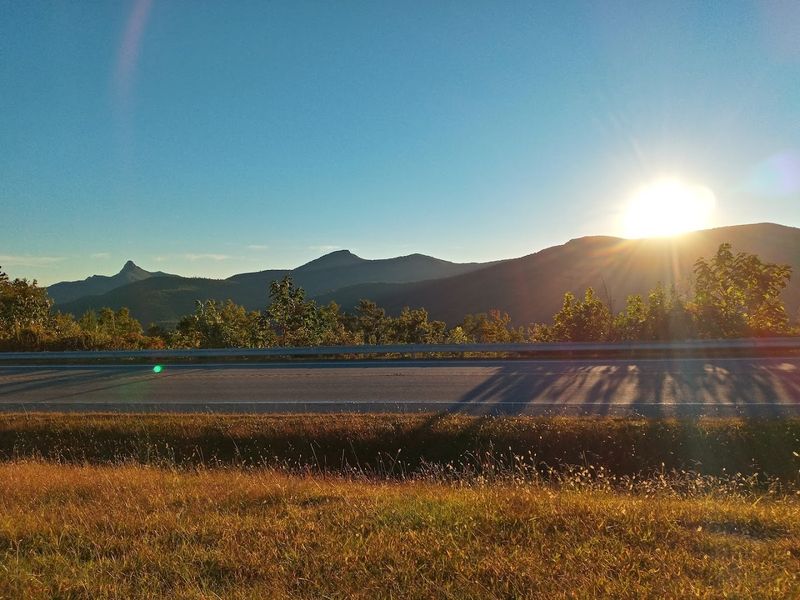
Strange lights drifting over the mountains have fascinated observers in western North Carolina for generations. The phenomenon is known as the Brown Mountain Lights, and it remains one of the region’s most enduring mysteries.
Witnesses have described glowing orbs appearing above Brown Mountain on clear evenings. The lights seem to hover, move slowly, and sometimes pulse before fading back into the darkness.
Stories about the lights reach far back into local history. Cherokee oral tradition offers one of the earliest explanations, describing the glow as spirit torches carried by warriors searching for companions lost in battle.
Scientists have suggested several possible causes over the years. Some theories point to natural gases, electrical activity in the atmosphere, or distant reflections from train headlights. None of these explanations has fully settled the debate.
Government researchers even attempted formal investigations in the early twentieth century. The U.S. Geological Survey studied the lights in 1913 and again in 1922, yet the reports failed to produce a definitive answer.
Brown Mountain sits within the forests of the Blue Ridge region in Burke County. Overlooks along the Blue Ridge Parkway and places like Wiseman’s View provide clear vantage points for anyone hoping to glimpse the phenomenon after dark.
Warm summer nights often draw curious visitors to the ridgelines. People wait quietly as darkness settles over the mountains, watching the distant horizon for the first faint glow to appear.
2. Lydia’s Bridge Ghost, Jamestown
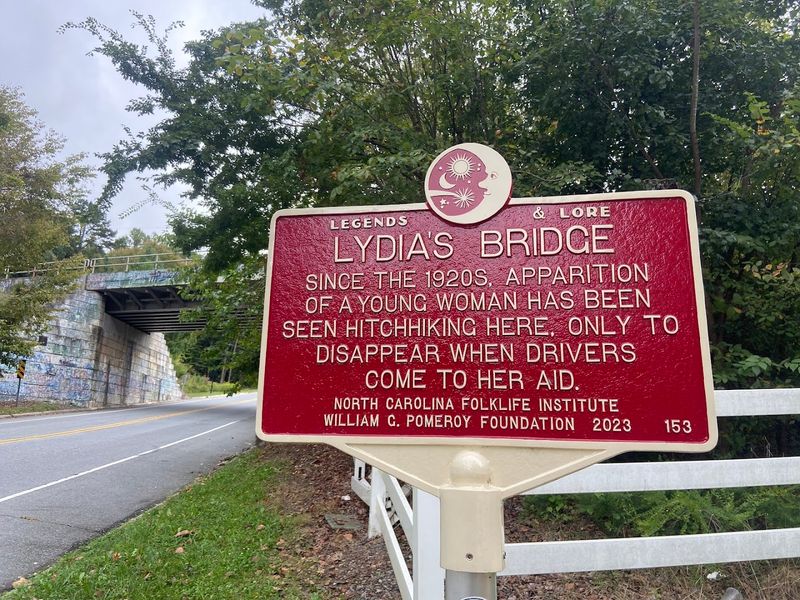
Greensboro is often recognized for its civil rights landmarks and thriving arts community. Yet just outside the city, in Jamestown, one quiet bridge carries a far more unsettling reputation after dark.
Locals refer to the site as Lydia’s Bridge, a crossing on E Main St that has inspired one of the region’s most persistent ghost stories.
According to the legend, a young woman named Lydia passed away in a car accident there sometime in the 1920s while returning home from a dance.
Stories that followed share a familiar but eerie pattern. Drivers traveling the road late at night sometimes report seeing a young woman in a white dress standing alone near the bridge.
In the tale, a passing motorist offers her a ride. The woman quietly gives an address, only to disappear from the car before the destination is reached.
Some versions continue with an even stranger twist. When the driver knocks at the house she mentioned, a family member reportedly explains that their daughter had passed years earlier near that same bridge.
Folklorists recognize this narrative as a version of the “vanishing hitchhiker,” a well-known motif in American ghost lore. What gives Lydia’s story its staying power is how firmly it is tied to a specific place in Guilford County.
Small details shift depending on who tells the story. The year may change, the road name might vary, and the accident sometimes takes on new elements. Those variations only seem to strengthen the legend as it passes from one generation to the next.
3. Demon Dog Of Valle Crucis, Watauga County
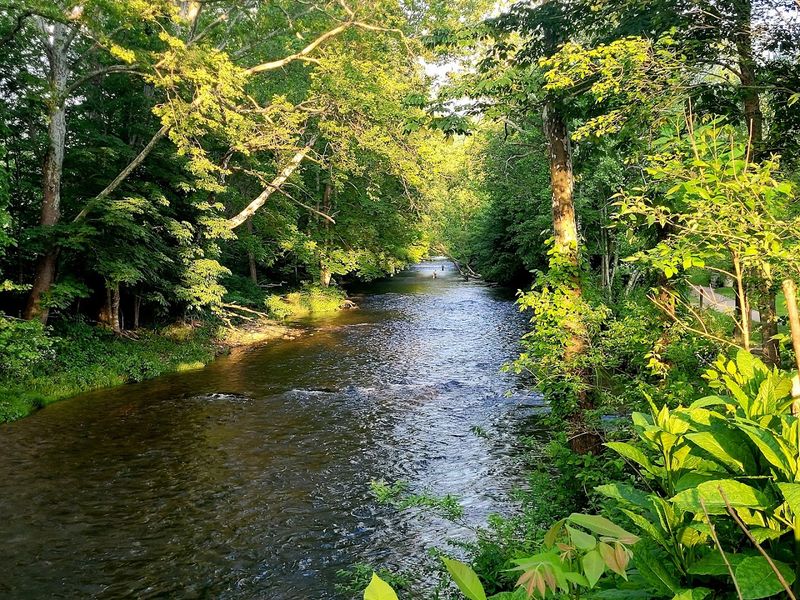
Valle Crucis is usually associated with peaceful mountain scenery and the historic Mast General Store. Beneath that quiet image, however, one local legend has unsettled residents for generations.
The story centers on St. John’s Episcopal Church, one of the oldest churches in the North Carolina mountains. Witnesses over the years have claimed to encounter a massive black dog near the church grounds.
Descriptions of the creature are strikingly similar. People report a dog far larger than any normal animal, with glowing red eyes and a presence that feels unnatural in the stillness of the cemetery.
Most sightings cluster around the old graveyard beside the church. According to local accounts, the animal moves silently among the headstones before disappearing without leaving any trace.
Folklore scholars often connect the story to older traditions from Britain and Appalachia. In those traditions, black dogs frequently appear as supernatural figures linked to crossroads, graveyards, and the boundary between the living world and the unknown.
Different interpretations circulate in the community. Some believe the creature acts as a guardian spirit watching over the cemetery, while others describe it as a warning meant to keep trespassers away.
The landscape of Valle Crucis adds to the legend’s atmosphere. Narrow mountain roads, dense hardwood forests, and the quiet presence of covered bridges create a setting that easily fuels stories passed down through generations.
In the North Carolina high country, the tale of the Demon Dog of Valle Crucis continues to linger alongside the region’s long tradition of mountain folklore.
4. Paint Rock Legend, Madison County
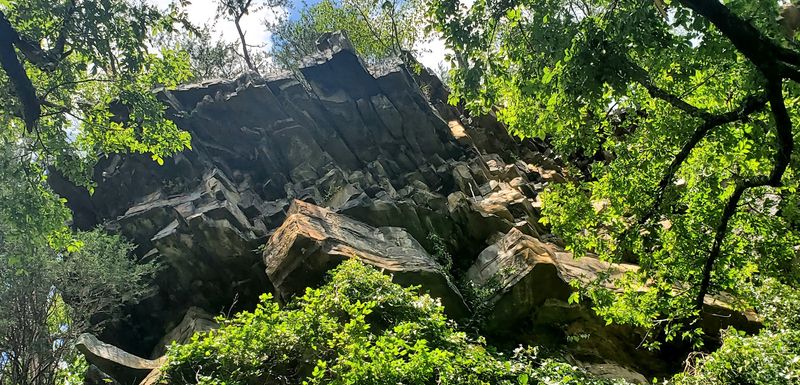
Along the banks of the French Broad River in Madison County, a towering cliff face rises from the water with markings that have intrigued visitors for generations.
The place is known as Paint Rock, and its presence carries both historical and spiritual weight in the mountains of western North Carolina.
Long before European settlers entered the region, the site held deep cultural meaning for the Cherokee people. The rock face bears ancient painted symbols that have been preserved in stories and traditions tied to the surrounding landscape.
Legends surrounding the cliff grew over time. Some local stories claim the markings were left by supernatural forces, while others suggest the rock marks a boundary between the human world and something older hidden within the mountains.
Cherokee oral traditions often speak of spiritual guardians connected to the site. According to these stories, misfortune may follow anyone who damages the stone or treats the place with disrespect.
Early settlers added their own accounts to the lore. Reports circulated during the 1800s describing strange lights, unusual sounds, and the unsettling sense of being watched while camping nearby.
The natural setting reinforces the mystery. The French Broad River rushes past the base of the cliff, its dark current echoing against the rock walls as it flows toward the Tennessee border.
Paint Rock sits in a remote corner of the mountains, far from busy towns and highways. Visitors who pause along the riverbank encounter a place where history, belief, and landscape blend into a single enduring legend.
5. USS North Carolina Hauntings, Wilmington

The silhouette of a massive battleship anchored in the Cape Fear River is hard to miss when visiting Wilmington.
The USS North Carolina stands there today as both a World War II memorial and one of the most recognizable landmarks on the North Carolina coast.
Commissioned in 1941, the ship served throughout the Pacific during World War II. Over the course of its service, the battleship earned fifteen battle stars and developed a reputation as one of the most formidable naval vessels of its time.
Life aboard the ship during wartime was demanding and often dangerous. The vessel witnessed combat operations that left lasting impressions on the crew who served within its steel hull.
After the war, the ship eventually found a new purpose as a museum and memorial. Since opening to the public in 1962, the USS North Carolina has welcomed generations of visitors exploring its decks and interior compartments.
You can visit it at the aptly named 1 Battleship Rd NE, Wilmington, NC 28401.
Over the years, staff members and guests have shared accounts of unusual experiences inside the ship.
Reports include unexplained footsteps echoing through empty passageways, shadowy figures appearing briefly in engine rooms, and the sensation of someone moving through otherwise silent corridors.
One story frequently repeated among visitors involves the sighting of a young sailor. Witnesses describe the figure as appearing solid and lifelike before disappearing suddenly when approached.
The interior of the battleship adds to the atmosphere. Narrow hallways, low lighting, and machinery-filled compartments create an environment that easily fuels the imagination.
Wilmington itself carries deep historical layers, from colonial architecture to Civil War sites. The USS North Carolina fits naturally into that landscape, standing as a reminder that the past can linger in unexpected ways.
6. Helen’s Bridge, Asheville
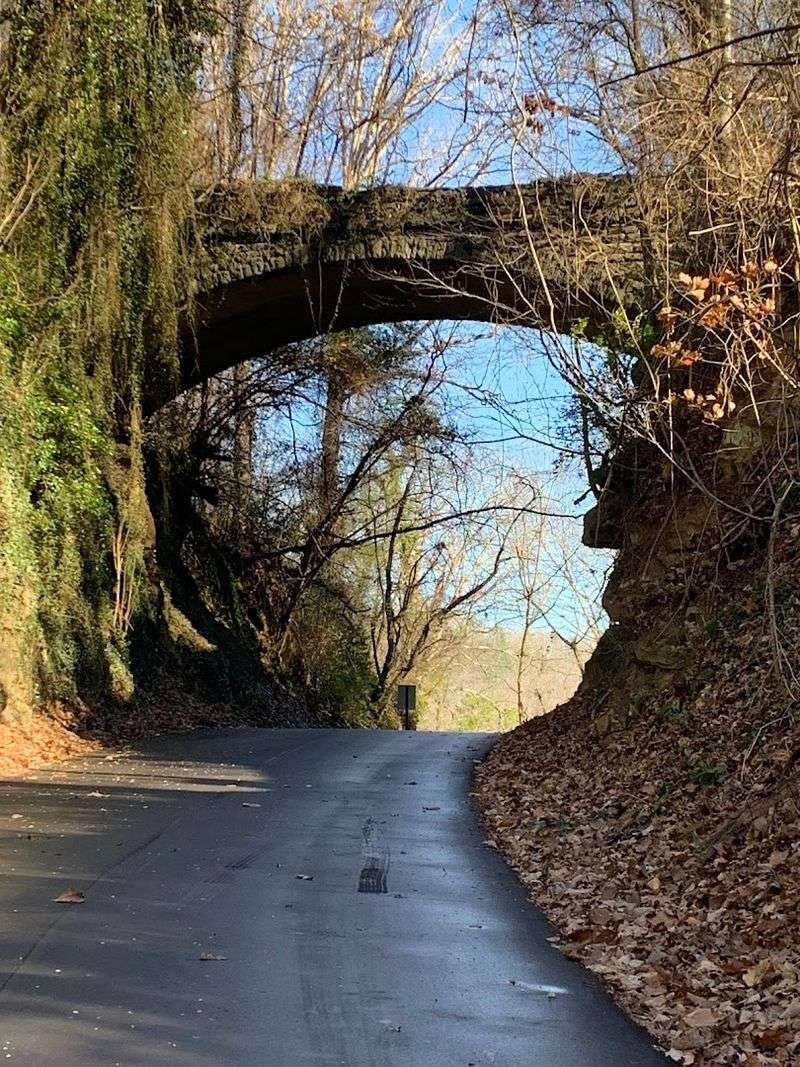
Quiet residential streets wind through Asheville’s Zealandia neighborhood, where an old stone bridge carries one of the city’s most enduring ghost stories.
Known locally as Helen’s Bridge, the structure has developed a reputation that stretches back more than a century.
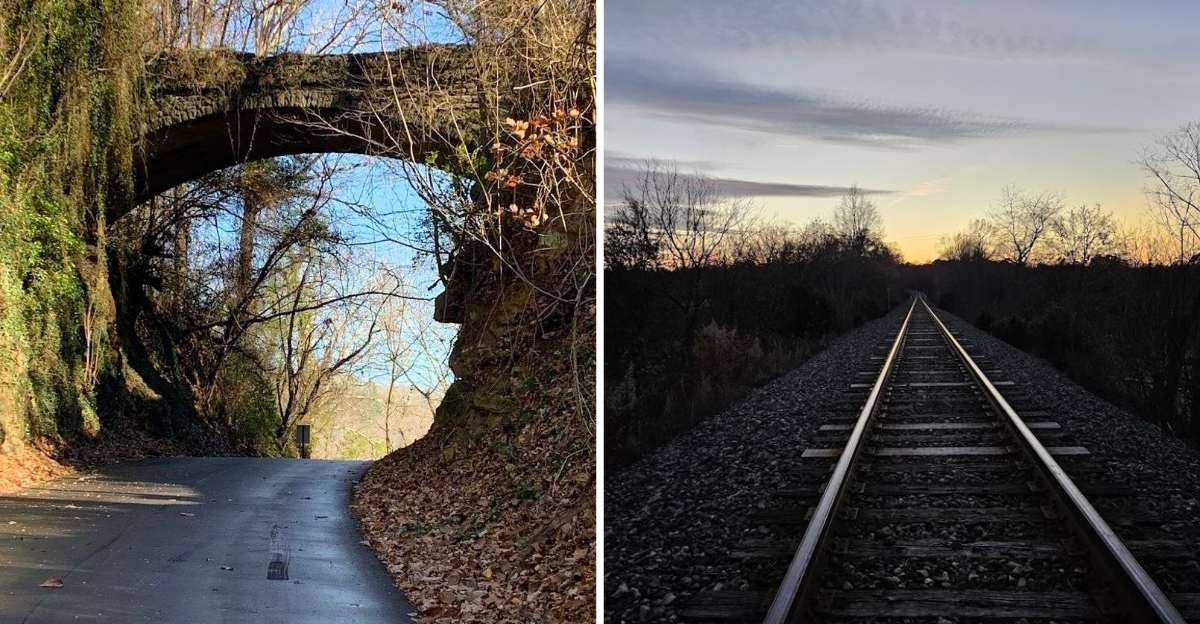
The bridge stands along Beaucatcher Mountain and streches over College St, Asheville, NC 28801. It dates to the early 1900s. Over time, local folklore attached a tragic legend to the site.
According to the story, a grieving woman named Helen lost her daughter in a devastating house fire. Overcome with sorrow, she is said to have met a tragic end from the bridge.
Stories claim that Helen’s spirit never left the area. Some residents say the ghost of a woman still wanders the bridge at night, searching for the child she lost.
Visitors who come after dark often share unusual experiences. Reports include sudden car trouble, cold spots in the surrounding air, and faint whispering sounds that seem to come from the trees.
Others describe seeing a lone figure standing near the bridge before disappearing into the darkness. Whether these sightings are imagination, folklore, or something harder to explain remains part of Asheville’s ongoing mystery.
Even today, Helen’s Bridge draws curious visitors who arrive quietly after sunset, wondering if the legend might reveal itself in the shadows.
7. Omni Grove Park Inn Pink Lady, Asheville
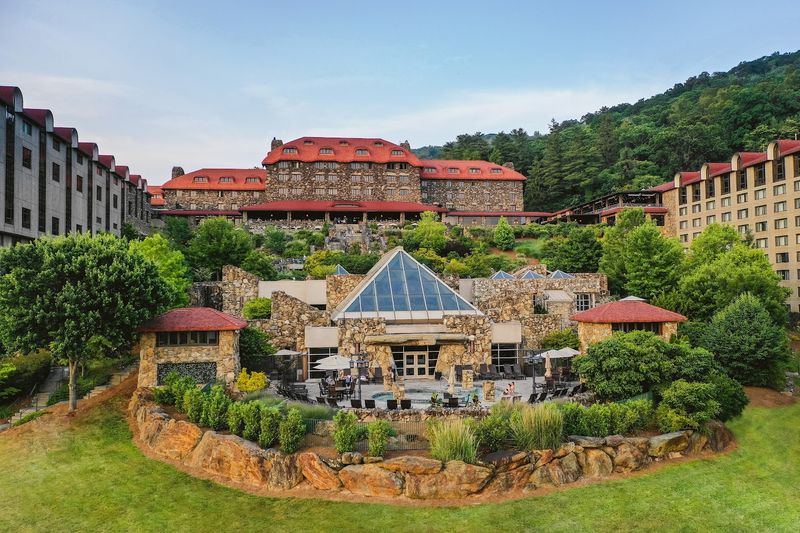
The Omni Grove Park Inn rises above Asheville with sweeping views of the Blue Ridge Mountains and a reputation that blends luxury with legend.
Since opening in 1913, at 290 Macon Ave, Asheville, NC 28804, the historic resort has welcomed generations of visitors, but one story connected to the hotel continues to linger long after checkout time.
The tale centers on a figure known as the Pink Lady. According to local accounts, she was a young woman who passed after falling from the fifth floor of the hotel sometime in the early twentieth century.
Over the years, witnesses have described seeing a faint pink glow moving quietly through certain hallways, which gave the spirit its memorable nickname.
Guests and employees have shared similar reports across decades. Some describe lights flickering without explanation, objects shifting from where they were placed, or the subtle feeling that someone unseen is nearby.
Room 545 is mentioned often in these stories. Visitors staying there occasionally claim to notice unusual disturbances or small details that seem difficult to explain.
Rather than ignore the legend, the hotel has woven it into its identity. Seasonal events and Halloween celebrations sometimes highlight the Pink Lady story, adding another layer of intrigue to one of Asheville’s most historic destinations.
8. Bostian Bridge Ghost Train, Iredell County
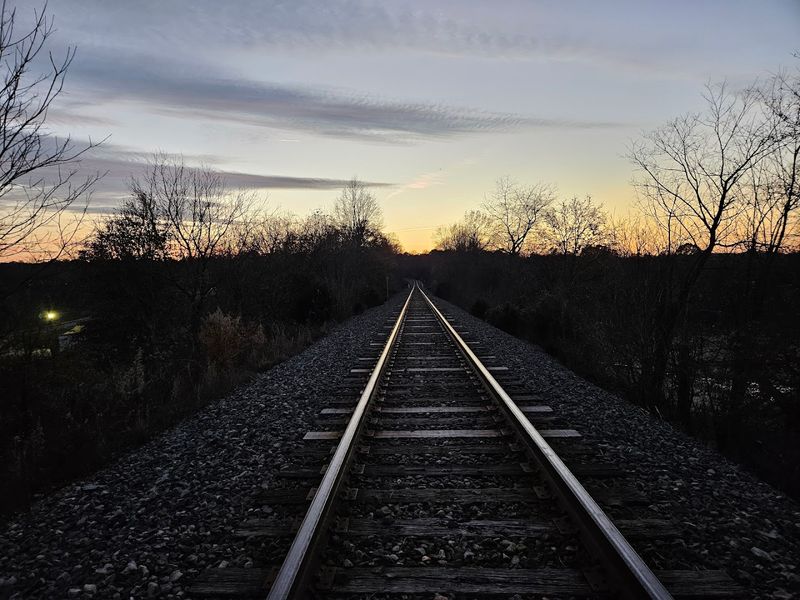
Late in the summer of 1891, a passenger train crossing Third Creek in Iredell County met with sudden disaster. The derailment sent railcars tumbling from Bostian Bridge into the water below.
It marked one of the most tragic railroad accidents in North Carolina history.
The crash occurred on August 27, 1891, when a train traveling across the bridge left the tracks and plunged into the creek. Dozens of passengers were injured, and several lost their lives in the wreck.
Over time, the tragedy became the foundation for a persistent local legend. Some residents claim that each year on the anniversary of the crash, strange sounds return to the bridge area.
Reports describe echoes of a phantom train, metal grinding against rails, and distant cries carried through the night air.
Stories surrounding the site often mention Nicholas Bostian, the conductor of the original train. According to local accounts, his apparition sometimes appears near the bridge holding a pocket watch, as if marking the moment when the disaster unfolded.
The legend gained renewed attention in 2010 when a group of paranormal enthusiasts gathered near the bridge on the anniversary night.
A real train struck several members of the group, resulting in injuries and one fatality. The incident served as a stark reminder that the active railroad line is not safe for visitors.
Bostian Bridge remains a functioning rail structure at 946 Buffalo Shoals Rd, Statesville, NC 28677, and unauthorized access is both illegal and dangerous. Still, the combination of documented tragedy and generations of storytelling keeps the legend alive in Iredell County.
The surrounding landscape of rolling Piedmont farmland feels quiet during the day. At night, when a distant train whistle carries across the fields, the story of the bridge often returns to local conversation.