Classic California Desserts Everyone Should Try At Least Once
Dessert memories tend to stick around for a reason.
In California, a few sweet favorites have earned that kind of staying power, showing up in bakery cases and roadside stops with the kind of familiarity people never seem to outgrow.
Some feel tied to sunshine and celebration. Others carry a quieter comfort, the sort of treat that can make an ordinary afternoon feel a little more special.
What makes a dessert classic is not only the flavor. It is the feeling wrapped up with it, the way one bite can seem instantly recognizable even if you are trying it for the first time.
California has plenty of modern sweets chasing attention, but these are the desserts that already know they belong.
1. It’s-It Ice Cream Sandwich
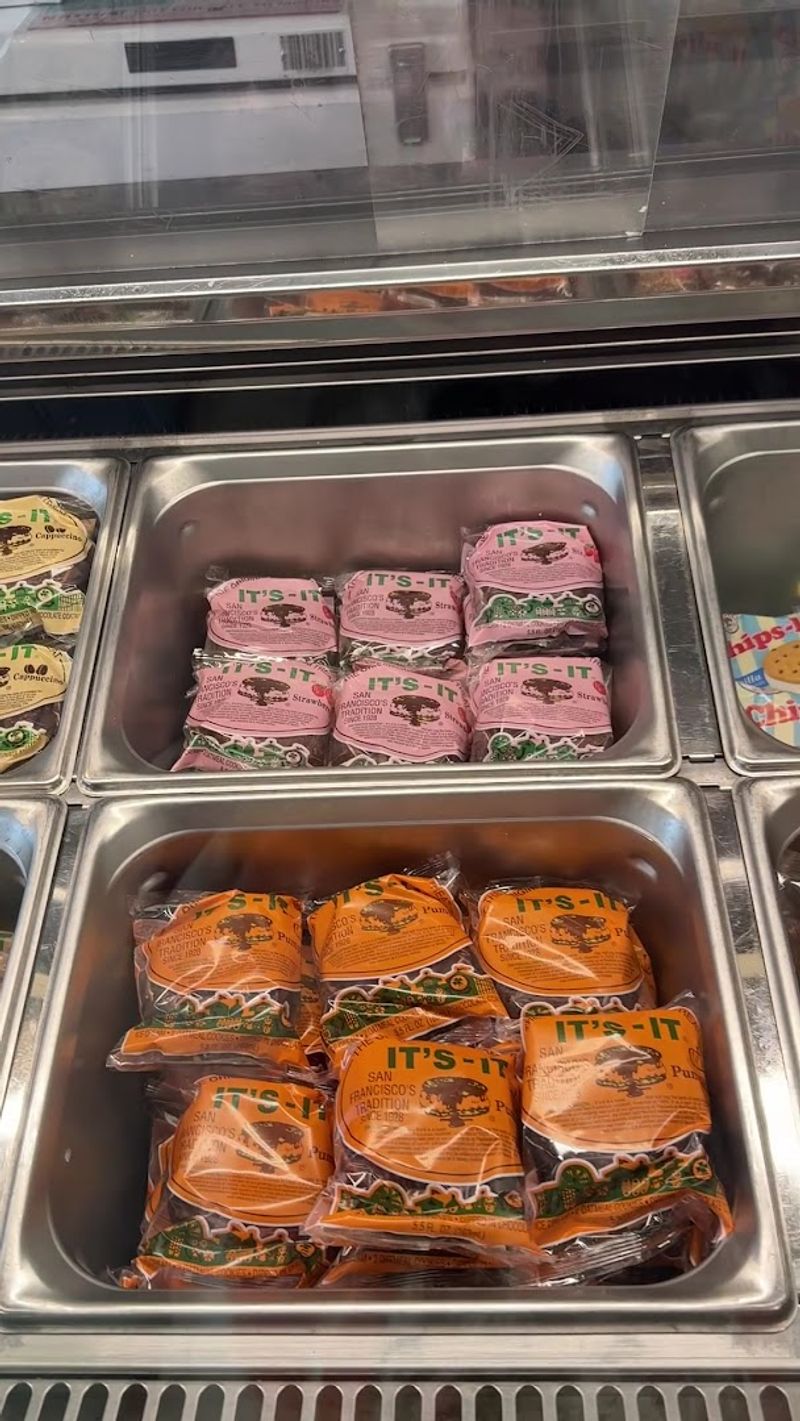
Back in 1928, a clever concession stand at a San Francisco amusement park started serving something that nobody had quite seen before: vanilla ice cream sandwiched between two oatmeal cookies and dipped in dark chocolate.
That combination became the It’s-It, and nearly a century later it still holds the title of one of the Bay Area’s most beloved frozen treats.
The contrast of textures is a big part of the appeal.
The oatmeal cookies have a slight chewiness that holds up against the cold ice cream, and the dark chocolate shell adds a satisfying snap with every bite. It’s a simple combination but one that clearly works.
Today, It’s-It Ice Cream Company produces the sandwiches in a range of flavors beyond the original vanilla, including mint, cappuccino, and strawberry.
They’re sold at grocery stores and convenience shops throughout California and beyond. Still, there’s something extra satisfying about eating one near the waterfront in San Francisco, where the whole tradition started.
The brand itself describes the original as a legend of the city, and that description is hard to argue with after one bite.
2. Coachella Valley Date Shake
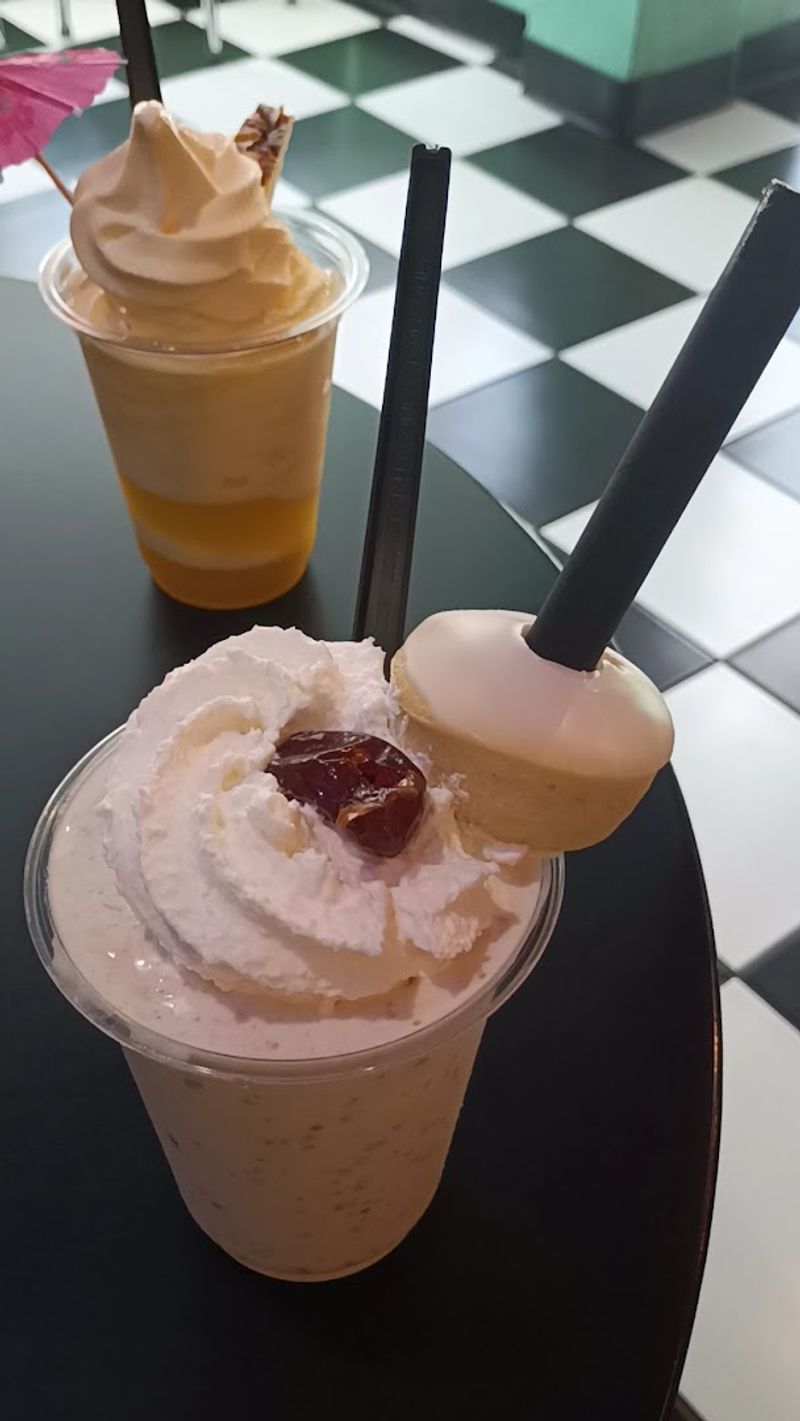
Somewhere between a milkshake and a dessert, the date shake is one of the most distinctly Californian things you can order in the Coachella Valley.
Made by blending Medjool dates with vanilla ice cream, the result is a thick, caramel-sweet drink that tastes like it was made for a hot afternoon under the desert sun.
The shake’s roots run deep in the region’s agricultural history.
Date palms were introduced to the Coachella Valley in the late 1800s and early 1900s, and the area around Indio and Palm Springs became one of the most productive date-growing regions in North America.
Turning the fruit into a shake was a natural and delicious extension of that harvest.
Shields Date Garden in Indio is one of the oldest and most recognized spots for experiencing this tradition.
The garden has been in operation since 1924 and continues to offer date shakes as a signature product. The shakes are dense and sweet in a way that feels genuinely earned, not manufactured.
For anyone road-tripping through the desert stretch of Southern California, stopping for one of these is the kind of small detour that becomes a lasting memory.
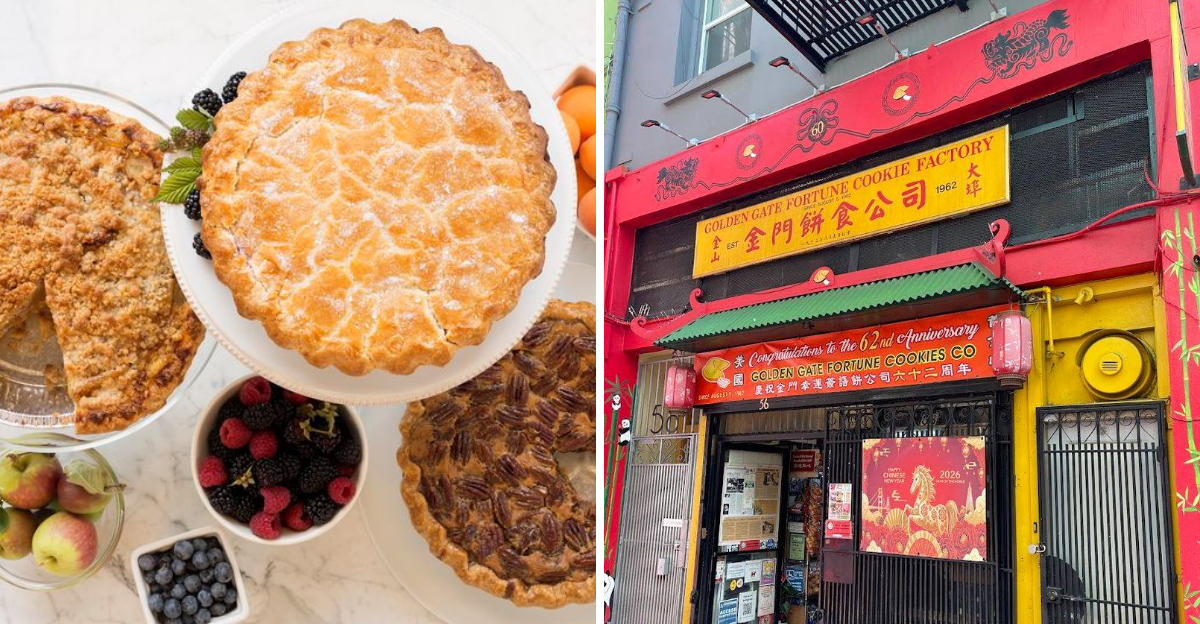
3. Boysenberry Pie from Knott’s Berry Farm
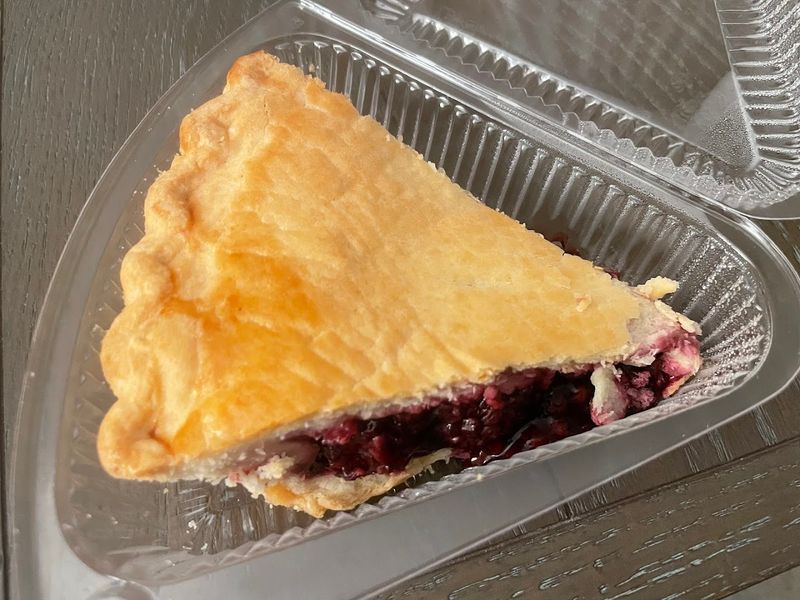
The boysenberry has one of the most California-specific origin stories of any fruit.
Walter Knott cultivated the berry in the 1930s by crossbreeding raspberries, blackberries, and loganberries on his farm in Buena Park, and the result was a deep purple fruit with a rich, slightly tart flavor that turned out to be perfect for pie.
What started as a roadside farm stand eventually grew into Knott’s Berry Farm, now one of the most visited theme parks in the country. But the pie has never left.
The berry itself is still central to the Knott’s identity, and the annual Boysenberry Festival celebrates the fruit with everything from savory dishes to sweets. The pie remains the most iconic expression of the berry.
A slice of boysenberry pie has that deep, jammy filling that sits somewhere between sweet and tangy, wrapped in a buttery crust that flakes when you press a fork through it.
Knott’s still sells the pies at its Mrs. Knott’s Chicken Dinner Restaurant, which has been a fixture at the park for decades.
For anyone curious about California food history, a bite of this pie connects you directly to the story of how a humble berry farm grew into something much larger.
4. Ghirardelli Hot Fudge Sundae
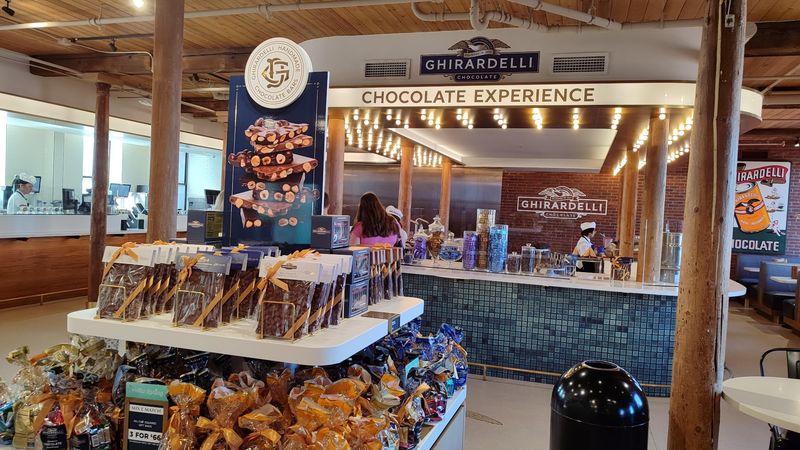
Hot fudge sundaes exist everywhere, but there is something about eating one at Ghirardelli Square in San Francisco that makes the experience feel like a genuine occasion.
The flagship chocolate shop sits at the northern edge of the city near the waterfront, and it has been drawing visitors for the kind of indulgent treat that feels both classic and celebratory.
Ghirardelli as a chocolate company dates back to 1852, making it one of the oldest continuously operating chocolate manufacturers in the United States.
The hot fudge used in the sundaes is made in-house, and it pours thick and glossy over generous scoops of ice cream.
The combination of warm fudge and cold cream creates that familiar contrast that makes a sundae feel like more than just a dessert.
The Original Ghirardelli Ice Cream & Chocolate Shop is located at 900 North Point Street in San Francisco.
The space inside is bright and lively, with the kind of energy that comes from a room full of people sharing something sweet.
The sundae menu offers several variations, but the classic hot fudge version remains the one that most people come specifically to order.
Lines can form on weekends and during tourist season, so arriving during a weekday morning or early afternoon tends to make the visit a bit more relaxed.
5. See’s Candies Chocolates
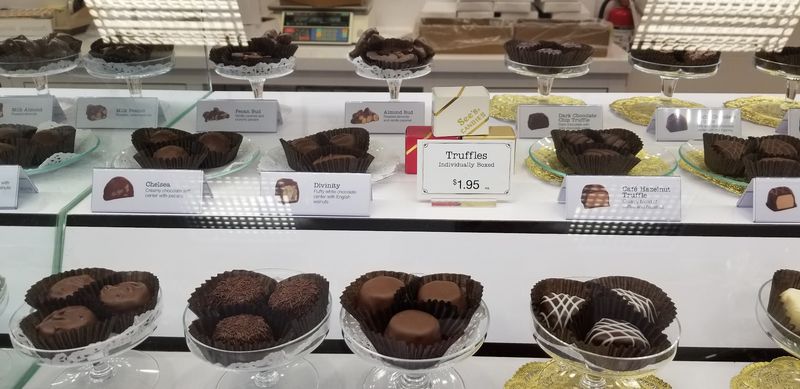
Not every California dessert comes on a plate. See’s Candies has been a fixture of California sweet culture since 1921, when Charles See opened the first shop in Los Angeles using his mother’s candy recipes.
The brand’s black and white packaging and the faint smell of chocolate that drifts out of every shop entrance have become genuinely iconic in the state.
What sets See’s apart from generic boxed chocolates is the consistency of the product and the ritual of choosing.
Walking into a See’s shop and selecting pieces one by one from the display case is its own kind of experience.
The lollypops, the peanut brittle, the bordeaux squares, and the scotchmallows each have devoted fans who have been ordering the same pieces for decades.
See’s now operates locations throughout California and across the country, but the brand still carries that unmistakable California origin story in everything it does.
Gifting a white box of See’s is a tradition that crosses generations in many California families.
The chocolates are made without artificial preservatives, which the company has maintained as a standard since its founding.
6. Balboa Bar or Frozen Banana in Newport Beach
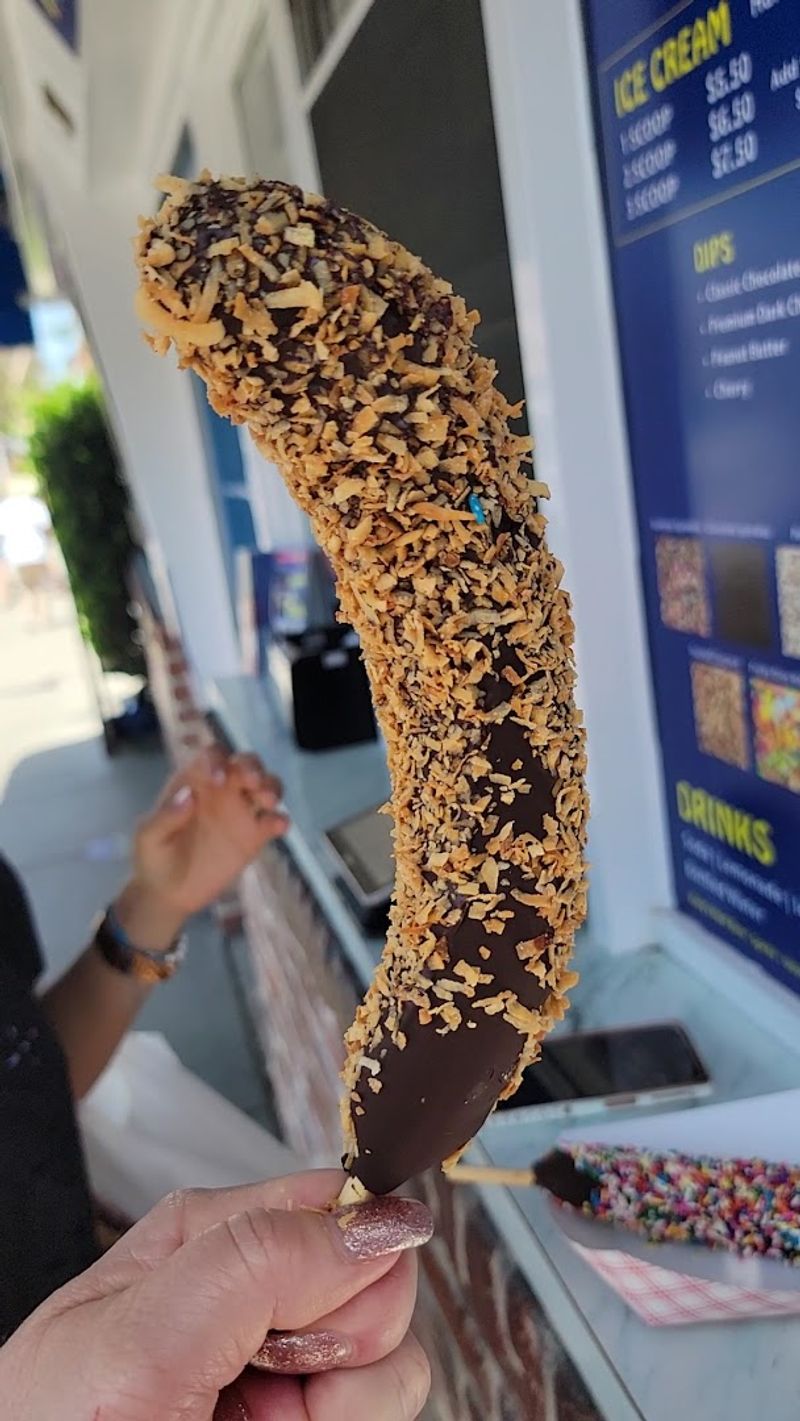
There is a particular kind of summer happiness that comes with eating a frozen banana on Balboa Island in Newport Beach.
The idea is straightforward: a banana on a stick, dipped in chocolate and rolled in toppings like nuts, sprinkles, or coconut. But the simplicity is exactly what makes it work so well on a warm afternoon near the water.
Sugar ‘n Spice on Balboa Island has long been associated with this tradition and describes itself as the original frozen banana and Balboa Bar parlor on the island.
The Balboa Bar is a similar concept, with a rectangular block of ice cream dipped in chocolate and rolled in toppings of your choice.
Both treats have been part of the Newport Beach summer experience since the mid-twentieth century.
Sugar ‘n Spice is located at 310 Marine Avenue in Newport Beach. The shop is small and unpretentious, with a walk-up counter and the kind of casual energy that fits perfectly with a beach-town afternoon.
The frozen banana is the kind of treat that photographs well but tastes even better than it looks.
Visiting on a weekday keeps the wait shorter, but even a line here tends to move quickly and adds to the nostalgic boardwalk feeling of the whole experience.
7. Lemon Chiffon Pie
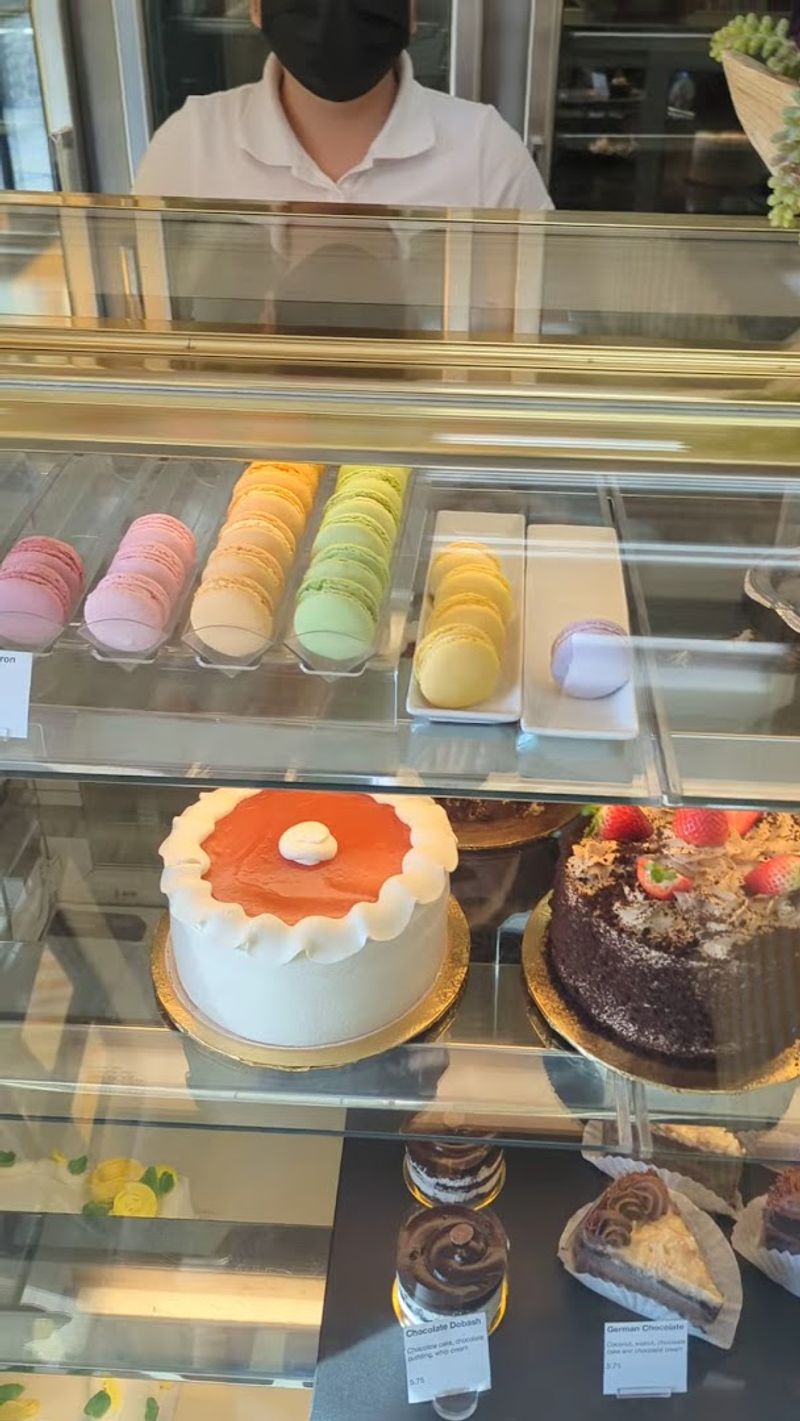
Chiffon pie has a genuinely glamorous origin story.
Multiple food historians trace the dessert’s debut to Los Angeles in the 1920s, where its light, mousse-like filling and elegant presentation made it a natural fit for the Hollywood-era dining culture of the time. The lemon version became the most enduring of all the variations.
Unlike a dense custard pie, lemon chiffon achieves its texture through folded egg whites, which give the filling a soft, almost cloud-like quality.
The flavor is bright and citrusy without being sharp, and the contrast between the airy interior and the buttery crust is what keeps people coming back to it. It manages to feel both indulgent and refreshing at the same time.
California’s lemon-growing heritage makes this pie feel especially at home in the state.
Lemons have been cultivated in Southern California since the 1800s, and the fruit has shaped the region’s food culture in lasting ways.
Many California bakeries and diners still carry lemon chiffon pie as a seasonal or year-round offering, and it tends to appear at family gatherings and old-school coffee shops in equal measure.
8. Fortune Cookie in San Francisco’s Chinatown
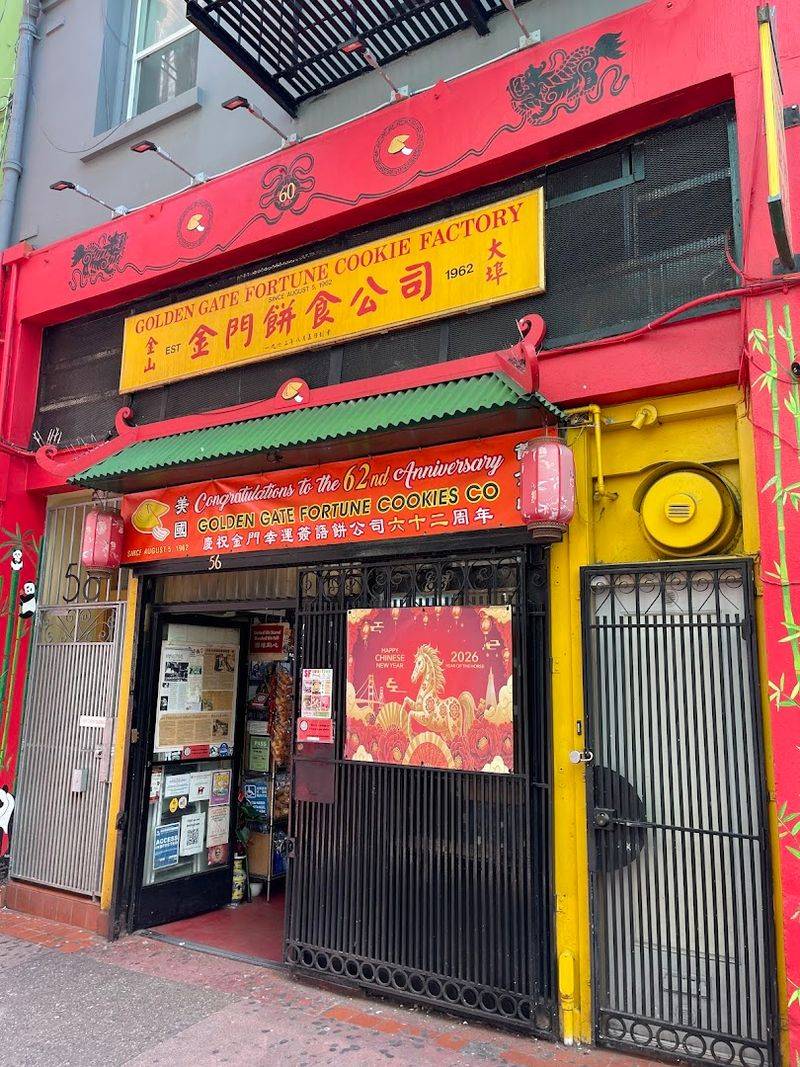
Fortune cookies carry one of the most debated origin stories in American food history, but California sits firmly at the center of the conversation.
San Francisco’s Golden Gate Fortune Cookie Factory has been handmaking them since 1962, and the factory remains one of the most visited and most authentic spots to see the process up close.
The factory is tucked into a narrow alley in San Francisco’s Chinatown, and watching the cookies being folded by hand over small fortune slips is a surprisingly meditative experience.
The cookies themselves are thin, lightly sweet, and warm when fresh, which is a very different experience from the dry, stale versions that come in restaurant takeout bags.
Fresh fortune cookies have a faint vanilla and sesame flavor that most people have never actually tasted.
Golden Gate Fortune Cookie Factory is located at 56 Ross Alley in San Francisco. The space is compact and open to visitors during operating hours, and a small fee allows for photographs inside.
The alley itself is one of the oldest in the city and has its own quiet, layered atmosphere that adds to the visit.
Buying a bag of fresh cookies here is one of those small, low-cost experiences that ends up being one of the most memorable parts of a trip through the neighborhood.
9. Olallieberry Pie on the Central Coast
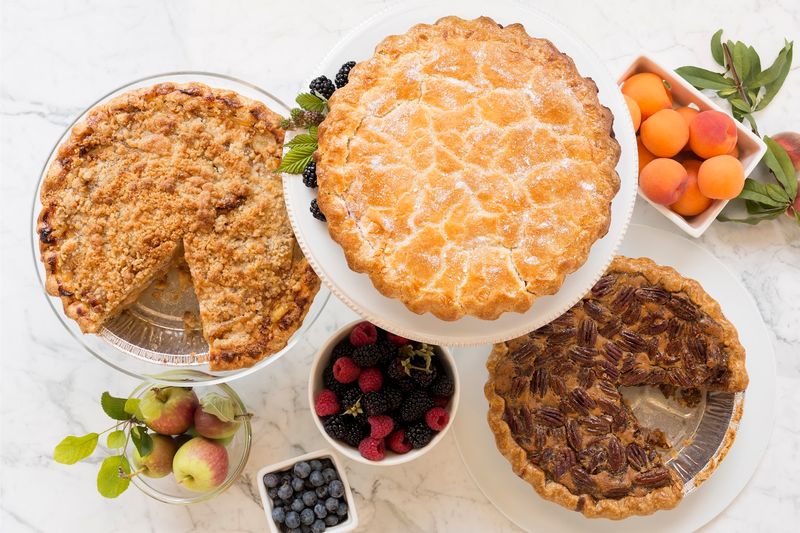
Olallieberries are not widely known outside of California, which is part of what makes a slice of olallieberry pie feel like a genuine local discovery.
The berry is a hybrid of the blackberry family, dark purple and intensely flavored, with a sweetness and depth that makes it one of the better pie fruits grown anywhere in the state.
The Central Coast is where this berry thrives and where the pie tradition is strongest.
Around Cambria and San Luis Obispo County, olallieberry pie shows up on menus as a point of regional pride rather than just a dessert option.
Linn’s Restaurant in Cambria has built much of its identity around the fruit, offering olallieberry pie as a centerpiece of its menu year after year.
The filling tends to be jammy and bold, with just enough tartness to keep it from feeling cloying.
Linn’s Restaurant is located at 2277 Main Street in Cambria. The atmosphere inside is warm and unpretentious, with the kind of comfort-food energy that makes a long Central Coast road trip feel worth every mile.
The pie is available by the slice or whole, and taking a whole pie home is a reasonable decision that most people do not regret.
Cambria itself is a small, charming coastal town that pairs well with a slow afternoon and a generous dessert.
10. Meyer Lemon Pie or Tart
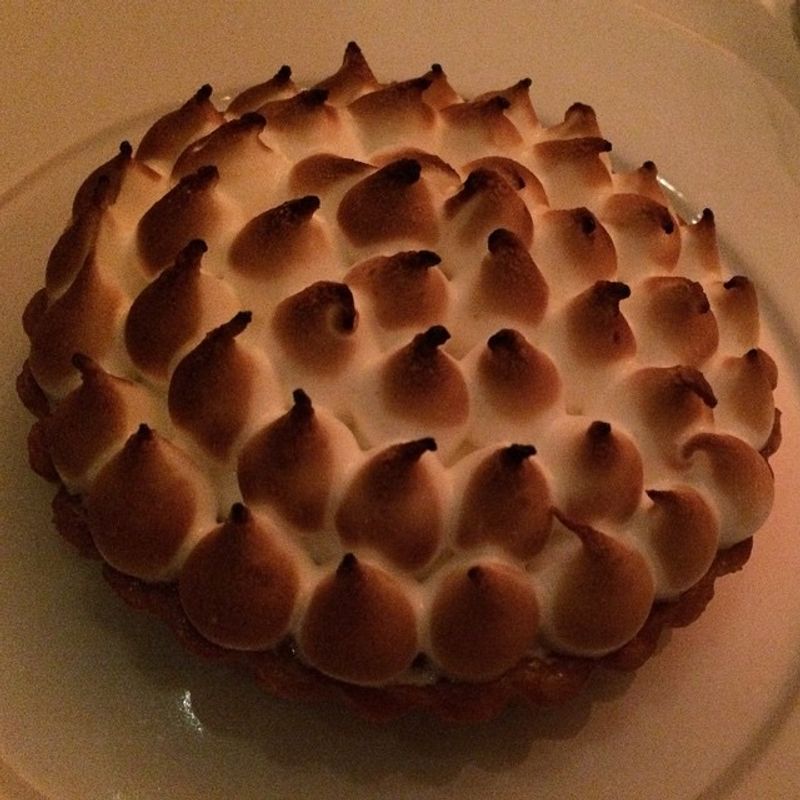
Meyer lemons arrived in California in 1908 and quickly became one of the state’s most beloved citrus fruits.
Sweeter and less acidic than standard lemons, with a thin skin and a floral aroma, the Meyer lemon produces a juice that tastes like sunshine translated into flavor.
Desserts made with Meyer lemons tend to carry a softness that regular lemon recipes simply cannot replicate.
A Meyer lemon pie or tart showcases that quality in the most direct way possible. The filling is smooth and custardy, with a brightness that feels clean rather than sharp.
The balance between sweet and tart in a well-made Meyer lemon tart is one of those flavor combinations that stays with you long after the last bite.
California farmers’ markets and artisan bakeries throughout the state tend to feature Meyer lemon desserts during the fruit’s peak season, which typically runs from late fall through early spring.
Finding a freshly made Meyer lemon tart at a weekend market in cities like Los Angeles, San Francisco, or Santa Barbara is not difficult, and the quality at small-batch bakeries tends to be exceptional.
For anyone who associates lemon desserts with sharp, face-puckering sourness, a slice of Meyer lemon pie tends to be a genuinely pleasant correction to that expectation.