Coal Still Burns Under This Pennsylvania Ghost Town, And You Drive Its Empty Streets
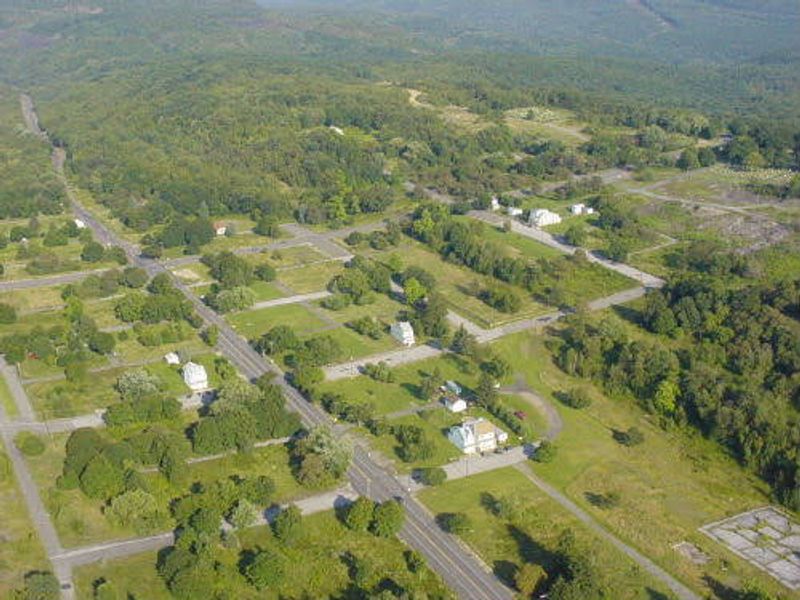
Smoke can drift out of cracks in the ground in one tiny Pennsylvania borough. The cause is an underground coal fire that started in 1962 and still hasn’t gone out.
About a thousand people lived there in 1980. By the 2020 census, the count had dropped to just five residents.
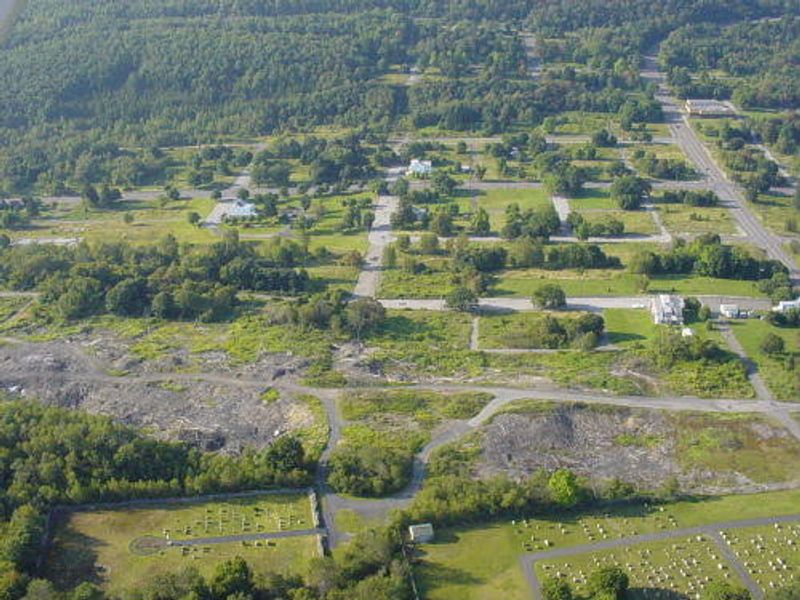
The houses are mostly gone, but the streets stayed behind. I can’t get over the fact that you can still drive that quiet grid, past curbs and driveways that lead to nothing at all.
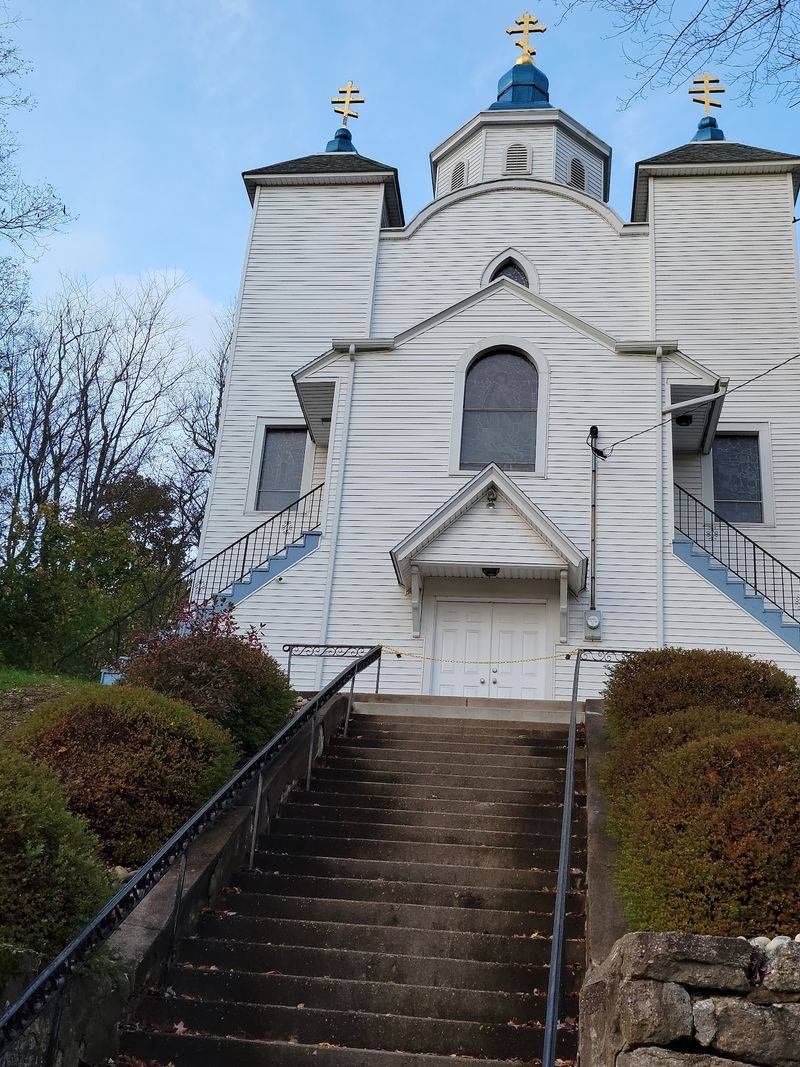
A church still sits on a hill above it, looking calmly over the empty blocks.
I believe it’s one of the strangest afternoon drives anywhere in the state. So how does a fire outlast an entire town, and what is left for you to see today?
A Borough Where The Map Outlived The Town
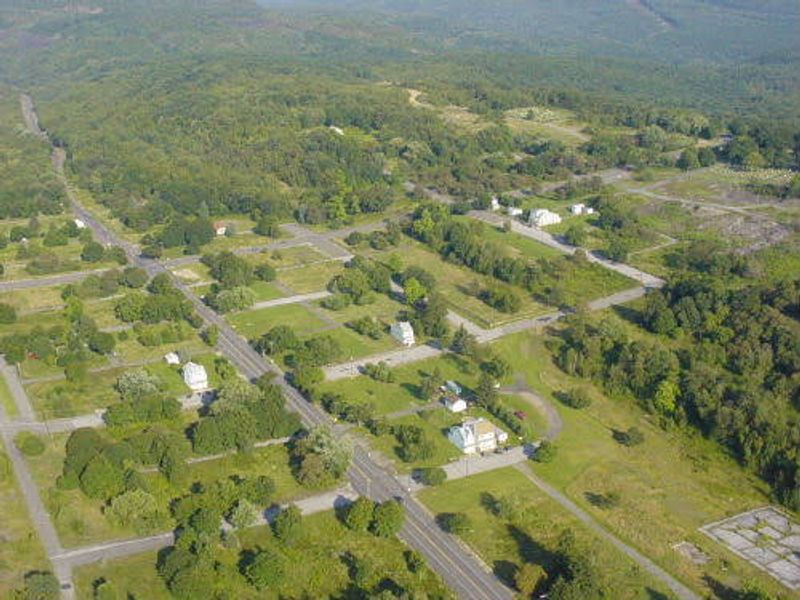
Centralia sits in Columbia County, Pennsylvania, in the heart of the state’s anthracite coal region. On paper it’s still a real borough, with a name, a government, and a tiny handful of residents.
In person, it feels more like a sketch of a town. The streets remain, laid out in a neat grid, but most of the buildings that once lined them are gone.
The reason sits underground. A coal mine fire has been smoldering beneath the borough since 1962, slowly working through old seams and tunnels.
The numbers tell the story fast. Around 1,000 people lived in Centralia in 1980, and the 2020 census recorded only five.
That collapse didn’t happen in one night. Families left over years as the fire spread, the ground grew unstable, and relocation programs bought out most properties.
What remains is a place you can actually drive through. You’ll pass street signs, sidewalks, and patches of open grass where homes and shops once stood.
It’s an odd mix of normal and not normal at all. Roads go somewhere, yet the neighborhood they served has quietly faded away.
For anyone curious about Pennsylvania’s coal history, few places make it feel this real. The whole story is written right into the landscape.
Coal Built Every Block Before The Fire Arrived
Long before anyone talked about smoke in the ground, coal was the thing that made Centralia matter. Anthracite, the hard and clean-burning kind, lay in thick seams beneath the hills here.
Mining drew workers and their families to the area in the 1800s. Collieries opened, homes went up, and the town grew into a busy community with churches, stores, and schools.
For generations, life here followed the rhythm of the mines. Shifts, paydays, and the whistle of the colliery shaped daily routines across the borough.
Many families had roots in Eastern Europe and Ireland. Their churches and traditions gave Centralia a strong sense of identity that lasted well into the twentieth century.
As the coal industry slowed down, the town shrank a bit, like many places in the region. Still, it held on as a tight-knit community with a few hundred homes.
Nobody living there expected the very resource that built the town to turn against it. Yet those same coal seams would become the path for a fire that refused to quit.
Knowing that backstory changes how the empty streets feel. Every vacant lot was once part of a working Pennsylvania mining town with plenty of life in it.
May 1962 And A Spark That Found The Coal Seams
Here’s the short version that historians still debate in the details. In May 1962, a fire connected to burning trash at a landfill site near town reached an exposed coal seam.
From there, it slipped underground. The old mine tunnels gave the fire air and fuel, letting it creep in several directions beneath the borough.
Crews tried to stop it more than once. Digging, flushing, and filling efforts were made, yet the fire kept moving ahead of them.
Underground fires are stubborn in a way surface fires aren’t. They can travel through seams and passages where no hose or truck can easily follow.
For years, many residents didn’t see much at the surface. Then signs began to show up, from warm ground to gases seeping into basements.
A turning point came in 1981, when a 12-year-old boy named Todd Domboski fell into a sudden sinkhole in a backyard. He was pulled out by his cousin, and the event drew national attention to the town’s situation.
Soon after, the problem was impossible to ignore. Centralia’s quiet underground issue had become one of the most talked-about fires in America.
How A Whole Neighborhood Packed Up And Moved Away
Congress set aside about 42 million dollars in 1983 to relocate Centralia’s residents. Most families accepted buyouts and moved to nearby towns in the region.
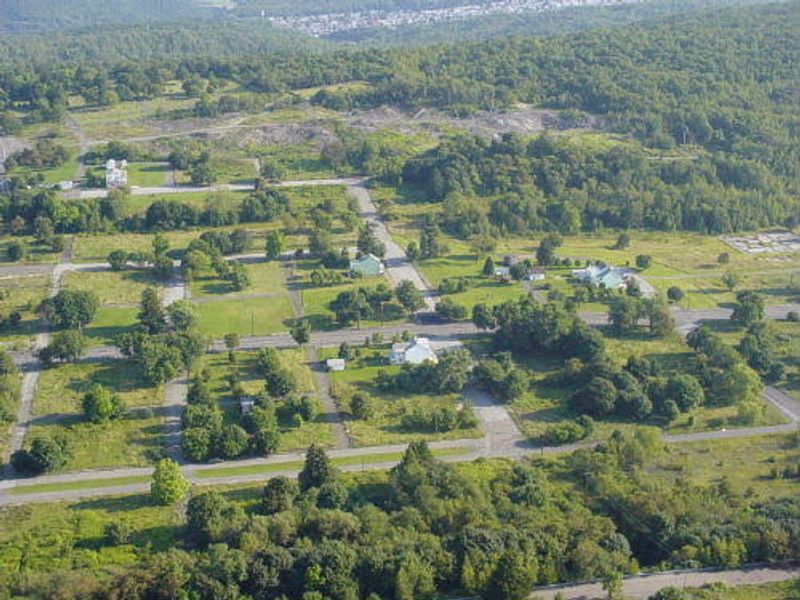
Homes were taken down once their owners left. Lot by lot, the borough thinned out until long stretches of road had nothing beside them but grass and young trees.
Not everyone agreed to go. In 1992, Pennsylvania used eminent domain to claim properties in the borough, and the decision led to years of legal back-and-forth.
A small group of residents chose to stay in their homes. A later agreement allowed the remaining holdouts to live out their lives there, with the properties eventually passing to the state.
The borough even lost its ZIP code in 2002. It’s hard to think of a clearer sign that a town is fading from the official map.
Today, traces of that departure are easy to spot. Old front steps, driveway cuts, and lines of trees hint at where houses and yards used to be.
I like how quietly the landscape tells this part of the story. No plaque is needed when a concrete step leads up to empty air.
Steam Rising Where Nobody Lit A Match
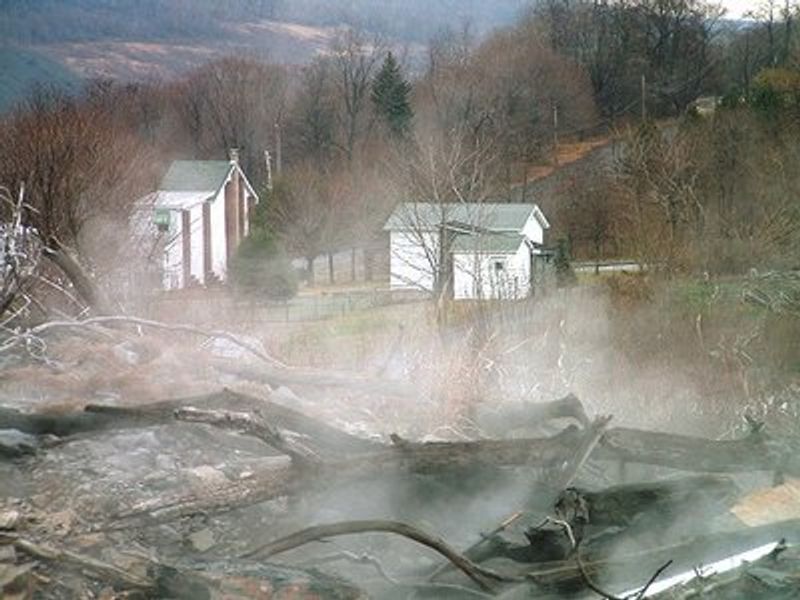
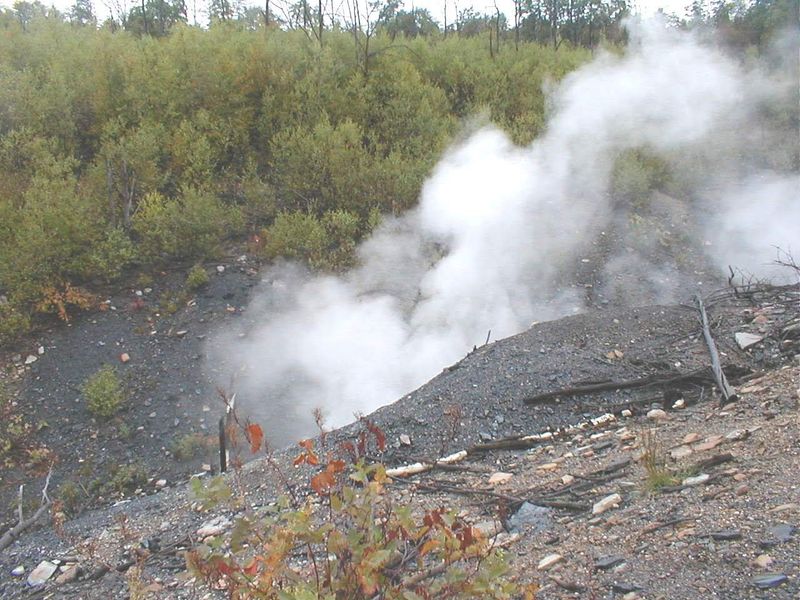
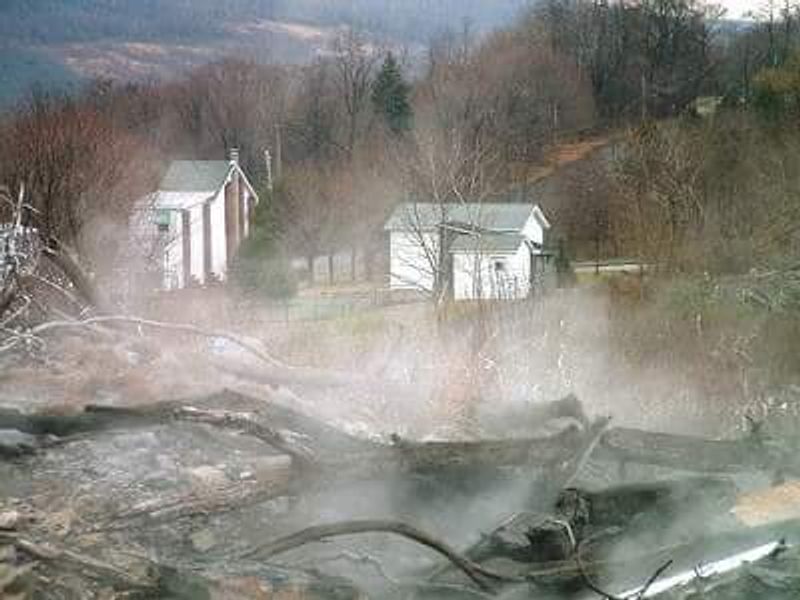
Smoke coming out of the dirt sounds like a movie effect. In Centralia, it can be a real sight, especially on chilly days.
Cold air makes the warm vapor easier to see. That’s why the late fall and winter months often give visitors the best chance to spot it drifting up from vents and fissures.
The fire has spread beneath a wide area over the decades. As it moved, some surface spots that once steamed heavily calmed down, while others picked up.
So there’s no guarantee you’ll see dramatic plumes on any given day. Weather, temperature, and the fire’s slow wandering all play a part.
Even a faint wisp is pretty startling, though. It’s a visible reminder that the source is still active far below the grass and pavement.
The fire is often estimated to have enough coal to keep going for many more decades, possibly as long as 250 years. Think about that on the drive home.
Few places in Pennsylvania let you see geology and history overlap like this. The ground isn’t just old here, it’s still working on something.
The Hilltop Church That Never Left
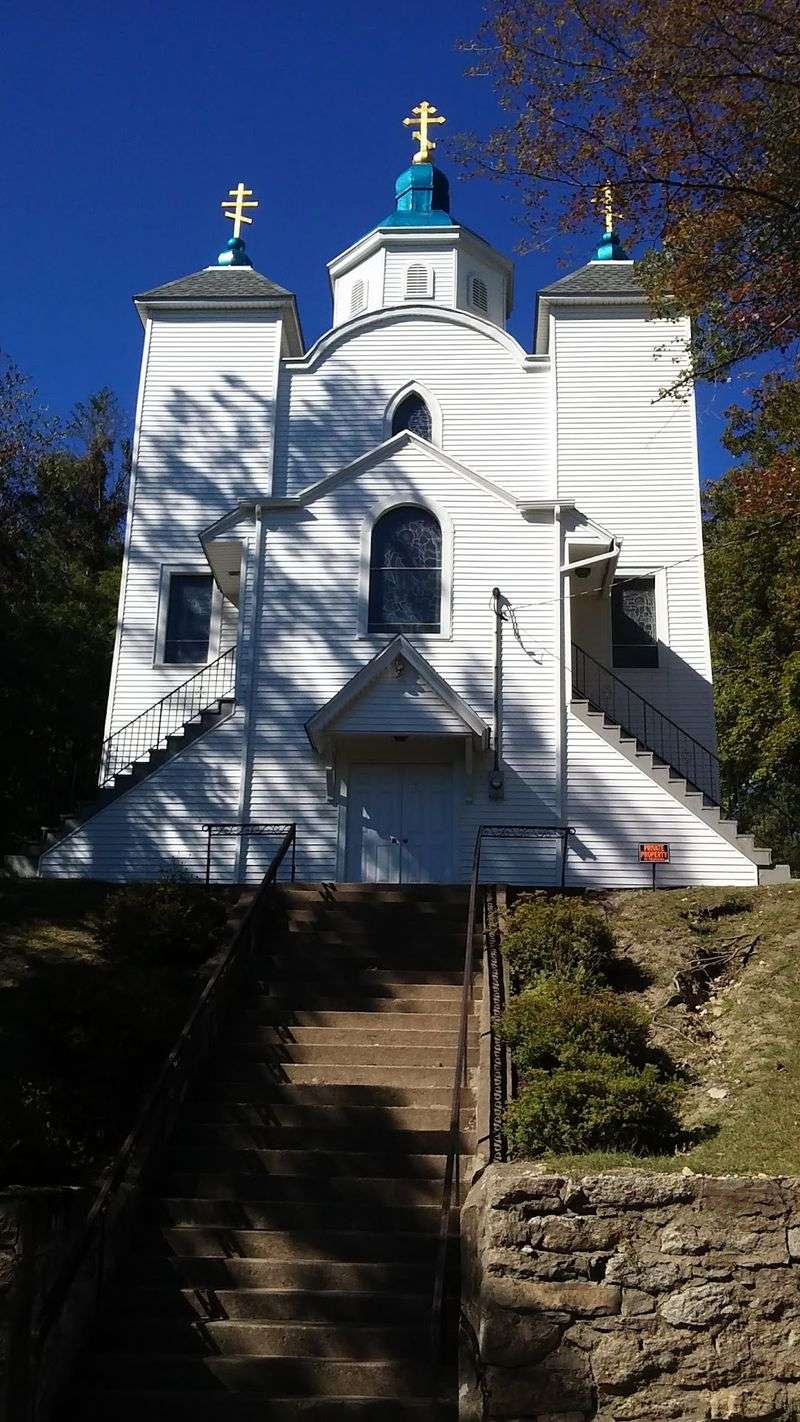
Golden onion domes rise above the trees on the edge of town. They belong to the Assumption of the Blessed Virgin Mary Ukrainian Catholic Church, which still stands on its hill overlooking Centralia.
The church dates back to the early 1900s. It was built by the area’s Ukrainian community, one of the groups that helped shape the borough’s character.
While most buildings came down, this one stayed. It sits on solid rock that has kept it clear of the fire’s path so far.
Against all that open land, the church stands out even more. White walls and bright domes make a striking contrast with the faded streets below.
It remains an active place of worship. That means it isn’t a tourist stop in the usual sense, so respectful behavior goes a long way.
Viewing it from the road or a polite distance is the way to go. If services or events are happening, it’s best to give the congregation space.
Honestly, it’s one of the most hopeful sights in the area. In a town defined by leaving, this building shows that some things simply held their ground.
Cemeteries Kept With Surprising Care
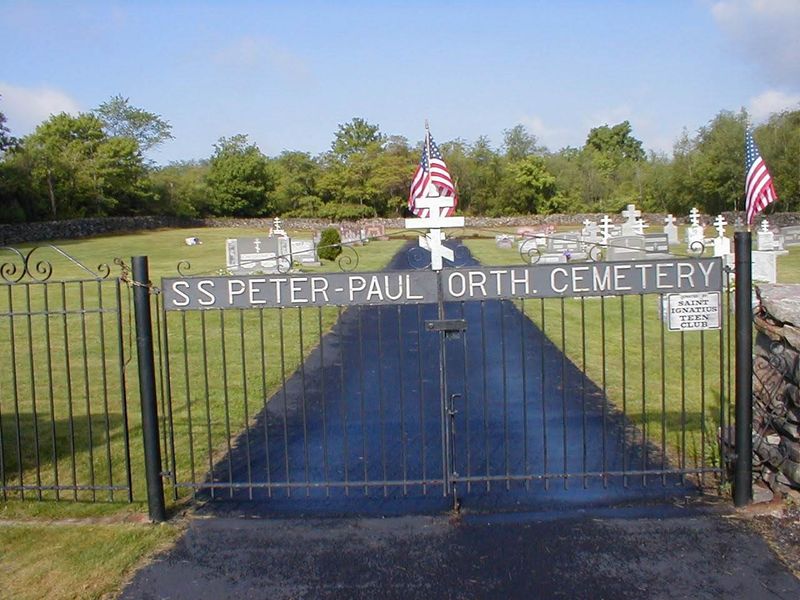
Here’s a detail that surprises a lot of first-timers. Centralia still has several cemeteries, and they’re some of the most cared-for spots in the borough.
Families who moved away didn’t forget where their relatives rest. Many still return to tend graves, especially around holidays.
St. Ignatius Cemetery and the Odd Fellows Cemetery are among the burial grounds in the area. Their tidy rows feel very different from the empty lots nearby.
That contrast makes these places quietly moving. They’re proof that Centralia still matters deeply to people who grew up there.
For visitors, a little common sense is key. These are private, sacred spaces, so stay quiet, stick to paths, and leave everything as you found it.
Skip the spooky photo shoots, too. The town’s odd fame doesn’t change the fact that real families care about these grounds.
If you grew up anywhere in Pennsylvania coal country, the scene may feel familiar. Hillside cemeteries with old family names are part of the region’s backbone.
Spending a few calm minutes here adds real depth to the trip. It turns a strange drive into something closer to a history lesson with heart.
Graffiti Highway Is Buried, But The Legend Stuck Around
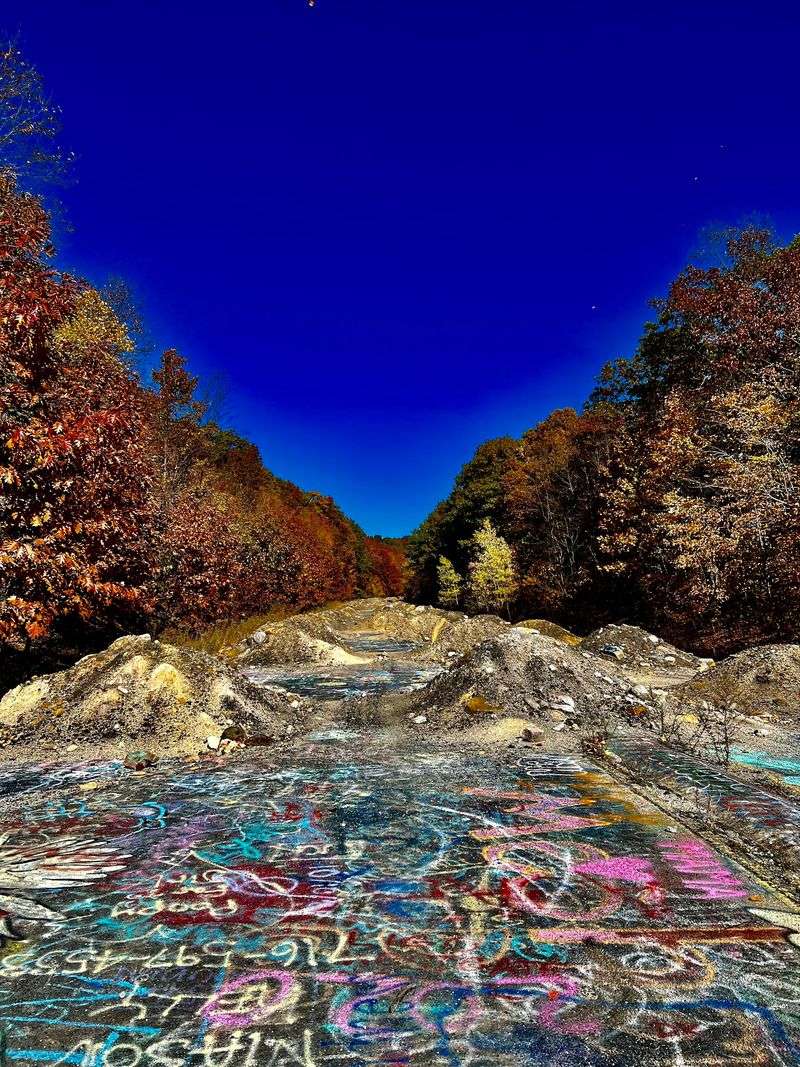
For years, the most famous stop near Centralia wasn’t even a building. It was a cracked, closed piece of old Route 61 that people nicknamed Graffiti Highway.
Fire damage had buckled the road, so traffic was rerouted in the 1990s. The abandoned pavement slowly became a giant canvas covered in spray paint.
Crowds of visitors came to see it and add their own designs. Over time, that attention brought trash, trespassing, and worries about liability for the property owner.
In April 2020, the owner covered the road with dirt. The colorful stretch that filled countless social media feeds was buried almost overnight.
You’ll still hear people talk about it. Some even look for stray patches of paint, but the site is private property, and the old draw is mostly gone.
So adjust expectations before you go. If Graffiti Highway is your only reason for the trip, you may feel a little let down.
The real star was always the town’s bigger story anyway. A paint-covered road was fun, but a fire that outlasted a borough is far stranger.
Silent Hill Fans Will Recognize The Mood
Gamers and movie buffs, this one’s for you. Centralia’s story served as inspiration for the 2006 film Silent Hill, which was based on the popular video game series.
The movie’s writer drew on the idea of a town abandoned because of an endless underground fire. That concept feels a lot less fictional once you’ve seen the real thing.
Don’t expect film sets or props, though. The movie was shot elsewhere, and Centralia itself has no themed attractions or souvenir stands.
What connects them is the feeling. Quiet roads, drifting vapor on cold days, and an empty grid create a mood that’s hard to shake.
That atmosphere is part of why the borough draws curious travelers from all over. It also pops up in documentaries, books, and online videos about unusual places.
Still, it helps to remember that real people lived full lives here. The town isn’t a backdrop, even if pop culture sometimes treats it like one.
Visit with curiosity and respect, and you’ll get the best of both worlds. A brush with spooky film history, plus a true Pennsylvania story that beats any script.
Smart Moves For Your Drive Through Town
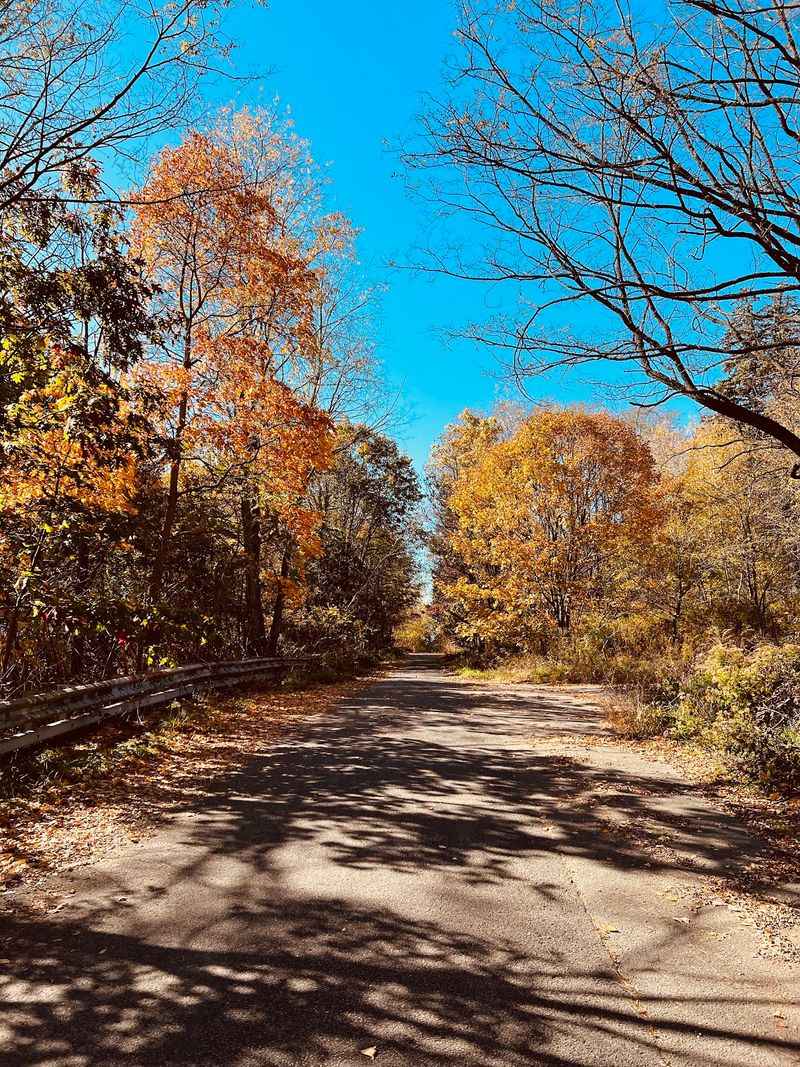
Getting here is part of the fun. Centralia sits along Route 61 in Columbia County, Pennsylvania, a manageable drive from Harrisburg, Wilkes-Barre, and other parts of the state.
There’s no admission fee, visitor center, or set hours for driving the public roads. That makes it an easy and affordable stop on a longer day trip.
Plan for limited services, though. You won’t find restaurants, gas stations, or restrooms in the borough itself, so handle those in nearby towns.
Safety deserves real attention here. The ground can hide unstable spots, and gases may collect near vents, so stay on paved roads and away from cracked or sunken areas.
Much of the land belongs to the state or private owners. Respect posted signs and keep off property that isn’t clearly open to the public.
A couple of hours is plenty for most visitors. Pairing the drive with nearby coal-region attractions makes the trip feel even more complete.
Conditions and access can change over time, so check ahead before making the drive. A little planning keeps the visit smooth and respectful for everyone.
Why This Strange Little Drive Sticks With You
Some road trips are about food, and some are about views. A trip to Centralia is about a story you can stand next to.
It works best for people who love history, odd places, and a good conversation on the ride home. Families with curious kids may find it a memorable geography lesson, too.
Thrill-seekers expecting nonstop smoke and painted roads might want to reset their hopes. The experience is quieter and more reflective than social media sometimes suggests.
That quiet is the point, really. Empty streets, a hilltop church, and well-kept cemeteries say more than any sign could.
Nearby Ashland adds a nice bonus. The Pioneer Tunnel Coal Mine offers tours inside a former anthracite mine, giving context to what lies beneath Centralia.
Put the two together, and you get a full picture of Pennsylvania coal country. One shows how mining shaped lives, and the other shows what happens when coal keeps burning.
I can’t think of many places where a short drive raises this many questions. Go slowly, be respectful, and let the empty grid do the talking.