14 Colorado 1960s Eating Habits That Today’s Families Would Question

Families in 1960s Colorado gathered around dinner tables with rules that might seem strange to modern kids.
Back then, meals were formal events with strict expectations about behavior, conversation, and even posture.
These traditions taught respect and discipline, but they also created dining experiences vastly different from today’s relaxed family meals.
Let’s explore the eating habits that defined Colorado kitchens and restaurants during this memorable decade.
1. Children Were Seen, Not Heard
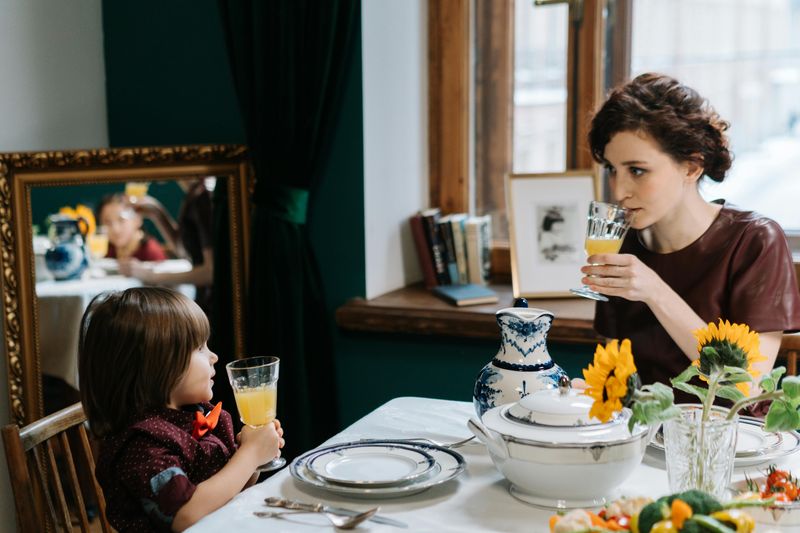
Silence was golden when kids sat down for supper in Colorado homes during the sixties.
Young voices stayed hushed unless a grown-up asked a direct question.
Parents believed children learned best by watching and listening rather than chattering away about their day.
This rule created peaceful meals but also made dinnertime feel stiff and formal for youngsters.
Modern families encourage conversation and sharing stories, viewing mealtime as bonding time.
Back then, speaking out of turn could earn a stern look or even send you away from the table.
The practice reflected broader cultural beliefs about childhood obedience and respect for elders.
Today’s parents would find this approach limiting, preferring to hear their children’s thoughts and feelings.
The shift shows how family dynamics have evolved toward more open communication and mutual respect at the table.
2. No Elbows On The Table

Proper posture mattered more than comfort when Colorado families gathered for meals.
Resting elbows on the tabletop was considered sloppy and disrespectful to everyone present.
Parents corrected this behavior instantly, teaching children that dining required discipline and awareness.
The rule came from formal European etiquette traditions that emphasized refinement and self-control.
Youngsters learned to keep hands in their laps between bites, sitting up straight throughout the entire meal.
This practice made eating feel like a performance rather than a relaxed activity.
Modern families care less about rigid posture rules and more about enjoying food together.
The constant corrections could make kids anxious about every movement they made.
Today’s approach focuses on basic manners without the military-style precision of the past, creating warmer dining atmospheres.
3. Clean Your Plate
Wasting food was absolutely unacceptable in sixties Colorado households.
Every morsel on your plate needed to be eaten, regardless of whether you felt full or disliked the taste.
Parents who lived through the Great Depression and wartime rationing taught this habit to their children.
The rule came from genuine scarcity experiences and respect for resources.
Kids often sat at tables long after everyone finished, staring at cold vegetables they couldn’t stomach.
This approach ignored individual appetite differences and personal food preferences entirely.
Modern nutrition experts warn against forcing children to clean plates, as it can lead to unhealthy relationships with food.
Today’s families understand that listening to hunger cues matters more than empty dishes.
The sixties mentality came from good intentions but created mealtime battles that many adults still remember with discomfort.
4. Ask Permission To Be Excused

Freedom from the table required formal approval in Colorado homes of the sixties.
Children couldn’t simply stand up and walk away when they finished eating.
They needed to politely ask, “May I please be excused?” and wait for a parent’s response.
This ritual reinforced authority structures and taught patience in social settings.
The practice made meals feel like official events with clear beginnings and endings.
Leaving without permission was considered extremely rude and could result in punishment.
Modern families often let kids leave when they’re done, especially if adults plan to linger over coffee.
The formal request system taught respect but also made mealtimes feel restrictive for energetic youngsters.
Today’s approach balances courtesy with understanding that children have shorter attention spans and different needs than adults sitting around chatting.
5. Dress Codes For Dining Out

Casual clothing stayed home when Colorado families visited nice restaurants during the sixties.
Establishments expected gentlemen to wear jackets and ladies to appear in cocktail attire or dresses.
Even children over twelve needed to dress formally, reflecting the era’s emphasis on presentation and respect.
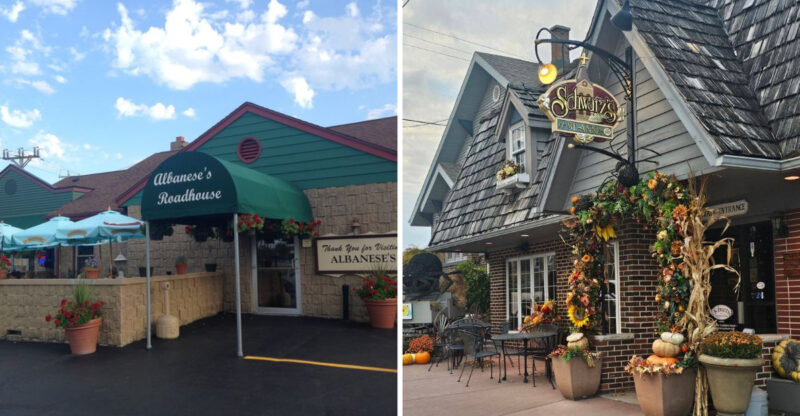
Places throughout Colorado Springs enforced these standards without exception, turning dining out into special occasions.
Families prepared for restaurant visits like they were attending important ceremonies.
Jeans and sneakers would have caused immediate embarrassment and possible denial of service.
Modern restaurants welcome diverse dress styles, prioritizing comfort and inclusivity over rigid formality.
The strict codes made dining out less accessible and more stressful for families with active kids.
Today’s relaxed approach reflects broader cultural shifts toward authenticity and practicality rather than maintaining appearances for their own sake.
6. No Phone Calls During Meals

Ringing phones went unanswered when Colorado families sat down for supper in the sixties.
Parents believed mealtime deserved complete attention without outside interruptions breaking the family connection.
Callers would simply have to try again later, as answering machines didn’t exist yet.
This rule created protected time for conversation and togetherness that many modern families struggle to achieve.
The practice showed respect for everyone gathered at the table.
Today’s constant connectivity makes unplugging feel almost impossible for many households.
Smartphones create far more temptation than the single wall-mounted phone of the past.
The sixties approach fostered presence and engagement that current families often miss amid digital distractions.
While the no-phone rule made sense then, today’s challenge involves resisting devices that sit right in our pockets throughout every meal.
7. No Talking With Mouth Full

Speaking while chewing was among the most offensive behaviors at sixties Colorado tables.
Parents corrected this habit immediately and consistently, viewing it as both unsanitary and disrespectful.
Children learned to finish chewing completely before contributing to any conversation.
The rule emphasized cleanliness and consideration for others who didn’t want to see partially chewed food.
This standard remains one of the few sixties table manners still widely taught today.
Open-mouthed chewing or talking created visible disgust among family members and guests alike.
Modern parents still enforce this guideline, though perhaps with less severity than their grandparents showed.
The principle behind this rule makes timeless sense for pleasant dining experiences.
Unlike many outdated sixties standards, this one continues because it genuinely improves mealtimes for everyone present rather than simply enforcing arbitrary authority.
8. No Reading At The Table
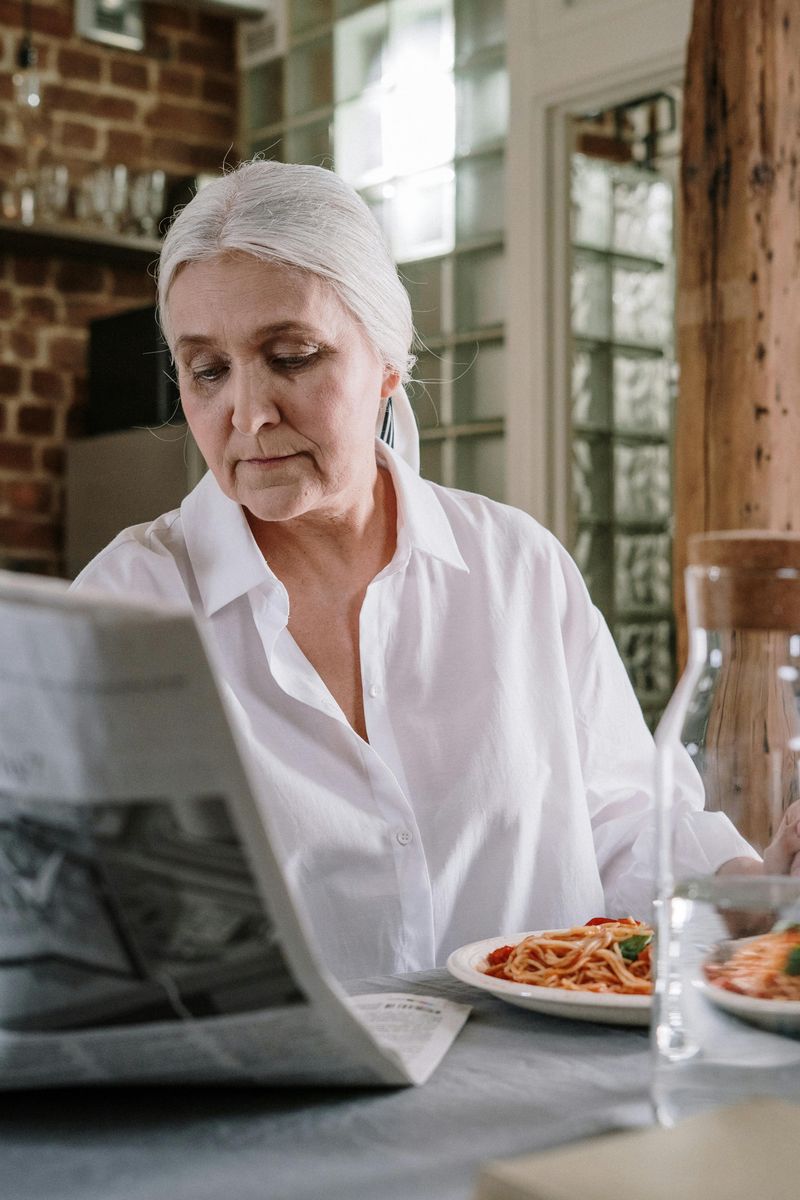
Books, newspapers, and magazines had no place at Colorado dinner tables during the sixties.
Families banned all reading materials to promote face-to-face interaction and undistracted dining together.
Parents viewed reading at meals as antisocial behavior that disrespected everyone gathered.
The rule ensured people actually looked at each other and engaged in real conversation.
Breakfast tables especially might have tempted readers with morning papers, but the prohibition held firm.
This standard created genuine connection that many current families sacrifice to screens and devices.
Modern mealtimes often feature everyone staring at phones rather than conversing with each other.
The sixties rule seems almost quaint compared to today’s digital distractions and constant connectivity.
While banning newspapers might feel excessive now, the underlying principle of being present remains valuable for building strong family relationships.
9. No Slouching
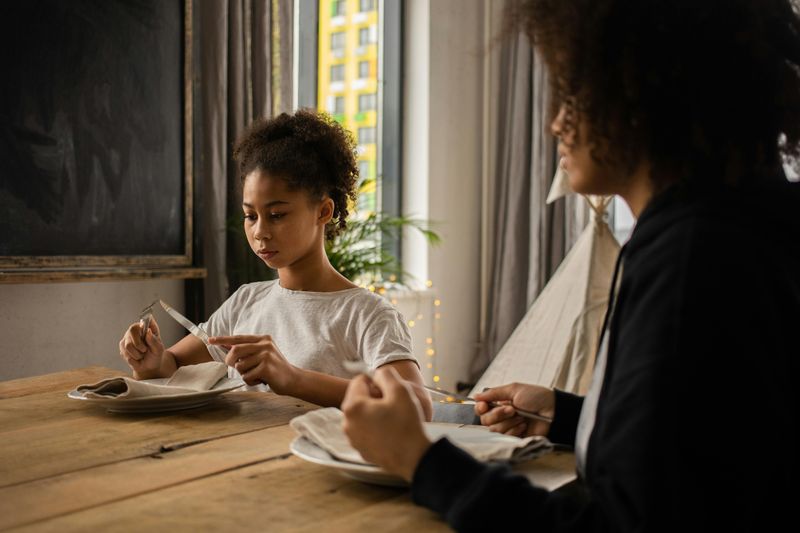
Sitting up straight wasn’t optional for Colorado children during sixties suppers.
Parents insisted on perfect posture throughout entire meals, viewing slouching as laziness and disrespect.
The constant reminders to straighten spines made dining feel like military training for some youngsters.
This emphasis came from beliefs that good posture reflected character and discipline in all life areas.
Children received immediate corrections whenever their backs rounded or shoulders drooped forward.
The practice made meals physically tiring for kids who naturally relaxed into comfortable positions.
Modern families care more about basic courtesy than rigid physical standards at the table.
Today’s parents understand that comfort helps children focus on food and conversation rather than body position.
The sixties obsession with posture reflected broader cultural values about appearances and self-control that have softened considerably over subsequent decades.
10. Thank The Cook
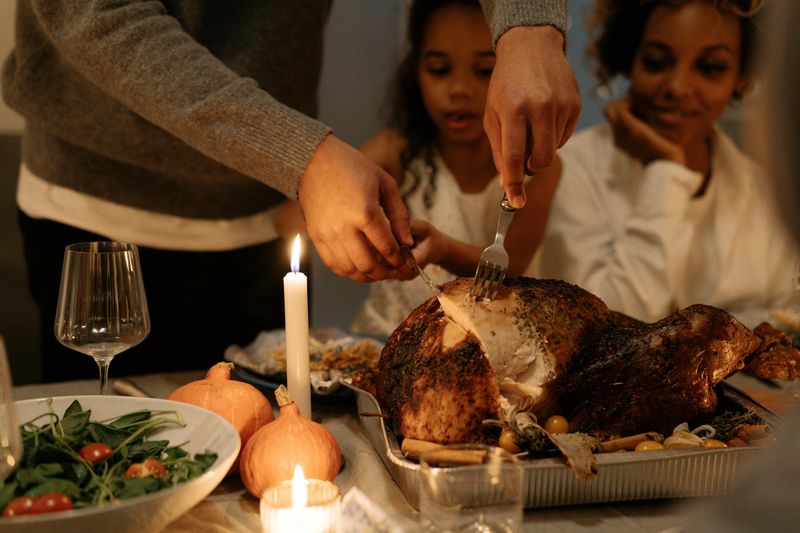
Gratitude wasn’t optional when someone prepared your meal in sixties Colorado homes.
Children learned to thank the cook after every dinner, acknowledging the effort behind meal preparation.
This practice taught appreciation for labor that often went unnoticed and unappreciated.
The tradition created awareness about where food came from and who worked to provide it.
Mothers especially received these thanks, as they typically handled all cooking responsibilities during this era.
The ritual reinforced family roles and taught children not to take daily meals for granted.
Modern families might express thanks less formally or skip acknowledgment entirely amid busy schedules.
This sixties habit actually holds valuable lessons that current generations could benefit from remembering.
Expressing genuine appreciation for prepared meals builds respect and strengthens family bonds across all time periods and cultural shifts.
11. Wait For Everyone To Finish
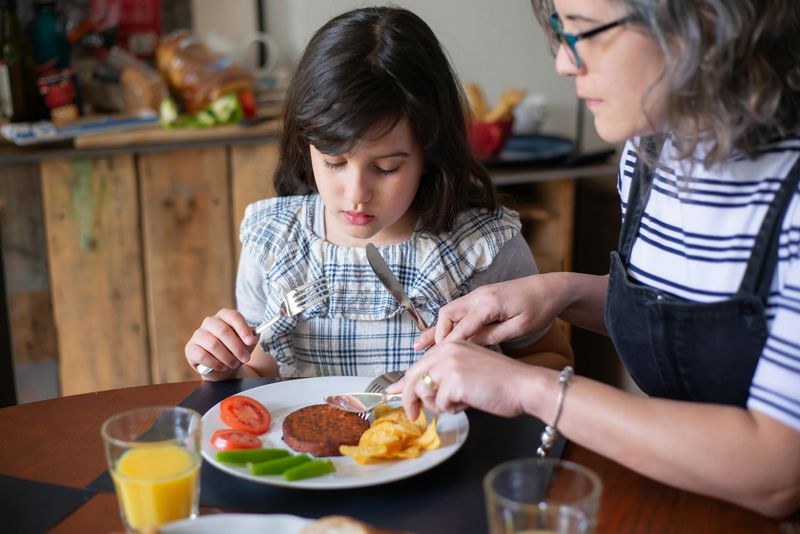
Patience defined the end of meals in Colorado households during the sixties.
Nobody left until the last person finished eating, teaching children that meals were communal experiences.
Fast eaters sat quietly while slower diners worked through their portions at their own pace.
This rule emphasized togetherness and respect for the group over individual convenience.
Children learned that family time mattered more than rushing off to play or watch television.
The practice could feel tedious for kids who finished quickly and wanted to move on.
Modern families often let people leave when done, especially when schedules pull everyone in different directions.
The sixties approach fostered companionship but sometimes felt like punishment for efficient eaters.
Today’s flexibility reflects understanding that people have different rhythms and responsibilities rather than forcing everyone into identical patterns.
12. No Reaching Across The Table
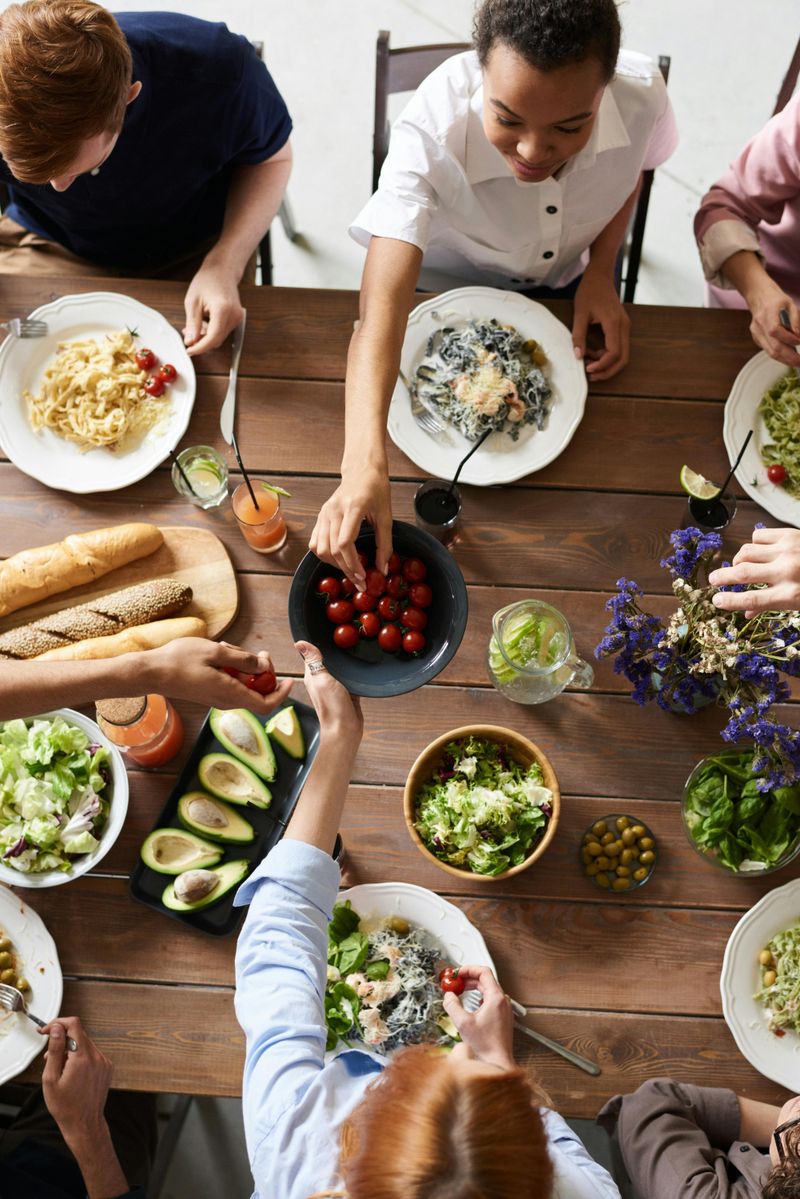
Stretching your arm across the table was incredibly rude in sixties Colorado dining culture.
Children learned to politely ask for items to be passed rather than grabbing what they needed.
This standard taught patience and consideration for personal space at crowded tables.
The rule prevented accidents like knocking over glasses or dragging sleeves through food on plates.
Proper requests like “Please pass the salt” became automatic responses for well-mannered youngsters.
The practice slowed meals down and required everyone to pay attention to others’ needs.
Modern families might care less about reaching versus asking, prioritizing efficiency over formality.
This sixties standard made sense for preventing spills and teaching courtesy in social settings.
The principle remains sound even if enforcement has relaxed, showing how some old-fashioned manners served practical purposes beyond simply demonstrating obedience.
13. Meals at Exact Times
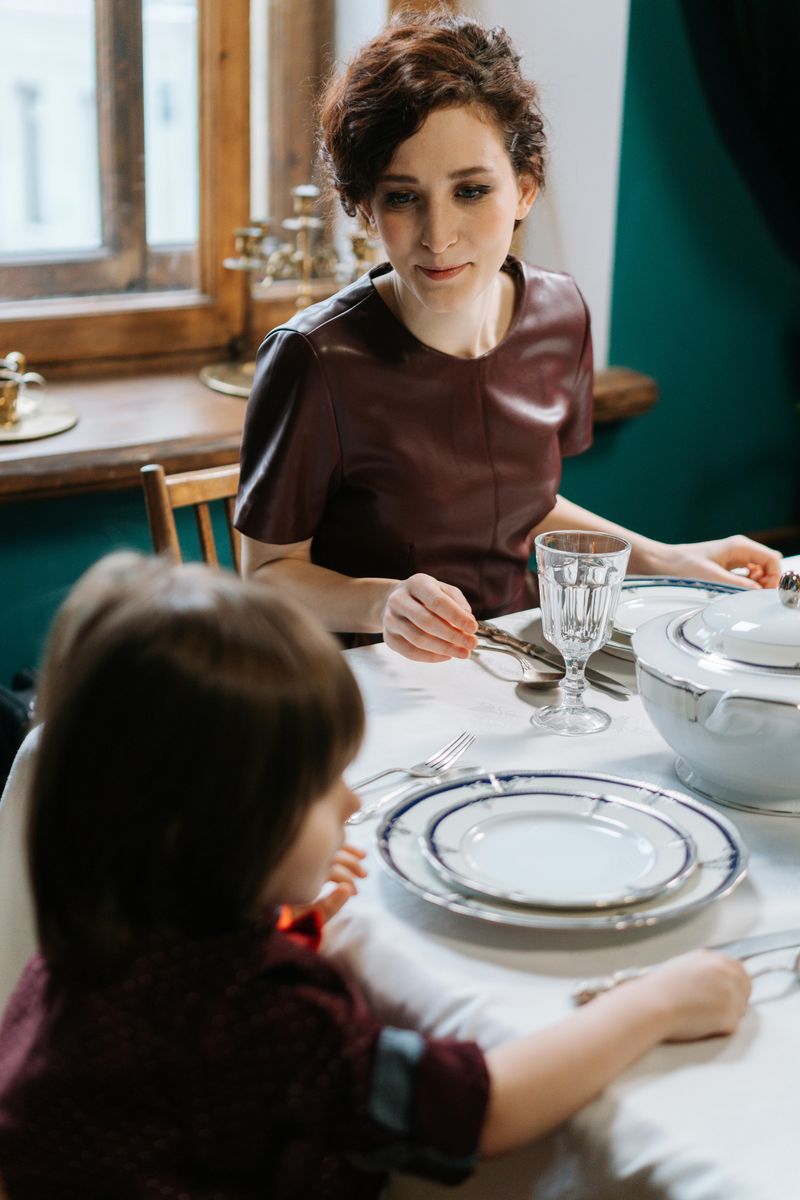
Punctuality ruled Colorado kitchens during the sixties when meals appeared at set times daily.
Dinner might be served precisely at six o’clock, and everyone needed to be present and ready.
Late arrivals disrupted the entire household and showed disrespect for the cook’s efforts and schedule.
This structure reflected broader cultural values about order, discipline, and family priorities during the era.
Children learned to plan activities around meal times rather than expecting food when convenient.
The rigid scheduling created predictability but left little room for flexibility or individual needs.
Modern families juggle varied schedules that make consistent meal times nearly impossible to maintain.
Today’s approach accommodates sports practices, work shifts, and personal commitments that pull families apart.
The sixties standard fostered routine and togetherness but assumed a family structure that no longer reflects most households’ realities.
14. No Special Meal Requests
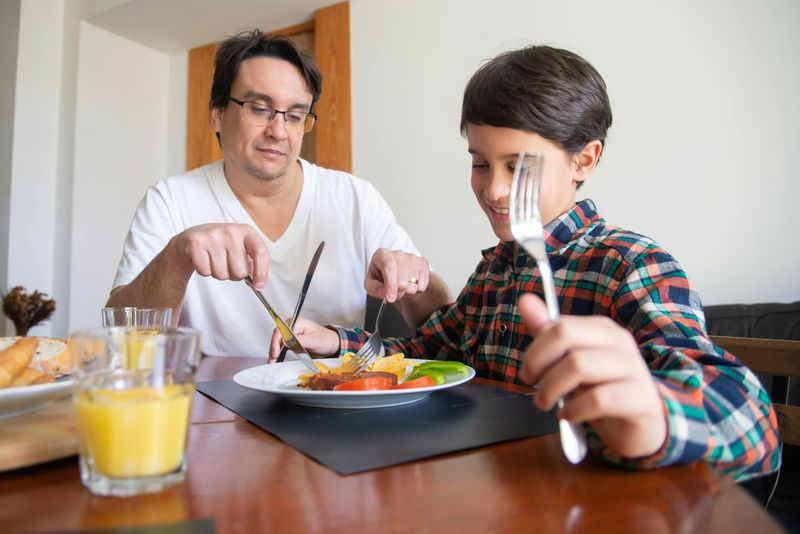
Picky eaters received no accommodations at Colorado tables during the sixties.
Whatever the cook prepared was what everyone ate, without alternatives or substitutions offered.
Children who disliked the meal either ate it anyway or went hungry until the next scheduled eating time.
This approach simplified cooking but ignored individual preferences and genuine food aversions completely.
Parents believed catering to pickiness created spoiled children who wouldn’t learn to appreciate different foods.
The practice came from practical necessity when time and resources limited cooking to single meals.
Modern families often prepare multiple options or allow children some choice in what they eat.
Today’s approach recognizes that taste preferences are real and that forcing foods can create negative associations.
The sixties method taught adaptability but sometimes bordered on harsh, especially for children with sensory sensitivities that weren’t understood or acknowledged then.