10 Colorado Towns Losing Residents As Their Demographics Continue To Shift
A quiet main street can be beautiful and complicated at the same time.
In some Colorado towns, shrinking populations and aging communities are changing what everyday life looks like as younger residents leave and longtime locals remain.
That story deserves more than romanticizing empty roads. These places still have deep roots, local traditions, striking scenery, and people working to keep communities going.
Travelers may notice historic storefronts, ranch country, old mining stories, or unexpected attractions along the way.
Behind all of that is a bigger question: what happens when a town keeps getting older?
Sometimes a road trip can reveal more than pretty views.
1. Walden, Jackson County
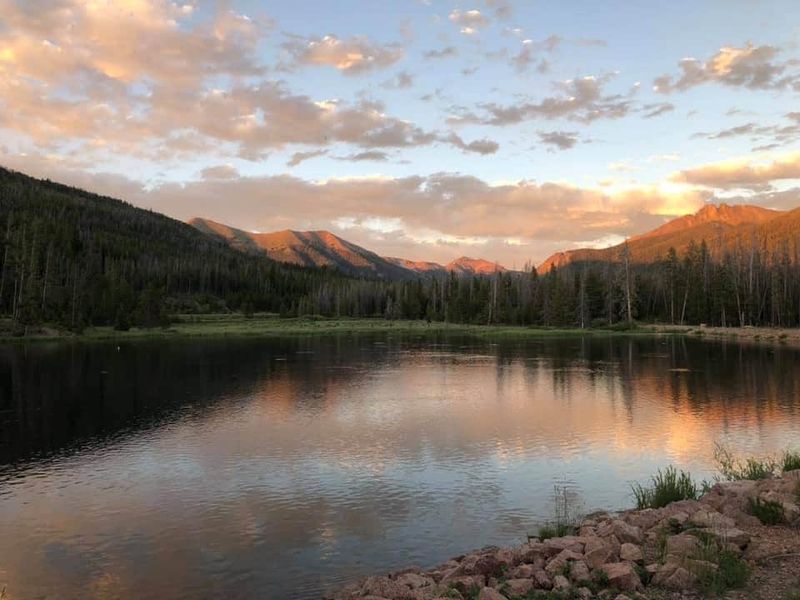
I had to stop the car twice in one hour.
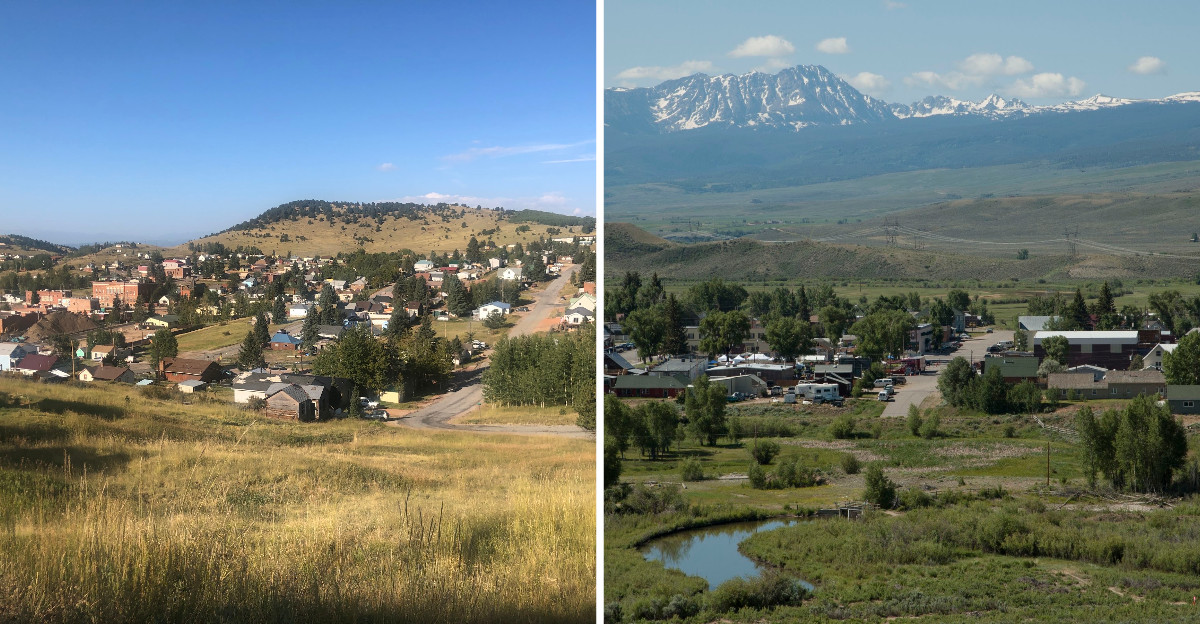
Walden sits high in the North Park basin, where wide ranch country, distant peaks, and frequent wildlife sightings make the drive feel bigger than the town itself.
Recent population estimates put the community at just over 500 residents, down noticeably from its 2020 level, while the median age is now around 51.
That demographic change is visible in a place built around long-established local routines rather than rapid growth.
Main Street remains compact, and the surrounding landscape still carries the ranching identity that has shaped this corner for generations.
Wildlife is one of the strongest reasons to visit. Walden is widely promoted as a moose-viewing hub, and nearby State Forest State Park protects 70,932 acres of alpine lakes, forest, rugged peaks, and more than 130 miles of trails.
It is one of Colorado’s biggest state parks, so a short visit can easily turn into a full outdoor day.
The North Park Pioneer Museum adds a quieter stop in town. Housed in a historic ranch house, it preserves rooms and artifacts connected to regional settlement and ranch life.
For a broader nature stop, Arapaho National Wildlife Refuge spreads across the basin south of town. The combination of open water, grasslands, and broad mountain views makes this a strong binoculars-and-backroads destination year-round.
2. Silver Plume, Clear Creek County
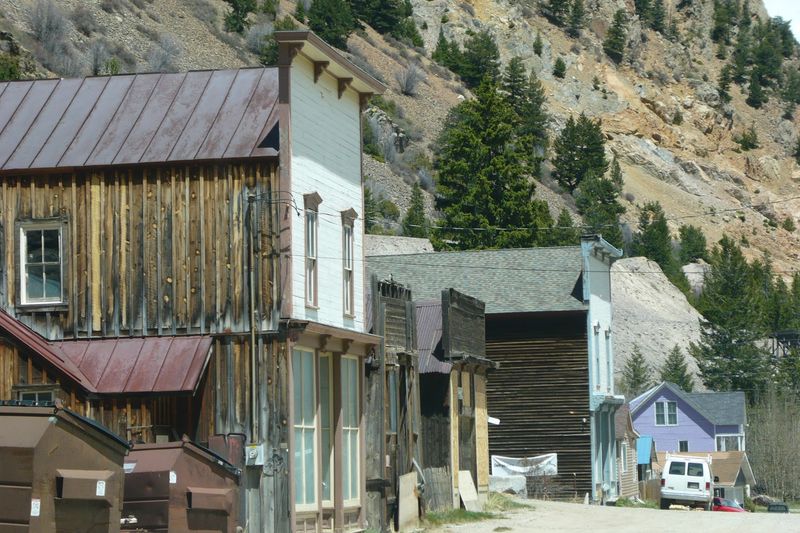
Are you seeing what I’m seeing up on that canyon wall? Old mine scars still streak the slopes like faded history notes.
Silver Plume sits above 9,000 feet in a narrow Clear Creek canyon, surrounded by steep mountain walls and a remarkably intact collection of late-19th-century buildings.
Recent estimates place the population below 200, continuing a decline from 2020. Its median age is around 40, so the population-loss story is stronger here than the aging story.
The town forms part of the Georgetown-Silver Plume National Historic Landmark District, one of the state’s best-preserved historic mining districts.
A walk along the quiet streets reveals modest wooden homes, old commercial buildings, and the compact scale of a community shaped by the silver era.
The Georgetown Loop Railroad remains the headline attraction.
Trains connect Silver Plume with Georgetown through the canyon, crossing historic-style trestles and passing mountain scenery along the way. An optional guided tour explores the Lebanon Mine during the main operating season.
Near the tracks, the restored 1884 Silver Plume Depot holds railroad exhibits. The George Rowe Museum occupies the town’s 1894 schoolhouse and focuses on everyday community history.
Hikers can also pick up the 7:30 Mine Trail or the easier Argentine Trail above town. Even a short visit works best with layers, since high-elevation weather can change quickly in the canyon.
3. Del Norte, Rio Grande County
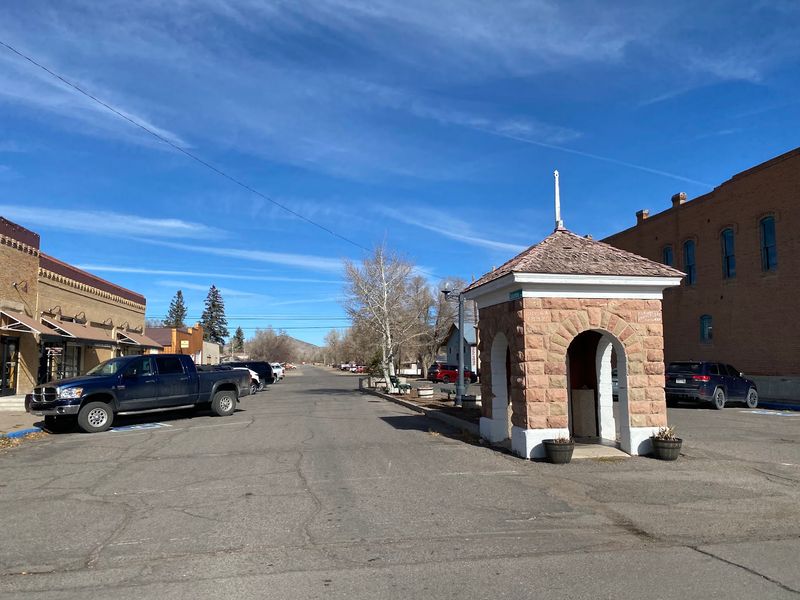
What if the best trailhead in the valley was also a sleepy town? I kept asking myself that on every winding road here.
Del Norte serves as the Rio Grande County seat on the western edge of the San Luis Valley. Current estimates put the population around 1,380, below its 2020 level, while the median age is above 50.
That makes the town one of the clearer examples on this list of both population loss and an older age profile.
Outdoor access begins at the edge of town. Lookout Mountain Park rises to roughly 8,475 feet and contains about eight miles of natural-surface singletrack.
The steeper summit route gains around 600 feet and opens broad views over the valley and upper Rio Grande corridor.
Penitente Canyon adds a different landscape north of town. The recreation area covers more than 4,500 acres and is known for technical climbing, hiking, mountain biking, heritage sites, and camping.
The Rio Grande also draws anglers to designated Gold Medal water nearby, while the Rio Grande County Museum and Cultural Center provides an indoor look at regional settlement, Indigenous history, geology, and local artifacts.
Del Norte has changed from a supply center into a base for recreation, but its small scale remains obvious.
That contrast between easy trail access and a shrinking resident population gives the community a more complicated story than scenery alone suggests.
4. Julesburg, Sedgwick County
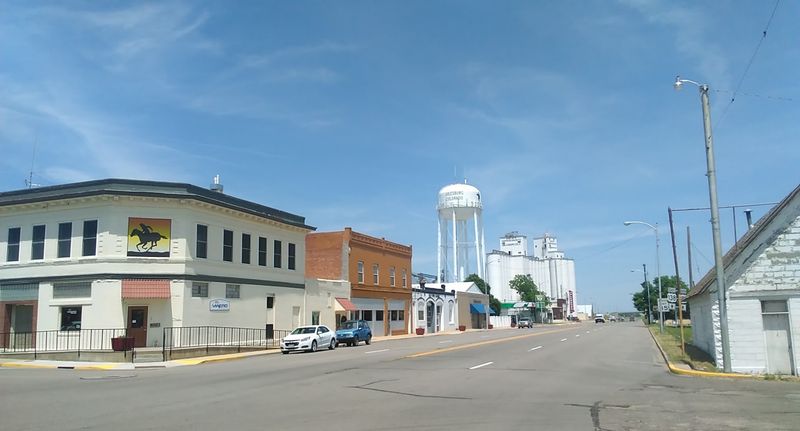
A town this calm once had one of the rowdiest pasts on the plains.
Julesburg is the Sedgwick County seat near the Nebraska line, where farming, railroad history, and wide-open prairie still shape the setting.
Recent estimates place the population near 1,200, down from about 1,300 in 2020. Its median age is now a little above 42.
The town grew around major overland transportation routes. The original Julesburg served as Colorado’s only Pony Express home station, and later versions of the community shifted as railroad connections changed the local map.
That history is easy to follow without turning the visit into a long museum day. The Fort Sedgwick Museum and Depot Museum preserve artifacts connected to the Pony Express, Union Pacific, early settlers, agriculture, and regional life.
The depot itself dates to 1930 and is listed on the National Register of Historic Places.
Outside town, the South Platte River Trail Scenic and Historic Byway forms a 19-mile loop with interpretive stops tied to old travel corridors, former townsites, transportation history, and the river valley.
Julesburg also works as a birding stop, especially around the South Platte corridor during seasonal movement. The modern town is quieter than its transportation-era reputation, but the layers are still visible.
For travelers, that mix of open plains and compact historic stops makes the demographic shift easier to see in context.
5. Walsenburg, Huerfano County
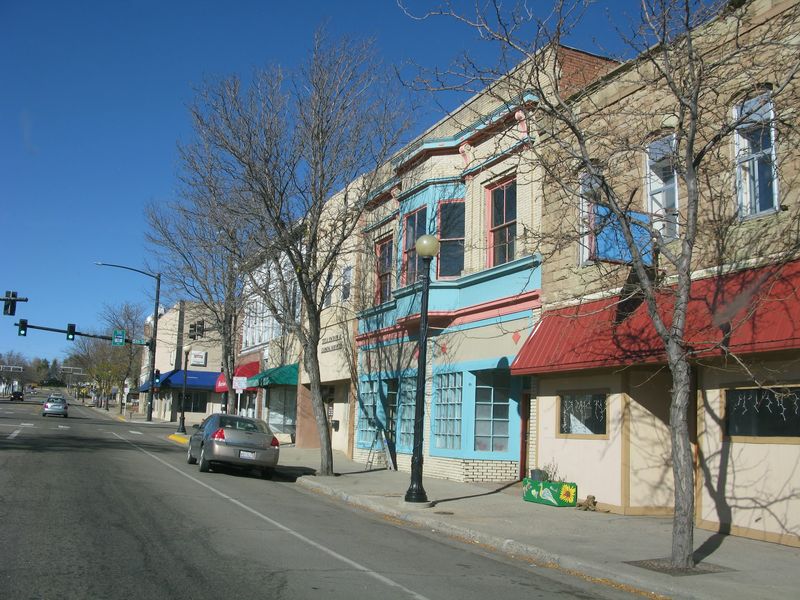
Just imagine for a second two giant peaks watching over your morning coffee. That skyline stuck with me long after I left.
Walsenburg sits beneath the Spanish Peaks in Huerfano County, where its long transportation and mining history is still visible around town.
Recent estimates place the population a little above 3,000, only slightly below its 2020 level. The median age is about 42, so the decline is real but much less dramatic than in several smaller communities on this list.
The settlement began in 1859 as La Plaza de los Leones and later took the name Walsenburg. Coal production and rail connections helped turn it into an important regional center, and those industries remain central to local interpretation.
The Walsenburg Mining Museum preserves that working history, while colorful murals and small galleries give downtown a different visual layer.
Just outside town, Lathrop State Park spreads around two lakes with trails, boating, fishing, camping, and broad views toward the Spanish Peaks.
A longer outing can follow the Highway of Legends Scenic and Historic Byway. The route begins west of town and winds through mountain scenery, geologic formations, and smaller communities tucked into the surrounding landscape.
Walsenburg’s population story is less about sudden disappearance than long-term change. Its historic downtown, public lands, and mountain setting remain substantial, even as the city adjusts to a smaller year-round population.
6. Rocky Ford, Otero County
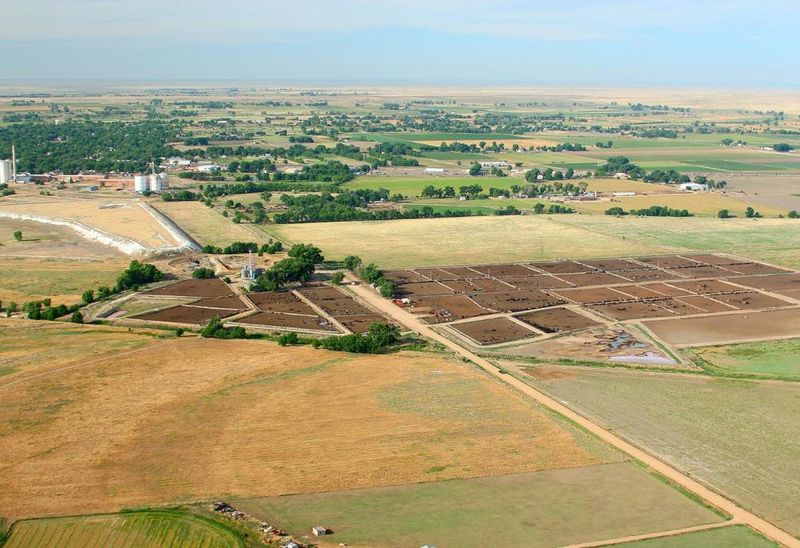
My jaw literally dropped at the first bite. Some melons are good, but these are legendary.
Rocky Ford sits in the Arkansas Valley, where irrigation and agriculture have shaped the town.
Current estimates put the population around 3,700, down from roughly 3,860 in 2020 and below its peak decades ago. The median age is now a little above 42.
Melons remain the town’s most recognizable calling card. Cantaloupes and watermelons grown around Rocky Ford are closely tied to the valley’s hot days, cool nights, and long agricultural tradition.
Late summer brings roadside stands and the annual Arkansas Valley Fair, which continues to celebrate local farming and Watermelon Day.
The Rocky Ford Historical Museum adds context inside a 1908 Carnegie library building. Its collections cover the sugar industry, agriculture, geology, the Arkansas Valley Fair, and everyday life across the region.
Downtown still shows pockets of early commercial architecture between newer storefronts.
For a slower afternoon, the local golf course and nearby Arkansas River corridor offer open views beyond the center of town.
This is one of the communities here where population decline sits beside a regional identity. Farming has changed and the resident count has eased downward, yet the melon season still gives the calendar a familiar rhythm.
Visiting in August or September connects the demographic story to the tradition that continues to define the place.
7. Fowler, Otero County
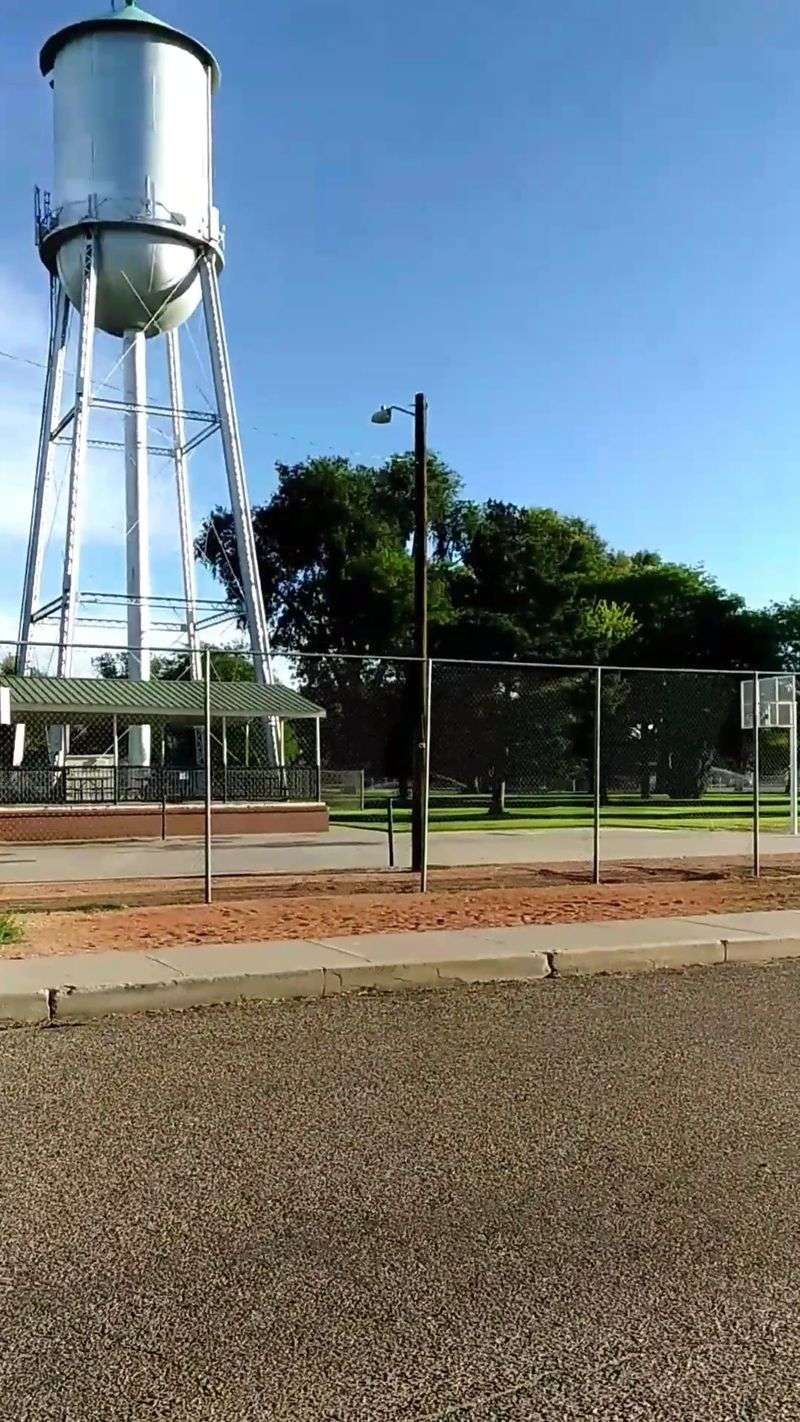
Fowler sits in northwestern Otero County along the Arkansas River and U.S. Highway 50.
The town had about 1,250 residents in 2020, while current estimates place it closer to 1,160.
Its median age is around 61, making Fowler one of the clearest examples here of a shrinking community with an older age profile.
Agriculture, rail connections, and the river shaped the town’s early development. The community eventually took the name of its founder, and its compact center grew around transportation and farm trade across the lower Arkansas Valley.
The Fowler Historical Society and Museum at 114 Main Street is the best place to start exploring that story.
The volunteer-run museum preserves local clothing, transportation objects, photographs, documents, and household artifacts. A historic cottonwood-log way station connected to travel along the Arkansas River corridor is also preserved there.
Outside the museum, the river remains part of the town’s identity. Fowler maintains a golf course beside a nature trail near the Arkansas, creating an easy place to stretch a visit beyond Main Street.
The surrounding plains stay open, with long views that change noticeably between green spring fields and dry autumn grasses. Fowler does not depend on a long attraction list to make its point.
The quieter streets, preserved local history, and older population together show how demographic change can reshape a small agricultural town without erasing its sense of place.
8. Cripple Creek, Teller County
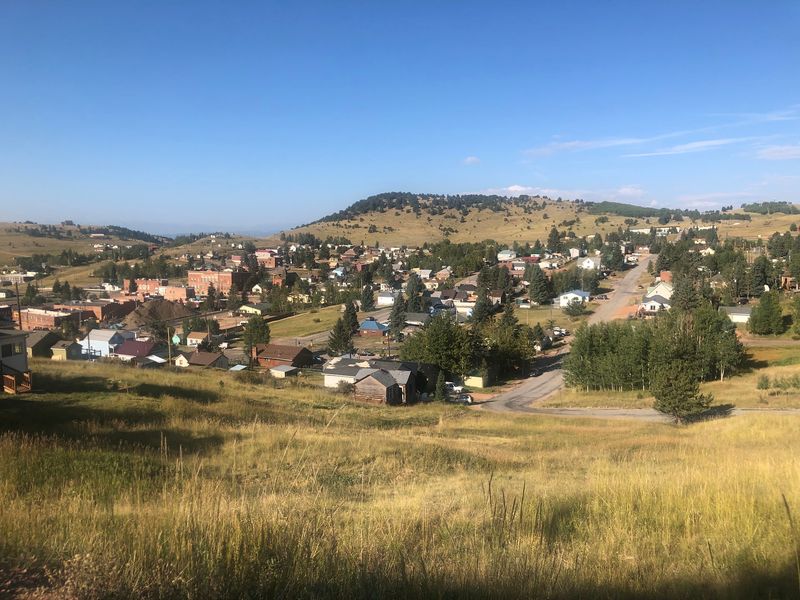
Call me crazy, but the donkeys stole the show. They wandered past me like they owned the street.
Cripple Creek sits around 9,500 feet in Teller County, where recent estimates put the population near 1,100, down from its 2020 count.
The median age is about 60, making this one of the strongest examples on the list of both population decline and an older resident base.
The town grew rapidly during the late-19th-century gold era, and that mining heritage still shapes the streetscape. Brick commercial buildings, historic homes, museums, and mountain views keep the compact center visually tied to its past.
One of the most unusual seasonal sights is the local donkey herd. Descendants of animals associated with the old mining district roam through town from roughly mid-May into October before moving to winter quarters.
The Cripple Creek and Victor Narrow Gauge Railroad adds another way to see the landscape during its operating season. The short scenic trip passes old mining areas, forested slopes, and broad mountain views.
The Butte Theater keeps live performance in the center of town with productions scheduled throughout the year. Several local museums add more context for visitors interested in mining, transportation, and community history.
Cripple Creek has changed considerably since its boom years, but its historic core still gives travelers plenty to explore on foot while the resident population continues to contract.
9. Saguache, Saguache County
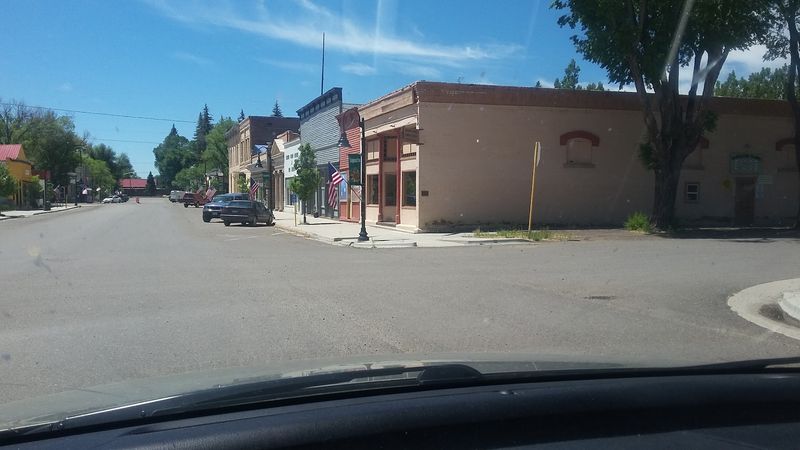
Correct me if I’m wrong, but most people mispronounce this one on the first try. I sure did.
Saguache, pronounced “sa-watch,” serves as the county seat at the northern gateway to the San Luis Valley, surrounded by open country and distant ranges.
Recent estimates place the population a little above 500, down from 2020. Its median age is around 39, so this town supports the population-loss theme more clearly than the aging theme.
The setting is a defining feature. The Sangre de Cristo Mountains rise to the east, while the San Juan Mountains frame the western horizon. At roughly 7,800 feet, the town has the high-valley light and open skies associated with south-central Colorado.
The Saguache County Museum occupies an 1874 adobe school building and has operated as a museum since 1959.
Exhibits cover regional settlement, Indigenous history, household life, transportation, and local industries. Nearby, Hazard House preserves Victorian-era furnishings in another historic setting.
Downtown is part of a designated historic district, making a slow walk worthwhile before heading farther into the valley.
Great Sand Dunes National Park and Preserve is about 65 driving miles away, while regional hot-springs destinations and public lands offer other easy additions to a longer trip.
Saguache is a useful reminder that shrinking population does not automatically mean an especially old community. Its demographic change is real, but the age story here is more mixed.
10. Kremmling, Grand County
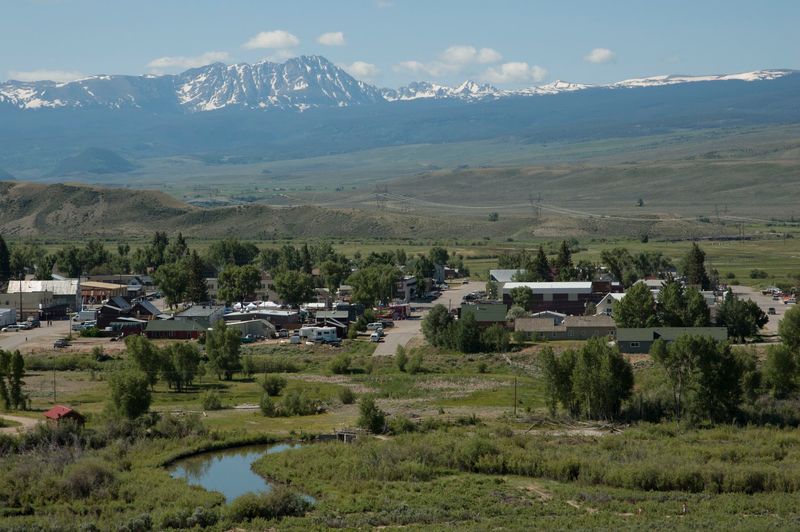
Rivers make everything better. Three of them meet right at this town’s doorstep.
Kremmling sits in Grand County near the meeting of Muddy Creek, the Blue River, and the Colorado River. Current estimates place the population around 1,435, down from roughly 1,510 in 2020.
The median age, however, is only about 28, making Kremmling the clearest exception to the original aging premise.
The surrounding landscape keeps outdoor recreation close in every direction.
Wolford Mountain Reservoir lies about five miles north of town and covers roughly 1,550 surface acres, with boating, camping, a swim beach, picnic areas, and shoreline access during the warmer season.
Nearby public land around Wolford includes about 120 miles of designated roads and trails for motorized recreation, with seasonal closures protecting the area during winter and early spring.
Hiking and scenic drives provide quieter ways to explore the same high-country setting.
Kremmling Heritage Park adds a compact historical stop in town. Six preserved buildings interpret ranching, transportation, and community life, although the historic depot is currently undergoing work and is not open to visitors.
The population trend here deserves careful wording. Kremmling has lost residents since 2020, but it is not an older town by current median-age estimates.
That contrast is exactly why a broader demographic-shift title is more accurate than saying every shrinking community on this list continues to age.