14 Common Georgia Home Features That Could Be Illegal (Or Out Of Code) In 2025

Georgia homeowners might be surprised to learn that certain everyday home features could land them in hot water with building inspectors this year.
New code updates and stricter enforcement mean what was acceptable yesterday might not pass inspection today.
From electrical outlets to outdoor fire pits, understanding these changes helps avoid costly fines and keeps homes safe for families.
1. Missing GFCI Outlets In Kitchens
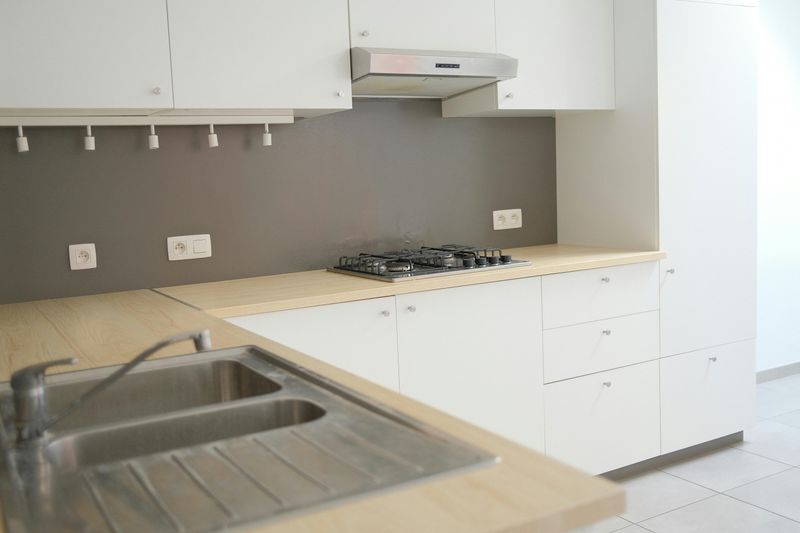
Ground Fault Circuit Interrupter outlets have become non-negotiable for kitchen countertop areas under Georgia’s 2025 electrical code updates.
These special outlets detect electrical imbalances and shut off power instantly, preventing serious shocks near water sources.
Countertop surfaces where small appliances plug in must now have this protection, though the good news is that refrigerator outlets no longer require GFCI protection.
Homeowners planning kitchen renovations should budget for GFCI outlet installation during the design phase.
A licensed electrician can test existing outlets to determine which ones need upgrading.
The tell-tale sign of a GFCI outlet is the test and reset buttons on the face of the receptacle.
Installing these outlets typically costs between fifty and one hundred dollars per location, depending on accessibility and existing wiring conditions.
Skipping this upgrade could result in failed inspections during home sales or permit violations during remodeling projects.
Safety always comes first, and these outlets provide crucial protection where water and electricity meet daily.
2. Outdated Smoke Detector Placement

Proper smoke detector placement has become one of the most commonly cited code violations during home inspections across Georgia.
Current regulations require detectors in every bedroom, outside each sleeping area, and on every level including basements.
Many older homes only have detectors in hallways, leaving bedrooms dangerously unprotected during nighttime fires.
Battery-powered units offer a simple solution for homes without hardwired systems, though interconnected alarms provide better protection.
When one detector senses smoke, all connected units sound their alarms throughout the house.
This gives families precious extra seconds to escape, especially if fire starts in a distant room.
Replacing outdated detectors every ten years maintains reliable protection, as sensors degrade over time.
Check manufacture dates stamped on the back of each unit to determine replacement schedules.
During home sales, inspectors scrutinize smoke detector compliance carefully, and missing units can delay closings or force price negotiations before buyers agree to proceed with purchases.
3. Inadequate Bathroom Ventilation
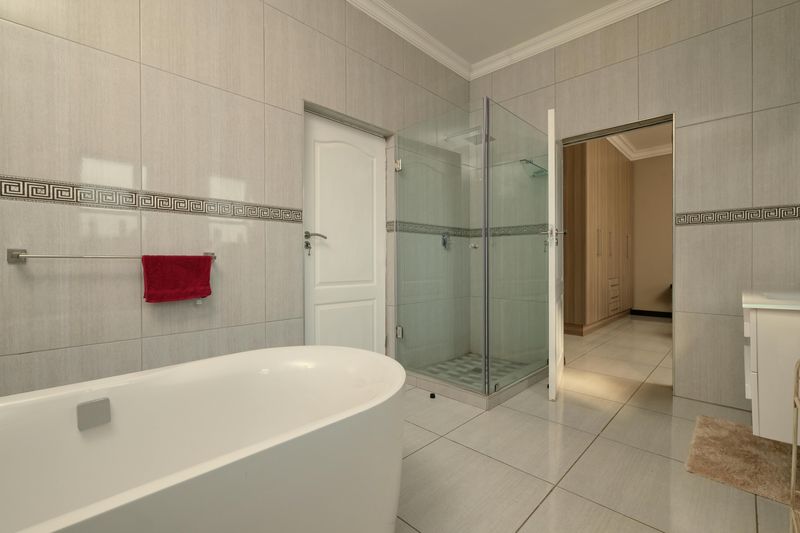
Moisture buildup in bathrooms creates perfect conditions for mold growth, which is why Georgia building codes now strictly enforce ventilation requirements.
Bathrooms need either a functioning exhaust fan or an operable window that provides adequate air exchange.
Simply cracking the door after showers does not meet code standards and leaves homes vulnerable to expensive mold remediation down the road.
Exhaust fans should vent directly outside rather than into attics, where trapped moisture damages insulation and structural components.
Many older installations incorrectly route fan ducts into attic spaces, creating hidden problems that only become apparent during roof inspections or when selling property.
Upgrading to properly vented systems prevents these costly surprises.
Modern bathroom fans operate quietly and efficiently, with some models including humidity sensors that activate automatically when moisture levels rise.
Installation typically requires professional help to ensure proper ducting through exterior walls or roofs.
Ignoring bathroom ventilation codes creates health hazards and reduces home values when buyers discover moisture damage during pre-purchase inspections.
4. Overloaded Electrical Panels
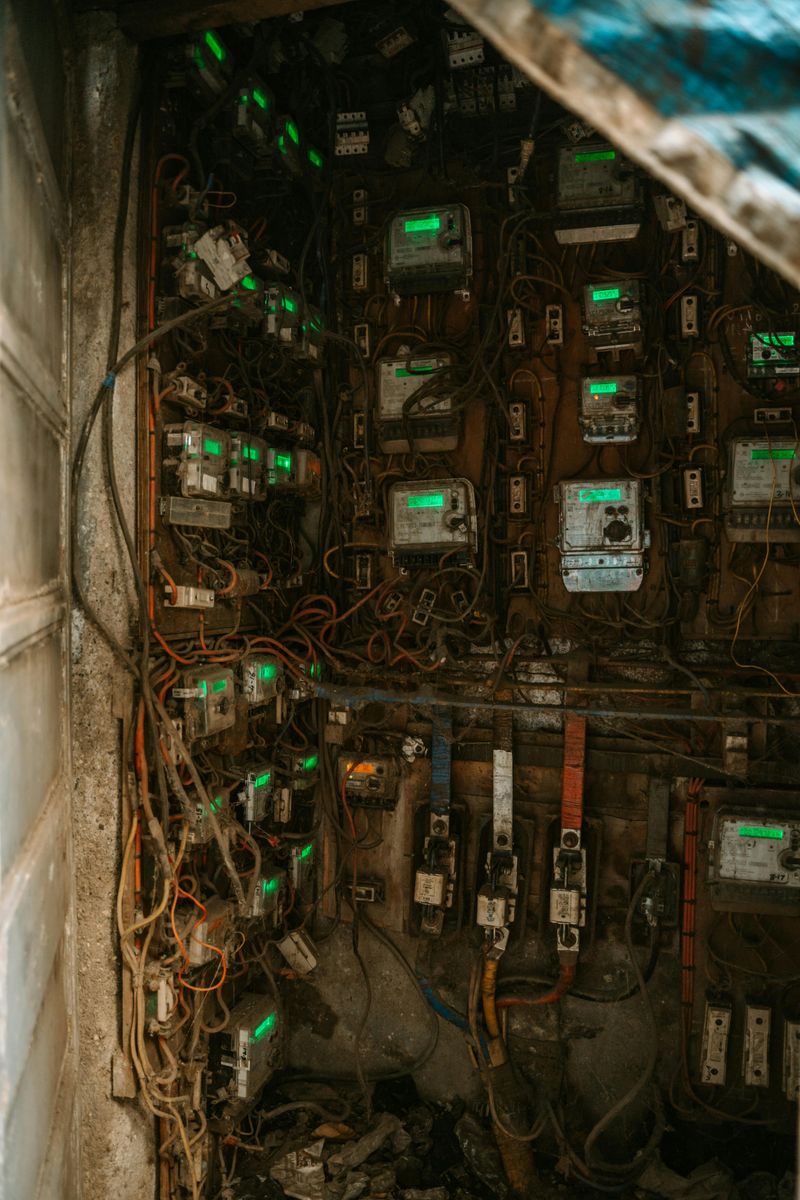
Adding circuits without proper planning turns electrical panels into fire hazards that violate safety codes throughout Georgia.
Homeowners often install new outlets or appliances without considering whether existing panels can handle additional electrical loads.
Overloaded panels cause breakers to trip frequently. Wires can overheat, creating serious fire risks.
Licensed electricians calculate total amperage before adding circuits, ensuring panels operate within safe capacity limits.
Older homes with sixty-amp or one-hundred-amp service may need complete panel upgrades to support modern electrical demands.
Air conditioners, electric vehicle chargers, and high-powered appliances all draw substantial current that outdated systems cannot safely provide.
Panel upgrades represent significant investments but prevent dangerous electrical failures.
Code inspectors carefully examine panel conditions during renovations, and overloaded systems trigger immediate violation notices that halt projects until corrected.
5. Invasive Bamboo Plantings

That beautiful bamboo screen along property lines might soon cause serious legal headaches for Georgia homeowners.
Running bamboo spreads aggressively through underground rhizomes, often invading neighboring yards and damaging foundations, driveways, and utilities.
Several Georgia counties have enacted ordinances restricting or banning invasive bamboo varieties after ongoing property disputes.
Clumping bamboo offers a safer alternative since it grows in tight clusters without rampant spreading.
Homeowners with existing running bamboo should install deep root barriers extending at least thirty inches underground.
Regular maintenance is still required to control escaping shoots. Removing established bamboo can be difficult because leftover rhizomes regenerate quickly.
Professional removal services use specialized equipment and herbicides to eliminate infestations. Checking local ordinances before planting prevents costly violations and mandatory removal orders.
6. Non-Compliant Gravel Driveways
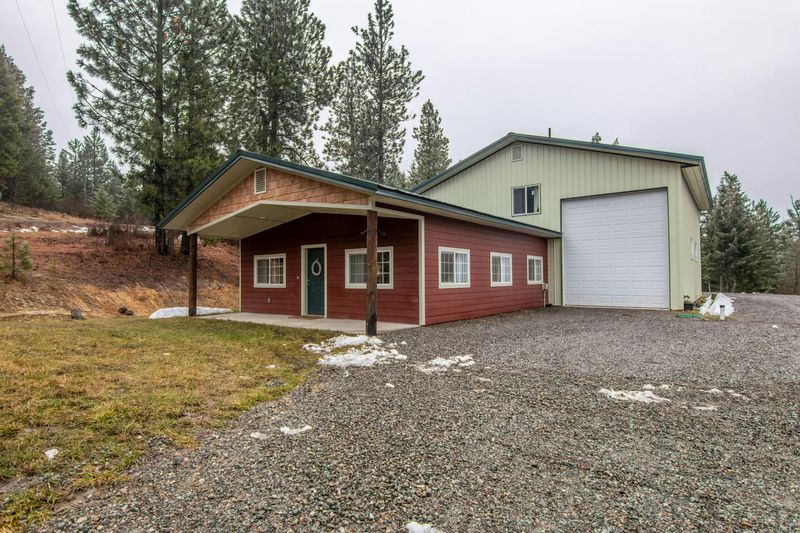
Loose gravel driveways face increasing restrictions across Georgia communities due to runoff issues and noise complaints.
Gravel migrates into streets during rainstorms, clogging storm drains and creating sediment pollution in local waterways.
Neighbors also complain about crunching sounds from tires rolling over stones, especially during early morning and late evening hours when ambient noise levels drop.
New construction and driveway replacements may require alternatives like permeable pavers, concrete, or asphalt depending on local regulations.
These materials provide stable surfaces that contain runoff while reducing maintenance needs associated with gravel replenishment.
Some communities grandfather existing gravel drives but prohibit new installations or major repairs using loose stone materials.
Homeowners should consult local planning departments before starting driveway projects to understand current requirements.
Permeable paving systems offer environmentally friendly options that satisfy stormwater management codes while providing attractive, durable surfaces.
Converting from gravel to compliant materials represents substantial investment, but avoiding code violations and neighbor disputes makes the expense worthwhile for long-term property value and community harmony in increasingly regulated residential areas.
7. Backyard Fire Pits Without Permits
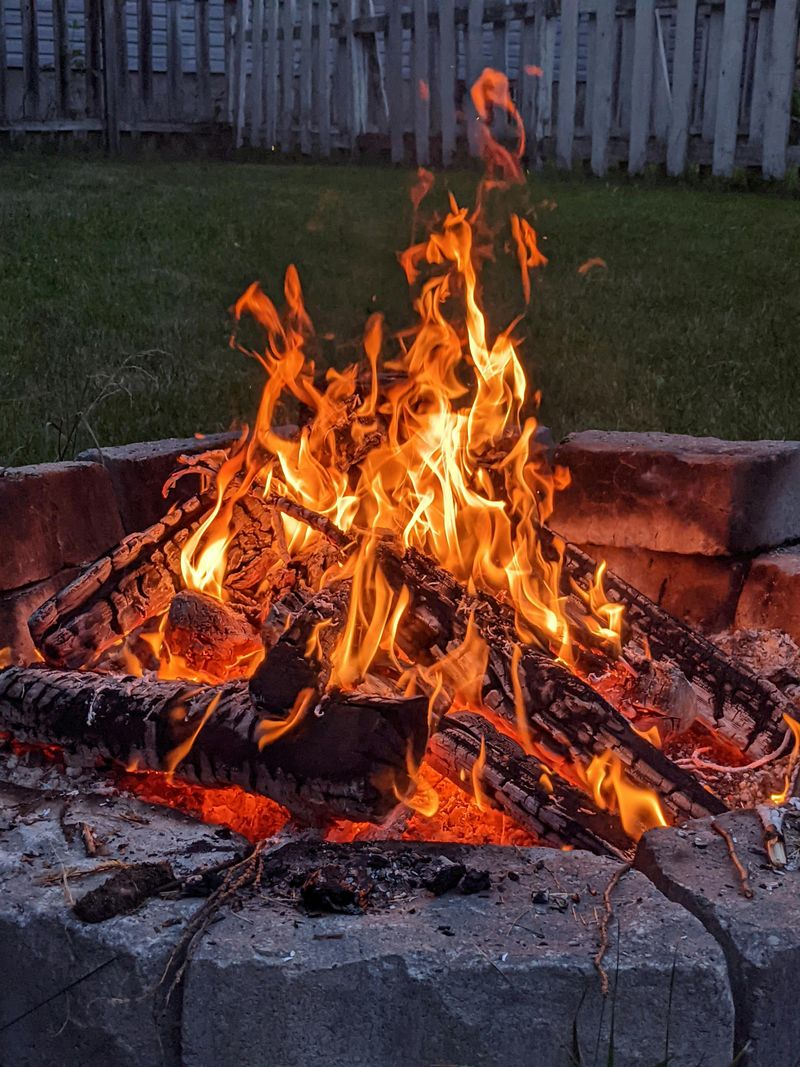
Cozy evenings around backyard fire pits have become complicated by stricter air quality and safety regulations across Georgia.
Wood-burning fire features generate smoke that drifts into neighboring properties, triggering complaints and potential code enforcement actions.
Many jurisdictions now require permits for permanent fire pits and restrict burning during high pollution days or drought conditions when fire danger increases.
Natural gas or propane fire features face fewer restrictions than wood-burning versions, producing minimal smoke while providing warmth and ambiance.
Portable fire pits typically receive more lenient treatment than permanent installations, though regulations vary widely between counties and municipalities.
Always check local fire codes before purchasing or building any outdoor fire feature to avoid expensive removal orders.
Setback requirements mandate minimum distances between fire features and property lines, structures, or overhead vegetation.
Violations discovered during home sales can derail transactions or force sellers to remove non-compliant features before closing.
Some homeowner associations prohibit fire pits entirely, adding another layer of restrictions beyond municipal codes.
Understanding all applicable rules before installing fire features prevents disappointment and protects investments in outdoor living spaces.
8. Improperly Installed Handrails

Staircase handrails prevent countless falls, which is why building codes specify exact height, strength, and placement requirements.
Rails must sit between thirty-four and thirty-eight inches above stair nosings, with consistent height throughout entire runs.
Loose handrails that wobble under pressure fail code requirements and create serious injury risks, especially for elderly residents or young children navigating stairs.
Staircases with four or more risers require handrails on at least one side, while wider stairs need rails on both sides.
The graspable portion should allow hands to wrap around comfortably, ruling out wide decorative rails that look attractive but provide inadequate grip during emergencies.
Mounting brackets must anchor into wall studs rather than just drywall to support required two-hundred-pound load capacities.
Many older homes feature handrails installed before current codes took effect, creating liability concerns during accidents or home sales.
Upgrading to compliant rails improves safety and satisfies inspection requirements.
Professional installation ensures proper height, strength, and spacing, typically costing a few hundred dollars depending on stair length and material choices for wood, metal, or composite rail systems.
9. Ungrounded Electrical Outlets
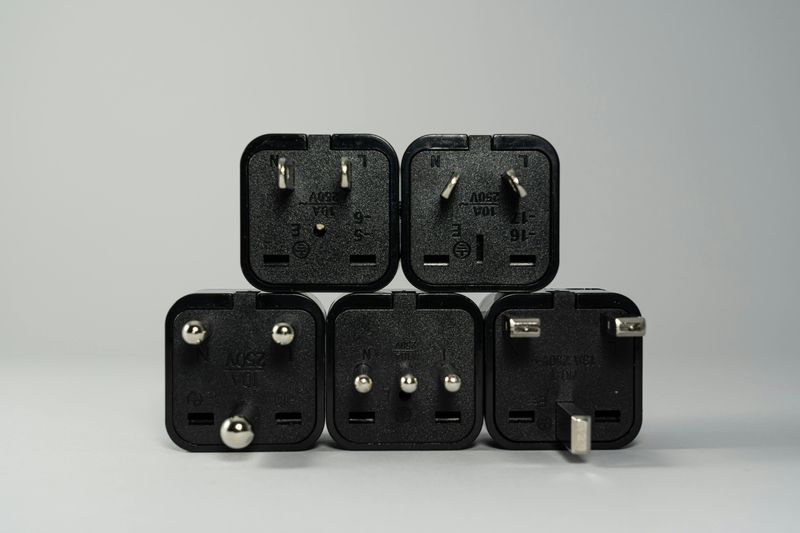
Two-prong outlets without ground wires represent outdated electrical systems that fail to protect modern electronics and appliances.
Grounding provides a safe path for electrical faults, preventing shocks and equipment damage when short circuits occur.
While existing two-prong outlets may remain in place under grandfather clauses, replacing them or adding new outlets requires proper three-prong grounded receptacles throughout Georgia.
Simply installing three-prong outlets where only two-wire systems exist creates dangerous situations and violates electrical codes.
Proper upgrades involve running new ground wires to outlets or installing GFCI outlets that provide shock protection without ground wires.
GFCI solutions cost less than rewiring entire circuits but require proper labeling indicating no equipment ground exists at those locations.
Homes with ungrounded outlets often need complete electrical system updates to meet current safety standards.
This major investment protects expensive computers, televisions, and smart home devices from power surges.
During home inspections, ungrounded outlets raise red flags about overall electrical system conditions, potentially affecting property values and buyer confidence.
Addressing these issues proactively prevents negotiation problems and ensures safe electrical service for all household needs.
10. Missing Tempered Glass In Hazardous Locations

Regular glass shatters into dangerous shards that cause severe injuries, which is why codes require tempered safety glass in specific locations.
Shower doors, windows near bathtubs, and glass panels beside doors must use tempered glass that crumbles into small, relatively harmless pieces when broken.
Many older homes still have standard glass in these hazardous locations, creating liability issues and code violations.
Tempered glass features a small etching in one corner identifying it as safety glass, making identification straightforward during inspections.
Replacing standard glass with tempered versions prevents tragic accidents, especially in homes with children or elderly residents who face higher fall risks.
Building codes strictly enforce these requirements, and violations discovered during renovations trigger mandatory replacement orders before work can proceed.
Glass replacement costs vary based on size and custom requirements, but safety benefits far outweigh expenses.
Professional installation ensures proper sealing and mounting that prevents future problems.
Home sellers should address tempered glass deficiencies before listing properties, as buyers often negotiate price reductions or request corrections after inspection reports identify these safety code violations that compromise household protection standards.
11. Incorrectly Wired Three-Way Switches
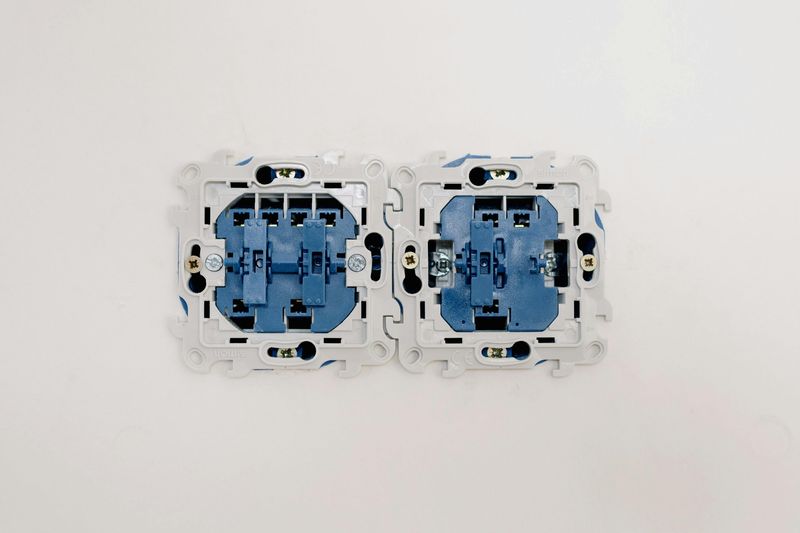
Three-way switches that control lights from multiple locations often hide dangerous wiring mistakes that violate electrical codes.
Homeowners attempting DIY electrical work sometimes connect wires incorrectly, creating shock hazards or fire risks behind seemingly functional switches.
Even when lights operate properly, improper wiring can cause arcing, overheating, and electrical failures that endanger household safety.
Professional electricians use specific wiring methods that route power safely through three-way switch systems.
Common mistakes include using wrong wire colors, connecting neutral wires incorrectly, or creating bootleg grounds that appear to work but lack proper safety protections.
These errors often go unnoticed until electrical problems develop or inspectors examine wiring during renovations or home sales.
Correcting improper switch wiring requires opening junction boxes and tracing circuits to identify mistakes.
Licensed electricians complete these repairs safely, ensuring connections meet code requirements.
While hiring professionals costs more than DIY attempts, proper installation prevents electrical fires and shock injuries.
Code inspectors carefully examine electrical work during permit inspections, and amateur wiring jobs trigger violation notices that delay projects and require expensive corrections before receiving approval to proceed.
12. Non-Compliant Deck Railings

Deck railings prevent falls from elevated surfaces, making code compliance absolutely critical for household safety.
Railings must reach at least thirty-six inches high on decks more than thirty inches above ground level.
Baluster spacing cannot exceed four inches to prevent small children from slipping through openings.
Many older decks feature railings built before current standards took effect, creating dangerous conditions and code violations.
Railing strength requirements specify that systems must withstand two hundred pounds of force applied horizontally at the top rail.
Decorative railings that look sturdy sometimes fail load tests because mounting hardware lacks adequate strength or spacing.
Loose railings that shake when pushed indicate structural problems requiring immediate attention before someone gets hurt.
Upgrading deck railings to meet current codes protects families and satisfies inspection requirements during home sales.
Professional deck builders understand railing specifications and install systems that pass inspections reliably.
DIY railing projects often fail code requirements due to incorrect baluster spacing, inadequate height, or weak connections.
Investing in proper railings prevents liability issues and ensures outdoor living spaces provide safe enjoyment for years of family gatherings and relaxation.
13. Improper Attic Insulation And Ventilation
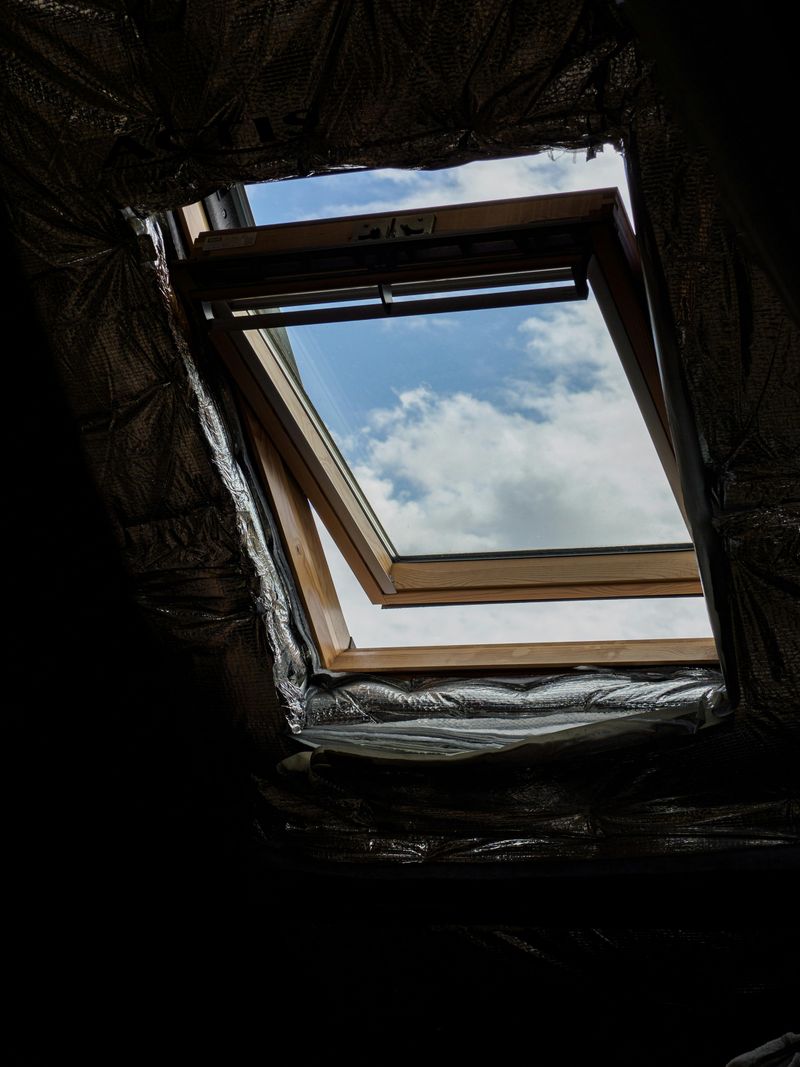
Attic spaces require balanced insulation and ventilation to prevent moisture damage and maintain energy efficiency throughout Georgia’s humid climate.
Inadequate insulation allows heat transfer that drives up cooling costs during brutal summer months.
Insufficient ventilation traps moisture that rots roof decking, destroys insulation effectiveness, and creates perfect conditions for mold growth that spreads throughout homes.
Building codes specify minimum insulation R-values based on climate zones, with Georgia requiring substantial insulation to combat heat and humidity.
Ventilation systems need proper intake vents at soffits and exhaust vents at ridge lines or gables to create continuous airflow.
Blocked soffit vents or missing ridge vents prevent air circulation, causing heat buildup and moisture accumulation that damage roof structures.
Professional insulation contractors assess attic conditions and recommend upgrades that meet current code requirements.
Proper installation includes air sealing around penetrations before adding insulation, preventing conditioned air from escaping into attic spaces.
Energy audits often reveal insulation deficiencies that cost hundreds monthly in wasted utility expenses.
Correcting these issues improves comfort, reduces energy bills, and prevents moisture damage that requires expensive repairs when discovered during roof replacements or home inspections.
14. Unpermitted Room Additions Or Conversions
Converting garages, basements, or attics into living spaces without proper permits creates serious legal and safety problems for Georgia homeowners.
Unpermitted work often fails to meet building codes for electrical, plumbing, ventilation, or structural requirements.
These deficiencies create hazards and complicate home sales when title searches or inspections reveal illegal additions that buyers refuse to accept without resolution.
Obtaining permits after completing work costs more than doing things correctly from the start, as inspectors may require opening walls to verify hidden systems meet codes.
Some municipalities impose penalties for unpermitted work, adding thousands in fines to correction costs.
Homeowners sometimes discover previous owners completed unpermitted renovations, inheriting problems that affect property values and marketability.
Legalizing unpermitted spaces requires submitting plans, paying permit fees, and passing inspections that verify code compliance.
Some conversions prove impossible to legalize due to zoning restrictions, setback violations, or structural inadequacies.
Real estate attorneys and contractors can assess situations and recommend solutions.
When buying homes, always verify that additions have proper permits on file with local building departments, protecting investments from expensive surprises that surface during ownership or resale attempts.