10 Connecticut Towns Losing Residents As Their Populations Continue To Age
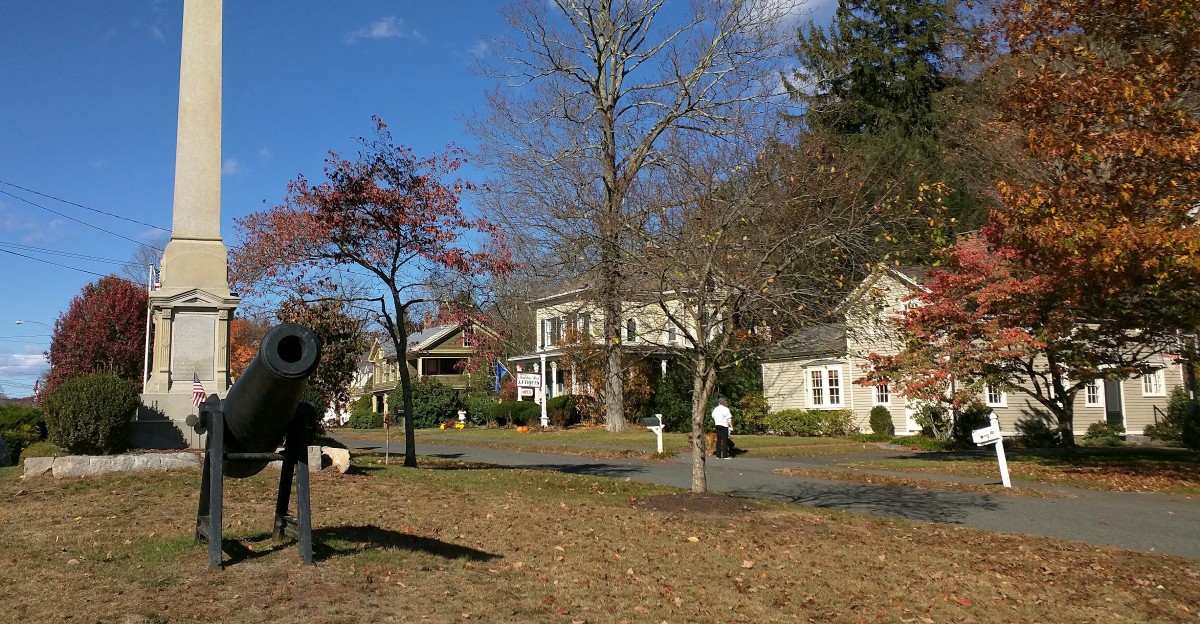
A familiar neighborhood can change so gradually that you barely notice it happening. One family moves away. A longtime neighbor retires.
Fewer young people seem to be settling into the houses where children once played.
Over time, those small changes can begin to show up in population figures.
Several Connecticut towns are facing questions about what happens when resident numbers decline and the average age rises.
The effects can reach beyond the numbers themselves.
Local businesses depend on customers, schools need students and community organizations rely on people who have time to participate. When the balance shifts, towns may have to rethink how they plan for the years ahead.
But population decline does not tell the entire story of a community.
Many longtime residents remain deeply attached to their hometowns, and every place has its own reasons for changing.
Looking at the towns experiencing these trends offers an interesting glimpse into how local life may evolve in the future.
1. Sherman
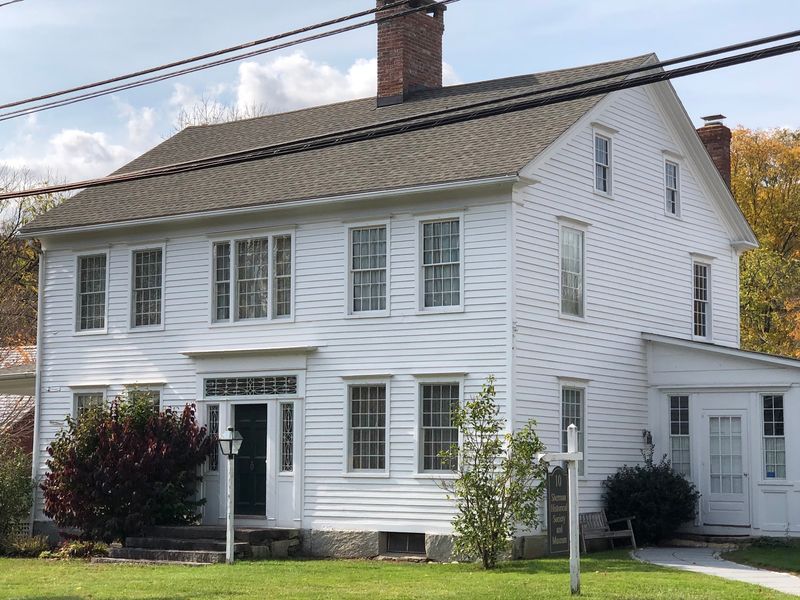
Only 3,527 people called Sherman home in the 2020 census, which makes it the least populous town in all of Fairfield County. It also sits farthest north in the county, where farm fields and wooded hills replace the busy suburbs found closer to the coast.
Part of what shapes Sherman’s population is its weekend crowd. Roughly a third of residents are part-time homeowners from New York City, so the year-round community is small and tends to skew older.
For a town like this, a steady supply of young families is hard to find, but the slower pace is exactly what many retirees want.
History runs deep here. Sherman split from New Fairfield in 1802 and took its name from Roger Sherman, the only person to sign all four of the nation’s founding documents.
In the 1800s, local farmers grew a well-regarded tobacco leaf, and the town center is now protected as the Sherman Historic District.
Nature lovers will find the Appalachian Trail crossing the northern part of town, plus the top end of Squantz Pond.
When hunger strikes, the American Pie Company at 29 Route 37 S, Sherman, CT 06784 has served chicken pot pie, meatloaf, and fresh-baked pies since 1993, with seating indoors and out.
2. Willington
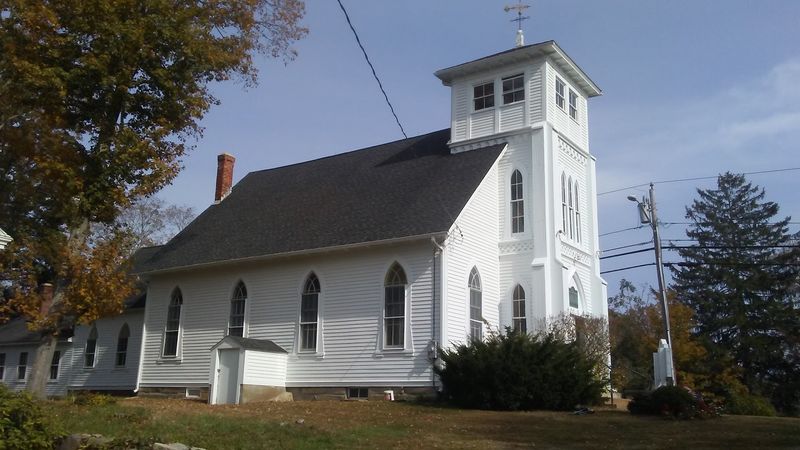
Small town, big history!
Long before quiet neighborhoods and country roads became the familiar scene, Willington was buzzing with industrial activity. Silk factories, a thread mill, and glassmaking helped shape this Tolland County community during the 1800s.
Today, life moves at a gentler pace. The 2020 census recorded 5,566 residents, and the town remains largely residential, with many people commuting elsewhere for work.
Its modest population growth and aging longtime residents reflect a pattern seen in other rural communities.
History still has plenty of surprises here. The Willimantic River once supplied power for local industry, while buildings like the 1815 David Glazier Tavern recall earlier community life.
Town meetings took place there during winter for nearly three decades.
The Miner Grant Store, dating to 1797, offers another glimpse into the town’s commercial past.
Even the name has an interesting story. According to local tradition, Wellington was the intended choice, but a recording mistake produced Willington instead.
Outdoor recreation brings another side of town into focus. Fenton-Ruby Park and Wildlife Preserve offers woodland trails and wildlife watching, while River Road Park provides recreational space.
Halls Pond Beach is another popular seasonal gathering place, giving residents a pleasant spot to enjoy warm summer afternoons.
3. Sharon
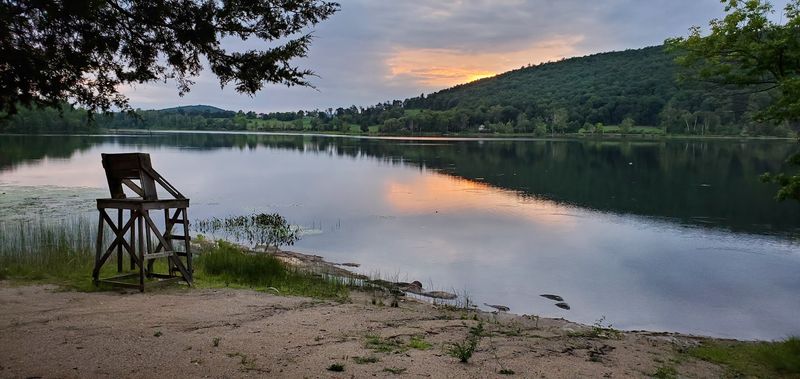
What makes a small town such a popular place to grow older?
In Sharon, peaceful countryside and a close-knit community have helped create a town with a notably older population. According to the 2025 CT Healthy Aging Community Profile, approximately 41 percent of residents are at least 60 years old.
With roughly 2,680 people recorded in the 2020 census, this northwest corner community has become particularly appealing to retirees. Local organizations increasingly emphasize activities and services that help older residents remain independent and socially connected.
But Sharon has a surprisingly industrious past.
During the 1800s, iron production supported the local economy, with nearby ore transformed into useful goods. The Civil War brought munitions manufacturing, including the famous Hotchkiss shell, while Sharon Valley’s lime kilns supported another important trade.
Today, the historic town green hosts community favorites such as the annual Christmas Tree Lighting and Carol Sing and August Craft Fair.
Nature lovers have plenty to explore, too. The Sharon Audubon Center at 325 Cornwall Bridge Road offers free public walking trails and opportunities to observe local wildlife.
The Appalachian Trail also crosses the eastern part of town, adding another outdoor attraction.
For residents who appreciate quieter surroundings, Sharon offers history, outdoor recreation, and a strong sense of community.
4. Old Saybrook
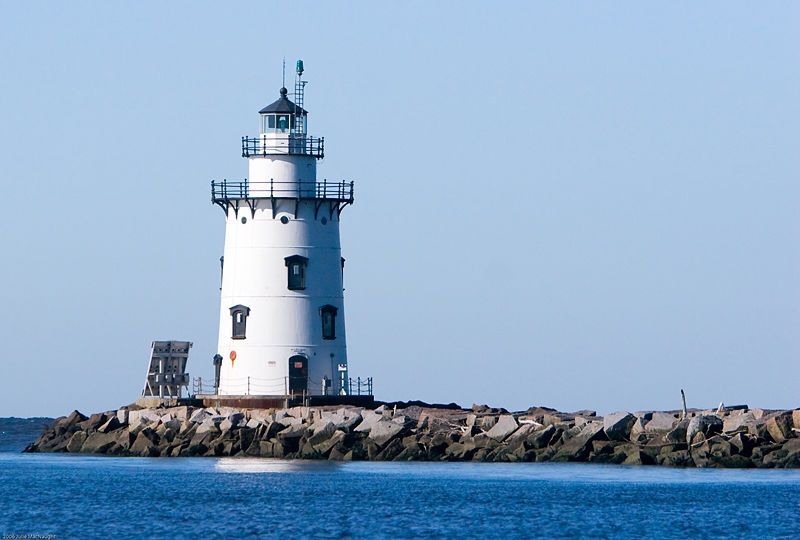
Where the Connecticut River spills into Long Island Sound, Old Saybrook has been welcoming settlers since 1635. These days, it welcomes a lot of retirees too.
Estimates for 2024 put the median age around 57, with nearly 31 percent of residents aged 65 or older.
The year-round population hovers near 10,500, yet it can roughly double in summer when vacation homes fill up. That seasonal swing, combined with an older base of permanent residents, means the town’s busiest months and quietest months feel like two different places.
Walking is one of the best ways to enjoy it. The downtown has tidy sidewalks, historic buildings, and boutiques close together, so you can park once and spend an afternoon on foot.
More than 100 homes in town are recognized for their historical value.
Culture lovers should catch a show at the Katharine Hepburn Cultural Arts Center, often called The Kate, at 300 Main St, Old Saybrook, CT 06475. It hosts theater, music, and dance throughout the year.
Fort Saybrook Monument Park marks the original settlement and offers wide river views. Harvey’s Beach suits swimmers and sunset watchers, and two working lighthouses, Lynde Point and the Breakwater Light, add a postcard touch to the harbor.
5. Branford
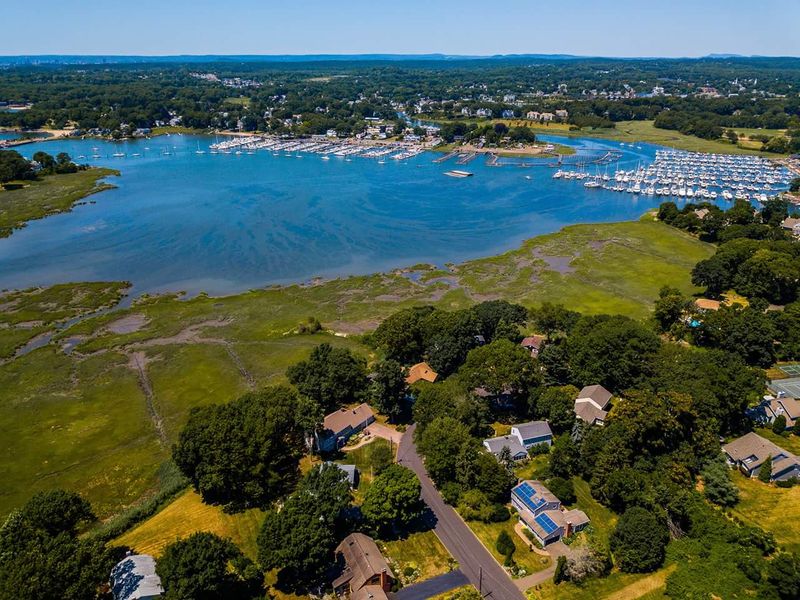
Did you know the first hospice in the United States opened in Branford in 1974? It is a fitting piece of history for a town that, like much of the state shoreline, now has a growing share of older residents.
Branford is larger than most towns on this list, with 28,273 people in the 2020 census. Still, it faces the same challenge as its neighbors.
Housing near the water is pricey, and many longtime homeowners stay for decades, which slows the arrival of younger households.
The town’s past is built from stone and steel. After the railroad arrived in 1852, factories sprang up, and the Stony Creek quarries shipped pink granite used in part of the Statue of Liberty’s pedestal.
You can learn more at the Harrison House Museum, a colonial home dating to 1724.
Out on the water, the Thimble Islands make a memorable outing, with seasonal sightseeing boat tours leaving from Stony Creek. Back on land, the Branford Town Green anchors downtown and hosts the yearly Branford Festival.
Need a cozy meal? Home Restaurant at 110 Main St, Branford, CT 06405 serves comfort classics and brunch in a room with a fireplace, and it is known for handling food allergies with care.
6. Guilford
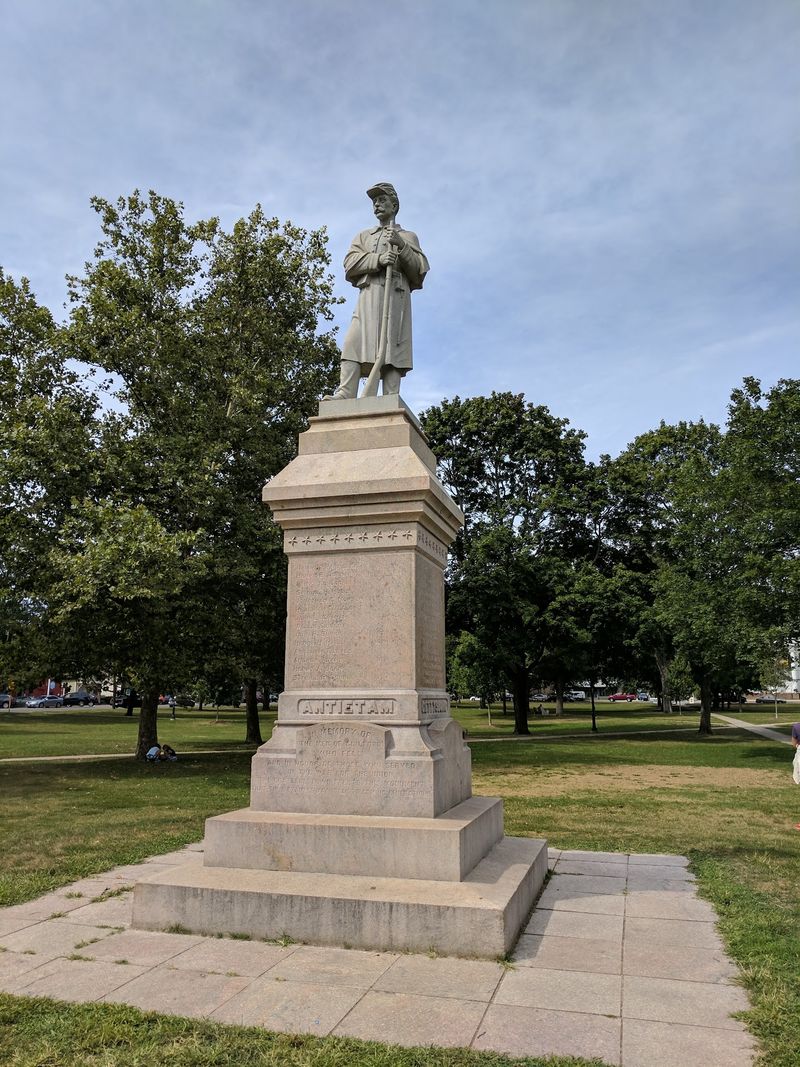
Old houses are Guilford’s claim to fame. The town holds the third-largest collection of historic homes in New England, with hundreds of buildings from the 1600s, 1700s, and 1800s still standing.
The people living in those homes are maturing too. Recent estimates show a median age near 51, and more than a quarter of residents are 65 or older.
With roughly 22,000 people, Guilford remains lively, but school enrollment and housing needs are shifting as the population grows grayer.
Founded in 1639, Guilford centers on a town green that many consider among the prettiest in New England. Shade trees and paved paths make it easy for walkers of any age, and shops, antique stores, and galleries line the edges.
History buffs have plenty of choices. The Henry Whitfield State Museum at 248 Old Whitfield Street, Guilford, CT 06437 occupies a stone house from 1639, and the Hyland House and Thomas Griswold House add more colonial stories.
Granite from Guilford’s Beattie Quarry also helped form the base of the Statue of Liberty.
For a sweet stop, Bishop’s Orchards has operated since 1871. Its market at 1355 Boston Post Road, Guilford, CT 06437 sells fresh produce, baked goods, and homemade ice cream, with pick-your-own fruit in season.
7. East Lyme

A 1.1-mile boardwalk hugging Niantic Bay might be the best reason to visit East Lyme, and it is a favorite exercise route for the town’s many older walkers. Benches line the way, so taking breaks to watch the water is easy.
East Lyme counted 18,693 residents in 2020 and has grown only slightly since. Its median age sits near 49, and roughly a quarter of residents are 65 or older.
In summer, seasonal visitors can nearly double the population, so the off-season feels peaceful and local.
The town formed in 1839 from parts of Lyme and Waterford and includes two villages, inland Flanders and coastal Niantic. When the railroad arrived in 1851, Niantic became a summer resort, a role it still plays.
History fans should seek out the Thomas Lee House, built around 1660 and considered the oldest house in state still in its original primitive state. A one-room schoolhouse shares the property.
For a full beach day, Rocky Neck State Park at 244 West Main Street, Niantic, CT 06357 covers 710 acres with gently sloping sand, clear water, and wetlands full of birds. McCook Point Park adds a shady lawn, picnic pavilion, and views stretching to Fishers Island.
8. Bridgewater
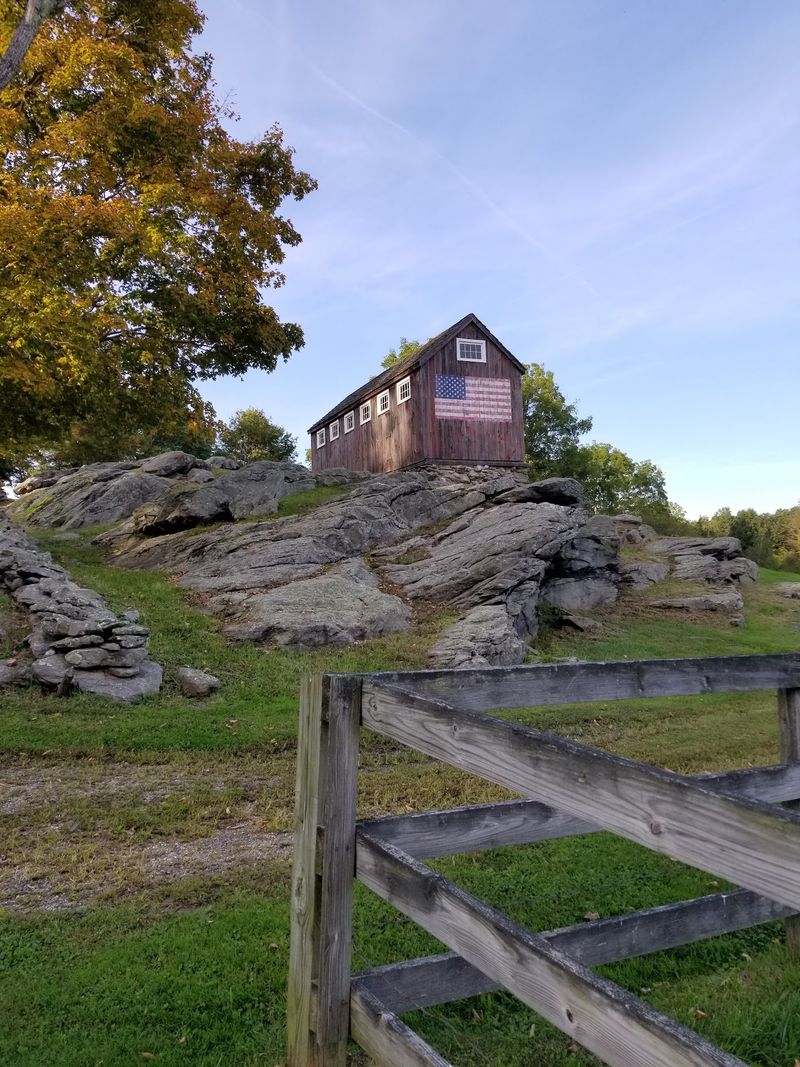
No traffic light. That single detail tells you a lot about Bridgewater, where the town center runs on a simple four-way stop and life moves at an unhurried pace.
With about 1,600 residents, Bridgewater is one of state’s smallest towns. Its rural setting and limited new housing mean few young families move in, while many longtime residents happily stay.
The result is a close community where faces are familiar and the population slowly ages.
Bridgewater broke away from New Milford in 1856. Farming, especially tobacco and dairy, shaped its early years, along with a hat factory that ran on Hat Shop Hill from 1823 to 1870.
Another local business sold toiletries by mail, and its 1899 building in the town center still serves residents today.
That building now holds the Bridgewater Village Store, Bakery and Bistro at 27 Main St S, Bridgewater, CT 06752, the town’s only full-service restaurant.
By day it feels like a casual country store, and by evening it shifts to a candlelit bistro serving seasonal dishes, many made with produce from nearby Maywood Gardens.
Gluten-free pizza and heat-and-serve meals are handy extras.
Just down the road, the Burnham Library serves as a friendly gathering spot. The Housatonic and Shepaug rivers meet at the town’s southern tip.
9. Woodbury
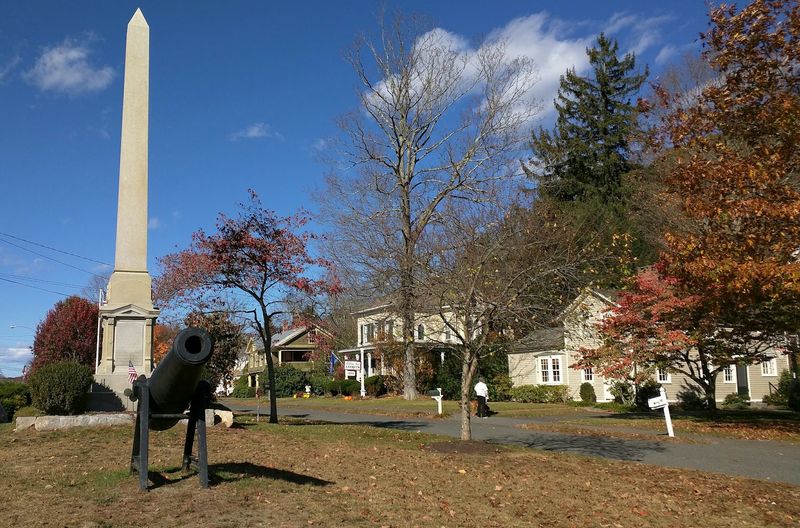
Antique hunters have a nickname for Woodbury: state’s antiques capital. Historic homes along Main Street, some dating to about 1680, now hold shops packed with old furniture, art, and treasures.
That love of the past fits a town where many residents are past their working years. Like other Litchfield County communities, Woodbury has seen slow population change as older homeowners stay and fewer young buyers arrive.
For retirees, though, the walkable historic district and calm streets are a big draw.
Woodbury dates to the 1670s, when settlers from Stratford named it for a dwelling place in the woods. Ancient Woodbury once included land that later became Southbury, Roxbury, Bethlehem, and parts of other towns.
By the Revolutionary War, it ranked as the colony’s fifth-largest town.
An important moment happened here in 1783, when Samuel Seabury was chosen as the first American Episcopal bishop. You can explore that story at the Glebe House Museum and Gertrude Jekyll Garden, 49 Hollow Rd, Woodbury, CT 06798, one of the state’s oldest house museums.
Outdoors, Flanders Nature Center offers trails, and Hollow Park provides riverside space for strolls. For dinner, John’s Cafe on Main Street serves fresh house-made pasta in a warm, bistro-style room.
10. Roxbury
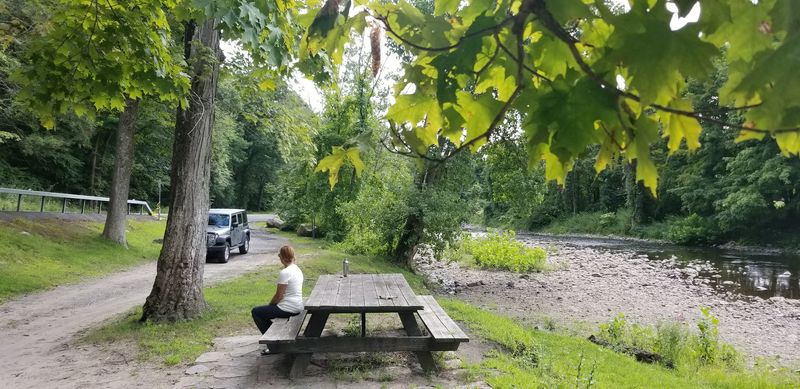
Gray stone peeks out of Roxbury’s hillsides, a quiet reminder that local quarries once supplied granite used in churches, homes, and even landmarks like the Brooklyn Bridge and Grand Central Station.
Today, this Litchfield Hills town is better known for winding roads, red barns, and an older crowd. Estimates show a median age near 55, with about 31 percent of residents aged 65 or older.
The population, roughly 2,300 people spread across 27 square miles, has stayed fairly steady, but its age profile keeps climbing above the national average.
Roxbury began as part of Ancient Woodbury and became its own town after the Revolutionary War. Farming and mining built its early economy, and the Historic District still shows off classic barns and old New England architecture worth a slow drive.
A good tip for visitors is to plan around the town’s small number of eateries. The Roxbury Market at 26 North St, Roxbury, CT 06783 is a veteran-owned hub with a full-service deli, local goods, and Ferris Acres ice cream, making it a natural place to meet neighbors.
Mamie’s draws fans for brunch and supper made with locally sourced ingredients, including fresh beignets. Pack a picnic, pick a scenic road, and enjoy the countryside.