11 Coolest Small Towns In California That You’ve Probably Never Heard Of
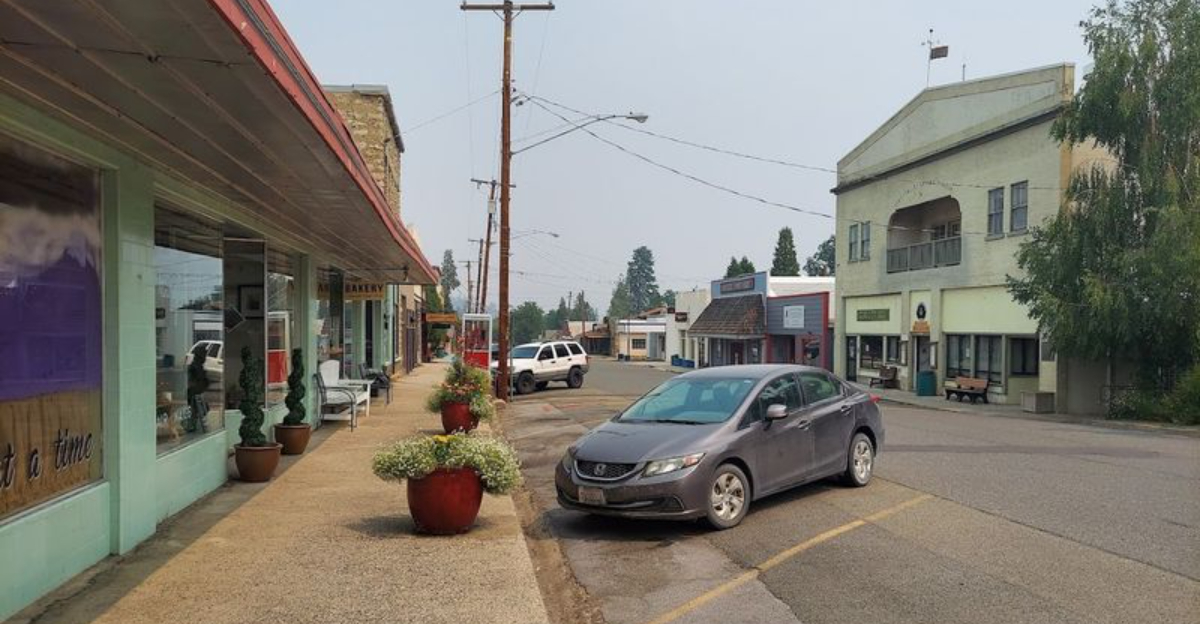
California still has corners that feel like a surprise.
Beyond the famous coastlines and heavily photographed stops, small towns are quietly holding onto the kind of charm that feels personal, unrushed, and a little unexpected.
Some win people over right away with their setting. Others take a minute, then suddenly become the place you cannot stop talking about afterward.
That is part of the fun. A town does not need crowds or a big reputation to feel memorable. Sometimes all it takes is one pretty main street or a mood that catches you completely off guard.
In a state known for going big, these smaller places offer something softer and far more tucked away.
Each one brings its own kind of character, and that sense of discovery is what makes them so hard to forget.
1. Ferndale
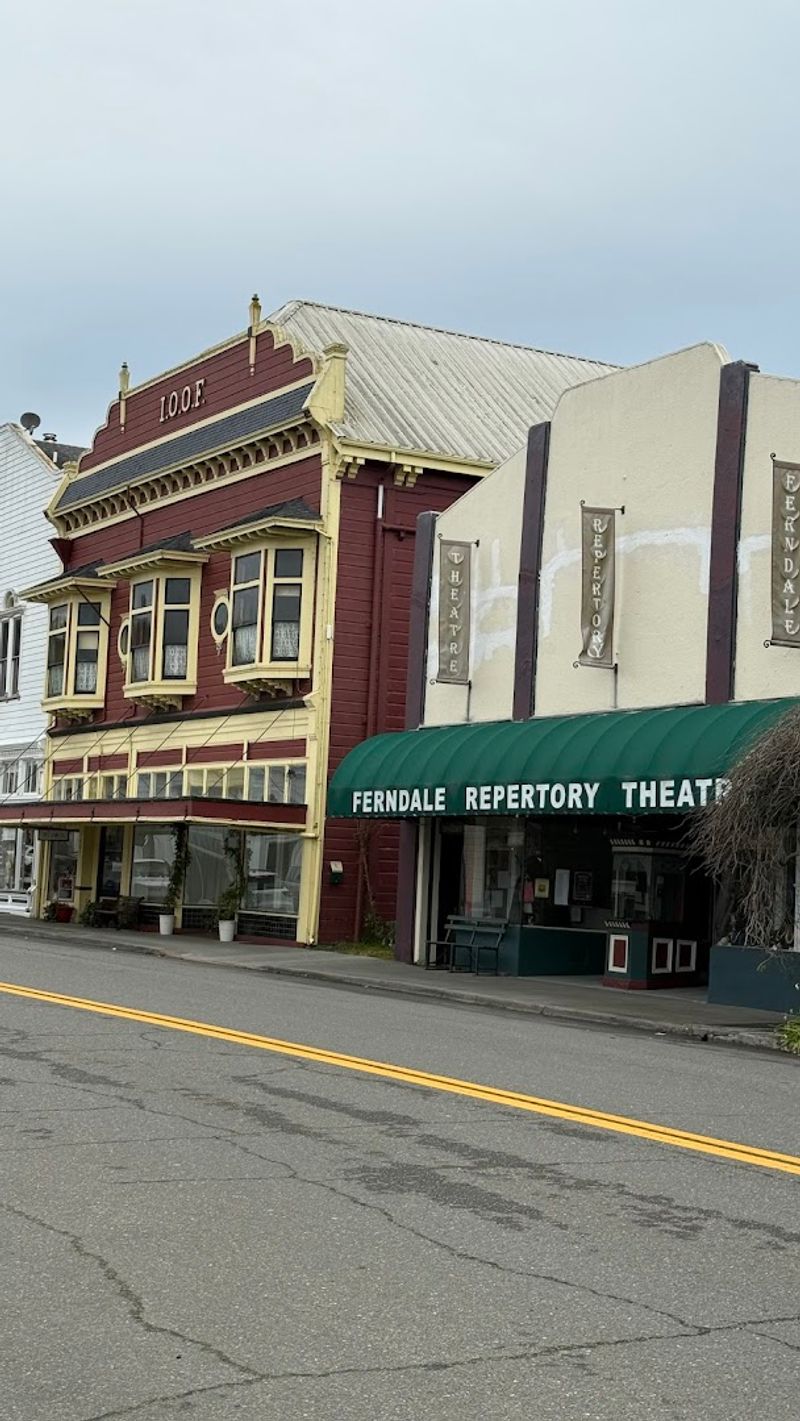
Walking down Main Street in Ferndale feels like stepping into a storybook that someone forgot to finish.
The buildings are painted in deep jewel tones with carved wooden trim, bay windows, and decorative cornices that look almost too detailed to be real.
Humboldt County is home to this Victorian gem, and the town has been so well preserved that the entire downtown is listed on the National Register of Historic Places.
Antique shops, local bakeries, and small galleries line the street, giving visitors plenty of reasons to slow down and look around.
The nearby Lost Coast adds a rugged contrast to the town’s polished appearance, with wild beaches just a short drive away.
Ferndale sits far enough north that it tends to stay quieter than most tourist destinations, which makes the experience feel more like a discovery than a scheduled stop.
Weekday visits tend to offer the most breathing room, with fewer cars on the street and a more relaxed pace overall.
The local arts community keeps the town culturally active, and the Ferndale Repertory Theatre has been staging productions for decades.
Staying overnight in one of the Victorian bed-and-breakfasts could turn a quick detour into a full weekend worth remembering.
2. Harmony
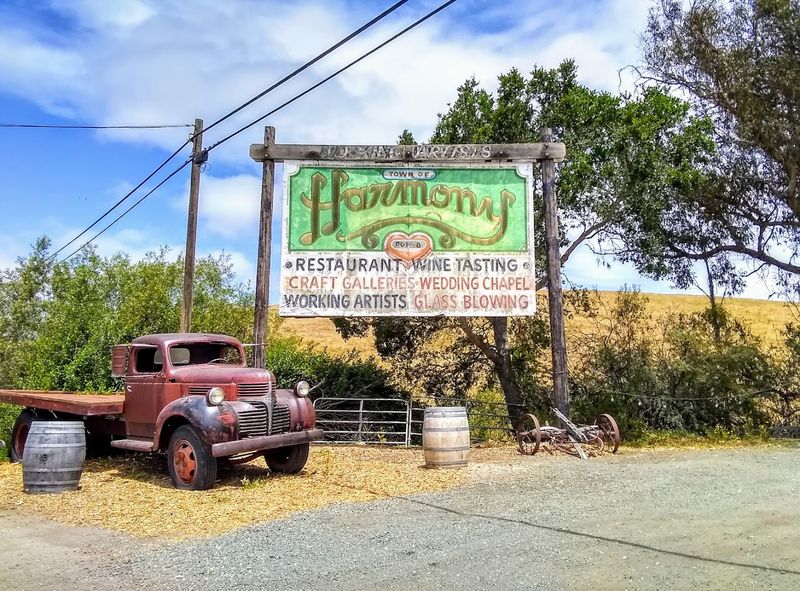
Somewhere between San Simeon and Cambria on the Central Coast sits a town so small it barely registers on a map, yet Harmony manages to leave a real impression on anyone who stops.
The population hovers around eighteen people, and the running joke on the sign out front counts the cows too.
Founded in 1869 around the dairy and creamery trade, the town eventually reinvented itself as a quirky artisan village with glass-blowing studios and pottery workshops tucked into its old buildings.
The entire town is essentially one compact cluster of low structures set against rolling golden hills, and the whole thing can be explored on foot in under thirty minutes.
That unhurried pace is part of the appeal. There is no rush, no crowds, and no pressure to do anything other than look around and appreciate how genuinely odd and charming the place is.
Harmony works well as a stop between bigger destinations rather than a standalone trip, making it perfect for a Central Coast road journey.
The artisan studios welcome visitors during open hours, and picking up a handmade piece from a local artist adds a meaningful souvenir to the experience.
3. Locke
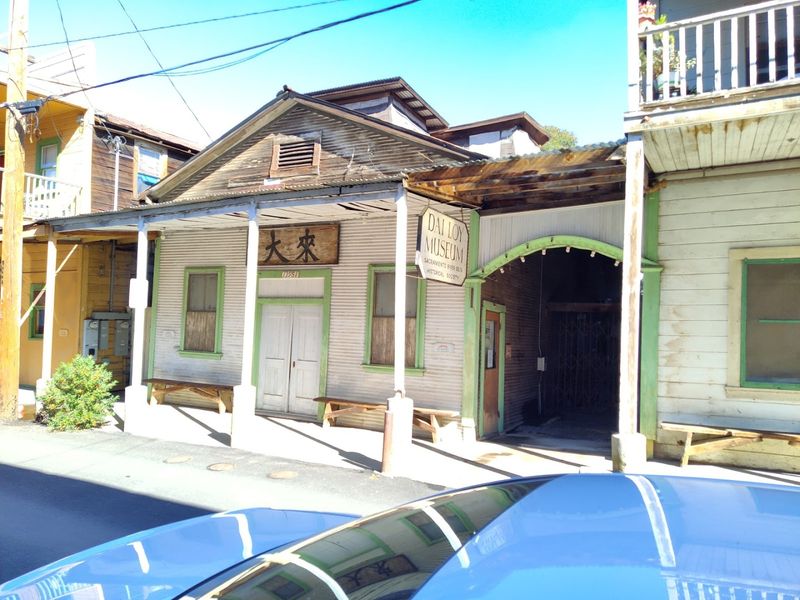
Few places in California carry as much historical weight in such a compact space as Locke does.
Tucked into the Sacramento Delta along the river levee, the town was built by Chinese immigrants in 1915 and stands today as the largest and most complete example of a rural Chinese American community in the United States.
The National Park Service recognizes Locke as a place of extraordinary cultural significance, and a walk through its narrow main street confirms why that designation feels earned.
The wooden storefronts lean slightly with age, and the second-floor balconies cast long shadows over the unpaved road below.
Buildings that once housed gambling halls, boarding houses, and general stores now contain small museums and a handful of businesses that keep the town alive.
The Dai Loy Museum offers a look into the town’s past through preserved interiors and historical displays.
Locke is the only town in the country built exclusively by Chinese Americans for Chinese Americans, and that distinction shapes every detail of the physical landscape.
Visiting on a weekend afternoon allows time to explore the museum and walk the full length of the main street without feeling rushed.
4. Dunsmuir
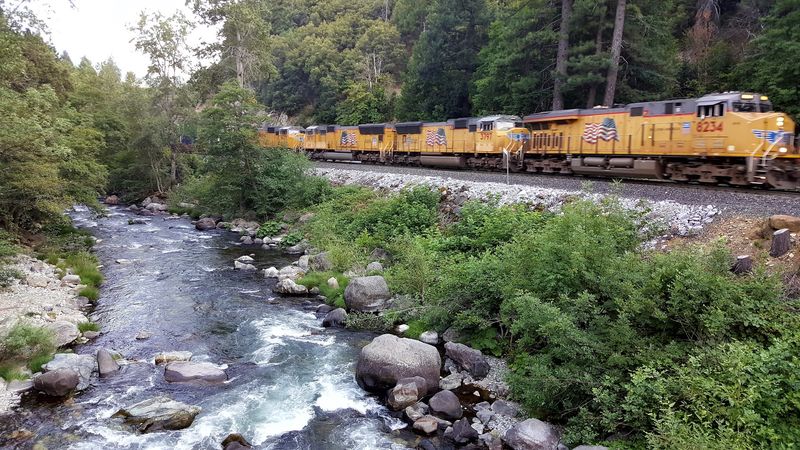
Railroad history and mountain scenery come together in Dunsmuir in a way that feels both rugged and surprisingly welcoming.
The town sits in a steep canyon along the upper Sacramento River in Siskiyou County, with forested ridgelines rising on all sides and the kind of clear mountain air that makes everything feel sharper.
Dunsmuir grew up around the railroad in the late 1800s, and the historic downtown still carries that working-town character through its architecture and layout.
The Sacramento River here is considered one of the best fly-fishing destinations in Northern California, drawing anglers who come specifically for the wild trout population.
Hiking trails fan out in multiple directions from town, and nearby Mossbrae Falls is a striking waterfall accessible by a walk along the old rail line.
The waterfall empties directly into the river, creating a scene that feels almost theatrical in its beauty.
Dunsmuir’s downtown has a handful of cafes and small restaurants that cater to hikers and road-trippers without being overly touristy.
The town feels lived-in and authentic rather than polished for visitors, which gives it a refreshing honesty.
Staying for a night or two opens up access to more of the surrounding wilderness, including Castle Crags State Park just a few miles south.
5. Lone Pine
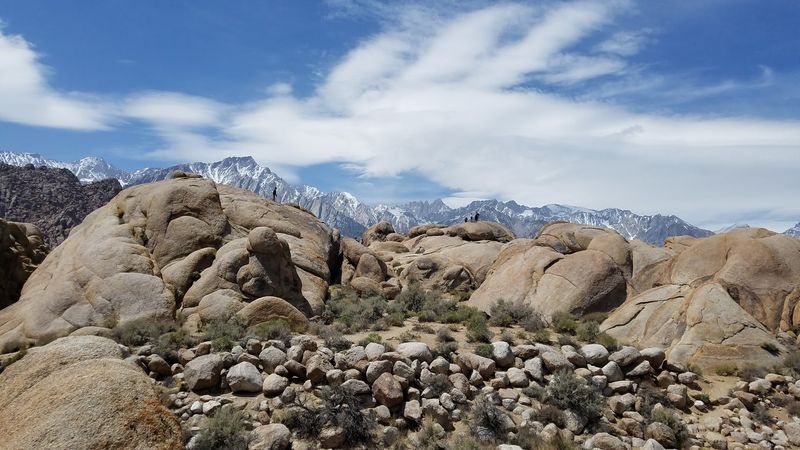
Standing in the center of Lone Pine and looking west produces one of the most dramatic views available from any small town in California.
The Alabama Hills roll out in warm orange and rust-colored boulders, and behind them Mount Whitney rises to 14,505 feet, the highest peak in the contiguous United States.
Inyo County holds this tiny Eastern Sierra town, and despite its small size it draws visitors from across the world who come to hike Whitney, explore the boulder formations, or simply experience the scale of the landscape.
The Alabama Hills have served as a backdrop for hundreds of films and television shows since the early days of Hollywood westerns, and the Museum of Western Film History in town tells that story in detail.
The museum is located at 701 South Main Street in Lone Pine and offers a well-organized look at the region’s long connection to the film industry.
The town itself is compact and easy to navigate on foot, with a main street that has diners, gear shops, and a few small motels.
Arriving in the early morning allows time to catch sunrise light on the Alabama Hills before the day heats up.
6. Murphys
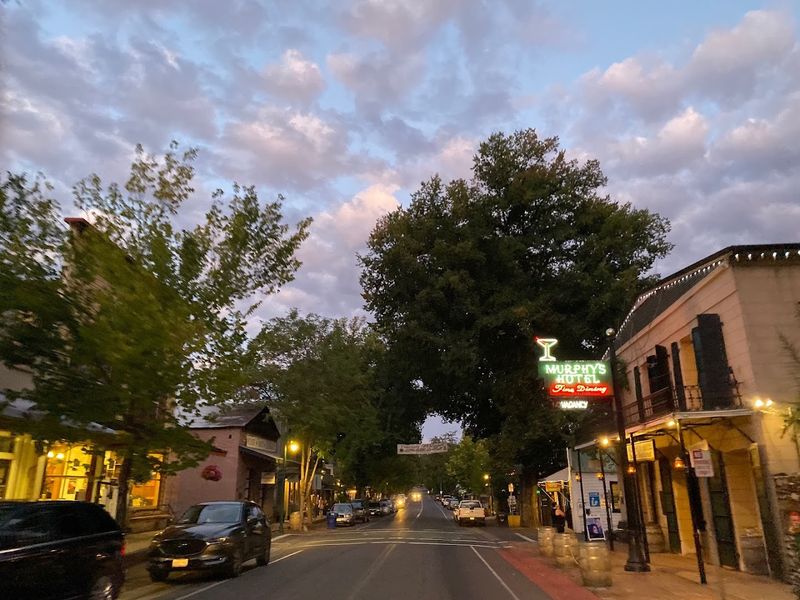
Gold Rush energy still lingers in Murphys, even if the miners have long since gone.
The old stone and brick buildings along Main Street date back to the 1850s, and their thick walls and wooden porches give the town a solidity that feels earned rather than constructed for effect.
Calaveras County is home to this foothill gem, which sits at roughly 2,171 feet in elevation between Yosemite National Park and Lake Tahoe, making it a natural stopping point for travelers moving through the Sierra Nevada.
Known as the Queen of the Sierra, Murphys has developed a food and hospitality scene that punches well above its size.
The main street holds independent restaurants, artisan cheese shops, and a range of small boutiques that make an afternoon of wandering genuinely enjoyable.
The historic Murphys Hotel, located at 457 Main Street in Murphys, has been operating since 1856 and counts Ulysses S. Grant among its historic guests.
Nearby Calaveras Big Trees State Park offers access to giant sequoias just a short drive from town, adding a natural wonder to what is already a well-rounded destination.
Weekend afternoons bring more foot traffic to the main street, while weekday mornings offer a quieter version of the same experience.
7. Volcano
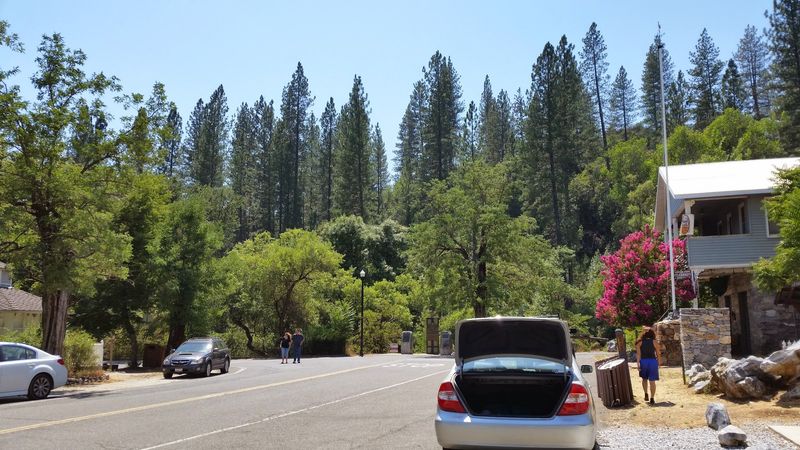
The name alone sets expectations, and Volcano does its best to live up to the intrigue even without any actual volcanic activity.
Amador County holds this remarkably small community, which sits in a bowl-shaped valley that early settlers mistook for a volcanic crater, hence the name.
With a population just over one hundred, Volcano is one of the quietest and least visited Gold Rush towns in the entire Mother Lode region.
The town’s stone and brick buildings date to the mid-1800s, and several have been preserved well enough to give the main street a genuine sense of age.
The Union Inn and Publick House is one of the oldest operating establishments in the area, and the surrounding oak woodland gives the whole place a shaded, almost secretive quality.
Volcano was also home to one of the first astronomical observatories in California, a detail that adds an unexpected layer of history to an already interesting place.
The Volcano Community Theatre has been staging productions in the area for years, keeping a cultural pulse in a town that might otherwise feel purely historical.
Visiting in spring brings wildflower blooms to the surrounding hills, which makes the drive in just as rewarding as the destination.
8. Downieville
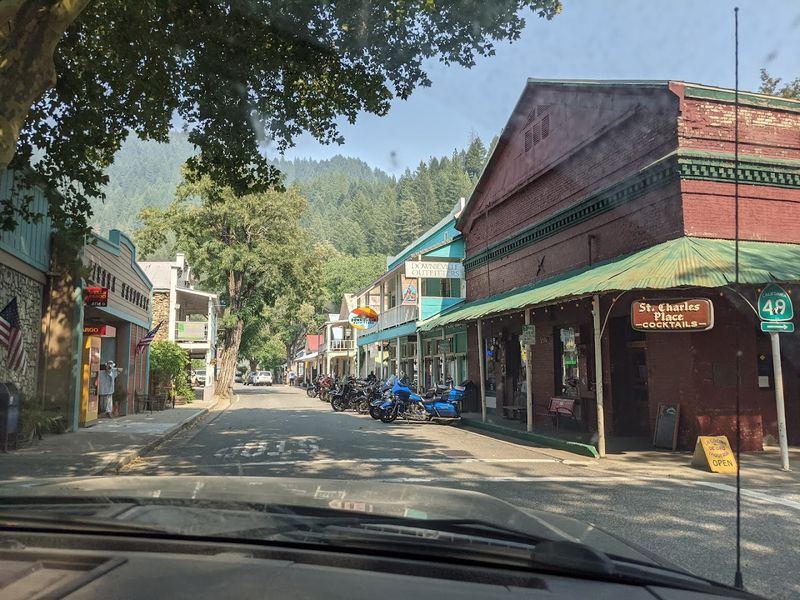
Tucked into the Sierra Nevada at the confluence of the North Yuba River and Downie River, Downieville has the kind of dramatic setting that makes first-time visitors stop and stare before they even get out of the car.
Sierra County holds this remote Gold Rush town, which was founded in 1849 and sits along Highway 49 at an elevation of about 2,899 feet. The drive in requires navigating winding mountain roads, but that effort filters out casual visitors.
Mountain biking has transformed Downieville into something of a destination sport town, with the Downieville Downhill trail drawing riders from across the country for its long descent through forested terrain.
The trail drops roughly 5,000 feet from the Sierra Buttes summit to the river below, covering about seventeen miles of technical single-track.
A local shuttle service makes the experience accessible even for those who did not ride up under their own power.
Beyond biking, the town offers excellent swimming holes in the river during summer, along with fishing, hiking, and a compact historic district that takes less than an hour to explore on foot.
The small-town atmosphere feels genuinely preserved rather than curated, and the surrounding Lost Sierra landscape adds scale and drama to every direction.
9. Etna
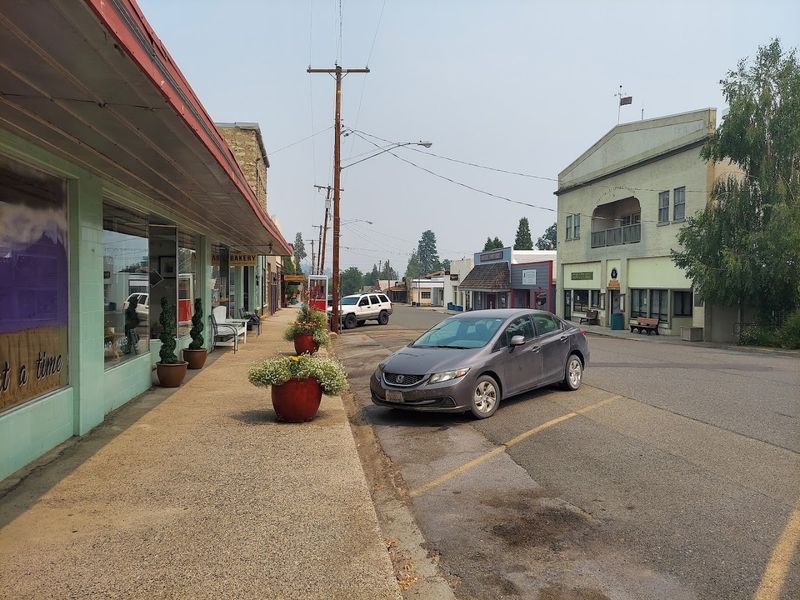
Far northern California tends to get overlooked in favor of better-known destinations further south, and Etna is one of the places that benefits most from that oversight.
Siskiyou County holds this Scott Valley town, which sits surrounded by the Marble Mountain Wilderness and the Trinity Alps to the west and the Klamath Mountains in multiple directions.
The setting is genuinely striking, with open valley farmland giving way to forested ridgelines that seem to rise out of nowhere.
Etna has a compact historic downtown with a main street that includes a few local businesses, a community feel, and a pace of life that stands in direct contrast to most California destinations.
The Marble Mountain Wilderness, accessible from trailheads near town, offers backcountry hiking through some of the least-visited terrain in the state.
Trails wind through old-growth forest, past mountain lakes, and along ridges with views that stretch for dozens of miles.
The town actively supports outdoor recreation and local tourism, and its official resources point visitors toward hiking, fishing, and scenic drives through the surrounding region.
Etna also sits along a stretch of the Pacific Crest Trail corridor, making it a useful resupply point for long-distance hikers passing through.
10. Cayucos
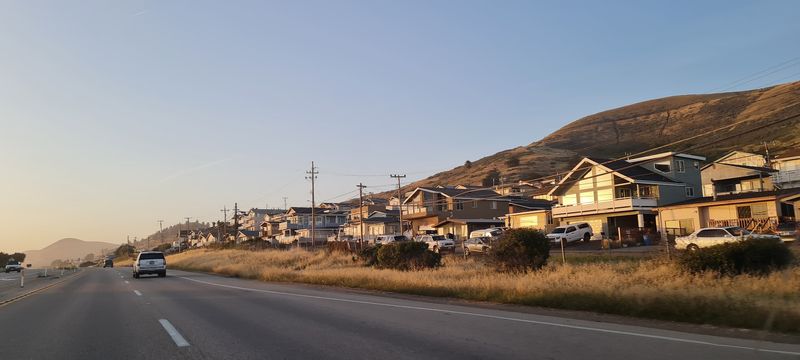
A certain unhurried energy settles over Cayucos that is hard to find in most California beach towns.
San Luis Obispo County holds this Central Coast gem, which sits just north of Morro Bay along Highway 1 with a beach that stays noticeably quieter than those at better-known stops further south.
The town’s 1872 pier is one of the oldest surviving piers on the California coast, and it stretches out over the water in a way that invites slow walks rather than rushed photo stops.
Main Street in Cayucos runs parallel to the beach and holds a mix of surf shops, small restaurants, antique stores, and ice cream spots that give the street a genuine local character.
The buildings are low and modest, and nothing about the town feels like it is trying too hard to attract attention.
Visit California has described Cayucos as the last of the California beach towns, a label that captures the feeling of arriving somewhere that has not yet been fully discovered.
Surfing is popular along the town’s beach, and the consistent swell and lack of crowds make it appealing to riders of all experience levels.
Summer brings warmer temperatures and more visitors, but even at its busiest Cayucos maintains a relaxed rhythm.
11. Los Alamos
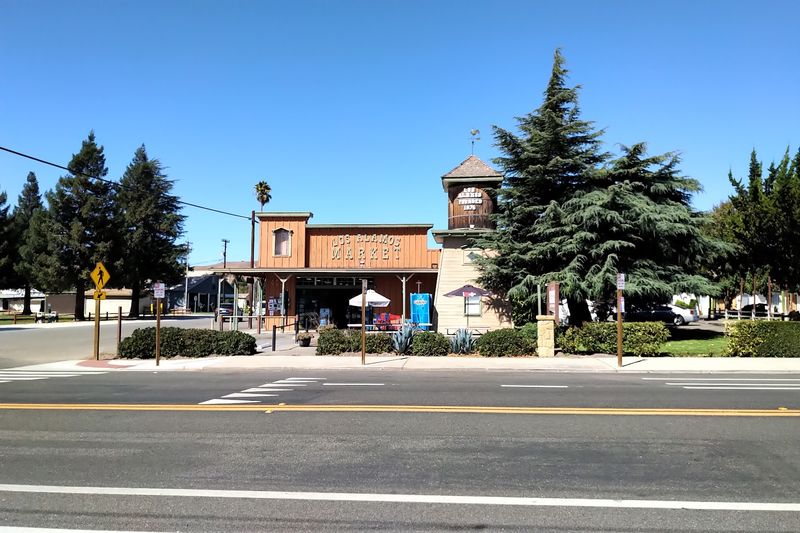
Los Alamos has the bones of an old western town and the food scene of a place that quietly decided to get serious about quality without making a big announcement about it.
Santa Barbara County holds this small community in the Santa Ynez Valley, and the main street runs through town with a low-slung, unhurried quality that feels more like a film set than a real place until the smells from local kitchens make the reality very clear.
The town’s antique shops draw dedicated hunters who come specifically for the depth and range of what turns up in the storefronts along Bell Street.
Bell Street Farm, located at 2476 Bell Street in Los Alamos, is a well-regarded spot that combines a farm store with a casual dining experience centered on local and seasonal ingredients.
The building itself has the kind of worn wooden character that fits perfectly into the surrounding streetscape.
Several other small restaurants and specialty food shops along the same block have helped Los Alamos earn the description of small town, big flavor from Santa Ynez Valley tourism.
The town works well as a day trip from Santa Barbara or Solvang, with enough to fill a leisurely afternoon without needing an overnight stay.
Weekend foot traffic picks up noticeably, so arriving earlier in the day allows more relaxed browsing through the antique stores and shops.