Cross This 140-Year-Old Georgia Covered Bridge For A Free Trip Back In Time
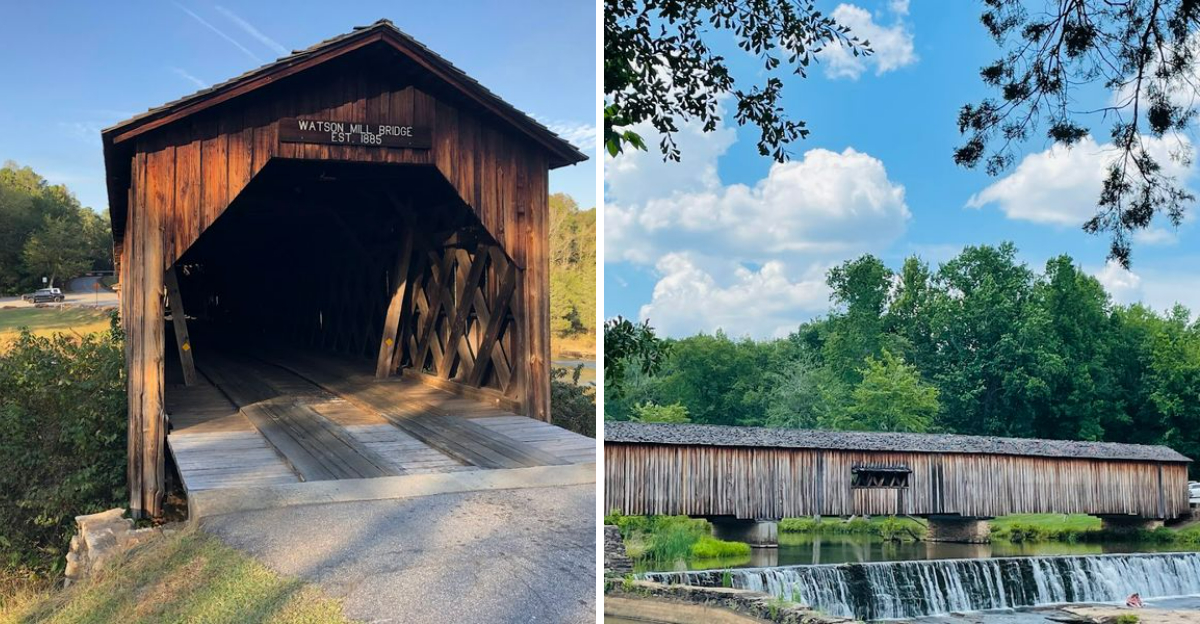
My GPS lost signal right before I found it, which somehow felt fitting. I was driving down a quiet backroad with no real destination when the trees opened up and revealed old wooden beams stretched across a river.
I parked without thinking twice and walked closer, half expecting a gate or a sign turning visitors away. Instead I found an open bridge that had been standing since 1885, still solid enough to cross on foot.
The wood creaked under my steps, and the sound of water below filled every gap in the silence. I stood in the middle for a long while, watching light slip through the wooden slats above me.
Georgia holds onto pieces of history like this without much fanfare, and that is exactly what makes them worth finding. This one is worth every wrong turn it takes to reach.
Georgia’s Longest Covered Bridge Still Standing Strong
Most bridges are just a way to get from one side to the other. This one makes you want to slow down and stay a while.
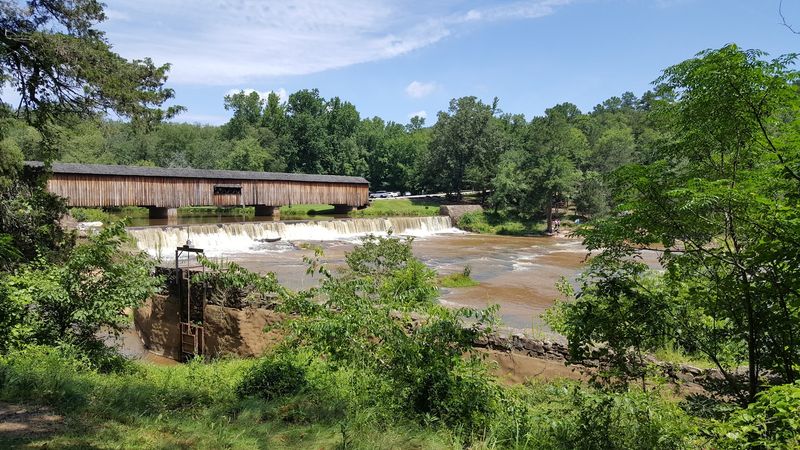
Built in 1885, this wooden structure stretches 229 feet across the South Fork of the Broad River, making it Georgia’s longest remaining covered bridge.
The builder was W.W. King, whose father Horace King was also a celebrated bridge builder in the South.
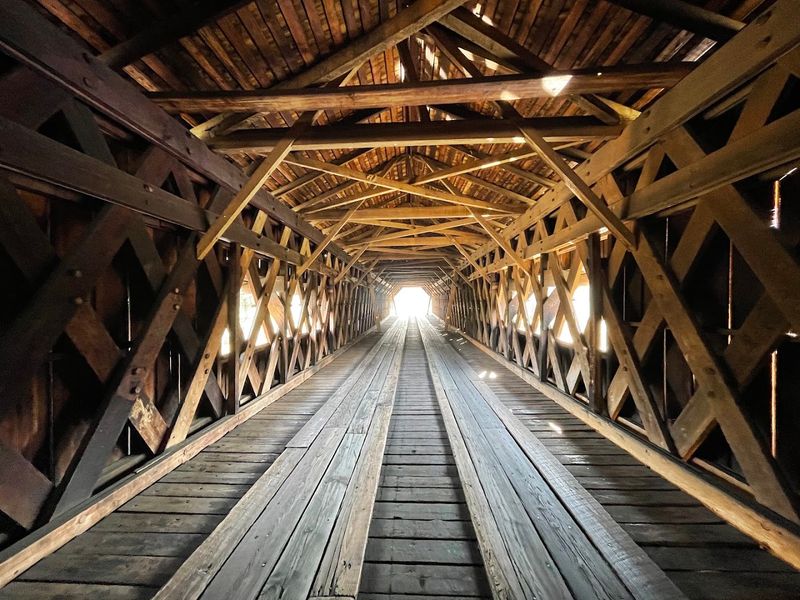
W.W. used a Town lattice truss system, holding everything together with wooden pegs called trunnels instead of metal nails. The bridge stands 19 feet wide and 19.5 feet high at the roof ridge.
Walking through it feels like stepping into a different century. The wooden walls block the sun, and the sound of the river below echoes off every plank.
Historic Watson Mill Bridge State Park, located at 650 Watson Mill Road in Comer, is home to this historic structure. Georgia once had over 200 covered bridges, and fewer than 20 remain today.
This one is worth every mile of the drive to see it.
The History Behind Every Wooden Peg
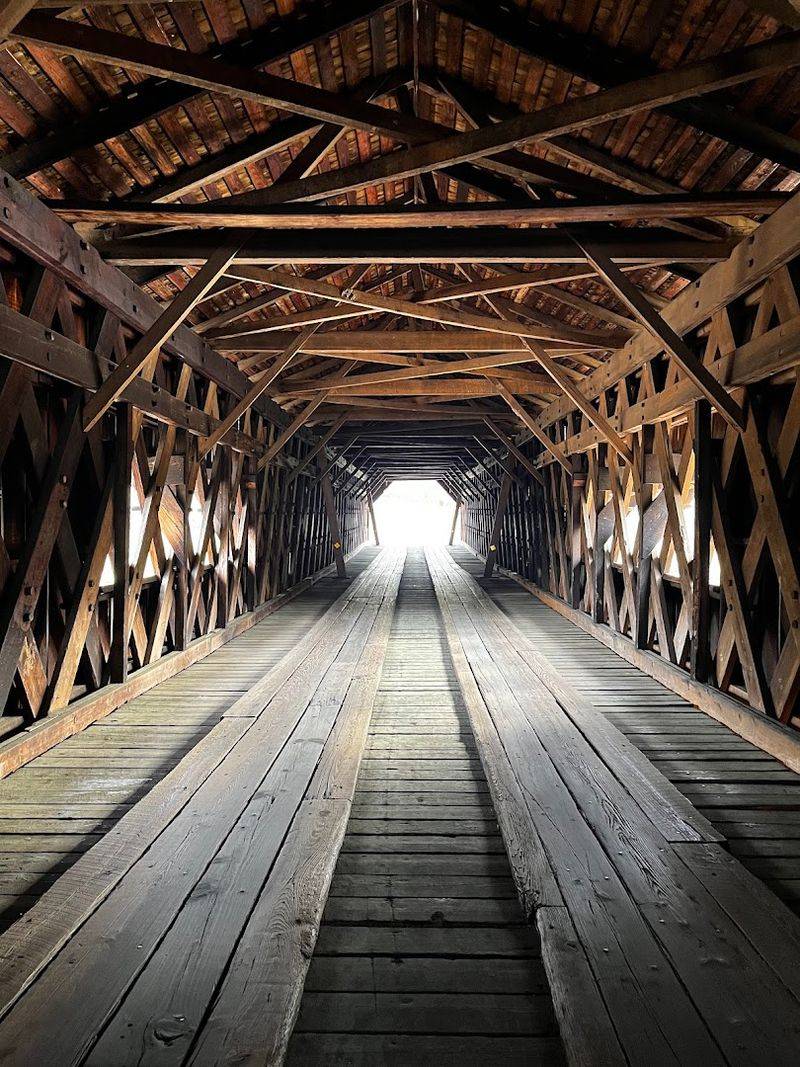
Covered bridges were not built with roofs just to look charming in photographs. The cover was a practical solution to protect the structural timber from rain, sun, and rot, extending the bridge’s life by decades.
Without that roof, the wood would have crumbled long ago.
This bridge served a real working community. The bridge served local residents and supported travel connected to the surrounding mill community.
That is not a small detail. It shows that the bridge played an important practical role in the surrounding community.
The bridge was restored in 1973, and the care put into that work shows. The surrounding area, including the mill complex ruins, an early 20th-century dam, and a power plant, is listed on the National Register of Historic Places as the Watson Mill Covered Bridge and Mill Historic District.
An 1,800-foot raceway also survives within this historic district. Every corner of this spot carries a story worth knowing.
You Can Actually Drive Across It
Not every historic landmark lets you participate in it. Most just rope you off and hand you a pamphlet.
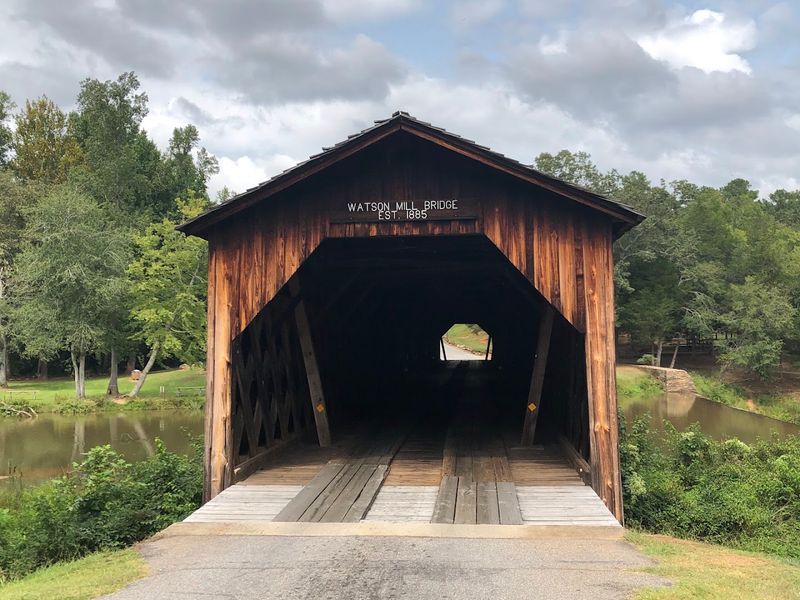
Here, you can actually drive your vehicle right through a bridge that has been standing since before your great-grandparents were born.
The bridge has a clearance of 9 feet and a weight limit of 3 tons, so standard passenger cars and smaller trucks pass through just fine. Heavier vehicles need to find another route, but for most visitors, driving across is a surprisingly thrilling experience.
It feels narrow, it sounds hollow, and the light changes the moment you enter.
Walking across is just as rewarding. The planks creak underfoot in a satisfying way, and gaps in the wooden lattice let you peek down at the river rushing below.
Openings in the wooden lattice provide partial views of the river below. It is one of those rare moments where history is not behind glass.
You are inside it, moving through it, and it is completely free to experience once you pay the park entrance fee.
Over 1,000 Acres Of Trails To Explore
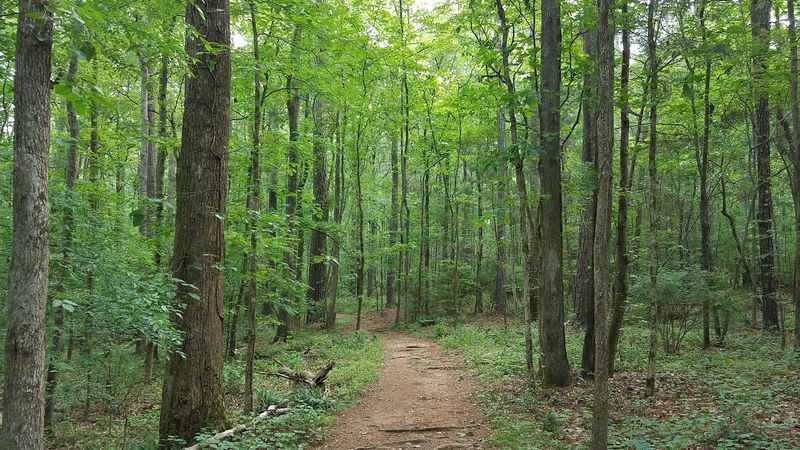
The bridge gets all the attention, but the park surrounding it deserves its own spotlight. Spreading across more than 1,000 acres, this place offers seven miles of hiking trails, five miles of biking trails, and 14 miles of horseback riding trails.
That is a full weekend of outdoor activity right there.
The 2.5-mile combined hiking and biking trail is a great starting point for most visitors. It runs beside the river, dips under the bridge, and winds through forested stretches that feel genuinely peaceful.
The trail is well-marked and well-maintained, with benches placed along the way for anyone who wants to pause and take it all in.
Horseback riders have their own dedicated trails and can even bring their own horses, as the park provides equestrian campsites and stables. Geocaching is also available for anyone who wants a little treasure-hunting adventure mixed into their hike.
The variety here is impressive.
Camping Where History And Nature Overlap
Spending the night here changes everything about how you experience this place. The sounds of the river replace traffic noise.
Stars appear where streetlights usually are. The quiet is the kind that actually makes you feel rested the next morning.
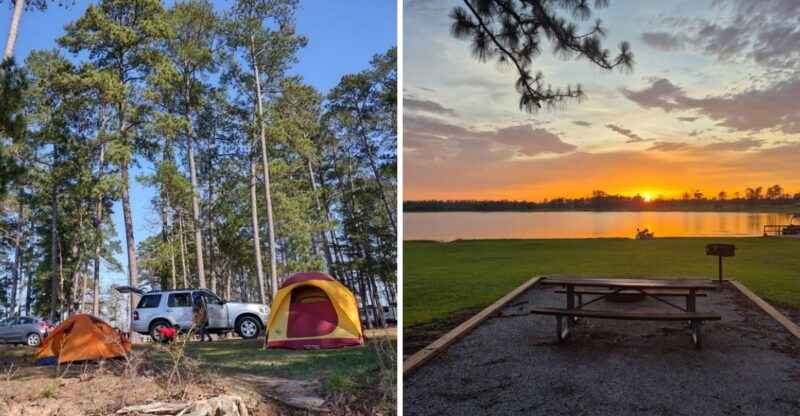
The park offers 21 campsites with water and electrical hookups, suitable for tents, trailers, and RVs. There are also three log cabin bunkhouses for groups and 11 equestrian campsites for riders who want to bring their horses along for the whole trip.
Pioneer campsites add a more rustic option for those who prefer minimal amenities.
RV campers should note the recommended entrance from Highway 22, while equestrian campers should use the Highway 72 entrance to make arrival easier. Reservations can be made online through the Georgia State Parks website.
The wooded campsites offer visitors a quiet place to stay near the bridge and the park’s trails. Waking up steps away from a 140-year-old bridge is an experience that is hard to match anywhere else in the state.
Wildlife And Natural Beauty At Every Turn
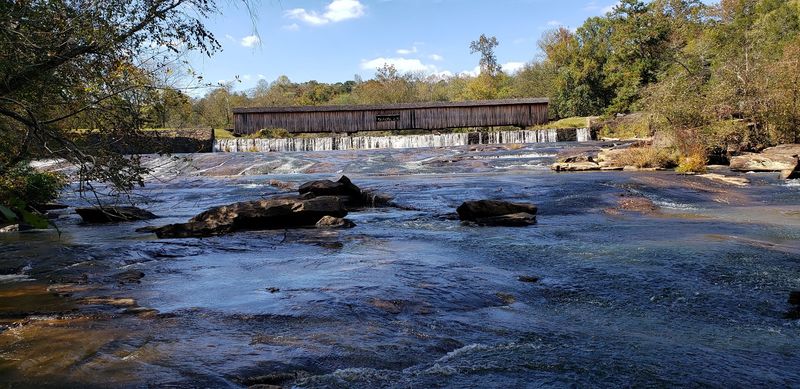
Georgia is home to over 400 bird species, and this park gives birders a serious reason to show up with binoculars. The varied landscape creates diverse habitats that attract a wide range of species throughout the year.
Bring the Merlin app and you might add several new entries to your list before lunch.
Beyond birds, the park features river shoals, ponds, streams, beaver dams, wetlands, granite outcrops, and pine forests. That range of environments in a single park is genuinely rare.
Each trail section tends to feel different from the last, which keeps the experience fresh even on repeat visits.
The South Fork River winds through the property and draws visitors to its rocky banks. Sitting on the flat rocks near the water is a favorite activity, though the rocks can be slippery when wet, so solid footwear is a smart choice.
The natural setting here is not just a backdrop for the bridge. It is a full experience on its own, with enough variety to keep nature lovers engaged from the first step to the last.
Picnicking With A View That Earns Its Own Postcard
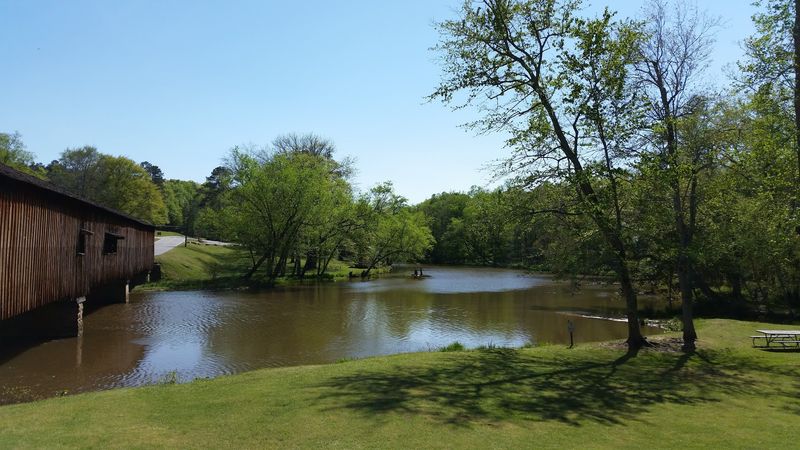
Packing a lunch and finding the right spot to eat it is one of life’s underrated pleasures. This park takes that experience seriously.
There are 70 picnic tables spread throughout the grounds, along with three picnic shelters, some of which include water and electrical connections for added convenience.
Setting up near the river with the bridge in view is the kind of afternoon that does not require a fancy plan. Kids can play on the playground nearby while adults get a few quiet minutes to actually enjoy their food.
The shaded pavilions make warm Georgia afternoons much more manageable.
Group shelters are also available for larger gatherings, which makes this spot a practical choice for family reunions or school outings. The combination of history, nature, and functional amenities in one location is genuinely hard to beat.
Bring everything you need, including water and food, since the on-site store has limited supplies and there are no nearby grocery stores. Arriving prepared means you can stay longer and enjoy every bit of what this remarkable outdoor setting has to offer.
Practical Tips Before You Pack The Car
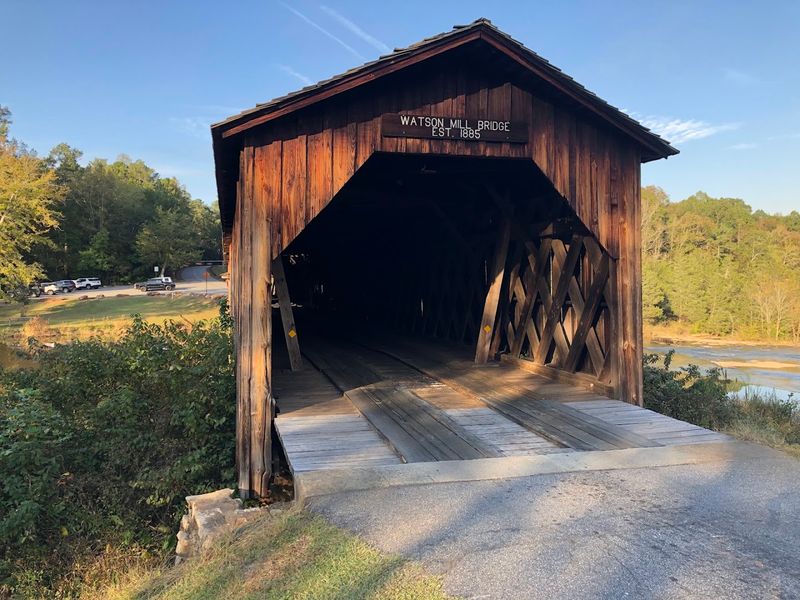
A little planning goes a long way at this park. The entrance fee is five dollars per car, which is one of the better deals in Georgia outdoor recreation.
The park is open year-round, with daily hours from 7 AM to 10 PM. That gives you a solid window to make the most of a day trip.
The park sits near both Comer and Carlton, spanning parts of Oglethorpe and Madison counties. It is about 30 minutes from Athens, making it an easy escape from the city without requiring an overnight commitment.
Cell service can be spotty in rural areas, so downloading a trail map before you arrive is a smart move.
Wear sturdy shoes if you plan to walk the river rocks, and keep an eye out for wildlife on the trails. The visitor center staff are friendly and knowledgeable, and a park employee may even give you a brief history lesson about the bridge if you ask.
Restrooms are available near the visitor center and are kept in good condition. A little preparation turns a good visit into a great one at this genuinely special Georgia destination.
Why This Bridge Deserves A Spot On Your Georgia Bucket List
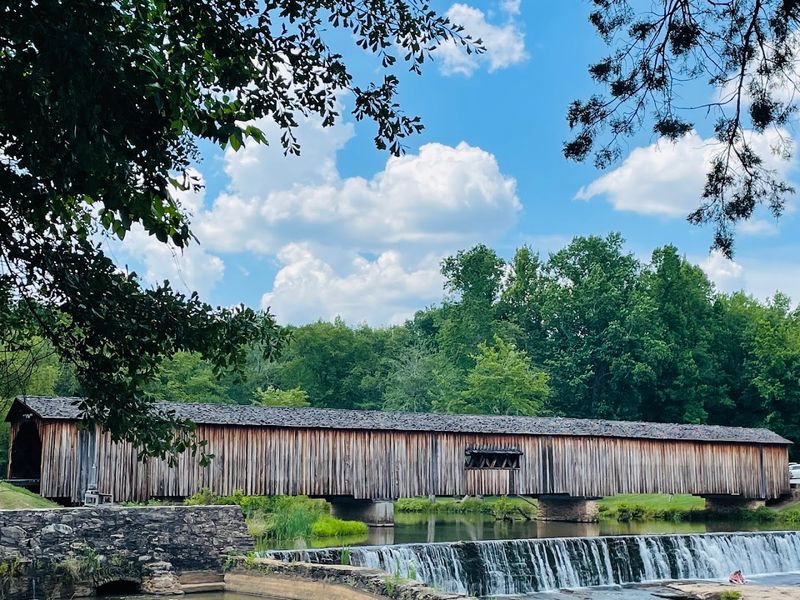
Some experiences feel important the moment they happen. Standing at the entrance of a bridge built in 1885 offers a direct connection to Georgia’s transportation history.
It costs almost nothing and gives back more than expected.
People return here because the combination of history, nature, trails, and tranquility is hard to find in one place. The bridge is the centerpiece, but the full experience is what earns the loyalty.
Whether you come for a solo hike, a family picnic, a camping weekend, or just to cross that bridge and feel something real, this spot delivers. Georgia has plenty of beautiful parks, but very few carry this kind of historical weight alongside such natural charm.
The covered bridge stands as proof that some things built with care and good timber can outlast almost everything else. Make the trip, cross the bridge, and see what 1885 feels like under your feet.