Deep In Connecticut Lies A Secret Park Frozen In Time
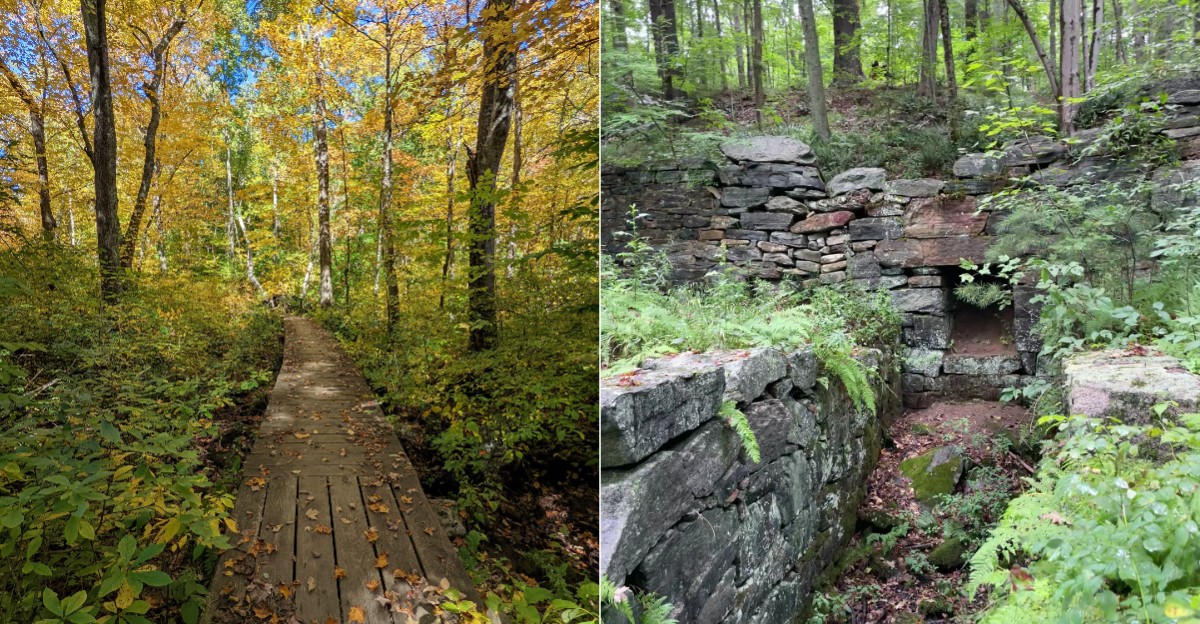
Not every abandoned place disappeared completely. Sometimes the forest simply moved back in and started writing its own ending. That is what makes this park so intriguing.
Deep in Connecticut, traces of a long-gone community still linger among the woods, giving an ordinary hike a slightly mysterious edge.
You can follow trails knowing that people once lived and worked in the landscape around you. Nature has reclaimed much of what they left behind, but enough remains to make the past feel unusually close.
What happened here, and why did everyone leave?
Those questions add another layer to exploring. Instead of simply admiring trees or following a path, you begin looking for clues and wondering what the area might have looked like before silence took over.
Today, it feels caught somewhere between recreation area and forgotten chapter of history. That combination makes wandering deeper into the woods almost impossible to resist.
1. An Abandoned Mill Town Still Haunts These Woods
Something vanished here. Not completely, though.
Look closely between the trees and pieces of an old mill village still linger, making an ordinary Connecticut hike feel more like a hunt for clues.
The story stretches back to 1796, when settlers began building a community in this quiet hollow. Several families carried the surname Gay, eventually giving the settlement the name that survives today.
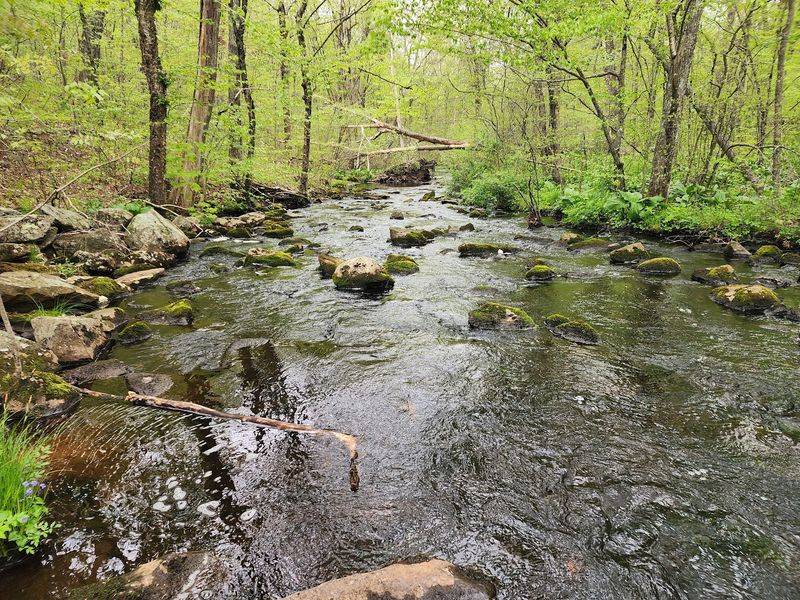
Water helped the little village grow. Mills sprang up near the Blackledge River, providing work and turning this wooded corner into a busy community.
Sawmilling, wool production, and paper manufacturing all became part of its story.
But the village slowly unraveled. Mill fires caused major setbacks, while changing industries and opportunities elsewhere drew residents away.
By the late 1800s, the once-active settlement had largely disappeared.
Nature has spent generations reclaiming what people left behind.
That is what makes Gay City State Park so fascinating today. Among roughly 1,500 acres, hikers can still encounter old stone foundations and remnants connected to the former mill town.
Nothing feels neatly preserved behind museum glass. Instead, history appears unexpectedly between trees and beside trails.
One moment it feels like a peaceful forest. The next, an old foundation reminds you that an entire community once called this place home.
2. Forest Roads Make The Arrival Feel Surprisingly Remote
The escape starts fast. One minute, the road feels perfectly ordinary.
A few turns later, thick woods close in and the outside world suddenly seems much farther away.
That change is part of the fun. The park stretches across the Hebron area near Bolton and Glastonbury, with its main entrance reached from Route 85.
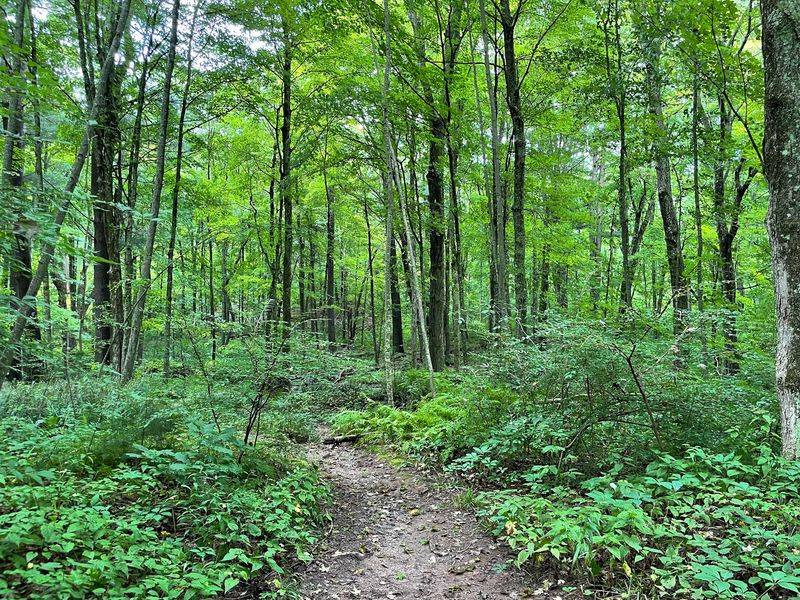
Once the park road begins, though, oak and hickory trees take over the view. The landscape gently rises and dips as traffic noise gives way to a much quieter soundtrack.
With roughly 1,500 acres to explore, there is plenty of space for wandering. Trails disappear into the forest, while picnic areas offer an easy spot to slow down before heading deeper into the park.
Arrival can look slightly different depending on the season. During winter, vehicle access beyond the main gate may be restricted, so visitors should be prepared for some extra walking.
Sturdy footwear is a smart choice after snow or rain, when trails can become icy, wet, or muddy.
Dogs can join the adventure as long as they stay leashed. Restroom facilities and picnic tables add some convenience, too.
Bring water, snacks, and bug spray during warmer weather. Then pick a trail and let the woods do the rest.
3. Crumbling Foundations Hide Beneath The Trees
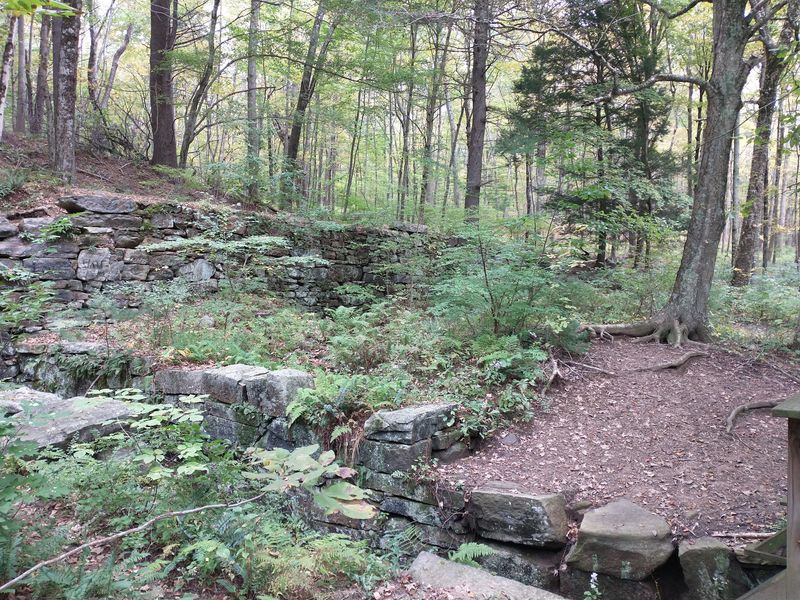
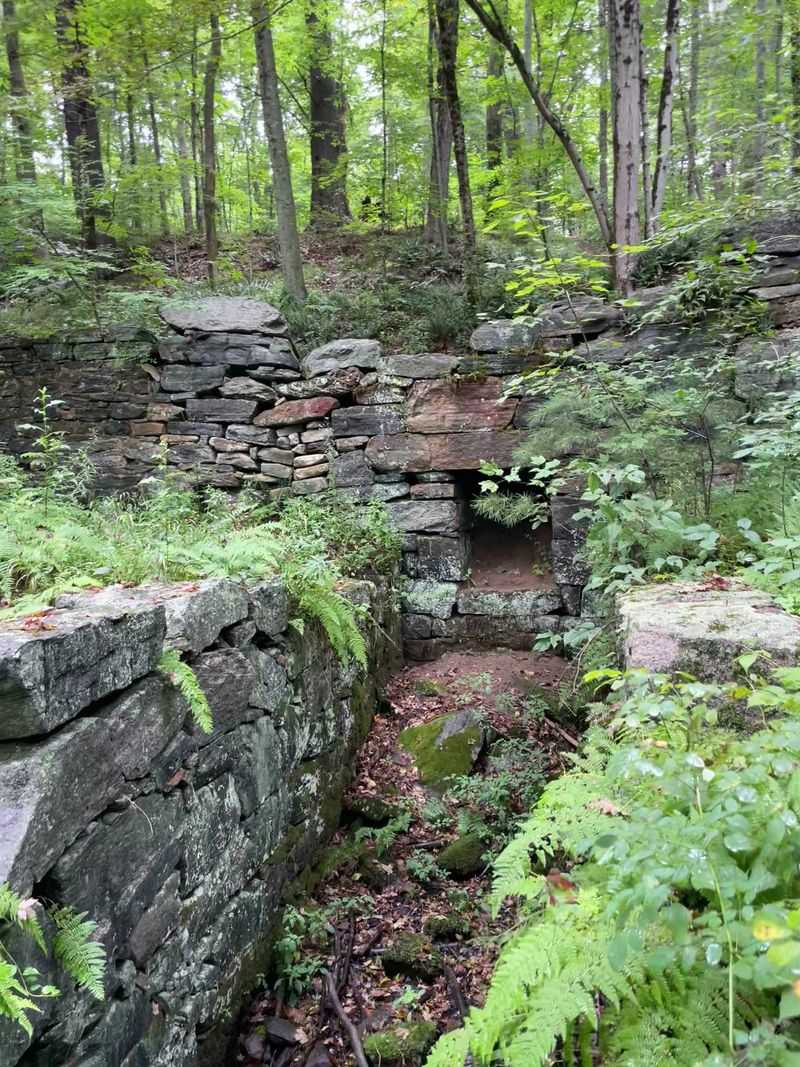
Look down, and the ground starts telling secrets. Scattered through the forest are stone foundations and cellar holes, the outlines of homes, shops, and workplaces that once lined village lanes.
Most of the original buildings were made of wood, so they vanished long ago. What remains is the stonework underneath, now softened by moss, grass, and fallen branches.
Some spots look like shallow square pits, while others still show neat stacked walls.
The biggest and easiest find is the old mill foundation. It sits a short walk from the parking area along a marked trail, so even young kids can reach it without trouble.
Nearby, you may notice the path where water once rushed toward the mill.
Farther out, long stone fences cut across the woods in tidy lines. Early farmers built them while clearing fields, and they still mark old property edges today.
Many smaller ruins have no signs at all. That is part of the fun, but it also calls for care.
Stay respectful, avoid climbing on fragile walls, and leave every stone exactly where you found it. These pieces are the last clues to the village, and keeping them in place lets future visitors enjoy the same sense of discovery.
4. Old Stone Ruins Hint At A Community Long Gone
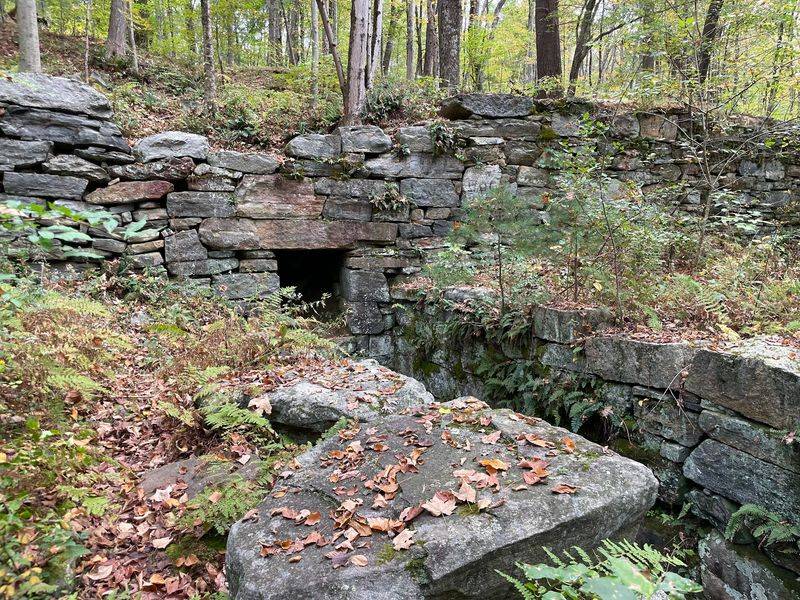
Stone lasts a long time, and at this park it has outlived almost everything else. The mill foundation was built largely from gneiss, a striped rock found in the region.
Settlers used what the land gave them.
One of the cleverest features is the raceway. This carved channel once guided river water toward the mill so it could turn machinery.
Standing beside it, you can almost picture the rush of water and the clatter of work.
Not far from the park entrance lies a small cemetery. Only a handful of gravestones can still be read, and hikers sometimes leave small tokens there.
It is easy to miss, since visitors say it sits just before the first parking lot on the right and has little signage.
Some of the stones sit at opposite ends of the burial ground, facing each other. Local tradition links this odd layout to an old rivalry between two leading village families.
Nobody can say for sure, but it makes for a fascinating puzzle.
A visit here calls for quiet manners. Walk gently, keep voices low, and treat the space with respect.
It is a real resting place, and a moving reminder that ordinary families once called this forest home.
5. The Gay City Name Comes With A Curious Backstory
Names can be sneaky. Many first-time visitors wonder where this one came from, and the answer is simple family history.
The village was named for the Gay family. People with that last name made up a large share of the early settlers, and one of the founders was named John Gay.
When your neighbors, cousins, and in-laws all share a surname, it tends to stick to the place.
The early settlers are often described as a religious group that moved to the area in 1796. They wanted a spot where they could live and worship in their own way, away from the rules of a larger town.
For a while, the settlement also went by another name: Factory Hollow. That nickname made sense, since mills were the heart of daily life.
In the end, though, Gay City won out.
The name stuck around even after the last residents left. When the land passed to the state, the historic name carried on with it, and today it appears on maps, signs, and trail markers.
Fun fact to share on your hike: the word city is a big stretch. Historical accounts suggest the village had only around 25 households at its peak.
6. Local Legends Give The Forest An Eerie Edge
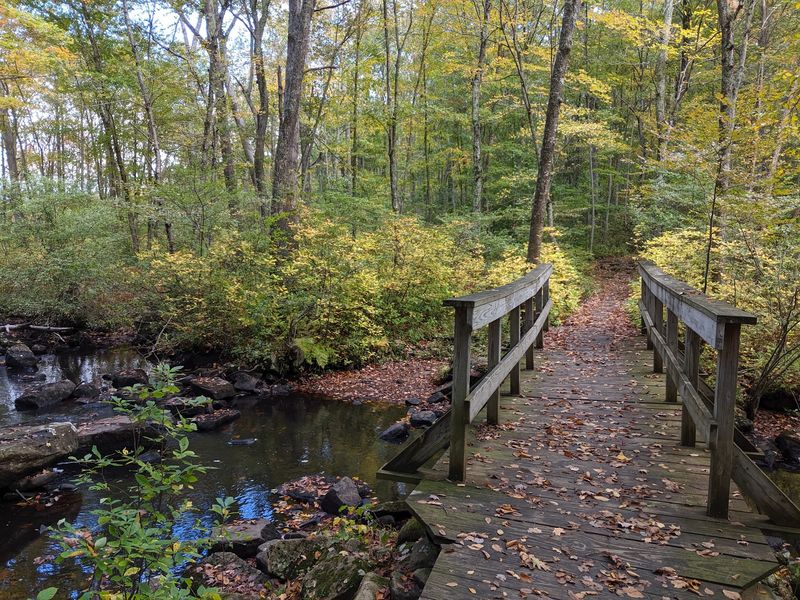
Every old village collects a few spooky stories, and this one has some real campfire material. Ghost hunters have visited the park over the years, drawn by tales passed down through generations.
One legend tells of a traveling peddler who disappeared while passing through. Later, his remains were reportedly found in a charcoal pit.
People suspected foul play, yet no one was ever charged.
Another tale is even darker. According to local lore, an angry blacksmith attacked his young helper for showing up late to work.
Some versions of the local legend claim the helper’s ghost still wanders through the woods.
Are these stories true? Nobody can prove them.
They are best enjoyed the way you would enjoy a good mystery novel, with a raised eyebrow and a little shiver.
Some visitors say they have heard unexplained footsteps or glimpsed misty shapes among the trees. Others simply notice how quiet it gets when the wind stops.
Either way, the legends give ordinary ruins an extra layer of drama.
If you want to add some fun to your walk, share a story or two at the mill site. Just remember to leave before dark and stick to park hours, because real adventures are better in daylight.
7. Fall Leaves Make The Forgotten Remains Even Stranger
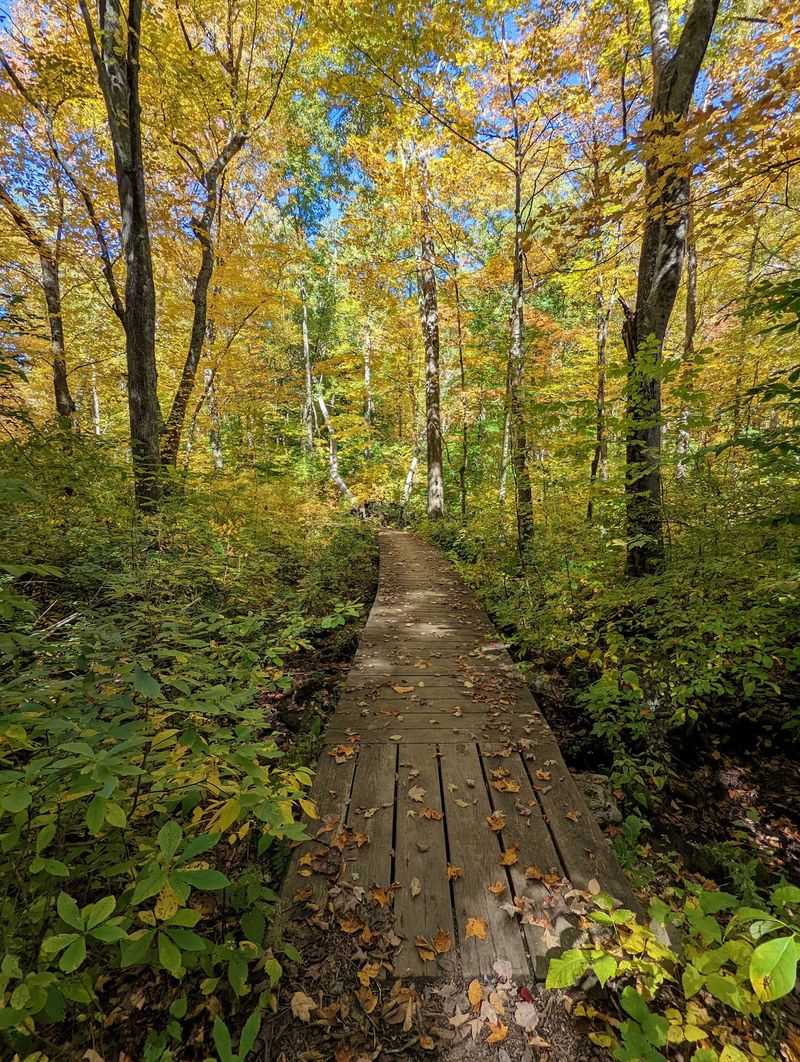
October might be the best month to meet this old village. When the maples, oaks, and hickories turn red, orange, and gold, the gray stones of the ruins stand out like old bones against a bright blanket.
Crunchy leaves cover the paths, and each step makes a soft rustling sound. The light shifts too, glowing warm through the thinning branches.
Suddenly a plain cellar hole looks like a scene from a storybook.
Fall also means fewer bugs. Summer can bring black flies, so a cool autumn day often feels more comfortable for a long walk.
Many hikers describe the season as peaceful, with only a few other people on the trails.
Keep an eye on the forest floor as well. Visitors often spot many kinds of mushrooms popping up after rain, adding odd shapes and colors to the scene.
For the best experience, dress in layers, since mornings can be chilly and afternoons warm. Wear shoes with good grip, because wet leaves can be slippery over rocks and roots.
Bring a camera or phone. The contrast between fiery leaves and weathered stone makes for striking photos, and the mood of the ruins feels strongest when the whole forest is changing.
8. Quiet Trails Turn Every Ruin Into A Discovery
Pick a trail and go. It really can be that simple.
With miles of paths winding through the woods, an afternoon here can be a quick wander or a much longer adventure.
Some trails follow routes once used by the old village, which adds another layer of curiosity to the hike. Instead of simply watching for pretty scenery, keep an eye out for stone walls, foundations, and other traces hiding among the trees.
The mill ruins make an especially fun target. They are relatively close to the main parking area, so families can get a taste of the park’s history without committing to a lengthy hike.
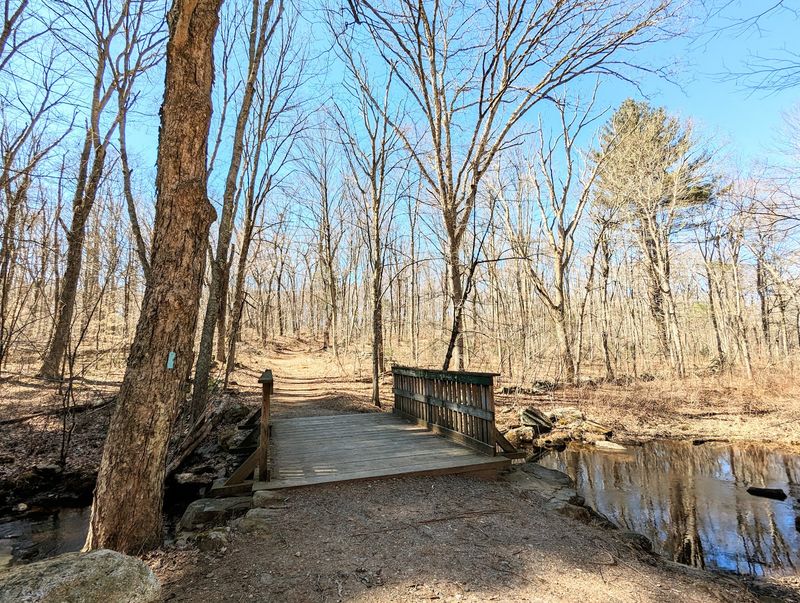
For more distance, the red-blazed trail creates a longer loop, while connections with the Shenipsit Trail open up additional possibilities.
Hiking is only part of the experience. When temperatures rise, the pond draws visitors for swimming and fishing, while mountain bikers can explore designated trails.
Winter changes everything again, bringing opportunities for snowshoeing and cross-country skiing when conditions cooperate.
Wildlife adds another reason to slow down. Geese may appear around the water, and beaver activity can sometimes be spotted nearby.
The main entrance is at 435 North St in Hebron. Pack water, wear comfortable shoes, and leave some time for exploring.
The best discoveries here are often the ones hiding just beyond the trail.