Did You Know Pennsylvania Has A Natural Rock Field Where Boulders Stretch 16 Acres Without A Tree?
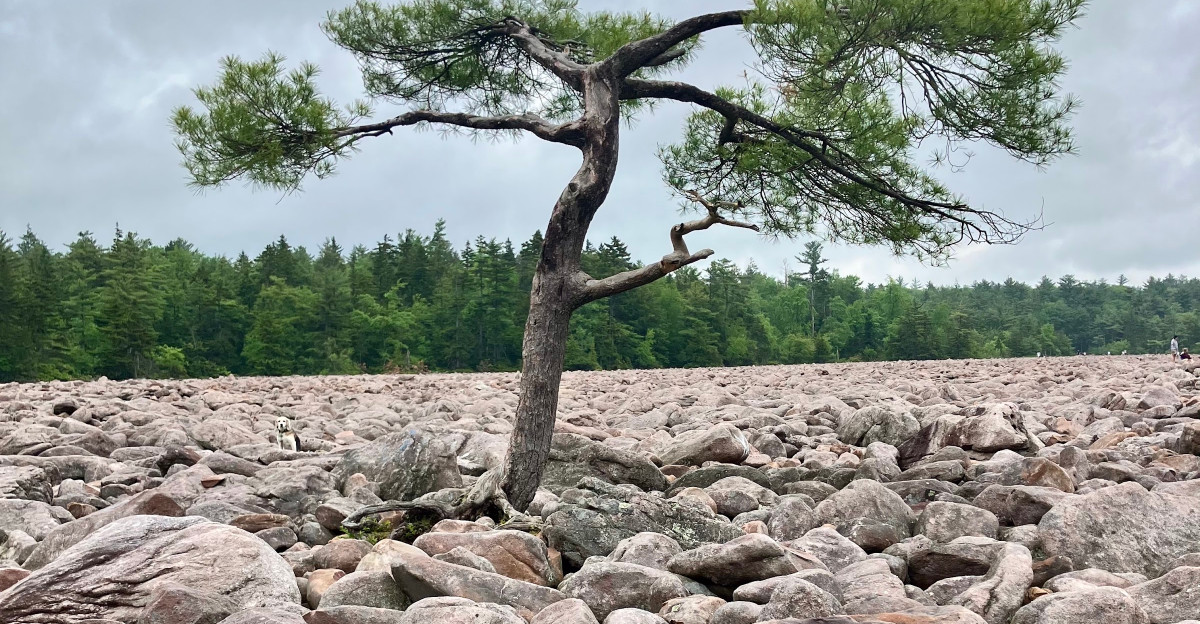
Sixteen acres of bare boulders sit in the middle of a Pennsylvania forest, and not one tree grows among them.
Some of those rocks stretch up to 26 feet long. The field is so flat and so empty of soil that it looks like someone paved a clearing with giant stones.
I like how the whole thing feels like a geology lesson you can stand on. The rocks have barely moved in about 20,000 years.
The Ice Age built this place, then simply left it alone.
You can hop from boulder to boulder across the entire field. Kids treat it like a playground, and adults quietly do the same.
Good shoes help, and so does a sense of balance.
So where exactly is this rocky oddity, and what else waits around it? The answers might surprise you.
A Treeless Stone Sea Hiding Inside A Huge Forest Park
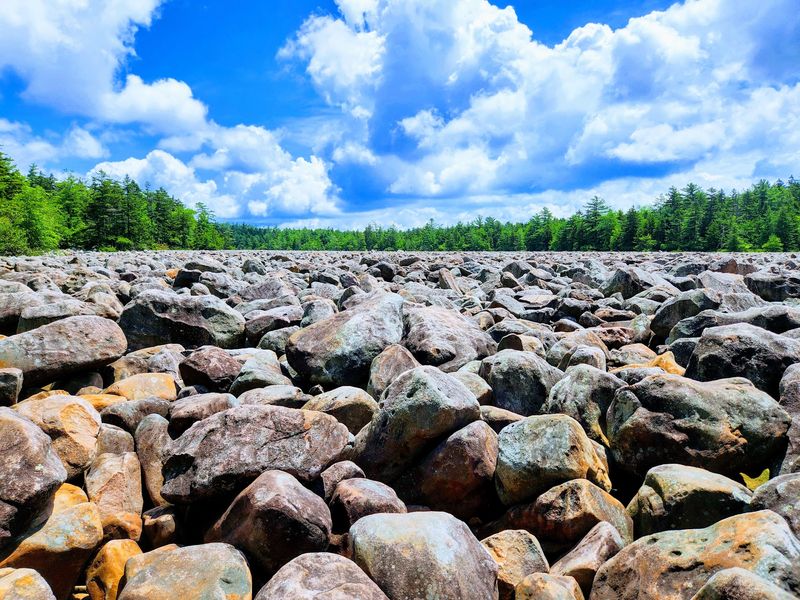
Hickory Run State Park is the home of the famous Boulder Field, and it sits in eastern Pennsylvania near the town of White Haven. The park covers roughly 15,990 acres, so the rock field is just one small corner of a very big backyard.
Still, that corner steals the show. The Boulder Field spans about 16 acres, and almost nothing grows between the stones.
No soil, no grass, no saplings sneaking up through the cracks. It looks like a giant dumped a truckload of rocks and forgot to come back for them.
The field also carries a serious title. It’s a National Natural Landmark, a designation given to places with outstanding geological or biological value.
That puts it in pretty elite company for a pile of rocks. Not bad for something that hasn’t done much of anything for thousands of years.
Around the field, the park keeps going with trails, waterfalls, a swimming lake, trout streams, and a campground. Hiking, hunting, camping, and fishing all happen within its borders.
So the boulders may be the headliner, but the supporting cast is strong. You could easily turn a quick rock visit into a full day, or even a full weekend.
Ice Age Freezing That Cracked The Mountains Apart
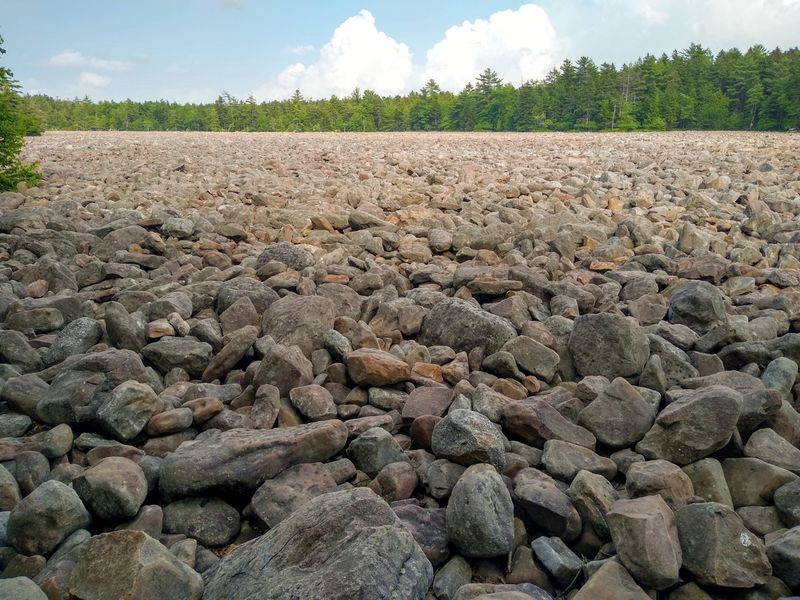
About 20,000 years ago, the glaciers didn’t actually cover this spot. They stopped close by, and the land just beyond them lived through brutal cold.
Scientists call those conditions periglacial. In plain terms, the ground froze, thawed, and froze again over and over for a very long time.
Water seeped into cracks in the nearby ridges. When it froze, it expanded and split the bedrock into chunks.
Those chunks slowly crept downhill on the frozen, shifting ground. Eventually they piled up in this flat area and stayed put.
The rocks themselves are mostly red sandstone and quartz conglomerate. Conglomerate looks a bit like natural concrete, with pebbles baked right into the stone.
Here’s a wild detail for trivia night. Some of these boulders may have been sitting exposed on the surface for around 600,000 years.
The field also runs deep, reaching roughly 10 to 12 feet down. That’s a lot of rock stacked beneath your sneakers.
Informational signs near the field explain how the Ice Age shaped it. Reading them first makes the whole scene click, because suddenly you’re not just looking at rocks.
You’re looking at a frozen-in-time snapshot of ancient Pennsylvania weather.
Why Nothing Grows Between The Rocks
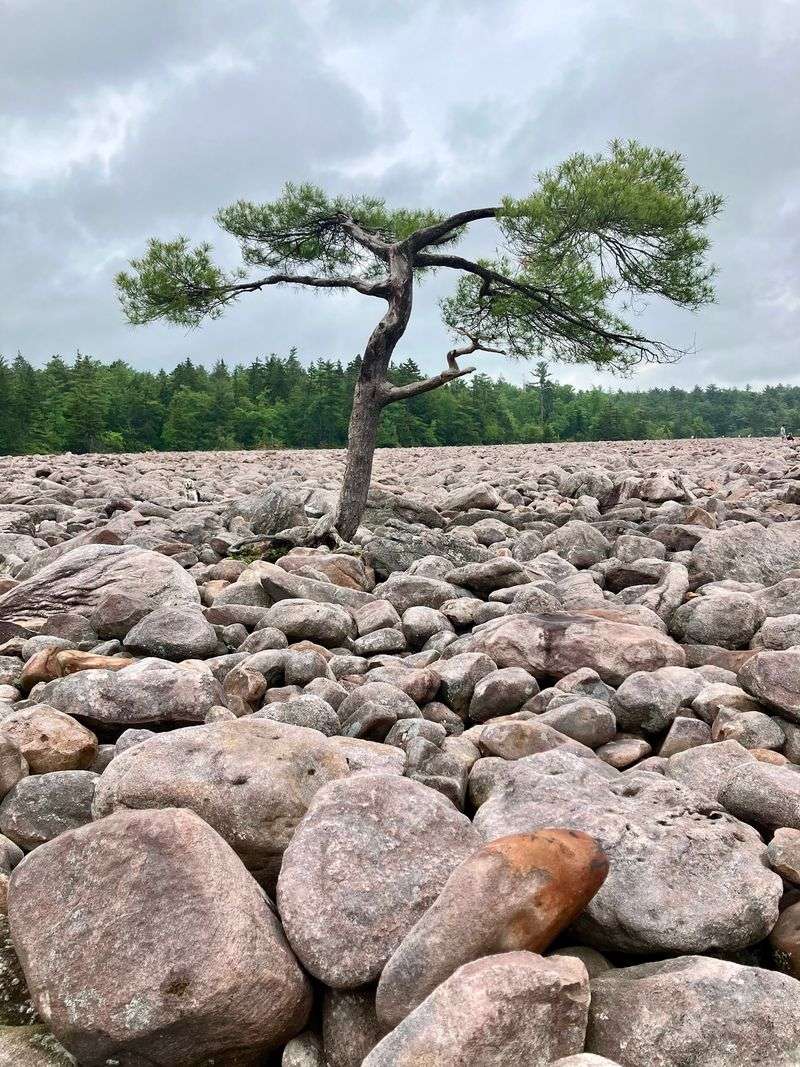
Trees need dirt, and the Boulder Field simply refuses to provide any. The spaces between the stones hold almost no sand, clay, or soil.
Without that fine material, seeds have nowhere to settle and grow. Rain just drains straight down through the gaps.
That’s what gives the field its strange, open look. Walk to the edge and the forest stops like it hit an invisible wall.
On one side, you get tall trees and shade. On the other, a wide, bright plain of stone soaks up the sun.
Scientists still debate exactly why the fine material vanished. One common idea points to meltwater washing it away as the Ice Age ended.
Whatever the reason, the result has lasted a remarkably long time. The field has stayed largely unchanged for thousands of years.
Listen closely on some days and you may hear water trickling deep below the rocks. It’s a quiet reminder that things still move down there, just very slowly.
For kids, it’s a natural mystery to puzzle over. For adults, it’s a rare chance to see a landscape that never got the memo about forests taking over.
The Bumpy Dirt Road That Leads To The Rocks
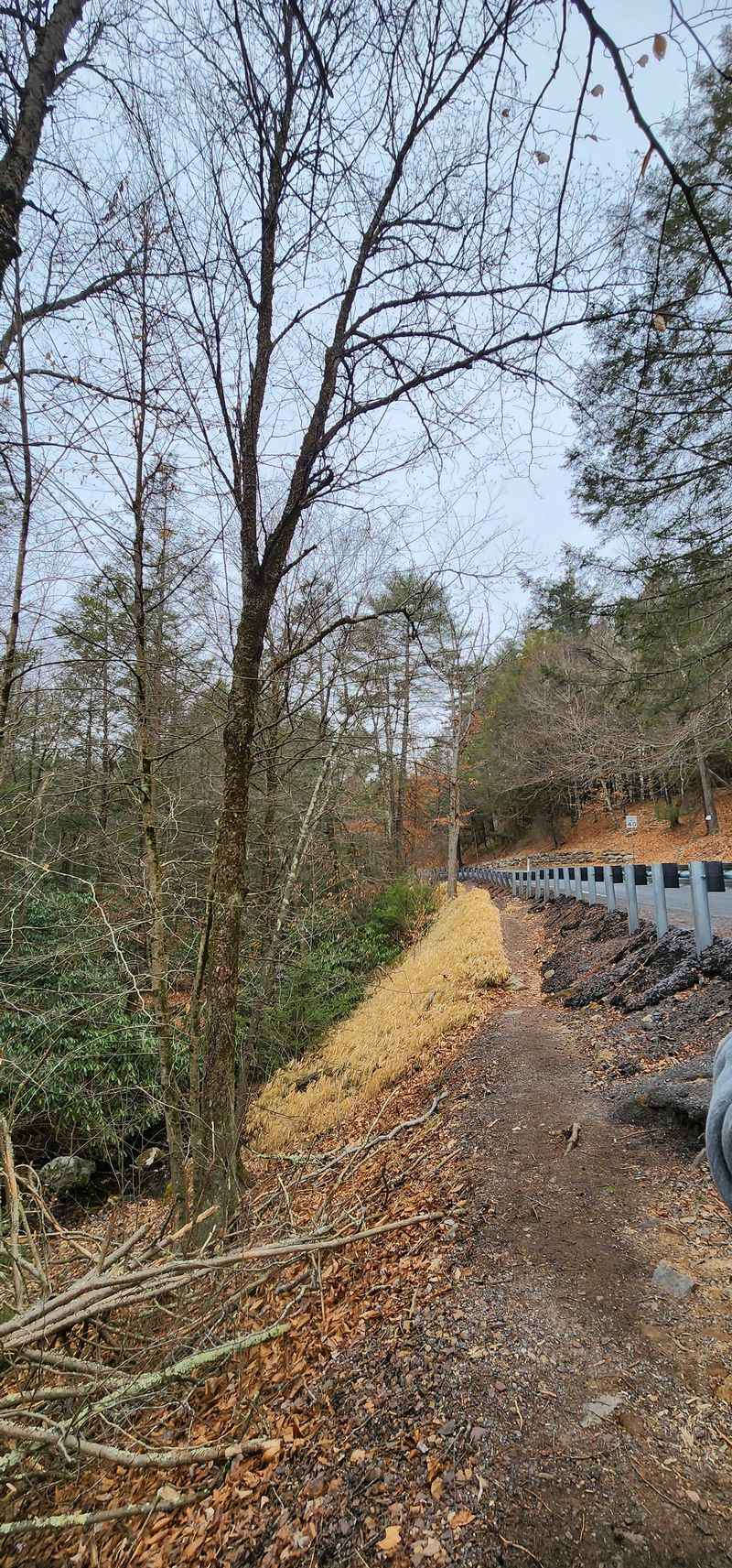
Getting to the Boulder Field takes a bit of grit, and not just the kind in the rocks. The final stretch follows a long dirt road with plenty of potholes.
Drive slowly and give your car a break. It’s a rough ride, but it’s part of the adventure.
Most people start at the park visitor center first. From there, it’s a short drive to the field, partly on the highway and then on that bumpy road.
The drive takes you deeper into the woods with each bounce. By the time you park, the outside world feels pretty far away.
Low-clearance cars can usually handle it with care. Just skip the urge to race, because those potholes don’t negotiate.
Hikers have another option, too. A longer trail route can bring you to the field on foot, which suits people who like earning their views.
Either way, keep an eye on the weather before heading out. A sudden storm can make the rocks slick and the road even messier.
Once you arrive and see that wide stone plain open up, the rattling drive suddenly seems like a fair trade.
Hawk Falls Delivers A Waterfall Without A Huge Hike
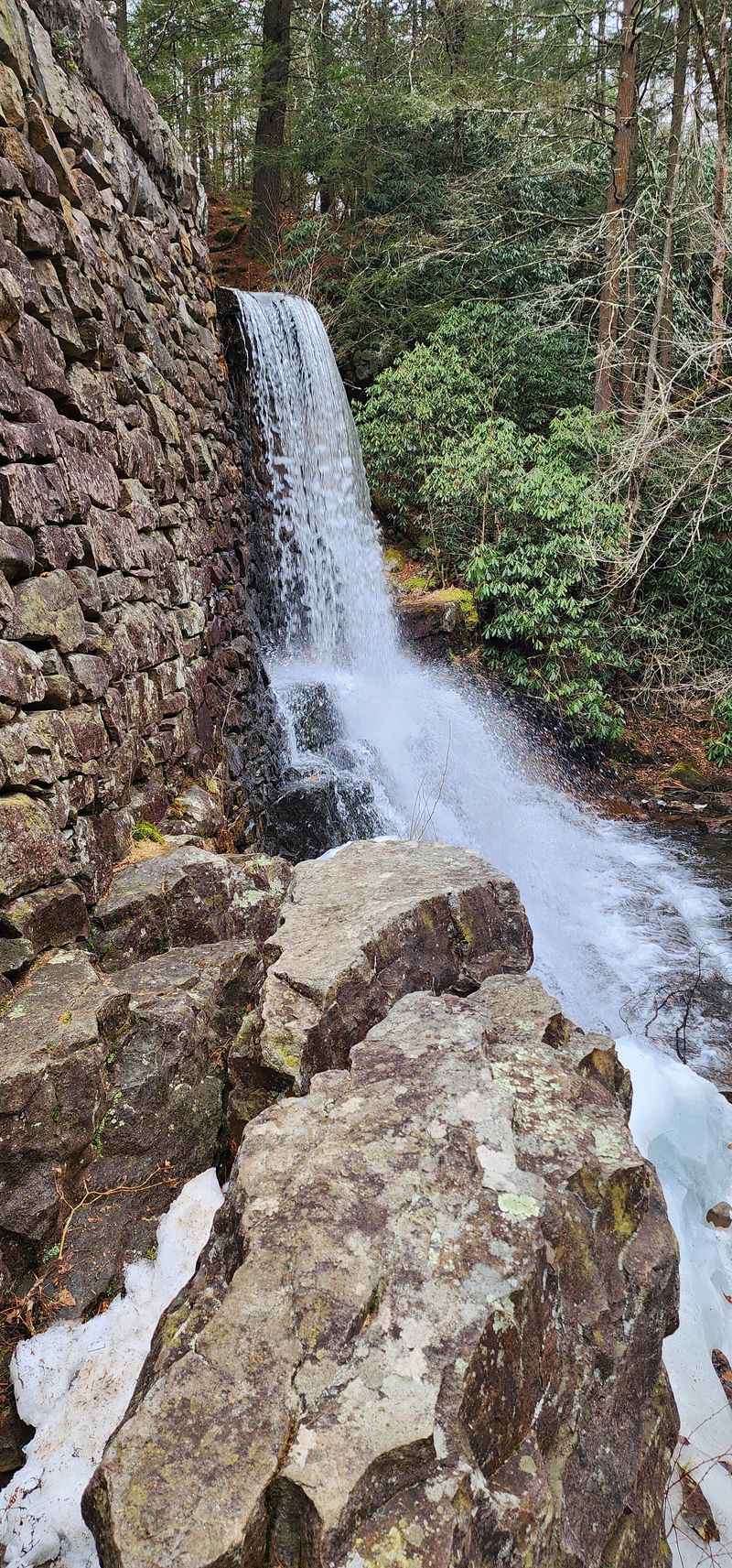
Waterfalls rank right up there with the boulders as a park favorite. Hawk Falls is the easiest one to reach.
The trail runs about 0.6 miles to a waterfall roughly 25 feet tall. Rhododendrons line much of the way, adding a splash of green even outside bloom season.
Don’t let the short distance fool your legs, though. The path heads mostly downhill on uneven ground, so careful footing matters.
Coming back means climbing that same hill. Pace yourself and the uphill feels more like a workout than a punishment.
Large rocks sit near the base of the falls. They make easy stepping stones and offer some great angles for photos.
The falls look lovely even in the rain. Wet weather can actually boost the water flow and make the scene more dramatic.
Hawk Falls pairs nicely with the Boulder Field on the same day. One gives you rushing water, and the other gives you bone-dry stone.
That contrast is part of what makes Hickory Run State Park so fun to explore. Two very different landscapes, just a few minutes apart, and both free to enjoy.
More Than 40 Miles Of Trails To Wander
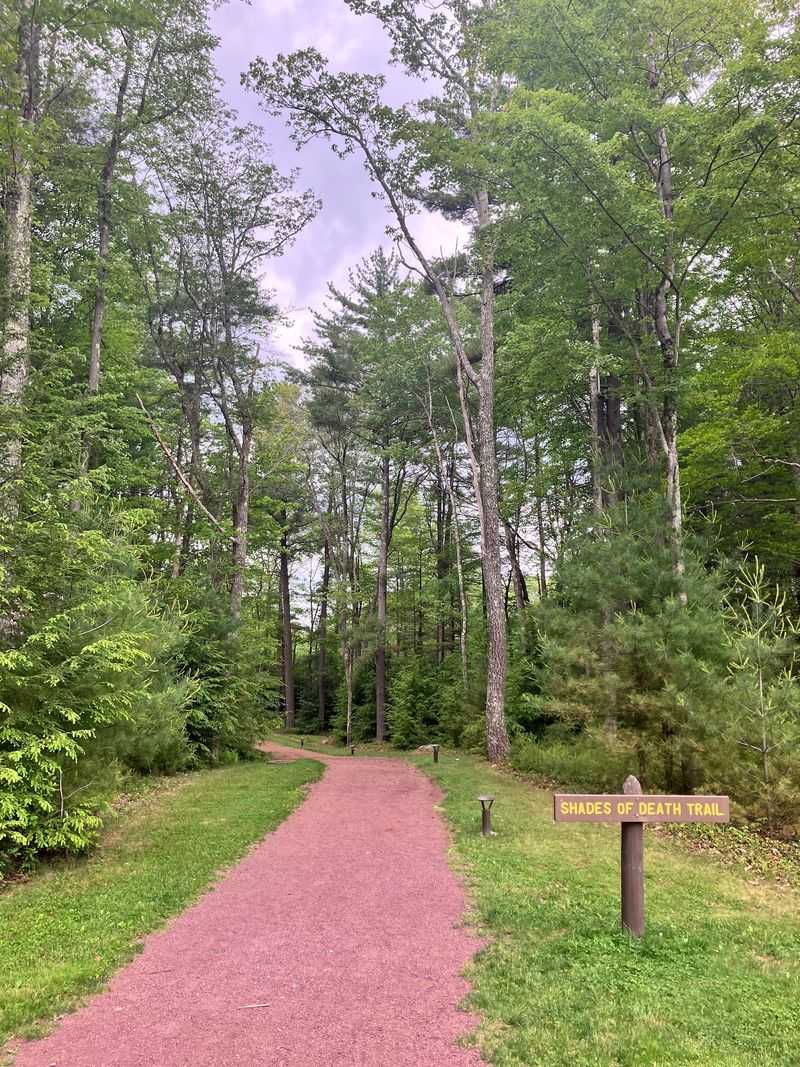
Once you’ve conquered the rocks, a whole web of trails is waiting. The park offers more than 40 miles of hiking paths.
That’s enough to keep a dedicated hiker busy for several visits. Many of the trails rate as moderate, which suits families looking for a manageable challenge.
Creekside routes run past small cascades and quiet spots by the water. Some stretches even allow fishing along the way.
Rhododendrons thrive in these shady woods. When they bloom in early summer, the trails get an extra burst of color.
The visitor center hands out maps and trail descriptions. Grabbing one before you set out saves a lot of guesswork at trail junctions.
Winter brings its own charm here. After a snowfall, some trails disappear under white, turning a familiar walk into something new.
Dogs are welcome on many trails when leashed. Keeping pets close helps protect wildlife and keeps other hikers happy.
With so many miles to cover, you don’t need to see everything at once. Pick a trail, enjoy it, and save the rest for another Pennsylvania weekend.
Campsites, Cottages, And A Well-Stocked Camp Store
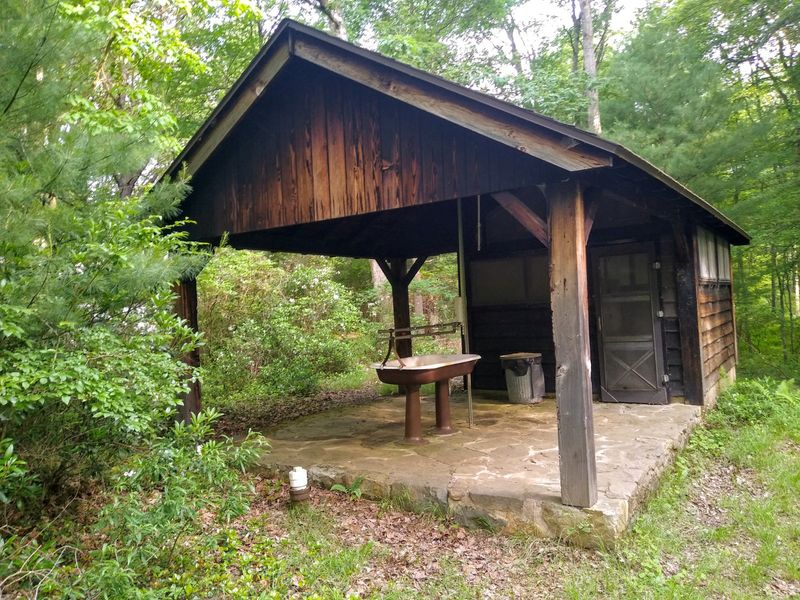
One day rarely feels like enough here. The campground gives you a reason to stay and see more.
Options include tent sites, RV sites with hookups, and camping cottages. Walk-in sites offer a little more privacy for people craving quiet.
The main campground generally runs from mid-April through mid-October. Some rustic sites and cottages stay available later into the fall.
Many sites sit under shady trees, which helps on hot summer days. Restrooms with hot showers serve the main camping area.
A camp store keeps campers supplied with basics and souvenirs. Forgot the marshmallows?
There’s a decent chance you’re covered.
Camping fees stay fairly affordable compared with private campgrounds. Rates can change, so check the current pricing when you book.
Alcohol isn’t permitted in the campground, and quiet hours apply. Rangers patrol to keep the evenings peaceful for everyone.
Evenings by the fire might be the best part of a stay. The stars come out, the woods settle down, and the Boulder Field waits for another round in the morning.
A Modern Visitor Center With Civilian Conservation Corps Roots
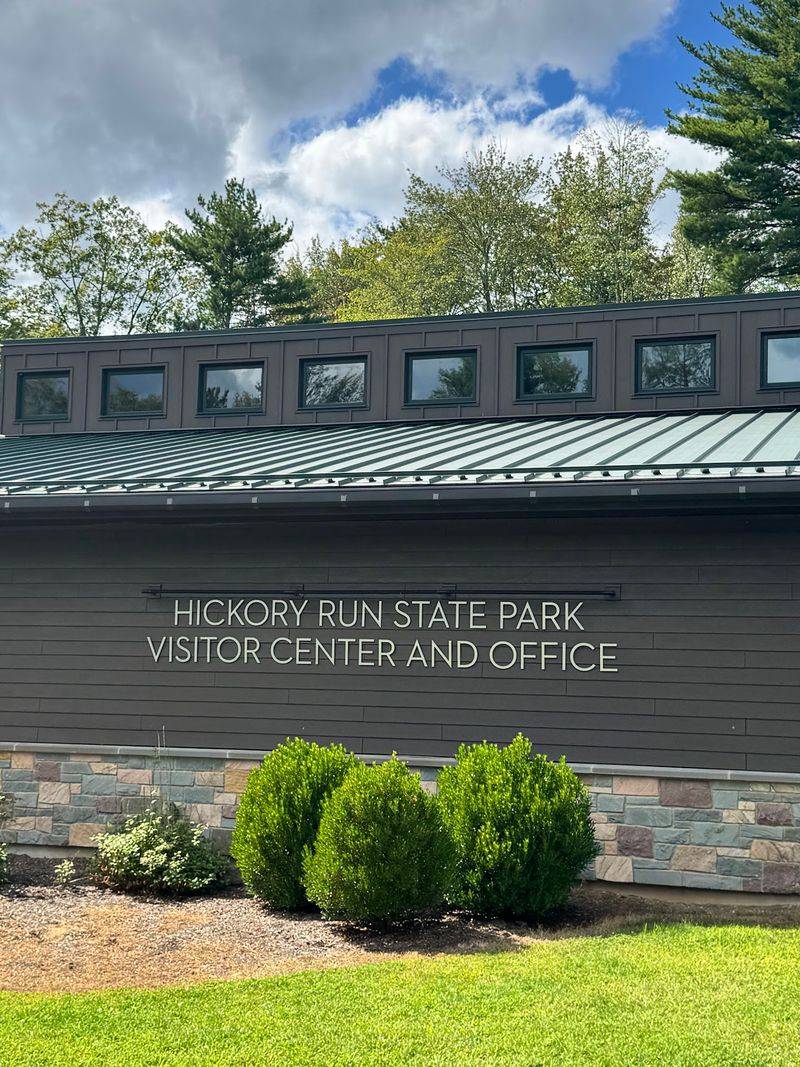
The visitor center opened in 2020, and it makes a smart first stop. Inside, exhibits explain the park’s natural features and history.
That history stretches back to the 1930s. The Civilian Conservation Corps helped shape the park during that era, building structures and recreation areas.
Staff can point you toward Hawk Falls, the Boulder Field, and trails that fit your energy level. Maps and trail descriptions are available too.
Clean restrooms and water bottle filling stations make it easy to prep for a hike. EV chargers sit outside for drivers with electric cars.
You’ll find the park at 3 Family Camp Road, White Haven, PA 18661. Plug that into your map app and you’ll land right where the adventure begins.
Visitor center hours can shift with the seasons. It’s smart to check ahead before counting on it being open late.
Meanwhile, the park itself stays open year-round from sunrise to sunset. Other features include a disc golf course and picnic areas for a leisurely lunch.
Spending ten minutes here first can shape your whole day. You’ll head out knowing exactly what you want to see.