Discover 16 Must-See Museums Across South Georgia That Are Completely Free
Cultural exploration remains accessible when communities prioritize free admission policies. South Georgia hosts museums preserving significant historical narratives and regional heritage. Civil rights landmarks document important social movements shaping American identity.
Aviation history reveals technological innovation and regional contributions. Folk art galleries celebrate creative traditions reflecting community values and artistic expression. Free admission removes financial barriers enabling widespread cultural engagement.
Families discover educational opportunities without budget constraints. Solo adventurers encounter meaningful experiences at personal pace. Regional stories deserve recognition beyond mainstream historical narratives.
Underrated destinations reward curious exploration with authentic discoveries. Museum collections reflect careful curation and preservation dedication. Staff expertise enriches visitor experiences through knowledgeable interpretation.
1. Albany Museum Of Art
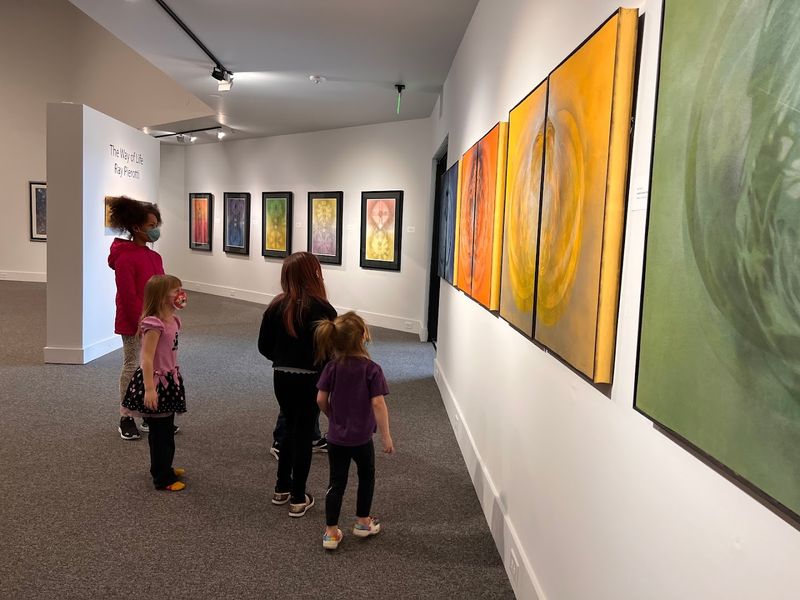
Walking into the Albany Museum of Art feels like stepping into a world where creativity has no limits. Located at 311 Meadowlark Dr, Albany, GA 31707, this museum houses one of the largest collections of sub-Saharan African art in the American Southeast. That alone makes it worth the trip.
The permanent collection spans works from ancient civilizations to contemporary Georgia artists, offering a surprisingly broad range of styles and mediums. Rotating exhibitions keep each visit feeling fresh, so returning guests rarely see the exact same show twice. The gallery lighting and layout make even casual browsing feel intentional and immersive.
Families with curious kids will appreciate how accessible the displays are, with many pieces at eye level and context provided in plain, readable language. Admission is free, parking is easy, and the staff tends to be welcoming and knowledgeable. Plan to spend at least an hour here to do it justice.
2. Thronateeska Heritage Center
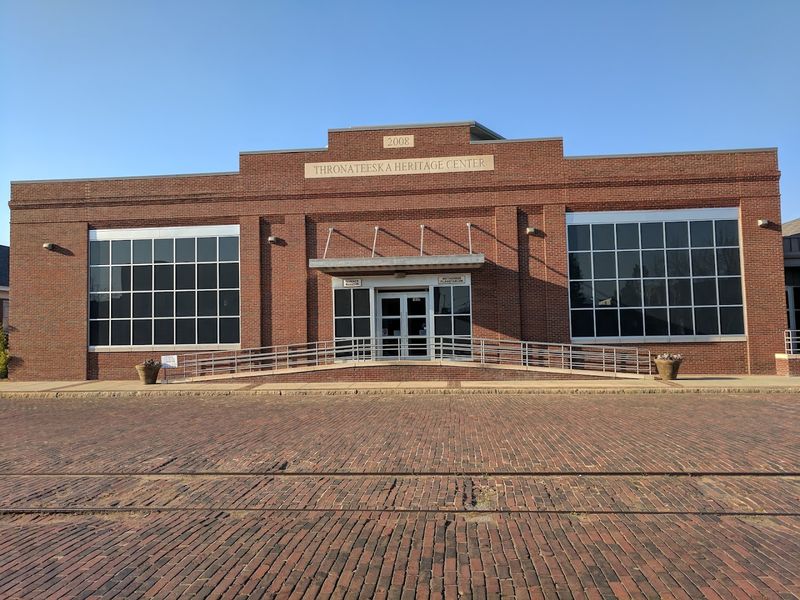
Few places in South Georgia pack as much history into one location as the Thronateeska Heritage Center. Situated at 100 W Roosevelt Ave, Albany, GA 31701, this fascinating complex sits inside a restored 1913 Union Depot train station, which gives the whole experience a wonderfully nostalgic atmosphere before you even walk through the door.
Inside, visitors can explore exhibits covering natural history, science, and local heritage, including a working planetarium and a collection of vintage locomotives parked outside. The combination of hands-on science displays and deep regional storytelling makes it a standout destination for school groups and families alike.
Children especially enjoy the interactive science exhibits, which cover topics from geology to astronomy in ways that are genuinely fun rather than lecture-heavy. The grounds outside feature restored railcars that visitors can view up close. Free admission removes any hesitation, making this an easy addition to any Albany itinerary regardless of how much time you have.
3. Annette Howell Turner Center For The Arts
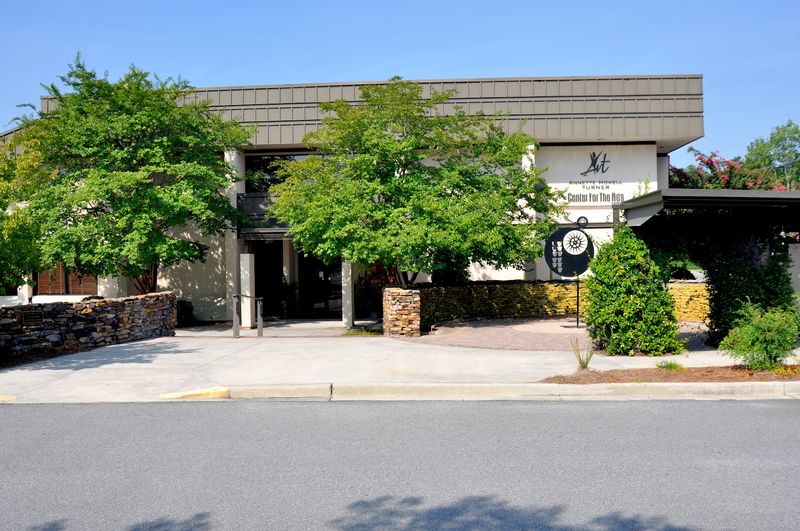
Art lovers visiting Valdosta often call the Annette Howell Turner Center for the Arts the cultural heartbeat of the city, and it is easy to see why. Found at 527 N Patterson St, Valdosta, GA 31601, the center occupies a beautifully renovated historic building that feels warm and welcoming the moment you step inside.
The center hosts rotating exhibitions throughout the year, featuring regional and national artists working across painting, photography, ceramics, and mixed media. Monthly openings often draw a lively crowd, giving the space an energy that goes beyond a typical quiet gallery visit. Educational programs run alongside exhibitions, connecting local schools and community groups with working artists.
Even on a regular weekday afternoon, the galleries feel curated and thoughtfully arranged. Natural light pours through large windows, making the artwork feel vibrant and alive. Best of all, general admission is free, making it one of the most accessible cultural experiences in all of South Georgia for visitors of any background.
4. The National Infantry Museum
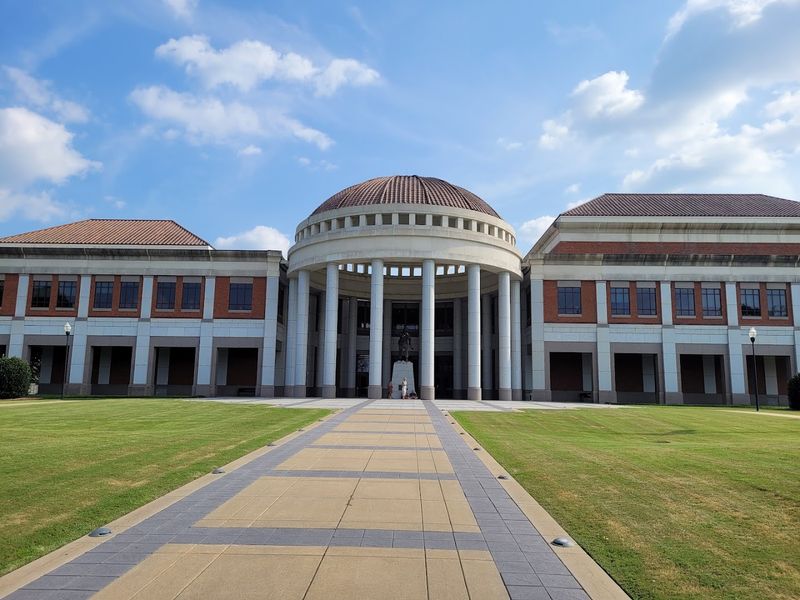
Standing at the edge of Fort Moore, the National Infantry Museum is one of the most impressive military museums in the entire country, and admission is completely free. The address is 1775 Legacy Way, Columbus, GA 31903, placing it conveniently near the Georgia-Alabama border for visitors traveling from multiple directions.
The museum traces the full story of the American Infantry soldier from the Revolutionary War through modern conflicts, using life-size dioramas, authentic equipment, and deeply personal artifacts to bring history to life. A full-scale World War I trench replica is among the most talked-about exhibits, transporting visitors into a vividly reconstructed moment in time. The scale of the collection is genuinely staggering.
Outside, a historic village of restored military buildings adds another layer of depth to the experience. A theater, cafe, and gift shop round out the amenities. Weekday mornings tend to be quieter, making that an ideal time for families or anyone who prefers a more relaxed pace through the galleries.
5. Copeland African American Museum
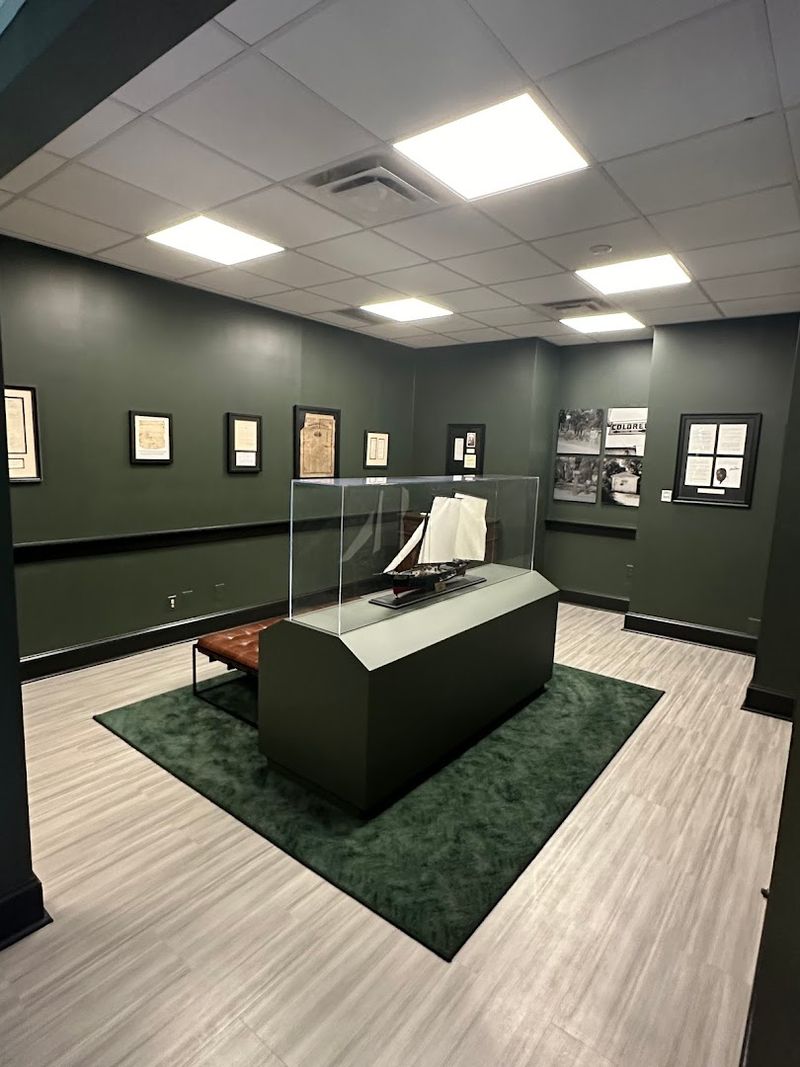
Tucked inside the second floor of Thaxton Hall at Valdosta State University, the Copeland African American Museum offers a focused and deeply meaningful look at Black history and culture in the South. The address is 2642 N Patterson St, Valdosta, GA 31602, and the museum is open to both students and the general public at no charge.
The collection was built largely through the dedication of Dr. Reginald Copeland, whose personal acquisitions form the backbone of the exhibits. Artifacts, photographs, documents, and artwork trace the African American experience from slavery through the civil rights movement and into the present day. Each item has been selected with clear intention and care.
Visiting feels more intimate than a large institution, which actually works in its favor. The smaller scale encourages slower, more thoughtful engagement with each piece on display. Campus parking is available nearby, and the museum is easy to find once on campus.
Calling ahead to confirm hours before visiting is always a smart move.
6. Lowndes County Historical Society And Museum
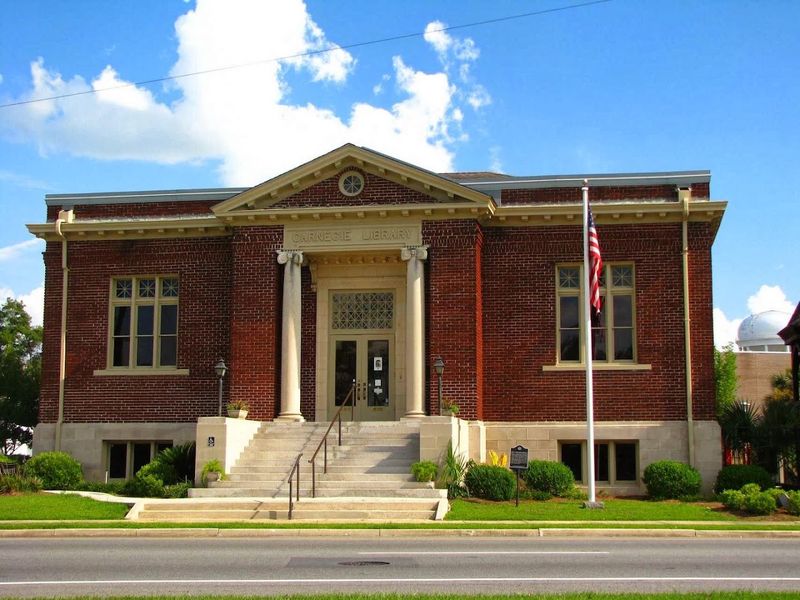
Local history has a particular kind of charm, and the Lowndes County Historical Society and Museum captures it beautifully. Housed at 305 W Central Ave, Valdosta, GA 31601, the museum sits in the heart of downtown Valdosta inside a building that carries its own share of architectural history worth admiring.
Exhibits inside cover the development of Lowndes County from its earliest days through the twentieth century, touching on agriculture, commerce, notable families, and community milestones. Vintage photographs and preserved documents give the displays an authentic, archival quality that history enthusiasts will find particularly satisfying. Genealogy resources are also available for those researching local family histories.
The museum is compact enough to explore in under an hour, making it a great complement to other nearby Valdosta attractions. Volunteers and staff are typically happy to answer questions and share stories that go beyond what the plaques say. Free admission and a central downtown location make stopping in a very easy decision for any curious visitor passing through.
7. Quitman Brooks County Museum
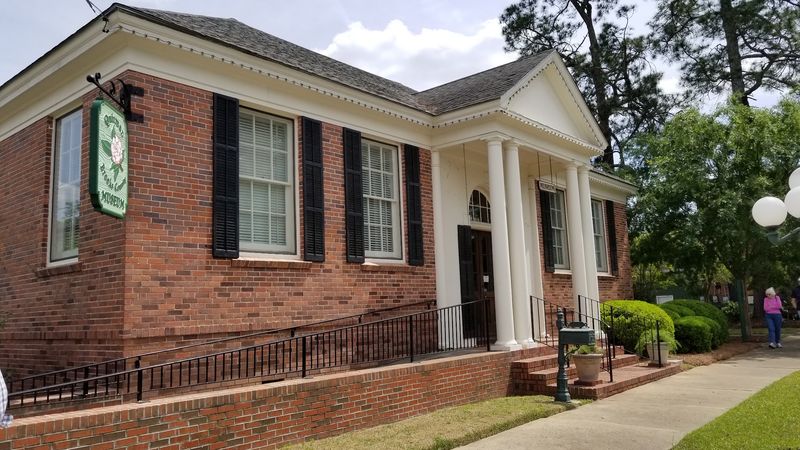
Small towns often hold the most unexpected treasures, and the Quitman Brooks County Museum is a perfect example of that truth. Located at 121 N Culpepper St, Quitman, GA 31643, this community museum tells the story of Brooks County with genuine pride and impressive attention to local detail.
Exhibits rotate through topics like agriculture, early settlement, local industry, and notable residents who shaped the county over generations. Handmade quilts, antique farming tools, and personal family donations give the collection a warmth that feels distinctly different from larger institutional museums. Everything here feels personal, as if the community itself curated the story of its own life.
Quitman is a quiet town, and the museum reflects that unhurried pace in the best possible way. Visitors rarely feel rushed, and the staff genuinely enjoys sharing the background behind individual pieces. Parking is simple and the downtown location means a visit pairs nicely with a stroll through the surrounding historic district.
Free entry makes it an obvious stop.
8. Albany Civil Rights Institute
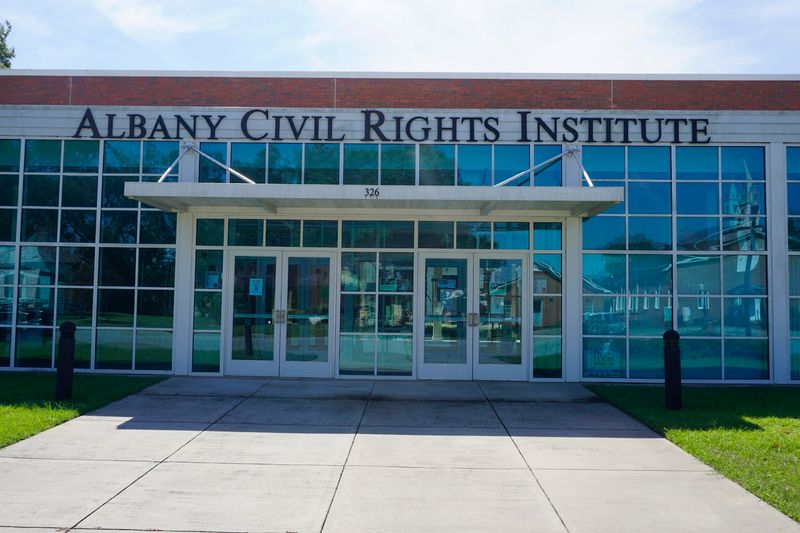
Albany played a pivotal and often underappreciated role in the American civil rights movement, and the Albany Civil Rights Institute exists to make sure that story is never forgotten. Situated at 326 W Whitney Ave, Albany, GA 31701, the institute stands in the same neighborhood where some of the movement’s most defining moments took place during the early 1960s.
The museum chronicles the Albany Movement, a broad-based campaign that brought Dr. Martin Luther King Jr. and other leaders to the city and tested new strategies for nonviolent protest. Oral histories, photographs, and interactive displays give visitors a deeply human perspective on events that shaped national policy. The storytelling here is honest and emotionally powerful without being heavy-handed.
School groups visit frequently, but the institute is equally rewarding for adult visitors seeking a deeper understanding of Georgia’s civil rights legacy. Free admission ensures the history remains accessible to everyone. Arriving with at least ninety minutes to spare allows enough time to genuinely absorb what the exhibits have to offer.
9. Jack Hadley Black History Museum

Founded by a local dentist with a deep passion for preserving African American history, the Jack Hadley Black History Museum is one of Thomasville’s most important cultural landmarks. The museum is located at 214 Alexander St, Thomasville, GA 31792, and operates as a labor of love rooted in community pride and personal dedication.
The collection includes thousands of artifacts, books, photographs, and documents related to Black history both locally and nationally. Dr. Hadley spent decades gathering items that might otherwise have been lost, and the breadth of what he assembled is genuinely remarkable for a museum of this size. Visitors often leave surprised by how much they did not know before walking in.
The atmosphere is welcoming and personal, with staff who can speak to individual items in ways that printed labels simply cannot match. Donations are accepted and appreciated, though admission itself is free. Thomasville is a charming town overall, and this museum adds meaningful depth to any visit to the area.
10. The Thomasville History Center
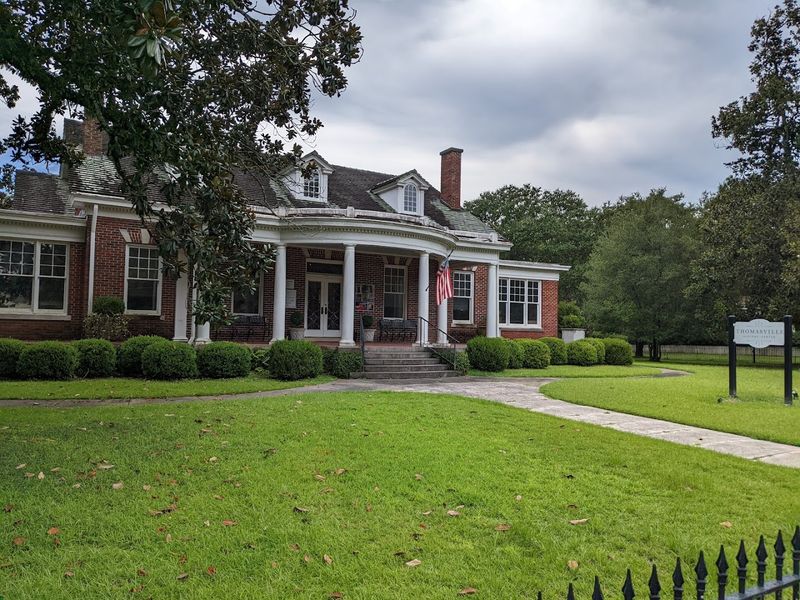
Thomasville has a rich and layered past, and the Thomasville History Center does an excellent job of bringing that past into focus for modern visitors. Positioned at 725 N Dawson St, Thomasville, GA 31792, the center occupies a historic property that fits naturally into the city’s well-preserved Victorian-era streetscape.
Exhibits cover Thomasville’s development as a winter resort destination for wealthy Northerners in the late 1800s, as well as its agricultural heritage, social history, and the stories of the people who built the community across generations. The detail level in the displays is impressive, with period photographs and original documents adding credibility to every panel. The story of why wealthy tourists once flocked here is genuinely fascinating.
The center also maintains archives useful for genealogy research, which draws a steady stream of visitors beyond typical tourists. Staff members are knowledgeable and approachable, ready to help guide a visit based on specific interests. Free admission makes it easy to pop in even on a tight schedule.
11. Lapham-Patterson House Historic Site
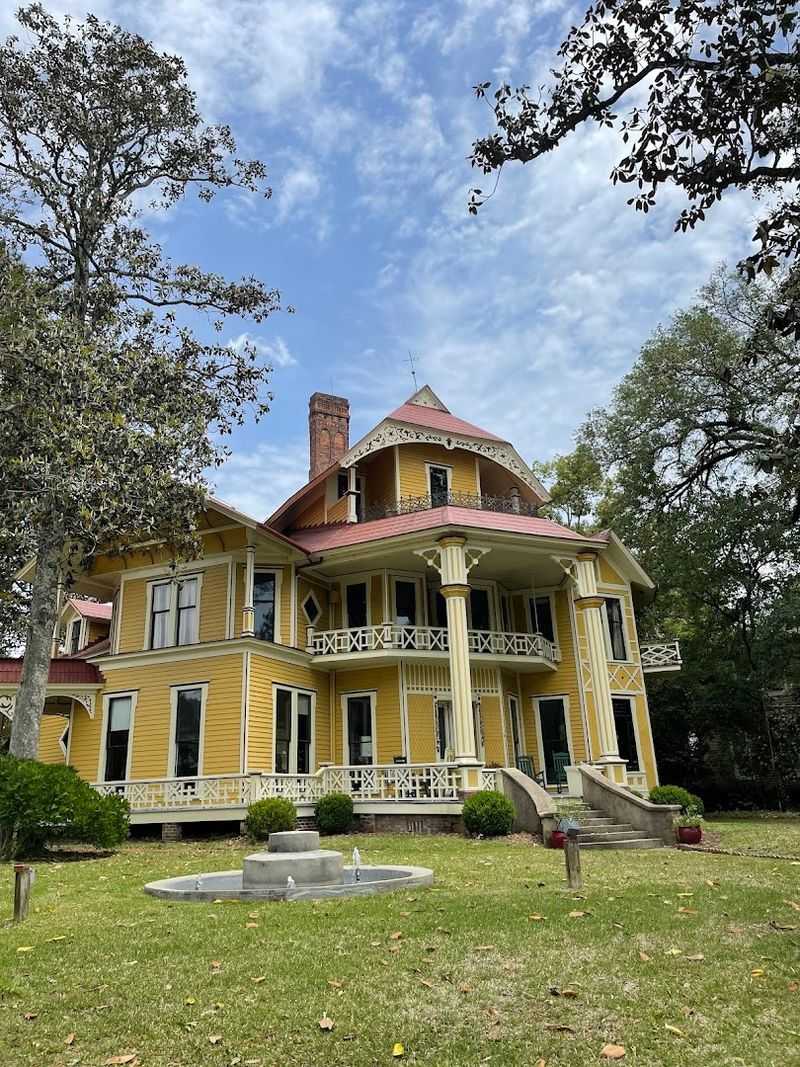
Architecture enthusiasts will find the Lapham-Patterson House genuinely hard to walk past without stopping. Located at 626 N Dawson St, Thomasville, GA 31792, this Victorian-era masterpiece was built in 1885 as a winter retreat for Chicago businessman Charles W. Lapham and stands today as one of Georgia’s finest examples of late-nineteenth-century residential design.
The house features no two rooms that are exactly alike, a fish-scale exterior, cantilevered balconies, and a double flue chimney that doubles as a stairwell, details that feel almost playfully eccentric by modern standards. Guided tours are offered at a modest fee, but the grounds and exterior can be appreciated for free at any time during site hours. The craftsmanship visible from the outside alone justifies the detour.
The surrounding neighborhood is walkable and lovely, lined with other historic homes that make for a pleasant stroll before or after a visit. The site is managed by Georgia State Parks, ensuring it remains well preserved. Comfortable shoes are recommended for exploring the grounds fully.
12. Power Of The Past Museum

Aviation history takes on a personal, hands-on quality at the Power of the Past Museum, a hidden gem tucked inside the Thomasville Regional Airport. The address is Thomasville Regional Airport, Thomasville, GA 31757, and the museum is free to visit, which makes discovering it feel like a genuine surprise reward for curious travelers.
The collection focuses on vintage aircraft, antique engines, and early aviation equipment, with many pieces restored to impressive condition by dedicated volunteers. Seeing engines and mechanical components up close gives the collection an immediacy that photographs in a book simply cannot replicate. The passion of the people behind the museum is evident in every carefully maintained exhibit.
Because it sits inside a working regional airport, the setting adds an extra layer of interest, with light aircraft occasionally visible on the tarmac through windows or during outdoor viewing. The museum tends to be quiet, making it ideal for visitors who enjoy unhurried exploration. Calling ahead to confirm current hours before visiting is strongly recommended.
13. Museum Of Colquitt County
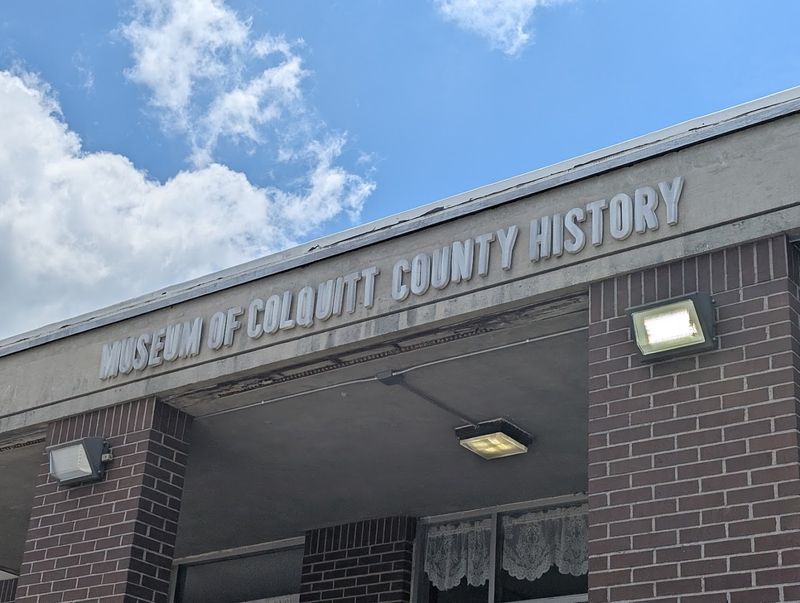
Agriculture and community life take center stage at the Museum of Colquitt County, a regional institution that tells the story of life in South Georgia with honesty and affection. Situated at 500 4th Ave SE, Moultrie, GA 31768, the museum explores how farming, commerce, and local culture shaped the county across more than two centuries of history.
Exhibits feature antique farm equipment, vintage photographs, household artifacts, and documents tracing Moultrie’s growth from a rural settlement into a thriving regional hub. The agricultural displays are particularly detailed, reflecting just how central farming has been to the identity of this part of Georgia. Visitors with rural roots often find the exhibits unexpectedly moving.
The museum is compact and manageable, making it a comfortable stop for visitors of all ages without requiring a significant time commitment. Staff members are friendly and often happy to share additional context about specific items in the collection. Free admission keeps the experience open and welcoming, reinforcing the museum’s role as a true community resource for residents and travelers alike.
14. Altama Museum Of Art and History

Vidalia is famous for its sweet onions, but the Altama Museum of Art and History offers visitors a reason to linger beyond the produce aisle. Found at 1310 Stevens St, Vidalia, GA 30474, this community museum blends fine art with local historical exhibits in a way that feels cohesive and genuinely engaging rather than scattered.
The art collection includes paintings, photography, and decorative arts from regional and national artists, while the history side covers the development of Toombs County and surrounding communities. Rotating exhibits keep the programming dynamic throughout the year, meaning repeat visitors are likely to encounter something new on each trip. The dual focus on art and history gives the museum broader appeal than a single-subject institution might.
Weekday visits tend to be peaceful, with plenty of room to move through the galleries at a comfortable pace. The staff is accommodating and clearly invested in the museum’s role as a cultural anchor for the Vidalia community. Free admission makes it a natural stop for anyone passing through the area on a road trip through South Georgia.
15. SCADstory
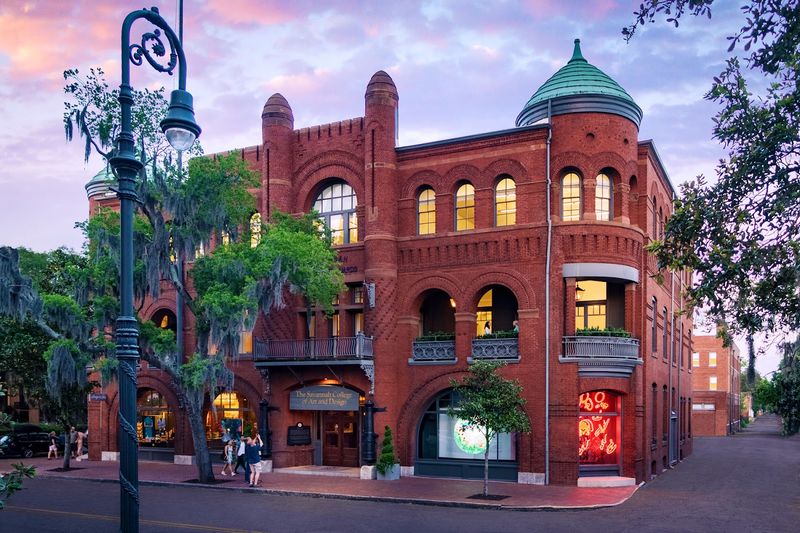
Creative energy practically hums through the walls at SCADstory, the Savannah College of Art and Design’s dedicated museum celebrating the institution’s history and artistic impact. Located at 342 Bull St, Savannah, GA 31401, this sleek and modern space sits in the heart of one of Savannah’s most vibrant cultural corridors, making it easy to include in a broader walking tour of the city.
The museum uses immersive technology, film, and interactive installations to tell the story of how SCAD grew from a small local school into one of the most recognized design universities in the world. The production quality of the exhibits is exceptionally high, which is no surprise given the institution behind them. Even visitors with no connection to the school find the journey compelling.
Admission is free, and the experience moves at a comfortable self-guided pace. The Bull Street location means parking can be tricky during busy weekends, so arriving by foot or rideshare is often the easier option. The surrounding blocks offer excellent cafes and galleries to round out an afternoon in downtown Savannah.
16. Martin Luther King Jr. National Historical Park
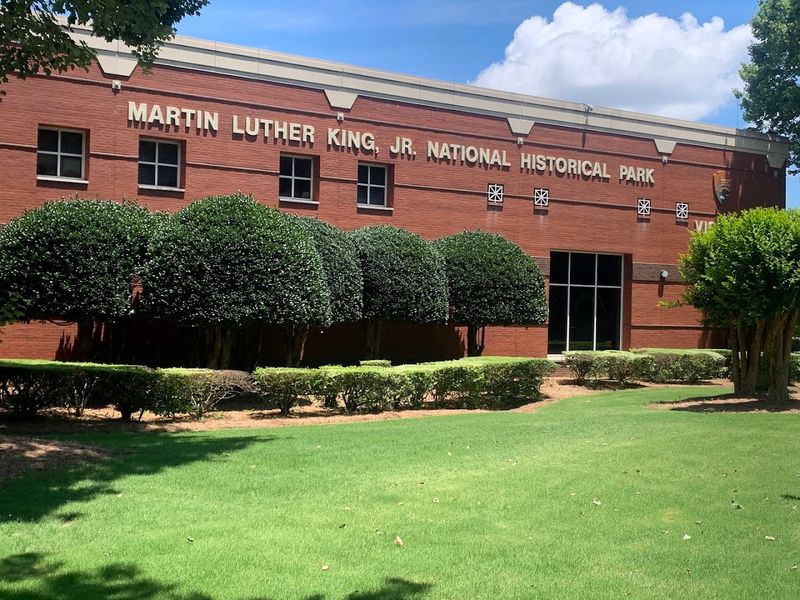
No list of free Georgia museums would feel complete without acknowledging the Martin Luther King Jr. National Historical Park in Atlanta. The visitor center and park are located at 450 Auburn Ave NE, Atlanta, GA 30312, placing them in the historic Sweet Auburn neighborhood where Dr. King was born, grew up, and began his journey toward becoming one of history’s most transformative figures.
The park encompasses the birth home, Ebenezer Baptist Church, and the King Center, all of which can be visited free of charge. Ranger-led programs bring additional depth to the experience, offering context and personal stories that go beyond what exhibits alone can convey. The neighborhood itself carries a quiet, reverent weight that visitors often describe as deeply moving.
Weekday mornings typically offer shorter wait times for home tours, which require timed tickets that are free but limited in availability. Comfortable walking shoes are essential since the experience spans several city blocks. Arriving early and planning to spend two to three hours gives visitors the best chance of taking in everything the park has to offer.