Discover North Carolina’s Most Serene Hidden Retreats
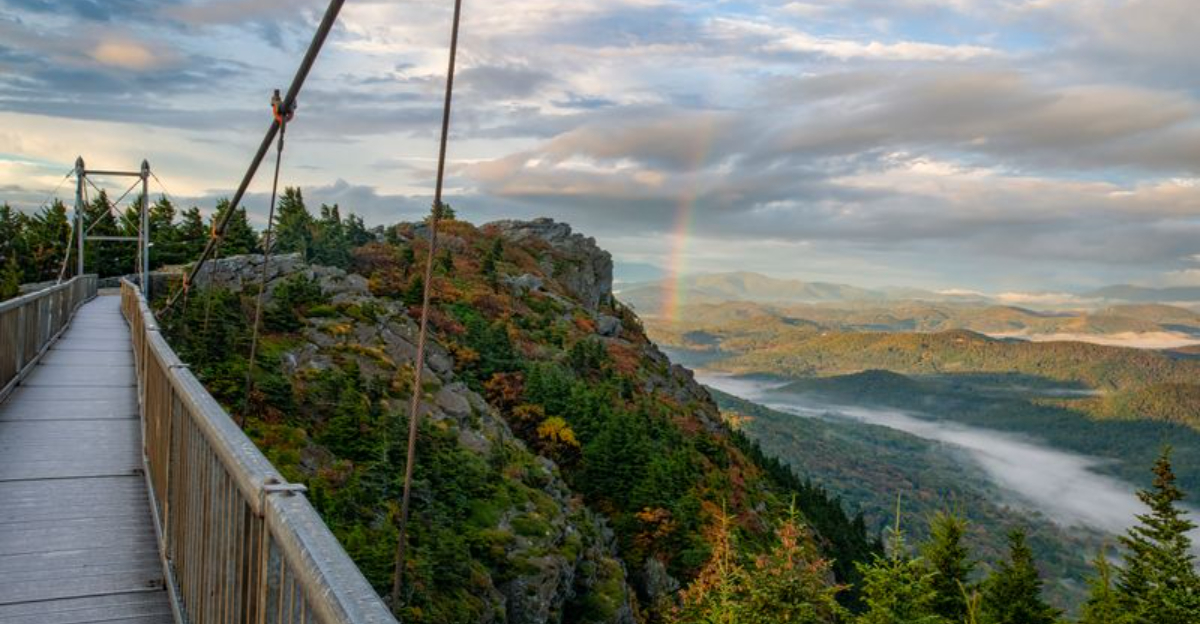
North Carolina is full of quiet little escapes that feel like they exist in their own peaceful world, places where the noise fades, the air feels lighter, and time seems to slow down. From mountain villages tucked into misty peaks to lakeside campsites surrounded by towering trees, these hidden retreats are perfect for anyone craving a break from everyday stress.
Whether you’re dreaming of a cozy weekend getaway, a solo reset in nature, or a longer adventure spent soaking in calm views and fresh air, these destinations offer more than just scenery. They promise stillness, beauty, and moments of pure peace you’ll be thinking about long after you head home.
If your soul could use a little quiet, you’re about to find it.
1. Highlands: Mountain Elegance Above the Clouds
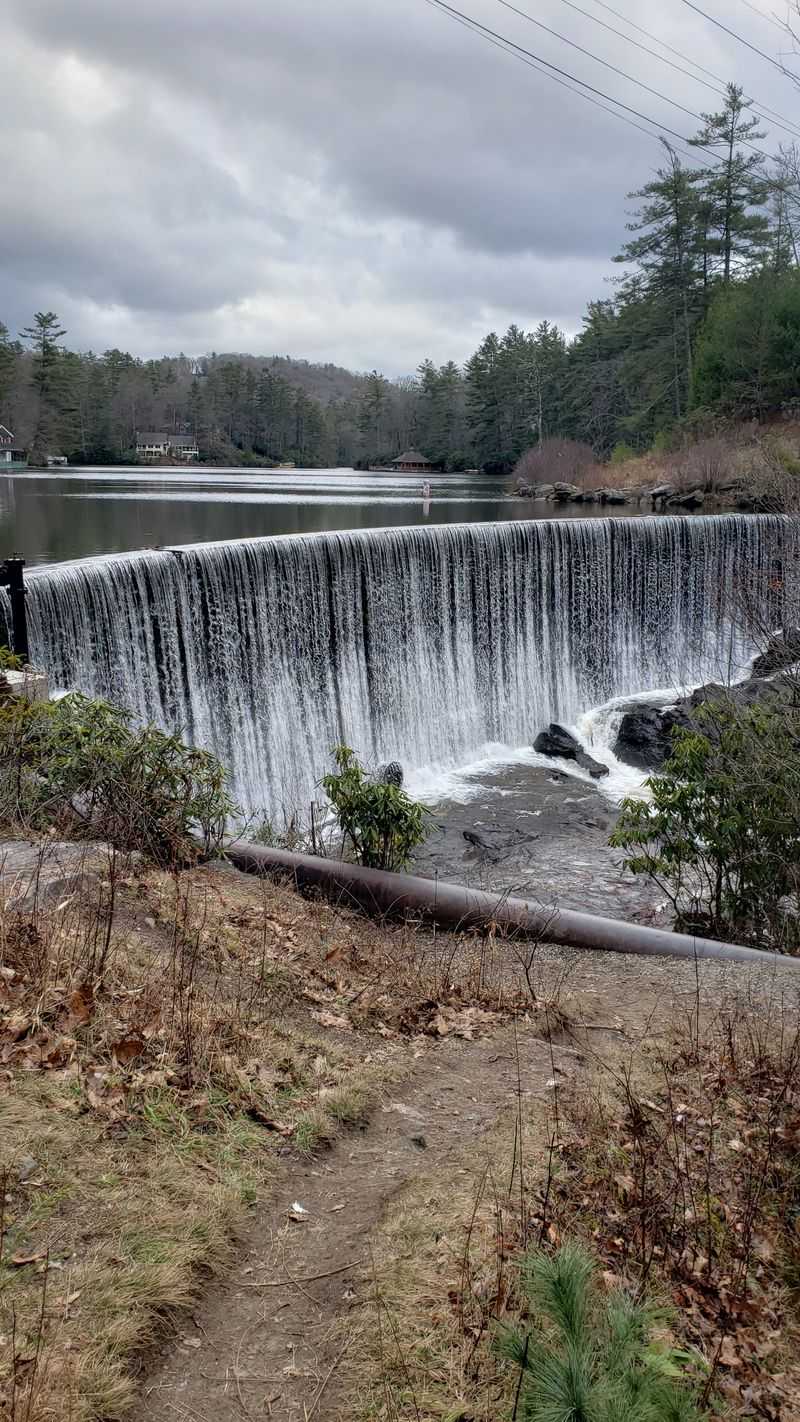
Cool mountain breezes greet you the moment you arrive in this elevated paradise. Highlands sits more than 4,000 feet above sea level, where the air feels crisp and fresh no matter the season.
Winding roads lead through forests alive with waterfalls, each turn revealing another cascade tumbling over moss-covered rocks.
The town itself surprises visitors with its sophistication and charm. Boutique shops line the streets alongside cozy cafes serving locally roasted coffee and homemade pastries.
You’ll find art galleries showcasing regional artists and restaurants offering everything from comfort food to fine dining.
Hiking trails branch out in every direction from town, leading to scenic overlooks and hidden waterfalls. Sunset Rock provides panoramic views that stretch across three states on clear days.
The cooler temperatures make summer hikes especially enjoyable, while autumn brings fiery foliage that transforms the landscape.
Local residents maintain a welcoming atmosphere that makes visitors feel like temporary neighbors rather than tourists. Small inns and bed-and-breakfasts offer personalized hospitality with mountain views from nearly every window.
This mountain town delivers elegance without pretension, making it perfect for those seeking refinement alongside natural beauty.
2. Hidden Lake Retreat: Glamping With Waterfront Serenity
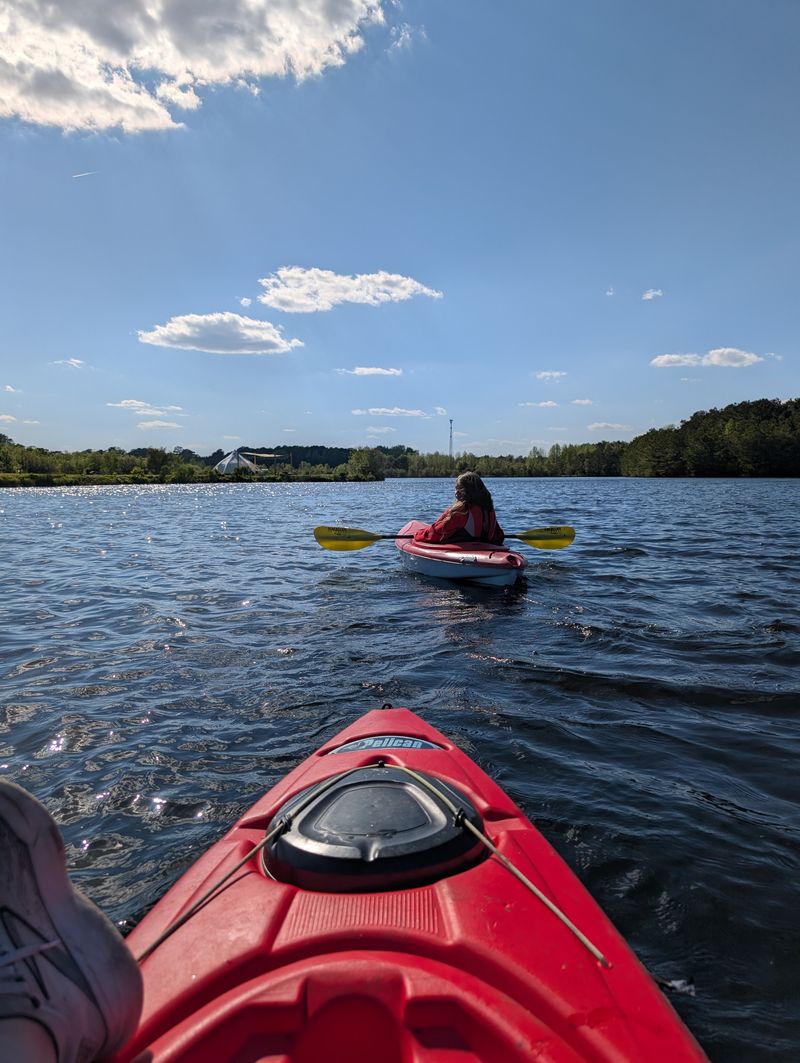
Imagine waking to sunlight dancing across calm water while birds sing their morning chorus. Hidden Lake Retreat at 485 Saints Delight Church Rd, New Bern, offers glamping that combines outdoor adventure with creature comforts.
Each tent features comfortable beds, electricity, and air conditioning units that keep you cool during warm Carolina nights.
The private lake becomes your playground throughout the day. Pedal boats glide across glassy water while kayaks slip quietly along the shoreline.
Fishing enthusiasts cast lines hoping to catch bass, bream, or catfish that populate these waters.
Families spread blankets on the sandy beach area while kids build castles and splash in shallow water. Cherry trees and blackberry bushes dot the property, offering seasonal treats for guests who arrive at the right time.
Evening brings spectacular sunsets that paint the sky in shades of orange and pink.
Firepits crackle after dark, perfect for roasting marshmallows and sharing stories under the stars. Amenities include horseshoes, cornhole boards, and even tree stump checkers for old-fashioned fun.
The bathhouses stay spotlessly clean, and the peaceful atmosphere attracts families seeking quality time together away from screens and schedules.
3. Linville Gorge: The Grand Canyon Of The East
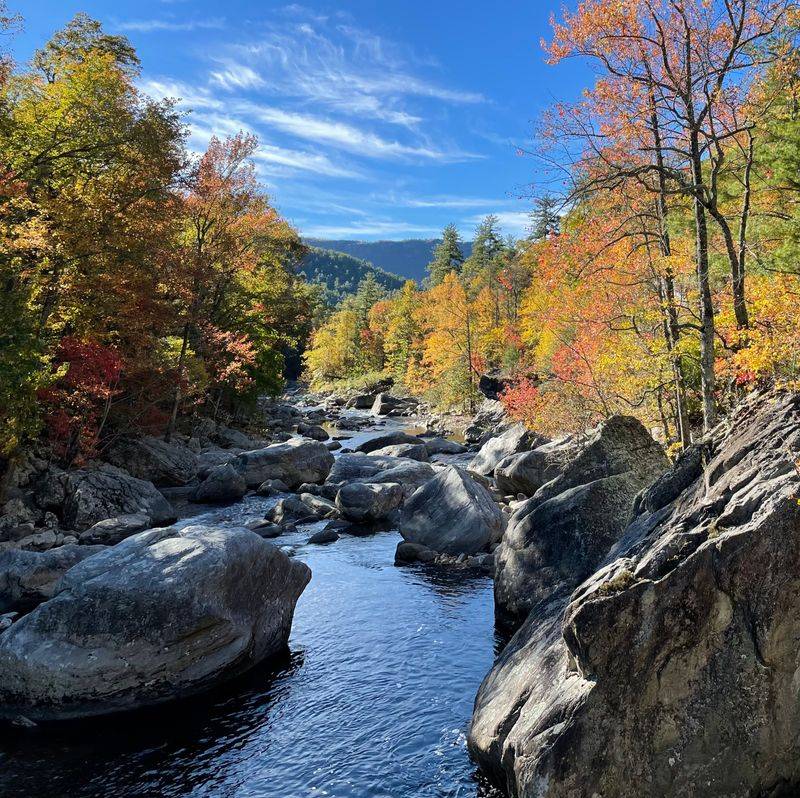
Dramatic cliffs rise hundreds of feet above the Linville River in this rugged wilderness area. Linville Gorge within Pisgah National Forest earns its nickname as the Grand Canyon of the East through sheer geological magnificence.
Ancient rock formations tell stories millions of years in the making.
Linville Falls thunders over multiple tiers, creating mist that catches sunlight and forms rainbows on sunny afternoons. Multiple viewing platforms offer different perspectives, from gentle overlooks suitable for all ages to challenging trails that reward hikers with spectacular vantage points.
The sound of rushing water echoes through the gorge, creating natural music that drowns out all other noise.
Backcountry camping allows adventurous souls to spend nights beneath star-filled skies far from light pollution. Permits required for overnight stays help preserve the wilderness character that makes this place special.
Rock climbers scale the gorge walls, testing their skills against challenging routes.
Dense forests carpet the gorge floor and rim, creating habitat for black bears, deer, and countless bird species. Spring brings wildflowers, summer offers lush greenery, fall explodes with color, and winter reveals the gorge’s bones through bare branches.
4. Little Switzerland: Alpine Charm On The Blue Ridge Parkway
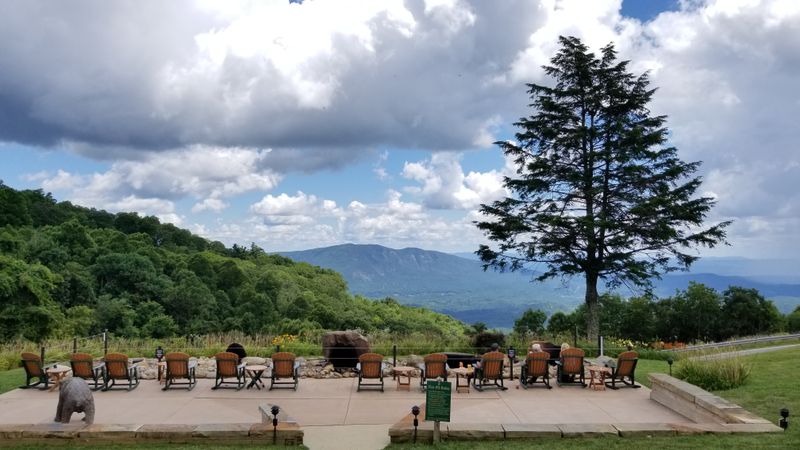
European architecture meets Appalachian scenery in this charming mountain village. Little Switzerland perches along the Blue Ridge Parkway, where sweeping mountain views greet visitors at every turn.
The town’s name perfectly captures its alpine atmosphere and Swiss-inspired buildings.
Local shops sell handcrafted items ranging from pottery to quilts, each piece reflecting mountain traditions passed down through generations. The cooler climate mirrors actual Alpine regions, making summer visits particularly pleasant.
Rhododendrons bloom in profusion during late spring, creating natural gardens that rival any cultivated landscape.
The village serves as an ideal base for exploring nearby attractions including Linville Caverns and numerous hiking trails. Emerald Village offers underground mine tours where visitors can hunt for gemstones and learn about the region’s mining heritage.
The Blue Ridge Parkway stretches in both directions, offering scenic drives with pullouts for photography and picnicking.
Small inns provide cozy accommodations where guests gather around fireplaces during cool evenings. The restaurant scene focuses on comfort food with mountain flair, featuring locally sourced ingredients whenever possible.
Autumn transforms the surrounding mountains into a painter’s palette, drawing leaf-peepers from across the country.
5. Hot Springs: Natural Healing Waters Along The Trail
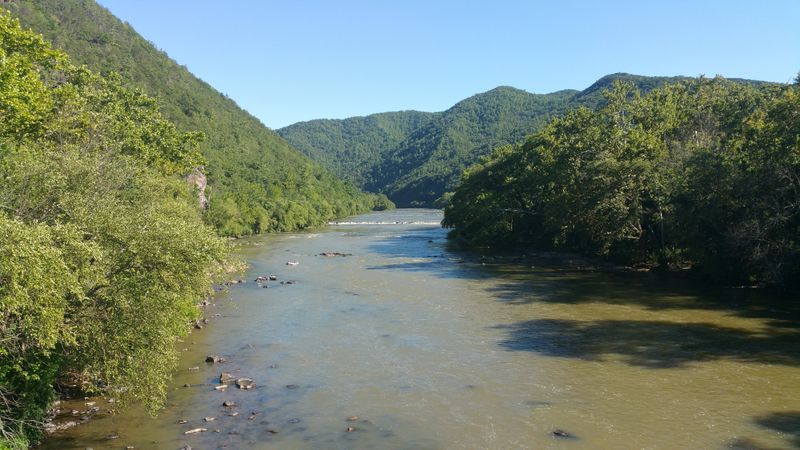
Mineral-rich waters bubble from the earth at temperatures perfect for soaking tired muscles. Hot Springs has welcomed visitors seeking healing and relaxation for centuries, long before European settlers arrived.
The Appalachian Trail runs directly through downtown, making this a favorite stop for thru-hikers and section hikers alike.
Natural hot springs feed spa facilities where you can rent private tubs overlooking the French Broad River. The mineral content varies from spring to spring, each offering different therapeutic benefits.
Locals swear by the waters’ ability to ease arthritis, soothe sore muscles, and promote overall wellness.
The small town maintains an authentic mountain character without excessive commercialization. Outfitters rent kayaks and rafts for river adventures that range from gentle floats to exciting whitewater runs.
Main Street features galleries, cafes, and shops housed in historic buildings that reflect the town’s long history.
Hiking trails branch out from town into surrounding mountains, offering everything from easy walks to challenging climbs. The community embraces hikers with hiker-friendly businesses providing services like laundry, showers, and mail drops.
This welcoming atmosphere combined with natural hot springs creates a uniquely restorative mountain experience.
6. Elk Knob State Park: Alpine Solitude In The High Country
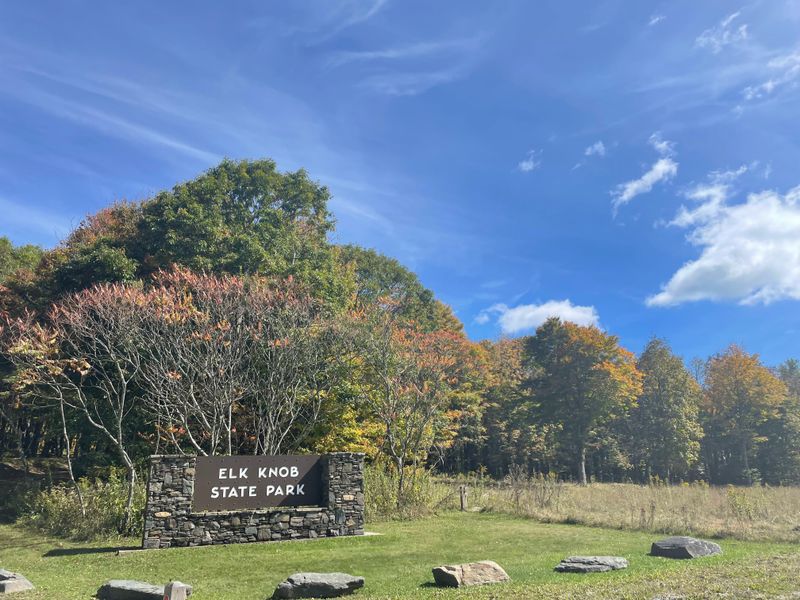
Newer parks often lack crowds that plague popular destinations, and Elk Knob proves this rule perfectly. Located in North Carolina’s High Country, at 5564 Meat Camp Rd, Todd, this park offers alpine-like conditions and stunning views without the tourist masses.
Cool temperatures prevail even during summer, making hiking comfortable when lower elevations swelter.
The summit trail winds through spruce-fir forest reminiscent of Canadian wilderness. Fraser firs release their distinctive scent as you brush past branches along the narrow path.
The ecosystem here exists nowhere else at this latitude, pushed southward during ice ages and stranded on high peaks when glaciers retreated.
Reaching the summit rewards hikers with 360-degree views stretching across multiple mountain ranges. On exceptionally clear days, you can spot peaks in Virginia and Tennessee alongside North Carolina’s finest mountains.
Wildflowers dot alpine meadows during brief summer growing seasons, creating splashes of color against rocky terrain.
Wildlife sightings include deer, wild turkeys, and numerous bird species adapted to high-altitude conditions. The park’s relative obscurity means you might have trails entirely to yourself, especially on weekdays.
This solitude allows for genuine wilderness experiences increasingly rare in accessible locations throughout the Appalachian Mountains.
7. Nantahala National Forest: Wilderness Beyond Measure
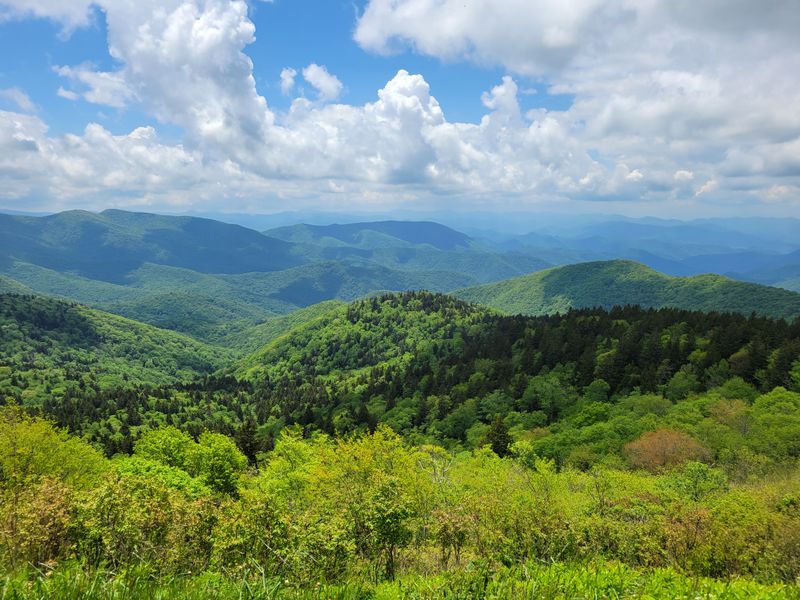
Over half a million acres of protected forest create endless opportunities for solitude and adventure. Nantahala National Forest spreads across western North Carolina’s most rugged terrain, encompassing waterfalls, rivers, mountains, and valleys.
The name means land of the noonday sun in Cherokee language, referring to deep gorges where sunlight reaches the bottom only at midday.
Hundreds of miles of hiking trails crisscross the forest, ranging from easy nature walks to challenging multi-day backpacking routes. The Bartram Trail follows paths used by naturalist William Bartram during his 18th-century explorations.
Appalachian Trail miles traverse some of the forest’s highest peaks.
Rivers and streams provide world-class fishing and paddling opportunities. The Nantahala River attracts whitewater enthusiasts with exciting rapids suitable for various skill levels.
Fontana Lake’s crystal-clear waters invite kayakers and canoeists to explore quiet coves and inlets.
Campgrounds scattered throughout the forest offer developed facilities while backcountry camping allows true wilderness experiences. Wildlife includes black bears, elk reintroduced after decades of absence, and over 200 bird species.
Each season transforms the forest: spring wildflowers, summer greenery, autumn colors, and winter’s stark beauty all offer unique rewards.
8. Hanging Rock State Park: Piedmont’s Mountain Oasis
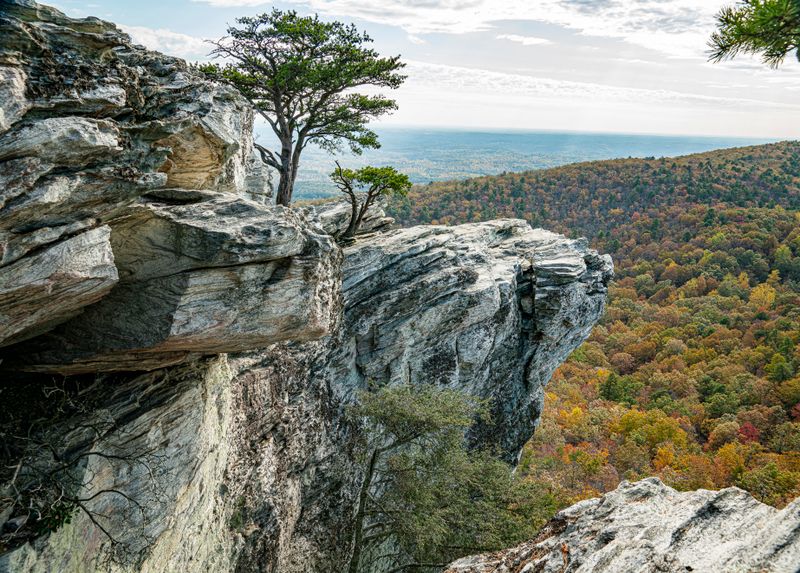
Dramatic rock formations rise unexpectedly from the rolling Piedmont landscape. Hanging Rock State Park creates a mountain experience without traveling to the Blue Ridge or Smokies.
The namesake rock outcrop provides panoramic views that seem impossible given the surrounding terrain’s relatively modest elevation.
Multiple waterfalls cascade through the park, including the impressive Window Falls and Hidden Falls. Swimming holes at the base of certain falls offer refreshing dips during hot summer months.
Rock climbing routes challenge enthusiasts on the park’s distinctive quartzite cliffs.
Over 20 miles of hiking trails wind through diverse ecosystems ranging from hardwood forests to rocky summits. The trail to Hanging Rock itself climbs steadily but rewards effort with views stretching across the Piedmont toward distant mountains.
Wildflowers bloom throughout spring and summer, attracting butterflies and other pollinators.
The park maintains a family campground with modern amenities plus primitive backcountry sites for those seeking greater solitude. A small lake offers fishing and paddling in calm waters perfect for beginners.
Interpretive programs during peak seasons teach visitors about the park’s unique geology, ecology, and history. This accessible retreat proves you don’t need extreme elevations to find mountain peace.
9. Roan Mountain: Balds And Rhododendrons Above The Clouds
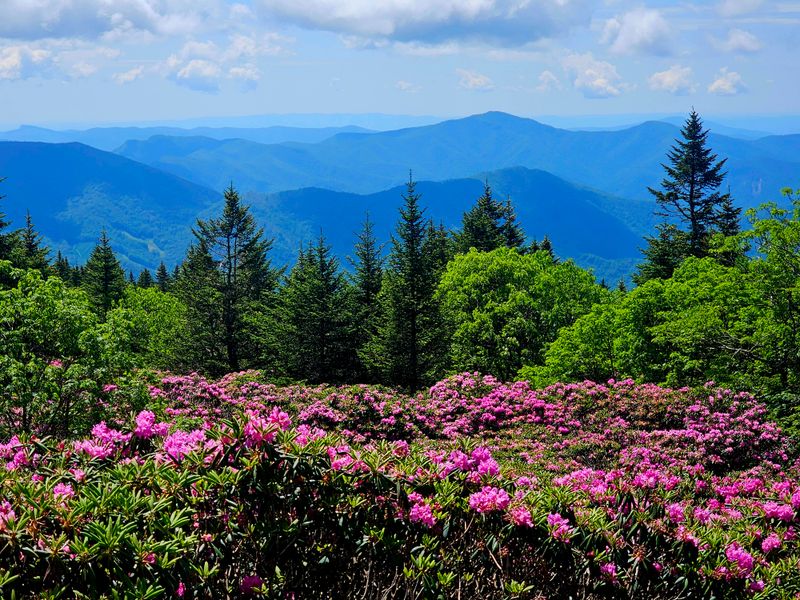
Natural grassy balds crown this massive mountain straddling the North Carolina-Tennessee border. Roan Mountain’s treeless summits have puzzled scientists for generations since these elevations should support dense spruce-fir forests.
Theories range from grazing patterns to unique soil conditions, but mystery adds to the mountain’s appeal.
June brings the famous rhododendron bloom when catawba rhododendrons carpet the balds in purple flowers. This natural spectacle attracts visitors from across the region who time their visits to catch peak bloom.
The display rivals any cultivated garden, stretching across hundreds of acres.
Hiking trails traverse the balds, offering unobstructed views in all directions. The Appalachian Trail crosses the mountain, providing access to both natural gardens and spruce-fir forests at slightly lower elevations.
Sunset and sunrise from the balds create unforgettable experiences as light plays across the endless mountain ranges.
Roan Mountain Gardens feature trails specifically designed to showcase the rhododendron displays. The historic Cloudland Hotel once stood here, hosting wealthy guests who traveled by rail to escape summer heat.
Though the hotel disappeared long ago, the mountain’s appeal endures through its unique ecology and spectacular beauty.
10. Grandfather Mountain: Swinging Bridge To The Sky
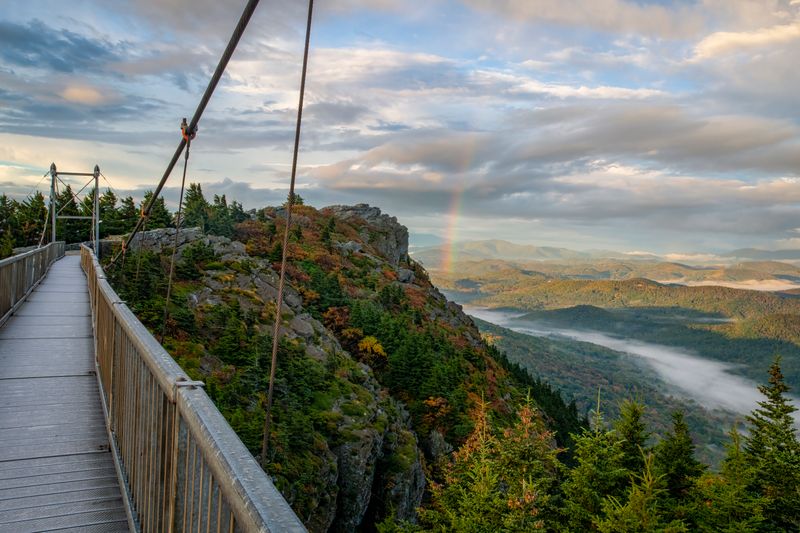
A mile-high swinging bridge spans a chasm between rocky peaks on this iconic mountain. Grandfather Mountain’s distinctive profile dominates the landscape, visible from miles away along the Blue Ridge Parkway.
The privately operated nature park combines conservation with visitor access, protecting fragile alpine ecosystems while allowing people to experience their beauty.
The famous Mile High Swinging Bridge sways gently as visitors cross, creating thrilling moments combined with spectacular views. Below, rocky slopes drop away dramatically, while surrounding peaks stretch toward distant horizons.
Weather changes rapidly at this elevation, sometimes enveloping the bridge in clouds that create an otherworldly atmosphere.
Wildlife habitats house native animals including otters, bears, and cougars in spacious enclosures designed for both animal welfare and visitor education. Hiking trails range from easy walks to challenging scrambles across rocky terrain.
Grandfather Trail ranks among North Carolina’s most difficult, requiring ladders and cables to navigate exposed sections.
The nature museum provides fascinating exhibits about mountain ecology, geology, and cultural history. Special events throughout the year include Highland Games celebrating Scottish heritage and naturalist programs exploring the mountain’s unique environment.
This combination of natural beauty, wildlife, and cultural programming creates a well-rounded mountain experience.
11. Joyce Kilmer Memorial Forest: Cathedral Of Ancient Trees
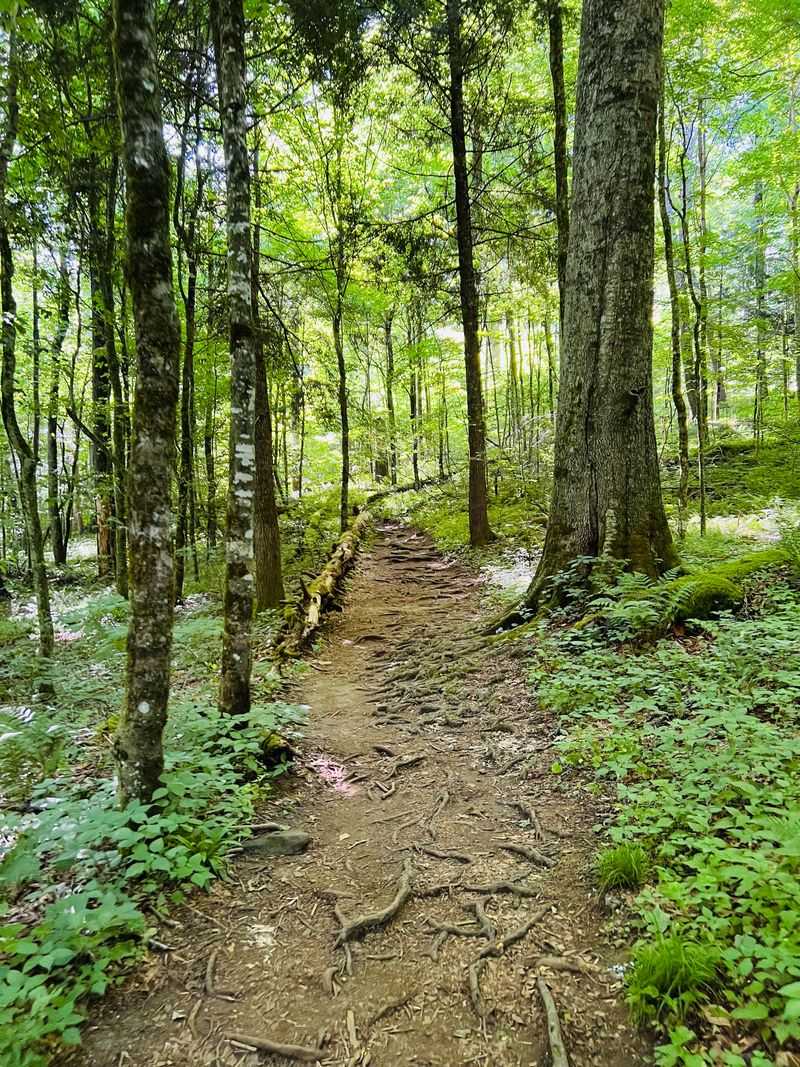
Walking among 400-year-old trees feels like entering a living cathedral. Joyce Kilmer Memorial Forest, at 5410 Joyce Kilmer Rd, Robbinsville, preserves one of the few remaining old-growth forests in the eastern United States.
Massive tulip poplars and hemlocks tower overhead, their trunks wider than most people are tall.
The forest honors poet Joyce Kilmer, famous for the poem Trees, who died in World War I. A memorial plaque marks the trailhead where a loop trail winds through the ancient forest.
The path crosses clear streams on wooden bridges and climbs gently through terrain that has never known logging.
Sunlight filters through the dense canopy, creating dappled patterns on the forest floor. Ferns carpet areas between massive tree trunks while wildflowers bloom in scattered clearings.
The forest feels primeval, offering glimpses of what covered these mountains before European settlement.
Bird songs echo through the canopy as warblers, thrushes, and woodpeckers go about their daily business. Salamanders hide under rocks near streams, representing just a fraction of the forest’s incredible biodiversity.
This protected grove reminds visitors that forests need centuries to develop true majesty, making conservation efforts all the more important for future generations.
12. Craggy Gardens: Rhododendron Wonderland Along The Parkway
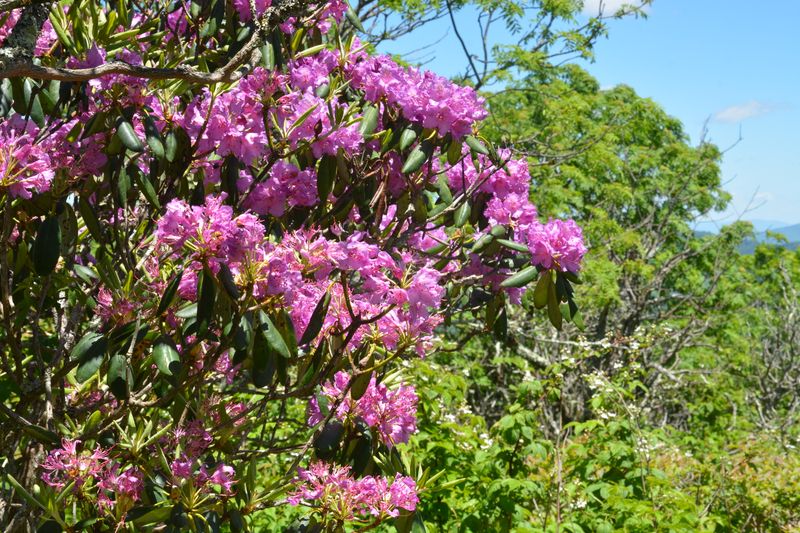
Purple blooms transform entire mountainsides into natural gardens each June. Craggy Gardens along the Blue Ridge Parkway showcases catawba rhododendrons in one of the most accessible displays anywhere in the Appalachians.
The short trail from the parking area means almost anyone can experience this floral spectacle regardless of hiking ability.
Peak bloom typically occurs mid-June, though exact timing varies with weather and elevation. Buds begin opening at lower elevations first, with the wave of color moving upward as temperatures warm.
Visiting during the transition allows you to see both opening buds and full blooms simultaneously.
Views from the gardens stretch across wave after wave of mountain ridges fading into blue distance. The Craggy Pinnacle trail climbs to even higher elevations where panoramic views reward the moderate effort.
Early morning visits often find the mountains rising above a sea of clouds filling the valleys below.
Picnic areas near the gardens provide perfect spots for lunch with a view. The Craggy Gardens Visitor Center offers information about the area’s natural history and hiking opportunities.
Autumn brings a second season of beauty when the rhododendrons’ leaves turn bronze and surrounding hardwoods explode in traditional fall colors, creating a completely different but equally stunning landscape.
13. Uwharrie National Forest: Ancient Mountains Worn Gentle
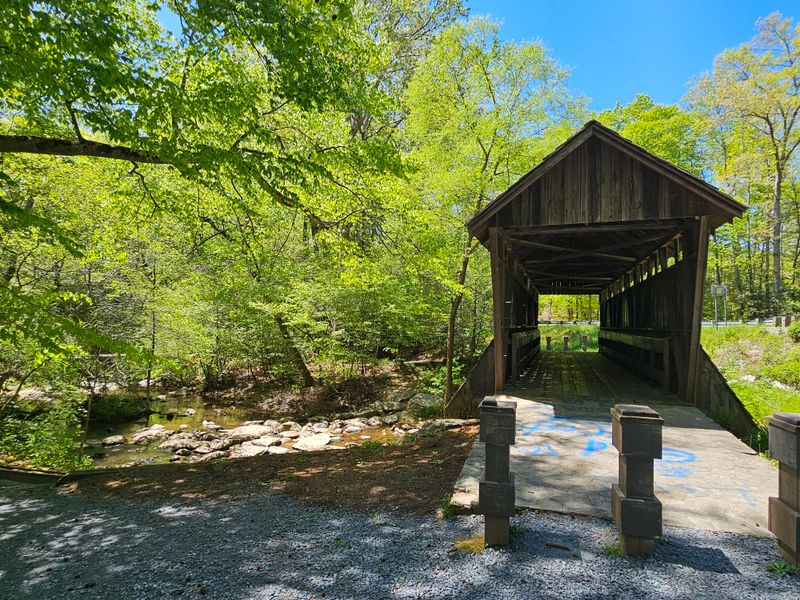
These mountains predate the Appalachians, worn down by hundreds of millions of years of erosion. Uwharrie National Forest in central North Carolina protects what remains of once-towering peaks that rivaled the Rockies in their youth.
Today’s gentle hills and modest elevations belie their ancient origins and geological significance.
The Uwharrie Trail stretches over 20 miles through the forest, offering backpacking opportunities close to urban areas. Rolling terrain makes for easier hiking than mountain trails while still providing satisfying wilderness experiences.
Numerous lakes and ponds scattered throughout the forest attract anglers and paddlers seeking quiet waters.
Birkhead Mountains Wilderness Area within the forest provides the most remote and pristine environment. Designated wilderness status prohibits vehicles and limits development, preserving natural conditions.
Hiking here feels like stepping back in time to an era before human impact dominated landscapes.
Fall hunting seasons bring additional visitors, though large sections remain peaceful for hikers and nature observers. Spring wildflowers bloom in profusion, taking advantage of sunlight reaching the forest floor before trees leaf out.
The forest’s accessibility from Charlotte, Greensboro, and Raleigh makes it an invaluable resource for city dwellers seeking quick nature escapes without long drives to distant mountains.