Discover NYC Like A Local: Sustainable Travel Trends You Can’t Miss In 2026
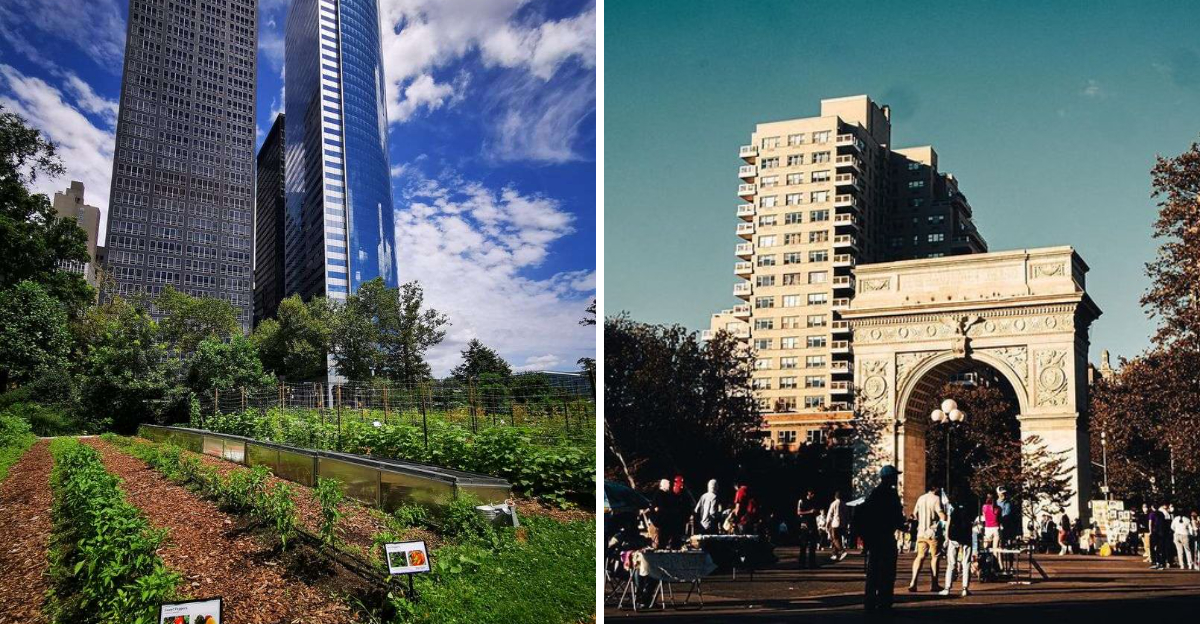
New York City is changing the way people explore, making green choices easier than ever before.
From bike lanes stretching across boroughs to rooftop gardens blooming high above busy streets, the city embraces sustainability at every turn.
Travelers who want authentic experiences while protecting the planet will find plenty of exciting options waiting in 2026.
These trends show how visiting responsibly can be fun, memorable, and surprisingly simple.
Zero-Emission Bus Adventures Across Boroughs
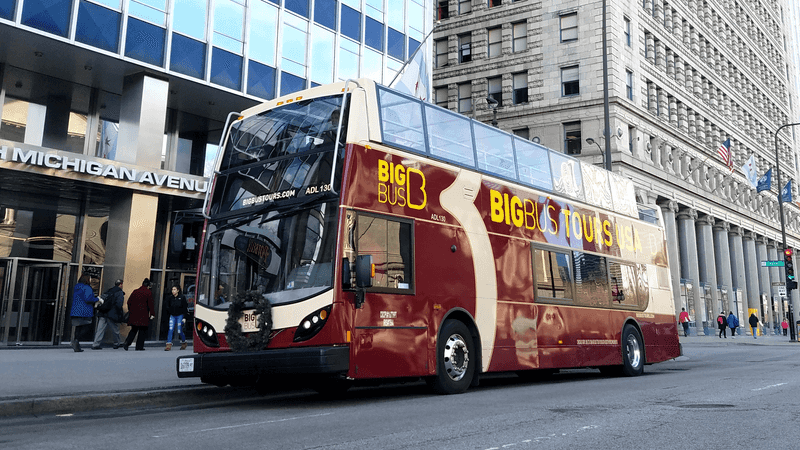
Getting around without harming the environment just became the coolest way to see the city.
New York’s Metropolitan Transportation Authority runs hundreds of zero-emission buses that glide quietly through neighborhoods.
Battery-powered vehicles replace old diesel models, cutting pollution while keeping riders comfortable.
Hop aboard at any major transit hub, including the busy terminal at 625 8th Avenue in Midtown Manhattan.
The windows frame changing scenery as you roll from historic brownstones to gleaming skyscrapers.
The ride feels smooth and modern, with charging stations keeping buses running all day long.
Locals appreciate cleaner air and quieter streets as more electric buses join the fleet.
By 2040, every bus will run emission-free, making this trend a glimpse into the future.
Tourists discover hidden jewels between major stops, learning routes like true New Yorkers.
Sustainable travel starts with simple choices that add up to big environmental wins for everyone.
Long Island Greenway Trail Exploration
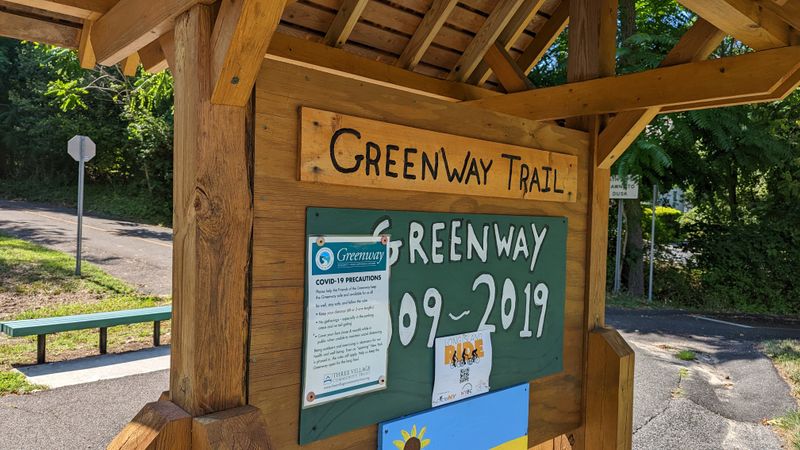
Imagine pedaling through nearly 200 miles of connected green space linking entire communities.
The Long Island Greenway Trail breaks ground in winter 2026, creating pathways for walking, running, and cycling.
Construction begins near existing parks, weaving together 27 neighborhoods and 26 beautiful outdoor areas.
Access points appear throughout Queens and Nassau County, including an entry near 1 Corona Plaza in Corona, Queens.
Families pack picnics and spend entire afternoons exploring sections that showcase different landscapes.
Trees shade portions of the trail while open stretches offer views of surrounding neighborhoods.
Wildlife thrives along these corridors, giving city dwellers chances to spot birds and butterflies.
The project represents one of the largest green infrastructure investments in recent memory.
Local groups maintain sections, creating opportunities for volunteers to contribute to conservation efforts.
Every mile traveled on this trail means one less car trip, multiplying positive environmental impact across the region.
Community-Centered Tourism Workshops

Real connections happen when travelers learn directly from people who call the city home.
Community-centered tourism brings visitors into workshops led by talented local artisans throughout all five boroughs.
Sign up for pottery classes, textile weaving, or woodworking sessions in neighborhood studios.
One popular spot operates from a creative space at 92 4th Avenue in Brooklyn’s Park Slope.
Instructors share techniques passed down through generations while explaining cultural significance behind each craft.
Participants leave with handmade souvenirs that carry stories and support small business owners.
Money spent on these experiences stays within communities, strengthening local economies.
Conversations during workshops reveal insider perspectives about neighborhood history and daily life.
Eco-friendly accommodations nearby let visitors extend their stays and build deeper relationships.
This approach transforms tourism from passive observation into active participation that benefits everyone involved equally and meaningfully.
Eco-Friendly Hotel Stays

Where you sleep matters just as much as what you do during waking hours.
Eco-friendly hotels across New York prioritize renewable energy, waste reduction, and local sourcing.
Properties install solar panels, use energy-efficient lighting, and eliminate single-use plastics from guest rooms.
Check into accommodations like the sustainable property at 25 West 51st Street in Midtown Manhattan.
Linens come from organic cotton while cleaning products contain natural, biodegradable ingredients.
Breakfast features ingredients from nearby farms, reducing transportation emissions and supporting regional agriculture.
Water-saving fixtures cut consumption without sacrificing comfort in bathrooms and common areas.
Some hotels partner with environmental organizations, donating portions of profits to conservation projects.
Guests receive information about the property’s green initiatives, learning practices they can adopt at home.
Choosing these accommodations sends a clear message that sustainability matters to modern travelers everywhere.
Conservation Adventure Programs
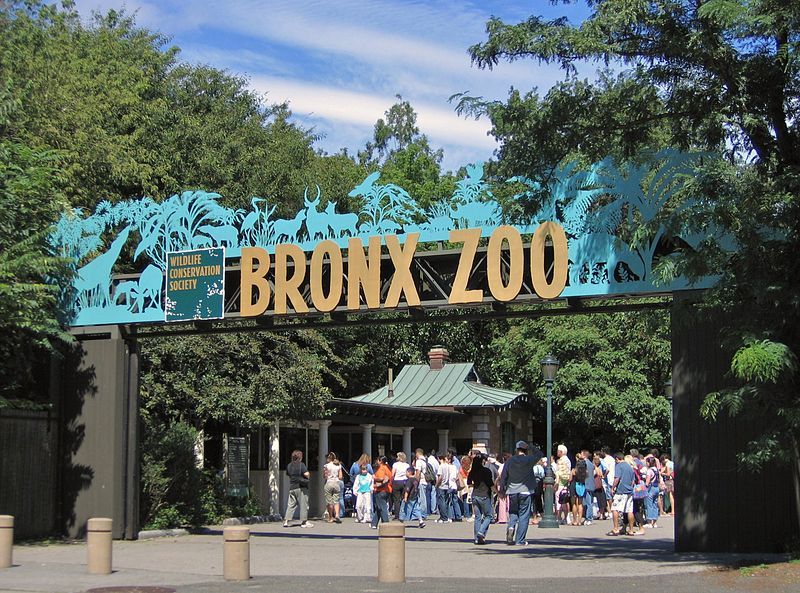
Adventure takes on new meaning when it contributes to protecting natural habitats.
Conservation programs invite travelers to join wildlife monitoring and environmental restoration projects throughout the city.
Volunteers meet at staging areas, including the visitor center at 2300 Southern Boulevard in the Bronx.
Activities range from bird counting in wetlands to planting native species in urban forests.
Experts provide training and equipment, making participation accessible regardless of previous experience.
Data collected helps scientists track population changes and assess ecosystem health over time.
Participants gain hands-on knowledge about local flora and fauna while making tangible differences.
These programs foster connections between visitors and natural areas often overlooked by typical tourist itineraries.
Children especially enjoy interactive elements that turn learning into exciting outdoor exploration.
Every hour spent on conservation activities creates lasting positive impacts that extend far beyond a single visit.
Farm-To-Table Dining Experiences
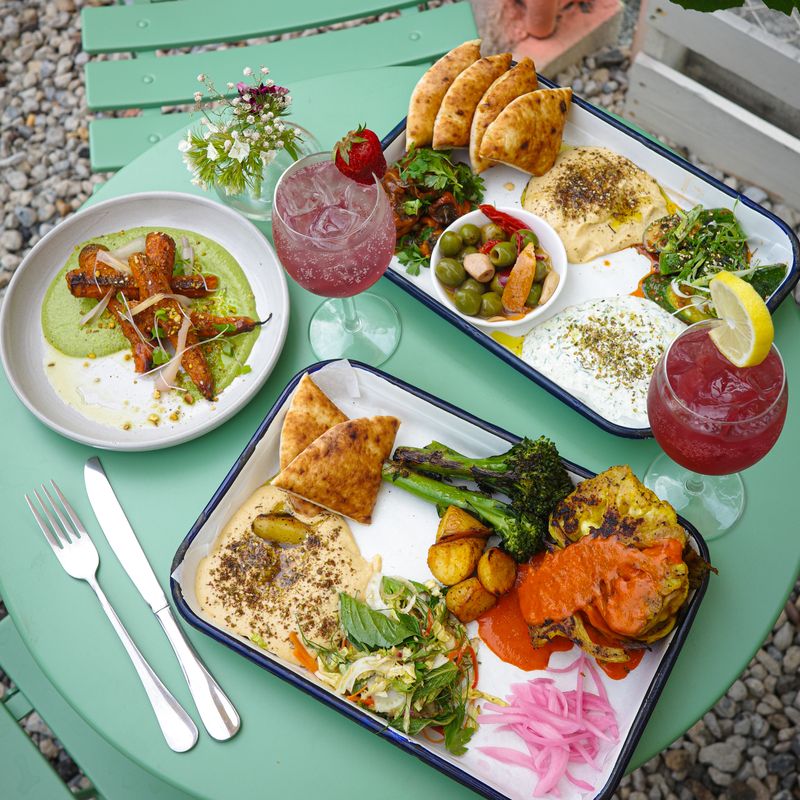
Flavors taste better when ingredients travel short distances from farm to plate.
Farm-to-table restaurants throughout New York source produce, dairy, and proteins from regional organic farms.
Menus change with seasons, reflecting what grows naturally during different times of year.
Visit establishments like the popular eatery at 54 MacDougal Street in Greenwich Village.
Chefs build relationships with farmers, ensuring quality while supporting sustainable agricultural practices.
Diners taste the difference in tomatoes picked ripe and greens harvested that same morning.
Transparency matters, with many restaurants listing farm names directly on menus.
Reduced transportation means lower carbon emissions and fresher ingredients reaching your table.
Staff happily explain ingredient origins and preparation methods that highlight natural flavors.
Eating this way connects people to the land and labor behind every delicious bite served.
Public Transit System Mastery
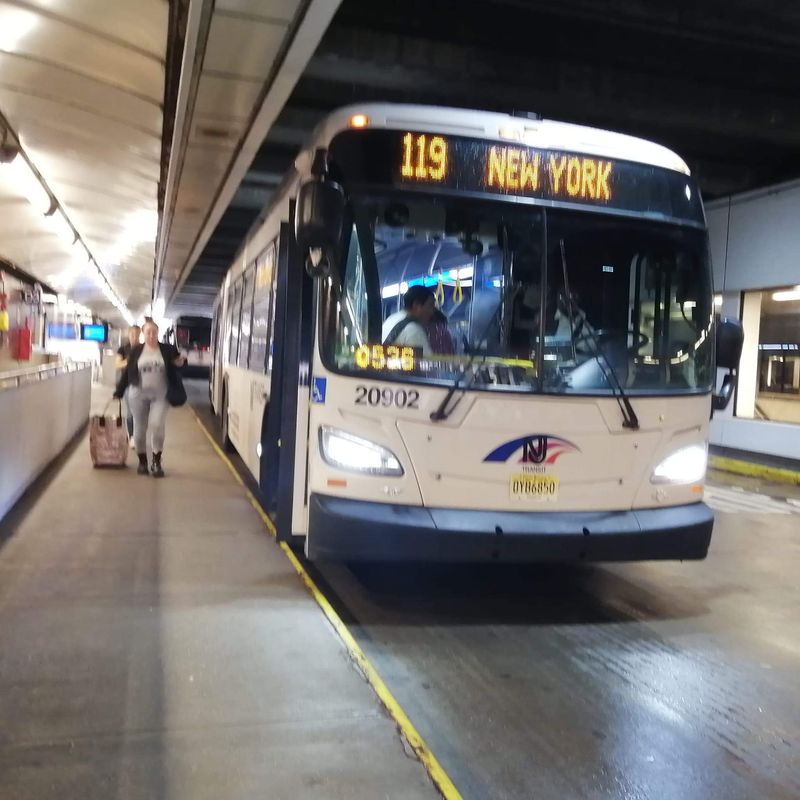
Mastering the subway system unlocks the entire city without adding pollution to crowded streets.
New York’s extensive public transportation network includes subways, buses, and ferries connecting all boroughs.
Major hubs like the station at 1 Penn Plaza in Midtown Manhattan serve as gateways to countless destinations.
Upgrades continue improving efficiency and reducing environmental impact across the entire system.
Trains run frequently, making spontaneous adventures easy without consulting complicated schedules.
A single MetroCard provides access to multiple transportation types throughout your entire stay.
Locals navigate confidently, and visitors quickly learn routes that become second nature after a few trips.
Late-night service ensures safe travel home regardless of when events or dinners end.
Choosing public transit over taxis or rental cars dramatically reduces your personal carbon footprint.
The experience itself becomes part of the adventure, offering glimpses into authentic New York life.
Green Rooftop And Urban Farm Tours
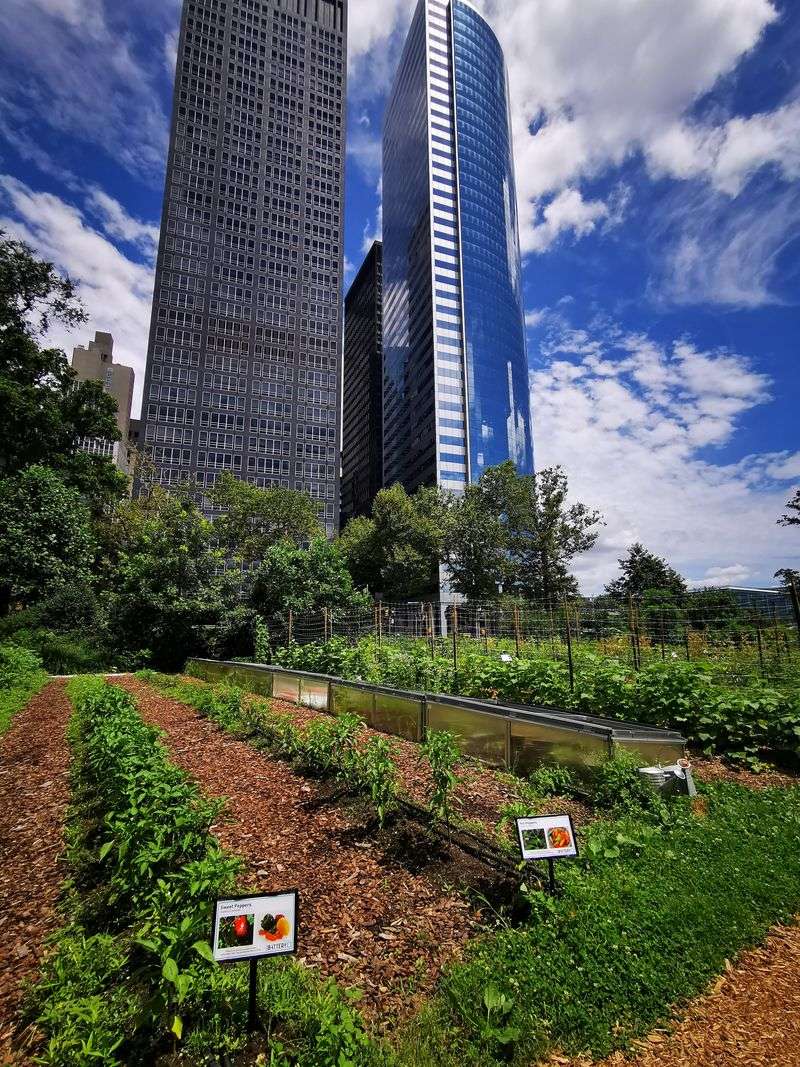
Gardens flourish in unexpected places, transforming rooftops into productive green spaces.
Green rooftop tours showcase sustainable urban farming projects that grow fresh produce high above city streets.
Book guided visits to innovative sites, including the rooftop operation at 15 West 37th Street in Manhattan.
Vegetables, herbs, and flowers thrive in carefully designed growing systems using composted waste.
These spaces cool buildings naturally, reducing energy needed for air conditioning during hot months.
Rainwater collection systems irrigate plants while preventing runoff from overwhelming storm drains.
Tour guides explain techniques that visitors can adapt for their own balconies or backyards.
Produce harvested from rooftops supplies restaurants below, creating truly local food loops.
Views stretch across skylines, offering unique perspectives while learning about sustainable agriculture.
These projects prove that cities can produce food while creating habitats for pollinators and beneficial insects.
Local Artisan Markets And Sustainable Shopping
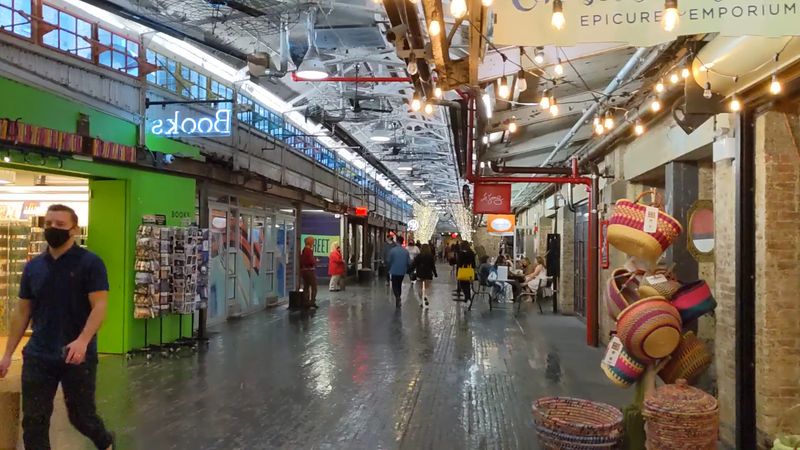
Shopping becomes meaningful when purchases directly support creative individuals and environmental responsibility.
Local artisan markets throughout New York feature handmade, sustainable products crafted by talented makers.
Stalls display everything from recycled jewelry to organic textiles at venues like 100 West 77th Street on the Upper West Side.
Artisans explain their processes, sharing stories about materials and inspiration behind each unique piece.
Buying handmade items reduces demand for mass-produced goods that generate excessive waste.
Markets rotate vendors, ensuring fresh discoveries during every visit throughout the year.
Prices reflect fair compensation for skilled labor rather than exploitative factory wages.
Packaging uses recycled materials or reusable bags, eliminating unnecessary plastic waste.
Friendships form between regular shoppers and makers, creating communities around shared values.
Souvenirs purchased here carry authentic stories and support local economies in tangible, measurable ways.
Sustainable Event And Festival Attendance
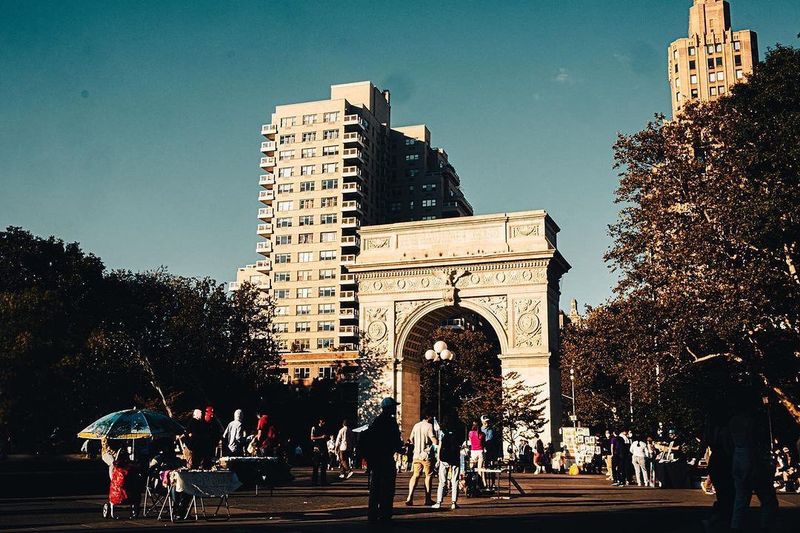
Celebrations can be joyful and environmentally responsible at the same time.
Sustainable events and festivals across New York promote green practices while showcasing talent and creativity.
Organizers set up zero-waste stations and use compostable materials at venues.
Fashion shows feature designers using recycled fabrics and ethical production methods.
Film festivals screen documentaries about environmental issues, inspiring audiences to take action.
Workshops teach practical skills like composting, upcycling, and energy conservation for daily life.
Vendors serve food in reusable containers, eliminating mountains of trash typical at large gatherings.
Carbon offset programs balance emissions generated by event operations and attendee travel.
Entertainment includes musicians and performers who advocate for environmental causes through their art.
Attending these events supports organizers committed to proving that fun and sustainability work perfectly together.
Interborough Express Transit Development

Future transit connections promise to reshape how people move between boroughs sustainably.
The Interborough Express (IBX) represents a proposed light rail route linking Queens and Brooklyn directly.
Planning centers around creating fast, efficient service along existing rail corridors near 65-15 Metropolitan Avenue in Queens.
Currently, traveling between these boroughs often requires lengthy trips through Manhattan.
Direct connections will save time while reducing reliance on private vehicles and their emissions.
Light rail technology offers clean, quiet operation compared to traditional diesel trains.
Stations will serve neighborhoods historically underserved by convenient transit options.
Economic development follows transit improvements, bringing opportunities to communities along the route.
Environmental studies guide construction to minimize disruption to existing habitats and residential areas.
Staying informed about this project helps travelers understand the city’s long-term vision for sustainable urban mobility.