Discover The Virginia Landmark Where The Civil War Reached Its Defining Final Chapter
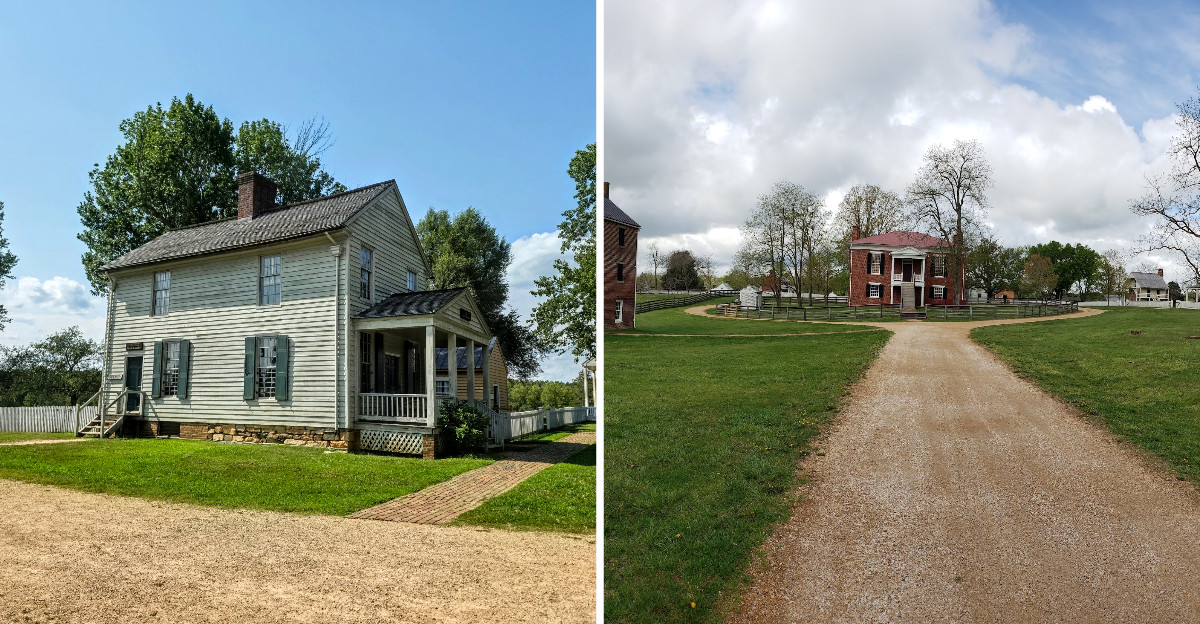
A village this quiet should not feel this important, but Virginia has a way of hiding enormous history behind very ordinary doors.
In April 1865, two generals met inside a modest parlor here and changed the course of the nation.
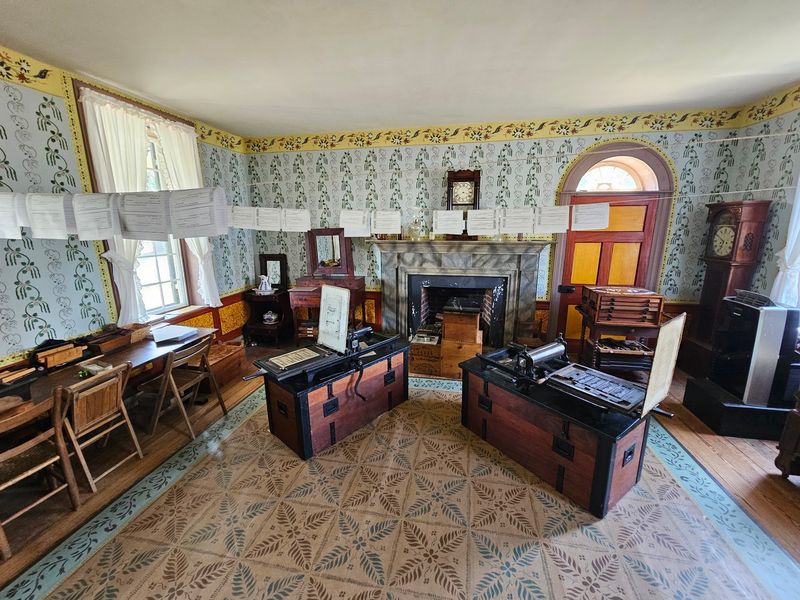
Today, you can walk the same lanes, tour the house, and see where parole passes were printed after the surrender. Pretty wild, right?
The peaceful fields make the history hit even harder because nothing feels rushed or overly staged.
Trails wind through meadows and woods, while preserved buildings keep pulling you deeper into the story. This is the kind of place that makes history feel startlingly close.
A Parlor Meeting That Changed America
History rarely happens in a living room, yet here it did. On April 9, 1865, General Robert E. Lee surrendered the Army of Northern Virginia to Lieutenant General Ulysses S.Grant.
The meeting took place in the parlor of the McLean House and lasted about an hour and a half. The modest size of the room makes the scale of the decision especially striking.
The two generals first talked briefly about their shared service in the U.S.-Mexican War. After that, they returned to the reason for the meeting.
The terms required Confederate arms, artillery, and other public military property to be turned over. Officers were allowed to keep their sidearms, private horses, and personal baggage.
Enlisted cavalry and artillerymen who owned horses or mules were also permitted to take them home. Grant additionally arranged 25,000 food rations for three days.
Other Confederate forces still remained in the field, so this was not the literal end of the conflict. It did, however, signal the effective beginning of its final phase.
The terms agreed upon here became the model for several later surrenders across the South.
Appomattox Court House National Historical Park is at 111 National Park Dr in Appomattox.
Honor Answering Honor On Stage Road
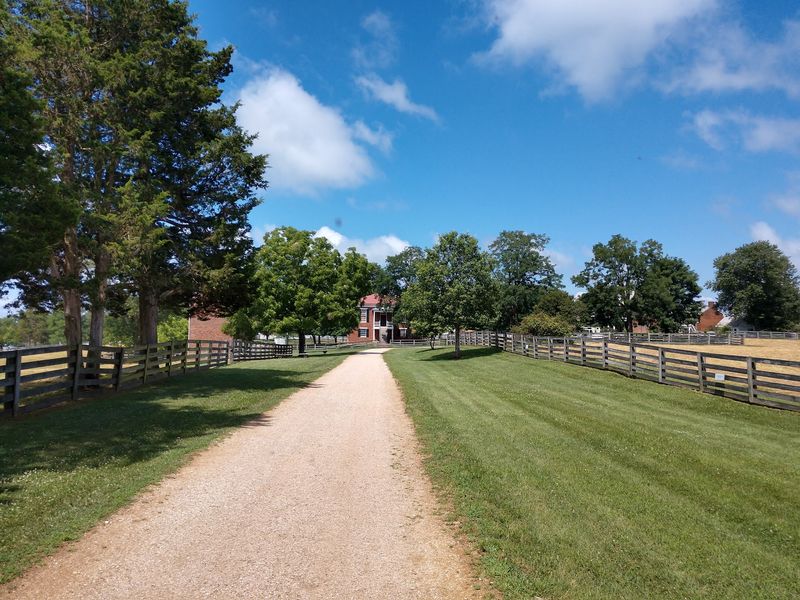
Three days after the parlor meeting, another important ceremony unfolded along the Richmond-Lynchburg Stage Road.
About 5,000 Federal troops lined the road while nearly 22,000 Confederate infantrymen marched through the village to formally turn over rifles, flags, and other military equipment.
The exchange became known for the formal salute and mutual respect shown by both sides. The ceremony was carried out quietly rather than as a public celebration.
After turning over military property, the soldiers were eligible to receive parole passes. Those papers helped them travel home and obtain transportation or supplies from federal stations.
The Stage Road remains one of the clearest places to understand how large that ceremony was. Fences, open fields, restored structures, and interpretive markers help visitors read the landscape.
The route is also part of an easy walking trail through the historic village. Its broad surface and gradual elevation changes connect several major sites.
Few roads in the state have carried such an important historical role so quietly.
How The Final Week Unfolded
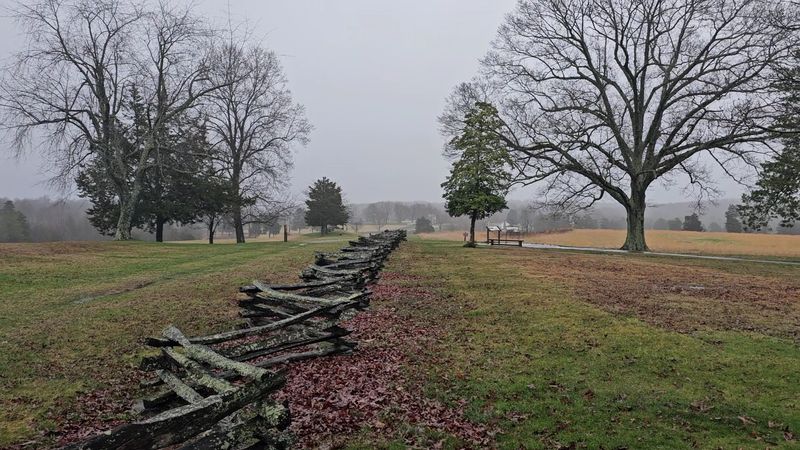
Nobody arrives at a surrender by accident. The meeting here capped the Appomattox Campaign, an intense week of movement and military pressure.
Lee’s army moved west from Petersburg in early April 1865. At Sailor’s Creek on April 6, thousands of Confederate troops were captured, creating a major setback.
On April 8, Federal cavalry reached Appomattox Station and took control of supply trains waiting there. Later that evening, Federal forces also secured artillery and blocked access to supplies Lee’s army needed.
The next morning, military action around Appomattox Court House left the westward route closed. Within hours, Lee requested a meeting to discuss surrender terms.
The park’s driving tour connects several sites from those final days. Pull-offs and interpretive panels explain how the armies moved across the countryside and why the village became the meeting place.
The Civil War did not formally end on April 9. A major Confederate command in North Carolina surrendered on April 26, and additional forces followed in May and June.
A presidential proclamation on August 20, 1866, formally announced that peace and civil authority existed throughout the United States.
Buildings With Stories To Tell
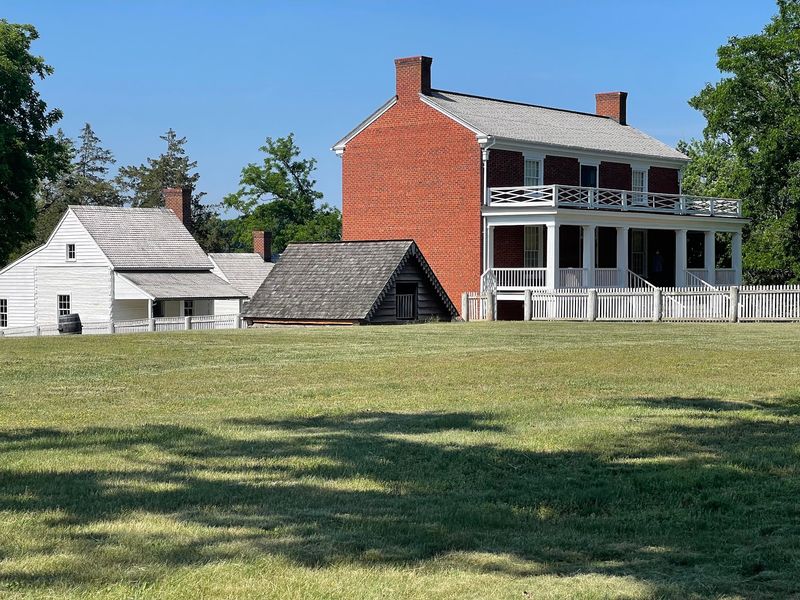
Historic buildings reveal different parts of village life as the route moves beyond the surrender parlor.
The McLean House is the best known. The original structure was dismantled in 1893 during an unsuccessful plan to move it for exhibition, then reconstructed on its original site beginning in 1948 and dedicated in 1950.
Clover Hill Tavern offers a different perspective. Built in 1819 for travelers along the stage road, it now contains an exhibit showing how parole passes were printed after the surrender.
Approximately 30,000 blank passes were produced in about 26 hours. The printing operation helped thousands of soldiers carry proof of their parole as they traveled away from Appomattox.
Meeks Store and the Woodson Law Office add more everyday context. The county jail also stands nearby, although construction began around 1864 and the building was not completed until 1868.
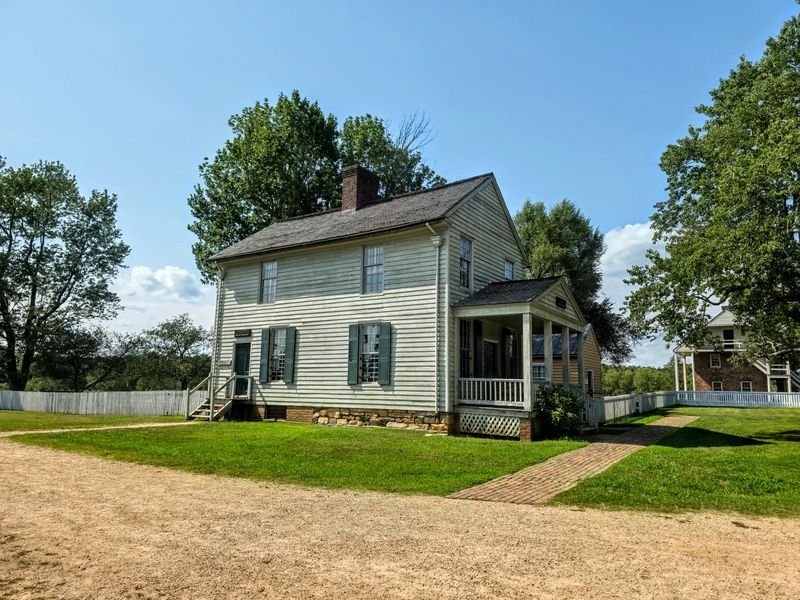
The Isbell House dates to about 1849 and now serves as park headquarters. It is preserved as part of the historic village but is not open to public entry.
Together, the restored originals and reconstructed buildings help preserve the appearance of an 1860s Virginia village without pretending that every structure survived unchanged.
A Courthouse Turned Welcome Center
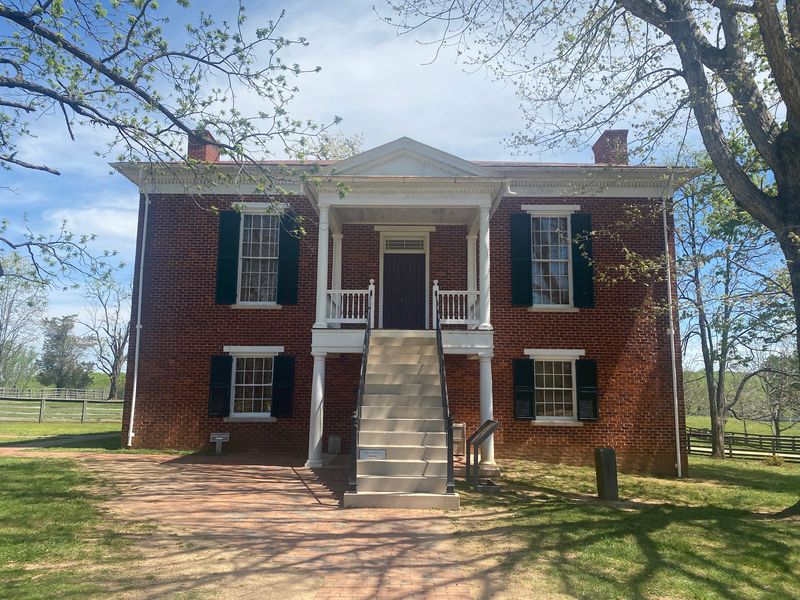
The reconstructed courthouse is the practical starting point for a visit.
The original courthouse was built in 1846. It was lost in 1892, and the structure seen today was reconstructed in 1963 and 1964 for use as the park visitor center.
The courthouse played no direct role in the surrender meeting. It was closed on April 9, 1865, and the village carried the courthouse name because it served as the county seat.
Inside, visitors can pick up a map, explore exhibits, and watch the park’s orientation film before heading into the village. That introduction helps organize a place with no single required route.
The museum presents artifacts and interpretation connected to the April 1865 events. Its compact layout makes it easy to review the timeline before seeing the buildings outside.
Ranger talks are offered during parts of the year, and seasonal living-history programs interpret people and events connected with 1865.
Families can also pick up a Junior Ranger workbook. Children who complete the on-site program receive a certificate and Junior Ranger badge.
Meadows, Streams, And Quiet Trails
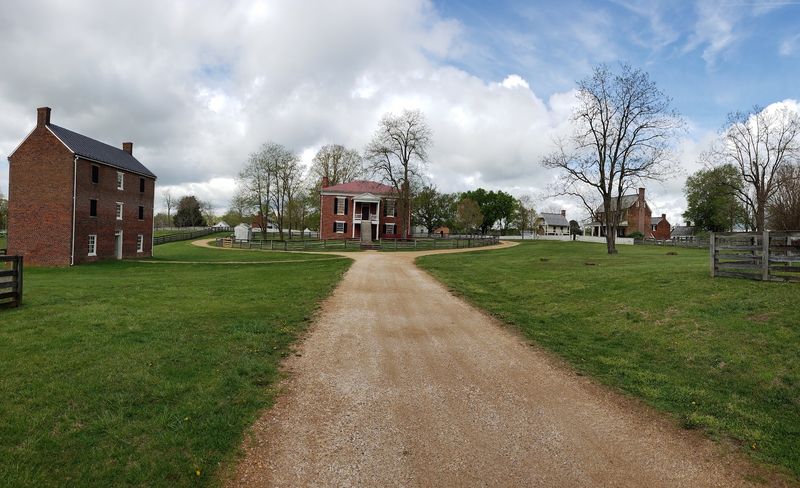
Step past the village fences, and the land opens wide. The park covers nearly 1,700 acres of rolling hills, meadows, streams, and woods.
It sits in the Piedmont region of central Virginia. Elevations range from about 640 to 830 feet, so most routes involve gentle terrain rather than mountain-style climbing.
There are 11 hiking trails ranging from short loops to routes that can be linked into a longer half-day walk. Several follow historic roads or troop movements from the Appomattox Campaign.
Open fields along routes such as the Tibbs Trail and Ferguson Wildlife Trail are managed for native pollinator habitat and grassland birds.
More than eight miles of streams cross the park, including headwaters of the Appomattox River. Wetlands also occur along the river, Plain Run Branch, and other low areas.
About 70 percent of the park is forested. Oak, hickory, poplar, pine, maple, and other trees create a mix of upland, transitional, and streamside habitats.
Beavers occasionally reshape small waterways by creating temporary pond and channel systems.
Birding is strong along forest edges, open fields, and stream corridors, with more than 90 species represented in park records.
Caring For A Living Landscape
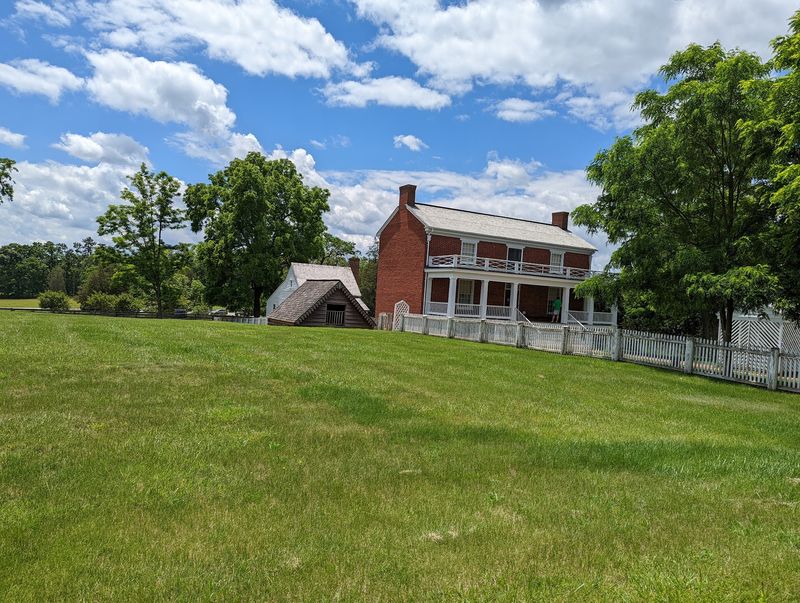
Behind the peaceful views, careful land management supports both historical interpretation and natural habitat.
Some open fields are maintained with native warm-season grasses and wildflowers, while other areas remain hayfields or pasture. Mowing, agricultural use, and other management tools help preserve the rural character associated with 1865.
That balance matters because the park is protecting more than buildings. Roads, fields, forest edges, streams, and the village all contribute to the cultural landscape.
Biological inventories show considerable variety. Researchers have documented 498 species of vascular plants, 99 bird species, 22 mammal species, 13 reptile species, 17 amphibian species, and 37 fish species.
That diversity helps explain why a short walk can shift quickly from open grassland to mature woods or wetland habitat.
Monitoring programs track water quality, vegetation, wildlife populations, and forest health. The information guides long-term decisions about habitat and the cultural landscape.
Preservation here works on two levels at once. The historic setting remains readable while natural systems continue changing around it.
Smart Tips For Your Visit
A little planning goes a long way here.
The park and visitor center are generally open daily from 9 AM to 5 PM. They close on Thanksgiving Day, December 25, and January 1, with reduced hours on December 24.
Two hours can cover the central village and its major buildings. A half day gives more room for the museum, walking trails, driving tour, and quieter stops beyond the village core.
There are no restaurants or lodging facilities inside the park. A small picnic area sits near the main parking lot, and the modern town of Appomattox is only a few miles away.
Camping is not part of the regular park experience, but commercial camping and lodging are available in the surrounding area.
Comfortable shoes help on the gravel roads and trail surfaces. Some paths are open with little shade, while others pass through woods and more uneven ground.
Virginia history feels closest when enough time is left to notice how those pieces connect.