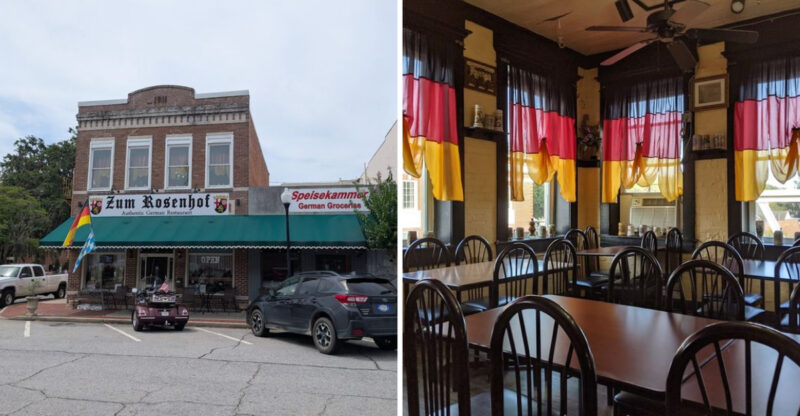
Discover Why Atlanta Georgia Is The Country’s Best-Kept Affordability Secret
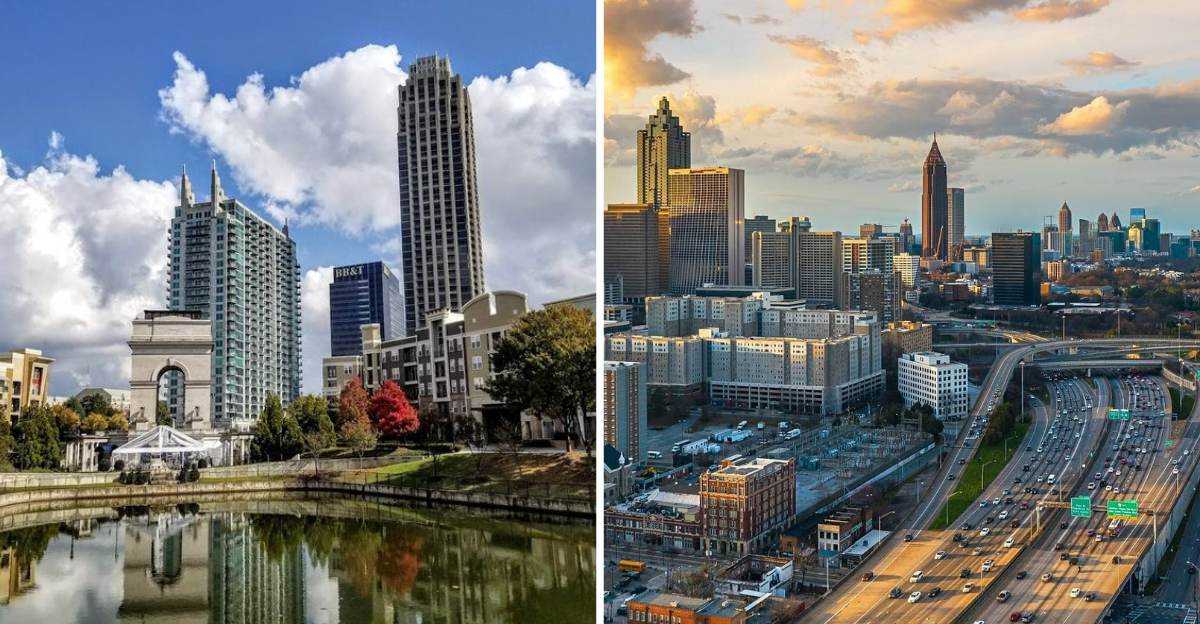
Stop wasting money in overpriced coastal cities when Atlanta just demolished affordability expectations completely. Your paycheck stretches impossibly far discovering Southern lifestyle New York desperately wants replicating.
Have you realized Atlanta offers everything expensive cities charge triple for authentically? Job markets explode with opportunity replacing corporate stagnation plaguing coastal centers.
Booming economy pulses throughout neighborhoods rewarding ambitious explorers discovering genuine prosperity. Wallet-friendly living doesn’t mean sacrificing culture discovering abundance everywhere organically.
Big-city perks arrive affordable making relocation suddenly logical and urgent. Neighborhoods showcase diversity celebrating authentic communities resisting gentrification pressures fiercely.
Charm radiates organically through street-level culture corporations cannot manufacture artificially. Opportunity beckons attracting talent fleeing coastal city financial devastation relentlessly.
Affordable housing becomes reality discovering neighborhoods offering genuine value genuinely.
1. Housing Costs That Actually Make Sense
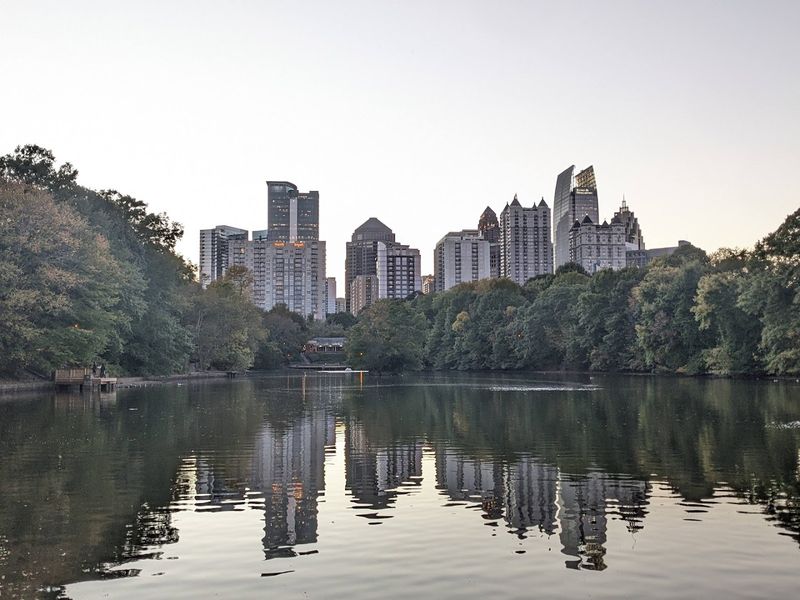
Compared to other major U.S. cities, Atlanta’s housing market feels almost refreshingly reasonable.
The median home price in Atlanta sits well below what buyers face in cities like Austin, Denver, or Miami, making homeownership a realistic goal rather than a distant dream for many families and young professionals.
Renters also benefit from a wide range of options, from cozy studio apartments in walkable neighborhoods to spacious townhomes with room to breathe.
Neighborhoods like East Point, Decatur, and College Park offer solid housing stock at prices that leave room in the budget for actually enjoying life.
The variety is part of what makes Atlanta so appealing. Whether someone is buying their first home or looking for a stylish rental close to downtown, the options tend to be far more generous than in comparable metro areas.
Atlanta rewards those who do their homework with real value for their money.
2. A Job Market That Keeps Growing
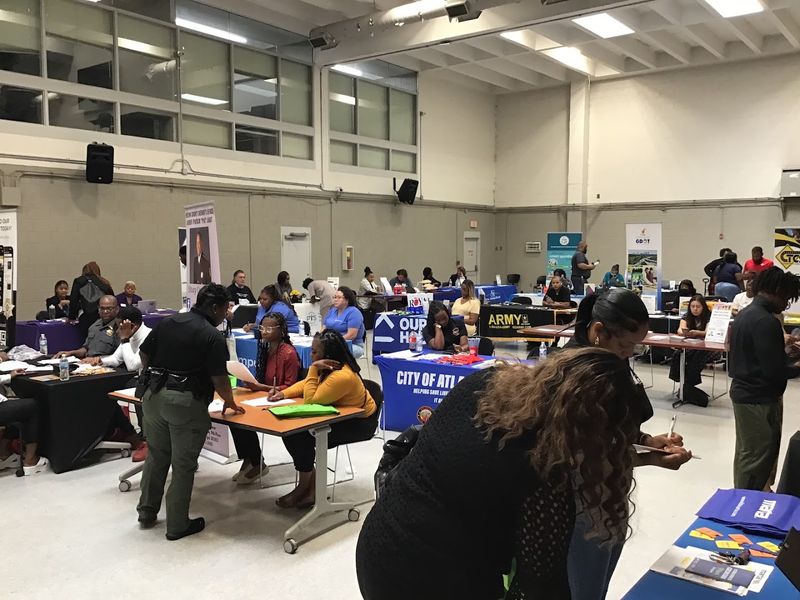
Atlanta has quietly built one of the Southeast’s most dynamic economies, and the job opportunities reflect that energy.
Major corporations including Coca-Cola, Delta Air Lines, Home Depot, and CNN all call Atlanta home, creating a steady stream of employment across industries ranging from tech and finance to media and logistics.
The city’s position as a transportation and logistics hub adds even more fuel to the fire.
Hartsfield-Jackson Atlanta International Airport, located at 6000 N Terminal Pkwy, Atlanta, GA 30320, is the busiest airport in the world by passenger traffic, and that connectivity drives enormous economic activity throughout the region.
For job seekers, Atlanta offers something rare: competitive salaries paired with a cost of living that does not immediately cancel out every paycheck.
The combination of opportunity and affordability makes the city especially attractive to recent graduates and career changers looking for a fresh start without financial strain.
3. No State Income Tax Advantage For Georgia Residents

Georgia’s income tax situation offers a meaningful financial edge for residents.
While Georgia does collect a state income tax, the flat rate structure and available deductions make the overall tax burden considerably lighter than in high-tax states like California, New York, or Illinois, where residents can lose a significant chunk of their paycheck before it even lands.
For Atlanta residents, this translates into more take-home pay each month, which compounds over time into real savings. Families and individuals who relocate from high-tax states often notice the difference almost immediately in their monthly budgets.
Property taxes in many Atlanta-area counties also tend to be lower than national averages, adding another layer of financial relief for homeowners.
When housing affordability is combined with a manageable tax environment, the overall financial picture for Atlanta residents starts looking genuinely attractive.
It is the kind of quiet advantage that does not make headlines but absolutely shapes quality of life.
4. Grocery And Everyday Costs Below The National Average

Day-to-day living costs in Atlanta tend to run below what residents pay in many other major metros, and that adds up fast.
Groceries, household goods, and everyday essentials are priced more gently here than in cities like Boston or San Francisco, giving Atlanta households more breathing room in their monthly budgets.
Local farmers markets, including the popular Freedom Farmers Market at the Carter Center located at 453 Freedom Pkwy NE, Atlanta, GA 30307, offer fresh produce at prices that rival and often beat conventional grocery chains.
Shopping locally not only saves money but also connects residents to a vibrant community food culture.
Even dining out casually costs less on average than in many peer cities. Lunch spots, food trucks, and neighborhood diners across Atlanta serve generous portions at prices that feel fair.
For families tracking every dollar, these small daily savings create a meaningful financial cushion over the course of a year.
5. World-Class Entertainment Without The Premium Price Tag

Atlanta punches far above its weight when it comes to entertainment value per dollar spent.
Centennial Olympic Park, located at 265 Park Ave W NW, Atlanta, GA 30313, offers free public access to beautifully maintained green space right in the heart of downtown, complete with seasonal events, splash pads for kids, and sweeping skyline views.
The city’s museum scene is equally impressive and surprisingly accessible. The National Center for Civil and Human Rights at 100 Ivan Allen Jr Blvd NW, Atlanta, GA 30313 offers deeply moving exhibits at admission prices that are reasonable by any standard.
Free community events, outdoor concerts, and neighborhood festivals fill the calendar throughout the year.
For sports fans, Atlanta fields professional teams across every major league, and ticket prices for many games remain more accessible than in larger markets.
Whether the plan is a lazy afternoon in the park or a packed arena night, Atlanta delivers entertainment without demanding a second mortgage to enjoy it.
6. A Food Scene That Rivals Cities Twice Its Size

Atlanta’s culinary scene has earned national recognition, and the best part is that extraordinary meals do not require extraordinary spending.
The city’s deep Southern food roots blend with international influences to create a dining landscape that is genuinely exciting without being pretentious about it.
Ponce City Market, located at 675 Ponce De Leon Ave NE, Atlanta, GA 30308, is a beloved food hall and mixed-use destination that draws locals and visitors alike with its rotating roster of vendors spanning BBQ, ramen, tacos, and artisan desserts.
Prices at most stalls remain approachable even as quality stays high.
Neighborhood gems scattered across Old Fourth Ward, Little Five Points, and Buford Highway offer cuisines from dozens of countries at prices that feel honest.
Buford Highway in particular is legendary among food lovers for its miles of authentic international restaurants where a full satisfying meal rarely breaks twenty dollars.
Atlanta feeds its people well and affordably.
7. Public Transit Options That Reduce Car Dependency
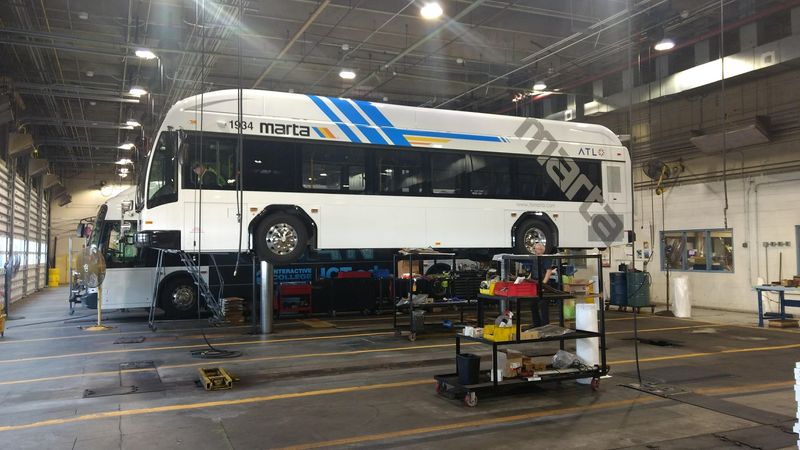
Getting around Atlanta without a car is more realistic than many outsiders assume, particularly for those who live and work near the MARTA rail system.
The Metropolitan Atlanta Rapid Transit Authority operates rail and bus lines that connect major neighborhoods, employment centers, and the airport at fares that are easy on the wallet.
The Five Points MARTA Station, located at 30 Alabama St SW, Atlanta, GA 30303, serves as the central hub of the rail network and provides connections to all four rail lines.
For commuters who can position themselves near a rail corridor, the savings on gas, parking, and vehicle maintenance can be substantial over the course of a year.
Shared mobility options including Lime scooters and bike-share programs supplement the transit network in denser neighborhoods.
While Atlanta is still a car-heavy city overall, the growing transit infrastructure gives budget-conscious residents genuine alternatives that can meaningfully reduce transportation costs month over month.
8. Thriving Neighborhoods With Character And Affordability
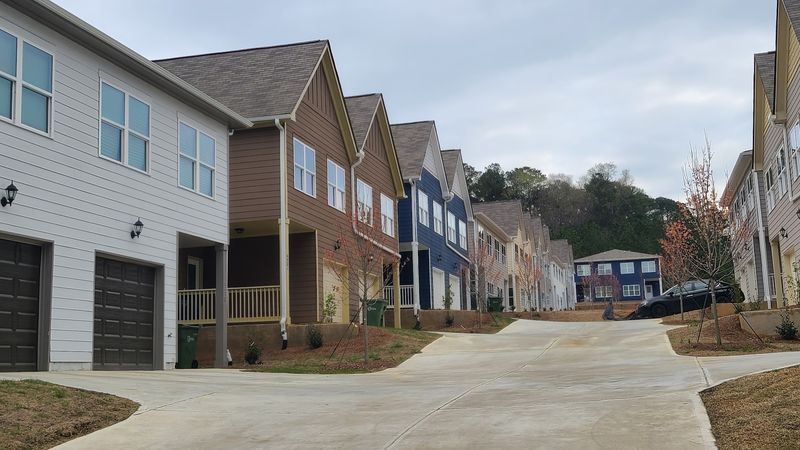
One of Atlanta’s most underrated qualities is the sheer variety of its neighborhoods, each with its own personality and price point.
From the artsy, eclectic energy of Little Five Points to the quiet tree-lined streets of Ormewood Park, there is genuinely something for every lifestyle and budget across the city’s patchwork of communities.
Little Five Points, centered around the intersection of Moreland Ave NE and Euclid Ave NE, Atlanta, GA 30307, buzzes with independent boutiques, vintage shops, live music venues, and casual eateries that keep the neighborhood feeling alive without corporate polish.
Rents here remain more manageable than in trendier coastal neighborhoods with a similar vibe.
Neighborhoods like East Atlanta Village and Kirkwood have also attracted younger residents drawn by affordable housing, walkable commercial strips, and strong community identity.
Atlanta’s neighborhoods reward explorers who are willing to look beyond the obvious spots and discover pockets of genuine charm at prices that still make financial sense.
9. Top-Tier Universities Driving A Skilled And Affordable Workforce
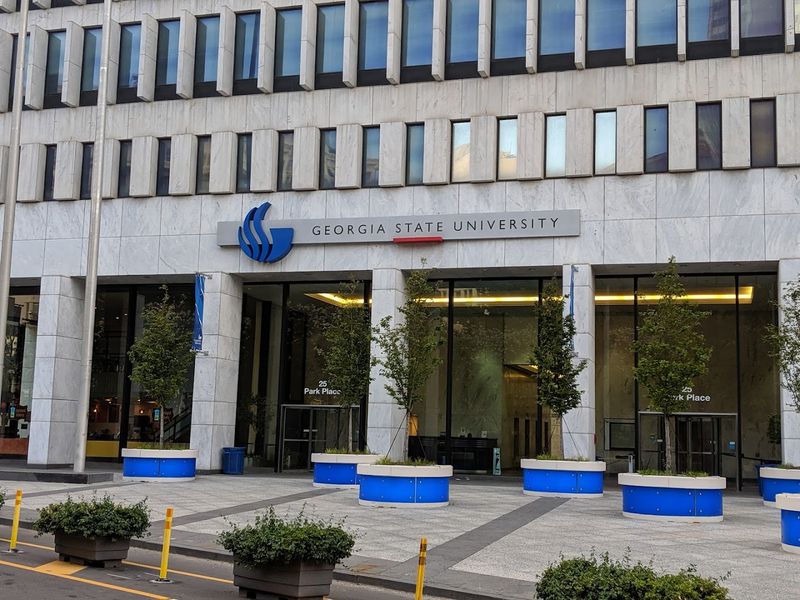
Atlanta is home to a remarkable concentration of universities and colleges that fuel the city’s economy and cultural life. Georgia Institute of Technology, Emory University, Georgia State University, Morehouse College, and Spelman College all operate within the metro area, creating a steady pipeline of educated talent across nearly every professional field.
Georgia Tech’s main campus sits at 225 North Ave NW, Atlanta, GA 30332, and its engineering and technology programs rank among the best in the nation.
The presence of so many strong academic institutions keeps Atlanta competitive for employers seeking skilled workers and helps hold down wages in ways that benefit businesses and keep the overall economy balanced.
For families, the concentration of universities also means robust continuing education options, cultural programming, and research institutions that enrich city life.
College sports events, public lectures, and campus arts programming add affordable entertainment options that residents across the metro can enjoy throughout the academic year.
10. Healthcare Access That Does Not Break The Bank
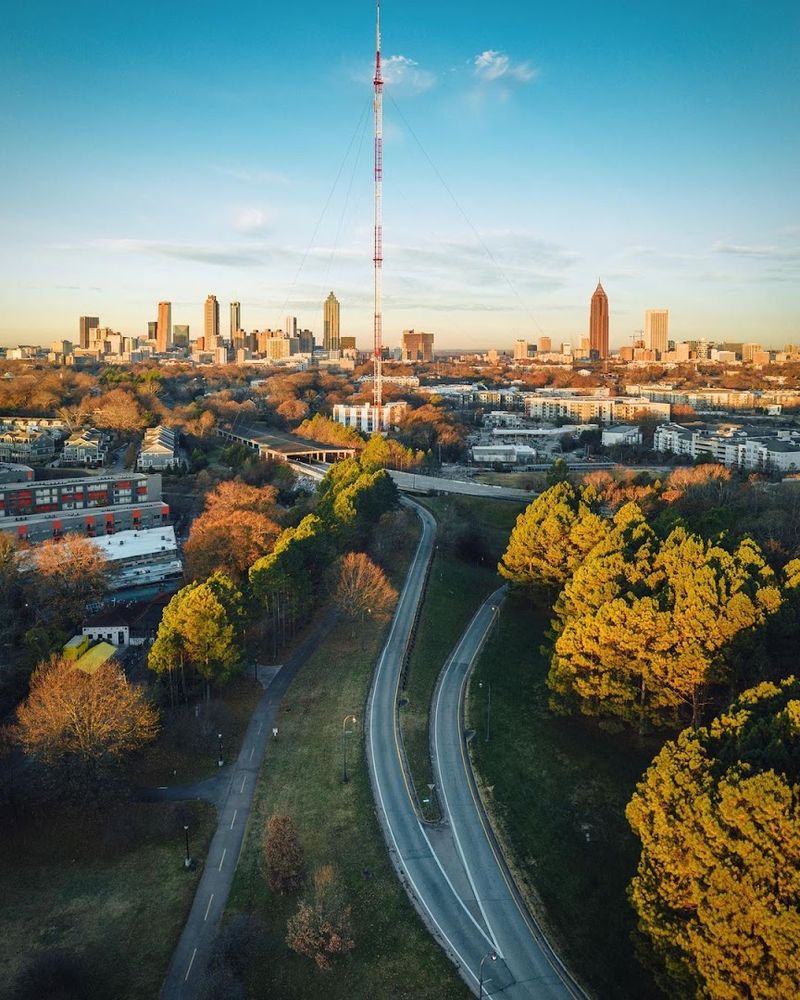
Access to quality healthcare at a manageable cost is one of Atlanta’s quiet strengths. The city is home to several major hospital systems including Emory Healthcare, Piedmont Healthcare, and Grady Memorial Hospital, giving residents a wide range of options across different price points and insurance situations.
Grady Memorial Hospital, located at 80 Jesse Hill Jr Dr SE, Atlanta, GA 30303, has served Atlanta’s community for well over a century and remains one of the largest public hospitals in the Southeast, providing essential care to residents regardless of ability to pay. Its presence ensures that even lower-income Atlantans have access to emergency and primary care services.
Community health centers and federally qualified health clinics scattered throughout Atlanta’s neighborhoods offer sliding-scale fee structures that make preventive care accessible. Compared to healthcare costs in cities like New York or Los Angeles, Atlanta residents on average face lower out-of-pocket expenses, which contributes meaningfully to the city’s overall affordability advantage.
11. A Climate That Keeps Utility Bills Manageable
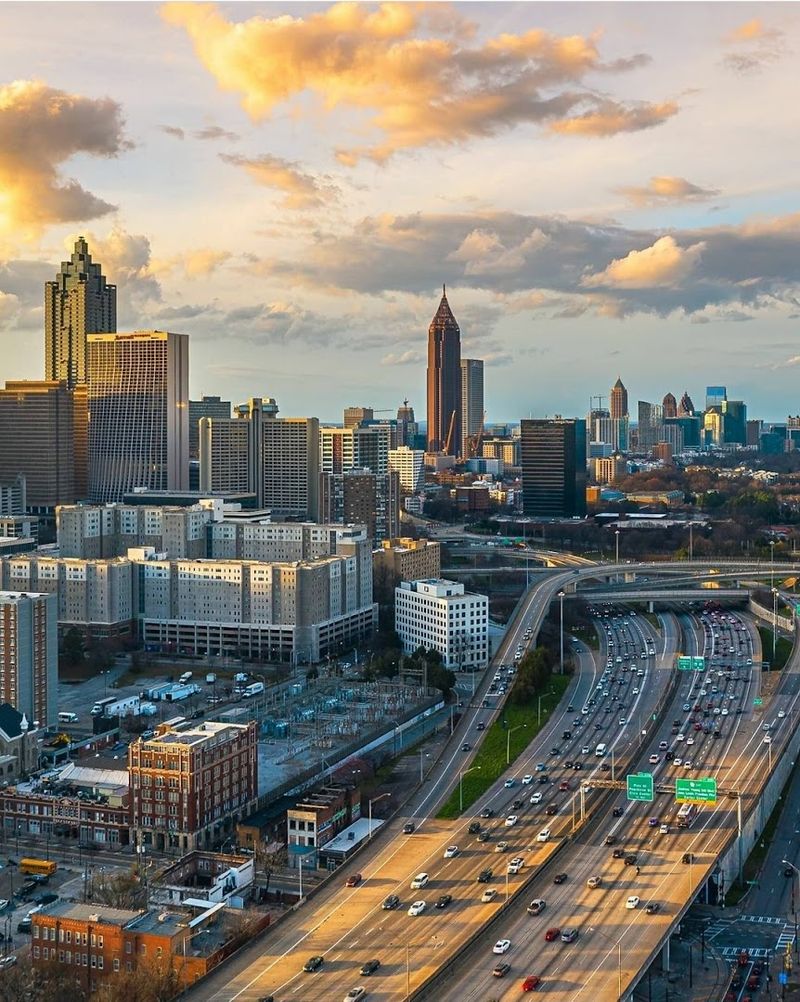
Atlanta’s climate sits in a sweet spot that keeps energy costs more predictable than in cities dealing with extreme winters or brutal desert summers. The city experiences four distinct seasons, with mild winters that rarely require the sustained heavy heating that drives up utility bills in northern cities like Chicago or Minneapolis.
Spring and fall in Atlanta are genuinely lovely, with comfortable temperatures that allow residents to open windows and reduce reliance on heating and cooling systems for meaningful stretches of the year. Those months can bring noticeable dips in monthly utility costs for households that take advantage of the mild conditions.
Summer heat does arrive and can be intense, but Atlanta’s tree canopy, which is famously dense compared to most American cities, provides natural cooling that softens the impact on outdoor comfort and urban heat. Residents who invest in modest weatherproofing and smart thermostats can keep summer cooling costs from becoming a major budget concern throughout the hottest months.
12. Rich Cultural Heritage Available At Low Or No Cost

Atlanta carries a profound historical and cultural legacy that residents and visitors can explore without spending heavily. The Martin Luther King Jr. National Historic Site, centered in the Sweet Auburn neighborhood at 450 Auburn Ave NE, Atlanta, GA 30312, preserves the birthplace, church, and gravesite of one of history’s most important civil rights leaders, and admission to the core site is free.
The surrounding Sweet Auburn district offers a walkable journey through African American history, entrepreneurship, and community resilience that is both educational and deeply moving. Plaques, murals, and preserved storefronts tell stories that no textbook can fully capture, and the entire experience costs nothing but time and curiosity.
The Atlanta History Center at 130 W Paces Ferry Rd NW, Atlanta, GA 30305 offers rotating exhibitions covering everything from the Civil War to the 1996 Olympics at admission prices that remain reasonable for families. Atlanta’s cultural richness does not demand a premium and that accessibility is a genuine point of civic pride.
13. Outdoor Green Space That Rivals Dedicated Nature Cities
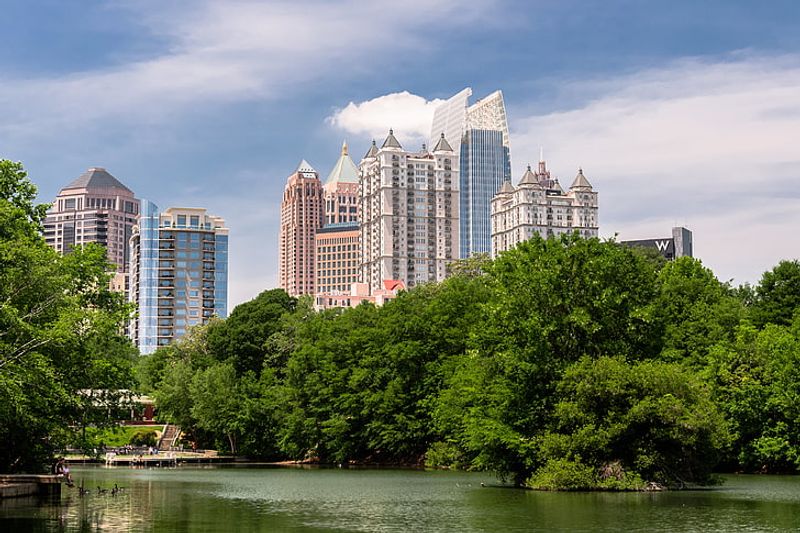
Atlanta earned its nickname Treetown for good reason, and the city’s commitment to green space gives residents access to nature without expensive memberships or long drives. Piedmont Park, located at 400 Park Dr NE, Atlanta, GA 30306, is the crown jewel of Atlanta’s park system, offering 185 acres of lawns, trails, a lake, sports facilities, and open meadows right in the middle of the city.
Weekend mornings at Piedmont bring out joggers, dog walkers, yoga groups, and families spreading out blankets for a few free hours of fresh air and sunshine. The park hosts free community events throughout the year including outdoor movie nights, fitness classes, and seasonal festivals that draw thousands of neighbors together.
The BeltLine trail network, which winds through dozens of Atlanta neighborhoods, adds miles of paved walking and cycling paths lined with public art, pocket parks, and food vendors. For residents who value outdoor access, Atlanta delivers generously without charging admission at the gate.
14. A Booming Tech Scene Bringing Opportunity Without Silicon Valley Prices
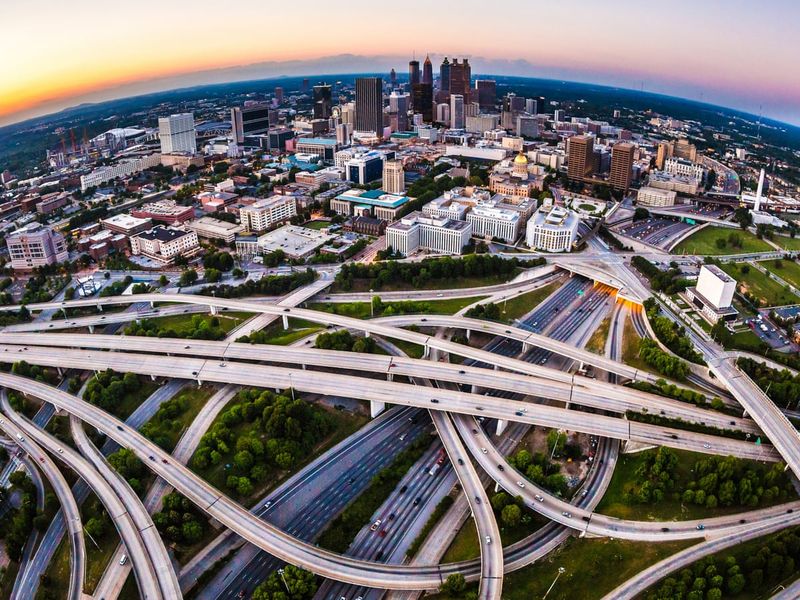
Atlanta has been quietly building a reputation as one of the Southeast’s most exciting tech hubs, earning the nickname Silicon Peach among industry insiders. The city hosts a growing ecosystem of startups, fintech companies, cybersecurity firms, and established tech giants that have set up significant operations in the metro area.
Tech Square, located near the Georgia Tech campus at 5th St NW and Spring St NW, Atlanta, GA 30308, has become the epicenter of Atlanta’s innovation economy, housing accelerators, corporate innovation centers, and research labs within a compact walkable district. The energy there reflects a city that is genuinely competing for tech talent and investment at a national level.
What sets Atlanta apart from other tech cities is the cost equation. Developers, designers, and product managers can earn competitive salaries while living in neighborhoods where rent and home prices remain far more reasonable than in San Francisco or Seattle.
That gap between earning power and living costs is exactly what makes Atlanta’s tech scene so compelling for career-minded professionals.
15. A Welcoming Community Spirit That Makes Starting Over Feel Easy
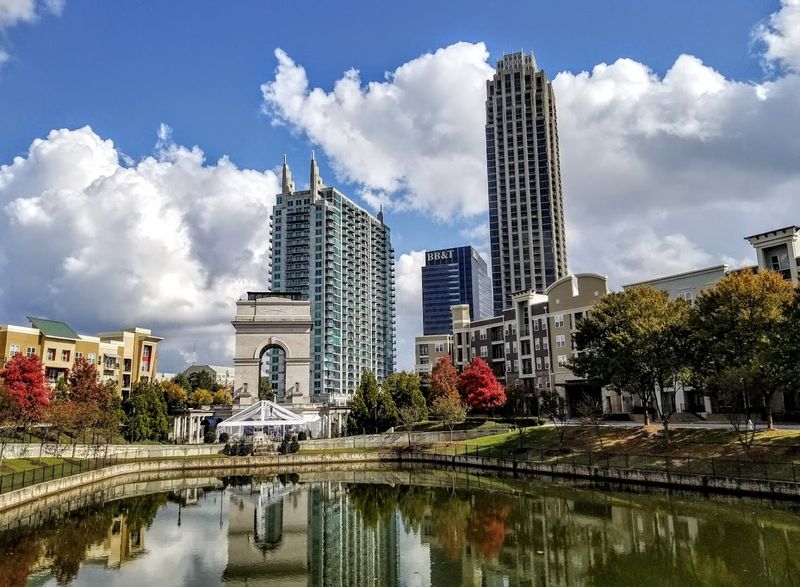
Beyond the numbers and the neighborhoods, Atlanta has a reputation for being genuinely welcoming to newcomers, and that social warmth has real practical value. Relocating to a new city is stressful, and landing in a place where community ties form quickly can make an enormous difference in how quickly someone feels settled and supported.
The Atlanta Beltline Lantern Parade, which takes place annually along the Eastside Trail near Irwin St NE, Atlanta, GA 30307, is just one example of the kind of inclusive community celebration that brings thousands of strangers together in a spirit of creativity and shared belonging. Events like this are woven into the city’s social fabric throughout the year.
Neighborhood associations, community gardens, local Facebook groups, and grassroots organizations across Atlanta actively work to welcome new residents and connect them with resources and social networks. For people starting fresh in a new city, that kind of built-in community infrastructure is not just heartwarming but genuinely practical and worth factoring into the affordability conversation.