East Of Los Angeles Is A California Outdoor Escape With Camping, Hiking, And Open Water
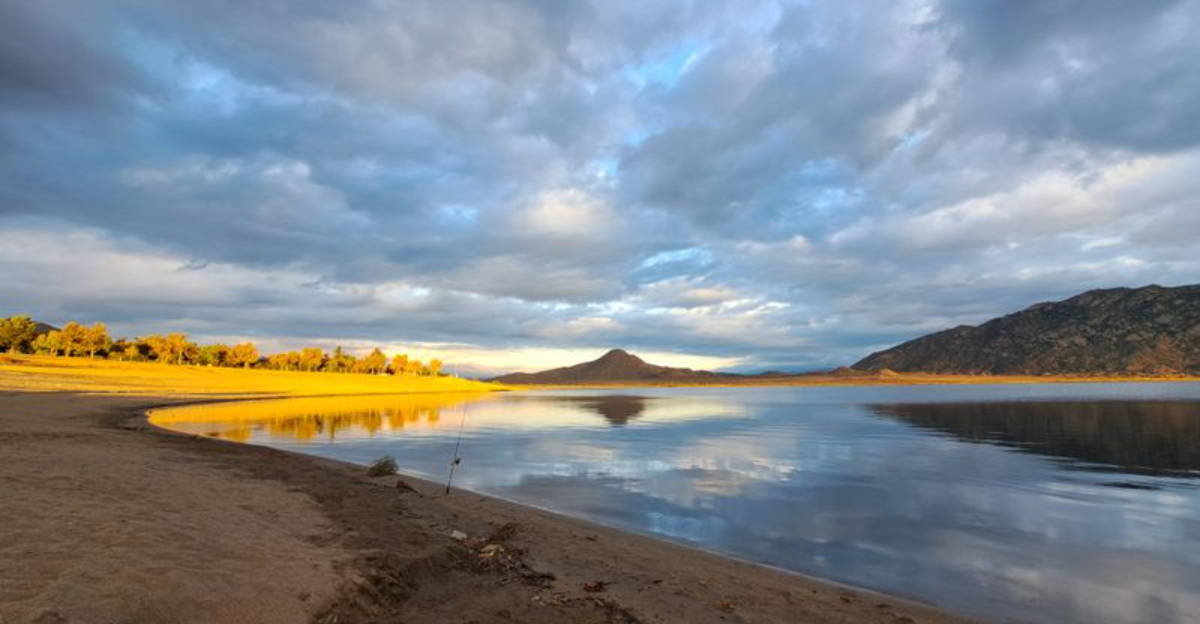
The change in pace is immediate. Traffic noise fades and open space takes over as the horizon stretches wide. Water reflects the sky and the air feels lighter.
Days here invite movement or stillness depending on your mood. Nothing feels rushed and nothing feels far away.
Set in southern California, Lake Perris State Recreation Area offers a rare mix of wide open water and rugged terrain.
The shoreline welcomes kayaks and paddleboards while fishing boats drift quietly across the lake. Trails loop through rolling hills where views open up with every step.
Campgrounds spread out enough to feel private and nights bring clear skies filled with stars. Mornings often begin with birdsong and calm water before the day warms.
What makes this place stand out is how approachable it feels. A full outdoor experience waits without the need for long planning or extended travel.
Lake Perris State Recreation Area delivers adventure that fits into a single day or an entire weekend. It proves that California still holds easy escapes where nature feels close and time feels generous.
Once you arrive it becomes hard to believe such space exists so near everyday life.
1. An Artificial Lake With A Purpose
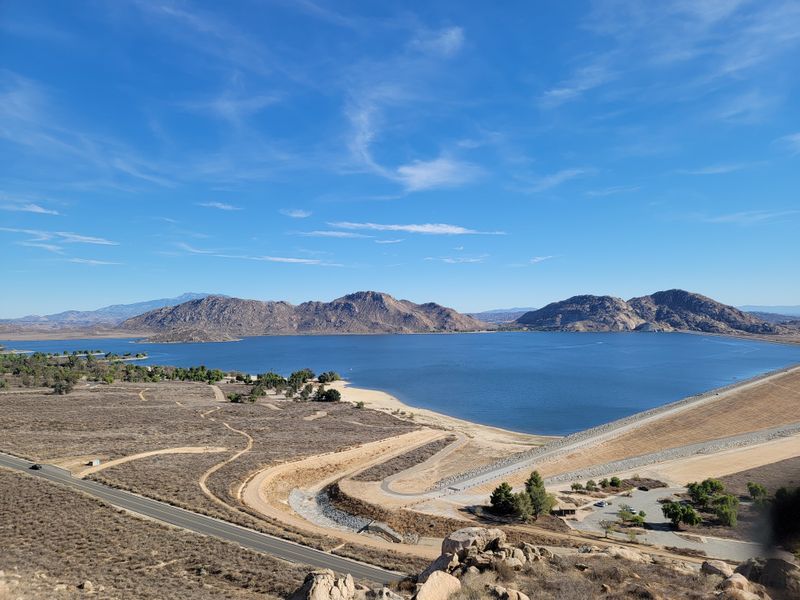
Lake Perris came to life in 1973, not through natural forces but through careful engineering and planning.
The Perris Dam created this reservoir as the southern endpoint of the California State Water Project, a massive system that delivers water across the state.
Positioned between the communities of Moreno Valley and Perris, the lake serves both practical water management needs and recreational purposes for thousands of visitors each year.
The reservoir covers approximately 2,200 acres when full, with a shoreline stretching about ten miles around.
Water levels may shift depending on seasonal demand and statewide water conditions, but the lake remains a reliable destination throughout the year.
The dam itself stands as an impressive feat of construction, holding back millions of gallons while creating a playground for boaters, swimmers, and anglers.
What began as infrastructure has transformed into one of Southern California’s favorite outdoor destinations.
Families return year after year, drawn by the combination of open water and surrounding wilderness.
The lake’s dual purpose shows how careful planning can create spaces that serve communities in multiple ways, blending utility with recreation in a landscape that might otherwise remain undeveloped.
2. Activities For Every Interest
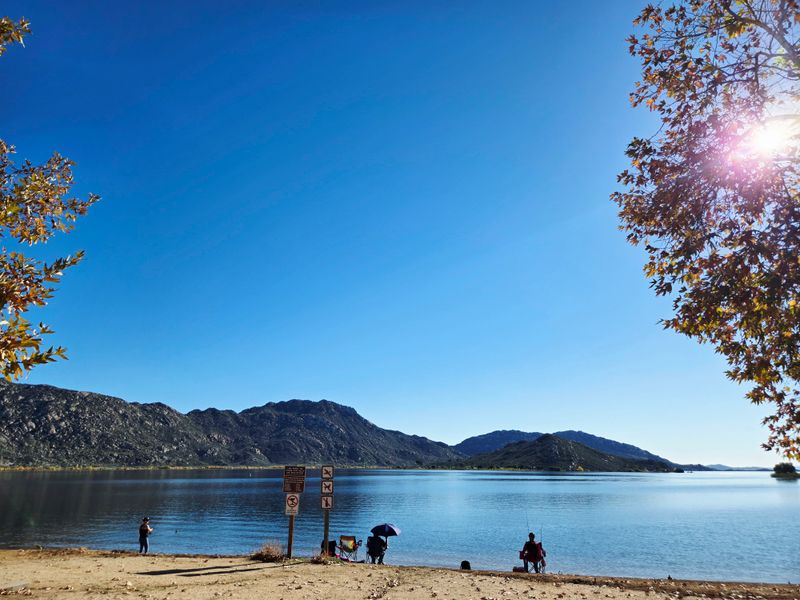
The recreation area packs an impressive variety of activities into its boundaries, ensuring that nearly every outdoor enthusiast finds something appealing.
Hiking trails wind through the surrounding hills, while cyclists enjoy paved paths with lake views.
Water lovers can swim in designated areas, and anglers cast lines from shore or boat, hoping for a memorable catch.
Rock climbers head to Big Rock on the southern end, where granite faces offer challenging routes. Horseback riders follow designated trails that showcase the area’s natural beauty from a different perspective.
Picnic areas with tables and grills provide comfortable spots for family gatherings, and the park’s camping facilities allow visitors to extend their stay beyond a single day.
The Ya’i Heki’ Regional Indian Museum adds cultural depth to the recreational offerings, presenting exhibits about the Indigenous peoples who have called this region home for generations.
Educational programs occasionally supplement the permanent displays, offering insights into traditional ways of life.
This blend of physical activities and cultural learning creates a well-rounded experience that goes beyond simple outdoor recreation, giving visitors multiple reasons to explore the park thoroughly.
3. Camping Options For All Styles
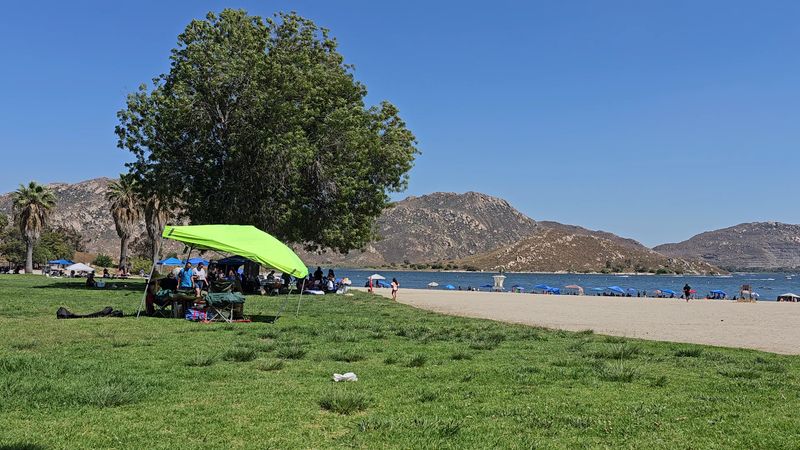
Lake Perris offers 431 campsites spread across the recreation area, accommodating everyone from tent campers to RV travelers.
Standard sites include picnic tables and fire rings, creating comfortable outdoor living spaces. RV sites feature hookups for electricity and water, making extended stays more convenient for those traveling in larger vehicles.
Group campsites serve larger parties, ideal for family reunions or gatherings of friends who want to camp together.
Restrooms with showers are distributed throughout the camping areas, providing essential amenities that make multi-day stays more comfortable.
The campground layout tends to fill quickly during peak seasons, particularly summer weekends and holidays, so arriving early is strongly recommended.
Each camping area offers a slightly different experience based on proximity to the lake, shade availability, and terrain.
Some sites sit closer to the water, while others nestle into hillsides with broader views of the surrounding landscape.
Campers should consider their priorities – whether that’s easy lake access, more privacy, or proximity to facilities – when selecting a site.
The variety ensures that repeat visitors can try different spots and find their favorite corner of the park.
4. Boating On Open Water
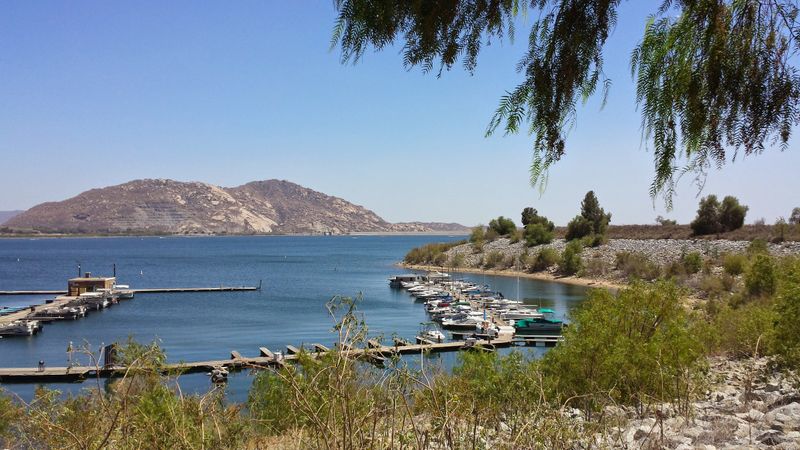
The lake welcomes a wide range of watercraft, from speedboats and pontoons to jet skis and paddleboards.
A 35 mph speed limit applies across most of the water, while a slower 5 mph limit protects the shoreline areas where swimmers and waders enjoy the shallows. This zoning allows for both high-energy water sports and calmer activities without conflict.
Launch ramps provide access for boats of various sizes, though summer weekends and holidays can create congestion at these entry points.
Reservations for boat launching are recommended during busy periods to avoid long waits. The lake’s size offers enough space for multiple groups to spread out, reducing the feeling of crowding even on popular days.
Non-powered boats like kayaks and canoes find plenty of peaceful corners to explore, particularly along the more protected coves.
The combination of motorized and quiet watercraft means the lake can accommodate different moods and preferences on the same day.
Whether seeking the thrill of speed or the tranquility of paddling, boaters find their preferred experience here.
The clear waters and surrounding desert landscape create a distinctive backdrop that sets Lake Perris apart from coastal boating destinations.
5. Prime Fishing Destination
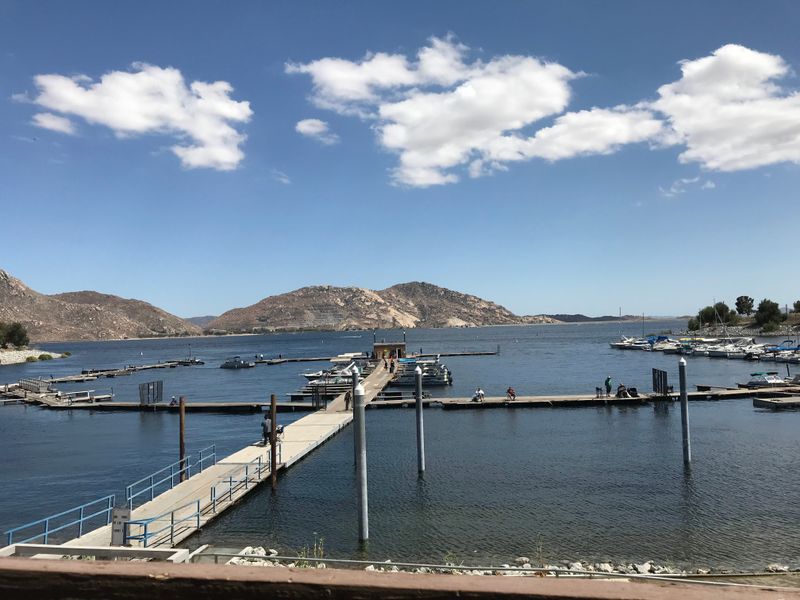
Anglers consider Lake Perris one of Southern California’s top fishing spots, particularly for largemouth bass.
The lake has produced trophy-sized catches over the years, drawing serious bass fishermen who study the seasonal patterns and underwater structure.
Beyond bass, the waters hold healthy populations of catfish, crappie, carp, and impressively large bluegill and redear sunfish.
During colder months, the lake receives regular stockings of rainbow trout, expanding the fishing opportunities and attracting trout enthusiasts.
This seasonal variety means the lake offers different challenges throughout the year, preventing the experience from becoming predictable.
Shore fishing is productive along many stretches of the shoreline, while boat anglers can reach deeper waters and less accessible spots.
A valid California fishing license is required for anyone aged 16 or older, and regulations regarding catch limits and legal sizes must be followed.
Bait shops near the park carry tackle and supplies, though experienced anglers often bring their preferred gear.
Early morning and late afternoon tend to produce the best results, particularly during warmer months when midday heat drives fish to deeper, cooler water.
The combination of species diversity and genuine trophy potential keeps fishing enthusiasts returning throughout the year.
6. Trails Around The Lake
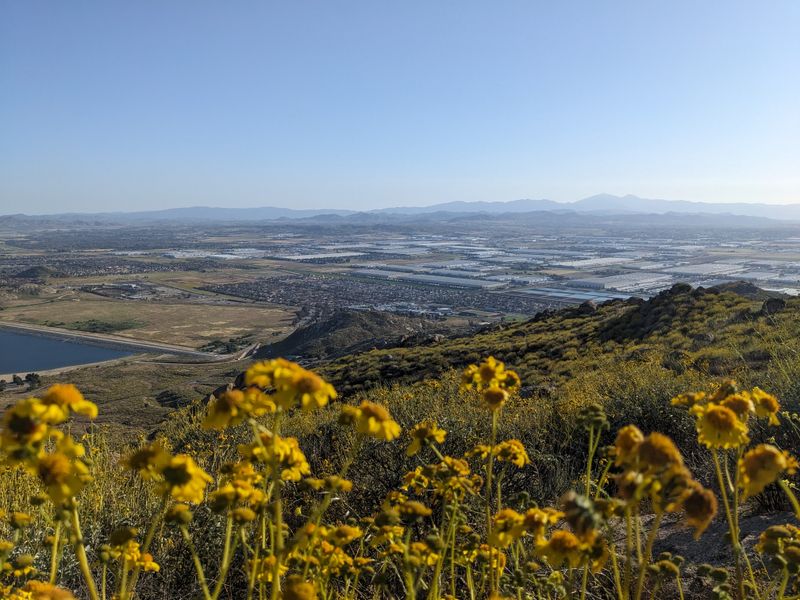
A nine-mile paved loop trail circles Lake Perris, providing a smooth surface for hikers, cyclists, and horseback riders.
The path offers constantly changing views of the water and surrounding hills, making the distance feel more manageable than a straight out-and-back route.
Benches placed at intervals allow for rest breaks, and the paved surface makes the trail accessible to visitors with mobility aids or strollers.
Beyond the main loop, additional trails branch into the surrounding hills, offering more challenging terrain and elevation changes.
The Terri Peak Trail climbs to a high point with panoramic views that stretch across the lake and toward the distant mountains.
These rougher paths attract hikers seeking a more strenuous workout and a sense of exploring beyond the main recreation areas.
Trail conditions tend to be best during cooler months when summer heat makes midday hiking uncomfortable.
Spring brings wildflowers to the hillsides, adding color to the typically brown landscape. Fall and winter offer the most comfortable temperatures for longer hikes, though the trails remain open year-round.
Visitors should carry plenty of water regardless of season, as shade is limited along most paths and the desert climate can be deceptively drying.
7. Rock Climbing At Big Rock
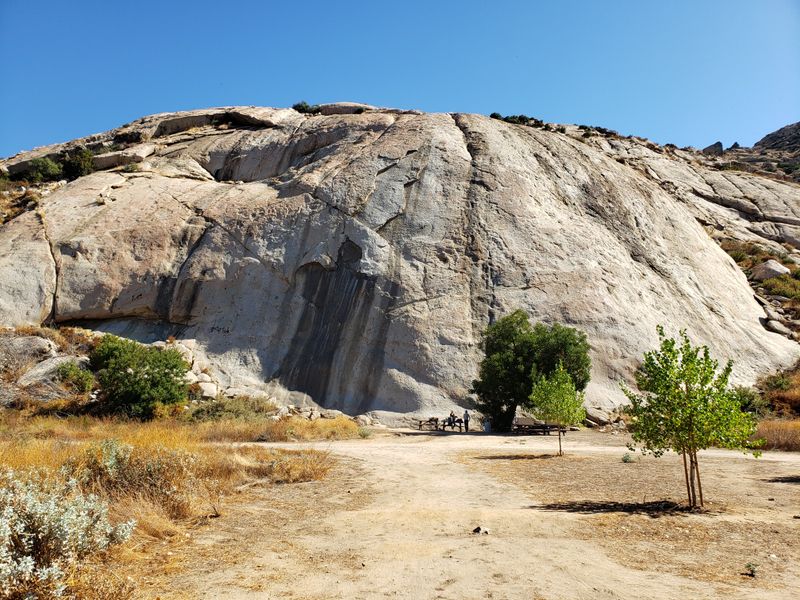
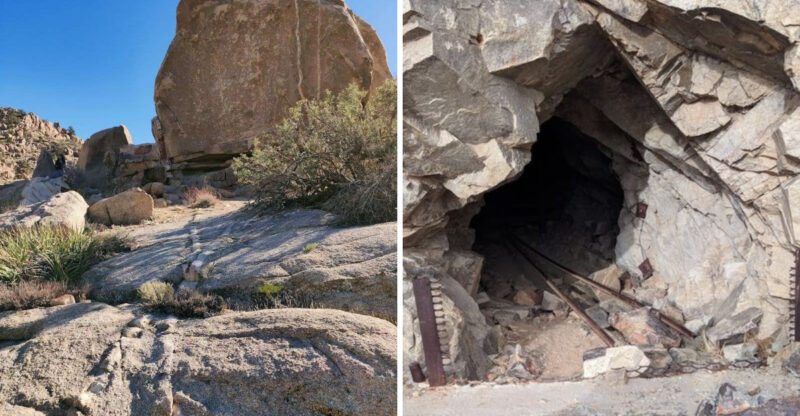
Big Rock, a granite formation on the park’s southern end, has become a popular destination for climbers seeking routes close to Los Angeles.
The rock face offers 34 recognized climbing routes, ranging from beginner-friendly paths to advanced challenges that test experienced climbers.
The granite provides solid holds and reliable features, making it suitable for various climbing styles. Climbers must bring their own equipment and take responsibility for their safety, as the park does not provide gear or supervision.
The exposed nature of the rock means conditions can vary with weather, and summer heat can make the granite uncomfortably hot to touch.
Many climbers prefer early morning sessions or visits during cooler seasons when temperatures allow for longer climbing sessions.
The climbing area attracts both local enthusiasts and visitors from farther away, creating a small community atmosphere on busy days.
Beginners can often find more experienced climbers willing to offer advice, though formal instruction is not available on-site.
The combination of accessibility, route variety, and scenic surroundings has established Big Rock as a regular training ground for Southern California climbers.
The rock’s prominence in the landscape also makes it a landmark visible from many points around the lake.
8. Wildlife Throughout The Park
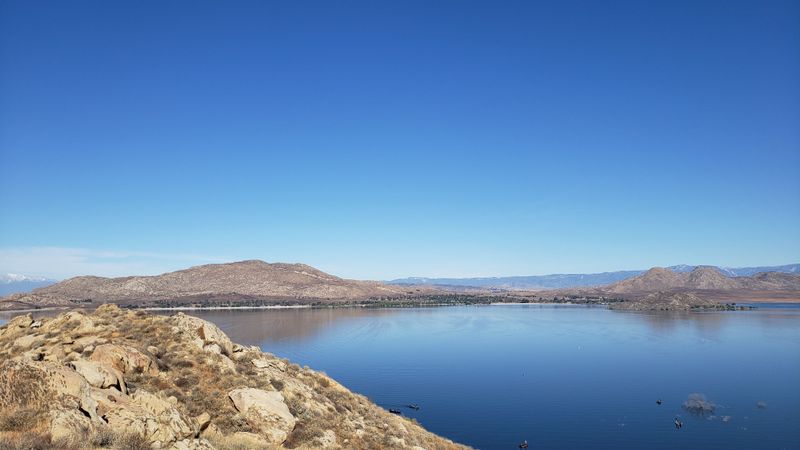
The recreation area supports a diverse population of wildlife adapted to the Southern California environment.
Mule deer browse the hillsides, particularly visible during early morning and evening hours when they feel safer moving through open areas.
Roadrunners dash across trails, their distinctive appearance and behavior delighting visitors unfamiliar with these desert birds.
Bobcats and coyotes inhabit the area but typically avoid human contact, though their tracks and signs reveal their presence.
Smaller mammals like rabbits and ground squirrels are more commonly spotted, and various quail species rustle through brush near the trails.
Reptiles include both harmless gopher snakes and venomous rattlesnakes, making it important for hikers to watch their footing and avoid reaching into areas they cannot see clearly.
Birdwatchers find the lake especially rewarding, with waterfowl gathering on the water and raptors hunting from above. Bald eagles and ospreys appear seasonally, creating excitement when spotted.
The variety of habitats – water, shoreline, grassland, and rocky hillsides – supports different species, giving wildlife enthusiasts multiple ecosystems to explore.
Bringing binoculars enhances the experience, allowing for better observation of birds and distant animals without disturbing them. Respectful distance protects both wildlife and visitors.
9. Cultural Learning At The Museum
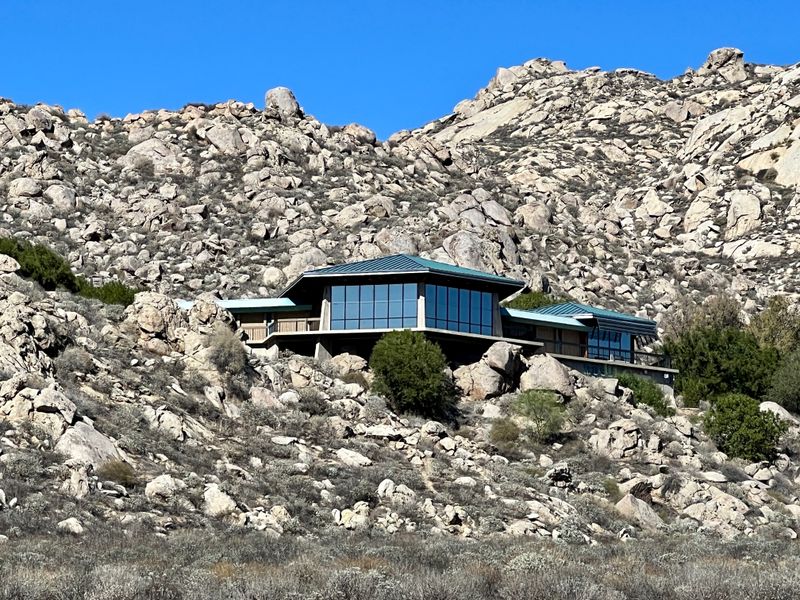
The Ya’i Heki’ Regional Indian Museum at 17801 Lake Perris Dr, Perris, CA 92571 provides context about the Indigenous peoples who have inhabited this region for thousands of years.
Exhibits showcase traditional tools, basketry, and other artifacts that illustrate daily life before European contact.
The museum name itself comes from the Cahuilla language, connecting the facility directly to the communities it represents.
Interpretive displays explain how native groups adapted to the challenging environment, utilizing available resources with remarkable ingenuity.
Seasonal plants, hunting practices, and social structures receive attention through photographs, text panels, and preserved objects.
Occasional educational programs expand on the permanent exhibits, offering deeper dives into specific topics or bringing in community members to share traditional knowledge.
The museum occupies a modest building but packs substantial information into its space.
Visitors typically spend thirty minutes to an hour exploring the exhibits, making it a manageable addition to a day focused primarily on outdoor activities.
The cultural perspective enriches the overall park experience, helping visitors understand the land’s significance beyond its current recreational use.
School groups and families with children particularly benefit from the educational offerings, which present history in accessible ways.
The museum reminds visitors that this landscape holds layers of meaning beyond what’s immediately visible.
10. Year-Round Access With Seasonal Considerations
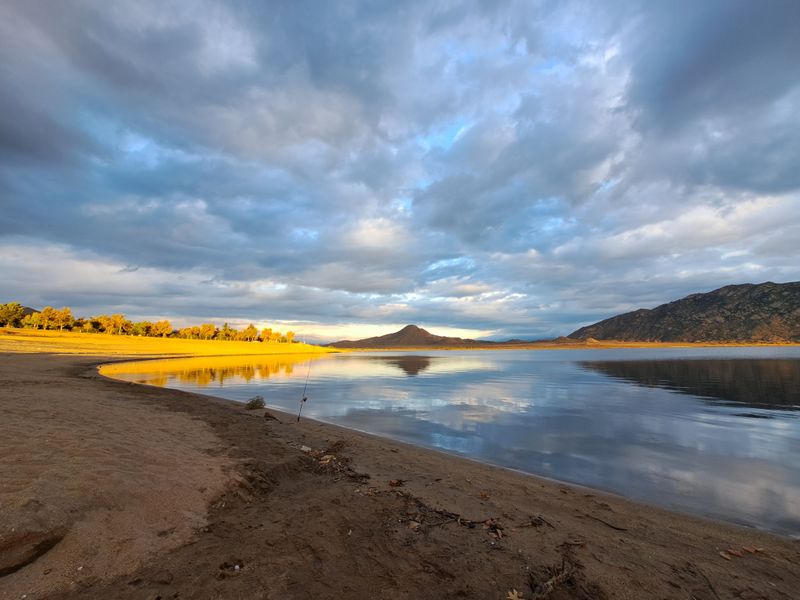
Lake Perris State Recreation Area remains open throughout the year, but the experience varies considerably with the seasons.
Summer brings the highest temperatures, often exceeding 100 degrees Fahrenheit, which makes water activities especially appealing while rendering midday hiking uncomfortable.
The lake sees its heaviest visitation during these hot months, as families seek relief from the heat.
Spring and fall offer more moderate temperatures that many visitors find ideal for camping and hiking. Wildflowers may bloom in spring following wet winters, adding unexpected color to the typically muted landscape.
Fall provides comfortable conditions without the crowds that pack the park during summer holidays, making it easier to secure campsites and find parking.
Winter brings cooler weather that can make water activities less appealing but creates perfect conditions for hiking and exploring the trails.
Trout stocking during colder months attracts anglers who appreciate the seasonal change in fishing opportunities. The park rarely experiences freezing temperatures, though occasional cold snaps can occur.
Understanding these seasonal patterns helps visitors plan trips that match their interests and tolerance for heat.
Each season offers distinct advantages, and frequent visitors often have strong preferences about their favorite time to experience the park.