12 Entryway Styles That Are Still Popular In Historic Virginia Homes
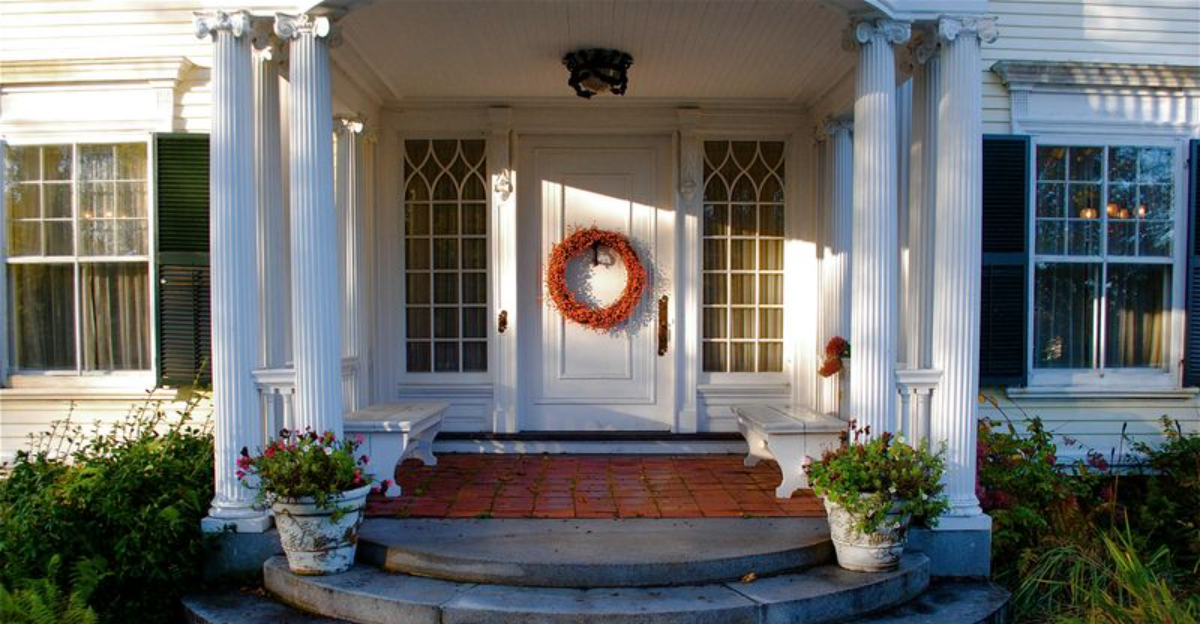
Virginia’s historic homes tell stories through their front doors and entryways, each one reflecting a different era of American architecture.
From grand columns that reach toward the sky to cozy covered porches perfect for rocking chairs, these entrances have welcomed generations of families and guests.
Walking through Virginia’s older neighborhoods today reveals that many of these classic entryway designs remain as beloved now as they were centuries ago, blending timeless beauty with the warmth of Southern hospitality.
1. Georgian Grandeur
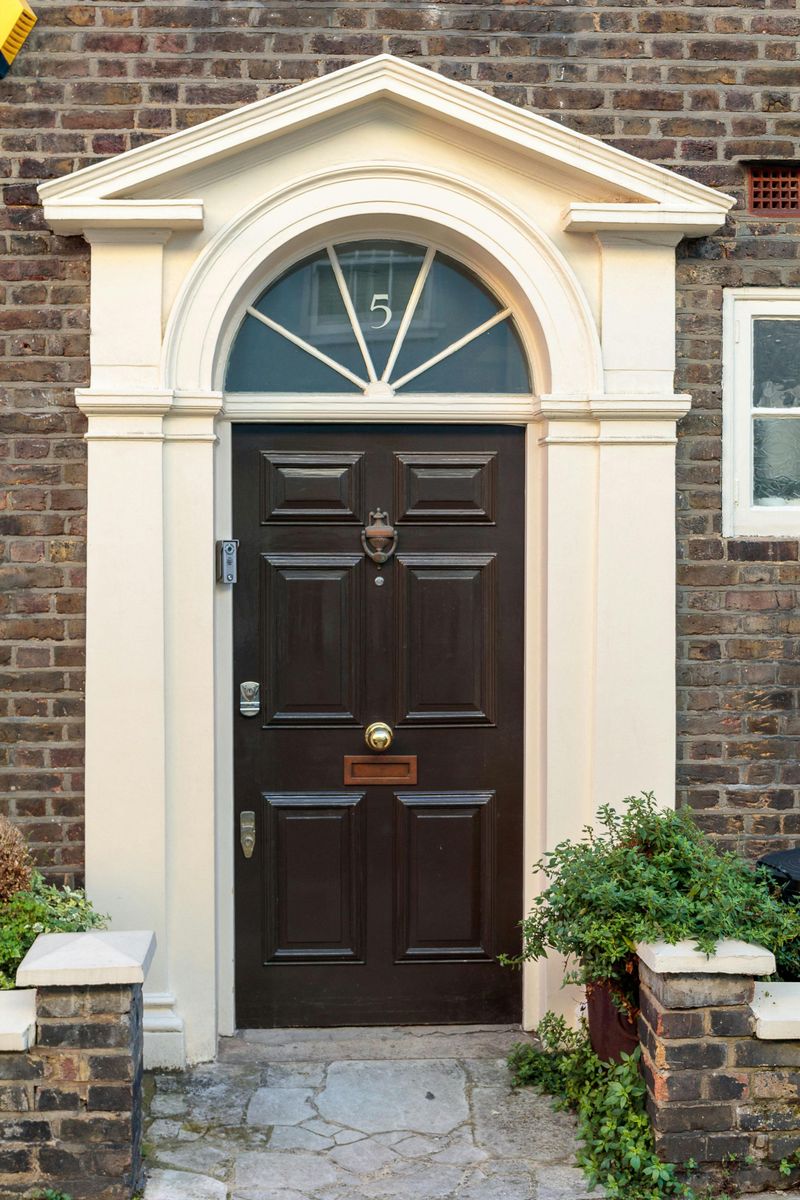
Symmetry defines every element of a Georgian entryway, creating a sense of order and elegance that still captivates homeowners today.
Double doors stand at the center, often crowned by a semicircular fanlight window that bathes the entrance hall in natural light.
Decorative columns flank the doorway, sometimes supporting a small pediment that adds architectural weight to the design.
The balance is so precise that if you drew a line down the middle, both sides would mirror each other perfectly.
Cities like Alexandria and Fredericksburg showcase numerous examples of this timeless style, where red brick facades and white trim create striking contrasts.
Many of these homes date back to the 1700s, yet their entryways remain remarkably relevant in modern times.
The formality of Georgian design communicates stability and tradition, qualities that continue to appeal to those who appreciate classic American architecture.
2. Federal Finesse
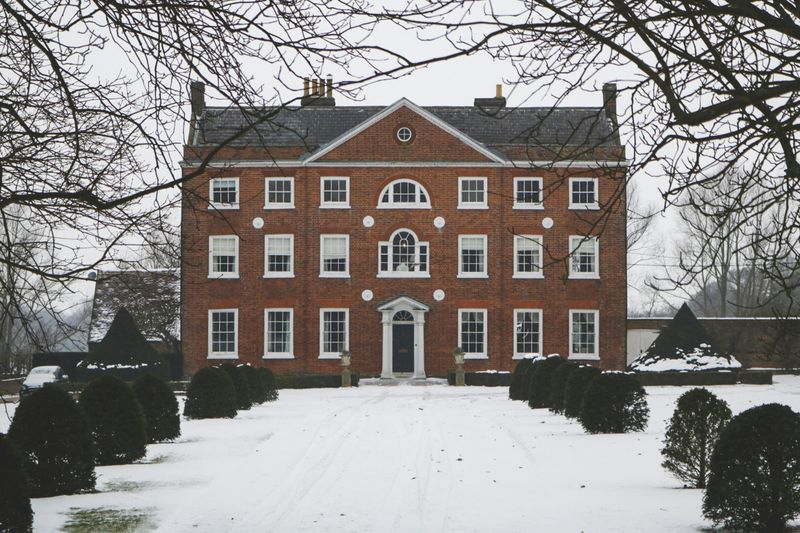
Delicate details distinguish Federal-style entryways from their Georgian predecessors, bringing a lighter, more refined touch to Virginia’s architectural landscape.
Slender columns replace the heavier Georgian versions, creating an airy elegance that feels both formal and welcoming.
The fanlight windows above Federal doors feature intricate leaded glass patterns that transform sunlight into geometric art displays across entrance halls.
Doors themselves often wear rich colors – deep blues, forest greens, or burgundies – that contrast beautifully with white or cream trim.
This style flourished in the early 1800s when American builders began developing their own architectural identity separate from British traditions.
The proportions tend to be more delicate, with narrower sidelights and more elaborate decorative elements.
Federal entryways whisper rather than shout, offering sophistication through restraint and careful attention to ornamental details that reward closer inspection.
3. Greek Revival Porticos
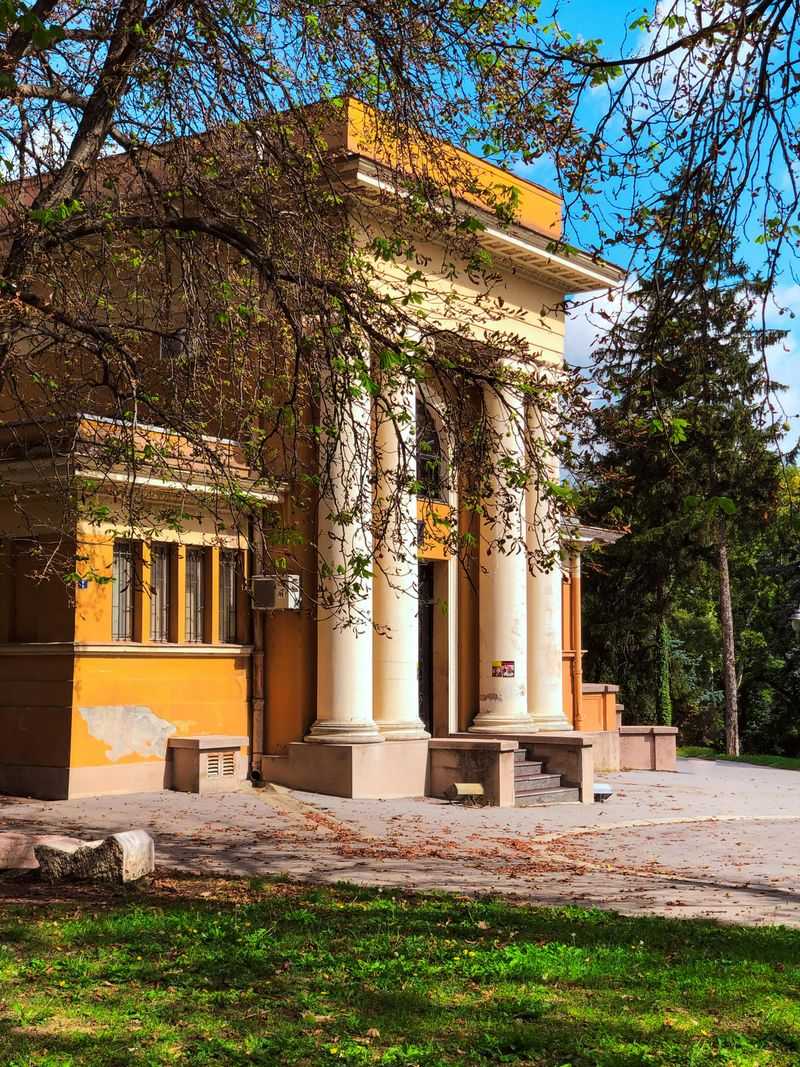
Massive columns make an unmistakable statement in Greek Revival entryways, transforming ordinary homes into miniature temples that command attention from the street.
These substantial pillars support triangular pediments that echo ancient Greek architecture, bringing classical grandeur to Virginia’s residential neighborhoods.
The scale of these entryways often surprises first-time visitors – columns may rise two full stories, dwarfing the people who pass between them.
This deliberate monumentality was meant to convey permanence and cultural sophistication during the mid-1800s when this style peaked in popularity.
White paint typically covers these classical elements, creating crisp contrasts against brick or clapboard siding in various colors.
The portico often extends outward from the main structure, creating a covered area that provides shelter while emphasizing the entrance.
Greek Revival entryways remind us that Virginians once looked to ancient civilizations for architectural inspiration, creating homes that feel both American and timeless.
4. Victorian Vestibules
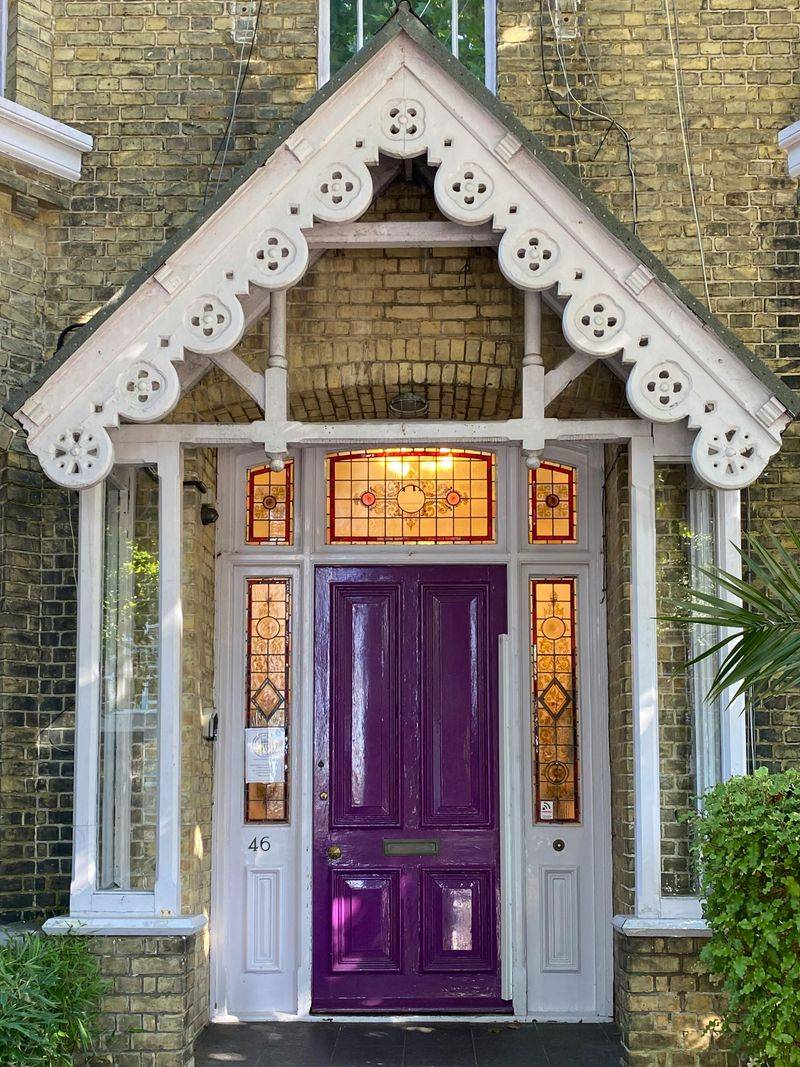
Exuberance overflows in Victorian entryways, where every surface becomes an opportunity for decorative expression and colorful embellishment.
Gingerbread trim drips from porch eaves like architectural frosting, while decorative brackets add layers of visual interest to posts and beams.
Stained glass windows transform these entrances into jewel boxes, casting colored light patterns that shift throughout the day as the sun moves.
Many Victorian homes feature small vestibule areas – transitional spaces where visitors can pause, shake off rain, and prepare before entering the main house.
The late 1800s brought prosperity to many Virginia families, and their homes reflected this success through elaborate ornamentation.
Turned spindles, carved posts, and painted details in multiple colors all work together to create entrances that celebrate craftsmanship.
Victorian vestibules reject the restraint of earlier styles, instead embracing abundance and personality that still delights those who appreciate architectural whimsy and historical charm.
5. Tudor Timber Frames
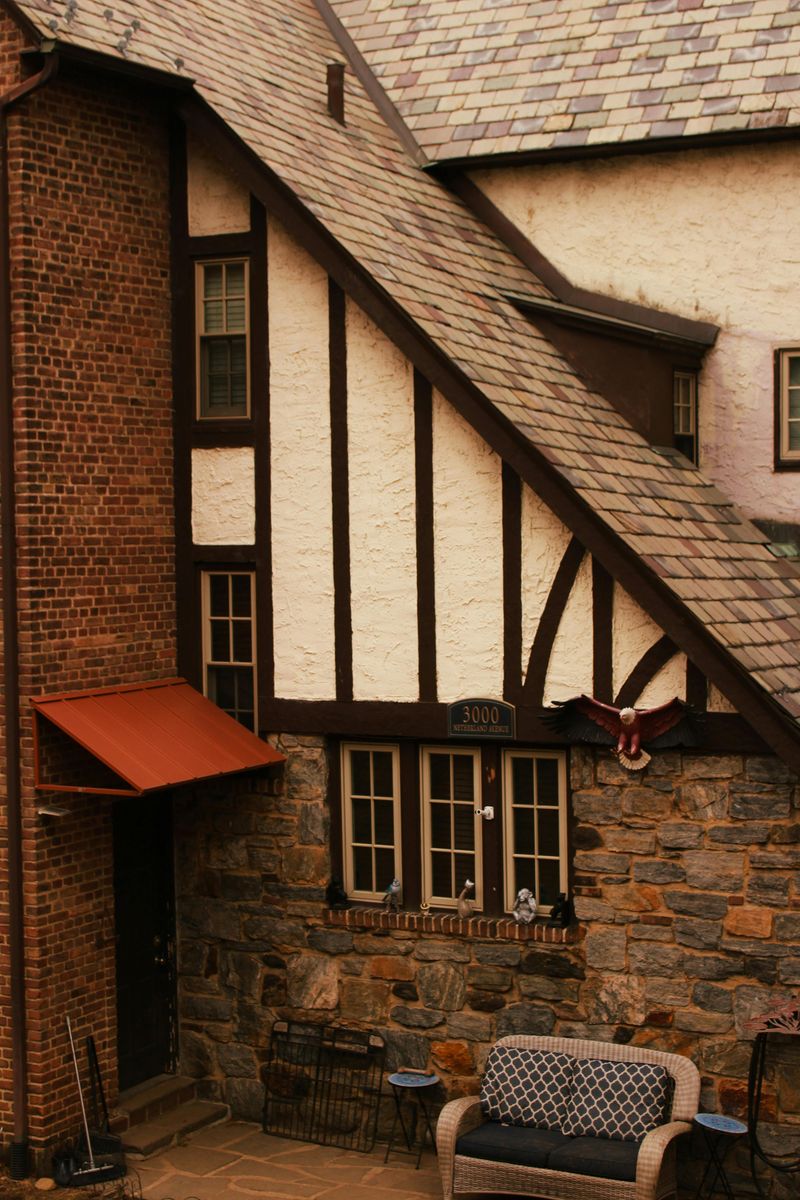
Fairy-tale charm radiates from Tudor-style entryways, transporting visitors to a romanticized version of medieval England right in Virginia’s neighborhoods.
Steeply pitched gables create dramatic rooflines that draw the eye upward, while decorative half-timbering adds visual texture against stucco or brick surfaces.
Rounded doorways sometimes taper toward the top, creating distinctive arched shapes that feel both whimsical and substantial.
Heavy wooden doors with iron hardware complete the medieval aesthetic, suggesting castles and cottages from storybooks.
Virginia’s 1920s and 1930s neighborhoods embraced this style during a period when Americans romanticized European architectural traditions.
These homes often feature smaller, more intimate entryways compared to the grand porticos of earlier styles, creating cozy rather than imposing first impressions.
Tudor entryways appeal to those who want their homes to tell stories and spark imagination, offering departure from classical American styles while maintaining historical authenticity and undeniable curb appeal.
6. Craftsman Covered Porches
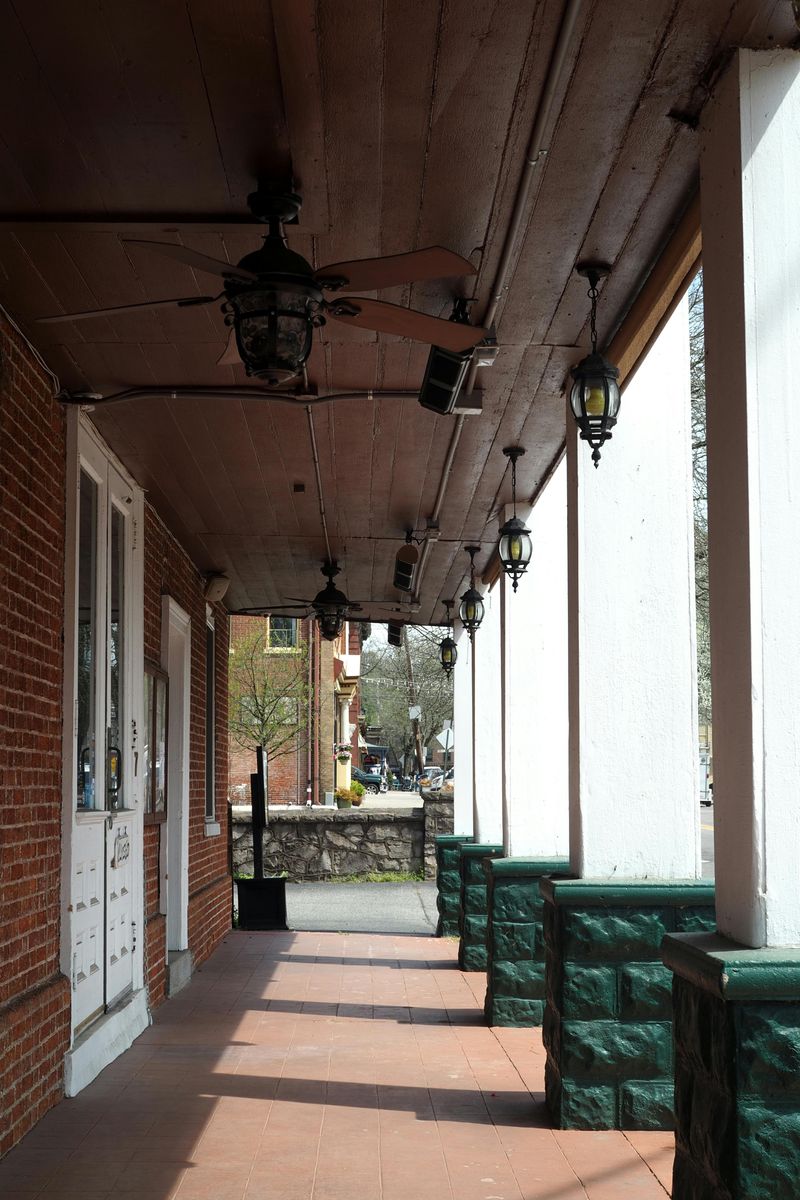
Natural materials take center stage in Craftsman entryways, where honest construction methods and organic textures create welcoming spaces that blur the line between indoors and outdoors.
Deep covered porches extend from the main structure, supported by tapered columns that rest on substantial stone or brick piers.
These columns often feature a distinctive shape – wider at the base and narrowing toward the top – that gives Craftsman porches their characteristic profile.
Exposed rafter tails and visible beam ends celebrate structural elements rather than hiding them, reflecting the Arts and Crafts movement’s emphasis on craftsmanship.
Early 20th-century Virginia neighborhoods adopted this style enthusiastically, creating streets lined with inviting front porches perfect for rocking chairs and evening conversations.
The horizontal emphasis and low-pitched rooflines make these homes feel grounded and accessible.
Craftsman entryways reject pretension in favor of warmth and functionality, offering spaces where families naturally gather and neighbors feel invited to stop for friendly chats.
7. Neoclassical Grandeur

Dramatic architectural statements define Neoclassical entryways, where full-height porticos rise two stories to create imposing approaches that command respect and attention.
Massive classical columns support these towering structures, often arranged in pairs or groups that frame centrally placed doors.
The scale alone distinguishes Neoclassical designs from earlier classical revivals – these entryways don’t just reference ancient temples, they recreate them at residential scale.
The columns may feature Doric, Ionic, or Corinthian capitals, each adding different levels of ornamentation to the overall composition.
Virginia’s historic districts showcase numerous examples of this bold style, particularly in homes built during the late 19th and early 20th centuries when grandeur signaled success.
The porticos create deeply shaded outdoor spaces that provide relief from summer heat while making powerful visual impressions.
Neoclassical entryways suit those who want their homes to project confidence and permanence, creating entrances that feel more like public monuments than private residences in the most magnificent way.
8. Colonial Revival Portico
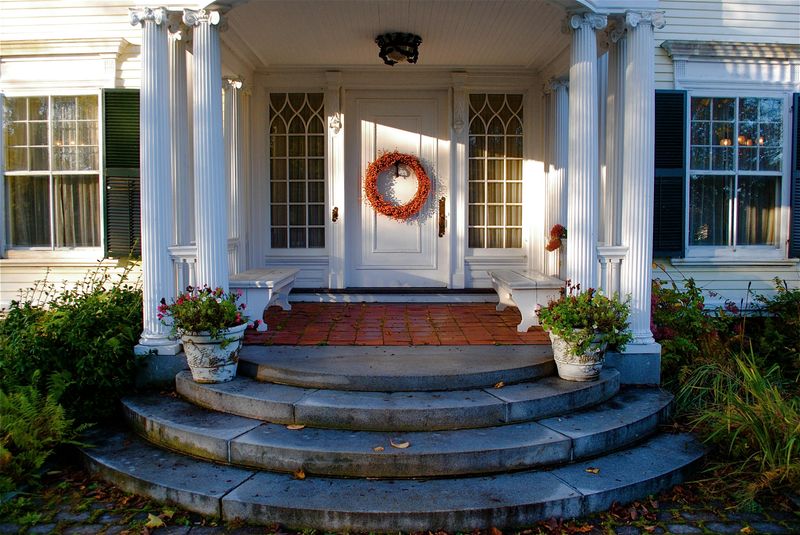
Balance and formality reign supreme in Colonial Revival entryways, which reimagine early American architecture through an early 20th-century lens.
Red brick exteriors provide warm backgrounds for white columns and trim that frame centrally placed doors with mathematical precision.
Decorative pediments crown these entrances, while sidelights and arched transom windows allow natural light to flood interior spaces.
The symmetry echoes Georgian design but typically feels less austere, incorporating slightly more decorative elements while maintaining classical proportions.
This style gained popularity in the early 1900s as Americans developed renewed interest in their colonial heritage and sought to connect new construction with historical roots.
The result blends authenticity with modern convenience, creating entryways that feel both traditional and livable.
Colonial Revival porticos offer a middle ground between elaborate Victorian ornamentation and stark minimalism, appealing to homeowners who value tradition without stuffiness or excessive formality in their architectural choices.
9. Palladian Perfection
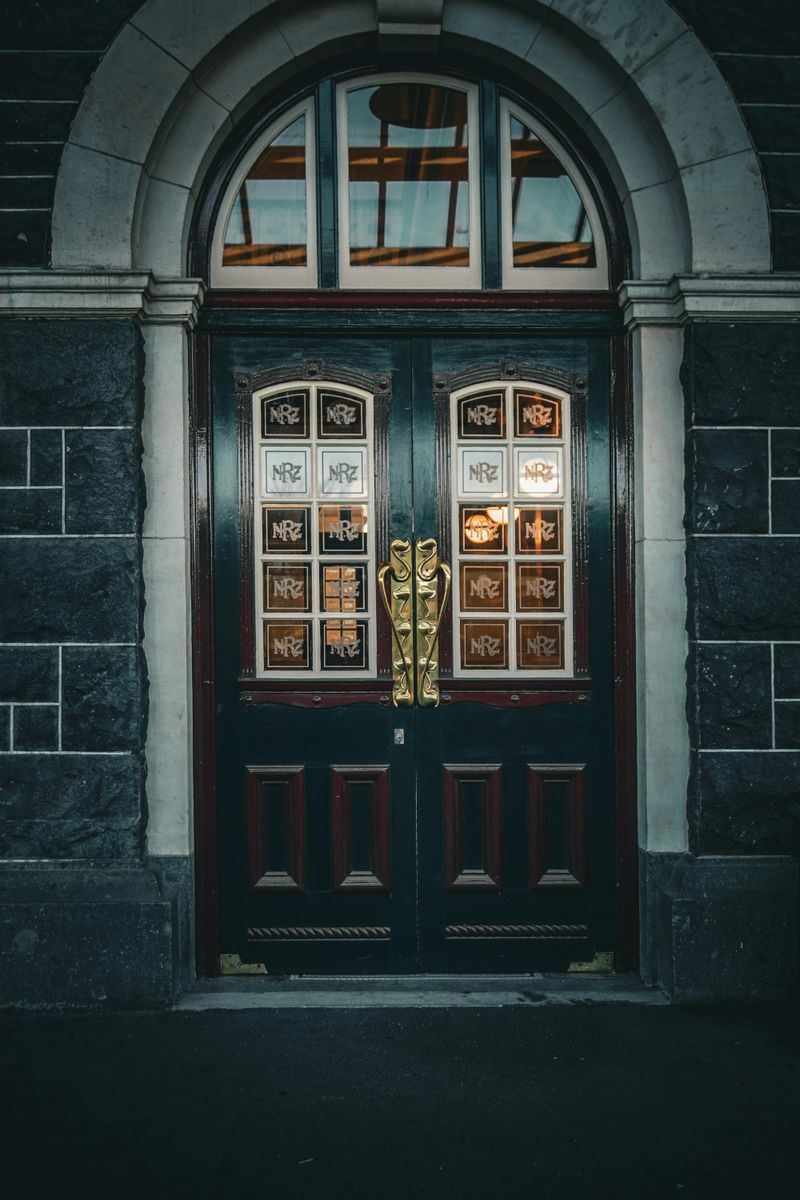
Italian Renaissance principles guide Palladian entryways, where mathematical proportions and distinctive window arrangements create harmonious compositions that have influenced architecture for centuries.
The signature element – a Palladian window – sits directly above the door, featuring a central arched window flanked by two smaller rectangular openings.
Thomas Jefferson embraced this style at Monticello, located at 1050 Monticello Loop, Charlottesville, VA 22902, where Palladian windows grace both the entrance and other prominent locations throughout the estate.
The arrangement creates visual interest while maintaining the classical emphasis on balance and proportion.
These entryways typically feature refined details rather than overwhelming ornamentation, letting the elegant geometry speak for itself.
The arched center window adds verticality and grace, while the flanking windows provide symmetry and additional light.
Palladian entryways appeal to those who appreciate architectural sophistication rooted in historical precedent, offering timeless elegance that transcends fleeting trends through careful attention to classical design principles.
10. Queen Anne Asymmetry
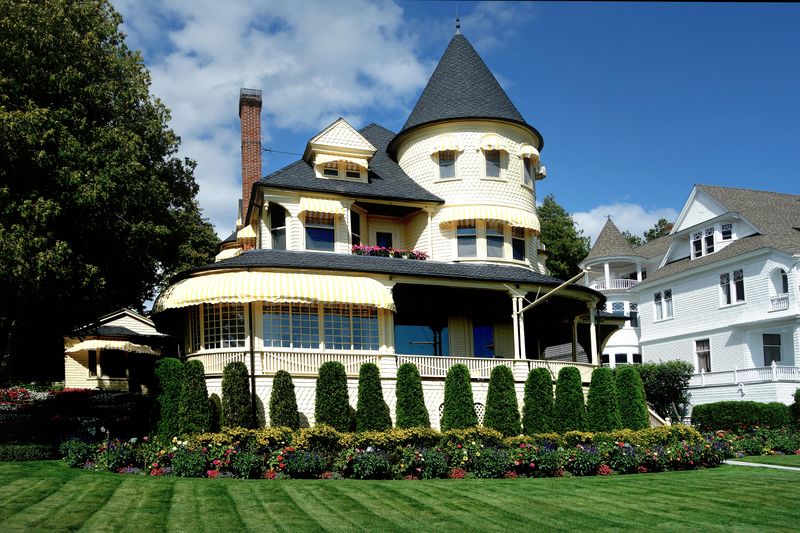
Playful asymmetry breaks all the rules in Queen Anne entryways, where Victorian-era designers rejected symmetry in favor of visual variety and unexpected architectural elements.
Corner turrets, wrap-around porches, and off-center doors create dynamic compositions that surprise and delight from every angle.
Multiple textures and materials combine on single facades – fish-scale shingles, clapboard siding, decorative panels, and ornamental brackets all coexist in cheerful abundance.
Spindle work and turned posts add layers of detail, while bay windows and projecting gables create three-dimensional depth.
Late 19th-century Virginia embraced this exuberant style, particularly in growing towns where prosperous merchants built homes that showcased their success.
The entryways often tuck into corners or wrap around tower elements, creating intimate approaches rather than formal frontal presentations.
Queen Anne entryways celebrate individuality and creative expression, offering maximum personality for homeowners who view their houses as canvases for architectural imagination and Victorian-era charm that never goes out of style.
11. Italianate Brackets And Towers
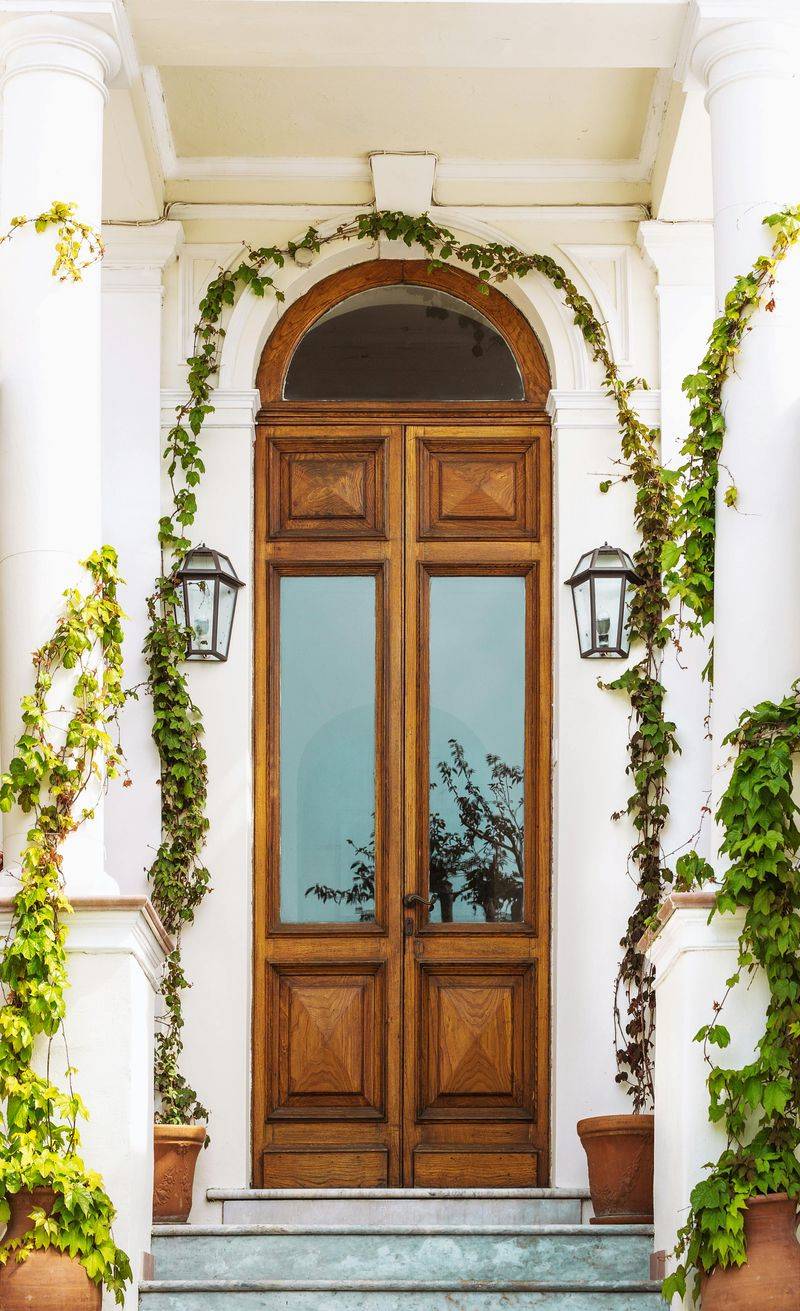
Italian villa romance flows through Italianate entryways, where decorative brackets, tall windows, and distinctive towers evoke Mediterranean landscapes transplanted to Virginia soil.
Large decorative brackets support wide overhanging eaves, creating deep shadows that add drama and protect walls from weather.
Arched doorways and windows with ornate crowns reference Italian Renaissance architecture, while square towers or cupolas rising above the roofline provide distinctive silhouettes.
Tall, narrow windows often appear in pairs, emphasizing vertical lines that make these homes feel taller and more elegant.
Mid-19th century Virginia saw numerous Italianate homes constructed, particularly in prosperous urban areas where this cosmopolitan style signaled cultural sophistication.
The entryways typically feature substantial doors with glass panels, allowing light to penetrate while maintaining privacy.
Italianate entryways transport visitors to another time and place, offering architectural escapism that brings Old World elegance to American neighborhoods through carefully chosen details and proportions that celebrate European influence.
12. Second Empire Mansard Magic
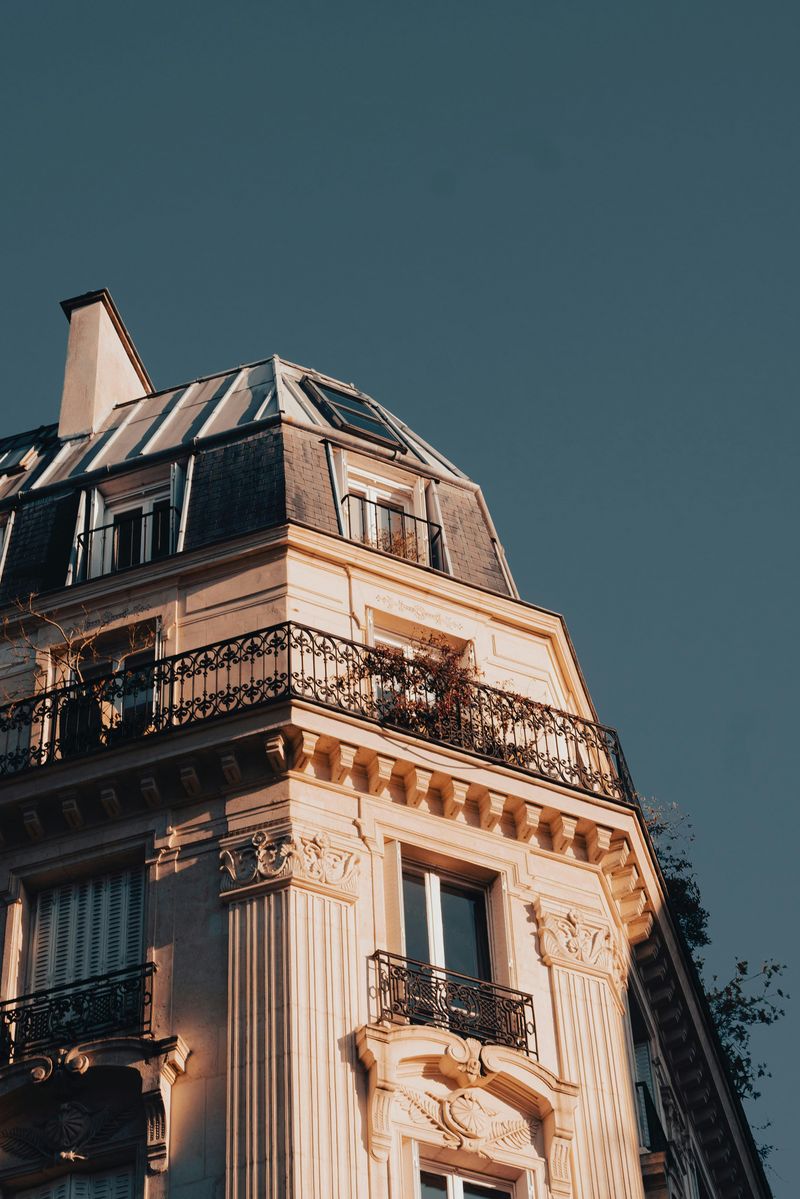
French elegance defines Second Empire entryways, where distinctive mansard roofs and elaborate door surrounds create sophisticated compositions inspired by Parisian architecture.
The mansard roof – with its characteristic double slope – often rises directly above the entrance, featuring decorative dormer windows that add charm and provide light to upper floors.
Ornate door surrounds frame entrances with layered moldings, carved brackets, and sometimes pediments that showcase fine craftsmanship.
These entryways tend toward formality, with carefully proportioned elements that create refined rather than rustic impressions.
Post-Civil War Virginia saw this style gain popularity among those rebuilding prosperity and seeking architectural sophistication.
The French influence brought continental flair to American neighborhoods, creating homes that stood out through their distinctive rooflines and elegant details.
Second Empire entryways suit those who appreciate European architectural traditions and want their homes to project cultured refinement, offering timeless style that connects Virginia’s historic neighborhoods to broader international design movements and French aesthetic sensibilities.